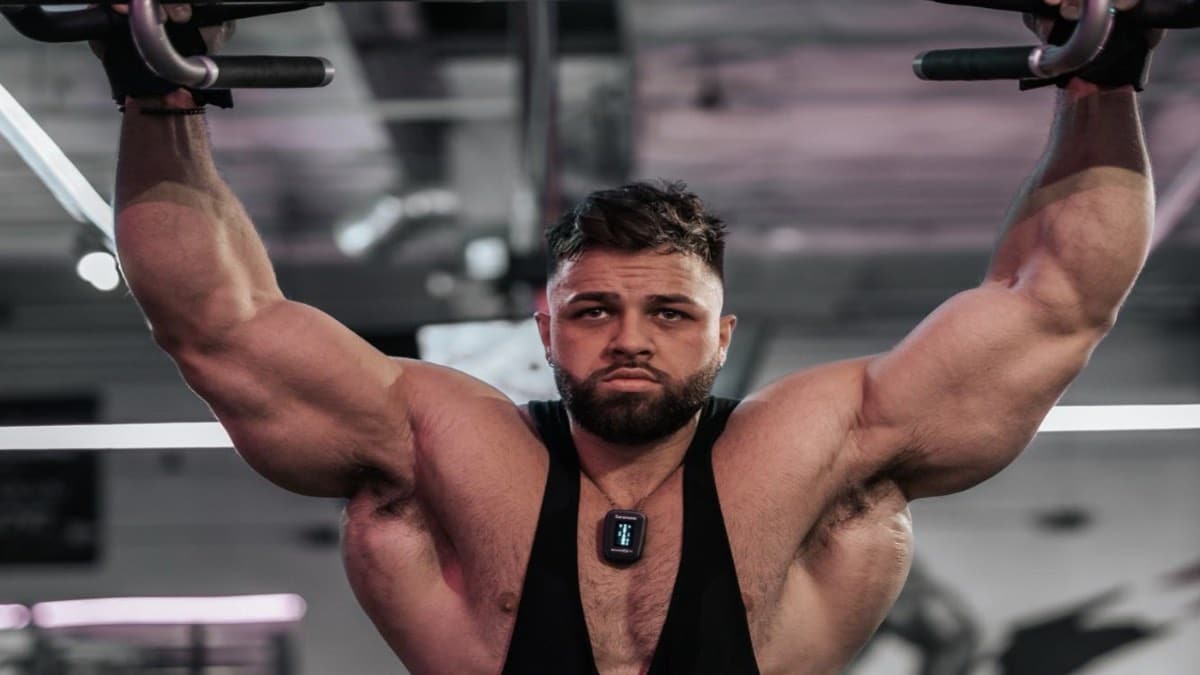
Regan Grimes will not participate in this year’s upcoming 2022 Mr. Olympia. On Sept. 15, 2022, the bodybuilder announced the decision during an episode of four-time Mr. Olympia Jay Cutler’s podcast, the Cutler Cast. Grimes will shift his focus to 2023 in a mission to build more mass.
Grimes made the appearance on Cutler’s podcast alongside his coach Miloš Šarčev. The pair outlined Grimes’ upcoming strength training plans, maintaining that Grimes’ new goal is to add 15 pounds of muscle mass before returning to compete at the 2023 Olympia. Grimes finished in 15th place in each of the last two Mr. Olympia contests and would like to improve his results the next time he steps onto the Olympia stage. (Note: Šarčev also coaches Grimes’ fellow Men’s Open competitors Samson Dauda and Joe Mackey.)
“I want to really get in the top five, and I don’t think, right now, I’m just not there yet,” Grimes says. “So this year, we’ve decided to take it off and continue this rhythm of putting the tissue on, and we’ll hit a show next year and go to Olympia.”
Grimes says he weighs 295 pounds in the clip, but after consultation with Šarčev with the contest roughly four months away — the two agreed that Grimes’ progress wasn’t where they wanted at this point in the lead-up process.
Over the past few years, Grimes has been a consistent fixture in the competitive bodybuilding scene.
According to NPC News Online, among other notable appearances aside from the last two Olympias, Grimes won the 2018 New York Pro as a Classic Physique competitor. He also took first place in the Men’s Open division at the 2020 Romania Muscle Fest Pro. With more time on his plate instead of focusing on any pending contests, Grimes says stepping away from the Olympia will allow him more flexibility to improve his physique for the future.
“It’s still a muscle contest — it doesn’t matter what we say,” Sarcev says. “When you stand next to ‘Big Ramy,’ you have to have size. And if he doesn’t have it, he would be outclassed.”
Cutler echoed a similar sentiment about Big Ramy and any potential challengers.
“A month ago, I said okay, people may challenge [Big Ramy]. But now, I can’t see him losing being in the shape he is in.”
Grimes earned an automatic qualification for the 2022 Mr. Olympia by winning the 2022 Cairo Pro. This past competitive year also saw respective seventh-place results at the 2022 Arnold Classic and 2022 Boston Pro.
At the time of this writing, Grimes has not clarified when he would compete next as he resets his sights on the 2023 Olympia. In the next instance that Grimes is seen on a stage, his physique could look dramatically different.
Derek Lunsford is the reigning 212 Olympia champion from 2021, but it appears he will not defend his title this coming December. On Sept. 15, 2022, Olympia LLC posted an Instagram announcement revealing Lunsford has received a “special invite” to compete for the 2022 Mr. Olympia title. The news follows a recent request from the International Federation of Bodybuilding and Fitness (IFBB) Pro League athlete to switch divisions.
“Lunsford submitted a formal request to receive a special invitation to compete in the open division this December,” the announcement wrote. “… After careful consideration, the Olympia promoters and the IFBB Professional League have granted Lunsford a Special Invitation. The addition of Lunsford further bolsters what many are calling ‘one of the best lineups’ in the history of the event.”
Lunsford’s official shift to the Men’s Open division, or vying for the Mr. Olympia title itself, comes on the heels of some recent now-clear hints of the bodybuilder’s future.
The athlete reportedly guest-posed at 257 pounds at the 2022 Pittsburgh Pro in May. Later, in a mid-July 2022 edition of Olympia TV on YouTube, Chief Olympia Officer Dan Solomon suggested Lunsford was “nowhere near 212 [pounds] at this point.” At the time of Solomon’s comments, Lunsford did not address the sentiments in public, but the writing appeared to already be on the wall.
“Earlier this year, Derek Lunsford revealed a jaw-dropping new version of his championship physique when he made a surprise appearance in Pittsburgh,” the Olympic LLC continued. “The reigning ‘212 champ’ went toe to toe with some of the biggest and best in the world. The photos and videos had the global bodybuilding scene buzzing with excitement.”
Not long after his Pittsburgh Pro cameo, Lunsford apparently filed his Open division request as his bulking nutrition filed suit.
Lunsford’s new competitive task in 2022 is overcoming many of the same elite athletes he featured alongside in Western Pennsylvania.
Mamdouh “Big Ramy” Ellsbiay is the two-time reigning champion (2020-2021). However, established challengers like the ascending Nick Walker, former winner Brandon Curry (2019), and Hunter Labrada could all find themselves in prime positions for the 2022 Olympia title. Former 212 winner and 2021 runner-up Shaun Clarida may also be a factor in the Open category. At the time of this writing, Clarida has not confirmed whether he will compete in the 212 or Open division in December.
It’s a stacked field for Lunsford in his forthcoming Open debut. In the event he captures the Mr. Olympia title, Lunsford would be the 17th unique winner of the championship. In addition, he’d be the first IFBB Pro League competitor to ever win the Olympia in two divisions. The star bodybuilder will have to overcome a cadre of elite peers, but his potential history certainly isn’t out of the realm of possibility.
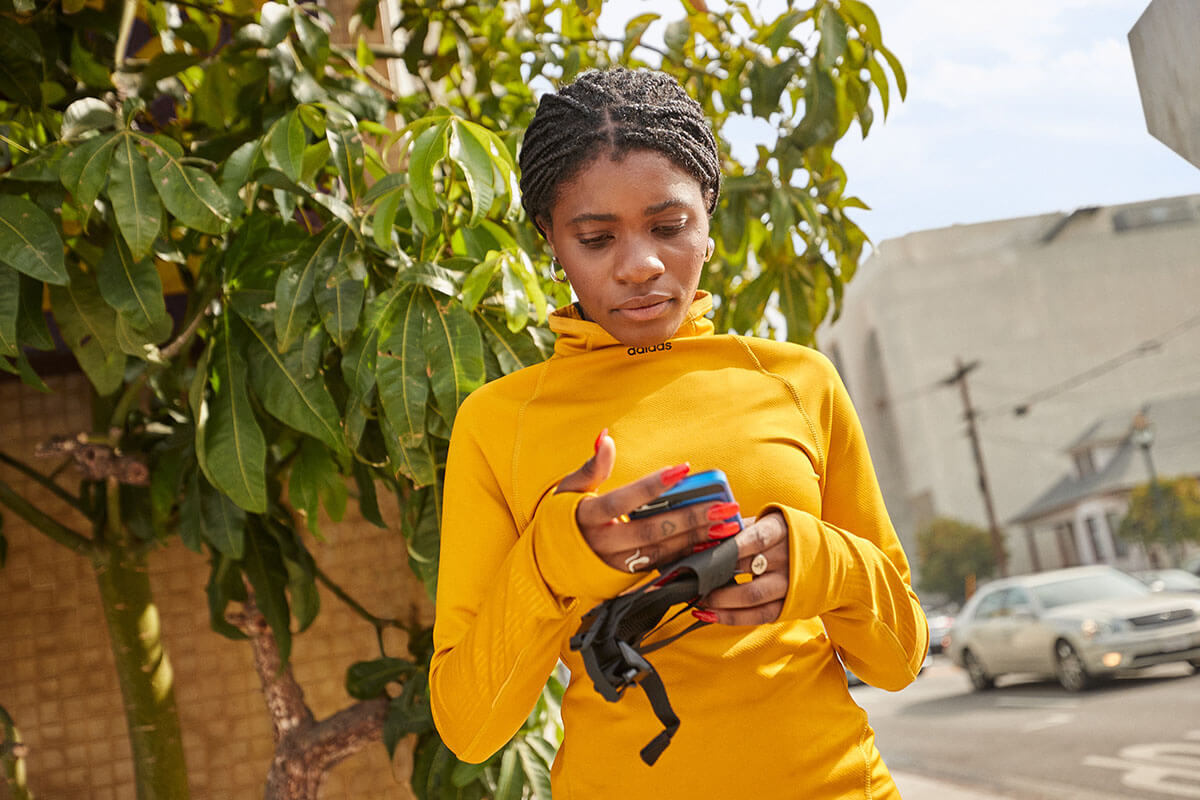
Did you know that you can get more than just a great workout by using adidas Training and adidas Running? Our motivating challenges, races, and workouts reward you beyond your fitness and health.
Enter adidas adiClub: you can earn customer loyalty program points when you use our apps, which you can use to unlock four levels of exclusive adidas goodies.
Millions of our members around the world are discovering the benefits of adiClub every day. Download or open the adidas app to get started!
Don’t see adiClub in your app? Don’t worry: we’re most likely working hard to make it available in your country!
What is adiClub?
adiClub is adidas’ customer loyalty program where members can earn points by using adidas apps.
Signing up is easy! Everyone with an account on our apps in adiClub countriesis automatically a member of adiClub.
With four different levels offering exclusive members-only benefits and the chance to convert points into cool products, you’ll feel motivated to keep moving.
Earn points when you track activities, follow in-app workouts, or complete challenges. Points unlock different levels with incentives you can redeem at any time.
See Your adiClub Points
You can find your current point balance and membership level in your adiClub profile in the adidas Training and Running apps, in the adidas app, or by logging in and checking the ‘My Account’ section at adidas.com.
What do I get with adiClub?
Each level of adiClub offers unique experiences. Every time you move up a level, you get to keep your previously-unlocked rewards.
When you sign up for our apps, you will start at Level 1.
Level 1 gives you:
Your adiClub ID, which connects all adidas apps, websites, and communities (like adidas Runners)
Hyper access – the chance to shop exclusive, limited-edition adidas apparel
Personalized content to your inbox
Access to members-only products
At Level 2 (Unlocks at 1,000 points):
A birthday gift straight to your inbox
Three months of Premium membership for both apps
Special offers
Level 3 (Unlocks at 3,000 points):
Early access to products
Personalization on selected adidas shoes and apparel
Level 4 (unlocks at 9,000 points):
Hype priority access
1 year of Premium membership on us
Special event invites
How to earn adiClub points
There are plenty of ways to level up across the adidas Training and adidas Running apps. It’s simple: the more active you are, the more points you’ll collect.
Use adidas Training to do a variety of workouts: Try a beginner’s workout inspired by Marvel Studios’ “Black Panther: Wakanda Forever” or relax with a calming yoga flow. On adidas Running, earn points when you track your next run, walk, or another eligible sport!
You can earn adiClub points when you sign up for challenges, like doing 120 minutes of workouts or running 30 km in one month.
Across the adidas universe, in-store and online, you can also collect points by shopping and reviewing products.
Can’t see points or levels on your adiClub profile? Not all countries have full adiClub features yet!
A new way to spend points
We’re giving members from some countries the chance to go even further with the points they earn!
Not only can you use points to access different levels of rewards, but you can now spend your points directly in the US and UK.
You can spend points on vouchers that give you discounts on select adidas products.
Spending your points won’t affect your current level, so you can keep levelling up with adiClub.
Celebrate him, her, them, US during Members Week
Members Week takes place from September 30 to October 6. This 7-day digital festival is where adidas’ diverse fitness community comes together and gets the chance to earn even more adiClub points.
This year, Members Week will combine our community’s love of sport with a passion for progressive change.
Discover the next generation of athletes, artists, and body-positive activists who are leaving their creative mark on adidas.
Celebrate adidas Members Week, Wakanda-style
Need some inspiration for your next workout? Get pumped with our Wakanda Forever Workout—a full-body warrior workout inspired by the upcoming film from Marvel Studios, “Black Panther: Wakanda Forever”.
This workout is part of our adidas Members Week challenge: your chance to get fit and earn 100 adiClub points.
We’re aiming for 300k collective hours of activity from September 30 to October 6.
Get started on adidas Training now!
***
if(!isRussia){
//check Cookie Opt out and User consent
if(!run_getCookie(“tp-opt-out”)){
!function(f,b,e,v,n,t,s){if(f.fbq)return;n=f.fbq=function(){n.callMethod?
n.callMethod.apply(n,arguments):n.queue.push(arguments)};if(!f._fbq)f._fbq=n;
n.push=n;n.loaded=!0;n.version=’2.0′;n.queue=[];t=b.createElement(e);t.async=!0;
t.src=v;s=b.getElementsByTagName(e)[0];s.parentNode.insertBefore(t,s)}(window,
document,’script’,’https://connect.facebook.net/en_US/fbevents.js’);
fbq(‘init’, ‘1594940627485550’); // Insert your pixel ID here.
fbq(‘track’, ‘ViewContent’);
}
}
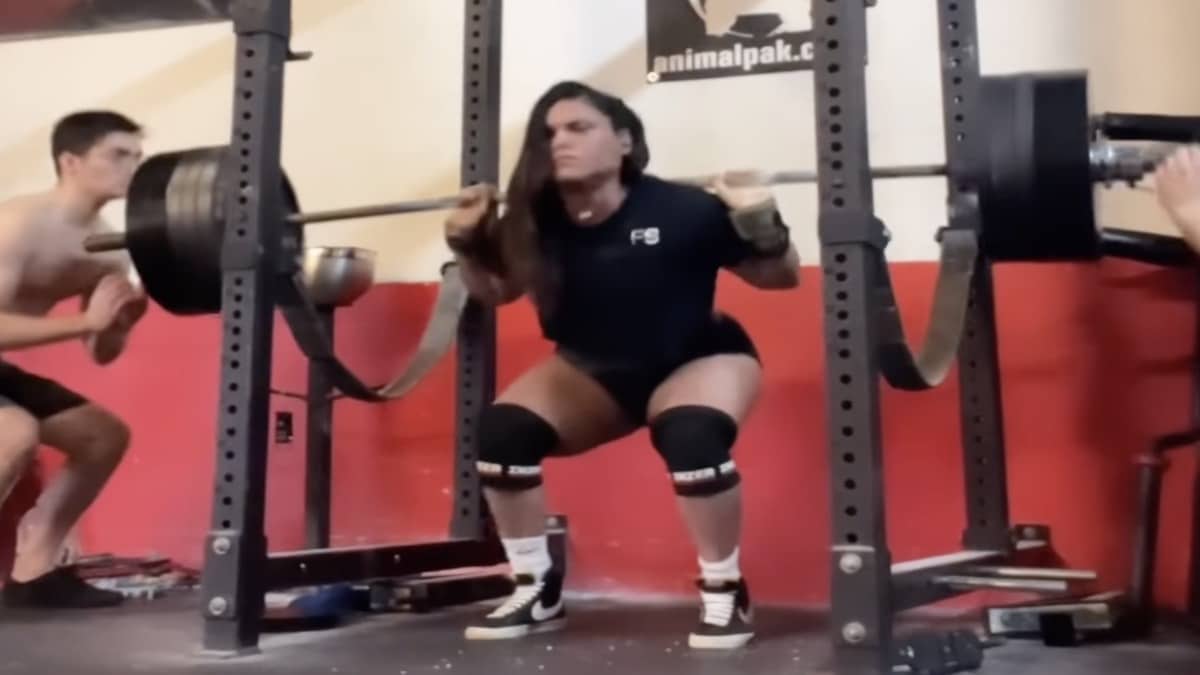
On Sept. 14, 2022, powerlifter Kheycie Romero shared an Instagram video wherein she squats a personal record of 234 kilograms (516 pounds) for two reps in training. The 90-kilogram powerlifter wore a lifting belt, knee sleeves, and wrist wraps to help notch the strength milestone.
According to Open Powerlifting, Romero’s new double PR also unofficially exceeds her one-rep all-time competition best by 14 kilograms (31 pounds). Romero achieved that top personal competitive squat figure of 220 kilograms (485 pounds) during the 2020 World Raw Powerlifting Federation (WRPF) Hybrid Showdown II. She competed in the 90-kilogram weight class in the Raw division
At the time of this article’s writing, Romero’s squat PR mark doesn’t appear connected to any competition on her upcoming docket. That said, it speaks to the athlete’s progress with her leg power in recent weeks. Per her social media, Romero seems to be focusing mainly on improving her squat lately.
Roughly a week prior to Romero’s latest achievement, in early September 2o22, she finished a 229-kilogram (505-pound) squat for a three-rep PR. Before that, in late August, Romero logged a squat of 218.2 kilograms (481 pounds) for a four-rep PR.
On an overall powerlifting scale, Romero’s all-time raw competition best deadlift of 265 kilograms (584.2 pounds) is the third-heaviest in the 90-kilogram category. Only Samantha Rice (273.5 kilograms/602.9 pounds) and Chakera Ingram (273 kilograms/601.8 pounds) have ever pulled more in the trio’s respective weight class. Here’s a rundown of Romero’s all-time raw competition bests:
Since March 2017, Romero has participated in eight sanctioned competitions, some of which she doubled up in the Juniors 20-23 and Open categories. The athlete has five victories to her name and has never finished lower than second place. Here’s an overview of some of the more notable results from Romero’s powerlifting career to date:
Kheycie Romero | Notable Career Results
2017 International Powerlifting League (IPL) Orlando Inzer Europa (Raw) — First place | Won in both the Juniors 20-23 and Open categories
2019 United States Powerlifting Association (USPA) Battle of the Bay V (Raw/Open) — First place
2020 WRPF Hybrid Showdown II (Raw/Open) — First place
2021 WRPF The Bucked Up Showdown (Raw/Open) — First place
Romero hasn’t competed since late September 2021. The next time the athlete lifts in an official contest, she could be adding a few new impressive marks to her personal career ledger.
Whether you call it conditioning, metcon, or plain old “cardio,” some type of cardiovascular training is necessary to achieve results you can’t replicate with standard weight training alone. While there are plenty of programming options, cardiovascular training essentially boils down to one of two camps.
The first is steady-state cardio training, where a single speed or intensity is maintained for the entirety of the workout without resting, The other is interval training, which alternates periods of work with periods of rest.
Credit: PR Image Factory / Shutterstock
One unique type of interval training may actually deliver better results in less time. (1) Specifically, we’re talking about HIIT — high intensity interval training. It’s a particular training protocol that alternates periods (or “intervals”) of high effort followed by periods of recovery for the duration of the workout.
A critical element of HIIT workouts are those first two words. High. Intensity. For best results, aim to apply something close to maximum effort in each work period, not simply something that “feels hard.”
Many generic HIIT workouts you see on the internet are “intense” because of short rest periods and insufficient recovery, rather than requiring high intensity output during the work intervals. This short rest/high volume approach can have its place in a workout routine, but it’s just interval training. It’s not going to give you the same outcome as following these truly high intensity workouts.
Perform these workouts no more than three days per week. If you can perform them on consecutive days without rest, reconsider how much “high intensity” you’re really putting into each interval.
The Best HIIT Workouts
One-Dumbbell HIIT Workout
This workout is done for time using an AMRAP approach which, in this case, stands for As Many Rounds As Possible. Start a timer immediately before performing the first rep of the first exercise. Instead of performing strict “sets,” work through the series of exercises continually until the timer ends.
The full-body workout follows a specific sequence: One lower body exercise, one upper body exercise, and finally an ab exercise. This structure lets you move non-stop while also allowing the involved muscle groups to get some rest before you have to repeat an exercise. This is how you keep the overall training intensity high throughout the entire session.
Goblet Squat
How to Do it: Hold the dumbbell in front of your chest with both hands supporting one side of the weight. Pull your shoulders back and maintain an upright torso as you squat down by bending at both the hips and the knees. The goblet position keeps your torso relatively vertical and allows you to achieve a deeper squat position. Make sure your head and shoulders rise first as you stand up. Throughout the exercise, keep your elbows near your ribs and keep the weight near your chest.
Sets and Reps: 12 reps
Rest time: No rest before moving to the next exercise.
Single-Arm Floor Press
How to Do it: Lie on the ground holding the dumbbell in one arm. Extend that arm above your chest in a locked out position. Bend your legs and brace your feet flat on the floor. Lower the weight as if performing a dumbbell bench press. Keep your upper arm at an angle roughly halfway between your feet and shoulders. Use a controlled speed to avoid bouncing your arm off of the ground.
Sets and Reps: 5 reps per arm, 10 total reps
Rest time: No rest before moving to the next exercise.
Alternating Jackknife Raise
How to Do it: Lie on the ground with your legs extended straight and your arms by your sides. Raise one leg while reaching the opposite arm above your body until your hand and foot meet. This will require a total-body sit-up motion. Alternate sides with each repetition: left foot meeting right hand, right hand meeting left foot, etc.
Sets and Reps: 4 reps per side, 8 total reps
Rest time: No rest before returning to the first exercise. After three minutes of continuous work, rest for one minute. Perform a total of two “sets” of three minutes.
One-Kettlebell HIIT Workout
Many exercises can be performed interchangeably with either a dumbbell or a kettlebell. However, the kettlebell’s unique shape and offset center of mass make it the preferred choice for certain exercises. This workout uses a kettlebell, specifically, to improve muscle recruitment and increase explosive output. It should be done for time using an AMRAP approach — as many rounds as possible.
Goblet Clean
How to Do it: This dynamic movement brings the weight from the floor to the goblet position, near chin-level, in one powerful motion. Stand with your feet shoulder-width apart and the kettlebell set between them. Squat down and grab the top of the kettlebell with both hands using a palms-down grip. Maintain a neutral spine as you explosively stand up while pulling the kettlebell to chest-height. As the weight passes above your hips, quickly transition both hands to the “horns” of the kettlebell (the handle stems on either side). Stabilize your body in the upright position, with the weight held just below your chin, before reversing the process to lower the weight.
Sets and Reps: 12 reps
Rest time: No rest before moving to the next exercise.
Single-Arm Push Press
How to Do it: Stand with your feet slightly wider than shoulder-width. Hold the kettlebell in one arm, with your hand near the front of your shoulder and the “ball” of the kettlebell supported along your forearm. Dip down a few inches into a short-range squat and use your body as a spring to generate force as you stand up while pressing the weight to lockout overhead. Slowly lower the weight to the starting position. Repeat all reps for one arm before switching sides.
Sets and Reps: 5 reps per arm, 10 reps total
Rest time: No rest before moving to the next exercise.
Straight-Arm Sit-Up
How to Do it: Lie on the ground with your legs bent and your feet flat. Extend your arms overhead with the backs of your hands touching the ground. Perform a full range of motion sit-up, bringing your chest to meet your knees. As you rise up, bring your arms from overhead to straight out in front of your chest. In the top position, your elbows should be near your knees. Reverse the motion to return to the starting position.
Sets and Reps: 8 reps
Rest time: No rest before returning to the first exercise. After three minutes of continuous work, rest for one minute. Perform a total of two “sets” of three minutes.
EMOM HIIT Workout
EMOM training is an intense, time-based protocol which typically requires performing one set of an exercise every minute on the minute. Generally, you have 60 seconds to complete a given number of repetitions. The only rest time is the remainder of that minute, because the next “set” will begin at the start of the next minute. This intense training method incentivizes you to work harder and faster so you can get more rest.
While the most common EMOM uses one-minute periods, you can adapt the method to almost any timeframe. This allows you to perform a higher volume of work with more reps per exercise and/or more exercises per workout. The goal is still to complete each work phase as quickly and efficiently as possible so that you can get enough rest to maintain your performance in the upcoming rounds.
In this HIIT workout — “E4MO4M” or “every four minutes on the four minutes” — you have four minutes to complete all of the work below. You can use different weights for each exercise to keep the reps challenging, but pre-arrange the weights before starting the workout to save time.
The goal is to finish all 102 repetitions in three to three-and-a-half minutes so you can get some rest before starting the next set. Perform three to five total circuits — a 12 to 20-minute workout.
Single-arm push press: 10 reps per arm, 20 reps total
Goblet squat: 16 reps
Alternating reverse lunge: 6 reps per leg, 12 reps total
Bodyweight HIIT Workout
Bodyweight HIIT workouts can be surprisingly effective. By removing any external load, you reduce the likelihood of raw strength being a limiting factor and you can focus on technique and straightforward effort.
Many bodyweight exercises can be programmed with speed and intensity for a HIIT workout. Here are two ways to blast your upper and lower body.
Lower Body HIIT Workout
This is a relatively advanced workout for lifters who’ve mastered basic technique and can safely perform plyometric jumps quickly, explosively, and safely. Less-experienced lifters can choose an alternative exercise like alternating lunges.
Air Squat
How to Do it: Stand with your feet slightly wider than shoulder-width. Drop into a squat position, with your thighs roughly parallel to the floor. Keep your hands near your chest and upper body roughly vertical. Quickly return to the starting position. Keep your feet on the ground throughout the exercise.
Sets and Reps: Perform continuous repetitions for 20 seconds, ideally reaching 18 to 22 reps.
Rest time: No rest before moving to the next exercise.
Jump Squat
How to Do it: Stand with your feet slightly wider than shoulder-width. Squat down partially, with your thighs above parallel. Let your hands drop down to your side. Bring your arms up near chest-height as you stand up explosively and jump into the air. Soften your landing by catching yourself in a squat and smoothly transition to the next repetition.
Sets and Reps: Perform continuous repetitions for 20 seconds, ideally reaching 10 to 12 reps.
Rest time: No rest before moving to the next exercise.
Squat Hold
How to Do it: Bring your hands to chest-height and lower your body into a deep squat position. Your thighs should be at least parallel to the ground, or deeper if possible. Actively push your feet into the floor and engage your glutes and core to remain stationary. Maintain an upright torso. Don’t lean forward as you fatigue. Your muscles will be on fire as they work to hold the position. Embrace the burn.
Sets and Reps: Hold the position for 20 seconds.
Rest time: No rest before returning to the first exercise. Complete two consecutive sets. Advanced lifters can rest one minute before performing a third set. Extremely advanced lifters should aim for three consecutive sets.
Upper Body HIIT Workout — 55’s
This workout uses the countdown method for an extremely efficient HIIT workout — lots of work, minimal rest. It is often used in a circuit of two or three exercises, to give each muscle group slight recovery for optimal performance.
To perform the countdown method: Complete 10 repetitions of the first exercise, then immediately complete 10 repetitions of the second. Immediately do nine reps of the first exercise, then nine reps of the second, followed by eight reps of the first, and eight of the second, etc. Continue all the way down to one rep of each to complete a total of 55 reps of each exercise.
Credit: Iryna Inshyna / Shutterstock
Be sure to time how long it takes to do the workout. The progression goal is to complete the same workout faster each time you repeat it. This also creates a competitive environment and personal challenge to keep your intensity high.
Push-Up
How to Do it: Support your body on your toes and hands, with your hands set slightly outside shoulder-width. While keeping a straight line from your neck to your ankles during each rep, bend your elbows to lower your entire body, and press to full lockout. To reduce shoulder joint strain, aim your elbows more towards your feet than your shoulders.
Sets and Reps: Countdown method, 10 to one reps.
Rest time: No rest before moving to the next exercise.
Chin-Up
How to Do it: Grab an overhead chin-up bar using a palms-up grip with your hands roughly shoulder-width apart. Pull your body up until your chin or neck is in-line with your hands. Lower yourself under control until your arms are almost fully extended. Don’t allow your shoulders to shrug up in the bottom (stretched) position. Maintain a tight core to prevent any leg swinging.
Sets and Reps: Countdown method, 10 to one reps.
Rest time: No rest before returning to the first exercise.
HIIT for Fat Loss, Conditioning, or Both?
HIIT Workouts are often used as part of a fat loss plan. Fat loss occurs when you create a calorie deficit by consistently burning more energy than you consume. Various types of exercise can contribute to increasing energy expenditure, but it’s much less than you think. Over-focusing on exercise has been shown to be less effective for fat loss than using a more well-rounded approach that combines goal-focused nutrition and training. (2)
The main benefit of fat loss workouts is the maintenance of muscle mass, so that when you do lose weight, the majority of that loss comes from body fat. In order to stimulate muscle preservation, you need to work your muscles close to failure, and HIIT workouts are an effective and efficient way to do that in a short period of time.
HIIT Workouts can also be used to improve conditioning or endurance, as well as general cardiovascular health. HIIT workouts have consistently been shown to be as effective as other cardio training methods when it comes to improving general conditioning and multiple cardiovascular health markers.(3)(4)
Time to HIIT It
HIIT training can be an extremely effective and (relatively) enjoyable part of any training plan. When paired with appropriate nutrition and combined with structured strength training and some low-to-moderate intensity aerobic (steady-state) training, you end up with a comprehensive training program and should be able to see improvements in performance and body composition. The key to HIIT training is to always remember what it stands for. You can’t avoid putting the high intensity into your high intensity interval training.
References
Ito S. High-intensity interval training for health benefits and care of cardiac diseases – The key to an efficient exercise protocol. World J Cardiol. 2019 Jul 26;11(7):171-188. doi: 10.4330/wjc.v11.i7.171. PMID: 31565193; PMCID: PMC6763680.
Johns, D. J., Hartmann-Boyce, J., Jebb, S. A., Aveyard, P., & Behavioural Weight Management Review Group (2014). Diet or exercise interventions vs combined behavioral weight management programs: a systematic review and meta-analysis of direct comparisons. Journal of the Academy of Nutrition and Dietetics, 114(10), 1557–1568. https://doi.org/10.1016/j.jand.2014.07.005
Bacon AP, Carter RE, Ogle EA, Joyner MJ (2013) VO2max Trainability and High Intensity Interval Training in Humans: A Meta-Analysis. PLOS ONE 8(9): e73182. https://doi.org/10.1371/journal.pone.0073182
Batacan RB, Duncan MJ, Dalbo VJ, et alEffects of high-intensity interval training on cardiometabolic health: a systematic review and meta-analysis of intervention studiesBritish Journal of Sports Medicine 2017;51:494-503.
Featured Image: Teerasan Phutthigorn / Shutterstock
Hafthor Björnsson might not be a competitive strongman anymore, but that doesn’t mean he isn’t staying active as an athlete. For example, for the past two years, Björnsson has been cultivating a boxing career where much of his preparation centers around how he can improve in the ring. The latest training update from the 2018 World’s Strongest Man (WSM) champion’s post-strongman journey shows how the Icelander has been pushing his body lately.
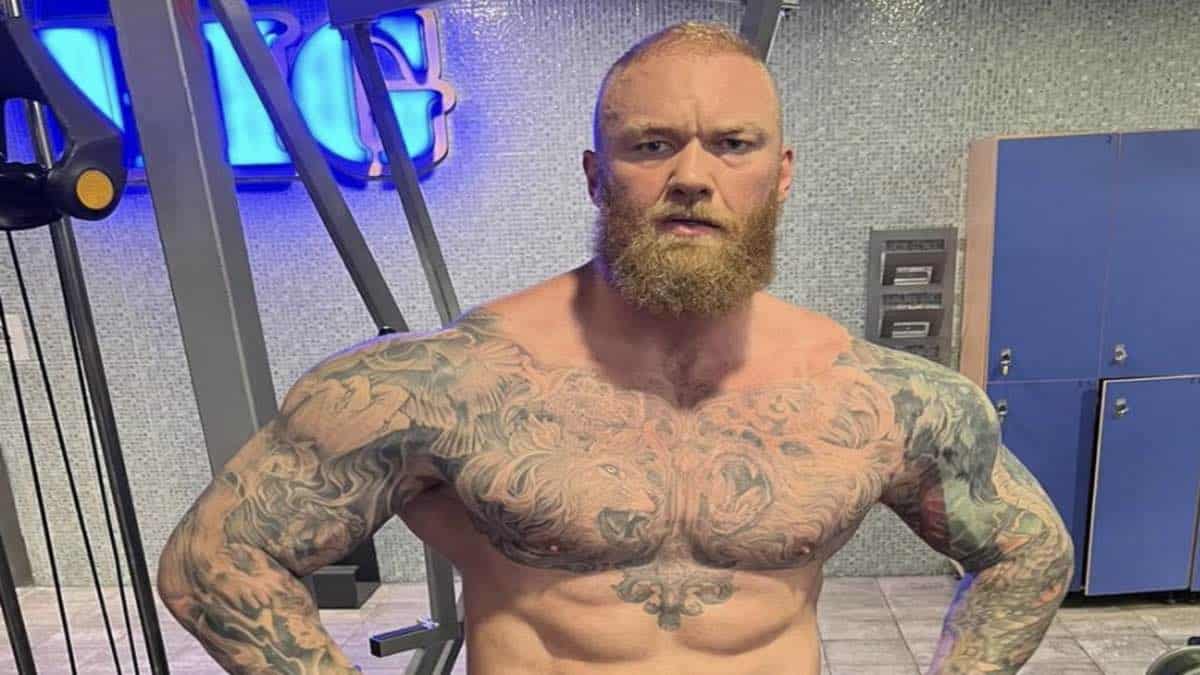
On Sept. 13, 2022, Björnsson shared an Instagram post where he displayed a shredded lean physique and a small sample of a challenging back and abs workout he recently completed. Judging by the respective short clips Björnsson includes, the workout features leg raises on a dips machine, one-arm hammer rows, T-bar rows with handles, and some reps on a reverse pec deck machine.
In the caption of the former Game of Thrones star’s post, the strongman legend wrote that the physique update and workout came after “12 hours of a hardcore day at work” while filming a “very physical fight scene” scene for an undisclosed movie/television show. Regardless of what Björnsson is filming for, he is indeed seemingly staying quite busy.
A few months later, in June, Björnsson disclosed that he had lost 13 pounds since his fight with Hall. The weight loss had apparently come as a part of an athletic experiment for the 33-year-old, who seems to be seeking a new long-term niche after strongman.
“I’m human like everyone else, and I’m going through a period in my life where I’m not 100 percent focused or dedicated all the time,” Björnsson wrote in his June Instagram post. “It’s weird because, for the last 10-plus years of my life, I’ve been super focused and driven because I’ve always had a goal to strive towards.”
This new update and workout might be an extension of the athlete’s early summer thought process.
At the moment, Björnsson appears to be in a verbal war of words with British heavyweight boxer Tyson Fury. The pair have been in talks for months about a potential fight but, at the time of this writing, have not set a concrete date.
Fighting, let alone beating an established professional like Fury, would be a considerable step up in pedigree for Björnsson. In 33 career matches, Fury has won 32 times and never lost. Should Björnsson eventually fight Fury, it might signal a significant step forward for the strongman legend in finding a new athletic commitment.
For some lifters, nothing beats the upper-body pump they get from a high-intensity chest workout. Many of these gym-goers hope to build a bigger, stronger chest by focusing on the bench press, but mastering the simple and effective bodyweight dip often goes overlooked.
Credit: Reshetnikov_art / Shuttertock
This staple movement isn’t just for gymnasts or calisthenics enthusiasts. It’s a fundamental old school exercise that’s been used by bodybuilders and strength athletes for decades.
Adding dips to your workout routine will target your pecs, triceps, and shoulders for an all-around bigger, fuller, stronger upper body. Here’s how to use only your body weight to deliver a deep burn and explosive pump for your chest.
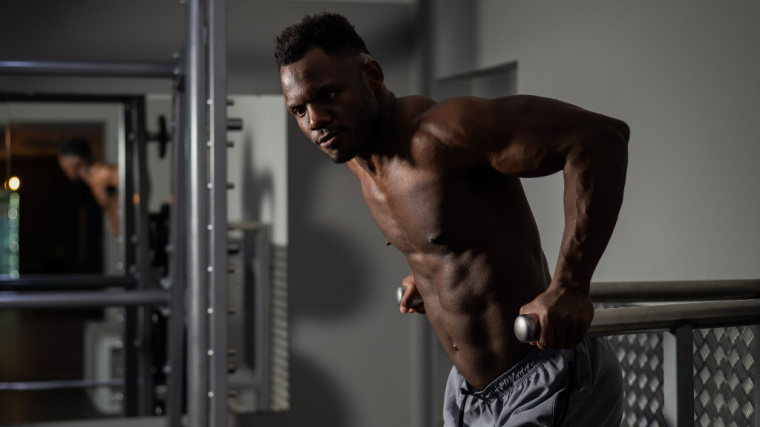
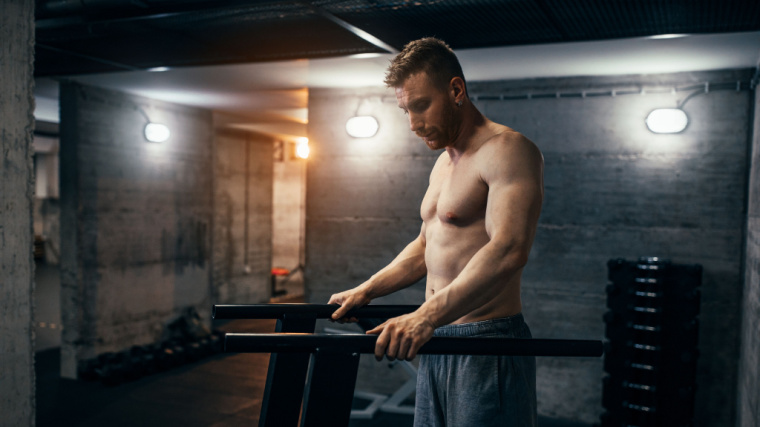
How to Do Dips
Dips can be done on dedicated dip bars, at an assisted dip station, or a sturdy and stable pair of chairs. Whichever setup you’re using, ensure it’s at a height where you can keep your legs and feet off the ground when in the bottom (stretched) position. This will allow a full range of motion for maximum benefit.
Step 1 — Get up on the Bars
Credit: bbernard / Shutterstock
Step up to the dip station and grab the bars with palms your facing inward. Keep your arms straight — depending on the setup, you may need to sightly jump into the locked out position. Bend your legs slightly so that your arms support your entire body weight.
Keep your back straight and your head looking forward. Engage your core and glutes by squeezing them both to keep your entire body tight.
Form tip: Ideally, your hands should be roughly shoulder-width distance. Some dip bars are angled to allow different grip widths. If your hands are farther apart, shoulder-joint strain can increase and tension on your chest muscles can decrease.
Step 2 — Lower into a Stretch
Credit: Anton Romanov / Shutterstock
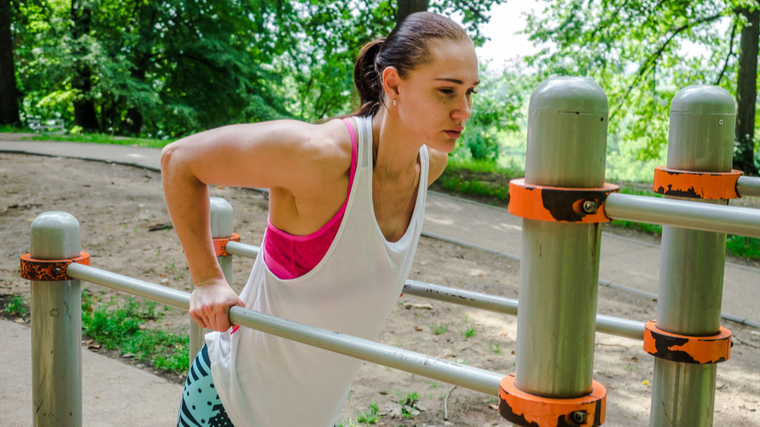
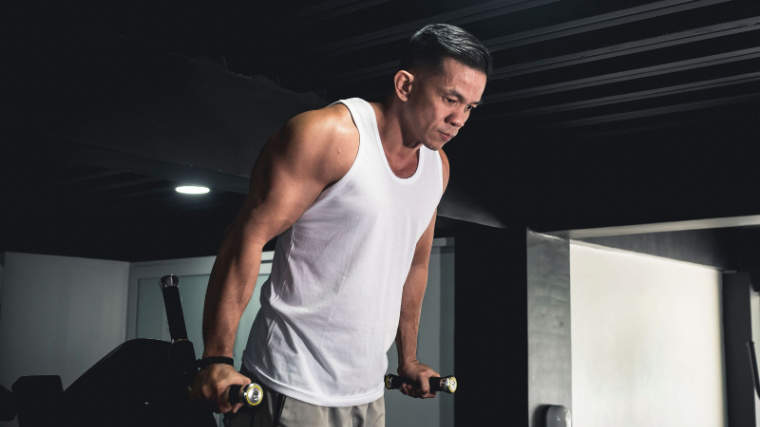
Slowly lower your body until your elbows are roughly at 90-degree angles, if your mobility allows. Maintain a forward-looking head position, but let your upper body angle slightly forward to increase recruitment of the chest muscles.
Your elbows will naturally angle slightly outwards. Avoid excessively flaring your elbows directly to the sides, which can increase strain on the shoulder joints.
Form tip: Use a slow tempo to ensure control, maximum muscle tension, and boost muscle growth. (1) Take up to three seconds to reach the bottom position.
Step 3 — Drive up to Full Contraction
Credit: MDV Edwards / Shutterstock
Push your body up in a controlled, fluid motion. Stop once you’re back at the starting position with nearly straight arms. Briefly pause at the top to stabilize your body and minimize any swinging.
As your body rises, focus on feeling constant tension contracting your chest muscles. Engage the mind-muscle connection by focusing your full attention on the pecs and visualize the muscle fibers working.
Form tip: Your body’s path upwards should mirror the lowering phase. Your head and shoulders should arc slightly in front of your hands on the way down, and your upper body should return to a fully stacked position with your elbows above your wrists.
Dip Mistakes to Avoid
Dips are a classic bodyweight exercise that can add strength and size to your chest, arms, and shoulders. However, poor form can lead to suboptimal results or potential injury, including wear and tear on your rotator cuff tendons. (2) Fortunately, the most common errors are relatively easy to avoid.
Locking Your Elbows
In the top position, avoid locking your elbows ramrod straight. Maintain a slight bend in your arms to keep them under constant tension and yield optimal muscle-building results. (3) Paying attention to your arm position at lockout reinforces using a relatively slow tempo while focusing on maximum muscle recruitment.
Credit: SofikoS / Shutterstock
In addition, locking your elbows puts them in a potentially hyperextended state, which may increase your risk of injury.
Avoid it: As your body approaches the top of the movement, pay attention not only to your chest muscles contracting, but your arm position. This will be difficult to do if you use sloppy, swinging repetitions, so maintain a constant, fluid motion throughout each repetition.
Dipping Too Low
The bottom, stretched position of most exercises is where the involved joints are under the greatest potential stress. Save your shoulders by paying close attention your depth when doing dips.
Credit: Art4star / Shutterstock
Going too low, beyond the point where you feel your shoulder muscles stretching, can significantly strain the joints. Remember, form is king when it comes to any exercise. Bodyweight exercises, including dips, are no different.
Avoid it: As you lower your body into the stretched position, you should feel both your chest muscles and shoulder muscles stretching. Don’t let your ego talk you into using an excessive range of motion. If you can see a mirror during the exercise, pay extra attention as your elbows approach a 90-degree bend. Stopping slightly higher is more acceptable than dropping too low.
Benefits of Dips
This basic bodyweight exercise allows you to build muscle mass and strength in your upper body, particularly your chest, shoulders, and triceps. Mastering strength training exercise with your bodyweight can also help to reduced your overall risk of injury and improve core stabilization.
Increased Muscle Mass and Strength
Doing dips stimulates your pecs, triceps, and core significantly. By stretching and creating tension on the entire chest muscle, dips are an efficient exercise for boosting muscle growth. (4) Bodyweight exercises have also been shown to be comparable to free weight exercises for building strength. (5)
Improved Joint Health
Maintaining muscular balance is essential for joint stability and overall health and performance, and bodyweight training is a highly effective solution. (6)
Credit: Nannupa / Shutterstock
If you perform many pulling exercises or participate in activities that are pulling-intensive (e.g. training on rowing machines, pull-ups, many combat sports, etc.), regularly performing dips can build strong pushing muscles to help prevent muscular imbalances. A 10% increase in strength training volume has shown to substantially minimize overall injury risk. (7)
Improved Core Stabilization
Dips aren’t solely a chest exercise. You’ll engage your core by keeping your lower body stable throughout the movement. While your core isn’t directly trained during dips, it is strongly recruited to provide total-body stability and coordinated movement as you press. Improved core stability helps to promote overall strength, health, and injury prevention. (8)
Muscles Worked by Dips
Dips are a highly effective exercise for strengthening the muscles located in and around the chest. While dips primarily target the chest itself, the triceps and shoulders are also directly trained, as well as smaller stabilizers throughout the upper body.
Pectoralis Major
The pectoralis major is a thick, fan-shaped muscle that’s the largest muscle of the front chest wall. The pecs have multiple functions controlling arm movement including flexion and adduction (bringing the arms toward the body’s centerline)(9)
Credit: Bojan Milinkov / Shutterstock
The pec major has two heads, the clavicular (upper chest) and the sternocostal (mid and lower chest). When executing dips, the clavicular head is more significantly worked as you approach the top portion of the movement. The sternocostal head is more highly activated as you lower into the stretched position. (9)
Triceps Brachii
The triceps consist of three separate but functionally similar muscle heads — the long, medial, and lateral. These are found on the back of the upper arm. The triceps are responsible for straightening the arm at the elbow joint, extending the shoulder, and moving the arm behind the torso — all of which work in sync during dips. (10)
Dips apply tension on all three heads of the triceps. Interestingly, the medial head, in particular, is more activated when the elbow is flexed beyond 90-degrees and the body reaches a relatively significant depth. (10)
Anterior Deltoid
The anterior deltoid (front shoulder muscles) is involved when raising the arm forward, in line with your body. More particularly, it’s engaged when moving your arm from behind your body to the front and/or overhead. During dips, the anterior deltoid is activated when your upper arm moves from the 90-degree bent position into the top position with your arms straight arms by your sides.
The anterior deltoids shoulder not be the primary working muscle during dips, but they are recruited significantly, which is why lifters with pre-existing shoulder problems may not be comfortable performing the exercise.
Abdominals
The abs are worked statically to control your lower body and maintain a stable total-body position. Similar to performing pull-ups, it’s not uncommon for lifters to feel some ab tension (or even post-workout soreness) in their abs after several intense sets of dips.
While your abs aren’t contracting through a significant range of motion, they are recruited to maintain control over the hips and pelvis, and prevent any leg swinging.
Who Should Do Dips
Whether you’re pushing a lawnmower or pushing a weight overhead, having adequate upper body pressing strength is essential. Dips can help to increase muscle mass, improve functional strength, and build greater upper body mobility.
Bodybuilders and Physique Athletes
Dips are a bodyweight-only alternative to the bench press or other chest pressing exercises. It allows lifters to train the chest with high tension, high intensity, and minimum equipment. Dips can help to sculpt the chest by working the pecs at a unique angle, creating an effective stimulus for growth. (11)
Strength Athletes
Any lifter focused on moving maximum weight in a pressing movement (bench press, overhead press, clean & jerk, etc.) can benefit from adding dips to their accessory training. By building the chest, shoulders, and triceps, you can improve the potential power and strength those muscle can exert. (12) The bodyweight dip also allows an intense workout with relatively less load, which can reduce cumulative stress on the joints.
How to Program Dips
Most beginners will find the dip to be challenging because you’re required to lift the majority of their own body weight, which can be too difficult due to lack of strength. Fortunately, persistence and effort will yield improvement. Experienced lifters can also benefit from the exercise as a training staple for size and strength.
Unweighted, Moderate Volume (Sets and Reps)
When chasing optimal muscle gains, training the bodyweight dip with four to six sets of 12 to 15 reps, once or twice a week can be highly effective. Approach failure on the final reps of each set to ensure appropriate intensity. This total volume provides your chest with sufficient time under tension to trigger muscle growth.
Weighted or Unweighted, Low Repetition
Performing low volume with low repetitions, such as four to five sets of three to six reps, is a reliable method to build strength. This low volume can be achieved by suspending weight from a belt, holding a dumbbell between your feet, or from simply being unable to perform more than six repetitions with good form.
Performing unweighted, low repetition sets frequently throughout the day is one effective method for building strength and improving technique. This is known as greasing the groove and it’s a highly effective way to master any bodyweight exercise, including dips.
Dip Variations
Dips can be used by lifters and athletes of any fitness level to apply tension to the multiple heads of the chest, triceps, and delts. Begin with more manageable versions of the dips while focusing on form, then add intensity and volume as you progress.
Ring Dip
Ring dips are a more challenging variation that requires significant muscular coordination, balance, and stability. This exercise applies tension to the pecs through a long range of motion while also challenging the smaller stabilizers in the shoulders and upper back.
Ring dips are a popular exercise in CrossFit programming, as well as general gymnastic-based programs, but the increased recruitment of the upper body stabilizers can help to improve muscular coordination and overall shoulder health when programmed appropriately.
Triceps Dip
This very subtle variation uses slight adjustments to your arm and torso positions. These will decrease emphasis on the chest and increase recruitment of the triceps, making it a popular and efficient arm-building movement.
The first significant difference from the chest-focused dip is to maintain an upright torso during the descent rather than leaning forward, to reduce recruitment of the chest muscles. Even more importantly, keep your elbows near your body and aimed towards the wall behind you. (13) Don’t allow them to flare outwards.
Dip Alternatives
If a lack of shoulder mobility or pre-existing injury prevents you from executing dips, there are plenty of alternative exercises you can do to continue adding size and strength to your chest.
Push-up
Good ol’ push-ups. This classic exercise is an excellent alternative to dips that still uses your own bodyweight to apply tension to the pecs and pressing muscles.
Some experienced lifters consider push-ups to be too easy but, like dips, push-ups can be progressed with increased volume or external load to consistently challenge the muscles. The chest and shoulder muscles aren’t put through a significant stretch during push-ups, compared to dips, making them an ideal option for lifters with pre-existing joint pain.
Bench Press
The classic bench press is an excellent substitute for dips because the potential to move heavy weights can carryover to size and strength gains. Some gym veterans would rank the bench press on par with dips as fundamental chest-building exercises.
The flat barbell bench press is obviously essential for powerlifters, as one of the competitive lifts. Its potential to build upper-body strength can also carryover to other strength athletes including strongmen and strongwomen.
FAQs
Are dips bad for the shoulders?
Using proper form and avoiding the technique mistakes explained above, dips will place more stress on the pecs, triceps, and anterior deltoid muscles instead of the associated joints. This optimal muscle recruitment can significantly reduce the risk of injury.
However, if the exercise is executed with improper form or too heavy a load, dips may lead to shoulder impingement, potentially straining the rotator cuff tendons. (14) Fundamentally, the principles which apply to all exercises apply to dips — do them properly, with programming appropriate for your fitness level, and you’ll minimize potential hazards.
How should I program dips with other presses in a chest workout?
Specific programming variables will depend on a number of factors, including your experience level, training frequency, and goals. Generally speaking, performing one to three various types of presses in a single workout can be an effective way to train your chest.
Ideally, the exercises will be diverse — such as the flat barbell bench press, dips, and incline dumbbell press. Redundant training — such performing the flat barbell bench press, flat dumbbell bench press, and close-grip barbell bench press in one session— will deliver excessive fatigue and minimal results.
Time to Take a Dip
Shoulder injuries, poor shoulder mobility, and lack of “pushing strength” can interfere with daily life and hinder performance in the gym, on the platform, and on the field. However, incorporating dips into your training program can pack on muscle, increase strength, reduce injury risk, and enhance physical performance for lifters, athletes, and weekend warriors alike.
References
Wilk, M., Zajac, A., Tufano, J.J. The Influence of Movement Tempo During Resistance Training on Muscular Strength and Hypertrophy Responses: A Review. Sports Med 51, 1629–1650 (2021). doi: 10.1007/s40279-021-01465-2
Mckenzie, Alec & Crowley-McHattan, Zachary & Meir, Rudi & Whitting, John & Volschenk, Wynand. (2021). Glenohumeral Extension and the Dip: Considerations for the Strength and Conditioning Professional. Strength and Conditioning Journal. 43. 93-100. 10.1519/SSC.0000000000000579.
Burd NA, Andrews RJ, West DW, Little JP, Cochran AJ, Hector AJ, Cashaback JG, Gibala MJ, Potvin JR, Baker SK, Phillips SM. Muscle time under tension during resistance exercise stimulates differential muscle protein sub-fractional synthetic responses in men. J Physiol. 2012 Jan 15;590(2):351-62. doi: 10.1113/jphysiol.2011.221200. Epub 2011 Nov 21. PMID: 22106173; PMCID: PMC3285070.
Krzysztofik, M., Wilk, M., Wojdała, G., & Gołaś, A. (2019). Maximizing Muscle Hypertrophy: A Systematic Review of Advanced Resistance Training Techniques and Methods. International journal of environmental research and public health, 16(24), 4897. https://doi.org/10.3390/ijerph16244897
Calatayud, J., Borreani, S., Colado, J. C., Martin, F., Tella, V., & Andersen, L. L. (2015). Bench press and push-up at comparable levels of muscle activity results in similar strength gains. Journal of strength and conditioning research, 29(1), 246–253. https://doi.org/10.1519/JSC.0000000000000589
Harrison, Jeffrey. (2010). Bodyweight Training: A Return To Basics. Strength & Conditioning Journal. 32. 52-55. 10.1519/SSC.0b013e3181d5575c.
Lauersen, J.B., Andersen, T.E., Andersen, L.B. Strength training as superior, dose-dependent and safe prevention of acute and overuse sports injuries: a systematic review, qualitative analysis and meta-analysis. Br J Sports Med. 2018 Dec;52(24):1557-1563. doi: 10.1136/bjsports-2018-099078.
Huxel Bliven, K.C., Anderson, B.E. Core stability training for injury prevention. Sports Health. 2013 Nov;5(6):514-22. doi: 10.1177/1941738113481200.
National Institutes of Health: Stat Pearls. Anatomy, Thorax, Pectoralis Major Major.
Landin, D., Thompson, M., Jackson, M. Functions of the Triceps Brachii in Humans: A Review. J Clin Med Res. 2018 Apr;10(4):290-293. doi: 10.14740/jocmr3340w.
Baz-Valle, E., Schoenfeld, B. J., Torres-Unda, J., Santos-Concejero, J., & Balsalobre-Fernández, C. (2019). The effects of exercise variation in muscle thickness, maximal strength and motivation in resistance trained men. PloS one, 14(12), e0226989. https://doi.org/10.1371/journal.pone.0226989
Reggiani, C., & Schiaffino, S. (2020). Muscle hypertrophy and muscle strength: dependent or independent variables? A provocative review. European journal of translational myology, 30(3), 9311. https://doi.org/10.4081/ejtm.2020.9311
Cinarli, Fahri & Kafkas, Muhammed & Soylu, Abdullah & Yılmaz, Nurkan. (2021). EFFECT OF ELBOW ANGLE ON TRICEPS BRACHII AND PECTORALIS MAJOR MUSCLE ACTIVITY DURING PARALLEL BAR DIP. 27. 57-69.
Escamilla, R. F., Hooks, T. R., & Wilk, K. E. (2014). Optimal management of shoulder impingement syndrome. Open access journal of sports medicine, 5, 13–24. https://doi.org/10.2147/OAJSM.S36646
There are impressive lifts that are significant signs of progress, and there are noteworthy lifts that double as exceptional milestones. With a recent personal boundary-breaking accomplishment while training in the gym, young powerlifter Jesus Olivares can count himself amongst the special latter group.
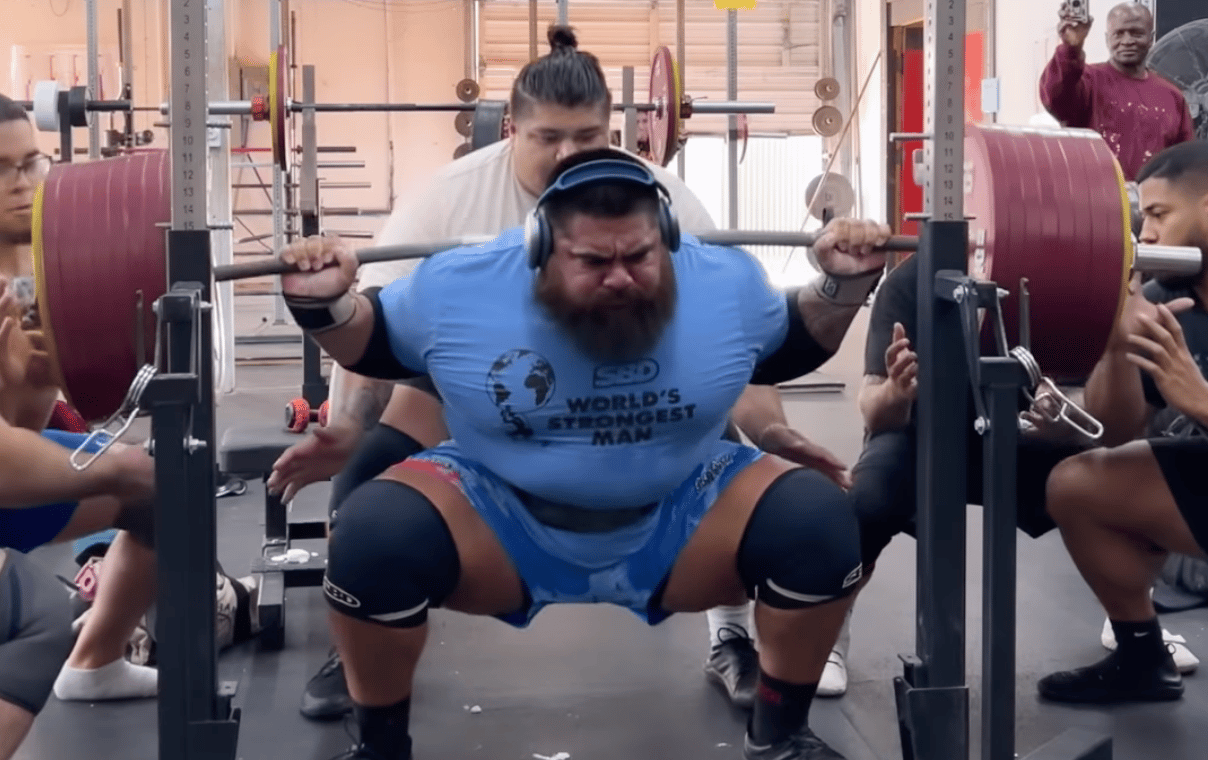
On September 13, 2022, Olivares shared an Instagram video of himself completing a 455-kilogram (1,003-pound) raw back squat during a training session. According to Olivares’ post’s caption, it’s also a personal record (PR) as he breaks the hallowed 453.6-kilogram (1,000-pound) squat barrier for the first time.
For context compared to his individual career, Olivares’ PR squat unofficially surpasses his raw all-time competition best by five kilograms (11 pounds). The reigning International Powerlifting Federation (IPF) World Champion in the +120-kilogram weight class notched a 450-kilogram (992-pound) squat at the 2022 AMP Classic Open Nationals. That mark helped Olivares to a first-place performance in the contest.
For context compared to his peers, Olivares becomes the latest athlete to join the notable 1,000-pound squat club. There’s a plethora of powerlifters and strongmen who have added the massive squat figure to their resumes. However, there was a time when a 1,000-pound squat was rarer in the strongman sphere. With a 456-kilogram (1,005-pound) squat during the 2016 USA Powerlifting (USAPL) Raw Nationals, Ray Williams became the first IPF/USAPL powerlifter ever to reach the milestone. For Olivares to get this accomplishment now might speak to how far he’s come as an elite lifter.
The 23-year-old seemingly had nothing but gratitude in the caption of his squat Instagram post.
“There is only one certainty in life,” Olivares wrote. “A strong man stands above and conquers all. God gets all the glory for this one.”
Olivares is accustomed to making waves with his strength as a powerlifter. Amidst his work at the recent 2022 AMP Nationals, the athlete captured an unofficial world record deadlift of 402.5 kilograms (887.3 pounds). The feat would’ve been a World Record for the +120-kilogram weight class if accomplished at an international competition. Williams still holds the official mark with a 398.5-kilogram (878.5-pound) pull from the 2018 IPF World Classic Powerlifting Championships.
At the same time, Olivares’ final total of 1,110 kilograms (2,447.1 pounds) from that contest would’ve been the second-heaviest raw total in IPF powerlifting history. Daniel Bell still owns the top spot with a 1,182.5-kilogram (2,607-pound) total that he achieved at the 2021 World Raw Powerlifting Federation (WRPF) Hybrid Showdown III.
At the time of this article’s publication, Olivares will not be competing in upcoming contests. At this rate, whenever he steps onto a platform, he may write another great chapter in his blossoming career.
The sport of bodybuilding has lost a titan. On Sept. 14, 2022, through a post on his Facebook page, Bill Pearl’s wife, Judy, announced that the retired bodybuilder had died at the age of 91.
His wife noted that Pearl had recently overcome a serious bacterial infection, following a lawn mower accident which occurred in April. He was simultaneously battling Parkinson’s Disease, diagnosed in 2016, which his wife believes may have caused his death.
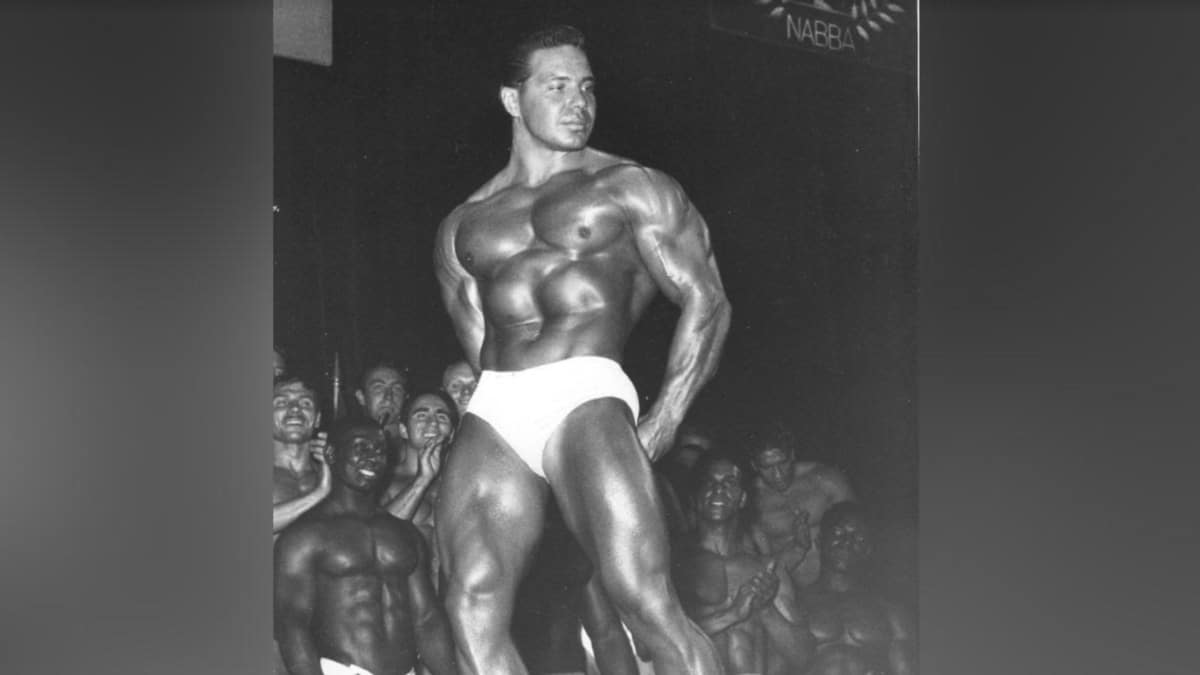
While serving with the United States Navy in the early 1950s, Pearl began strength training at Leo Stern’s Gym in San Diego. Stern would encourage Pearl to give competitive bodybuilding a try. After Pearl won the 1953 Mr. California, Mr. America, and Mr. Universe Amateur titles, the rest was history.
With a unique mass and strength, Pearl was a bodybuilding mainstay in the mid-20th century. For an intermittent part over almost two decades between 1952-1971, Pearl competed in 11 bodybuilding competitions, winning nine of them. In that time, Pearl won contests ranging from the 1952 Mr. San Diego to three acclaimed Mr. Universe Pro contests (1961, 1967, 1971).
After enjoying his fruitful career, in 1978, Pearl stepped away from bodybuilding as an active competitor at the age of 48. To this day, only Edward Kawak (1982-1985, 1993) and Eddy Ellwood (1997-2001) have ever won more Mr. Universe competitions. Pearl is tied with fellow bodybuilding legend Arnold Schwarzenegger (1968-1970) at three victories.
Following Pearl’s bodybuilding career, he was a mentor, trainer, and training partner to nine Mr. America winners and 14 Mr. Universe champions. Among the more notable might be 1982 Mr. Olympia Chris Dickerson.
Eventually, Pearl became a successful fitness author, penning notable popular picks such as Keys To The INNER Universe (1979) and Getting Stronger: Weight Training for Men and Women (1986). According to the caption of the post on Pearl’s Facebook page, Getting Stronger: Weight Training for Men and Women has sold over 850,000 copies to date.
In 2003, in conjunction with co-author Kim Scott, Pearl penned his autobiography entitled Beyond The Universe: The Bill Pearl Story. For his tremendous impact on bodybuilding. Pearl was awarded the Arnold Schwarzenegger Classic Lifetime Achievement Award in 2004.
Here’s part of what Pearl’s wife had to say about her late husband’s passing on Facebook:
“All day yesterday, he [Bill Pearl] was fretting about his Facebook page and had me post a couple of things he had prepared,” Judy Pearl wrote. “He loved to share stories of other people’s triumphs and accomplishments.”
Get ready to wake up your glutes! The 2022 Booty Challenge is going to help you lift, tone, and build your best butt in 3 weeks. We start September 26th!
We’ll be working out daily together using my 3:1 method in my training app MOVE by Love Sweat Fitness and I’ll be giving you a FREE eBook with brand new booty building recipes + pre & post workout nutrition tips just for signing up! Not only that, there’s a chance to win some amazing prizes! I can’t wait for you to join us!
I know getting and staying motivated can be tough, so I’ll also be sending you weekly emails and texts sharing tips and lots of inspiration to help you reach your goals!
Your Daily Sweat
On September 26th you will find your Booty Challenge workouts in the challenge section of MOVE
Your Workouts
You will see you three-part challenge designed to strengthen and tone your glutes.
Here’s the breakdown of what to expect each day to help grow your booty in 3 weeks!
1: Sweat Sesh
This is your main workout that is personalized for you, based on your fitness level (beginner, intermediate or advanced)
2: Daily 10
10 min workout that is great as a dynamic warm-up or a quick workout anytime, anywhere!
3: Bonus Move
This is the Booty Bonus Move that will target your glutes every day!
The Grand Prize
As if that new booty wasn’t enough, you could win a grand prize package valued at over $400 just for committing to yourself for the next 3 weeks!
How do I win?
Take your “before” photos on day 1, so you’ll have an amazing transformation story to share with us at the end! Find all the pro tips here.
Create an LSF Instagram account to engage with the #TeamLSF community and help support other amazing women—we’re in it together!
Follow @LoveSweatFitness + @TeamLSF on Instagram and make sure you’re tagging us in your daily #LSFRollCall! Don’t forget to use #LSFbooty as well.
Submit a testimonial at the end of the challenge so we can hear all about your incredible journey!