Injuries and overuse syndromes are common in runners and can quickly take the fun out of exercise.
One of the most frequent problems runners face is the iliotibial band syndrome (ITBS), often just called IT band syndrome, or sometimes referred to as runner’s knee.
Here you can find answers to the most common questions on the problem and seven exercises for preventing and treating this common runner’s ailment:
What Is IT Band Syndrome and How Does It Develop?
The problem of iliotibial band syndrome (ITBS), often just called IT band syndrome, occurs when the iliotibial band (IT band), which runs along the outside of the thigh, rubs against the knee joint.
When you run, you constantly bend and straighten your knee joint. If your leg is turned slightly inward due to improper form, rubbing occurs. This friction can lead to tightening or inflammation of the fascia of the IT band. This explains why IT band syndrome, sometimes also named under the broad term ‘runner’s knee’, starts out as a dull ache, but over time turns into a stabbing pain on the outside of the knee. This can make simple things like climbing stairs or even walking very painful. It can also put a quick end to your running training.
Please note:
The term runner’s knee is a broad one and therefore, can also be referred to as patellofemoral pain syndrome (PFPS). The latter is actually different from the above-mentioned IT Band syndrome: PFPS describes pain in the front of the knee and around the patella or kneecap.
What Are the Causes for IT Band Syndrome?
Improper running technique and worn-out shoes are not the only causes of IT band syndrome. A lack of strength in the stabilizing muscles of the foot, knee, and hips can also lead to this injury. The weak muscles cannot provide the stability needed during the initial contact and take-off. Regular cross-training can help to prevent imbalances and avoid developing an overuse injury: Try the Running Strong training plan in the adidas Training app to improve your running.
What Should You Do When ITBS Occurs?
If you are experiencing pains like those described above, stop running for the next ten to 14 days. Give your body and your knee a good rest.
You can focus on recovering and building up strength in your stabilizing muscles with a targeted workout: the most important muscles to strengthen are your core, hips, and glutes. The right balance of mobility and stability is essential for relieving the stress on your IT band.
You can and should, of course, do the workout below to prevent problems before they occur. Doing specific exercises two or three times a week can help avoid muscle weaknesses and imbalances.
7 Effective Exercises to Treat ITBS
The following seven exercises offer you an ideal combo—they reduce muscle tension, improve flexibility and strengthen your stabilizing muscles.
You can do them as a separate injury-prevention workout or as part of your recovery routine if you are forced to take a break from running for a while.
Afterward, you should be able to continue with your running training pain-free. Take 30 minutes a day to work on correcting the imbalance in these typically weak areas.
Please note:
If you do not see any improvement after treating iliotibial band syndrome (ITBS), or runner’s knee, yourself, you should definitely consult a doctor for an accurate diagnosis. Specialists may also be able to clarify other causes of the problems.
1. Release: Reduce Muscle Tension
Exercise 1 – Trigger Release with Ball
Starting position:
Hurdler stretch with your knee bent at a 90° angle.
How to perform the exercise:
Position a trigger point ball or a lacrosse ball under the outside of your thigh muscle.
Search for the spot in your muscle with the most tension.
Now increase the pressure on the ball and slowly rub the tense area in a star pattern. This area should start to hurt less after a while.
Duration:
60-90 seconds per point and side
Exercise 2 – Lateral Quad Roll
Starting position:
Lie on your side.
Position a foam roller under the thigh of your bottom leg and cross your top leg over with your foot on the floor in front of you.
How to perform the exercise:
Roll the muscle slowly at an even pace starting from the knee and working your way up to the hip.
Avoid rolling directly over tendons and ligaments so as not to place unnecessary stress on them.
Duration:
60-90 seconds per point and side.
2. IT Band Stretches for Runners: Increase Flexibility
Exercise 1 – Supine Scorpion
Basic Version
Starting position:
How to perform the exercise:
Using your left hand pull your right knee to the left and try to push your knee to the floor.
Your knee should form a 90° angle between your upper and lower leg.
Now reach your right arm up and to the right. You should feel the stretch on the outside of your thigh.
Advanced Version
How to perform the exercise:
Starting from the basic version.
Now extend your right leg and thus increase the intensity of the stretch on your thigh muscle.
Duration:
Exercise 2 – Pigeon Pose
Basic Version
Starting position:
How to perform the exercise:
Bring your right knee forward through your arms as far as you can and place your knee on the mat.
The lower part of your right leg should be slightly open, so that your thigh is not resting on your calf.
Make sure to keep your front foot flexed.
Your left leg should rest comfortably extended behind you and your left hip should be tilted slightly to the right.
Now raise your torso until your back is straight and adjust your center of gravity so you feel a comfortable stretch on the outside of your thigh.
Advanced Version
How to perform the exercise:
Starting from the basic version, stretch your arms forward and lower your torso toward the floor.
This will increase the intensity of the stretch.
Duration:
3. Performance: Build Stability
Exercise 1 – Single Leg Squat Front and Back
Starting position:
Stand on one leg.
Put your weight onto your right leg and extend your left leg out straight in front of you and low to the floor.
How to perform the exercise:
Squat down and try to keep the knee as stable as possible.
Hold this position for a few seconds and then push back up to the starting position. (Picture 1)
Now extend your left leg straight out behind you and low to the floor.
Squat down while once again keeping your knee stable and then push back up to the starting position. (Picture 2)
Duration:
3 x 10 repetitions per side
Exercise 2 – Single Leg Bridge with Resistance
Starting position:
Lie on your back.
Place your feet hip-width apart.
Lift your hips up and assume the shoulder bridge position.
How to perform the exercise:
Pushing up through your heel, put your weight on your left leg.
Pull your right knee up towards your chest with your hands under the knee joint.
Push your leg against your hands to apply resistance.
Keep your hips square and then slowly reduce the tension.
Let your hips sag and then lift them up high again.
Duration:
3 x 10 repetitions per side
Exercise 3 – Clam Shells with Miniband
Starting position:
Lie on your side.
Position a miniband between your knee and thigh and bend your knees slightly.
How to perform the exercise:
Stabilize your body with your right arm on the floor and then open your knees like a clam. Pull the band apart slowly but firmly and try to engage your hips and core muscles.
Let the band pull your legs back together (with control) and then repeat the movement again.
Duration:
3 x 10 repetitions per side
Some Final Words
As soon as you are pain-free for about ten days, you can try an easy test run. You should keep it short and make sure to warm up well. You can find usefultips and stretches for warming up in this blog post. It’s best if you run your test run on a treadmill or do a short, flat loop. This way you can stop at any time if the pain should return again. If everything goes well, you can slowly increase the distance per day.
Related articles:
***
if(!isRussia){
//check Cookie Opt out and User consent
if(!run_getCookie(“tp-opt-out”)){
!function(f,b,e,v,n,t,s){if(f.fbq)return;n=f.fbq=function(){n.callMethod?
n.callMethod.apply(n,arguments):n.queue.push(arguments)};if(!f._fbq)f._fbq=n;
n.push=n;n.loaded=!0;n.version=’2.0′;n.queue=[];t=b.createElement(e);t.async=!0;
t.src=v;s=b.getElementsByTagName(e)[0];s.parentNode.insertBefore(t,s)}(window,
document,’script’,’https://connect.facebook.net/en_US/fbevents.js’);
fbq(‘init’, ‘1594940627485550’); // Insert your pixel ID here.
fbq(‘track’, ‘ViewContent’);
}
}
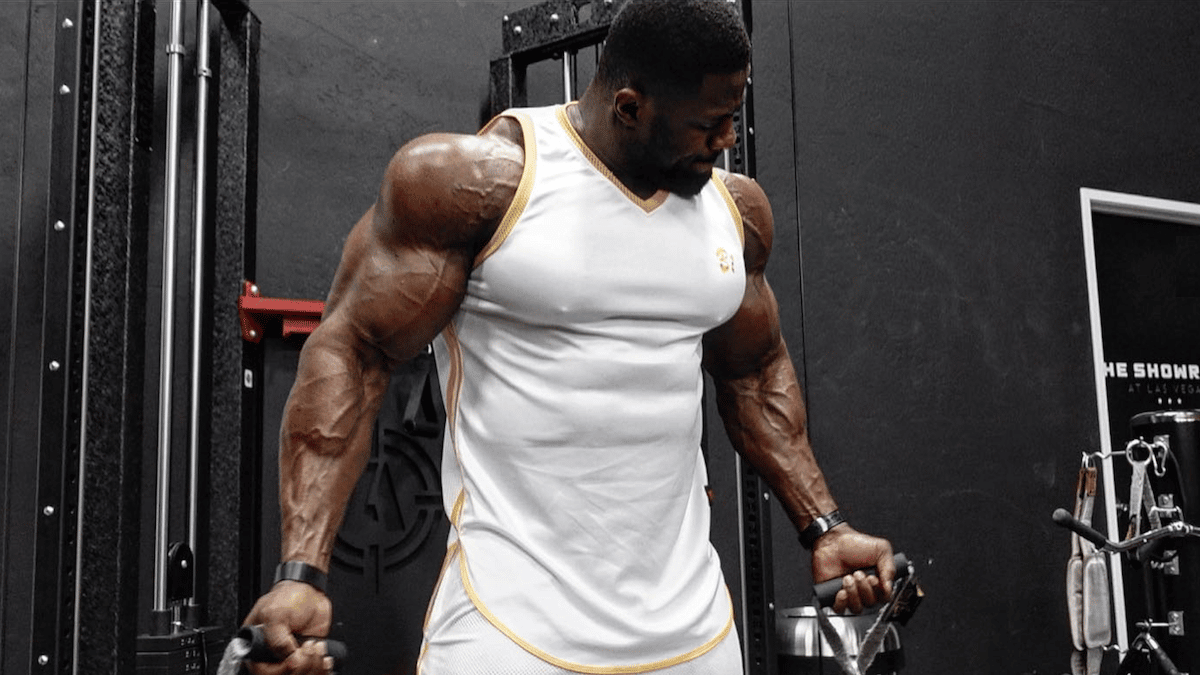
IFBB Pro League bodybuilder and 2022 Texas Pro champion Andrew Jacked was once a training partner of multi-strength-sport athlete Larry Wheels. The duo reunited recently to train shoulders and biceps together, and Jacked shared a video of the session on Aug. 30, 2022 on his YouTube channel. The video can be seen below.
The location of the video wasn’t shared in the video, but a recent Instagram post that Jacked shared about the workout tagged Binous Gym in Dubai, United Arab Emirates. In the beginning of the YouTube video, Wheels joked that he could remember being bigger than Jacked when they previously trained together in 2019 and 2020.
Jacked began the session with cable lateral raises, taking his arms up into a “Y” formation. The extra range of motion targets the rear delts as well as the side delts.
Rear Lateral Raise on Incline Bench/Single-Dumbbell Two-Arm Front Raise
Wheels and Jacked then moved on to a superset performed on an incline bench. They started with rear lateral raises with dumbbells followed by a front raise with one dumbbell held in both hands. Portions of the workout weren’t shown on camera.
The weight of the dumbbells that they used for the first exercise wasn’t shown, but they were lifting a 30-kilogram (66-pound) weight for the second movement. Both men raised the back pad of the adjustable bench for the front raises in order to achieve a greater range of motion.
Seated Machine Press/Cable Upright Row
They performed another superset pairing that included machine presses and cable upright rows. Jacked briefly spoke to the camera and explained that he called this session ‘a maintenance workout.’
“I don’t want to push anything to the max at this point,” he said. “We’re just keeping everything the same.”
Dumbbell Lateral Raise
The final shoulder exercise was a standing lateral raise with 20-kilogram (44-pound) dumbbells. Only one set from each man was shown on the video.
Standing Cable Curl
After six total shoulder exercises, Jacked and Wheels shifted to biceps, starting with cable curls using individual handles on two pulleys. They stepped forward so each arm would be behind their torso at the beginning of the movement. This worked the biceps from a different angle and added a stretch at the bottom of the movement.
Cable Rope Hammer Curl
The final movement of the session was another cable exercise, but with a different attachment — using the rope handle and performing a hammer curl to target the brachialis and forearms. The weight they used couldn’t be seen. They maintained a consistent speed throughout their sets without pausing too much at the top or the bottom.
If you wish to try the exercises that Jacked and Wheels performed in the video, you can follow the example workout below.
Cable Y Lateral Raise – 3 x 8-10
Rear Lateral Raise on Incline Bench/Single-Dumbbell Two-Arm Front Raise – 3 x 10-15 superset movements
Jacked won the Texas Pro on Aug. 13, 2022, and he earned a qualification for the Mr. Olympia contest, which will take place Dec. 16-18 in Las Vegas, NV. Before he competes in the Olympia, he plans to take part in the 2022 Arnold Classic UK contest. That show will be held on the weekend of Sept. 23-25, 2022 in Birmingham, England.
The Swedish term fartlek means speed play. The fartlek method was developed by Swedish track and field athlete Gustaf Holmér in 1930. Fartlek running typically involves a low-moderate intensity distance run interspersed with periods of fast-paced running.
Fartlek running is free and creative, allowing you to run fast or slow according to your mood and surroundings. The timing, duration, and intensity of the run are unplanned.
Traditional fartlek running is continuous and unstructured, using landmarks and terrain as inspiration. A fartlek run might include fast-paced running up a hill or short sprints between lampposts.
Playing with speed using the fartlek training method is a fun way to develop both aerobic and anaerobic energy systems as well as improve performance.
What Are the Benefits of Fartlek Training?
Running with the fartlek training method requires constant adaptation to terrain and pace. This brings multiple physiological and psychological benefits beyond simple endurance running.
Fartlek Training Benefits:
Have Fun: Fartlek is literally “playing” with speed. The freedom and creativity of choosing your own pace bring satisfaction and motivation.[1]
Climb Every Mountain: Taking on natural inclines and declines as part of a fartlek run is a great way to add intensity to your workout. Running uphill and downhill recruits more muscle fibers and utilizes different muscles, respectively.[2,3,4,5]
Get Faster: Speedwork develops the metabolic pathways and musculature required for running faster. Include sprints in your speed play for maximum effect.[6]
Power and Performance: Fartlek running elicits a training effect similar to sprint intervals. The stimulus of high-intensity, fast-paced running enhances aerobic capacity and muscular endurance.[7,8]
Ninja Skills: Learning to negotiate changes in pace, terrain, and gradient helps develop coordination and balance, which, combined with strengthened muscle and connective tissue, helps prevent injury.[9,10,11]
Race Tactics: Adapting to mood and surroundings with fartlek training is a great way to develop a race day strategy. Learn when to push harder and when to slow down. As with racing, there are no breaks in fartlek running!
Fartlek vs. Interval Training – What’s the Difference?
The main difference between fartlek and interval training is that fartlek is continuous. There are no breaks, only a change of pace. With interval training, there are clearly defined periods of high intensity followed by a set period of rest or very light active recovery.
Fartlek running, therefore, pushes the body to adapt to frequent bursts of speed without a subsequent rest period. Running continues but at a slower pace. This is a more realistic simulation of race conditions.
Interval training alternates between two intensities – high and low. With fartlek training, the intensity constantly varies according to preference and terrain. Although both training methods emphasize speedwork, the effects on physiology and psychology are not the same.
As fartlek running is by definition a workout of undefined duration and intensity, it is difficult to study under scientific conditions. Anecdotally, however, it is considered an effective way to prepare for the mental and physical challenges of middle to long-distance events.
Looking For Fartlek Training Examples? Try These Workouts.
Classic Fartlek Workout:
This straightforward workout is all about playing with speed. There is no formula except to include three sixty-second speed intervals. Everything else is up to you.
Try to feel the intensity. You can use the 10-point perception of exertion scale as a rough guide. Moderate pace should feel like a 4-6 out of 10 (heart rate training zone 3); fast or hard pace should feel like a 7-8 out of 10 (heart rate training zone 4) with occasional all-out efforts at 9-10 out of 10 (heart rate training zone 5).
Raise heart rate and body temperature with a 10-minute warm-up at low intensity
Run continuously for at least 20 minutes
Allow your mood and the landscape to inspire your pace
Include at least 3 x 1-minute speed intervals at a fast pace
Follow each speed interval with 1 minute at low intensity – jog or walk if necessary
Cool down with a 5-minute walk at low intensity
TOTAL workout time = 35 minutes
Mona Fartlek Workout:
The Mona Fartlek workout was developed by elite long-distance runner Steve Moneghetti. The workout is a variation on traditional fartlek running, alternating between periods of “on” and “off” running.
“On” means hard or fast-paced. “Off” means you ease off the gas; a low-moderate pace, which is sometimes referred to as “float pace” or “recovery”. The actual intensity is still self-selected in the traditional fartlek style.
Raise heart rate and body temperature with a 10-minute warm-up at low intensity
Run for 90 seconds on, followed by 90 seconds off; repeat x 2
Run for 60 seconds on, followed by 60 seconds off; repeat x 4
Run for 30 seconds on, followed by 30 seconds off; repeat x 4
Run for 15 seconds on, followed by 15 seconds off; repeat x 4
Cool down with a 5-minute walk at low intensity
TOTAL workout time = 35 minutes
Fartlek running is a versatile training method for every fitness level. If you are just beginning your journey to fitness, a self-paced 20-minute jog or walk with periods of quicker jogging or walking is a good place to start. Gradually increase the pace of “on” and “off’ running over several weeks to build fitness and stay motivated. Time for some speedplay!
***
if(!isRussia){
//check Cookie Opt out and User consent
if(!run_getCookie(“tp-opt-out”)){
!function(f,b,e,v,n,t,s){if(f.fbq)return;n=f.fbq=function(){n.callMethod?
n.callMethod.apply(n,arguments):n.queue.push(arguments)};if(!f._fbq)f._fbq=n;
n.push=n;n.loaded=!0;n.version=’2.0′;n.queue=[];t=b.createElement(e);t.async=!0;
t.src=v;s=b.getElementsByTagName(e)[0];s.parentNode.insertBefore(t,s)}(window,
document,’script’,’https://connect.facebook.net/en_US/fbevents.js’);
fbq(‘init’, ‘1594940627485550’); // Insert your pixel ID here.
fbq(‘track’, ‘ViewContent’);
}
}
Ab training is not only about aesthetics and making your abs look better. Yes, these workouts will check both of those boxes, but these specialized training plans can also help you understand that your abdominal muscles are highly functional, not just for show.
Credit: I T A L O / Shutterstock
Once you start training them effectively, you can end up looking better, moving better, and feeling better. These workouts may look simple, but don’t be fooled because simple does not mean easy. Get ready to build a midsection that will help you crush any workout and, if needed, anyone.
Best Dumbbell Ab Workouts
Best Dumbbell Ab Workout for Strength
If you want to get stronger, training your abs is extremely underrated. You might be more focused on heavy squats and deadlifts. While these types of big movements do require abdominal engagement, you’re limited to the amount of direct exposure to properly train those muscles with progressive overload through longer ranges of motion. (1)
To really build serious core and total-body strength, expose your abdominal muscles to a variety of challenges and stimuli when both creating and resisting movement. During compound movements, that happens through the sagittal plane when you are resisting flexion and extension (abdominal bending and straightening) using isometric contractions to create tension.
The Core Strength Workout
This workout exposes your abdominal muscles to unique stresses that aren’t already addressed in your training program. It will challenge your abs to resist and redirect force, as well as overcome direct resistance in different directions. Perform this workout two to three times per week at the end of your other sessions.
Dumbbell Plank Pull-Through
How to Do it: Place one dumbbell on the ground and position yourself at arm’s length to the side. Begin with your hands, knees, and toes on the floor. Set shoulders directly over your wrists and your knees directly under your hips. Keep your arms straight and actively push your hands into the ground while reaching your shoulders down to engage your serratus anterior. With the hand farthest from the weight, reach across your body and then drag the dumbbell across the floor underneath you. Take three to four seconds to move the weight, which should allow you to feel your abdominal muscles working. Continue dragging the weight until your arm is fully extended. Don’t allow your body to tilt or rotate. Switch hands and return the weight to the starting position.
Sets and Reps: 3 x 16 total reps, alternating sides each rep for 8 reps per side/per set.
Rest time: 60 seconds between sets.
Dumbbell Sit-Up
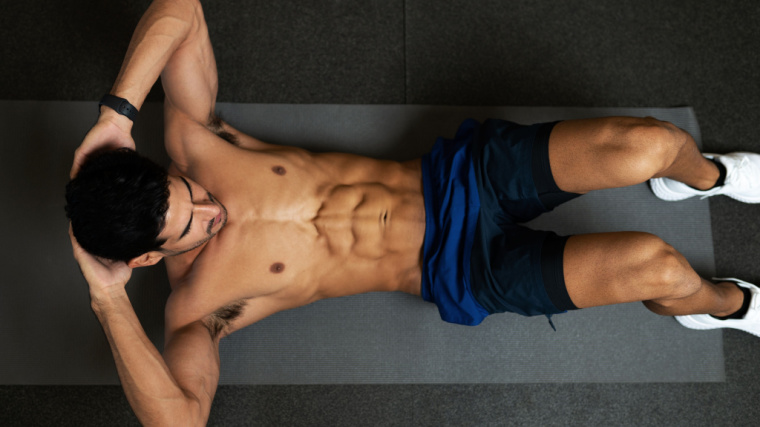
How to Do it: Lie on the ground and hold one dumbbell by the ends, horizontally, under your chin and resting on your chest. The key is to keep the weight touching your body, which will make the initial part of the sit-up much harder (in a beneficial way). It also ensures that your abdominals, not your hip flexors, are performing the movement. (2) Dig your heels into the floor and pull them back statically to engage your hamstrings. Curl your torso toward your knees. When you successfully get to the top, slowly lower yourself down back to the start position. Keep your head and shoulders away from the floor so you don’t fully relax in between each rep.
Sets and Reps: 3 x 10
Rest time: 60 seconds between sets.
Dumbbell Side Bend
How to Do it: Stand up straight with one dumbbell in the suitcase position (in one hand, at hip-level as if carrying a suitcase). Without rotating or twisting, lean your upper body down towards the weight and feel a stretch along the other side of your body. Maintain a stable base and don’t shift your entire weight over to the side. Your individual range of motion will be different based on overall mobility and strength. When you’ve reached the maximum comfortable stretch, pull yourself back to an upright position using the stretch your obliques and core. Avoid “over-correcting” or leaning too far over to the opposite side. Perform all reps on one side before switching hands.
Sets and Reps: 3 x 10 reps per side.
Rest time: No rest between sides. 60 seconds between sets.
Best Dumbbell Ab Workout for Muscle Gain
Many people think abs are closely associated with fat loss, and that’s a fair connection. However, the abdominal muscles are, in fact, muscles just like any other. They can be trained for growth which, just like your biceps, calves, or any other muscle group, can help them stand out and look even better.
How to Build More Muscular Abs
These three moves will make your abs look and feel like they have been carved out of rich mahogany. To really build muscle, challenge the abdominals with both more load and more volume than they’re used to. Perform this workout three to four times per week.
Dumbbell Double Crunch
How to Do it: Lie on the ground with your legs bent and your heels elevated on a bench, box, or stability ball. Hold a dumbbell from the sides with both hands and straighten your arms above your chest. Crunch your upper body while reaching the weight straight up towards the ceiling, not forward towards your feet. While you’re reaching up, simultaneously push your heels down into the bench and lift your hips up a few inches away from the floor. Hold the double-contracted position for a second and then slowly return yourself to the start position. This exercise gets nasty pretty quickly so get ready to embrace the burn.
Sets and Reps: 4 x 8-10
Rest time: No rest before moving to the next exercise.
Leg Raise
How to Do it: Lie on a flat bench, with your body positioned towards one end, and place the dumbbell handle between your thighs. Hold the bench behind your head and extend your parallel with the floor. Bend your legs as you pull your knees towards you with control. Squeeze your legs tightly to control the weight. Focus on covering your stomach with your thighs instead of trying to bring your knees to your elbows.
Sets and Reps: 4 x 8-10
Rest time: No rest before moving to the next exercise.
Dumbbell Side Bend
How to Do it: Stand up straight with one dumbbell in the suitcase position (in one hand, at hip-level as if carrying a suitcase). Without rotating or twisting, lean your upper body down towards the weight and feel a stretch along the other side of your body. Maintain a stable base and don’t shift your entire weight over to the side. Your individual range of motion will be different based on overall mobility and strength. When you’ve reached the maximum comfortable stretch, pull yourself back to an upright position using the stretch your obliques and core. Avoid “over-correcting” or leaning too far over to the opposite side. Perform all reps on one side before switching hands.
Sets and Reps: 4 x 10 per side.
Rest time: No rest between sides. 45 seconds rest before returning to the first exercise.
Best Dumbbell Ab Workout for Fat Loss
Unfortunately, there are no specific ab workouts or special ab exercises that will increase the rate of fat loss or weight loss. To improve body composition, you need to maintain or increase overall activity throughout the week while adjusting your nutrition, to support a calorie deficit.
The Program to Reveal Abs
Here’s a simple and effective ab routine to increase your weekly training load, increase calorie-burning, and maintain strength and muscle as you drop body fat. Perform this workout two to three times per week at the end of your other strength training sessions.
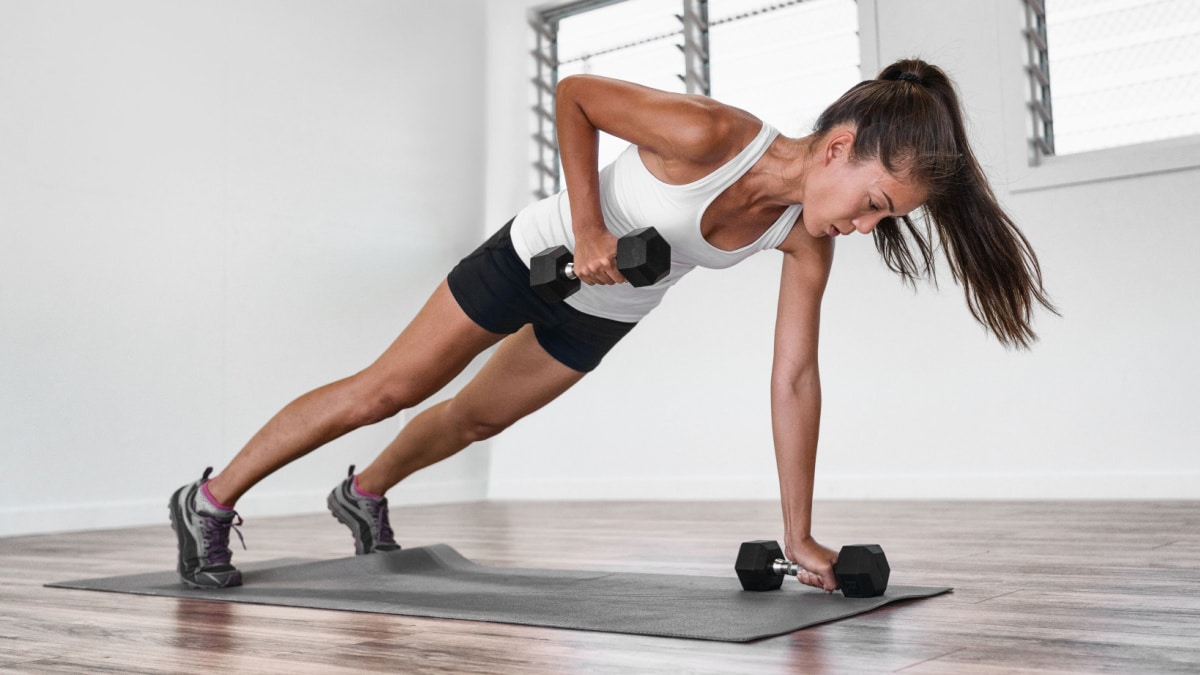
Dumbbell Renegade Row
How to Do it: Start in a plank position (top of push-up) with legs straight and your toes on the ground. Begin with both arms straight, with one hand on the ground and the other holding a dumbbell directly under your shoulder. Row the dumbbell towards your ribs while actively pressing the other arm into the ground. Resist any twisting at your hips or shoulders. Perform all reps with one side before switching arms.
Sets and Reps: 3 x 8 reps per side.
Rest time: No rest between sides, no rest before moving to the next exercise.
Chest Press in a Hollow Hold
How to Do it: Lie on the ground in the “hollow rock” position — both legs extended and your heels and shoulders lifted off the ground. Raise your feet slightly higher than your hips, and press your lower back into the floor to engage your core and stabilize your body. Maintain this static position throughout the exercise. Hold one dumbbell at chest-level horizontally, grabbing it at each end. Perform a repetition by pressing the weight towards the ceiling. Reach as far as possible to really engage the serratus anterior and oblique muscles.
Sets and Reps: 3 x 8-10
Rest time: No rest before moving to the next exercise.
Half-Kneeling Wood Chop
How to Do it: Start in a half-kneeling position, holding a dumbbell with both hands near the hip of your “down” leg. Bring the weight up towards the opposite shoulder while rotating at the waist and straightening your arms. Return to the starting position. Perform all reps on one side before switching legs.
Sets and Reps: 3 x 16 reps on each side.
Rest time: No rest between sides. 30 seconds rest between sets before returning to the first exercise.
The Ab Muscles
To some peoples’ surprise, “the abs” aren’t one single muscle. A group of several muscles —some visible on the surface and some deeper but just as important — work in coordination to control your torso position, provide stability, and offer postural support and strength.
Rectus Abdominus
This muscle gets the glory and is recognized as the main ab muscle. The rectus abdominus is divided into several “sections” depending on your unique genetic structure and tendon arrangement. This is why some people may “only” ever develop four-pack abs while others can be capable of building an eight-pack — it’s not about specific exercises or dieting, the end result is entirely genetic.
Credit: antoniodiaz / Shutterstock
The rectus abdominus controls torso flexion (bending your upper body) and it plays a role in resisting extension (bending backwards) and resisting lateral flexion (bending sideways).
Transverse Abdominus
The deep and powerful core muscle, your transverse abdominus is essential for serious core strength. It is heavily involved in creating intra-abdominal pressure, which stabilizes the lower back. The transverse abs are also significantly activated to resist flexion and extension, and helps to create a stable pillar throughout your upper body.
Internal and External Obliques
The obliques, found on either side of the abs, are most recognized for their rotational power and strength. Any movement which involves twisting at the hips, or which prevents the waist from rotating, will rely on well-developed oblique muscles. They are also responsible for lateral bending as well as resisting movement to the sides.
Ab and Core Warm-Up
Like any body part, a thorough warm-up is critical for optimal performance with a reduced chance of injury. When it comes to weighted ab exercises, one very efficient way to warm-up is to perform the exercises without weight before grabbing the dumbbells.
Especially since ab training is typically performed at the end of a training session, you shouldn’t need a general, total-body warm-up. Simply run through your intended exercises, without added weight, for several reps to prime the specific movement pattern and directly prepare the muscles and joints.
For example, you may prepare for the strength workout by holding a basic plank position, performing several sit-ups, and performing unweighted side bends before beginning the weight-bearing versions of the exercises.
Ab Training is Essential
Your abs play an important role in many different activities and exercises, yet including specific exercises to really challenge them is treated as less-than-important. The standard bodyweight-only ab training will only take your results so far. Just like any other muscle, the abs need be loaded and progressed overtime with either more reps, more weight or both. Make intense ab training a higher priority, and watch your performance and physique grow.
References
van den Tillaar, R., & Saeterbakken, A. H. (2018). Comparison of Core Muscle Activation between a Prone Bridge and 6-RM Back Squats. Journal of human kinetics, 62, 43–53. https://doi.org/10.1515/hukin-2017-0176
Workman, J. C., Docherty, D., Parfrey, K. C., & Behm, D. G. (2008). Influence of pelvis position on the activation of abdominal and hip flexor muscles. Journal of strength and conditioning research, 22(5), 1563–1569. https://doi.org/10.1519/JSC.0b013e3181739981
On Saturday, August 28, 2022, powerlifter Chris Pugh set the all-time world record in the squat (Raw With Wraps) at 82.5 kilograms, lifting 366 kilograms (807 pounds). The new record took place during the 2022 Irish Pro Invitational meet at Southside Barbell in Limerick, Ireland.
The new record was Pugh’s second of his three attempts at that meet. He attempted 375 kilograms (826.7 pounds), but the attempt wasn’t successful. Overall, Pugh was one for three on the squat, and three for three on both the bench press (where he also set a one-kilogram personal record) and deadlift. He would leave with the overall championship belt and title from the meet as well. The summary of Pugh’s day is as follows.
Squat — 366 kilograms (807 pounds)
BenchPress — 206 kilograms (454 pounds)
Deadlift — 300 kilograms (661 pounds)
Total — 872 kilograms (1,922 pounds)
Aside from the all-time world record in wraps, Pugh also shared in the post that it was a personal best by 16 kilograms. His previous best mark was 358.5 kilograms (790.3 pounds), which he achieved at the 2022 GPC European Championships on June 29, 2022. The new personal and all-time world record replaces Maliek Derstine’s mark of 365 kilograms (804.7 pounds), which was set at the 2020 USPA Dirth South Powerlifting Championships.
At 29 years old, this is Pugh’s seventh year of competing in powerlifting, according to Open Powerlifting. This is the only all-time world record in the Raw With Wraps category that he holds as of this writing. He has also competed in single-ply and multi-ply meets.
His personal best squat in a single-ply squat suit is 340 kilograms (749.5 pounds), and he set that mark in April 2022 at the Nottingham Strong Qualifier event. His best multi-ply squat is actually less than that. On July 30, 2017, Pugh completed a lift of 307.5 kilograms (678 pounds) at the Salisbury Qualifier event.
Pugh is no stranger to other weight classes, having also competed in the 90 and 100-kilogram classes this year alone. As of this writing, Pugh hasn’t shared what his next meet will be or if he will compete in a different class should he do so.
On Saturday, August 28, 2022, powerlifter Chris Kugh set the all-time world record in the squat (Raw With Wraps) at 82.5 kilograms, lifting 366 kilograms (807 pounds). The new record took place during the 2022 Irish Pro Invitational meet at Southside Barbell in Limerick, Ireland.
The new record was Kugh’s second of his three attempts at that meet. He attempted 375 kilograms (826.7 pounds), but the attempt wasn’t successful. Overall, Kugh was one for three on the squat, and three for three on both the bench press (where he also set a one-kilogram personal record) and deadlift. He would leave with the overall championship belt and title from the meet as well. The summary of Kugh’s day is as follows.
Squat — 366 kilograms (807 pounds)
BenchPress — 206 kilograms (454 pounds)
Deadlift — 300 kilograms (661 pounds)
Total — 872 kilograms (1,922 pounds)
Aside from the all-time world record in wraps, Kugh also shared in the post that it was a personal best by 16 kilograms. His previous best mark was 358.5 kilograms (790.3 pounds), which he achieved at the 2022 GPC European Championships on June 29, 2022. The new personal and all-time world record replaces Maliek Derstine’s mark of 365 kilograms (804.7 pounds), which was set at the 2020 USPA Dirth South Powerlifting Championships.
At 29 years old, this is Kugh’s seventh year of competing in powerlifting, according to Open Powerlifting. This is the only all-time world record in the Raw With Wraps category that he holds as of this writing. He has also competed in single-ply and multi-ply meets.
His personal best squat in a single-ply squat suit is 340 kilograms (749.5 pounds), and he set that mark in April 2022 at the Nottingham Strong Qualifier event. His best multi-ply squat is actually less than that. On July 30, 2017, Pugh completed a lift of 307.5 kilograms (678 pounds) at the Salisbury Qualifier event.
Pugh is no stranger to other weight classes, having also competed in the 90 and 100-kilogram classes this year alone. As of this writing, Pugh hasn’t shared what his next meet will be or if he will compete in a different class should he do so.
Hi hi! Happy Friday! How was the week? Ours was a bit of a blur (the Pilot was flying nights), but I’m so pumped the weekend is here. I’m going to the Sebastian Yatra concert with some friends, we’re having friends over for dinner on Saturday, and then celebrating my dad’s bday on Sunday. I hope you have a fun and wonderful weekend ahead!
We’re into Self-Care September with Fit Team, and it’s been inspiring to to dive into some self-care and nurturing habits, especially since we’re about to head into the busy fall and holiday season. If you’d like to join us, enrollment is technically closed, but email me ([email protected]) and I’ll get you a link!
It’s time for the weekly Friday Faves party! This is where I share some of my favorite finds from the week and around the web. I always love to hear about your faves, too, so please shout out something you’re loving in the comments section below.
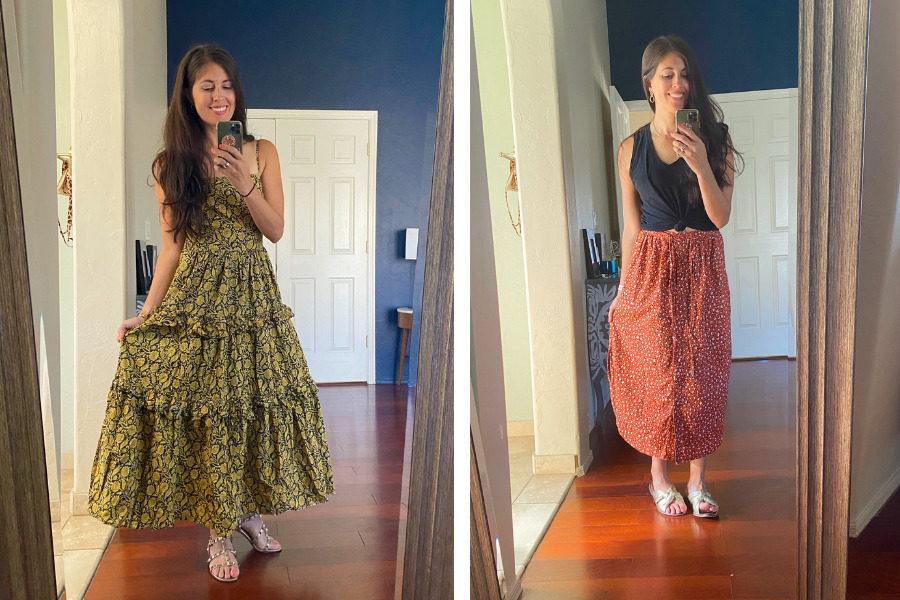
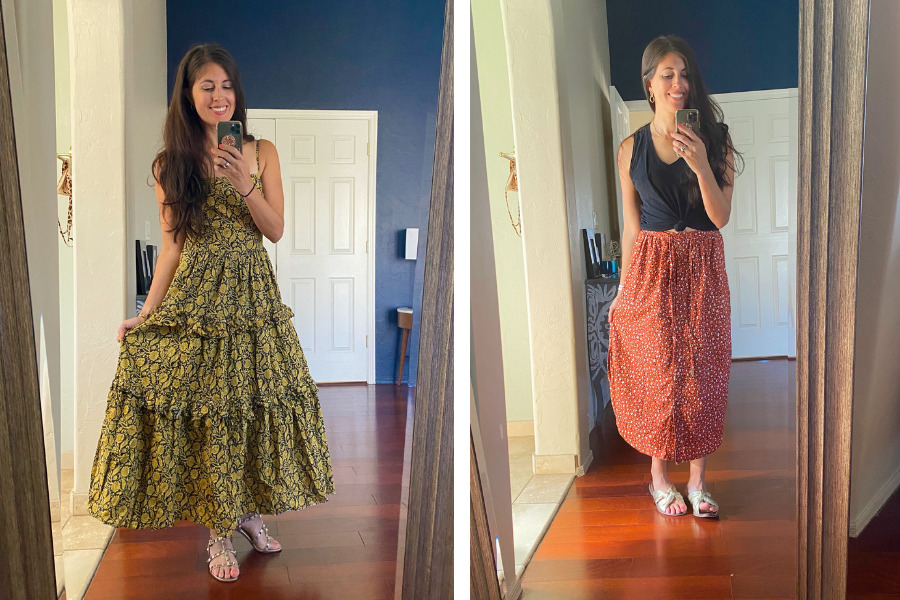
I keep thinking about canceling RTR Unlimited, but then we have a vacation or event, and I’m so glad I have it. I realized I haven’t shopped much for myself lately (besides a couple trips to lulu!) because I’ve been enjoying rotating through these 8 pieces each month.
Labor Day weekend is here and there are so many great sales!
Here are some of my top picks:
The BEST Labor Day sale is the one for HigherDOSE – 20% off sitewide! Use this as a chance to get your sauna blanket (so perfect for chilly mornings but I use it all year), or PEMF Go Mat. I also love their red light face mask. The link is here and the code is LDW22.
Free gift with Beautycounter purchase over $125! You’ll receive a full-sized version of the Overnight Peel, which I love using to gently exfoliate my skin a couple of times each week. It’s one of our bestsellers and you can get it for free. If you’re shopping Beautycounter for the first time, use the code CLEANFORALL30 and get 30% off, too.
Tory Burch private sale! Ordering a replacement pair of Millers since Maisey ate my brand-new tan ones… :/
Madewell up to 40% off with code LONGWEEKEND. Going to look at their jeans and sweaters!
Abercrombie is up to 50% off. I like that they’re rebranding as more of a Reformation-type vibe and targeting so many of us who used to shop there (and work there!) in high school and college.
Hi friends! I hope you’re having a wonderful morning so far. I’m meeting with a friend for coffee and then working on a Fit Team document for Self-care September to send out tomorrow. It’s not too late to join us here!
For today’s post, I wanted to talk a bit about mom burnout. While I’m in a positive space with motherhood, there have absolutely been times when I’ve felt overwhelmed and burned out. I wanted to share a bit about it in this post, along with some of the things I’ve learned, and always love hearing about your thoughts and perspectives, too. I also recognize that as a mom, I know I’m fortunate and privileged in many aspects of life and am grateful for all of them. There will always be those who have it better or worse than yourself; the best you can do is have gratitude for the blessings in your life, and compassion for those who are having a difficult time.
What is mom burnout exactly?
I think of it as a state of mental, physical, and emotional exhaustion that most moms are likely to experience at one point in their lives. I’ve learned over time that various factors can contribute to mom burnout. It can happen when you have maxed out your capacity to care for others, and it can also come from the invisible emotional and mental load mothers need to carry. Peer pressure, unrealistic expectations, and social media can play a part in causing mom burnout, and I think it’s SO important for moms to fill their own cups first.
Mom burnout should not be taken lightly, and if you feel like you are suffering, please reach out and get the help you deserve. Please keep in mind that I’m NOT a professional on this matter, just a mom sharing my story and things I’ve learned. You can absolutely love your kids like crazy and still experience mom burnout. It doesn’t mean you’re not a good mom; you just need a little extra TLC.
How to recover from mom burnout
Taking breaks and taking time to recharge
This can be so hard to do, especially if you have a tiny newborn. Take any opportunity you need to take a break and recharge, even if it’s for a short nap, a hot shower, or 10 minutes to blankly stare at the wall.
Talk it out
When you feel overwhelmed, whether you’re dealing with parenting exhaustion or life stuff, it can be so helpful to talk it out. It can be with a trusted friend, partner, or a professional, but often it can feel like a load has been lifted when you can speak your frustrations. Also, when you say things out loud, it’s easier to develop an action plan or objectively see the situation without so many emotions attached to it.
Prioritizing self care
This can be a tricky one, especially when you’re so devoted to caring for others, but I’m a big believer that you can’t pour from an empty cup. Take some time to do the self-care practices that you love in your routine, like your favorite weekly yoga class, a phone call with a friend, a hike or walk outside, time to read a book, whatever self care looks like for you. It also doesn’t have to be *all the things*; it could be one thing that you look forward to each week or each day.
Focus on the bare essentials
When you feel burned out, try to delete the unnecessary tasks from your routine. This might be something like having an impeccably clean house and crossing off all of the items on your to-do list. Keeping other humans alive, happy, and fed is a huge task, and if you accomplished this (along with feeding yourself), feel proud of yourself. <3
Do something that makes you feel like YOU
This can be something like dusting off your ukulele, reading a book, a dinner date with your partner, meeting up with a friend for a coffee, or a solo shopping trip. It can be as short as 15 minutes during naptime, but try to do something that brings you joy and that was a part of your pre-kids life that you’ve been missing.
Delegate anything you can and don’t be afraid to ask for help
Wherever it makes sense for your family and budget, outsource as many items as possible, especially the tasks that you despise. For example, if you love cooking but hate grocery shopping, try grocery delivery. If you hate cooking, try some pre-made meals each week from a service you like. (Some of my clients have found out that their husbands love to cook, so they’ve taken over the meal prep and dinner duties.) Hire someone to clean the house if that works for you (it is a lifesaver for me, and I sacrifice other things to carve this into our budget), or any other tasks that are adding additional stress. See what can be deleted, and delegate as much as you can.
Drop the mom guilt
I feel like it’s SO easy to feel guilty about so many different things, especially when there’s so much…passionate… messaging online. Whether you work from home or in the office, are a stay-at-home-mom, have a vaginal birth or c-section, breastfeed your baby, do attachment parenting, sleep routines, medical decisions, etc. People have a lot of opinions about how you choose to raise your kids. At the end of the day, you have to trust that you’re making the best decision for your family and drop as much mom guilt as you can. (This is something I’m working on myself, and often feel guilty whenever I have to work or film videos and the kids are home.)
Meet with a professional to get hormones and nutrient deficiencies addressed
When I was going through postpartum anxiety and depression, there was a lot going on (a cancer diagnosis in the family and a baby with severe reflux), but I was also facing nutrient deficiencies, sleep deprivation (this makes everything worse), and significant hormone imbalances. Once these things were addressed, the dark cloud lifted, and I finally started to feel more like myself.
If you feel off, I think it’s absolutely worth speaking with your doctor or functional medicine practitioner about developing a plan to help you feel better! Also I can’t say enough good things about therapy. It’s helped me through many situations in my life, and I’m grateful for the kind and experienced therapists out there.
Invest in relationships
Take the time to invest in the relationships that are meaningful for you. This is huge for overall health and mental wellbeing, especially when you’re feeling overwhelmed or exhausted. Connect with your tribe and reach out to those you love, even if it’s just a quick text to say hi.
Surround yourself with positive and inspiring examples of motherhood
I’m so so thankful to be surrounded by a group of moms who also love being moms. We can share our challenging moments with each other, but we also cheer each other on, and their positivity and perspective always brings me a dose of positive energy. They inspire me to be a better mom and experience true joy in motherhood.
On the same note:
Watch out for social media. Don’t be afraid to do a social media cleanup or detox.
It took me a while to realize that social media can be triggering for me on the motherhood front. When I first had Liv, it’s like you weren’t allowed to say that anything was difficult or challenging, or you were a *bad mom.* (And I’ve totally been called this, multiple times, by strangers on the internet.) Now, on the other hand, if you exude too much happiness, you can be accused of “toxic positivity.”
I feel like a lot of the messaging around motherhood, in an effort to be *real* has ended up being extremely negative in various accounts. There was a video of a mom, giving her child a plate of alphabet chicken nuggets that spelled out “f you” to her child. The child clapped and joyfully ate the nuggets while the mom snickered behind the screen. It wasn’t *real* to me. It was cruel, and I cried after I watched the video.
I realized I like accounts of moms who share their fun adventures with their kids, and while they absolutely share snippets of more difficult experiences, on the whole, they enjoy the members of their family.
You have to assess what type of messaging you like seeing online, and act accordingly by deleting the accounts that make you feel sad, negative, encourage comparison, or that are harmful for your mental health. It also feels good to put the phone on airplane mode for a day or so every now and again. 😉
Remember that all stages of motherhood are fleeting
I used to get used to routine or habits and then within a couple of weeks, everything would change. Now that the kids are older and way more independent, I’m constantly aware of how quickly time passes. You don’t have to enjoy every single moment (especially when you’re sleep-deprived, covered in milk stains, and recovering from birth), but I think it can be helpful to remember that time really does go quickly. Before you know it, you can ask them to do their homework.. and they’ll do it… by themselves. It’s wild, I tell ya.
So tell me, friends: what motherhood accounts do you like to follow online?
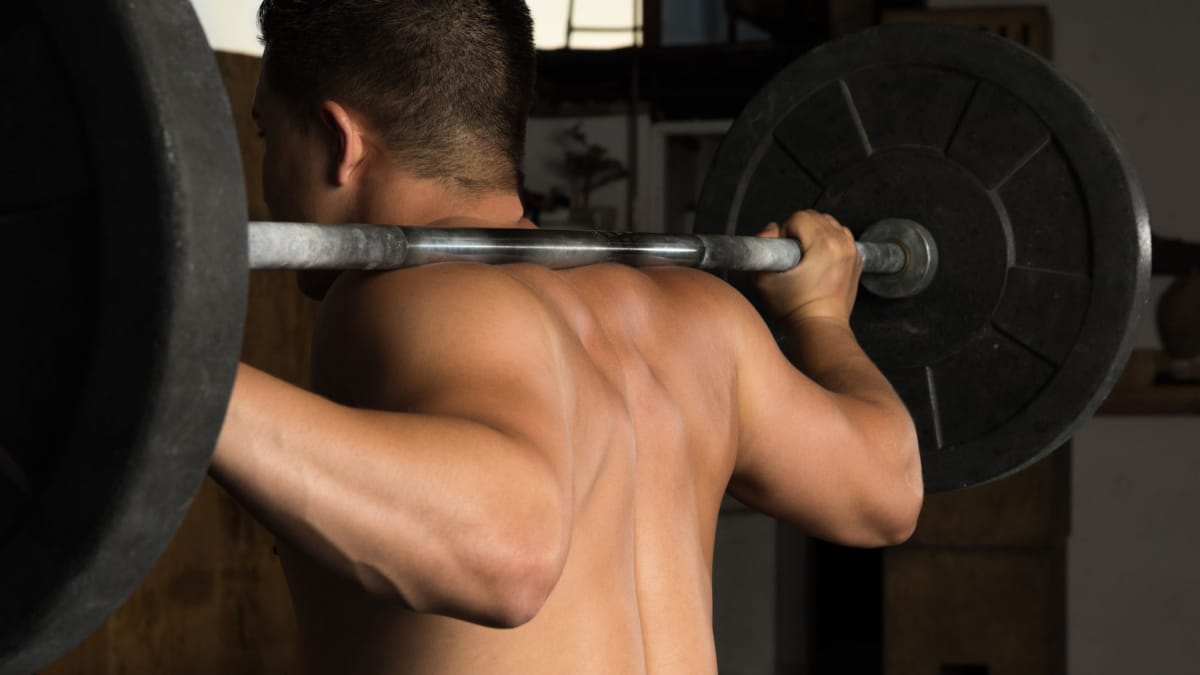
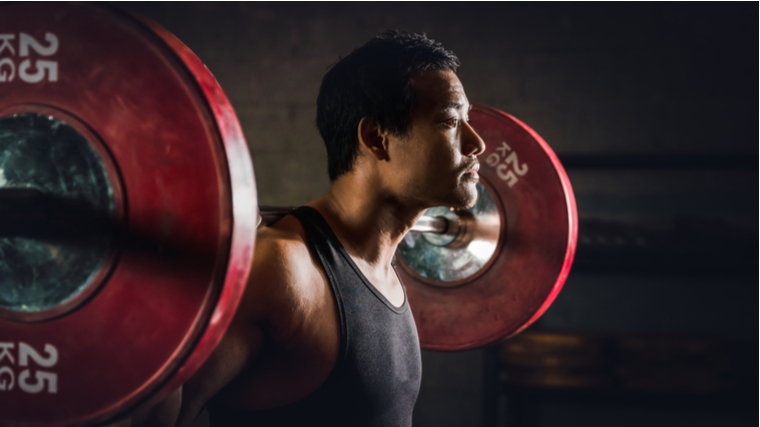
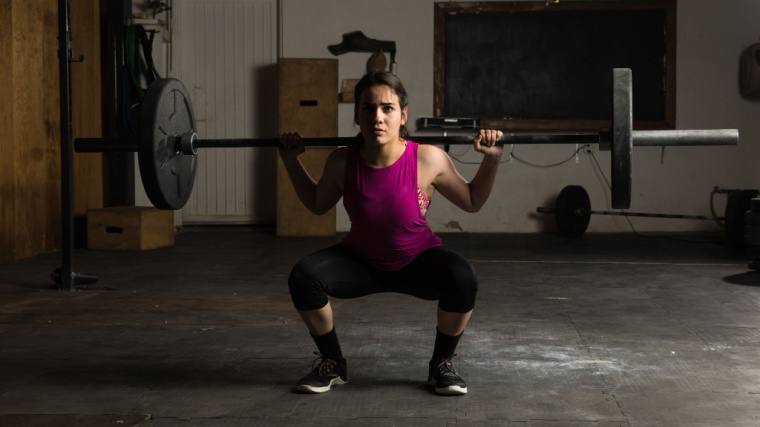
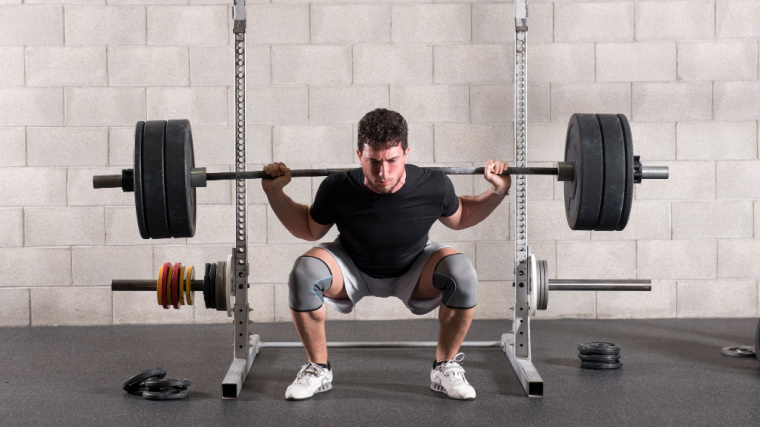
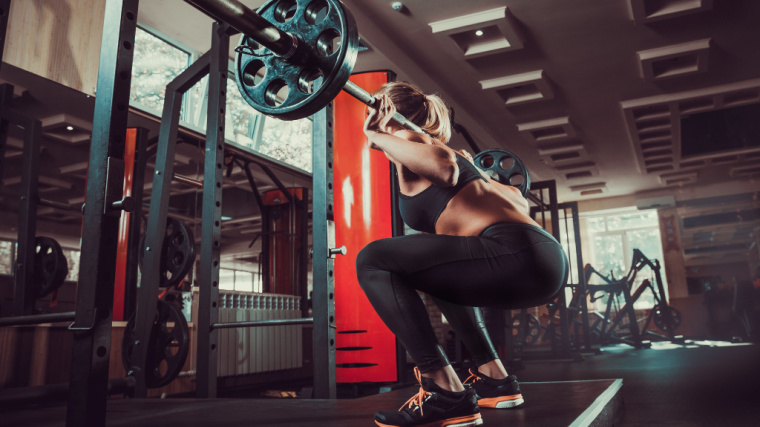
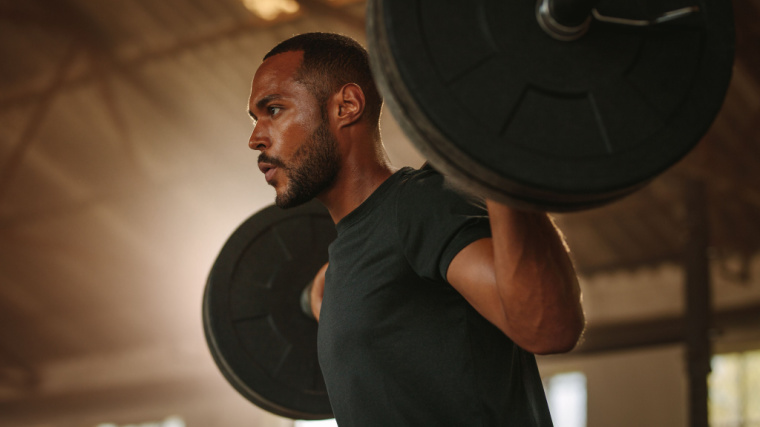
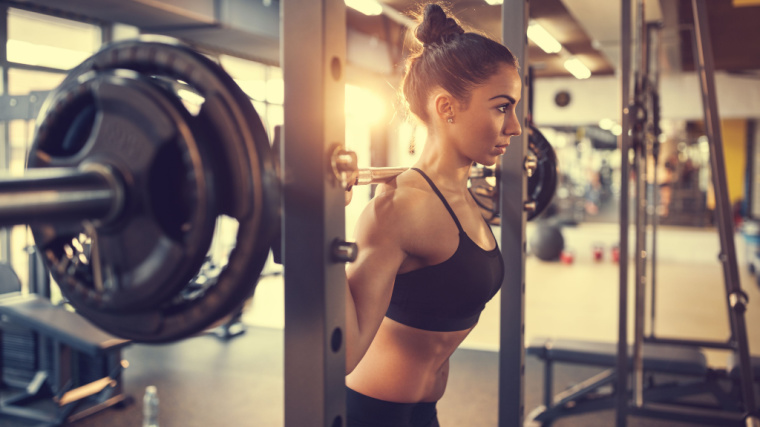
Can you squat every day? To smug middle school English teachers, the only answer is, “I don’t know. Can you?” We’re not looking for detention, so let’s rephrase rather than retort.
Should you squat every day? To literalists, this is still preposterous. You need to squat every day to sit at your desk or upon your porcelain throne. But to lifters and strength professionals who recognize we’re talking about squatting with weights in the gym, it’s a thought-provoking question.
Credit: Mongkolchon Akesin / Shutterstock
Like a proper squat, the best way to approach the question is to go deep. Here, you will find a history of “squat every day” protocols and an evidence-based evaluation of daily squatting for a variety of training goals. We will also consider the likelihood of harm, discuss the nuts and bolts of programming, and, inevitably, answer the question: Should you squat every day?
What Are Daily Squat Protocols?
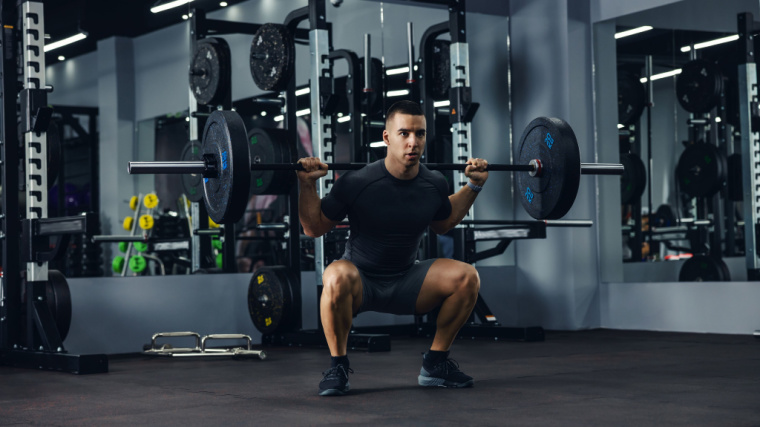
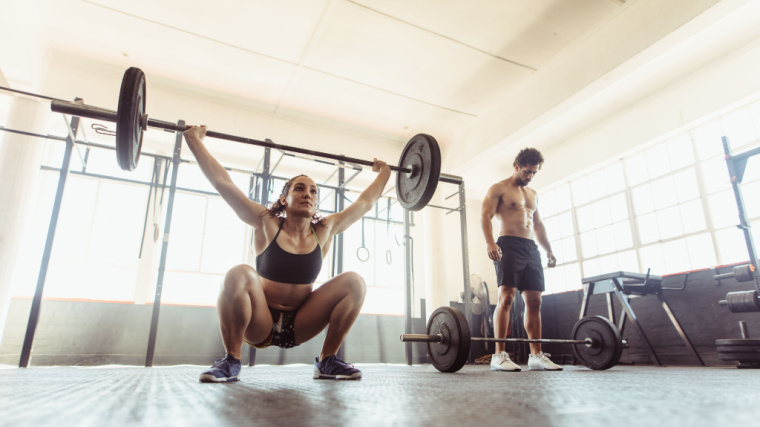
Broadly, daily squat protocols contain just that — squats every damn day. Past this commonality, different daily squat protocols contain variables. Some require the same type of squat be used (e.g. always barbell back squats). Others incorporate squat variations throughout the week (e.g. front squat, overhead squat, etc.).
Many of these programs are periodized, including planned variation of volume (daily sets and reps) and intensity (weight or percentage of maximum). In the most extreme plans, lifters may be asked to max-out every day with a single or multiple repetition sets.
Credit: antoniondiaz / Shutterstock
The defining feature of all daily squat protocols is ultra-high frequency squat training. Traditionally, a muscle group is trained and then given 48 hours (or longer) to recover. (1)
Brazen “squat daily” protocols provide only about 24-hours recovery between bouts. To the traditional strength coach or athlete, this may sound like blasphemy, but high-level athletes are successfully squatting daily and have been for decades. (2)
History of Squatting Every Day
In the age of commercialism, one might think the “big squat rack” industry developed the idea of daily squatting just to sell their wares. But the history of squatting every day runs deeper than pushing powder-coated steel and graphic T-shirts. It even predates social media hashtags like #squatober.
Like many draconian activities in the gym, the origin of modern daily squatting can be traced to Eastern European origins. Starting in the 1960s, Bulgarian coach Ivan Abadjiev successfully trained Olympic weightlifters using a high-volume system that included the competition lifts and squats every day. (3)
This so-called “Bulgarian method” was not without controversy, but it helped to produce gold medalists in Olympic weightlifting. And yes, one could assume the success of the Bulgarian method was largely pharmacological, but does high-frequency training provide an edge when training for certain attributes?
Daily Squatting for Strength
Daily squat programs may have originated in Olympic weightlifting, but they’ve now taken a foothold in powerlifting. Does high-frequency training make sense for the strength-focused lifter?
Research seem to find an advantage to higher frequency training among certain types of lifters, including young adults and intermediate and advanced trainees. The finding most notable for daily squatting was reported by a pair of meta-analyses — improved strength gain for multi-joint exercises when training at higher frequencies. (4)(5)
In both meta-analyses, this effect was tiered, with significant benefit for each additional training session per week up to four or greater. In other words: the more frequency, the better (to an extent).
Credit: Photology1971 / Shutterstock
However, the findings were based on a limited number of available studies on frequencies at or above four training sessions per week, and studies that allowed more sets and reps for the higher frequency training groups were included in the analysis. (4)(5) More recent studies with intensity- and volume-matched protocols show no difference in strength outcomes. (6)(7)(8)(9)
But the take-home message stands: there does not appear to be any downside to high-frequency training when it comes to strength outcomes. And, if high-frequency training allows you to train harder or do more, there might be a benefit.
Daily Squatting for Hypertrophy
For building muscle, there is an argument for high-frequency training. Protein, as you probably know, is kind of a big deal for muscle growth.
A lifting session stimulates construction of new muscle by increasing rates of protein synthesis. But the increased protein synthesis rate is short-lived, peaking at about 24 hours post-training before rapidly declining. (11) Frequent training, therefore, may help to keep the muscle in a building, or “anabolic,” state by repeatedly stimulating muscle protein synthesis. (12)
Theory aside, a meta-analysis of training studies failed to show significant benefit of increased frequency when volume (total sets and reps) is kept constant. (13) Keep in mind, most of the “high-frequency training” studies in the meta-analysis were looking at three or four sessions per week for a given muscle group. Squatting every day will train the quads, glutes, and calves, well, every day.
Credit: SOK Studio / Shutterstock
While research on ultra-high frequency training (five or more sessions per week) remains sparse, more studies are taking on ultra-high frequency training protocols and comparing muscle gains to lower frequency.
Don’t get too excited yet. The findings of recent, volume-matched studies are unlikely to change the conclusion provided by the previous meta-analysis —“No difference” in muscle growth between ultra-high-frequency training and low-frequency training when overall volume is the same. (6)(8)(9)(10)
Here’s where things get interesting. When total weekly training volumes were not equal, research has reported moderate benefits to three or more sessions per week. (13) This makes sense, as lifting volume is a driver of hypertrophy. (14)(15) This point is key when considering daily squatting because, if squatting every day helps you achieve more quality sets and reps, there’s a good chance it will help you to grow bigger muscles.
Daily Squatting for Power
Bulgarian Olympic weightlifters were early-adopters of ultra-high frequency training. They were training for a power- and technique-driven sport. Although direct research is lacking, squatting every day to develop lower body power appears anecdotally promising.
Power training is most effective when failed reps and general fatigue are avoided. (16) Therefore, power training programs tend to use sub-maximal loads with set, rep, and rest schemes designed to avoid failure.
Squatting every day may be an appealing option because it is likely that power-focused lifters will recover within 24 hours and be ready to perform again. (17) High-level Olympic lifters train as often as 18 times per week.
Distributing training across frequent, shorter sessions not only reduces overall fatigue, but it provides more opportunities to practice exercise technique and skill. Remember the wisdom of legendary American wrestling coach Dan Gable: If something is important, do it every day.
Should I Max Out Every Day?
The most extreme daily squatting protocols ask the lifter to “max out” or test their maximum strength every day. Daily max protocols fly in the face of conventional strength and conditioning practices.
To dissuade lifters from maxing out every chance they get, a coach might say, “training and testing are two different things.” Strength tests are low volume with maximum loads. For example, working up to a one-repetition maximum (1RM) squat and then calling it a day. Training for strength typically consists of multiple sets of multiple repetition sets. For example, four sets of five or three sets of eight.
Maxing out in every session can be physically taxing and might result in rapid accumulation of fatigue. Also, since most lifters are in no condition to train efficiently after maxing out, testing strength comes at the expense of traditional training.
Interestingly, training that consists exclusively of 1RM testing twice per week has been linked to strength improvements similar to higher volume training (i.e. four sets of eight to 12 reps, twice per week). (18) There is something to be said for practicing the test and getting more comfortable under heavy loads.
Credit: Jacob Lund / Shutterstock
Research was performed on three very experienced powerlifters who spent 37 days hitting daily 1RMs. (2) Each of the participants improved their 1RM over the course of training, ranging from five to 10%, which is serious progress for an experienced lifter.
However, the lifters didn’t only perform a 1RM. Their daily squat workouts also included five sets of doubles or triples at 90% 1RM and 85% 1RM, respectively, for the first 30 days of the trial. Daily maximum squatting for roughly six weeks appears to be a viable strength-building method in well-trained lifters.
Just be cautious extrapolating this data to your own training. Are you a healthy powerlifter with a lengthy training history? Do you have trained spotters to keep you safe every day? Could you handle the mental and physical grind of maxing out every day?
If you answered “No” to any of the above questions, daily max squatting is probably not for you. Keep in mind, even a middle-of-the-road (non-max) daily squatting routine gives you plenty of opportunities to both train and test your squat.
Is it Overtraining?
Overtraining is defined as a persistent decrease in performance lasting months. (19) It’s the fastest way to derail your train to Gainsville. Overtraining is associated with performing too much exercise volume and/or too much exercise intensity. So, will daily squatting cause you to overtrain? Not likely, but let’s take a step back and discuss the nuances.
Genuine over-training appears to be rare among lifters. (19) But you’re not out of the water yet. Two related and more common phenomena are non-functional over-reaching and functional over-reaching.
Non-functional over-reaching is overtraining’s little brother — not nearly as dangerous, but still a persona non grata in any decent muscle-focused community. It’s a performance loss lasting weeks to months, which rebounds back to baseline after a period of recovery. (19) You end up with no net loss, but nothing gained.
Functional over-reaching, or simply “over-reaching,” is a short-term performance loss followed by super-compensation (rebounded improvement). After days-to-weeks of lagging, you recover and overall performance increases. (19)(20) When used strategically, functional over-reaching is a powerful tool for making new gains.
Over-training vs. Over-reaching
Overtraining, non-functional over-reaching, and functional over-reaching — where will squatting every day put you on this spectrum?
Credit: Dusan Petkovic / Shutterstock
One daily-squatting study sought out to cause overtraining. After performing 10 one-rep max lifts per day, every day for two weeks straight, researchers saw lifters’ 1RM strength drop an average of more than 10% and blood levels of creatine kinase (a marker of muscle damage) nearly double. (20) However, the researchers failed to conduct a follow-up test after a period of recovery.
Instead, the final 1RM test was conducted the day after the final training session. To determine whether the study truly induced overtraining based on our established definitions, a longer period of recovery should have been provided before performance testing. We can only theorize whether the high-intensity squat every day protocol led to long-term losses in performance.
Another study by the same lead researcher clearly showed non-functional over-reaching among intermediate trainees with a high-intensity squat protocol. The training consisted of two singles at 95% 1RM, three singles at 90% 1RM, and three sets of 10 leg curls performed three times weekly for three weeks. (21)
The trainees’ squat strength failed to improve during the rigorous training and failed to improve following three weeks of baseline training for recovery. These findings should be eye-opening. The study shows how quickly high-intensity training, even at moderate frequency, can push lifters away from results.
Non-functional over-reaching can be surprisingly sneaky. The participants didn’t report increased muscle, knee, or low back soreness or pain throughout the high-intensity protocol. (21)
The only published study on daily squatting is the previously discussed research on the three powerlifters who hit 1RMs daily for six weeks. These powerlifters didn’t actually overtrain, but their 1RM fell below baseline at multiple points during the study.
The lifters undoubtedly experienced functional over-reaching at the beginning of the intense protocol, because their strength ultimately rebounded and improved. (2)
While true over-training is unlikely, non-functional over-reaching (unproductive training) is a real risk when squatting frequently. Avoid this pitfall using well-designed programming.
The Right Way to Squat Every Day
If you are going to squat every day, you need to pay attention to more than just volume and intensity. A number of variables are important when selecting a program or developing your own.
Variation
Daily squat programs should include some degree of variation. This can include changes in programming variables: intensity (weight), volume (sets and reps), rep speed, rest intervals, frequency, and exercise selection. (22) Squatting every day precludes variation in frequency, but should not limit manipulation of the other variables.
If you are not a competitive powerlifter, you should not feel limited to programming only the back squat. A wide variety of “squats” can be used in daily squatting programs, each with unique qualities and benefits.
Squat variations that promote a more upright torso are more knee-dominant and will hit your quads harder. Options include, but are not limited to: Zercher squats, goblet squats, heels-elevated squats, and safety squat bar squats.
Squat variations that encourage the lifter to sit back into the hips are going to be hip-dominant and bias the glutes. Low-bar back squats and box squats are great options. Single leg-biased squats, such as the rear-foot elevated split squat, challenge balance and train your stabilizing muscles.
Machine variations like hack squats can offer reprieve to some of the stabilizing muscles. Belt squats are great for offloading the spine. By alternating or intermixing multiple squat variations throughout the week, you’re adding variability to the program.
Variability should assist with fatigue management by promoting a more equitable distribution of training stress across various body tissues.
There are many ways to vary the remaining programming variables. For ultra-high frequency training, adaily undulating periodization (DUP) structure works very well because it promotes extreme variation by adjusting the intensity and total volume in each session.
One day might have you program one or two working sets of squats in the eight to 12-repetition range. The next day might be a single set in the two to six-rep range. The third day could be one or two sets of 12 to 16 repetitions. Rinse and repeat.
Big Picture Planning
Daily squat programs should be part of your periodized training plan. The program should be conceptualized as a “block” of training being performed for the specific goal of maximizing one aspect of fitness related to the squat (e.g. power, strength, hypertrophy, technique, etc.). (22)
It should fit into your “bigger picture” plan for performance or competition. For example, a powerlifter or Olympic weightlifter might be interested in improving squat strength and technique leading up to a competitive season.
A bodybuilder might program daily squatting to beef up their lower body in the off-season. A CrossFit athlete might squat daily to improve work capacity and lower body strength-endurance.
Credit: Jacob Lund / Shutterstock
The daily squatting “block” can be used as a planned over-reaching strategy to accelerate progress toward your goal. To realize the benefits, daily squatting should be terminated early enough to allow for recovery and super-compensation to occur.
For strength-related pursuits, consider ending daily squatting two to four weeks prior to competition. (23) Performing a deload immediately after daily squatting will allow you to get the most out of this training block.
Use Appropriate Volume
“Squat every day” programs should include appropriate volume, relative to your training goal and training status. Massive training volumes are not needed to increase strength. Most individuals can increase their squat strength with two or three weekly hard sets in the six to 12 repetition range. (24)
To optimize strength gain, there will be incremental benefits for adding additional working sets. (5)(25) However, the dose-response relationship has an upper limit. For advanced lifters, this threshold may be approximately 10 to 12 weekly sets. (5)(26) This threshold is almost certainly lower for beginners and intermediate lifters, possibly as low as five to nine sets per week. (5)
Volume is directly tied to hypertrophy. The general recommendation for hypertrophy training is to hit a minimum of 10 weekly working sets per muscle group. (15)(27)
In summary, strength-focused trainees on a “squat daily” program will likely target seven to 12 weekly sets of squats, while lifters focusing on hypertrophy will target a minimum of 10 sets per week. The ultimate number of sets a trainee should use should be individualized based on training experience.
Credit: Lucky Business / Shutterstock
Keep in mind that these are total working sets and does not include warm-up sets. If you are a strong squatter working up to big numbers seven days per week, these recommendations will result in a lot of time at the squat rack. Bear in mind, weekly volume should not be a static target. Your daily squat program ought to be progressive just like any other training.
Considering the close relationship between hypertrophy and volume, it is most prudent to for lifters interested in gaining muscle to add sets throughout their training “block.” (15) Increasing set volume by 20% throughout a month-long squat program is a reasonable target. (27)
Finally, those squatting for substantially less than seven sets per week (i.e. the minimum number required to “squat every day”) should to gradually build their squat volume prior to beginning daily squatting.
Regulate Intensity
Squat every day programs should be intensity-controlled. You are (probably) not an elite athlete, so you probably shouldn’t max out every day like elite athletes can handle. Even if you don’t plan max out often or at all during your squat protocol, be cautious of combining high-intensity with high-frequency.
Just three weeks of 15 weekly singles at 90% and 95% 1RM was enough to stall the progress of intermediate trainees. (21) Ultimately, you can decrease the likelihood of unproductive training by limiting the number of sets performed above 90% 1RM. These sets are taxing and may not be as important for strength gain as you might assume.
For example, competitive weightlifters who completed over 91% of their repetitions at loads below 90% 1RM demonstrated greater increases in strength than weightlifters on a higher intensity, volume-matched protocol. (26)
Make no mistake, building strength is dependent on lifting heavier loads, at least occasionally. On the other hand, building muscle is more dependent on volume. (14)(15) (28) A wide variety of intensities stimulate hypertrophy training provided sets are taken close to failure. (27)(28)(29)
Any load greater than the very light 30RM can be effective for building muscle. (27)(28) Anyone who has taken a light weight, high-rep set close to failure knows how taxing and miserable it can be.
Credit: Jacob Lund / Shutterstock
Therefore, a middle-of-road approach to loading your squats may still be most appealing. For most lifters with strength or hypertrophy goals, most sets should be performed in the 70-90% 1RM range with heavier sets programmed judiciously. You don’t need to “max out” often, but when you do, use it as an opportunity to re-calibrate your loads or percentages.
The ultimate number of heavy sets per week appropriate for your program is highly individual. It’s related to your training history (“how long have you been squatting heavy?”), other training stress (“are you also doing other strenuous workouts?”), and how much you’re able to recovery (“are you eating a diet with ample calories and nutrients while getting more than seven hours of quality sleep per night?”).
Start conservatively and plan to progress. Progress intensity by ensuring that you are putting more weight on the bar during your high intensity workouts. For ambitious lifters, the potential consequences of doing too much will always outweigh the potential cost of doing too little. If you under-load one session, you can always do more. If you over-load one session, your recovery and performance will take time to adjust.
Cut the Fluff
When squatting often, dial back elsewhere. Cutting back or eliminating other lower body training during the daily squat protocol is also advisable, especially leg exercises that are loaded axially (through the trunk and spine, such as deadlifts, lunges, and weighted step-ups).
Isolation work is fine for muscle groups sub-optimally stimulated by the squat, such as machine calf raises and hamstring curls.
Set an End Date
Daily squat programs should be time-limited. It was shown that well-trained powerlifters can thrive under a daily squat protocol for nearly six weeks, but it is not known how long even well-trained lifters can tolerate squatting every day.
Researchers explicitly warned against using their study as a model for novice and intermediate lifters. (2) Conservatively, intermediate and novice lifters should experiment daily squatting for just a few weeks and assess their individual tolerance and responses to the program before committing to relatively longer protocols.
Abandon or Modify the Plan if Necessary
Responses to this style of training are highly individual. Studies have shown large individual variation among responses to high-frequency training. (8)(9)(10) The take-home message? You might thrive on a high-frequency squat program, but there is a chance you might bomb.
Credit: David Herraez Calzada / Shutterstock
Monitor progress during daily squatting with objective and subjective data. Objective data could be as simple as tracking your maximum effort or highest intensity sets (e.g. repetition maximum attempts) or the number of repetitions you perform with a typical weight.
Subjectively, you could track Session Rate of Perceived Exertion (Session RPE), which is a number from zero to ten used to rate your workout effort, “zero” means you were resting and “ten” is maximum exertion. (30)
Track trends in your performance and exertion. During the first week of daily squatting, your body is adapting to the new stimulus. You might see some significant drops in performance here. Outside of the first week or so, you should not be losing strength or unintentionally cutting reps for multiple days in a row.
Every session should not be a 10 of 10 Session RPE. If you notice these features, they could be a sign that high-frequency squatting, or the way you are programming high-frequency squatting, is not working for you. Course correct accordingly.
Final Thoughts
If you’ve made it this far, hopefully you have an idea of whether or not you should squat every day. Or, maybe you’ve just skipped to the last section looking for a verdict.
So, should you squat every day? Like any nuanced question, the answer is…it depends. You could boil it down to three key factors — individual preferences, appropriate program design, and individual responses.
There is typically no harm associated with high-frequency training. (4)(5)(6)(7)(8)(9)(10)(20)(21) Meaning, if you like the idea of squatting every day, you should feel empowered to try it. Once you’ve committed to squatting every day, the next challenge is to determine the program specifics (e.g. volume, intensity, duration of training block, squat variations, etc.). Misjudge these variables, and you’re charting a course toward non-functional over-reaching.
Finally, your daily squatting program can simply be your own “experiment.” No randomized controlled training study will provide you with as much value as your own experiences.
All of these recommendations may provide guidance but, ultimately, it’s the help of a good coach, the latest research, and the lessons you learn from the iron that can help you keep squatting day in, day out.
References
Tan, B. (1999). Manipulating resistance training program variables to optimize maximum strength in men: a review. The Journal of Strength & Conditioning Research, 13(3), 289-304.
Zourdos, M. C., Dolan, C., Quiles, J. M., et al. (2016). Efficacy of daily one-repetition maximum training in well-trained powerlifters and weightlifters: a case series. Nutricion hospitalaria, 33(2), 437-443.
Perryman, M. (2013). Squat Every Day: Thoughts on Overtraining and Recovery in Strength Training. Myosynthesis Books.
Grgic, J., Schoenfeld, B. J., Davies, T. B., et al. (2018). Effect of resistance training frequency on gains in muscular strength: a systematic review and meta-analysis. Sports Medicine, 48(5), 1207-1220.
Ralston, G. W., Kilgore, L., Wyatt, F. B., & Baker, J. S. (2017). The effect of weekly set volume on strength gain: a meta-analysis. Sports Medicine, 47(12), 2585-2601.
Colquhoun, R. J., Gai, C. M., Aguilar, D., et al. (2018). Training volume, not frequency, indicative of maximal strength adaptations to resistance training. The Journal of Strength & Conditioning Research, 32(5), 1207-1213.
Hamarsland, H., Moen, H., Skaar, O. J., Jorang, P. W., et al. (2022). Equal-Volume Strength Training With Different Training Frequencies Induces Similar Muscle Hypertrophy and Strength Improvement in Trained Participants. Frontiers in Physiology, 2374.
Franco, C. M., Carneiro, M. A., de Sousa, J. F., et al. (2021). Influence of high-and low-frequency resistance training on lean body mass and muscle strength gains in untrained men. The Journal of Strength & Conditioning Research, 35(8), 2089-2094.
Gomes, G. K., Franco, C. M., Nunes, P. R. P., & Orsatti, F. L. (2019). High-frequency resistance training is not more effective than low-frequency resistance training in increasing muscle mass and strength in well-trained men. The Journal of Strength & Conditioning Research, 33, S130-S139.
Damas, F., Barcelos, C., Nóbrega, S. R., et al. (2019). Individual muscle hypertrophy and strength responses to high vs. low resistance training frequencies. The Journal of Strength & Conditioning Research, 33(4), 897-901.
MacDougall, J. D., Gibala, M. J., Tarnopolsky, M. A., et al. (1995). The time course for elevated muscle protein synthesis following heavy resistance exercise. Canadian Journal of applied physiology, 20(4), 480-486.
Dankel, S. J., Mattocks, K. T., Jessee, M. B., et al. (2017). Frequency: the overlooked resistance training variable for inducing muscle hypertrophy?. Sports Medicine, 47(5), 799-805.
Schoenfeld, B. J., Grgic, J., & Krieger, J. (2019). How many times per week should a muscle be trained to maximize muscle hypertrophy? A systematic review and meta-analysis of studies examining the effects of resistance training frequency. Journal of Sports Sciences, 37(11), 1286-1295.
Schoenfeld, B. J., Contreras, B., Krieger, J., et al. (2019). Resistance training volume enhances muscle hypertrophy but not strength in trained men. Medicine and Science in Sports and Exercise, 51(1), 94.
Schoenfeld, B. J., Ogborn, D., & Krieger, J. W. (2017). Dose-response relationship between weekly resistance training volume and increases in muscle mass: A systematic review and meta-analysis. Journal of Sports Sciences, 35(11), 1073-1082.
Izquierdo, M., Ibañez, J., González-Badillo, J. J., et al. (2006). Differential effects of strength training leading to failure versus not to failure on hormonal responses, strength, and muscle power gains. Journal of Applied Physiology, 100(5), 1647-1656.
Helland, C., Midttun, M., Saeland, F., Haugvad, L., et al. (2020). A strength-oriented exercise session required more recovery time than a power-oriented exercise session with equal work. PeerJ, 8, e10044.
Mattocks, K. T., Buckner, S. L., Jessee, M. B., Dankel, S. J., et al. (2017). Practicing the test produces strength equivalent to higher volume training. Medicine and Science in Sports and Exercise, 49(9), 1945-1954.
Bell, L., Ruddock, A., Maden-Wilkinson, T., & Rogerson, D. (2020). Overreaching and overtraining in strength sports and resistance training: A scoping review. Journal of Sports Sciences, 38(16), 1897-1912.
Fry, A. C., Kraemer, W. J., van Borselen, F. E., et al. (1994). Performance decrements with high-intensity. Medicine and Science in Sports and Exercise, 26, 1165-1173.
Fry, A. C., Webber, J. M., Weiss, L. W., et al. (2000). Impaired performances with excessive high-intensity free-weight training. The Journal of Strength & Conditioning Research, 14(1), 54-61.
DeWeese, B. H., Hornsby, G., Stone, M., & Stone, M. H. (2015). The training process: Planning for strength–power training in track and field. Part 1: Theoretical aspects. Journal of Sport and Health Science, 4(4), 308-317.
Travis, S. K., Mujika, I., Gentles, J. A., et al. (2020). Tapering and peaking maximal strength for powerlifting performance: a review. Sports, 8(9), 125.
Androulakis-Korakakis, P., Fisher, J. P., & Steele, J. (2020). The minimum effective training dose required to increase 1RM strength in resistance-trained men: a systematic review and meta-analysis. Sports Medicine, 50(4), 751-765.
Marshall, P. W., McEwen, M., & Robbins, D. W. (2011). Strength and neuromuscular adaptation following one, four, and eight sets of high intensity resistance exercise in trained males. European Journal of Applied Physiology, 111(12), 3007-3016.
González-Badillo, J. J., Gorostiaga, E. M., Arellano, R., & Izquierdo, M. (2005). Moderate resistance training volume produces more favorable strength gains than high or low volumes during a short-term training cycle. The Journal of Strength & Conditioning Research, 19(3), 689-697.
Schoenfeld, B., Fisher, J., Grgic, J., et al. (2021). Resistance training recommendations to maximize muscle hypertrophy in an athletic population: Position stand of the IUSCA. International Journal of Strength and Conditioning, 1(1), 1-30
Schoenfeld, B. J., Grgic, J., Van Every, D. W., & Plotkin, D. L. (2021). Loading recommendations for muscle strength, hypertrophy, and local endurance: a re-examination of the repetition continuum. Sports, 9(2), 32.
Jenkins, N. D., Housh, T. J., Buckner, S. L., et al. (2016). Neuromuscular adaptations after 2 and 4 weeks of 80% versus 30% 1 repetition maximum resistance training to failure. Journal of strength and conditioning research, 30(8), 2174-2185.
Egan, A. D., Winchester, J. B., Foster, C., & McGuigan, M. R. (2006). Using session RPE to monitor different methods of resistance exercise. Journal of sports science & medicine, 5(2), 289.
Howatson, G., & Van Someren, K. A. (2008). The prevention and treatment of exercise-induced muscle damage. Sports Medicine, 38(6), 483-503.
Yoshida, R., Sato, S., Kasahara, K., et al. (2022). Greater effects by performing a small number of eccentric contractions daily than a larger number of them once a week. Scandinavian Journal of Medicine & Science in Sports. Published ahead of print. https://doi.org/10.1111/sms.14220.
Many people think you need weights or a pull-up bar to train your back, but this simply isn’t true. Bodyweight exercises are also an effective way of strengthening your back muscles. The exercises using your own body weight as resistance are usually very complex and great for activating your stabilizing muscles.
Why Back Strengthening Exercises are Important
A strong back is important for more than just looking good. Working together with your abdominal muscles, a well-conditioned back can protect your spine, improve your alignment, and help you avoid sprains and strains.
A lot of us work a sedentary job, which means we’re typically sitting for hours in a forward-leaning position that puts a lot of stress on our spine. Regular back training can improve your posture and is the most effective method for preventing back pain.
6 Back Strengthening Exercises for a Stronger Back
Today we’d like to show you six great exercises for your next back training:
How to Create a Defined Back With These Exercises:
Pick three of the exercises
Do three sets per exercise with 90-120 seconds of rest between sets
Do 10-12 repetitions per exercise and set (for the plank: hold 30-60 seconds for one set)