Skip to content

Category: Health

Myopia control: Managing nearsightedness in children

Myopia control: Managing nearsightedness in children

[ad_1]

Eye health and clear vision is vital to your child’s growth and development. Without clear vision, young children can struggle to learn or enjoy playtime. Clear vision is also a critical component in the development of gross and fine motor skills.

Some vision issues, such as myopia, can make it difficult for children to learn, grow and enjoy their developmental years to the fullest. Myopia, also known as nearsightedness, is an increasingly common condition that impacts approximately 40% of Americans, according to the American Optometric Association. Many of those impacted by myopia are school-aged children.

The occurrence of myopia is likely to increase. In fact, the World Health Organization has identified myopia as a global public health crisis. Current research shows that by the year 2050, more than half of the world’s population will be myopic.

In most cases, nearsightedness is a condition that may be controlled through a variety of treatment methods. In other cases, especially those in which the myopia progresses rapidly, the condition can present significant challenges and be potentially dangerous to your child’s future eye health.

What is myopia?

Myopia is a common vision disorder that impacts distance vision. Children with myopia are often able to view images clearly when they are close, but struggle to see images that are far away, such as a television or the white board in a classroom.

Myopia is caused by a structural issue within the eye itself. When a child’s eyeball is too long, or their cornea develops an excessive curve, light that enters the eye does not focus properly, which causes images to be unclear or blurry. Myopic patients experience what is known as a refractive error, where the light that enters the eye focuses in front of the retina, rather than directly on the retina itself.

Myopia is often diagnosed in people before they reach the age of 20, and approximately 75% of patients with myopia are diagnosed between the ages of 3 and 12.

The largest shift in myopia tends to occur between ages 8 and 15 – in most people, the progression of the condition eventually stabilizes. However, some patients with myopia may experience worsening vision as they age.

How is myopia diagnosed?

A diagnosis requires an eye exam. Your child’s pediatrician will most likely check their eyes at every well-child visit. If a potential issue is identified, your pediatrician may refer you to an optometrist for a full eye exam. Your child should also have an eye exam from an optometrist before they start kindergarten.

These tests are critical to accurately diagnose myopia and develop a treatment strategy.

Is myopia dangerous for my child?

With the proper treatment, the progression of myopia can be controlled and managed with little impact on your child’s health and happiness.

Myopia is a concern because of the potential problems it can cause later in life. Without the proper treatment, myopia progression can lead to more serious eye health concerns, including cataracts, retinal detachment, myopic degeneration and glaucoma. However, these severe cases are relatively rare.

Little girl in glasses talking to doctor also in glasses.

What are the most common signs of myopia in children?

Children with myopia may exhibit one or more of these common symptoms:

  • Frequent headaches
  • Eye strain
  • Squinting
  • Difficulty reading or viewing objects at a distance

These symptoms can lead to other noticeable issues, including poor performance in school, reduced attention span, and difficulties in sports and activities.

Being aware of these signs, and taking corrective action when they appear, is one way to help ensure the health and safety of your child’s vision.

Myopia control and treatment options

There are several treatment options for controlling myopia. It is important to remember that these treatment strategies have been shown to slow the progression of myopia in children, but likely will not stop it. Most children will still progress, however their prescriptions will be lower, which can help to reduce the rate of associated complications.

The most common myopia control options for childhood myopia include:

  • Eyeglasses: Prescription glasses are often the first treatment option for childhood myopia, especially for young children. Eyeglasses can be worn at all times, or only when your child needs to focus on objects at a distance, such as viewing a white board or watching a movie.
  • Contact lenses: For some children, multifocal contact lenses are an effective treatment option for childhood myopia. Like glasses, contact lenses help their eyes focus light on the retina and improve distance vision. MiSight contact lenses are newly FDA approved for myopia control and have shown to be safe in several studies, even when starting to wear contact lenses at a young age.
  • Eyedrops: Prescription eyedrops, such as Atropine, have shown promise in slowing the progression of myopia when used in low concentration. This treatment strategy is relatively new, however. While being used more by eye doctors to control myopia, it has not yet been FDA approved for this treatment.
  • Vision therapy: Some childhood patients with myopia respond well to vision therapy, which involves a set of exercises and aids designed to help train the eyes to work with the brain more effectively. Vision therapy is often prescribed in tandem with eyeglasses or other treatment options.
  • Refractive surgery: In some very rare cases, refractive surgery may be the best treatment option. The most common type of refractive surgery used to control myopia is orthokeratology, or ortho-k. Photorefractive keratectomy and LASIK are other well-known types of refractive surgery.

A treatment plan to control myopia is developed based on several factors, including the amount of myopic progression and the size and shape of your child’s eyes. When selecting the right treatment option for your child it is important to consult a vision expert or your pediatrician.

Limiting the risk of myopia and slowing myopic progression

While there is no cure for myopia, there are steps you can take to slow myopic progression and improve overall eye health. Limiting the strain to your child’s eyes is especially important during the early development years.

To help protect your child’s eye health, consider these strategies:

  • Avoid extended periods of near vision-focused activities
  • Limit time spent on digital devices, or take regular screen breaks to rest the eyes
  • Encourage outdoor activities
  • Ensure appropriate lighting for reading or homework
  • Wear protective eyewear during sports and activities
  • Wear sunglasses on bright days
  • Eat foods that are rich in minerals that support eye health, including Vitamin A, Vitamin C and Lutein

The most important thing you can do to protect your child’s eye health is to schedule regular eye exams and talk to your pediatrician about any concerns you have about your child’s vision.

Talking to your optometrist about your child’s eye health

As a parent, managing your child’s myopia and protecting their eye health can seem challenging. Fortunately, with the right support and care team, your child’s nearsightedness will have little to no impact on their lifestyle or happiness.

HealthPartners and Park Nicollet optometrists are highly trained in identifying vision issues in children. If you haven’t already, schedule an eye exam to have your child’s eye health evaluated. After all, the more you know, the better prepared you are to help protect your child’s vision.

Learn more about eye care from HealthPartners & Park Nicollet.

Or schedule your appointment online.

[ad_2]

Source link

Pain in your joints? Learn the different types of arthritis

Pain in your joints? Learn the different types of arthritis

[ad_1]

Did you know that arthritis is the number one cause of disability in the United States? According to the Centers for Disease Control and Prevention (CDC), the condition affects nearly 60 million people in the U.S. each year, or about 24% of the population.

With over 100 types of arthritis and related conditions, the causes and symptoms can vary from person to person. But what everyone with arthritis has in common is joint pain.

Maybe your hands hurt sometimes when the weather changes. Or perhaps your joints are stiff when you wake up in the morning. Learning more about arthritis can help you recognize the symptoms and find the right care to help manage it and improve your quality of life.

What is arthritis?

Arthritis refers to soreness, and often inflammation (swelling), in one or more joints. Joints are the places where your bones connect together and move. When someone has arthritis, those joints can become painful, and in some cases, swollen.

Arthritis is often mistaken for its own standalone disease, but it’s really a joint condition with many different causes. There are two main categories of arthritis: noninflammatory arthritis (which is the case for osteoarthritis) and inflammatory arthritis (usually related to a rheumatological condition). We’ll explain more about the types below.

The primary symptoms of arthritis are joint pain, stiffness, swelling and decreased range of motion. These symptoms can vary from mild to severe and might be constantly present or come and go.

Arthritis tends to affect women more than men, and it’s often associated with aging as our joints experience more wear and tear. But it affects people of all ages because it can be caused by a variety of underlying conditions, including sports injuries and autoimmune disorders which lead the body’s immune system to attack its own healthy joints (rheumatoid arthritis).

Types of arthritis

Experts believe arthritis can have nearly 100 different causes, and more is being learned about them over time. Here are some of the most common types of arthritis:

Osteoarthritis

Osteoarthritis is the most common form of arthritis, affecting about 80% of adults over the age of 55. It’s sometimes known as degenerative joint disease (DJD) or wear-and-tear arthritis because it happens when the cartilage in your joints breaks down.

Our bones have cartilage on the ends, serving as a cushion to help them move smoothly and avoid the friction of rubbing together. When someone has osteoarthritis, the cartilage in their joints has worn down. Without that layer of protection, the bones can grind together painfully. Cartilage itself has no nerves, but the bones underneath have lots of nerves, which cause the joint pain.

Osteoarthritis can be caused by typical wearing as you age, injuries to joints that damage the cartilage, and repetitive motions in your work or daily activities that put force on your joints. It can affect a variety of different joints in the body, but it usually happens with the ones you use the most, like your hands, wrists, shoulders, knees or feet. (That also means it’s a little different for everyone.)

Osteoarthritis can be treated by a primary care doctor, an orthopedic specialist or a physical therapist through medication, cortisone injections, physical therapy and, in some cases, surgery.

Rheumatoid arthritis

Rheumatoid arthritis (RA) is an autoimmune rheumatic disease. These diseases cause one’s immune cells to attack and damage the body’s own healthy joint tissues, leading to pain, swelling and stiffness. Rheumatoid arthritis commonly affects the hands, wrists and knees, making everyday tasks like writing or taking stairs difficult. If left untreated, it can damage other organs and systems, including your heart, lungs and eyes.

With this form of arthritis, it’s important to see a rheumatology specialist. They can help you understand the diagnosis and create a personalized treatment plan to improve symptoms and protect your health long-term.

Psoriatic arthritis

Psoriatic arthritis is connected to psoriasis, a chronic skin condition that causes uncomfortable red patches, often with a silvery scale-like layer on top. Most people will experience the skin symptoms of psoriasis long before developing psoriatic arthritis, which causes the joint pain, swelling and stiffness of similar arthritis conditions.

There’s no cure for psoriatic arthritis, but people often experience periods of flare ups and remission. It’s typically treated by a rheumatologist with a combination of medication, and physical and occupational therapies. If left untreated, psoriasis and psoriatic arthritis can be debilitating, so it’s important to continue care with a rheumatologist and often a dermatologist.

Gout

Gout is a condition caused by high levels of uric acid in your bloodstream. Uric acid is a waste product left behind when your body breaks down chemicals called purines. It usually dissolves, but when you eat foods that are high in purines over time, urate crystals collect in your joints. This can lead to intense pain and swelling.

Uric acid crystal deposition and gout are more likely in people with obesity, those on diuretics, and those with poor kidney function. Gout flare-ups usually happen suddenly. Rheumatologists use medications as the main treatment and can also help prevent future gout attacks.

Juvenile arthritis

Also called pediatric rheumatic disease, juvenile arthritis (JA) is a term that describes a number of autoimmune or autoinflammatory diseases affecting children under 16. Similar to the effects of rheumatoid arthritis, this condition causes the immune system to release inflammatory chemicals that damage healthy tissues, including joints. Although JA can be a life-long disease, it’s possible to experience periods of remission or to have it completely resolve.

Treated by rheumatologists in partnership with a child’s pediatrician, the usual treatment for JA includes a combination of medication, lifestyle modifications, and sometimes integrative therapies like acupuncture.

A physical therapist leads an arthritis patient through knee mobility exercises.

Where is arthritis most common in the body?

One question people often have is, Where is arthritis most common in the body? The answer is that there isn’t one specific area that’s the most commonly affected. If you have arthritis, it typically affects more than one joint. But it’s true that the joints we use the most in our daily lives can be the most noticeably affected by pain or stiffness. Those joints typically include our knees, hands, wrists, feet, ankles, hips and shoulders.

Is arthritis hereditary?

Research and genetic studies show that arthritis can be hereditary, especially if your parent or someone in your close family has osteoarthritis or rheumatoid arthritis. It’s important to note that even if you’ve inherited those genes, not everyone will develop an arthritic condition or experience the same symptoms.

It’s just as common for arthritis to develop outside of genetic causes. It can happen as a result of the normal aging process, wear and tear from repeated stress on a joint, your unique anatomy, and a variety of other factors. Your doctor will look at your health history, symptoms and any imaging or examination findings to provide a diagnosis and help you understand the most likely cause.

Is arthritis always a chronic (long-term) condition?

No, arthritis isn’t always a chronic condition. For example, if it’s caused by an underlying illness that resolves, then arthritis symptoms may go away along with it.

But unfortunately, it’s much more common for arthritis to be a long-term condition that people need to manage with ongoing treatments, like medication and lifestyle changes. This is especially true in the case of osteoarthritis, the most common type. When you have wear and tear on your joints and the cartilage has degenerated, the cartilage cannot grow back. But variables such as your age, weight and history of joint injuries can determine the severity of the condition over time.

Long-term effects of untreated arthritis

The long-term effects of arthritis highly depend on the type, or cause. For moderate arthritis associated with joint wear and tear, treatment may not be needed. You can make lifestyle adjustments to make your daily activities more comfortable. For example, if you have sore knees, you might change your usual exercise plan to taking a walk rather than using the stair climber machine at the gym. Non-weight bearing exercise like biking and water aerobics can allow supportive muscle strengthening without worsening joint pain in weight-bearing joints like hips, knees, ankles and feet.

However, when autoimmune conditions like rheumatoid arthritis are left untreated, you can face more serious health risks, including deformed joints, permanently injured joints, and even damage to other organs and systems throughout the body. For that reason, it’s important to talk with your doctor about any symptoms you notice and learn what’s causing them.

Think you might have arthritis? Talk to your doctor

A little joint soreness here and there can be normal as we go through our lives. But if you’re experiencing recurring pain in your joints, whether it’s sudden or increasing as you age, it’s a good idea to talk to your doctor.

Primary care doctors can listen to you about your symptoms, look at your health history and help you understand what you’re experiencing. Depending on the diagnosis, they may suggest treatments that can help, or recommend that you see a rheumatologist or an orthopedist for more specialized care.

Make a primary care appointment

[ad_2]

Source link

The Vaccine Loophole in Polio Eradication

The Vaccine Loophole in Polio Eradication

[ad_1]

In 1988, the World Health Assembly announced a very ambitious goal: Polio was to be vanquished by the year 2000. It was a reach, sure, but feasible. Although highly infectious, polioviruses affect only people, and don’t hide out in wild animals; with two extraordinarily effective vaccines in regular use, they should be possible to snuff out. Thanks to a global inoculation campaign, infections had, for years, been going down, down, down.

But 2000 came and went, as did a second deadline, in 2005, and a third, in 2012, and so on. The world will almost certainly miss an upcoming target at the end of 2023 too. In theory, eradication is still in sight: The virus remains endemic in just two countries—Pakistan and Afghanistan—and two of the three types of wild poliovirus that once troubled humanity are gone. And yet, polio cases are creeping up in several countries that had eliminated them, including the United Kingdom, Israel, and the United States. Earlier this year, New York detected America’s first paralytic polio case in nearly a decade; last week, the governor declared a state of emergency over a fast-ballooning outbreak.

This is the cruel logic of viruses: Give them enough time—leave enough hosts for them to infect—and they will eventually find a way to spread again. “You have to stop transmission everywhere, all at the same time,” says Kimberly Thompson, a health economist and the president of the nonprofit Kid Risk. Which means eradication will demand a near-perfect syncing of vaccine supply, access, equity, political will, public enthusiasm, and more. To beat the virus, population immunity must outlast it.

Right now, though, the world’s immunological shield is too porous to stop polio’s spread. At the center of the new epidemics are vaccine-derived polioviruses that have begun to paralyze unimmunized people in places where immunity is low—a snag in the eradication campaign that also happens to be tightly linked to one of its most essential tools. Vaccine performance has always depended on both technology and human behavior. But in this case especially, because of the nature of the foe at hand, those twin pillars must line up as precisely as possible or risk a further backslide into a dangerous past.


In the grand plan for eradication, our two primary polio vaccines were always meant to complement each other. One, an ultra-effective oral formulation, is powerful and long-lasting enough to quash wild-poliovirus transmission—the perfect “workhorse” for a global vaccination campaign, says Adam Lauring, an evolutionary virologist at the University of Michigan. The other, a supersafe injectable, sweeps in after its colleague has halted outbreaks one country at a time, maintaining a high level of immunity in post-elimination nations while the rest of the world catches up.

For decades, the shot, chaser approach found remarkable success. In the 1980s, wild poliovirus struck an estimated 300,000 to 400,000 people each year; by 2021, the numbers had plummeted to single digits. But recently, as vaccine coverage in various countries has stalled or slipped, the loopholes in this vaccination tactic have begun to show themselves and grow.

The oral polio vaccine (OPV), delivered as drops in the mouth, is one of the most effective inoculations in the world’s roster. It contains weakened forms of polioviruses that have been altered away from their paralysis-causing forms but still mimic a wild infection so well that they can stop people from spreading wild pathogens for years, even decades. In the weeks after people receive the vaccine, they can also pass the weakened virus to others in the community, helping protect them too. And OPV’s transportability, low price point, and ease of administration make it a “gold standard for outbreak interruption,” says Ananda Bandyopadhyay, the deputy director for the polio team at the Bill & Melinda Gates Foundation. Since its mid-20th-century debut, OPV has helped dozens of countries—including the U.S.—eliminate the virus. Those nations were then able to phase out OPV and switch to inoculating people with the injected vaccine.

But OPV’s most potent superpower is also its greatest weakness. Given enough time and opportunity to spread and reproduce, the neutered virus within the vaccine can regain the ability to invade the nervous system and cause paralysis in unvaccinated or immunocompromised people (or in very, very rare cases, the vaccine recipient themselves). Just a small handful of genetic modifications—three or fewer—can spark a reversion, and the mutants, which are “better at replicating” than their kin, can take over fast, says Raul Andino, a virologist at UC San Francisco. In recent years, a few thousand cases of vaccine-derived polio have been detected around the world, far outstripping the toll of wild viruses; dozens of countries, the U.S. now among them, are battling such outbreaks, and the numbers seem to be only going up. Vaccine-derived polio is still a true rarity: Billions of oral vaccines have been delivered since the global campaign began. But it underscores “the real problem” with OPV, Lauring told me. “You’re fighting fire with fire.”

The injected polio vaccine, or IPV, which contains only chemically inactivated versions of the virus, carries none of that risk. To purge all polio cases, “you have to stop using oral polio vaccine,” Thompson told me, and transition the entire globe to IPV. (Post-eradication, countries would need to keep IPV in their routine immunization schedule for at least 10 years, experts have said.) But the injected vaccine has a different drawback. Although the shot can very effectively stave off paralysis, IPV doesn’t elicit the kind of immunity that stops people from getting infected with polioviruses and then passing them on. In places that rely on injected vaccines, “even immune individuals can participate in transmission,” Thompson told me. Which opens up a vulnerability when too many people have skipped both types of vaccines: Paralyzing polioviruses erupt out of communities where the oral vaccine is still in use—then can spread in undervaccinated areas. It might be tempting to blame OPV for our troubles. But that’s not the main threat, Bandyopadhyay told me. “It’s the lack of adequate vaccination.”

As things stand, the goal in the endemic countries of Pakistan and Afghanistan remains achieving sufficiently high vaccine coverage, Bandyopadhyay said. But many of the communities in these nations are rural or nomadic, and tough to reach even with convenient drop-in-the-mouth vaccines. Civil and political unrest, misinformation, natural disasters, and most recently, the COVID pandemic have raised additional hurdles. So have intermittent bans on house-to-house vaccination in Afghanistan, says John Vertefeuille, the chief of the polio-eradication branch at the CDC. Cases of wild polio have experienced a recent jump in Pakistan, and have also been imported into the non-endemic countries of Malawi and Mozambique.

But the toll of those outbreaks—all featuring type 1 polio—currently pales in comparison with those featuring vaccine-derived type 2. The last case of wild type 2 polio was detected in 1999, but that version of the virus has persisted in its modified form in oral polio vaccines. And when it reverts to its dangerous form, it gains particularly infectious oomph, allowing it to spread unchecked wherever immunity is low. Some 30 countries around the world are battling outbreaks of poliovirus whose origin can be traced back to the oral inoculations; vaccine-derived type 2 is what’s been circulating in Jerusalem, London, and New York, where it ultimately paralyzed an unvaccinated young man. The extent to which the virus is churning in other parts of the country isn’t fully known; routine immunization has dropped since the COVID pandemic’s start, and the U.S. hasn’t regularly surveyed its wastewater for the pathogen.

The success of these vaccine-derived viruses is largely the result of our own hubris—of a failure, experts told me, to sync the world’s efforts. In 2016, 17 years after the last wild type-2 case had been seen, officials decided to pivot to a new version of OPV that would protect against just types 1 and 3, a sort of trial run for the eventual obsolescence of OPV. But the move may have been premature. The switch wasn’t coordinated enough; in too many pockets of the world, type-2 polio, from the three-part oral vaccine, was still moseying about. The result was disastrous. “We opened up an immunity gap,” Thompson told me. Into it, fast-mutating vaccine-derived type-2 viruses spilled, surging onto a global landscape populated with growing numbers of children who lacked protection against it.


A new oral vaccine, listed for emergency use by the WHO in 2020, could help get the global campaign back on track. The fresh formulation, developed in part by Andino and his colleagues, still relies on the immunity-boosting powers of weakened, replicating polioviruses. But the pathogens within have had their genetic blueprints further tweaked. “We mucked around” with the structure of poliovirus, Andino told me, and figured out a way to make a modified version of type 2 that’s far stabler. It’s much less likely to mutate away from its domesticated, non-paralyzing state, or swap genes with related viruses that could grant the same gifts.

Technologically, the new oral vaccine, nicknamed nOPV2, seems to be as close to a slam dunk as immunizations can get. “To me, it’s just super cool,” Lauring told me. “You keep all the good things about OPV but mitigate this evolutionary risk.” In the year and a half since the vaccine’s world premiere, some 450 million doses of nOPV2 have found their way into children in 22 countries—and a whopping zero cases of vaccine-derived paralysis have followed.

But nOPV2 is “not a silver bullet,” Andino said. The vaccine covers just one of the three poliovirus types, which means it can’t yet fully replace the original oral recipe. (Trials for type-1 and -3 versions are ongoing, and even after those recipes are ready for prime time, researchers will have to confirm that the vaccine still works as expected when the three recipes are mixed.) The vaccine’s precise clinical costs are also still a shade unclear. nOPV2 is a safer oral polio vaccine, but it’s still an oral polio vaccine, chock-full of active viral particles. “You can think of it as more attenuated,” Thompson said. “But I don’t think anybody expects that it won’t have any potential to evolve.” And nOPV2’s existence doesn’t change the fact that the world will still have to undergo a total, coordinated switch to IPV before eradication is won.

As has been the case with COVID vaccines, and so many others, the primary problem isn’t the technology at all—but how humans have deployed it, or failed to. “Vaccine sitting in a vial, no matter how genetically stable and how effective it is, that’s not going to solve the problem of the outbreaks,” Bandyopadhyay said. “It’s really vaccination and getting to that last child in that last community.”

If dwindling vaccination trends don’t reverse, even our current vaccination strategies could require a rough reboot. In 2013, health officials in Israel—which had, for years prior, run a successful IPV-only campaign for its children—detected wild type-1 virus, imported from abroad, in the country’s sewage, and decided to roll out another round of oral vaccines to kids under 10. Within a few weeks, nearly 80 percent of the targeted population had gotten a dose. Even “polio-free countries are not polio-risk-free,” Bandyopadhyay told me. The situation in New York is different, in part because type-1 polio causes paralysis more often than type-2 does. But should circumstances grow more dire—should substantial outbreaks start elsewhere in the country, should the nation fail to bring IPV coverage back to properly protective levels—America, too, “may have to consider adding OPV as a supplement,” says Purvi Parikh, an immunologist and a physician at NYU, “especially in rural areas” where emergency injected-vaccine campaigns may be tough. Such an approach would be a pretty extreme move, and a “very big political undertaking,” Thompson said, requiring a pivot back to a vaccine that was phased out of use decades ago. And even then, there’s no guarantee that Americans would take the offered oral drops.

The CDC, for now, is not eager for such a change. Noting that most people in the U.S. are vaccinated against polio, Katherina Grusich, an agency spokesperson, told me that the CDC has no plans to add OPV or nOPV to the American regimen. “We are a long way from reaching for that,” she said.

But this week, the U.S. joined the WHO’s list of about 30 nations with circulating vaccine-derived-poliovirus outbreaks. The country could have avoided this unfortunate honor had it kept shot uptake more uniformly high. It’s true, as Grusich pointed out, that more than 90 percent of young American children have received IPV. But they are not distributed evenly, which opens up vulnerabilities for the virus to exploit. Here, the U.S., in a sense, had one job: maintain its polio-free status while the rest of the world joined in. That it did not is an admonition, and a reminder of how unmerciful the virus can be. Polio, a fast mutator, preys on human negligence; the vaccines that guard against it contain both a form of protection and a catch that reinforces how risky treating these tools as a discretionary measure can be.

[ad_2]

Source link
Hundreds of Americans Will Die From COVID Today

Hundreds of Americans Will Die From COVID Today

[ad_1]

Over the past week, an average of 491 Americans have died of COVID each day, according to data compiled by The New York Times. The week before, the number was 382. The week before that, 494. And so on.

For the past five months or so, the United States has trod along something of a COVID-death plateau. This is good in the sense that after two years of breakneck spikes and plummets, the past five months are the longest we’ve gone without a major surge in deaths since the pandemic’s beginning, and the current numbers are far below last winter’s Omicron highs. (Case counts and hospital admissions have continued to fluctuate but, thanks in large part to the protection against severe disease conferred by vaccines and antivirals, they have mostly decoupled from ICU admissions and deaths; the curve, at long last, is flat.) But though daily mortality numbers have stopped rising, they’ve also stopped falling. Nearly 3,000 people are still dying every week.

We could remain on this plateau for some time yet. Lauren Ancel Meyers, the director of the University of Texas at Austin’s COVID-19 Modeling Consortium, told me that as long as a dangerous new variant doesn’t emerge (in which case these projections would go out the window), we could see only a slight bump in deaths this fall and winter, when cases are likely to surge, but probably—or at least hopefully—nothing too drastic. In all likelihood, though, deaths won’t dip much below their present levels until early 2023, with the remission of a winter surge and the additional immunity that surge should confer. In the most optimistic scenarios that Meyers has modeled, deaths could at that point get as low as half their current level. Perhaps a tad lower.

By any measure, that is still a lot of people dying every day. No one can say with any certainty what 2023 might have in store, but as a reference point, 200 deaths daily would translate to 73,000 deaths over the year. COVID would remain a top-10 leading cause of death in America in this scenario, roughly twice as deadly as either the average flu season or a year’s worth of motor-vehicle crashes.

COVID deaths persist in part because we let them. America has largely decided to be done with the pandemic, even though the pandemic stubbornly refuses to be done with America. The country has lifted nearly all of its pandemic restrictions, and emergency pandemic funding has been drying up. For the most part, people have settled into whatever level of caution or disregard suits them. A Pew Research survey from May found that COVID did not even crack Americans’ list of the top 10 issues facing the country. Only 19 percent said that they consider it a big problem, and it’s hard to imagine that number has gone anywhere but down in the months since. COVID deaths have shifted from an emergency to the accepted collateral damage of the American way of life. Background noise.

On one level, this is appalling. To simply proclaim the pandemic over is to abandon the vulnerable communities and older people who, now more than ever, bear the brunt of its burden. Yet on an individual level, it’s hard to blame anyone for looking away, especially when, for most Americans, the risk of serious illness is lower now than it has been since early 2020. It’s hard not to look away when each day’s numbers are identically grim, when the devastation becomes metronomic. It’s hard to look each day at a number—491, 382, 494—and experience that number for what it is: the premature ending of so many individual human lives.

People grow accustomed to these daily tragedies because to not would be too painful. “We are, in a way, victims of our own success,” Steven Taylor, a psychiatrist at the University of British Columbia who has written one book on the psychology of pandemics and is at work on another, told me. Our adaptability is what allowed us to weather the worst of the pandemic, and it is also what’s preventing us from fully escaping the pandemic. We can normalize anything, for better or for worse. “We’re so resilient at adapting to threats,” Taylor said, that we’ve “even habituated to this.”

Where does that leave us? As the nation claws its way out of the pandemic—and reckons with all of its lasting damage—what do we do with the psychic burden of a death toll that might not decline substantially for a long time? Total inurement is not an option. Neither is maximal empathy, the feeling of each death reverberating through you at an emotional level. The challenge, it seems, is to carve out some sort of middle path. To care enough to motivate ourselves to make things better without caring so much that we end up paralyzed.

Perhaps we will find this path. More likely, we will not. In earlier stages of the pandemic, Americans talked at length about a mythic “new normal.” We were eager to imagine how life might be different—better, even—after a tragedy that focused the world’s attention on disease prevention. Now we’re staring down what that new normal might actually look like. The new normal is accepting 400 COVID deaths a day as The Way Things Are. It’s resigning ourselves so completely to the burden that we forget that it’s a burden at all.

In the time since you started reading this story, someone in the United States has died of COVID. I could tell you a story about this person. I could tell you that he was a retired elementary-school teacher. That he was planning a trip with his wife to San Diego, because he’d never seen the Pacific Ocean. That he was a long-suffering Knicks fan and baked a hell of a peach cobbler, and when his grandchildren visited, he’d get down on his arthritic knees, and they’d play Connect Four, and he’d always let them win. These details, though hypothetical, might sadden you—or sadden you more, at least, than when I told you simply that since you started this story, one person had died of COVID. But I can’t tell you that story 491 times in one day. And even if I could, could you bear to listen?

[ad_2]

Source link

Menstrual health literacy is key in an age of abortion bans : Shots

Menstrual health literacy is key in an age of abortion bans : Shots

[ad_1]

Writer and health educator Marni Sommer is co-author of A Girl’s Guide to Puberty & Periods, which aims to help young people ages 9 to 14 understand the changes that happen in puberty and what to expect when.

Grow & Know/Screenshot by NPR


hide caption

toggle caption

Grow & Know/Screenshot by NPR

Writer and health educator Marni Sommer is co-author of A Girl’s Guide to Puberty & Periods, which aims to help young people ages 9 to 14 understand the changes that happen in puberty and what to expect when.

Grow & Know/Screenshot by NPR

One thing few people have been talking about since Roe v. Wade was overturned is how abortion restrictions will affect young girls across the United States.

Around the time of their first period, many young people learn the basic mechanics of managing their periods, such as how to put on a pad or tampon and that it happens once a month. Traditionally they might also receive some admonishment to keep their period hidden. Young people may get information about menstruation from a family member, friends or a teacher, or by searching on the internet.

But often it is only later that they learn and truly understand the more complex details about the menstrual cycle. This includes guidance around regular and irregular patterns and when to seek medical care for any shifts in timing, duration or the overall experience, including the severity of menstrual pain or heavy bleeding. These conversations also have clear implications for ovulation and pregnancy prevention.

Now, with the overturning of Roe v. Wade, young people who begin to menstruate will also need to learn early on how to recognize a missed period as soon as possible. In the past, a young person’s delay in mentioning that a period was late or skipped a few months might not have presented any particular urgency. However, going forward, in contexts where a ban on abortions beyond a very short period of weeks exists, even one missed period could have serious implications for a young person’s life.

Conversely, it’s critical that young people know that irregular periods can be normal and that it’s not always cause for alarm.

I have been researching young people’s experiences with menarche — the onset of menstruation — around the world for almost 20 years. In 2018, my team began to explore the experiences of American girls with their periods, including their recommendations for what all young girls need to know as they enter puberty and begin to menstruate.

Based on those suggestions and insights, we published A Girl’s Guide to Puberty & Periods, a body-positive illustrated graphic novel-style book that includes first-period stories, advice and questions written by girls.

Globally, I have learned that girls growing up in Africa, Asia and here in the U.S. often receive inadequate information and support about their periods.

Information about menstruation is inadequate

Menstrual health literacy, or a person’s understanding of the menstrual cycle and its intersection with one’s health and well-being, is essential from the time leading up to the first menstrual period through menopause.

Both the American College of Obstetricians and Gynecologists and the American Academy of Pediatrics have recommended that just as doctors and nurses check someone’s blood pressure or temperature at each visit, they should also ask about periods.

These professional societies suggest that health care providers prepare girls and their families for the onset of menstruation and ensure that they understand the variation in menstrual patterns.

My team’s U.S. study focused on adolescent girls in Los Angeles, New York and Chicago. Our findings, along with research on state-level menstruation education standards across the country, suggest that the U.S. is a long way from delivering menstrual health literacy to the population. Our research indicated that many girls received no guidance before their first period or had been given information that felt dated and hard to relate to. Think educational videos made in the 1990s.

A recent publication from the U.S. Centers for Disease Control and Prevention found that the median age of onset of menstruation decreased from 12.1 years old in 1995 to 11.9 by 2017. This means that nowadays, many girls are in elementary school when they get their first period.

For this reason, it’s clear that young people in fourth or fifth grade need to be receiving health education that addresses menstruation. Girls who do not receive education and support — particularly those who get their first period at a young age — are more likely to experience depression and low self-esteem. Low-income and minority girls are particularly vulnerable.

Yet many American girls still do not learn the basic facts about their menstrual cycles at home or school or from health care providers. As our study found, parents are often uncomfortable discussing periods, perhaps because it feels too linked to sexuality.

Our research also captured American girls’ first-period stories across 25 states and found that many young people are afraid and ashamed and do not know whom to ask for advice when their menstruation starts.


Glamour
YouTube

Missed opportunities abound

The internet and social media, which are important sources of news and guidance for many young people, may deliver misinformation or reinforce menstrual stigma. And a 2020 study of members of the American Academy of Pediatrics found that 24% of pediatricians surveyed do not regularly provide guidance before the first period. Furthermore, 33% do not discuss periods with their menstruating patients. Male pediatricians were also less likely to assess a patient’s menstrual cycle and provide information, perhaps because of discomfort with the topic.

Schools also may not be delivering the necessary guidance. In New York state, where I work, there is no requirement for the provision of menstrual health education, and sex education is not required to be taught or to be medically accurate. Only 30 states and Washington, D.C., mandate sex education in schools, but not all of them require medical accuracy.

It’s hard to know if many states are even including menstrual health in the curriculum, as data is limited and public information is not always available. I believe that, given the critical importance of some menstrual health literacy by late elementary school, schools could consider delivering puberty education — including menstrual health — separate from sex education. This is particularly true in states that are hesitant to mandate sex education.

Menstrual health literacy translates to health literacy

One survey of women of childbearing age suggested that only about 50% knew the average number of days of a regular menstrual cycle. Not knowing what is normal or not normal in relation to an average menstrual cycle — ranging from how often you get your period to the extent of bleeding or pain experienced — increases the health risk for an adolescent girl or woman.


TED
YouTube

Health — including menstrual health — is a basic human right. For those who menstruate, this means a right to menstrual health literacy, along with being able to seek care for the myriad menstrual and reproductive health disorders. These range from dysmenorrhea, or severe pain, to endometriosis, a condition in which endometrial tissue grows outside the uterus and can cause menstrual irregularities and significant discomfort. Both require diagnosis and treatment.

Menstruation is an issue of public health and one long overdue for increased attention and resources, starting with — but not limited to — menstrual health literacy. The fall of Roe adds urgency to this public health priority.

This story was originally published in the online magazine The Conversation. Marni Sommer is an associate professor of sociomedical sciences at Columbia University and receives funding from the Bill & Melinda Gates Foundation to develop guidance on indicators and related measures for improving national-level monitoring of progress on menstrual health and hygiene globally.

[ad_2]

Source link

New High-Speed COVID Boosters Are Here, Without Human Testing

New High-Speed COVID Boosters Are Here, Without Human Testing

[ad_1]

This article was originally published here.

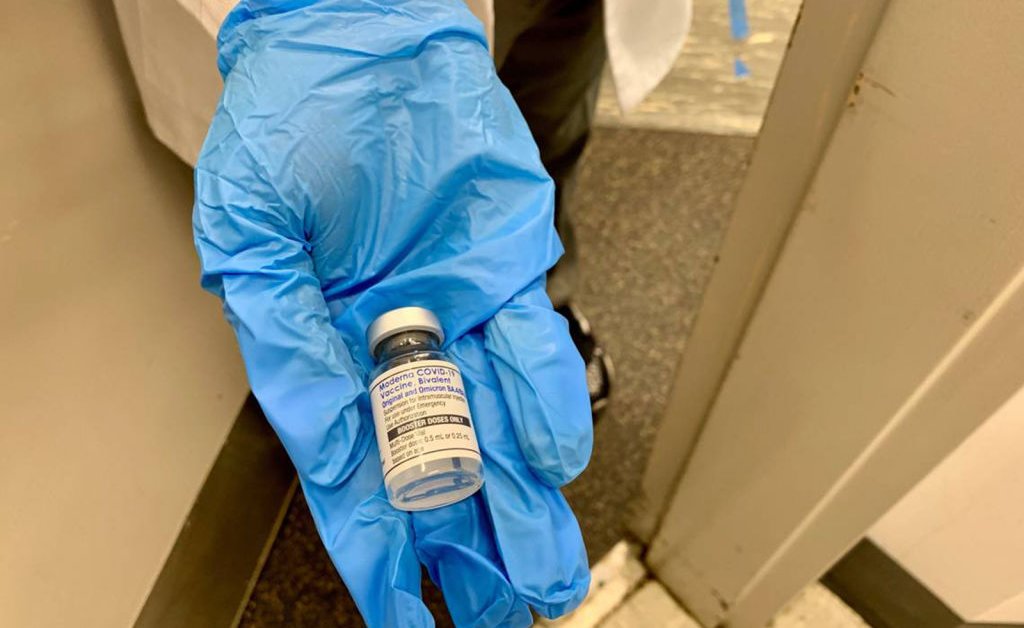
On Wednesday, August 31, the FDA issued emergency use authorizations for new Pfizer and Moderna mRNA booster vaccines for COVID. The next day, September 1, the CDC’s advisory committee and CDC Director approved the immediate rollout of the new vaccines. They will be administered in the US starting this week.

[ad_2]

Source link

20 Alternative Flours You Should Know

20 Alternative Flours You Should Know

[ad_1]

If you are still baking primarily with whole wheat flour because you believe it is better for your health, you may not be aware of the many alternative flours that exist. While some are worth checking out, there are others that are best avoided altogether, such as corn flour and soy flour, which did not make the list as they are often produced from genetically engineered crops.

Many of the 20 alternative flours highlighted below are gluten-free. If you have celiac disease, a gluten intolerance or have chosen to go gluten-free for other reasons, you are very likely familiar with some of them. Gluten, by the way, is a protein made of glutenin and gliadin molecules that forms an elastic bond in the presence of water, thereby holding bread and cakes together and giving them a spongier texture.

Gluten is a concern because it interferes with your body’s ability to break down and absorb nutrients from food. Gluten contributes to the formation of a glue-like, constipating lump in your gut that can interfere with proper digestion.

Undigested gluten prompts your immune system to attack your villi, the fingerlike projections lining your small intestine, resulting in side effects such as abdominal pain, diarrhea, constipation or nausea. Gluten consumption can also predispose you to increased inflammation, nutrient malabsorption and deficiencies and other health problems.

Six Healthy Alternative Flours

The six flours shown directly below are, in my opinion, the healthiest of the 20 alternative flours addressed in this article. They are low in lectins and lower in the omega-6 fat linoleic acid (LA). Rice and coconut flour are two of the lowest in LA.

Each is gluten- and wheat-free. Two of my personal favorites are almond and coconut flour. Again, you will need to experiment a bit to figure out which types of flours work best with your recipes. When in doubt, start with smaller amounts of each type of flour and adjust from there.

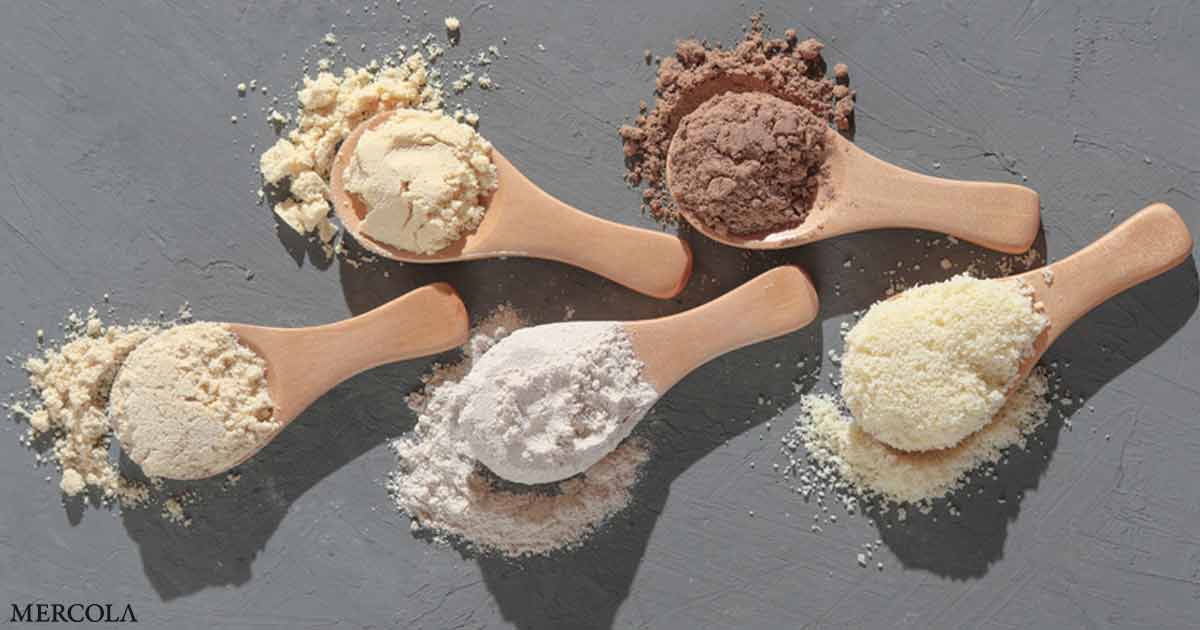
Amaranth1,2 Amaranth flour is a gluten-free, wheat-free flour produced by grinding the seeds of the amaranth plant into a fine powder. Not only does amaranth flour contain all nine essential amino acids, but it is also a good source of calcium, iron, magnesium and phosphorus. While technically not a grain, amaranth flour is grain-like and is described as having an earthy, nutty taste.

Because it is a dense flour, you will achieve better results when blending amaranth with other flours. Start with 25% amaranth and adjust from there. It does best in pancakes and quick breads and can also be used to thicken roux, soups, stews and white sauces.

Arrowroot3,4 Derived from the root of the plant of the same name, arrowroot flour (also known as arrowroot starch) is a tasteless, odorless powder useful as a thickening agent. It is far superior to cornstarch, which is often genetically engineered. It also can be used as a breading for fish and meats or blended with other gluten-free/wheat-free flours to make baked goods.

Arrowroot contains a good amount of B vitamins, iron and potassium, but no protein, which gives it superior thickening power. As such, it is often used in confections because it creates a perfectly clear gel that can stand up to acidic ingredients and freezing. Accordingly, it is often used to thicken fruit gels and fruit sauces, including cranberry sauce and sweet and sour sauce.

Coconut5,6 Coconut flour consists of the dried meat of fresh coconuts after they’ve been pressed to make coconut milk and most of the oil has been extracted. When used as a replacement for conventional flour, it adds a mild coconut flavor while imparting a rich texture and natural sweetness.

Coconut flour is nutritious, in part, because it boasts the highest percentage (48%) of dietary fiber of any flour. It’s also a good source of protein, while being very low in carbohydrates. And, it’s naturally gluten- and wheat-free.

You can turn standard baked goods into delicious gluten-free, low-carb paleo treats by replacing the wheat flour with coconut flour and adding eggs. On average, add one egg for every ounce of coconut flour used — this will help the ingredients hold together when baked. Also, because it is very dense, you will need to slightly increase the liquids in recipes involving coconut flour.

As a general rule of thumb, you can replace one-fifth of the flour in a recipe with coconut flour without compromising the taste or texture of the finished product. For a delicious breakfast treat, check out my recipe for coconut flour almond meal pancakes.

Hemp7 Hemp flour (also known as hemp powder) is produced by milling and sifting hemp seeds after they are crushed to extract the oil. Hemp flour is gluten- and wheat-free and adds a mild, nutty flavor to baked goods. It is about 33% protein, making it a great source of amino acids. It is high in fiber, iron, magnesium and zinc.

This dense flour does best when combined with other alternative flours for baking. Limiting hemp powder to 25% of your flour blend will ensure a lighter texture, especially when baking bread. Due to its oily nature, hemp powder will go rancid unless it is refrigerated.

Millet8,9,10 Millet is an ancient, drought-resistant grain — part of the grass family — grown widely in China, India and countries surrounding the Sahara Desert in western Africa. It has a protein structure similar to wheat, but is gluten- and wheat-free. It boasts a sweet, buttery, cornmeal-like flavor.

Millet is a good source of B vitamins and offers a decent amount of copper, manganese, magnesium, potassium and zinc. That said, millet also contains goitrogens, dietary substances known to impair your thyroid and iodine metabolism. In countries in which millet is consumed as a staple, the development of goiter is common.11,12 As such, you’ll want to moderate your intake.

Sorghum13,14 Sorghum flour, which is both gluten- and wheat-free, is ground from the grain of the same name. It is an important dietary staple for some 9 million people worldwide, and is used often in Africa and India to make porridge and flat, unleavened breads. The Ethiopian flatbread called injera and a particular type of Indian roti are both made with sorghum.

Sorghum flour is a good source of antioxidants, B vitamins, fiber, iron phosphorus and protein. It has a mild, slightly sweet taste, which makes it a good addition to flour blends. It does not work well in cup-for-cup substitutions with regular flour.

Two additional “flours” I want to bring to your attention are those derived from cauliflower and macadamia nuts. To me, “cauli-flour” is simply riced cauliflower that can be spiced up to make a tasty flatbread or pizza crust. You can rice cauliflower by placing pieces of raw, washed cauliflower in your food processor and blending it until it is reduced to tiny, rice-sized pieces.

If you like cauliflower, check out these delicious recipes for nutritious golden cauliflower flatbread and cauliflower pizza crust. By using cauliflower instead of grain flours in these recipes, you replace starchy carbohydrates with whole-food nutrition and cut calories, while satisfying your craving for bread.

Similar to almond flour, macadamia flour is produced by using your food processor to transform whole, raw macadamia nuts into a fine powder. Macadamia flour has a sweet, nutty taste and is a healthy gluten-free, low-carb option. Macadamia flour is lower in both carbs and protein than almond flour. For a new taste twist, you can substitute macadamia flour into recipes calling for almond flour, including the coconut-almond pancake recipe mentioned above.

12 Flours to Avoid if You Want to Minimize Harmful Lectins

The 12 flours highlighted below are often touted as healthy alternatives to wheat, especially when it comes to gluten-free diets, whether it be celiac disease or simply a matter of personal preference. While some of these alternative flours are considered nutritious solely based on the amount of fiber, protein, vitamins and minerals they contain, their health benefits may be overshadowed by the presence of harmful plant lectins.

Lectins are sugar-binding plant proteins that attach to your cell membranes and can be a hidden source of weight gain and ill health, even if you eat an otherwise healthy diet. Many lectins are proinflammatory, immunotoxic, neurotoxic and cytotoxic.

Certain lectins may also increase blood viscosity, interfere with gene expression and disrupt endocrine function. Because the following flours are high in lectins, I recommend you use them sparingly or avoid them entirely, especially if you have an autoimmune disease.

Barley15 Barley flour is made from milled whole grain barley that’s had its outer husk removed. This wheat-free flour contains some gluten and has a slightly sweet, nutty flavor. Barley flour is rich in fiber. Similar to oat flour (discussed later), it contains high amounts of soluble fiber composed of indigestible sugars called beta-glucans, which have been shown to lower your blood pressure.

For best results, use barley flour in a blend with other flours, and limit it to about 25% of the overall mix. It can also be used to thicken or flavor soups or stews.

Buckwheat16,17 Despite its name, buckwheat (also known as kasha when its toasted) flour is not a form of wheat, but actually a relative of rhubarb. Because it is ground from seeds, buckwheat flour is both gluten- and grain-free. Due to its strong nutty taste, which can be overpowering and somewhat bitter, buckwheat flour should not stand alone in a recipe.

Buckwheat, which is a good source of calcium, fiber and protein, is a very fine flour and can be used as a substitute for cornstarch in gluten-free bread recipes. Buckwheat is a low-glycemic carbohydrate offering better satiety than wheat bread, so you’ll feel fuller longer. You can replace regular flour with buckwheat flour cup-for-cup. It is said to make excellent waffles and pancakes, including Russian blinis, as well as French buckwheat crepes.

Chia18,19 Chia flour is produced from ground chia seeds and is touted as a superfood because it is a source of concentrated energy and nutrition. Chia flour boasts a high calcium, fiber, omega-3 and protein content. When baking with chia flour, you will need to increase the amount if liquids and cooking time to achieve the best results. Chia flour is gluten- and wheat-free.

Chickpea20,21 Also known as garbanzo bean flour, chickpea flour possesses a distinctive, slightly nutty taste that does not do well on its own. When substituting it for conventional flours, use very small amounts in combination with other gluten- and wheat-free flours, otherwise its distinctive taste may dominate. Chickpea flour is high in fiber, folate, manganese and protein.

Lupin22,23 Lupin flour is derived from the “sweet lupin” legume that is in the same family as peanuts and soybeans. As such, this gluten- and wheat-free flour is high in fiber and protein and low in fat. The major caution about lupin flour is the possibility it may be life-threatening if you have a peanut or soybean allergy. Similar to other gluten-free grains, lupin does best when included in a flour blend.

Oat24,25 Oat flour is made from ground oats, which can be concerning if you have celiac disease since oats are often contaminated with wheat. Even if you avoid wheat, you still need to contend with avenin, a protein in oats that is similar to gluten and therefore can have negative effects on celiac sufferers.

Oat flour is often thought to be a healthy choice because it contains high amounts of soluble fiber comprised of indigestible sugars called beta-glucans, shown to lower your blood pressure. Oat flour is well suited for baking, but absorbs liquids, so plan to increase liquid ingredients when using it. Oat flour goes rancid quickly, so store it in your refrigerator or freezer, or make small batches using a food processor.

Potato26 Potato flour and potato starch, both of which are gluten- and wheat-free, are often confused. Potato flour possesses a very strong potato flavor, as well as the heaviness of potato. For these reasons, a little goes a long way in a recipe. It also has a short shelf life, so buy it only when you plan to use it.

Potato starch, on the other hand, has a light potato flavor and a consistency similar to cornstarch or tapioca. It has a longer shelf life, is a good thickener and has a taste virtually undetectable in recipes. If you are a diabetic or prediabetic, potato starch is one of the digestive-resistant starches recommended for diabetics. Both the flour and the starch cannot stand alone in recipes, and will do better when blended with other gluten-free flours.

Quinoa27 Quinoa flour is produced from milled quinoa seeds. This ancient grain with a nutty flavor is both gluten- and wheat-free. It is recognized for its high amounts of lysine and isoleucine that enable it to be a complete protein source. It is one of the few plant foods containing all nine essential amino acids.

As a whole grain or flour, quinoa is particularly rich in two flavonoids, kaempferol and quercetin, which have antioxidant properties. Quinoa flour tends to dry out baked goods when used in large amounts. For that reason, it is best to use only small amounts of this flour in sweets such as muffins and quick breads.

Rice28,29 Both brown and white rice flour are gluten- and wheat-free. Brown rice flour is the heavier, grainer of the two. While it has a higher nutritional content than its white cousin, brown rice flour can be a bit grainy and heavy in some recipes. Similar to potato and tapioca, brown rice flour is one of the digestive-resistant starches recommended if you are a diabetic or prediabetic.

Brown rice flour has a slightly nutty flavor, whereas white rich flour is quite bland. Given that white rice flour is milled from polished white rice, it has very little nutritional value. Its strength is in the light texture it imparts, making it ideal in recipes such as dumplings and pizza crust.

Keep in mind that rice contains chitin-binding lectins, which are similar to wheat lectin. Because chitins are long polymers of n-acetyl-glucosamine, the primary binding target of wheat lectin, wheat lectin and chitin-binding lectin are functionally identical. Given this reality, in my opinion, a grain-free diet often yields far superior health benefits as compared to a diet focused solely on eliminating wheat- and gluten-containing grains.

Rye30,31 Rye flour is a dark flour that possesses a distinctive flavor. It is wheat-free and has a low gluten content. Breads made with rye flour tend to be denser than those made with wheat. When milled, rye flour retains the germ, endosperm and bran, making it more nutritious than refined wheat flour. Rye flour is a good source of B vitamins, iron, magnesium, phosphorus and zinc, as well as fiber and protein.

When used in baking, rye flour, due to its lower gluten content than wheat flour, is less elastic and therefore produces bread that is less airy. Rye dough also contains more free sugars than wheat, so it ferments faster.32

Spelt33,34 Spelt flour results from the milling of an ancient grain of the same name. Spelt flour contains a low amount of gluten, but is not entirely gluten-free. It is a good source of B vitamins, manganese, magnesium, phosphorus and zinc, and rich in fiber and protein. Spelt tends to absorb more moisture than wheat flour, so you will want to reduce liquids by 25% when substituting it.

When using spelt flour to make bread, take care to knead it lightly otherwise it will become dense. Spelt flour produces a bread similar in color to light rye, with a slightly sweet and nutty flavor. Some varieties of crackers and pretzels are made with spelt flour.

Teff35,36 Teff flour is made from milled teff, a tiny cereal grain originating from northern Africa. Teff flour is a primary ingredient in the spongy, slightly-sour flatbread called injera that is eaten daily in countries such as Eritrea and Ethiopia.

It is both gluten- and wheat-free, with a mild, nutty flavor. Teff is an excellent source of amino acids, and is high in calcium, iron and protein. Much of its fiber is a type known as resistant starch, which has been linked to health benefits such as improved blood sugar and weight management.

Final Thoughts About Alternative Flours

Using alternative flours will require patience and can be quite a challenge. If you are living a gluten-free lifestyle — either due to celiac disease, a gluten or wheat intolerance or simply as a matter of personal preference — you will need to do some experimenting to achieve your desired outcomes. The struggles and rewards of gluten-free baking come in blending several flours, adding eggs and adjusting liquids.

The biggest adjustment, however, will be in your expectations for the finished product. No matter how many techniques and tricks you use, it is virtually impossible to replicate the elasticity of gluten in most baked goods, particularly in yeast breads. In time, however, you’ll acquire a taste for denser, flatter treats made with one or more of the healthy alternative flours.

As you make a conscious choice to eat less wheat-containing foods, or perhaps to avoid wheat altogether, mainly because it is an inflammatory food, you’ll be happier and healthier. I would say the same for the alternative flours containing lectins — it’s better to avoid them or moderate your use.


[ad_2]

Source link

Omicron Booster Efficacy: Why Experts Believe They Will Work

Omicron Booster Efficacy: Why Experts Believe They Will Work

[ad_1]

A study published Sept. 16 in the New England Journal of Medicine (NEJM) makes a strong case for an Omicron-based COVID-19 booster shot.

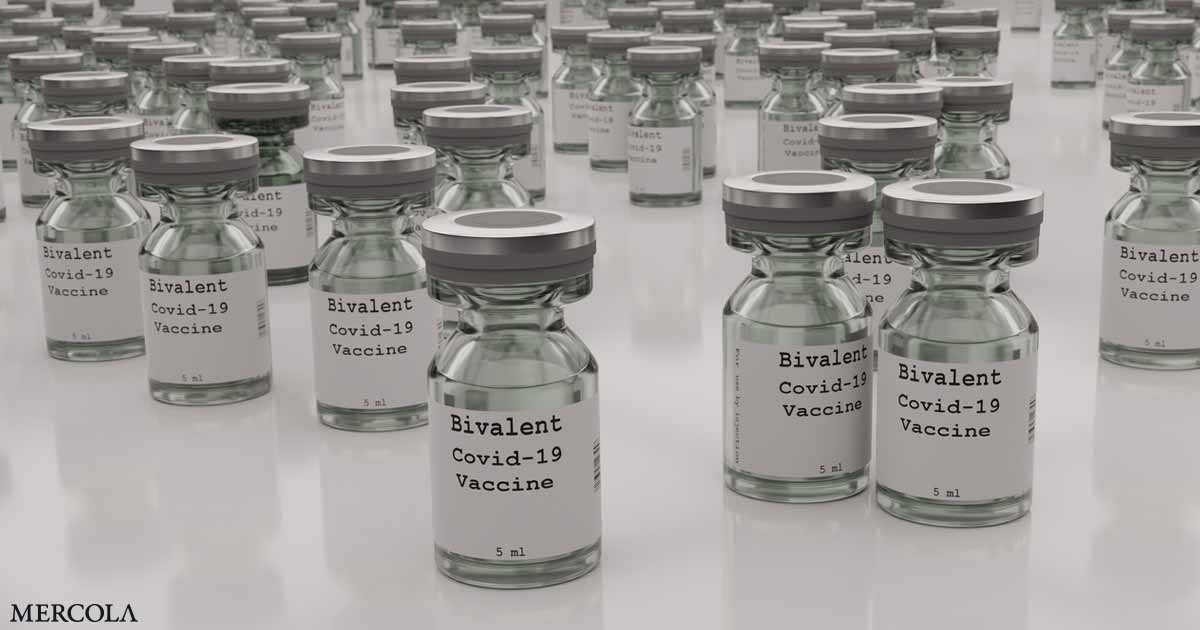
But first, a caveat: There are no data available yet demonstrating the effectiveness of the new Omicron booster authorized on Aug. 31, which protects against BA.4 and BA.5. The new study, conducted by Moderna, involves the company’s first combined vaccine that never came to market; it targets both the original SARS-CoV-2 virus and an earlier version of the Omicron variant, BA.1. It’s data that the U.S. Food and Drug Administration (FDA) and U.S. Centers for Disease Control and Prevention (CDC) relied on heavily in deciding whether to authorize the combination booster that targets the original virus and the latest Omicron variants, BA.4 and BA.5. Human studies involving the new authorized boosters from Moderna and Pfizer-BioNTech have just begun and won’t be completed for another few months.

The data provided by Moderna in the NEJM study are the best proxy we have right now for how well the new boosters work, and the results are promising. In the study, more than 800 volunteers received either a booster dose of Moderna’s original shot against SARS-CoV-2 or a booster dose of the bivalent booster against both the original and Omicron BA.1 strains. All people in the study had been vaccinated with the primary series of two Moderna doses and boosted once before beginning the study.

Read More: COVID-19 Boosters Help Keep People Out of the Hospital, Study Finds

About a month after their shot, people who received the bivalent booster showed higher levels of virus-fighting antibodies than people who got the original booster. The antibodies generated were also able to better bind to and neutralize not just the original and BA.1 viruses, but nearly all of the other known variants as well, including Alpha, Beta, Gamma, Delta, and Omicron BA.4 and BA.5.

Pfizer-BioNTech—which also made a bivalent BA.1 vaccine that didn’t come to market—reported similarly encouraging results of its bivalent BA.1 booster to the FDA’s vaccine expert committee last June, but has not yet published those results in a scientific journal. At the FDA meeting (at which Moderna had also presented its BA.1 bivalent data), Pfizer-BioNTech showed data from a study involving more than 300 people ages 55 and older who received the bivalent booster. People who got it generated significantly higher levels of antibodies against BA.1, as well as BA.4 and BA.5, compared to those receiving the original booster. The level of antibodies was lower against BA.4 and BA.5, however, than the level produced against BA.1. The study also showed that the side effects associated with the Omicron BA.1 bivalent vaccine were similar to those of the original vaccine.

As more people roll up their sleeves to get the new Omicron booster, data on how well the vaccine protects people not just from serious illness, but also from infection, will become clear. Researchers will also be looking at how long that protection lasts. The hope is that better matching the vaccine booster to the circulating strain will afford people more durable protection and lead to yearly, rather than more frequent, shots.

More Must-Read Stories From TIME


Contact us at [email protected].

More Must-Read Stories From TIME


Contact us at [email protected].

[ad_2]

Source link

Q&A: Could an Apple Watch change the ‘one-size-fits-all’ approach to AFib?

Q&A: Could an Apple Watch change the ‘one-size-fits-all’ approach to AFib?

[ad_1]

Late last month, Northwestern University and Johns Hopkins University announced they had received about $37 million from the National Heart, Lung and Blood Institute to study a new approach to stroke prevention in patients with atrial fibrillation, an irregular heart rhythm.

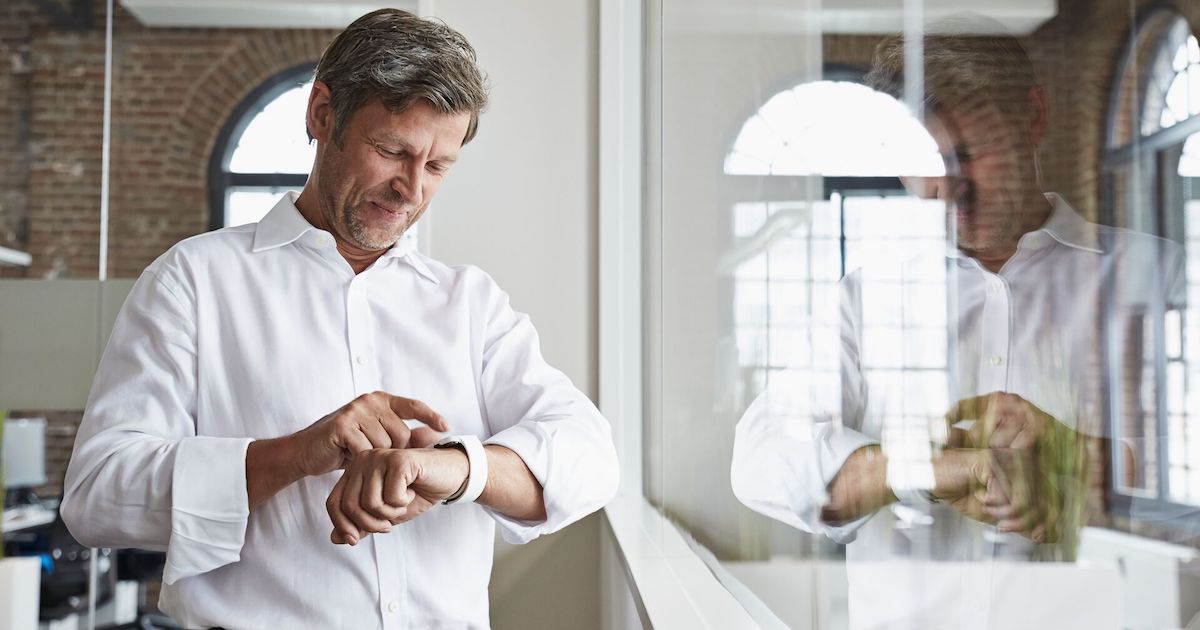
The funds will support the Rhythm Evaluation for AntiCoagulaTion (REACT-AF) trial, a seven-year study that will provide some patients with an Apple Watch to monitor for AFib. They’ll be able to take blood thinners in response to a prolonged episode, while patients in the control group will receive the current standard of care, continuously taking the drug to reduce stroke risk.

Dr. Rod Passman, director of the Center for Arrhythmia Research at Northwestern’s Feinberg School of Medicine and principal investigator of the study, sat down with MobiHealthNews to explain the upcoming research and how consumer devices could improve patient care. 

MobiHealthNews: Can you explain the study design and what you’re hoping to learn from this research?

Dr. Rod Passman: We’re looking at the major problem of the most common abnormal heart rhythm, which is atrial fibrillation. We know that people with atrial fibrillation, particularly those with other cardiovascular risk factors like high blood pressure, are at a substantially increased risk of stroke. 

The current approach is to take a blood thinner. If you apply the criteria for being on a blood thinner to the U.S. population with atrial fibrillation, maybe 80-plus percent of patients who have atrial fibrillation would be on these anticoagulants for the rest of their lives. We sort of have a one-size-fits-all approach. We treat people who are continuously in the abnormal rhythm with the same daily blood thinner as we do the individual who has one episode a year, or who has no further episodes because they’ve had an ablation done, or they’re on a drug, or they’ve lost weight, or they’ve stopped drinking alcohol. 

So, I think this one-size-fits-all approach doesn’t make a lot of sense in an era where we can monitor people to see whether they’re truly having episodes. So, the goal here was to evaluate a paradigm shift, right? Instead of looking at individuals at risk, can we look at periods of risk? Can we treat at-risk patients with a targeted approach to being on a blood thinner, where they take it only for a few weeks and only in response to a multi-hour episode of atrial fibrillation?

MHN: If this method of continuous monitoring is validated by the study, how do you think this would improve upon the current standard of care?

Passman: From our estimates, this approach may apply to maybe half the population with atrial fibrillation. And what this means is that we can reduce the exposure to these medications, which are very effective at reducing stroke risk but are also contributors to both major and minor bleeding. 

So, if we can protect people against stroke and minimize the exposure to the risks of the blood thinners, then we can improve the lives of our patients. And this has other implications, right? Not only would this be protective against stroke and reduce bleeding risk, but this would also, we believe, improve their quality of life because many patients curtail their activities. They may not go mountain biking or skiing because of the risks of trauma. 

We also believe that this would be a cost savings to the healthcare system because these blood thinners can be costly and the cost of bleeding on these blood thinners is a major expense. So, if you can buy a device at your local electronics store for a fraction of the cost, this could not only improve quality of life, but do so at a lower cost.

MHN: Why did you choose to use a consumer device, the Apple Watch, for the study, as opposed to a clinical monitoring system?

Passman: We did two pilot studies, one using implantable cardiac monitors, and one using pacemakers and defibrillators. Those devices are very accurate in detecting atrial fibrillation. The problem is, the cost of using an implantable monitor for this indication is not scalable to the tens of millions of people around the world who may benefit from this approach. 

More importantly, these devices are not patient-facing, they’re physician-facing. As your doctor, I may get the data from your implantable monitor, and I may get it a day later. A consumer electronics device is much more scalable, and the patient gets alerted when they have an episode. 

Those issues allow us to ultimately make this point-of-care. This will be like a diabetic who checks their blood sugar, knows how much insulin to take in response to a particular level and can do that task without ever having to call their doctor. If this is a positive study, we hope that stroke prevention and atrial fibrillation follow a similar path.

MHN: You’ve done other research and written about wearables and digital health technology for this type of monitoring. What do you think are some of the obstacles to using these kinds of tools more broadly within the healthcare system?

Passman: From a patient perspective, there are still costs involved that may create barriers for some individuals. I do think that the healthcare system is not necessarily well-equipped to deal with the deluge of data that may be coming from these wearable devices that we may be asked to assess. 

And I think in many cases, the technology is out there, but the pivotal trials showing that the use of this technology improves lives is still lacking. So, we believe that this study is a major step in critically evaluating a consumer-grade electronics device to show how we can leverage this technology that you can buy at Best Buy to save your life, reduce cost, and improve both how long you live and how well you live.

MHN: Some digital health technologies have clinical evidence behind them, but a lot of them do not. From a clinician’s perspective, does that make it difficult to recommend these tools to patients?

Passman: In the case of Apple, they and many companies have gone through rigorous evaluation of the technology to assess the accuracy. So, in many cases, these devices do perform in the way that we want them to. The Apple Heart Study and the Fitbit study are massive trials that I think did a really good job of evaluating can these devices do what they’re supposed to be doing. 

But how we integrate this into care, and how we prove that giving patients these powerful tools impacts their journey through the healthcare system, those kinds of studies are lacking. I think that, in many cases, this technology has appeared faster than our ability to figure out how to integrate this into care. 

The example I give is, in the traditional healthcare system, a doctor orders tests and then we get the results and we discuss with the patient. Digital health allows patients to give us the results of a test that we didn’t order. And we need to prove, as I suspect that we will, that that allows us to diagnose disease earlier to keep people at home and to manage their disease remotely. 

But that will challenge the traditional healthcare system, where people come to an office appointment when they’re feeling well or an emergency department when they’re feeling poorly. We need to create the systems that allow us to take this information and manage patients remotely, and make sure that we are allowing this technology to keep patients away from the healthcare system.

[ad_2]

Source link