Period tracking app Flo releases anonymous mode and more digital health briefs

Period tracking app Flo releases anonymous mode and more digital health briefs

[ad_1]

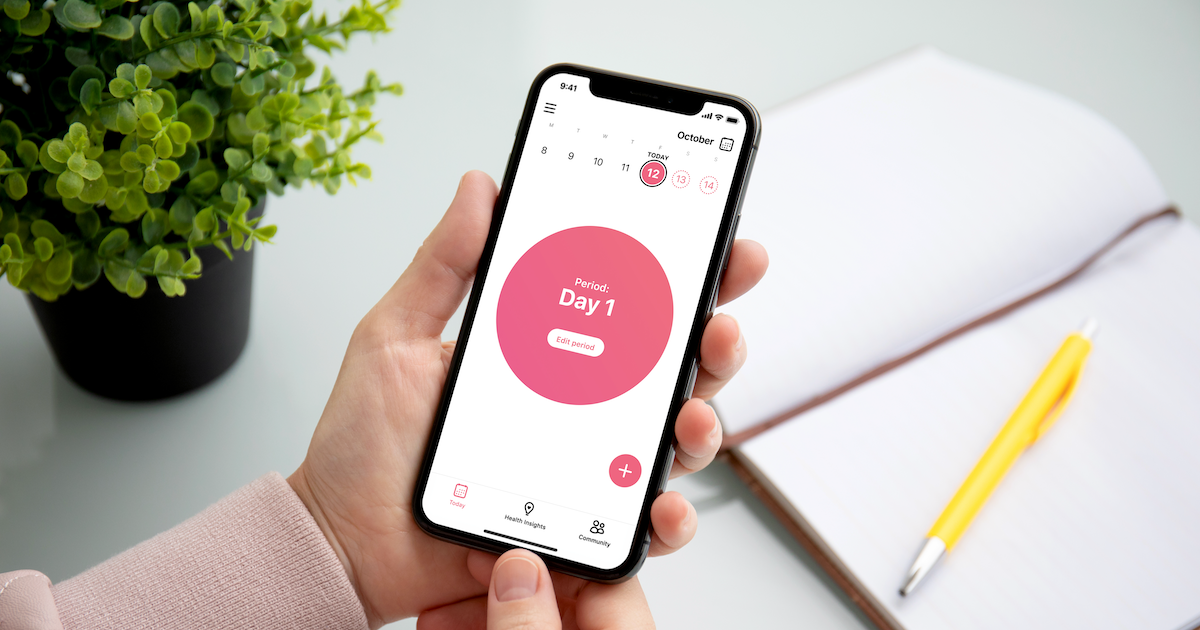
Period tracking app Flo released its previously announced anonymous mode, which the company said will allow users to access the app without associating their name, email address and technical identifiers with their health data. 

Flo partnered with security firm Cloudflare to build the new feature and released a white paper detailing its technical specifications. Anonymous mode has been localized into 20 languages, and it’s currently available for iOS users. Flo said Android support will be added in October. 

“Women’s health information shouldn’t be a liability,” Cath Everett, VP of product and content at Flo, said in a statement. “Every day, our users turn to Flo to gain personal insights about their bodies. Now, more than ever, women deserve to access, track and gain insight into their personal health information without fearing government prosecution. We hope this milestone will set an example for the industry and inspire companies to raise the bar when it comes to privacy and security principles.”

Flo first announced plans to add an anonymous mode shortly after the Supreme Court’s Dobbs decision that overturned Roe v. Wade. Privacy experts raised concerns that the data contained in women’s health apps could be used to build a case against users in states where abortion is now illegal. Others have argued different types of data are more likely to point to illegal abortions.

Still, reports and studies have noted many popular period tracking apps have poor privacy and data sharing standards. The U.K.-based Organisation for the Review of Care and Health Apps found most popular apps share data with third parties, and many embed user consent information within the terms and conditions. 


Brentwood, Tennessee-based LifePoint Health announced a partnership with Google Cloud to use its Healthcare Data Engine to aggregate and analyze patient information.

Google Cloud’s HDE pulls and organizes data from medical records, clinical trials and research data. The health system said using the tool will give providers a more holistic view of patients’ health data, along with offering analytics and artificial intelligence capabilities. LifePoint will also use HDE to build new digital health programs and care models as well as integrate third-party tools. 

“LifePoint Health is fundamentally changing how healthcare is delivered at the community level,” Thomas Kurian, CEO of Google Cloud, said in a statement. “Bringing data together from hundreds of sources, and applying AI and machine learning to it will unlock the power of data to make real-time decisions — whether it is around resource utilization, identifying high-risk patients, reducing physician burnout, or other critical needs.”


The National Institutes of Health announced this week it will invest $130 million over four years, as long as the funds are available, to expand the use of artificial intelligence in biomedical and behavioral research.

The NIH Common Fund’s Bridge to Artificial Intelligence (Bridge2AI) program aims to build “flagship” datasets that are ethically sourced and trustworthy as well as determine best practices for the emerging technology. It will also produce data types that researchers can use in their work, like voice and other markers that could signal potential health problems.

Although AI use has been expanding in the life science and healthcare spaces, the NIH said its adoption has been slowed because biomedical and behavioral datasets are often incomplete and don’t contain information about data type or collection conditions. The agency notes this can lead to bias, which experts say can compound existing health inequities

“Generating high-quality ethically sourced datasets is crucial for enabling the use of next-generation AI technologies that transform how we do research,” Dr. Lawrence A. Tabak, who is currently performing the duties of the director of NIH, said in a statement. “The solutions to long-standing challenges in human health are at our fingertips, and now is the time to connect researchers and AI technologies to tackle our most difficult research questions and ultimately help improve human health.”

[ad_2]

Source link

New and Noteworthy: What I Read This Week—Edition 194

New and Noteworthy: What I Read This Week—Edition 194

[ad_1]

Research of the Week

Turns out that “depression as realism” is a complete myth.

Both step counts and step intensity affect mortality risk.

Time-restricted eating improves glucose homeostasis without affecting insulin sensitivity.

Sex differences in brain tumor treatment.

Diluting old plasma with younger plasma improves aging, possibly mediated by changes to the gut biome.

New Primal Kitchen Podcasts

Primal Kitchen Podcast: The Link Between Dairy Intolerance and Dairy Genes with Alexandre Family Farm Founders Blake and Stephanie

Primal Health Coach Radio: There is More to Fitness Than Cardio with Ashleigh VanHouten

Media, Schmedia

Authors of a bad red meat study are getting pressured to revisit their methods.

Ultraprocessed foods are still bad for you even when you control for nutrient content.

Interesting Blog Posts

Should boys be redshirted?

Beta-hydroxybutyrate and cardiovascular health.

Social Notes

Short sighted.

Sound on.

Everything Else

That red meat study is looking worse and worse.

COVID was here much earlier than 2020.

Low-level aerobic activity can counter some of the negative effects of bad sleep.

Things I’m Up to and Interested In

Interesting research: Did Neanderthals obtain significant amounts of carbohydrates from their animal foods?

Huge: The Cleveland Clinic now lists keto and IF as good options for reversing pre-diabetes.

Important new article: Is saturated fat just a bogeyman?

Simple but overlooked: CoQ10 fights fatigue.

Interesting paper: UFOs over Ukraine.

Question I’m Asking

How do you handle a night of bad sleep?

Recipe Corner

Time Capsule

One year ago (Sep 11 – Sep 17)

Comment of the Week

“Eat enough of that Nigerian stock and you probably won’t have to worry about Original Antigenic Sin (though I’d skip the new bivalent boosters anyway).”

-Maybe, Jesse, maybe.

(function($) {
$(“#dfolCEZ”).load(“https://www.marksdailyapple.com/wp-admin/admin-ajax.php?action=dfads_ajax_load_ads&groups=674&limit=1&orderby=random&order=ASC&container_id=&container_html=none&container_class=&ad_html=div&ad_class=&callback_function=&return_javascript=0&_block_id=dfolCEZ” );
})( jQuery );

Pasta_Sauces_640x80

The post New and Noteworthy: What I Read This Week—Edition 194 appeared first on Mark's Daily Apple.

[ad_2]

Source link

New Science Reveals the Best Way to Take a Pill

New Science Reveals the Best Way to Take a Pill

[ad_1]

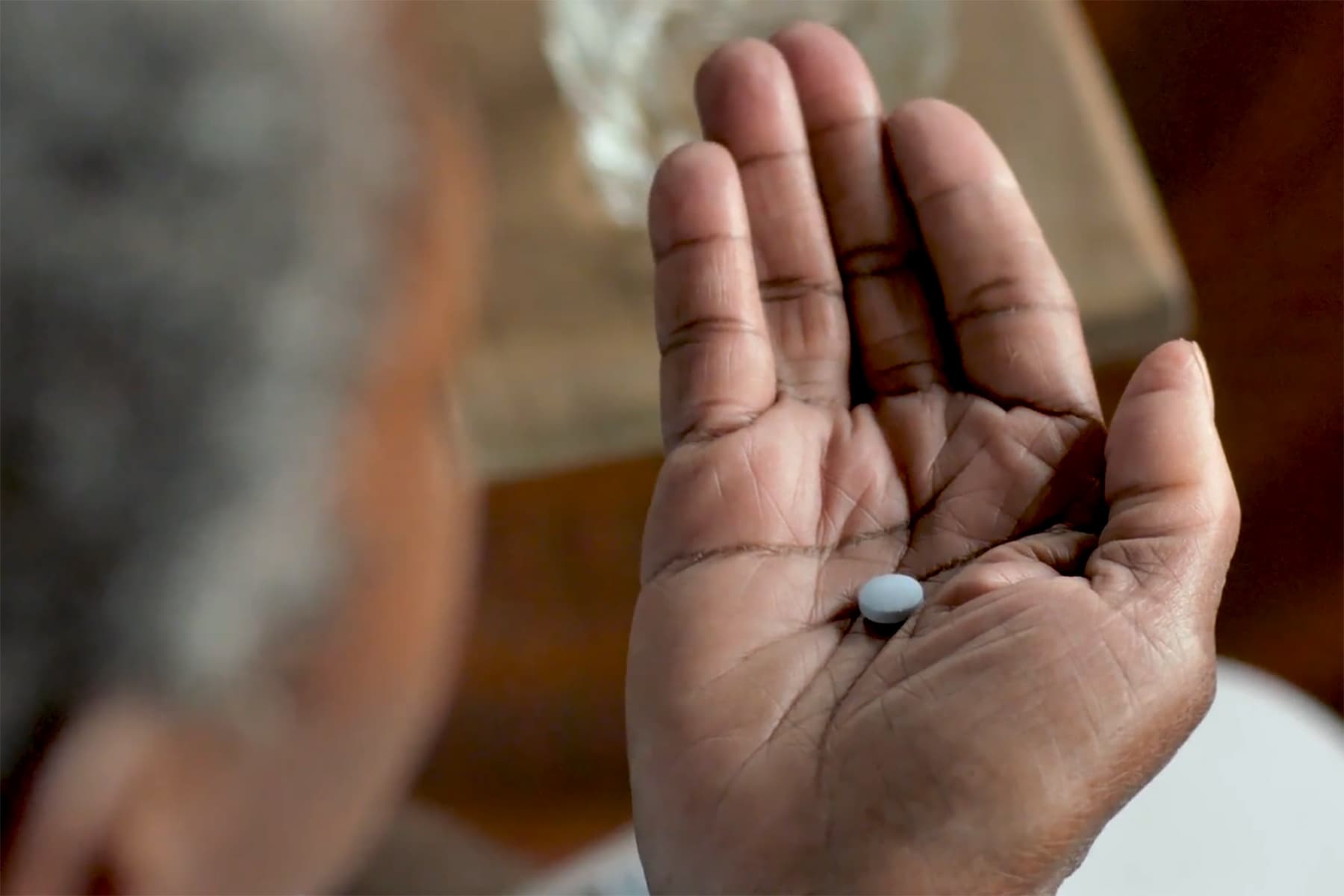
Sept. 16, 2022 – I want to tell you a story about forgetfulness and haste, and how the combination of the two can lead to frightening consequences. A few years ago, I was lying in bed about to turn out the light when I realized I’d forgotten to take “my pill.”

Like some 161 million other American adults, I was then a consumer of a prescription medication. Being conscientious, I got up, retrieved said pill, and tossed it back. Being lazy, I didn’t bother to grab a glass of water to help the thing go down. Instead, I promptly returned to bed, threw a pillow over my head, and prepared for sleep.

Within seconds, I began to feel a burning sensation in my chest. After about a minute, that burn became a crippling pain. Not wanting to alarm my wife, I went into the living room, where I spent the next 30 minutes doubled over in agony. Was I having a heart attack? I phoned my sister, a hospitalist in Texas. She advised me to take myself to the emergency room to get checked out.

If only I’d known then about “Duke.” He could have told me how critical body posture is when people swallow pills.

Who’s Duke?

Duke is a computer representation of a 34-year-old, anatomically normal human male created by computer scientists at the IT’IS Foundation, a nonprofit group based in Switzerland that works on a variety of projects in health care technology. Using Duke, Rajat Mittal, PhD, a professor of medicine at the Johns Hopkins School of Medicine in Baltimore, created a computer model called “StomachSim” to explore the process of digestion.

Their research, published in the journal Physics of Fluids, turned up several surprising findings about the dynamics of swallowing pills – the most common way medication is used worldwide.

Mittal says he chose to study the stomach because the functions of most other organ systems, from the heart to the brain, have already attracted plenty of attention from scientists.

“As I was looking to initiate research in some new directions, the implications of stomach biomechanics on important conditions such as diabetes, obesity, and gastroparesis became apparent to me,” he says. “It was clear that bioengineering research in this arena lags other more ‘sexy’ areas such as cardiovascular flows by at least 20 years, and there seemed to be a great opportunity to do impactful work.”

Your Posture May Help a Pill Work Better

Several well-known things affect a pill’s ability to disperse its contents into the gut and be used by the body, such as the stomach’s contents (a heavy breakfast, a mix of liquids like juice, milk, and coffee) and the motion of the organ’s walls. But Mittal’s group learned that Duke’s posture also played a major role.

The researchers ran Duke through computer simulations in varying postures: upright, leaning right, leaning left, and leaning back, while keeping all the other parts of their analyses (like the things mentioned above) the same.

They found that posture determined as much as 83% of how quickly a pill disperses into the intestines. The most efficient position was leaning right. The least was leaning left, which prevented the pill from reaching the antrum, or bottom section of the stomach, and thus kept all but traces of the dissolved drug from entering the duodenum, where the stomach joins the small intestine. (Interestingly, Jews who observe Passover are advised to recline to the left during the meal as a symbol of freedom and leisure.)

That makes sense if you think about the stomach’s shape, which looks kind of like a bean, curving from the left to the right side of the body. Because of gravity, your position will change where the pill lands.

In the end, the researchers found that posture can be as significant a factor in how a pill dissolves as gastroparesis, a condition in which the stomach loses the ability to empty properly.

How This Could Help People

Among the groups most likely to benefit from such studies, Mittal says, are the elderly – who both take a lot of pills and are more prone to trouble swallowing because of age-related changes in their esophagus – and the bedridden, who can’t easily shift their posture. The findings may also lead to improvements in the ability to treat people with gastroparesis, a particular problem for people with diabetes.

Future studies with Duke and similar simulations will look at how the GI system digests proteins, carbohydrates, and fatty meals, Mittal says.

In the meantime, Mittal offers the following advice: “Standing or sitting upright after taking a pill is fine. If you have to take a pill lying down, stay on your back or on your right side. Avoid lying on your left side after taking a pill.”

As for what happened to me, any gastroenterologist reading this has figured out that my condition was not heart-related. Instead, I likely was having a bout of pill esophagitis, irritation that can result from medications that aggravate the mucosa of the food tube. Although painful, esophagitis isn’t life-threatening. After about an hour, the pain began to subside, and by the next morning I was fine, with only a faint ache in my chest to remind me of my earlier torment. (Researchers noted an increase in the condition early in the COVID-19 pandemic, linked to the antibiotic doxycycline.)

And, in the interest of accuracy, my pill problem began above the stomach. Nothing in the Hopkins research suggests that the alignment of the esophagus plays a role in how drugs disperse in the gut – unless, of course, it prevents those pills from reaching the stomach in the first place.

[ad_2]

Source link

With Polio’s Return, Here’s What Back to Schoolers Need to Know

With Polio’s Return, Here’s What Back to Schoolers Need to Know

[ad_1]

By Céline Gounder

Friday, September 16, 2022 (Kaiser News) — Before polio vaccines became available in the 1950s, people wary of the disabling disease were afraid to allow their children outside, let alone go to school. As polio appears again decades after it was considered eliminated in the U.S., Americans unfamiliar with the dreaded disease need a primer on protecting themselves and their young children — many of whom are emerging from the trauma of the covid-19 pandemic.

What is poliomyelitis?

Polio is short for “poliomyelitis,” a neurological disease caused by a poliovirus infection. Of the three types of wild poliovirus — serotypes 1, 2, and 3 — serotype 1 is the most virulent and the most likely to cause paralysis.

Most people infected with poliovirus don’t get sick and won’t have symptoms. About a quarter of those infected might experience mild symptoms like fatigue, fever, headache, neck stiffness, sore throat, nausea, vomiting, and abdominal pain. So, as with covid-19, people who don’t have symptoms can unknowingly spread it as they interact with others. But in up to 1 in 200 people with a poliovirus infection, the virus may attack the spinal cord and brain. When it infects the spinal cord, people may develop muscle weakness or paralysis, including of the legs, arm, or chest wall. Poliovirus may also infect the brain, leading to difficulty breathing or swallowing.

People can develop post-polio syndrome decades after infection. Symptoms may include muscle pain, weakness, and wasting.

People with poliomyelitis may remain wheelchair-bound or unable to breathe without the help of a ventilator for the rest of their lives.

How does polio spread?

The virus that causes polio spreads through the “oral-fecal route,” which means it enters the body through the mouth by way of the hands, water, food, or other items contaminated with poliovirus-containing feces. Rarely, poliovirus may spread through saliva and upper respiratory droplets. The virus then infects the throat and gastrointestinal tract, spreads to the blood, and invades the nervous system.

How do doctors diagnose polio?

Poliomyelitis is diagnosed through a combination of patient interviews, physical examinations, lab testing, and scans of the spinal cord or brain. Health care providers may send feces, throat swabs, spinal fluid, and other specimens for lab testing. But because polio has been vanishingly rare in the United States for decades, doctors may not consider the diagnosis for patients with symptoms. And tests for suspected polio must be sent to the Centers for Disease Control and Prevention, since even academic centers no longer perform the tests.

How can poliovirus transmission be prevented?

The CDC recommends that all children be vaccinated against polio at ages 2 months, 4 months, 6 to 18 months, and 4 to 6 years, for a total of four doses. All 50 states and the District of Columbia require that children attending day care or public school be immunized against polio, but some states allow medical, religious, or personal exemptions. The Vaccines for Children program provides polio vaccine free of charge for children who are eligible for Medicaid, uninsured, or underinsured, or who are American Indian or Alaska Native. Most people born in the United States after 1955 likely have been vaccinated for polio. But in some areas the vaccination rates are dangerously low, such as New York’s Rockland County, where it is 60%, and Yates County, where it is 54%, because so many families there claim religious exemptions.

There are two types of polio vaccine: killed, inactivated polio vaccine (IPV) and weakened, live, oral polio vaccine (OPV). IPV is an injectable vaccine. OPV may be given by drops in the mouth or on a sugar cube, so it’s easier to administer. Both vaccines are highly effective against paralytic poliomyelitis, but OPV appears to be more effective in preventing infection and transmission.

Both the wild poliovirus and the live, weakened OPV viruses can cause infection. Because IPV is a killed virus vaccine, it cannot infect or replicate, give rise to vaccine-derived poliovirus, or cause paralytic poliomyelitis disease. The weakened, OPV viruses can mutate and regain their ability to cause paralysis — what’s called vaccine-derived poliomyelitis.

Since 2000, only IPV has been given in the United States. Two doses of IPV are at least 90% effective and three doses of IPV are at least 99% effective in preventing paralytic poliomyelitis disease. The United States stopped using OPV due to a 1-in-2,000 risk of paralysis among unvaccinated persons receiving OPV. Some countries still use OPV.

Vaccination against polio began in 1955 in the United States. Cases of paralytic poliomyelitis disease plummeted from over 15,000 a year in the early 1950s to under 100 in the 1960s and then down to fewer than 10 in the 1970s. Today, poliovirus is most likely to spread where hygiene and sanitation are poor and vaccination rates are low.

Why is polio spreading again?

The World Health Organization declared North and South America polio-free as of 1994, but in June 2022, a young adult living in Rockland County, New York, was diagnosed with serotype 2 vaccine-derived poliovirus. The patient complained of fever, neck stiffness, and leg weakness. The patient had not traveled recently outside the country and was presumably infected in the United States. The CDC has since started to monitor wastewater for poliovirus. Poliovirus genetically linked to the Rockland County case has been detected in wastewater samples from Rockland, Orange, and Sullivan counties, demonstrating community spread as far back as May 2022. Unrelated vaccine-derived poliovirus has also been detected in New York City wastewater.

How do I know if I’ve been vaccinated against polio?

There is no national database of immunization records, but all 50 states and the District of Columbia have immunization information systems with records going as far back as the 1990s. Your state or territorial health department may also have records of your vaccinations. People immunized in Arizona, the District of Columbia, Louisiana, Maryland, Mississippi, North Dakota, and Washington can access their immunization records using the MyIR Mobile app, and those who got vaccines in Idaho, Minnesota, New Jersey, and Utah can do so using the Docket app.

You may also ask your parents, your childhood pediatrician, your current doctor or pharmacist, or the K-12 schools, colleges, or universities you attended if they have records of your vaccinations. Some employers, like health care systems, may also keep records of your vaccinations in their occupational health office.

There is no test to determine if you’re immune to polio.

Do I need a polio vaccine booster if I was fully vaccinated against polio as a child?

All children and unvaccinated adults should complete the CDC-recommended four-dose series of polio vaccinations. You do not need an IPV booster if you received OPV.

Adults who are immunocompromised, traveling to a country where poliovirus is circulating, or at increased risk for exposure to poliovirus on the job, such as some lab workers and health care workers, may get a one-time IPV booster.

How is polio treated?

People with mild poliovirus infection don’t require treatment. Symptoms usually go away on their own within a couple of days.

There is no cure for paralytic poliomyelitis. Treatment focuses on physical and occupational therapy to help patients adapt and regain function.

Why hasn’t poliovirus been eradicated?

Smallpox is the only human virus to have been declared eradicated to date. A disease may be eradicated if it infects only humans, if viral infection induces long-term immunity to reinfection, and if an effective vaccine or other preventive exists. The more infectious a virus, the more difficult it is to eradicate. Viruses that spread asymptomatically are also more difficult to eradicate.

In 1988, the World Health Assembly resolved to eradicate polio by 2000. Violent conflict, the spread of conspiracy theories, vaccine skepticism, inadequate funding and political will, and poor-quality vaccination efforts slowed progress toward eradication, but before the covid pandemic, the world had gotten very close to eradicating polio. During the pandemic, childhood immunizations, including polio vaccinations, dipped in the U.S. and around the world.

To eradicate polio, the world must eradicate all wild polioviruses and vaccine-derived polioviruses. Wild poliovirus serotypes 2 and 3 have been eradicated. Wild poliovirus serotype 1, the most virulent form, remains endemic only in Pakistan and Afghanistan, but vaccine-derived polioviruses continue to circulate in some countries in Africa and other parts of the world. A staged approach involving the use of OPV, then a combination of OPV and IPV, and then IPV alone would likely be needed to finally eradicate polio from the planet.

KHN (Kaiser Health News) is a national newsroom that produces in-depth journalism about health issues. Together with Policy Analysis and Polling, KHN is one of the three major operating programs at KFF (Kaiser Family Foundation). KFF is an endowed nonprofit organization providing information on health issues to the nation.

[ad_2]

Source link

Computer Models Could Be Next Step in Decoding the Brain

Computer Models Could Be Next Step in Decoding the Brain

[ad_1]

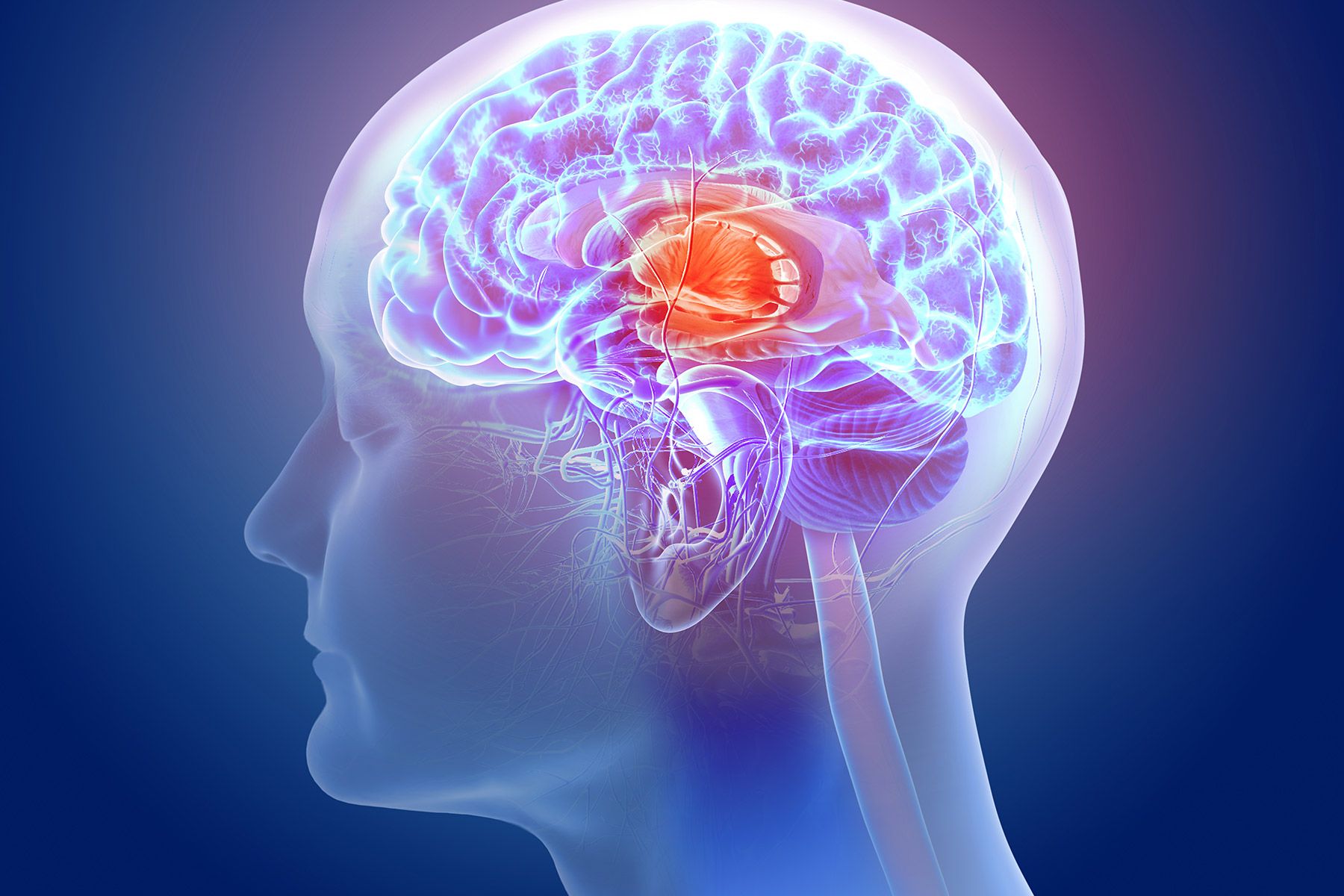
Sept. 16, 2022 – All day long, your brain cells are sending and receiving messages through electrical and chemical signals. These messages help you do things like move your muscles and use your senses – as you taste your food, feel the heat coming off a stove, or read the words on this page.

If we could better understand how those messages are sent and received, we’d gain powerful insights into the brain-body connection and shed light on what’s happening when those connections aren’t working – as with brain diseases such as Alzheimer’s and Parkinson’s.

To that end, neuroscientists at Cedars-Sinai in Los Angeles have built computer models of individual brain cells – the most complex models to date, they say. Using high-performance computing and artificial intelligence, or AI, the models, as described in the journal Cell Reports, capture the shape, timing, and speed of the electrical signals that brain cells called neurons fire.

The new research is part of a decades-long pursuit among scientists to understand the inner workings of the brain, not just cognitively but biologically, genetically, and electrically.

The most famous early researchers were Alan Lloyd Hodgkin, Andrew Fielding Huxley, and John Carew Eccles, who won the 1963 Nobel Prize in Medicine for their discoveries about nerve cell membranes.

“Today is a unique moment when detailed, single-neuron data sets are available in large quantities and for many cells,” says study author, Costas Anastassiou, PhD, a research scientist in the Department of Neurosurgery at Cedars-Sinai. “The size and speed of todays computers allows us to explore [detailed] mechanisms at a single-cell level – for every cell.”

How Do You Model Brain Cell Activity Using a Computer?

Turns out, the electrical pulses neurons use to communicate can be replicated using computer code.

“We replicated the distinct voltage waveforms and time trajectories of these pulses using mathematical equations,” says Anastassiou. Then they built computer models using data sets from experiments in mice.

These experiments measure certain things in the cells – like their size, shape, and structure, or how they respond to changes. Each cell model combines all these elements and can help reveal how they connect.

Computer models can reconcile two critical pieces of information: the cellular makeup (building blocks of brain cells) and the patterns observed during brain activity. With the computer’s help, links between the data sets become clear. This could help pave the way to discover what actually causes the brain to change, the researchers say – a crucial step when looking at disorders.

What Can Computers Tell Us About the Human Brain?

One of the exciting potential uses of the brain cell models would be to test all kinds of theories about brain disorders that would be difficult or impossible to create through experiments in the lab. Beyond that, the work can lead to new insights about the brain: how similar or different brain cells are, what connects or makes them different, and what that means across a spectrum of properties.

Computers and mathematics are telling stories about the brain, and Anastassiou says for him, the fascination comes from the simplicity of the outcome and the richness of their impacts.

“I have always been fascinated by the question of how mathematical equations represent living, computing, biological cells – particularly so for the brain, the epicenter of what makes us human,” he says.

[ad_2]

Source link

We’re Increasingly Disconnected and That Has Consequences

We’re Increasingly Disconnected and That Has Consequences

[ad_1]

Sept. 16, 2022 – You brought your computer home from work “for 2 weeks” in March 2020 and stayed home for 2 years. Schools went virtual. Club meetings got canceled. Gyms closed.

Friends and family became off-limits. Remember avoiding other people on the street?

It’s gotten better since the outbreak, but we’ve remained in relative isolation far longer than expected. And that’s a little sad – and bad for us. Turns out avoiding a virus can harm your health, because togetherness and connection are foundations of our well-being.

“We as humans are engineered by evolution to crave contact with other humans,” says Richard B. Slatcher, PhD, a professor of psychology at the University of Georgia. “This has been called the ‘need to belong,’ and it’s up there as a basic need with food and water.”

Makes sense: Primitive humans who banded with others were more likely to find food, protect each other, and survive to pass along their genes, he says.

When we were suddenly thrust into isolation in 2020, social ties were already fraying. The book Bowling Alone came out 2 decades earlier. Author Robert D. Putnam lamented the decline in “social capital,” the value we get from connections and our sense of community support. The Atlantic ran a story called “Why You Never See Your Friends Anymore” months before any of us heard of COVID-19.

The pandemic sped up those feelings of isolation. Even after getting vaccinated and boosted, many of us feel we’re not connecting as we would like. And for some, politics has deepened that divide.

Should we care? Yes, say the experts. Social relationships are strongly linked to health and longevity. A famous study published in 2010 in PLOS Medicine concluded that social connections were as important to health as not smoking and more impactful than exercise.

That review, which drew on data from 148 studies, found that people with stronger social relationships were 50% more likely to survive over the 7.5-year follow-up (that is, not die from such causes as cancer or heart disease), compared to those with weaker ties.

Evidence continues to come in. The American Heart Association published a statement this August saying social isolation and loneliness are associated with a 30% increased risk of heart attack and stroke.

“Given the prevalence of social disconnectedness across the U.S., the public health impact is quite significant,” Crystal Wiley Cené, MD, chair of the group that wrote the statement, said in a news release.

The organization said data supports what we suspected: Isolation and loneliness have increased during the pandemic, especially among adults ages 18 to 25, older adults, women, and low-income people.

Your Shrinking Circle

In the first year of the pandemic, there was a slight uptick in loneliness and psychological distress and a slight decrease in life satisfaction, according to a 2022 study in the Journal of Epidemiology & Community Health.

For about 1 in 4 people, social circles shrank, says study author Emily Long, PhD, “even after lockdown restrictions were eased.”
When your circle shrinks, you tend to keep those closest to you – the people who probably are most like you. You lose the diversity in opinion and point of view that you might get chatting with someone in your pickleball league, say, or even a stranger.

“Our exposure to diverse people, lifestyles, and opinions dropped significantly,” says Long. Many of us have seen ties with others weaken or sever altogether over disagreements about COVID restrictions and vaccinations.

This happened with acquaintances, once-close pals, or family members as their views on hot-button topics came to the forefront – topics we may have avoided in the past to keep the peace.

Some of these relationships may not be rebuilt, Long says, though it’s too early to say.

How to Make Better Connections Online

Many of us jumped online for our social interaction. Did Zoom and Instagram and Facebook help us connect?

Sure, in a way.

“It might be more difficult at times, but people can establish meaningful relationships without being physically close,” says John Caughlin, PhD, head of the Communication Department at the University of Illinois Urbana-Champaign, who studies “computer-mediated communication.”

It all depends on how you use it. Late-night “doom scrolling” is not relationship-building. But you can forge new or stronger connections via social media if you’re “treating each other as people,” he says.

Here’s one way: Don’t tap a lazy “like” on a post, but instead leave a thoughtful comment that adds value to the conversation. Maybe chime in with your experience or offer words of support. Give a restaurant recommendation if they’re traveling.

But remember that social media became a minefield during the pandemic, Caughlin says. People blasted out their views on staying home, vaccinations, and masks. You quickly learned who shared your views and rethought your relationship with others.

It’s tempting to view social media as a scourge. But that may just be our inherent panic-button reaction to newish technology, Caughlin says. Surprisingly, overall research – and there has been a lot – has shown that social media has little impact on well-being, he says.

A recent meta-analysis from Stanford University on 226 studies from 2006 to 2018 looked for a link between social media use and well-being. What they found: zero. Some studies show a link between social media and anxiety and depression, true, but that may be because those who have depression or anxiety are more likely to spend more time on social as a way to distract themselves.

Make Someone Happy, Including You

Does this sound familiar? You tend to keep up with friends as a social media voyeur rather than, say, calling, texting, or meeting face-to-face. If that sounds like you, you’re not alone.

But if you reverse course and start reaching out again, it’s likely that both you and the other person will benefit. New research from the American Psychological Association on nearly 6,000 people found that when someone reaches out to us – even if it’s with a quick text – we deeply appreciate it. The study was not only about the pandemic, but researchers say that the results could help people rebuild relationships, especially if they’re not confident about trying.

At the same time, Slatcher, the Georgia professor, notes that more screen time “is not the solution” to loneliness or separation.

“All the work out there has shown that social media use isn’t associated with people being happier or less depressed,” he says.

According to Slatcher, the two key parts of building and maintaining relationships are:

  • Self-disclosure, which means sharing something about yourself or being vulnerable by letting others know personal information.
  • Responsiveness, which simply means reacting to what someone is saying, asking follow-up questions, and maybe gently sharing something about yourself, too, without taking over the conversation.

These happen in person all the time. On social, not so much.

“Both men and women feel happier when they feel emotionally close with another person, and that’s more difficult to do online,” Slatcher says.

Turns out the strongest connections – those best for your well-being – happen when you put the phone down.

A Surprising Bright Spot in Pandemic Connection

We felt more divided than ever during the pandemic, something affirmed by Pew research. By some measures, Americans have the lowest levels of social trust since World War II, says Frederick J. Riley, executive director of Weave: The Social Fabric Project at The Aspen Institute. If neighbors within a community don’t trust each other, they can’t trust society at large.

But it’s not all bad news.

Researchers have seen connections within communities get stronger during the pandemic, Riley says. These are the people who run errands for elderly neighbors, donate supplies and clothes, set up family-friendly meetups, build community gardens, and more.

The “we’re all in this together” mindset arose early in the pandemic, Long and colleagues found. A meta-analysis in 2022 in Psychological Bulletin found that there’s been more cooperation among strangers. This may be due to greater urbanization or living alone – distance from our close-knit crew forces some to cooperate with others when they wouldn’t otherwise.

This, too, is healthy: A sense of belonging in your community, or “neighborhood cohesion,” as a 2020 study from Canadian researchers points out, has been linked to a lower risk of strokes, heart attacks, and early death. It also helps with mental health.

You can tap into this by, say, volunteering at your child’s school, attending religious services, joining a fitness group, or going to festivals in your city. These deliver a sense of identity, higher self-esteem, and can lower stress and make you feel less lonely, the study authors say. It also fosters a sense that we can make meaningful change in our towns.

Certainly, we’ve all been arguing a lot these days – gun control, abortion, politics. Riley says deeper issues, such as a sense of community safety and creating a better place for kids to grow up, help us transcend these hot-button issues.

Sharing goals brings people together, he says, and that’s fueled by that innate urge for connection and togetherness.

“I am really optimistic for what the future will hold,” he says. “We’ve been in this place [of social distrust] before, and it’s the people in local communities showing that anyone can stand up and make the place they live in better.”

[ad_2]

Source link

Tired After a Long Day of Thinking Hard? Here’s Why

Tired After a Long Day of Thinking Hard? Here’s Why

[ad_1]

Sept. 16, 2022 – You’ve been doing deep focus work all day. Now you’re mentally fried. Wiped out. Exhausted. But you’re trying to wrap up a project. Should you power through?

New science has the answer: No, you should not.

In a Current Biology study, French researchers found that doing mentally hard tasks for more than 6 hours leads to a buildup in the brain’s prefrontal cortex of glutamate, a molecule involved in learning and memory, that can be toxic in high levels.

Fatigue might be an adaptation to reduce the accumulation of glutamate,” says study author Antonius Wiehler, PhD, a researcher at the Paris Brain Institute. In other words, that tired feeling could be your brain’s way of telling you to stop so your glutamate levels won’t get any higher.

The researchers divided 40 people into two groups. One group spent more than 6 hours on mentally draining assignments, while the other was given easier tasks to do.

At the end of the day, the group that had to think hard showed more signs of fatigue, including reduced pupil dilation (linked to lower levels of effort, Wiehler explains) and a tendency to favor fast rewards and less effort.

For example, they chose to receive a smaller amount of money right away versus a larger amount later. And they were more likely than the other group to choose a lower difficulty level for a 30-minute task, and a lower resistance level for a 30-minute ride on a stationary bike.

In other words, they made choices that called for less self-control and therefore less effort.

“It must have become more costly for them to apply control,” says Wiehler.

Using magnetic resonance spectroscopy, the researchers also monitored the brain chemistry of the people studied, spotting the higher glutamate levels in the hard thinkers.

“It is important to limit glutamate release,” Wiehler says, explaining that’s because glutamate is a useful resource inside cells, but potentially toxic in excess outside or between cells.

How Can You Restore Brain Function?

One takeaway from this research: You are not a machine. You need rest to restore your brain after a mentally tough day.

“Breaks and sleep are important,” Wiehler says. So, make sure you’re taking 10- to 15-minute breaks throughout the day and getting that solid 8 hours of shut-eye at night.

And try to make important decisions when you’re rested, he suggests.

You might consider planning meals ahead of time to avoid eating unhealthy food after a hard day, or you can try exercising earlier so you can bring more effort to your workout.

Still, Wiehler notes that more research is needed to show that these tips can help.

“We’ll ask the questions: How is [glutamate level] restored during sleep? How long does [sleep] have to be? How long should breaks be?”

[ad_2]

Source link

Weight-Loss Surgery Has Long-Term Benefits for Pain, Mobility

Weight-Loss Surgery Has Long-Term Benefits for Pain, Mobility

[ad_1]

While nearly two-thirds of participants said that joint pain and their overall state of health had interfered with their ability to do their jobs before surgery, that dropped to 43% seven years later.

“I was impressed by the durability of initial pre- to post-surgery improvements in pain, function and work productivity,” said King, who added that the declines between three and seven years were small, especially considering that participants getting older.

Overall, the findings add to the conviction that “the benefits of modern day bariatric surgical procedures — that is, Roux-en-Y gastric bypass and sleeve gastrectomy — far outweigh the risks,” King said.

Lona Sandon, a program director in the School of Health Professions at University of Texas Southwestern Medical Center in Dallas, reviewed the findings.

She said that the additional benefits highlighted in the study are well known to doctors, who typically point them out to potential patients, even when patients’ primary motivation for surgery may be weight loss rather than pain relief.

“Insurance does not approve surgery based on pain scales or movement capacity, as these are not considered medical diagnoses,” while obesity is, Sandon said.

“Insurance is also not good at paying for prevention. Therefore, weight gets the primary focus,” she said, leaving patients to regard any additional benefits of surgery as a “bonus” if and when they experience them.

“It is nice to see a long-term study showing these benefits last over time,” Sandon said. “Physically feeling better with less pain and greater ability to move can do a lot to improve mood and quality of life.”

The findings were published Sept. 14 in JAMA Network Open .


More information

The American Society for Metabolic and Bariatric Surgery has more about the benefits of weight-loss surgery.

SOURCES: Wendy King, PhD, associate professor, epidemiology, University of Pittsburgh School of Public Health; Lona Sandon, PhD, RDN, LD, program director and associate professor, clinical nutrition, UT Southwestern Medical Center, Dallas; JAMA Network Open, Sept. 14, 2022

function pixelForFacebook(){var e,t,i,n,r,c;e=window,t=document,i=”script”,e.fbq||(n=e.fbq=function(){n.callMethod?n.callMethod.apply(n,arguments):n.queue.push(arguments)},e._fbq||(e._fbq=n),(n.push=n).loaded=!0,n.version=”2.0″,n.queue=[],(r=t.createElement(i)).async=!0,r.src=”https://connect.facebook.net/en_US/fbevents.js”,(c=t.getElementsByTagName(i)[0]).parentNode.insertBefore(r,c)),fbq(“init”,”428750600651790″),fbq(“track”,”PageView”),fbq(“track”,”Topic_id”,{topicid:window.s_topic}),fbq(“track”,”Audience”,{audience:getAudience()})}function pixelForTwitter(){var e,t,i,n,r,c;e=window,t=document,i=”script”,e.twq||((n=e.twq=function(){n.exe?n.exe.apply(n,arguments):n.queue.push(arguments)}).version=”1.1″,n.queue=[],(r=t.createElement(i)).async=!0,r.src=”https://static.ads-twitter.com/uwt.js”,(c=t.getElementsByTagName(i)[0]).parentNode.insertBefore(r,c)),twq(“init”,”nxo3v”),twq(“track”,”PageView”)}function pixelForPinterest(){!function(e){if(!window.pintrk){window.pintrk=function(){window.pintrk.queue.push(Array.prototype.slice.call(arguments))};var t=window.pintrk;t.queue=[],t.version=”3.0″;var i=document.createElement(“script”);i.async=!0,i.src=”https://s.pinimg.com/ct/core.js”;var n=document.getElementsByTagName(“script”)[0];n.parentNode.insertBefore(i,n)}}(),pintrk(“load”,”2618142259440″),pintrk(“page”),pintrk(“track”,”pagevisit”)}function pixelForReddit(){!function(e,t){if(!e.rdt){var i=e.rdt=function(){i.sendEvent?i.sendEvent.apply(i,arguments):i.callQueue.push(arguments)};i.callQueue=[];var n=t.createElement(“script”);n.src=”https://www.redditstatic.com/ads/pixel.js”,n.async=!0;var r=t.getElementsByTagName(“script”)[0];r.parentNode.insertBefore(n,r)}}(window,document),rdt(“init”,”t2_109a14pl”),rdt(“track”,”PageVisit”)}function getAudience(){if(webmd.cookie.get(“cmt”))return[“campaigns”].reduce(function(e,t){return e[t]=JSON.parse(webmd.cookie.get(“cmt”))[t],e},{})}!function(){var e;window.s_topic&&(e=s_topic.match(/^7\d\d\d/gi)),window.s_topic&&!e&&-1===[“1634″,”1663″,”1664″,”1669″,”1695″,”1700″,”1703″,”1705″,”1707″,”1709″,”1711″,”1719″,”1756″,”1760″,”1761″,”1762″,”1783″,”1814″,”1818″,”1819″,”1835″,”1840″,”2730″,”2756″,”2857″,”2950″,”2952″,”2953″,”3079″,”3236″,”3539″,”3540″,”3541″,”3552″,”3571″,”3607″,”3608″,”3623″,”3631″,”3637″,”3644″,”3838″,”3927″,”3928″,”3930″,”3937″,”3939″,”3950″,”3951″,”3954″,”3958″,”3962″,”3963″,”3965″,”3966″,”3971″,”3989″,”4010″,”4048″,”4049″,”4050″,”4052″,”4058″,”4099″,”4119″,”4121″,”4140″,”4203″,”4222″,”4227″,”4228″,”4236″,”4242″,”4251″,”4254″,”4257″,”5555″,”6041″,”18091″,”18092″,”18093″,”18094”].indexOf(window.s_topic)&&(pixelForFacebook(),pixelForTwitter(),pixelForPinterest(),pixelForReddit())}()

[ad_2]

Source link

Should You Get Your COVID-19 Booster and Flu Shot Together?

Should You Get Your COVID-19 Booster and Flu Shot Together?

[ad_1]

If you haven’t had or been vaccinated against COVID-19 in the last few months, the U.S. Centers for Disease Control and Prevention (CDC) says you should get a new booster shot this fall. The latest shots, which were authorized in late August and are available now, were designed to target currently circulating Omicron variants.

The new boosters can be given at the same time as a seasonal flu shot, the CDC says. But should you get both jabs at once, or space them out? It’s a simple question with a surprisingly complex answer.

Though the opinion isn’t universal, many experts, including White House medical adviser Dr. Anthony Fauci, say you should get your COVID-19 booster as soon as you’re eligible—which is at least two months after your last vaccine dose or three months after your last SARS-CoV-2 infection. In a recent podcast interview, Dr. Ashish Jha, the White House’s COVID-19 response coordinator, recommended getting boosted by Halloween to ensure you’re protected for the holidays and the usual winter virus season.

“Get it now. If you’ve been vaccinated or [recently] infected, it’s fine to wait a little longer,” Jha said. “But don’t wait too long. Don’t wait until you get into late November, December. Do it sooner rather than later.”

Jha’s suggested booster timing lines up with the CDC’s advice on flu shots, which is to get vaccinated by the end of October. And he has suggested that people get both shots at once. “I really believe this is why God gave us two arms—one for the flu shot and the other one for the COVID shot,” Jha said during a recent press briefing.

Read More: COVID-19 Is Still Messing Up Our Sleep. Here’s How to Sleep Better

It is safe to get both shots on the same day. Both vaccines can cause side effects—including soreness at the injection site, headache, fever, nausea, fatigue, and muscle aches—so while you may feel crummy if you double up, there’s no medical reason to avoid doing so. “If a person wants to get both at the same time, they can,” says Dr. Alicia Fry, chief of the epidemiology and prevention branch within the CDC’s influenza division. “If that works for that person, that is a very efficient use of their time.”

Dr. Richard Zimmerman, who directs the Pittsburgh Vaccination Research Group and has served on the CDC’s vaccine advisory committee, agrees that now is a good time to get a COVID-19 booster, since case counts remain high across the country. (Zimmerman got his Omicron booster in early September.) But in his opinion, September is a little early to get a flu shot.

“The ideal is to time vaccines before the season of whichever infectious disease it is,” he says. “Influenza season typically happens from December to March, so I’m personally holding off on my flu vaccine until October or November.”

A 2021 study found that flu shot efficacy wanes by roughly 10% each month after vaccination—so if someone gets vaccinated against the flu in September, they may be vulnerable to the virus if they’re exposed in February or March. Another study, which was published in 2019 and looked specifically at elderly adults, found that if all seniors who normally get vaccinated against the flu got their shots starting in October, instead of August or September, more than 11,000 cases of influenza among older adults could be avoided in a typical season. The CDC says it’s okay to get vaccinated in November or later, since influenza can circulate until May.

There’s another complicating factor, though. Scientists in the U.S. often look to Australia, which has its flu season during the U.S.’ spring and summer, to predict what’s going to happen in the U.S—and Australia had an unusually early flu season this year. The flu isn’t widely circulating in the U.S. yet, but based on what happened in Australia, it’s possible that will change soon. “This year, I do think there’s some rationale to getting the influenza vaccine early in the fall,” says Dr. Brandon Webb, an infectious disease specialist at Utah’s Intermountain Medical Center.

Clearly, plenty of variables go into gaming out the ideal vaccination schedule. For people at high risk of severe COVID-19 or influenza, it may be worth having a conversation with a health care provider to weigh those specifics—but most people don’t need to stress too much about timing, Zimmerman says. In the end, the best time to get vaccinated is whenever you’ll actually do it. And if getting a flu shot and a COVID-19 booster simultaneously is the only way you’ll get both, a two-shot appointment may be the way to go.

“For some people, it’s hard to get to the doctor or a medical facility. For them, the convenience of having both vaccines at the same time may outweigh the risk of waning [protection],” Zimmerman says. “If you don’t get in because you’re trying to time it perfectly,” you’ll be left with no protection at all.

More Must-Read Stories From TIME


Write to Jamie Ducharme at [email protected].

More Must-Read Stories From TIME


Write to Jamie Ducharme at [email protected].

[ad_2]

Source link

What They Aren’t Telling You About Hypoallergenic Dogs

What They Aren’t Telling You About Hypoallergenic Dogs

[ad_1]

As someone with dog allergies who nevertheless has been around many dogs as a trainer, a fosterer, and an owner, Candice has learned not to trust the promise of a “hypoallergenic” dog. She’s met low-shedding, hypoallergenic poodles and Portuguese water dogs that supposedly shouldn’t trigger her allergies yet very much did. But she has also met fluffy, longhaired breeds such as huskies and spitzes that set off nary a sneeze. “I’ve had more misery with short-haired dogs,” she told me. That includes her own Belgian Malinois, Fiore, with whom her symptoms got so bad that she started allergy shots. Fiore’s equally furry full sister Fernando, though? Totally fine. No reaction!

Candice—whose last name I’m not using for medical-privacy reasons—is not alone in discerning no rhyme or reason to which dogs she’s allergic to. In studies, scientists have found no difference in how much of the dog allergen Can f 1 is present in homes with hypoallergenic versus non-hypoallergenic breeds. One study found no difference in the amount of allergen on the fur of different dogs either. Another actually found more allergen on the fur of hypoallergenic breeds. Hypoallergenic doesn’t seem to mean much at all.

“There’s really, truly no completely, 100 percent hypoallergenic dog. Even hairless dogs can make the allergen,” says John James, a spokesperson for the Asthma and Allergy Foundation of America. “It’s really a marketing term,” says David Stukus, an allergist at Nationwide Children’s Hospital and a member of AAFA’s Medical Scientific Council. When I asked several allergists around the country if perplexed owners ever come in allergic to their expensive, supposedly hypoallergenic dog, their answers were unequivocal: “All the time.” One of the biggest sources of misinformation on this topic is, in fact, a former U.S. president. “When President Obama was in office, they allegedly had a hypoallergenic dog because their daughter had allergies, and that didn’t help matters,” Stukus told me, referring to the Obamas’ first Portuguese water dog, Bo. “Everybody got Portuguese water dogs.”  And—surprise—they can still cause allergies.

Technically, hypoallergenic means that a dog is less likely to cause allergies, not that it never causes allergies, though this distinction is often lost in colloquial use. But even then, there is no such thing as a consistently hypoallergenic breed. That’s because, although breeds that shed less fur or hair are commonly considered hypoallergenic, the fur or hair itself is not what causes allergies. Rather, it is proteins present in the dander, or small flakes of skin, or saliva. All dogs make these proteins, and all dogs have skin and saliva.

It is true, though, that a person might find one dog less allergenic than another. The studies that couldn’t find a clear pattern of lower allergens in hypoallergenic breeds did find differences among individual dogs of the same breed. And a smaller dog is generally going to shed less dander than a big one. On size alone, “it does make sense that a chihuahua is less problematic than a Great Dane,” says Richard Lockey, an allergist at the University of South Florida. Dogs also make a whole suite of proteins that can cause allergies. The best known is Can f 1, although there are seven others. Some people might be more allergic to one of these proteins than another; some dogs might make more of one of these proteins than another. Whether a particular human actually ends up allergic to a particular dog depends on these details—and can’t be predicted from the breed alone. For this reason, doctors recommend that anyone with allergies spend time with a specific dog before taking it home. “I literally say, ‘Have your child hug them, rub their face on them.’ If nothing happens, that’s a good sign,” Stukus said.

People who are allergic can also develop tolerance to a specific dog over time. Candice, for example, eventually developed a tolerance to her German-shepherd mix, Tesla, despite getting all watery-eyed and sneezy at first. In addition, allergy shots, also called immunotherapy, can help people build up tolerance by gradually increasing exposure to an allergen; Candice eventually resorted to them with Fiore. The inverse of this principle explains the Thanksgiving effect, where people who leave for college come home suddenly allergic to their childhood pet after not being exposed for a long time.

Nasal steroid sprays and antihistamines such as Claritin and Allegra, which are available over the counter, can also be used to manage allergies these days. That wasn’t always the case, recalls Lockey, who began practicing medicine in the 1960s. Back then, there weren’t good medications for controlling allergies, and he would just tell patients to keep their pets outdoors. “That just doesn’t go anymore,” he told me. Now few dogs are kept exclusively outdoors, especially in cities. They sleep in our homes and even our beds. As dogs have become physically enmeshed in our lives, dog allergies can no longer be as easily ignored as when the animals lived outside.

The myth of an allergy-free dog persists, though, and Stukus often sees this frustration play out in families with allergic kids. “This is the point that I hear all the time from families: It’s the grandparents,” he told me. Parents might quickly discover that their kids are allergic to “hypoallergenic” dogs. But grandparents, eager for their grandkids to visit, push back because their expensive pet is supposed to be hypoallergenic—“The Obamas had the same dog. It’s fine!”—only for the kids to end up coughing and miserable. He keeps hearing the same lament. “They just don’t understand,” the parents tell him, “that there’s no such thing as a hypoallergenic dog.”

[ad_2]

Source link