The Truth About Children’s Resilience

The Truth About Children’s Resilience

[ad_1]

To Teri DiCesare, grandmother of two and director of Philadelphia’s House at Pooh Corner daycare center for nearly a half-century, kids’ resilience looks a lot like her daily noontime scene: toddlers and preschoolers — masks off, lunches out — chattering. Slurping from juice boxes. Being silly.

“Resilience means adaptability,” says DiCesare. “It means that children adjust to change.”

There’s been a lot of change and upheaval to contend with these past few years. Some grown-ups may shrug off the impact on children, especially on the youngest ones. They say things like, “Kids are resilient. They’ll be fine.”

But it’s more complicated than that.

Children’s resilience — their ability to thrive in the midst and aftermath of a crisis — depends on who they are, what their lives were like before, and how the adults around them (including parents, other relatives, and community caregivers) respond.

No doubt, recent events have taken a toll. In a 2020 survey of 1,000 U.S. parents, 71% said the pandemic had negatively affected their child’s mental health. And CDC data show that there were 24% more mental health-related emergency room visits for children ages 5-11 between March and October 2020, compared with the same period in 2019.

Other studies have traced the effects of climate change and violence — whether witnessing or experiencing it — on young children, noting problems like depression, anxiety, phobias, irritability, learning difficulties, and changes in sleep and appetite.

Yet as real as the effects have been, kids can move through it – with the right kind of help.

Bouncing Back With Support

“The bottom line is: After any kind of tragedy, most children – most people — will actually be OK,” says Robin H. Gurwitch, PhD, a psychologist and professor of psychiatry at Duke University Medical Center.

“But it’s not that people just bounce back,” Gurwitch says. “There used to be an idea that some people were resilient and some weren’t. That has fallen by the wayside. Resilience is something we can enhance.”

Gurwitch has seen this over and over, as she’s focused her work for more than 30 years on the impact of trauma and disasters on children and their families – and evidence-based ways to help children through it.

The most important ingredient in building and fostering a child’s resilience, Gurwitch says, is a secure, trusting relationship with an adult who can listen, nurture, and model healthy ways of dealing with things. 


Those adults don’t have to be the child’s parent. They might be another relative or a teacher, coach, faith leader, neighbor, or someone else in their life. They can help guide kids toward healthy ways of managing stress like taking a walk, talking about their feelings, drawing a picture, or playing with a pet.

Caregivers can also empower children by suggesting and modeling ways to take action. That could mean chalking rainbows on the sidewalk, inviting a new student to join a game, or volunteering at a food pantry or for another cause they care about. This is “finding ways to make meaning of what’s happening,” Gurwitch says.

Hardship Hits Kids Unequally

Tough things happen to everyone. But some kids face a heightened level of hardship because of their race, economic situation, gender identity, or nationality.

“Not every kid is going through structural racism, the biases, that pain and harm,” says Iheoma U. Iruka, PhD, founder of the Equity Research Action Coalition at the Frank Porter Graham Child Development Institute at the University of North Carolina at Chapel Hill.

These biases can also make us overlook the everyday resilience of children who have been through more than their share of trauma.


“Every child has strengths,” Iruka says. For instance, she points out that a child who may not be on track with reading “may be flexible, kind to friends, critical thinkers, and problem-solvers. We may not understand how resilient they are.”

Iruka’s advice to help bolster children’s resilience: “First and foremost, love your children,” she says. Talk with them, read stories together, include them in a variety of social settings and people, and give them space to explore.

How adults behave matters, too — perhaps more than their words. Ask yourself, “When I get upset, do I rant and rave, or do I take a deep breath and find a way to calm down?” Gurwitch says. “If kids see us cry, it’s really important that they see us dry our tears and move forward.”

Resilience isn’t something that you develop on your own. People are social. We’re affected by the people and systems around us. When a child has a caregiver who themselves feels cared for, they can offer kids their best, most nurturing selves.

“We need to create resilient families and resilient communities,” Iruka says. “Children can’t be resilient on their own.”

[ad_2]

Source link

Hospitals Train to Curb Maternal Mortality

Hospitals Train to Curb Maternal Mortality

[ad_1]

Dying during pregnancy, delivery, or soon after having a baby is more common in the U.S. than in any industrialized nation. It’s called “maternal mortality,” and it’s nearly three times more likely for Black women than white women.

To help save lives, a growing number of U.S. hospitals are using obstetric simulation centers where medical teams can practice for life-threatening situations that can happen during labor and childbirth. One of the places doing this is NYC Health + Hospitals/Elmhurst in Queens, NY, which delivers 180 babies in a typical month.

Elmhurst’s Mother-Baby Simulation Center features a specially designed full-body mannequin of color, along with a mannequin infant. The center puts doctors, nurses, and other medical professionals through simulated – but realistic – obstetric emergencies such as maternal hemorrhage, dangerously high blood pressure, sudden cardiac arrest, and emergency C-section. They also train to handle cord prolapse, when the umbilical cord drops through the mom’s cervix into the vagina ahead of the baby, potentially cutting off the baby’s oxygen supply.

Elmhurst serves one of the most diverse communities in the country, with residents from over 100 countries speaking more than 100 different languages in its surrounding neighborhoods, says Frederick Friedman, MD, NYC Health + Hospitals/Elmhurst’s director of OB/GYN Services.

“Our simulation team is very happy that the new mannequin we have to simulate OB complications is a mannequin of color, which is more realistic for our patient population,” Friedman says. 

Related: How to Advocate for Yourself as a Pregnant Woman of Color

Practicing for a Crisis

At Elmhurst, some simulations are scheduled to prepare new resident physicians for the most common obstetric emergencies. Others come as a surprise, just as a real life crisis can unfold.

“We might come running down the hallway with a ‘patient’ who has a cord prolapse, requiring emergency delivery — that’s almost always a C-section,” Friedman says. “We’ll yell, ‘Cord prolapse, triage,’ and see how fast we can get the team assembled, how long it takes the anesthesiologist to prepare, how soon we have a scrub nurse ready for surgery,” as if the mannequin “patient” is a real person.

These simulations focus on high-risk situations that don’t happen often, such as severe postpartum bleeding (hemorrhage) or a mother who is having seizures from eclampsia (high blood pressure), Friedman explains. “It’s hard to develop skills in an emergency that might only occur in 1% of cases, where an individual doctor or nurse could go years without encountering it.”

The chance for doctors, nurses, and other medical professionals to gain experience with obstetric emergencies is even lower at hospitals that have fewer deliveries than the busy Elmhurst, says obstetric simulation expert Shad Deering, MD, an OB/GYN professor, specialist in maternal-fetal medicine, associate dean at Baylor College of Medicine, and medical director for simulation at CHRISTUS Healthcare System.

“If you’re doing only 10 deliveries a month, and the risk of postpartum hemorrhage is about 5%, you can go several months to a year without having one,” Deering says. “Obstetric emergencies happen with enough frequency that we really need to be prepared for them — but not enough, especially in lower-volume places, that the teams get the preparation they need.”

Getting Results

Can practicing with even the most realistic mannequin and simulated emergency situation really improve how a medical team performs when there’s a real person bleeding uncontrollably during delivery?

A number of studies say yes. Simulation training has been shown to:

  • Reduce injuries to babies that have shoulder dystocia, in which their shoulders are impacted by the mom’s pelvic bones during a vaginal delivery.
  • Shorten the time it takes to diagnose cord prolapse and improve its management.
  • Reduce the time from deciding that an emergency C-section is needed to delivering the baby.

“Obstetrics is one of the only places in medicine where we have two patients at the same time,” Deering says, referring to the mother and the baby. “This means that we have to very quickly and acutely balance the needs of both patients.”

“Since labor and delivery teams change often, nurses and doctors may not have worked together much before,” Deering says. “We have a constantly rotating team where everyone has to understand their roles and responsibilities and be able to execute them flawlessly at a moment’s notice, when everything is going great until suddenly everything is going wrong.”

Not every hospital can have a large, high-tech simulation lab with expensive, high-quality mannequins. But they don’t necessarily need that kind of a setup, Deering says.

“In a fancy simulation lab, you can ask for blood products and they just show up, which isn’t exactly realistic. But if you’re running a simulation in your regular L&D ward with a relatively inexpensive, mid-range mannequin, you have to run and get your supplies and come back just like you would in reality,” Deering says. “We’ve actually had a situation where we were running an emergency delivery simulation in one room and then were called in to manage the exact same real emergency next door!”

Besides giving labor and delivery teams the opportunity to hone their skills in responding to emergency situations, simulations can help identify specific problems within a hospital’s setup, like access to certain supplies. Understanding how unconscious bias may affect their care decisions is also part of the training.

“When we create simulations, we can build in situations that might help us identify where disparities in care may be, so that we can start to address them,” Deering says. “So it’s not just about ‘Did you give the right medication for hemorrhage?’ but also, ‘How well did you communicate with the patient and family, were there any potential cultural issues you did or didn’t address?’”

As with the new mannequin at Elmhurst Hospital, new obstetric simulators now have more color options, so that hospitals can choose from mannequins with a range of skin tones. “We need these simulators to look like our patients, and now we’re finally able to do that,” Deering says.

He says that every hospital where babies are delivered should have a simulator available to prepare the medical team for emergencies, noting that lower-cost mannequins are available for under $3,000, accompanied by free resources available from the American College of Obstetrics and Gynecology (ACOG) and its “Practicing for Patients” initiative to help make the most of simulation technology.

“To make a real difference in saving the lives of women and their babies, and reduce disparities in care, simulation has to be accessible to everyone and practiced on a regular basis,” Deering says. “We want any size labor and delivery unit in any hospital in the country to be able to do this.”

(For more on maternal mortality, listen to WebMD’s Health Discovered podcast episode with Tonya Lewis Lee on her new Hulu documentary, Aftershock.) 


[ad_2]

Source link

Abnormal Heart Chamber Linked to Higher Dementia Risk: Study

Abnormal Heart Chamber Linked to Higher Dementia Risk: Study

[ad_1]

Aug. 22, 2022 – Older adults with an upper heart chamber that’s of abnormal size or doesn’t work well may have up to a 35% higher risk for dementia, according to new research.

The condition, called atrial cardiopathy, involves abnormalities in the left atrium, one of the two upper chambers of the heart. The link to dementia is present even if a person has not had heart symptoms, the study authors say.

The research, led by Michelle C. Johansen, MD, of the Department of Neurology at the Johns Hopkins University School of Medicine in Baltimore, was published online Aug. 10 in the Journal of the American Heart Association.

Atrial cardiopathy has been linked to a higher risk of stroke and atrial fibrillation (AFib), and because both stroke and AFib are linked to a higher dementia risk, it was important to investigate whether atrial cardiopathy is linked to dementia, the study authors said.

Then, the next question was whether that link is independent of AFib and stroke, and their research suggests that it is.

More Than 5,000 Adults Studied

For the study, the researchers looked at a diverse population of 5,078 older adults living in four U.S. communities: Washington County, MD; Forsyth County, NC; northwestern suburbs of Minneapolis; and Jackson, MS.

Just more than a third (34%) had atrial cardiopathy (average age 75 years, 59% female, 21% Black adults) and 763 of the people studied developed dementia.

Investigators found that atrial cardiopathy had a big link to dementia; people with the heart condition were 35% more likely to have dementia.

But the researchers noted that their findings show an association; in other words, this doesn’t necessarily mean this is evidence that the abnormal heart chamber is the cause of the dementia.

Clifford Kavinsky, MD, head of the Comprehensive Stroke and Cardiology Clinic at Rush University Medical Center in Chicago, says more research would need to be done to show convincing evidence that atrial cardiopathy causes dementia.

He calls the findings “provocative in trying to understand in a general sense how cardiac dysfunction leads to dementia.

“We all know heart failure leads to dementia, but now we see there may be a relationship with just dysfunction of the upper chambers,” he says.

Unresolved Questions

But still not clear is what is behind the connection, who is at risk, and how the increased risk can be prevented, he says.

Kavinsky also wonders whether the results eliminated all patients with atrial fibrillation, which is already known to be linked to dementia, a point the authors acknowledge as well.

Researchers list in the limitations that “asymptomatic AF or silent cerebral infarction may have been missed” in the process of recruiting people for the study.

Preventing heart disease is important for a wide variety of reasons, Kavinsky notes, and one of the reasons is heart disease’s connection to a decline in mental skills.

He says this study helps show that “even dysfunction of the upper chambers of the heart contributes to the evolution of dementia.”

The study underlines the need to shift to prevention with heart disease in general, and more specifically in atrial dysfunction, Kavinsky says, noting much of this dysfunction is brought about by high blood pressure or heart disease.

[ad_2]

Source link

Anthony Fauci Stepping Down in December

Anthony Fauci Stepping Down in December

[ad_1]

Editor’s note: This is a developing story. Please return for updates.

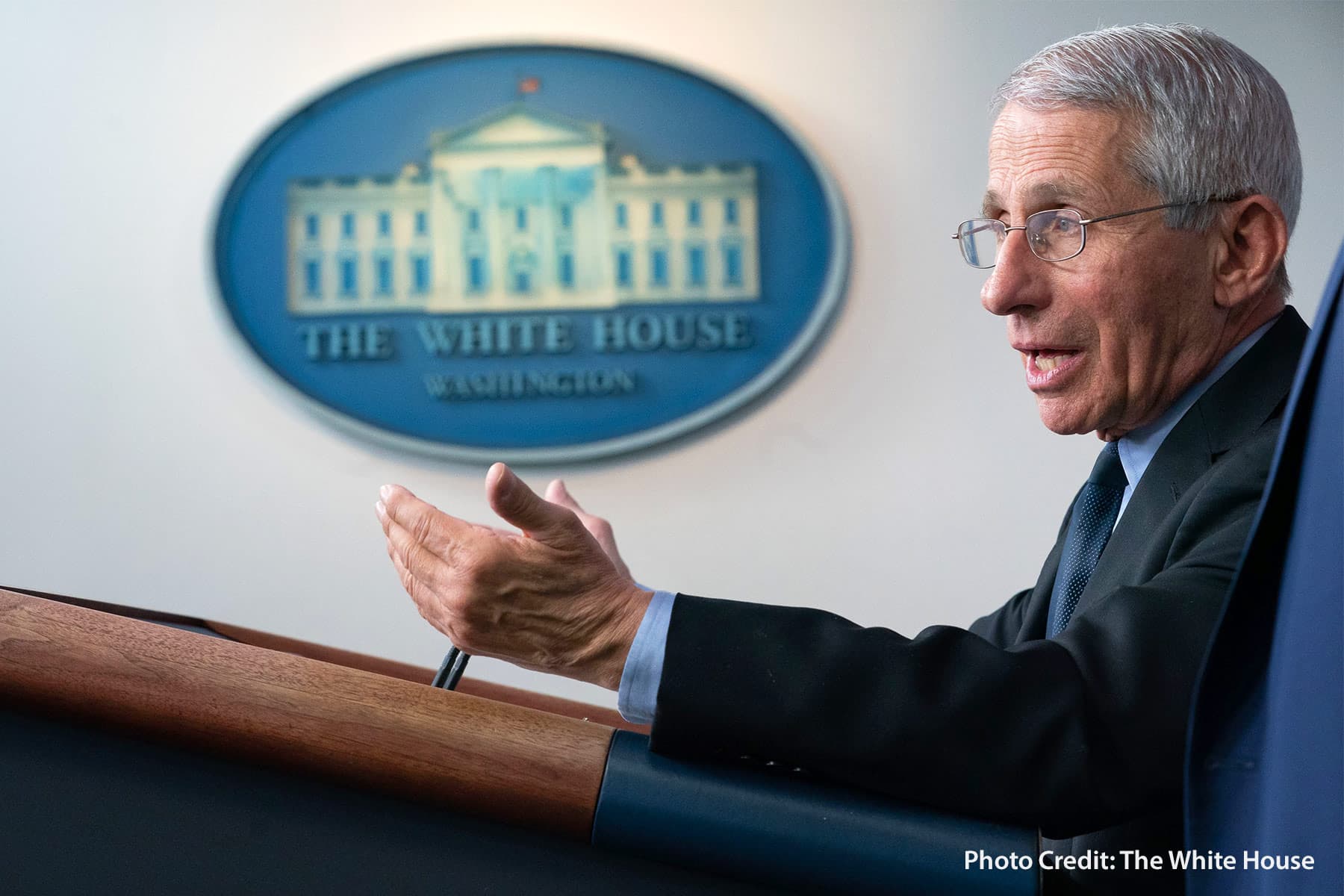
Anthony Fauci, MD, advisor to seven presidents and a key figure in the U.S. fight against the coronavirus pandemic, announced Monday that he will step down in December.

“I am announcing today that I will be stepping down from the positions of Director of the National Institute of Allergy and Infectious Diseases and chief of the NIAID Laboratory of Immunoregulation, as well as the position of chief medical advisor to President Joe Biden,” Fauci said in a statement. “I will be leaving these positions in December of this year to pursue the next chapter of my career.”

But Fauci, who has led the National Institute of Allergy and Infectious Diseases for nearly four decades, says he will not be retiring. 

“After more than 50 years of government service, I plan to pursue the next phase of my career while I still have so much energy and passion for my field,” Fauci said. “I want to use what I have learned as NIAID director to continue to advance science and public health and to inspire and mentor the next generation of scientific leaders as they help prepare the world to face future infectious disease threats.”

For the first year of the pandemic, Fauci was perhaps the most public face of the federal response. He participated in near daily news conferences from the White House under then-President Donald Trump.

But Fauci’s insistence that science dictate the fight against the coronavirus and its disease, COVID-19, often put him at odds with Trump. That helped make Fauci a target of many conservatives and well as Republican office holders.

His public profile under President Joe Biden has been much lower, but his words continue to have the power to influence public behavior.

“Today marks the end of an era,” National Institutes of Health Director Lawrence Tabak, DDS, said in a statement. Fauci “has dedicated his life’s work to advancing knowledge about the causes of complex diseases ranging from HIV to asthma, rarely satisfied with anything less than a cure. For Tony, it’s personal. He works tirelessly on behalf of all patients, often at great personal expense, and always bringing his Brooklyn tenacity to the fight.”

[ad_2]

Source link

‘Digital people’ to help improve healthcare in New Zealand

‘Digital people’ to help improve healthcare in New Zealand

[ad_1]

New Zealand’s Ministry of Business, Innovation & Employment is backing three local research projects that will explore the use of autonomously animated “digital people” by AI company Soul Machines in improving healthcare outcomes.

The ministry’s Catalyst Fund will be providing a combined NZ$5.1 million ($3.1 million) to the three projects, two of which will be led by researchers from the University of Auckland and the other led by researchers from the University of Canterbury. 

Using its Human OS platform and digital brain technology, Soul Machines creates life-like digital people that interact in real-time with humans.

WHAT IT’S ABOUT

One of the projects, led by professor Merryn Tawhai of the University of Auckland’s Auckland Bioengineering Institute (ABI), will develop a culturally appropriate digital health navigator for patients dealing with chronic conditions, such as type 2 diabetes and cardiovascular diseases. Linked with data from at-home and body-worn sensors, the navigator will be designed to read patient-specific information and talk to a patient in real-time to help them understand and manage their condition.

“Rather than the episodic and reactive doctor-patient relationship typical in the real world, this would allow for continuous interaction that encourages and supports the management of chronic disease,” explained Prof. Tawhai.

Another ABI-led project will develop software that harnesses physiological parameters collected from smartphones, watches, and other wearable sensors to monitor a person’s emotional wellbeing. A digital person will also be created to provide a user with personalised feedback on how they can manage their own depression. This project also looks to create a telehealth interface to enable remote live therapy sessions, mediated and supported by a user’s digital character who will have detailed knowledge of their mental health history.

The third project by University of Canterbury researchers will see the development of a hyper-realistic virtual therapy avatar to support high-functioning people with Autism Spectrum Disorder to better recognise emotions. The avatar will be created out of Soul Machines’ Digital DNA Studio and will be incorporated with accepted therapeutic methods and computer vision.

MARKET SNAPSHOT

Sensely is another company that has developed avatars to support healthcare delivery. Its platform has been adopted by health organisations worldwide for client support. Most recently, its technology has been incorporated into mySanitas, a mobile patient app by Sanitas USA.

[ad_2]

Source link

Another Way the Coronavirus Is Outsmarting Us

Another Way the Coronavirus Is Outsmarting Us

[ad_1]

By the time a cell senses that it’s been infected by a virus, it generally knows it is doomed. Soon, it will be busted up by the body’s immunological patrol or detonated by the invader itself. So the moribund cell plays its trump card: It bleats out microscopic shrieks that danger is nigh.

These intercellular messages, ferried about by molecules called interferons, serve as a warning signal to nearby cells—“‘You are about to be infected; it’s time for you to set up an antiviral state,’” says Juliet Morrison, an immunologist at UC Riverside. Recipient cells start battening down the hatches, switching on hundreds of genes that help them pump out suites of defensive proteins. Strong, punchy interferon responses are essential to early viral control, acting as a “first line of defense” that comes online within minutes or hours, says Mario Santiago, an immunologist at the University of Colorado Anschutz Medical Campus. At their best, interferons can contain the infection so quickly that the rest of the immune system hardly needs to get involved.

Viruses, of course, aren’t content to let that happen. Pretty much all of them, SARS-CoV-2 included, are darn good at impairing interferon signaling, or finding their way around the virus-blocking shields that cells raise after heeding those molecular calls. And as new coronavirus variants arise, they may be steadily improving their ability to resist interferons’ punch—making it easier, perhaps, for the microbes to spread within and between bodies, or spark more serious disease.

This development may sound kind of familiar: As the coronavirus has evolved, one of its main moves has been to repeatedly dodge the antibodies that vaccines and past infections raise. But there’s a key difference. Although antibodies are powerful, most are able to recognize and latch onto only a super-specific sliver of a single pathogen’s physique. Interferons, meanwhile, are the ultimate generalists, a set of catch-all burglar alarms. Even if the body has never seen a particular pathogen before and no relevant antibodies are present, cells will make interferons as soon as they realize a virus is around—“any and all viruses,” says Eleanor Fish, an immunologist at the University of Toronto. “It doesn’t matter what the virus is, it doesn’t matter where it comes in.”

Once warned, interferon-ized cells leap into action. They will reinforce their exteriors; sharpen molecular scissors that can hack the microbe to bits, should it get inside; and conjure up sticky substances that can stop the virus’s progeny from exiting. All that buys the immune system time to rouse, again with interferons’ help, more precise fighters, such as B cells and T cells.

But this system isn’t foolproof. Some viruses will cloak their innards from cellular sensors, so the relevant alarm wires never get tripped. Others destroy the gears that get the interferon system cranking, so the warning signals never get sent. Particularly resilient viruses may not even mind if interferon messages go out, because they’re able to steel themselves against the many defenses that the molecules marshal in other cells. Strategies such as these are pretty much ubiquitous because they’re so crucial to pathogen success. “I defy you to identify any virus that doesn’t have in its genome factors to block the interferon response,” Fish told me.

This, from our perspective, is not ideal. Derail these early responses, and “there’s a domino effect,” says Vineet Menachery, a coronavirologist at the University of Texas Medical Branch. More cells get infected; antibody and T-cell responses hang back, even as viral particles continue to spread. Eventually, the body may get wise and try to catch up. But by then, it may be too late. The brunt of viral replication might be over, leaving the immune frenzy to misdirect much of its havoc onto our own tissues instead.

Interferons, then, can make or break a host’s fate. Researchers have found that people whose interferons are weak or laggy after catching the coronavirus are far more likely to get very seriously sick. Others experience similar problems when their immune system churns out misguided antibodies that attack and destroy interferons as they try to ferry messages among cells. Interferons also play a very dramatic role in counteracting the viruses that cause dengue and yellow fever. Those pathogens are rapidly wrangled by rodent interferons and never make those animals sick, Morrison told me. In people, though, the microbes have cooked up ways to muffle the molecules—a big reason they cause such debilitating and deadly disease.

Coronaviruses in general are pros at interferon sabotage. Among the most powerful is MERS, which “just shuts down everything” in the interferon assembly line, says Susan Weiss, a coronavirologist at the University of Pennsylvania. That essentially ensures that almost no interferons are released, even when gobs of virus are roiling about, a dismantling of defenses that likely contributes to MERS’ substantial fatality rate. Weiss doesn’t think SARS-CoV-2 is likely to copy its cousin in that respect anytime soon. The virus does have some ability to gum up interferon production, but it would take a lot more, she told me, to silence the system as MERS has.

Still, SARS-CoV-2 seems to be taking its own small, tentative steps toward interferon censorship. For months, several groups of researchers, CU Anschutz’s Santiago among them, have been studying how well the virus can invade and replicate inside of cells that have been exposed to interferons. Recent variants such as Delta and Omicron, they’ve found, seem to be better at infiltrating those reinforced cells compared with some versions that preceded them—a hint that this resistance might be helping new iterations of the virus sweep the globe and cause repeated rounds of disease.

The bump in SARS-CoV-2’s resilience doesn’t appear to be massive—more “at the margins” of enhancing infective success, Menachery told me. Antibody evasion, for instance, might be playing the more dominant role in helping the virus spread and sicken more people. Still, the pattern that’s unfolding raises a discomfiting question, Santiago told me. Interferons’ potency against the virus already seems to be getting slowly but surely undermined; “what if at some point in the future, the virus becomes a lot more resistant?” The challenge of managing COVID, whether through vaccines or antivirals, might disproportionately balloon. And unlike antibody evasion, with interferon resistance, “there’s not anything we can do to vaccinate against this,” Menachery told me.

Still, there’s probably a ceiling to how interferon-resistant the coronavirus can become. Eventually, repeated attempts to disarm our alarm systems may “come at a cost” to the virus’s infective potential, or the speed at which it spreads, Morrison told me. Interferons are also extremely diverse, and have redundancies among them. Should one flavor get flummoxed by a pathogen, another would likely help fill in the gaps.

Many researchers, such as Fish, are also testing interferon-based treatments in people who have very recently been infected by or exposed to the coronavirus. Several of these trials have produced mixed or disappointing results. Even so, “I think there’s every reason to think that interferons are still going to be effective” in some form, once scientists nail the timing, recipe, and dose, says Eric Poeschla, Santiago’s collaborator at CU Anschutz. The molecules are, after all, nature’s DIY antivirals.

For a gamble like that to pay off, though, viral evolution—and thus, viral transmission—will need to be kept in some check. SARS-CoV-2 has immense wiggle room in its genome; giving it less practice at infecting us is one of the most straightforward ways to halt its self-improvement kick. “Every replication cycle is an opportunity,” Menachery told me, for the virus to further fine-tune its MO.

[ad_2]

Source link

What Should Worry Most Americans About Our Monkeypox Response

What Should Worry Most Americans About Our Monkeypox Response

[ad_1]

Seventy-eight days and more than 7,000 documented cases into the United States’ 2022 outbreak of monkeypox, federal officials have declared the disease a nationwide public-health emergency. With COVID-19 (you know, the other ongoing viral public-health emergency) still very much raging, the U.S. is officially in the midst of two infectious-disease crises, and must now, with limited funds, wrangle both at once.

The two viruses and diseases are starkly different, as are the demographics of the populations most at risk. But simultaneous outbreaks will compete for overlapping sets of resources, and put a subset of people at especially high peril of contracting both viruses, perhaps even in some cases simultaneously. They will also demand distinct responses, from both the nation’s leaders and the public. For most Americans, today’s declaration changes little: The take-home can be “don’t panic,” says Taison Bell, a critical-care and infectious-disease physician at UVA Health. Avoid stigmatizing men who have sex with men, who remain at greatest risk, but “be aware that everyone is at risk.” Today on a press call HHS Secretary Xavier Becerra urged every American “to take monkeypox seriously and to take responsibility to help us tackle this virus.”

The trick will be to do that while ensuring that resources go to those most in need. Although federal officials have repeatedly reassured the public that the country has all the resources it needs to keep the outbreak under control, the nation is clearly not living up to containment potential. Many experts have criticized the country’s timid steps toward action in the outbreak’s early days, when stamping out the virus was, in fact, relatively feasible. Now, as tests, treatments, and vaccines continue to be in short supply and remain difficult to access, allowing case numbers to balloon, the window of opportunity to beat the virus back seems narrower than ever.

Today’s declaration will mobilize more resources toward outbreak containment, allowing federal leaders to dole out vaccines and treatments more quickly, and source more data from state and local governments. But perhaps this move has already come too late. In the press briefing, CDC Director Rochelle Walensky noted that about 1.6 million to 1.7 million people in the U.S.—including men who have sex with men who are living with HIV—had been designated as “at highest risk of monkeypox right now,” and should be prioritized for vaccination. That number far exceeds the 600,000 or so doses of the two-shot Jynneos vaccine that have been rolled out nationwide; acquiring and shipping more will still take the U.S. months, stretching into the fall and beyond. In the meantime, federal officials are mulling whether they can split Jynneos doses into five, and administer them intradermally instead of subcutaneously—a “dose sparing” approach.

I caught up with Gregg Gonsalves, an epidemiologist and AIDS activist at Yale University, and an adviser to the WHO on the monkeypox outbreak, to make sense of today’s declaration, and the epidemic’s prognosis in the United States. Gonsalves has been a vocal critic of the U.S.’s approach to COVID; in this new outbreak, he and others already see an encore of past failures playing out. Today, Demetre Daskalakis, the White House’s national monkeypox-response deputy coordinator, described the American reaction to monkeypox as “aggressive, responsive, and ongoing since day one.” There is little to suggest that this is true.

Our conversation has been edited for clarity and length.

Katherine J. Wu: How would you describe the current state of the monkeypox outbreak in the United States?

Gregg Gonsalves: We’re not in a good place. We’ve been hearing refrains, similar to COVID, about having all the tools we need to deal with this—enough for all jurisdictions in the U.S. It is patently untrue. We keep seeing mounting cases. We’re likely under-testing. And we certainly have a shortage of vaccines, despite what the secretary says. And so we’re not in a very good position to contain this, which gives us the sad distinction of potentially having two viruses go endemic in the United States over the course of the past three years.

Wu: And that’s been clear for some time now—that the outbreak has been ballooning, and that resources are scarce. Should we have declared a public-health emergency sooner? Would that have helped?

Gonsalves: A declaration of a public-health emergency gives us some ability to do certain things that ordinarily we can’t. But what’s instructive to me is that we’ve had a public-health emergency for COVID. And two COVID czars! And we were the leaders in COVID deaths per capita among the G7, and now we’re the leaders in absolute numbers of monkeypox cases. So appointing leaders and declaring declarations is one thing.

But when you have leaders saying this has been an aggressive response since day one, and this is where we are? That doesn’t make you feel confident in our nation’s response to this new, emerging outbreak. It would be much more useful to say, We got out of the gate slow, but we are now bringing in all relevant federal actors. We are talking with local and state health departments. We are talking with community-based organizations. And we’re going to use all resources of government in a strategic operational campaign to deal with this. Right now, I’m still not sure what their plan is. We’re going to cut the vaccine doses into five pieces? We need research to evaluate that, or think about ACAM2000 [an older smallpox vaccine with more side effects] as a fallback.

And there’s still no real articulation of how we’re going to continue to ramp up diagnoses so that we can figure out where lingering cases are. Commercial vendors are now testing, but we’re still mostly in the passive surveillance [phase], where people are coming to sexual-health clinics, their primary-care physicians. How much active testing is going on in the community, working with organizations funded by the Ryan White HIV/AIDS program [which provides resources to low-income people living with HIV], for instance? To get out into gay bars, sex clubs, gay parties, and offering people who might have suspicious lesions or pimples or bumps the privacy of a mobile-health van to get tested, or a referral for testing at a nearby location? Also, you have to be in [isolation] for 21 days with this infection. Many people can’t afford to do that. And some of the men who are catching this are either underinsured or uninsured. And there are still lingering problems with access to [the antiviral] Tpoxx.

And there’s no new money coming down the pike. The administration floated the idea that they need $7 billion for a monkeypox response. But for some strange reason, they didn’t tell that to Congress formally before they left on recess. This is an emergency without a budget. So this does not give you the sense that there’s an aggressive response since the beginning. We don’t need to be coddled. Some straight talk would be nice.

Wu: How should the public be reacting at this point? The nation has been asked to respond; monkeypox has been categorized similar to COVID, in one sense. And yet, risk levels are so different across populations. What does that mean for us?

Gonsalves: My friend Joe Osmundson, a microbiologist, has said, for all the people telling the gay community they should get on the ball, the gay community’s been responding valiantly. And the article that Kai Kupferschidmt wrote today in The New York Times has a message that is really, really important: This is not a gay disease, but it’s happening to men who have sex with men [MSM], and we need to start thinking about how we can address the pandemic ourselves.

That’s what happened during the AIDS epidemic. Gay men understood the collective threat to them, and changed sexual behavior. Kai was saying we maybe need to reduce partners, to forgo certain kinds of sexual activities or events until we’re vaccinated, to think of limiting our sexual partners into pods, sort of like the early days of COVID socializing. So I think the gay community is responding well, and they understand the risks.

For the general community right now, the possibility of another endemic virus in the United States should worry them. But more out of solidarity and empathy for people in the LGBT community who are facing this, and bearing the brunt of it right now. Could it jump to other populations in which there’s close physical contact? Prisons, homeless shelters, university dormitories and athletic facilities? Potentially. But right now, they should just keep an eye on it.

What should concern people is the government’s response. Don’t flip the burden on the American people again, as we’ve done with COVID—a make-your-own-adventure version of the pandemic. We need the government to deliver, and they haven’t been delivering. It’s been this creaking, bumbling, sclerotic response. And now they put two people in charge, declare a public-health emergency—they have no money—and they’re saying everything’s fine.

Wu: Do you think monkeypox has a high likelihood of moving into non-MSM populations or becoming endemic here in the U.S.?

Gonsalves: This has been largely circulating among MSM, and we haven’t seen a lot of jump to household contacts, etc. But the longer this persists, the greater the chances for even sporadic cases outside of the context of men who have sex with men.

And there’s a worry that this will also start to follow the fractures in our social geography. For somebody who’s followed the AIDS epidemic for 40 years … even when some people get access to the interventions they need, many people don’t. You could easily see this sort of ending up exactly where HIV is—in the rural South, in communities of Black men who have sex with men, who have some of the highest HIV rates in the world. We could see monkeypox become a disease of marginalized neglected populations, like everything else in the U.S.

That’s the biggest fear over the long term. That we’re going to be dealing with this for quite a while, and that it’s going to go to places where there’s less robust public-health or health-care infrastructure, and people have far less access to resources. And so it lingers.

Wu: What would a future like that reflect of America’s approach to public health?

Gonsalves: I wrote a piece in The Nation that talked about the backsliding we’re seeing in the AIDS response after 40 years. And, again, we have the highest COVID excess deaths per capita in the G7, and a quarter of the cases of monkeypox around the world. That tells us we are desperately unprepared and desperately unserious about the threat of infectious diseases. It tells us we’re not willing to invest in what we need to keep our neighbors safe, to keep our families safe in the long run. One of the startling things I’ve seen over the past few weeks? A report in The Lancet about American life expectancy [being set to drop in world rankings over the next couple of decades]. There is this epiphenomenon that represents something much more deeply, structurally wrong in the American way of life. And it doesn’t give you a good feeling about our prospects for something that might come around the corner that is far more deadly, far more contagious than what we’ve seen thus far.


[ad_2]

Source link