
Why Pandemic, Personal Stressors Push Some to Problem Drinking

Why Pandemic, Personal Stressors Push Some to Problem Drinking

[ad_1]

Aug. 23, 2022 – We live in particularly stressful times, and some people turn to alcohol to cope with challenges, from the COVID-19 pandemic to any number of personal stressors.

And the hits just keep coming, as it seems like stressful infectious disease news keeps coming – more people developing long COVID, the monkeypox outbreak, and even polio making a possible comeback. One expert likens this barrage of news to a smoke alarm that never stops chirping.

And though self-treating stress with alcohol is not new, there is evidence the pandemic has raised the stakes.

The danger of turning to alcohol to cope in the short term is the risk of getting alcohol use disorder, which can cause brain changes that make the condition worse over time. The cycle of drinking, abstaining, and relapsing, in fact, can increase the risk for long-term adverse health effects, experts say.

There are solutions and reasons for hope as scientists and clinicians focusing on alcohol use disorder continue to learn more.

A Large-Scale Challenge

Alcohol contributes to more than 200 health conditions and almost 100,000 deaths in the U.S. each year, according to data from the National Institute on Alcohol Abuse and Alcoholism.

An unfair truth is only a minority of people get alcohol use disorder. Others drink and never have problem drinking. That’s not to say there are not other health risks from drinking too much. But only an estimated 6% to 8% of drinkers become dependent, Marisa Roberto, PhD, said at recent lecture on alcohol addiction science and medicine sponsored by the Scripps Research Institute in La Jolla, CA.

That might sound like a small percentage, but alcohol use disorder affects about 15 million Americans each year, putting it on par with an estimated 14.5 million Americans affected by cancer. Also, the National Institutes of Health budget for researching cancer is about 10 times greater than NIH money focusing on alcohol use disorder, said Roberto, a neuroscience researcher and chair of molecular medicine at Scripps.

Even so, Roberto said she is not advocating for universal abstinence.

“Not everyone that likes to drink in a social setting will develop this problem. We need to keep that in mind,” she said. “So, continue to drink your glass of wine with your meal, with your friends, in moderation.”

Pandemic Upheaval

The COVID-19 pandemic also changed why some people drink alcohol, said Aaron White, PhD, a senior scientific adviser to the director of the National Institute on Alcohol Abuse and Alcoholism.

For example, even before COVID-19 emerged, “We saw a shift beginning in alcohol use among young people away from drinking to socialize and more toward drinking alone and drinking to cope with stress,” White said at a White House event this month that focused on the use of alcohol as a coping mechanism.

“Then, of course, the pandemic started, and everything escalated.”

White and colleagues attracted a lot of attention in March when they published research that showed a jump in alcohol-related deaths in 2020. Alcohol-related deaths increased 25% between 2019 and 2020, according to the research letter, which was published March 18 in TheJournal of the American Medical Association.

Multiple reasons likely drove the higher number of alcohol-related deaths, White and colleagues noted. “Increased drinking to cope with pandemic-related stressors, shifting alcohol policies, and disrupted treatment access are all possible contributing factors.”

Alcohol and Other Drugs

Alcohol use disorder often does not develop on its own. “People with alcohol use disorder are eight times more likely to have another drug use disorder than the general population,” said Carrie D. Wolinetz, PhD, who hosted the White House webinar. Wolinetz is the deputy director for health & life sciences at the White House Office of Science and Technology Policy.

“And alcohol plays a role in around one of five drug overdose deaths,” she said.

Alcohol is a sedative, and sedatives and painkillers can interact, said Cece Spitznas, PhD, senior science policy adviser at the Office of National Drug Control Policy. Data from her organization shows that alcohol-related deaths involving synthetic opioids, like fentanyl, increased by 146% from 2018 to 2021.

“Among people who died with alcohol in their systems,” she said, “76% of them also had a synthetic opioid present.”

“One of the challenges for the research and health community to understand is how all of this is intertwined,” Wolinetz said.

Like an Alarm That Keeps Going Off

Using alcohol to cope with stress after stress can lead to “bit of a trap,” White said. Drinking works “really well at temporarily dampening activity in the brain areas that make us feel afraid,” he explained.

One part of the brain, the amygdala, can signal danger like a smoke alarm. When things feel threatening, the amygdala continuously chirps, he said. Some people turn to alcohol to cope because “we don’t like that [response]. It doesn’t feel good.”

Even so, alcohol “makes a promise it can’t keep,” White said. “The promise is, ‘Hey just drink me, and you won’t have to feel these uncomfortable feelings.’” The problem is “when the alcohol wears off, the smoke alarm gets louder.”

Over time, brain changes can result.

“PTSD is a great example. If you have PTSD and you’ve got high levels of anxiety, fear, and sleep disruption, alcohol might help you initially. But the changes in the brain that happened when you drink regularly actually end up making the symptom of PTSD worse,” White said.

What the Science Shows So Far

A lot of research over the years compares mice, rats, non-human primates, and others given alcohol to animals that have not. Many insights continue to emerge from these studies that could translate into better understanding and treating of alcohol use disorder in people.

For example, a neurotransmitter called GABA is a key player in alcohol addiction, Roberto said. Animals that develop dependency to alcohol have higher levels of GABA moving between neurons in their brains. That is one reason a drug that lowers GABA levels, gabapentin, has shown promise for treating people with alcohol use disorder.

Another substance, corticotropin releasing factor, also plays a role. Blocking its ability to attach to receptors in the brain made a difference in studies. “What you see in the animal, especially in the dependent animal, is that they relax,” Roberto said. “There is less anxiety-like behavior. They drink less.”

Neuroinflammation, or inflammation in the brain, is a more recently identified culprit in alcohol use disorder. “We have found some mechanism where the stress system is very intertwined within your immune signaling from chronic exposure of stress,” Roberto said. “They all work in the brain to increase neuroinflammation.”

Like almost every other discovery in alcohol use disorder, the immune-inflammatory interaction is very complex, she said.

Roberto and her team are evaluating drugs already FDA-approved to treat inflammation to see if they can reduce this neuroinflammation. “This is going to be terrific because it will help us to skip some of the long steps to take a drug from the bench through the bedside.”

In response to a question, Roberto said genetics plays a role in about 40% of alcohol use disorder cases. But it’s complex, and the risk involves multiple gene changes. Again, animal studies help pinpoint what specific gene changes are involved.

Potential Solutions

A way to avoid over-relying on alcohol to cope with stress is to find another option, White said.

“One of the ways that we should help address problems with alcohol in the country is to make people aware that there are other ways to cope,” he said. “It doesn’t have to be alcohol. Find a relationship with some other strategy for coping with stress and anxiety that doesn’t carry the same risks.”

Social and cultural connections also can help. When people feel connected to their families and have a stronger link to their history and their communities, they tend to be more resilient, White said. “And if they’re more resilient, they tend not to fall into these sorts of traps of leaning on substances that offer quick fixes.”

Health care providers counseling a person at risk for or with alcohol use disorder can also try what’s known as motivational interviewing, said Daniel Calac, MD, chief medical officer of the Indian Health Council and principal investigator of the California Native American Research Centers for Health.

A quick screen for alcohol misuse during routine health care visits – as well as referring anyone identified as at risk for alcohol use disorder to treatment while a patient is in the office – also helps, he said.

Research at the Indian Health Council suggests that working with providers at a behavioral health unit, especially one on site, can also help.

Screen for Mental Health Effects Too

Mental health issues can also be part of the equation, but on an individual level, it can be unclear which comes first, alcohol use disorder or anxiety and/or depression.

“In fact, having a history of alcohol use disorder more than doubles the odds of having depression, PTSD, or other anxiety disorder,” Wolinetz said.

White said that if doctors ask even one question about alcohol use, it could provide insight into that person’s mental health. For example, if a patient reports binge drinking once a month, “you’ll find that they are statistically more likely to have major depression, to be suicidal and/or to misuse opioids.”

“It doesn’t mean that they absolutely do,” White said, “but it means that a simple question about alcohol can actually clue health care practitioners into other aspects of people’s lives.”

Reasons for Hope

“We’ve seen some really encouraging things happening with regard to alcohol and public health,” White said, when asked reasons he might be optimistic at this point.

Before the pandemic, there was a “real groundswell of interest in opportunities for being mindful of one’s drinking, and taking a break, like ‘dry January’ or ‘sober October,’” he said. He applauded the sober curious movement for getting people to think about their drinking and their relationship with it. Growth in low- or non-alcohol products is also encouraging, he said.

“I see changes that are very promising, but they’re just sort of embers right now,” White said. “We’ll have to see what happens.”

Resources for Patients and Providers

The National Institute on Alcohol Abuse and Alcoholism offers online resources for consumers and health care providers.

The Health and Human Services Substance Abuse and Mental Health Services Administration also has a hotline for people having a hard time with mental health or substance use disorders. The free, confidential service provides information and treatment referrals in English and Spanish. The number is 800-662-HELP (800-662-4357), and the line is available 24 hours a day, 7 days a week, every day of the year.

One place to start with general questions about drinking and personal risk for alcohol use disorder is the NIAAA Rethinking Drinking website. The information is designed to help people explore their drinking and figure out if they need support.

For a person who decides they do need help, the NIAAA Alcohol Treatment Navigator is an online resource to help people explore their options and find support services in their area.

“It’s so important that providers who are on the front lines really look to NIAAA and what they have to offer because they do have a great plethora of information on their websites,” Calac said.

[ad_2]

Source link

Tiny Robots Could Someday Brush, Floss Your Teeth for You

Tiny Robots Could Someday Brush, Floss Your Teeth for You

[ad_1]

Aug. 23, 2022 – Your twice-daily brushing and flossing routine could someday be automated using tiny microrobots that scrub your teeth for a customized clean, thanks to new research from the University of Pennsylvania.

Scientists used magnetic fields to assemble nanoparticles into tiny, brush-like robotic structures that precisely remove biofilms, a network of germs and other sticky substances, from the surfaces of teeth. They describe their results in a paper published in the journal ACS Nano.

The microrobots feature bristles that can extend, retract, change shape, and move horizontally, vertically, and in circles. The bristles can adapt to each person’s tooth alignment and get into hard-to-reach spaces.

“It could be perfectly aligned teeth or misaligned teeth,” says study author Hyun (Michel) Koo, DDS, founding director at the Center for Innovation & Precision Dentistry at the University of Pennsylvania. “It will work in either case because they can adapt to different surfaces, different nooks and crannies.”
While they scrub your teeth, these bristles can also help to kill germs. That’s because they’re made from “iron oxide nanoparticles,” which can activate hydrogen peroxide to help kill bacteria and degrade biofilms. Another benefit: These nanoparticles are cheaper and more plentiful than many materials used in nanotechnology, like gold and platinum.

“It’s such a basic material,” says study author Edward Steager, PhD, a research investigator at Penn Engineering. “It’s not even a necessarily fancy material.”

When Will Tiny Teeth-Brushing Robots Be Available to You?

The team is packaging the technology into a consumer-friendly prototype, which they hope to have ready within a year. But they will likely need a few more years of testing before the robots are ready for commercial use.

Once fully developed, this technology could be a game changer for people with disabilities, older populations, or anyone who lacks the manual ability to take good care of their oral health, says Koo. These populations will likely be the first to try out the device, then others will follow.

“We started with persons with disabilities or an older geriatric population, but I think at the end of the day, we want this to become available for everyone,” says Koo.

This innovation could change the whole oral care industry, he notes.

“The whole technology of dental plaque control has not been disrupted for, say, centuries,” Koo says. “I mean, essentially, you have a bristle-on-a-stick concept, which has been used since early millennia, you know, and it’s not very effective, right? To the point that you have to actually floss and rinse to make sure that you have effective plaque control. We want to disrupt that. We want to have something that is user-friendly, plug and play.”

Dental floss has been around for a couple hundred years, but only about a third of Americans floss daily, according to the CDC. Any plaque left behind after brushing and flossing puts your mouth at risk.

“Dental plaque is the source of a number of oral diseases, from tooth decay to gum diseases,” says Koo.

With a precise, effective way to control oral disease, we can protect our overall health, he says. Indeed: Gum disease is linked to heart disease and diabetes.

“Bacteria found in the oral cavity are associated with Alzheimer’s,” Koo says. “So there’s a lot of connection between oral and general health.”

[ad_2]

Source link

LSD Is Making a Comeback Among Young Americans

LSD Is Making a Comeback Among Young Americans

[ad_1]

By Steven Reinberg
HealthDay Reporter

TUESDAY, Aug. 23, 2022 (HealthDay News) — If you think hallucinogens like LSD are a thing of the past, think again.

New research estimates that the use of mind-altering LSD rose from less than 1% in 2002 to 4% in 2019 among people aged 18 to 25. And, overall, 5.5 million Americans used some kind of hallucinogen in 2019.

“According to our results, hallucinogen use is a growing public health concern, warranting prevention strategies given the growing risk of unsupervised use,” said lead researcher Dr. Ofir Livne. He’s a postdoctoral fellow in the department of epidemiology at Columbia University’s Mailman School of Public Health in New York City.

The increase in hallucinogen use is likely caused by a decrease in the perception of the drug as risky, Livne noted.

“Studies now indicate that certain hallucinogens, such as LSD and psilocybin, can improve cognitive [mental] function, productivity and mental health,” Livne explained. “Nowadays, we see ‘micro-doser’ communities, essentially individuals who are exploring the reported positive effects of micro-doses of LSD without experiencing any negative effects.”

Still, “in light of our findings, we believe there is a need for a comprehensive examination of the motives behind the use of LSD and other hallucinogens, especially since previous studies have reported increased risks of negative outcomes, such as cognitive impairments and mood disorders,” Livne added. “Before hallucinogen use becomes ‘normalized,’ there needs to be a larger body of literature that can help discern safe use from hazardous use.”

The research was published online Aug. 22 in the journal Addiction .

These findings mirror those of a new federal government study published this week that found that the use of hallucinogens like LSD, MDMA, mescaline, peyote, “shrooms,” psilocybin and PCP started to increase in 2021 after staying relatively stable until 2020.

In 2021, 8% of young adults used a hallucinogen in the past year, an all-time high, that study found. In comparison, only 5% of young adults reported using a hallucinogen in the past year in 2016, while only 3% used one in 2011. The only hallucinogen that saw a decrease in use was MDMA (ecstasy or Molly), where use dropped from 5% in 2016 and 2020 to 3% in 2021.

Pat Aussem, associate vice president for consumer clinical content development at the Partnership to End Addiction, said that the increased use of hallucinogens may be a result of newfound interest in their beneficial effects on some mood disorders.

“While many hallucinogens are designated as Schedule 1 drugs with ‘no currently accepted medical use,’ they are increasingly being discussed on social media, at research institutes and in other forums as alternatives to more traditional pharmaceuticals for certain mental health problems,” she said.

“Both personal anecdotes and promising clinical trials have given rise to the use of hallucinogens to address depression, anxiety, PTSD [post-traumatic stress disorder] and substance use disorders, as well as to improve cognitive functioning,” Aussem explained.

The promise that hallucinogens can potentially treat depression, PTSD and other mental health ills — in some cases more quickly and with less onerous side effects — has played a role in the growing interest in these drugs, she said.

“There is also the commercial side of the equation, as by some estimates, the market is anticipated to grow from $2 billion in 2020 to over $10 billion in 2027. Huge investments are being made to capitalize on growing consumer interest in these substances,” Aussem noted.

In 2019, the U.S. Food and Drug Administration approved a medication called Spravato for patients with severe depression who are not responding to other treatments. It’s closely related to the psychedelic drug ketamine, but it is not the same as ketamine that someone might buy on the street. It also has to be given with an antidepressant in a supervised setting, she said.

Psilocybin is also being studied in clinical trials to treat depression and anxiety, she added.

Meanwhile, MDMA has been studied in clinical trials to address PTSD.

“It is expected to be approved by the FDA in 2023. Again, it is important to note that although ecstasy and MDMA are often used interchangeably, ecstasy may contain MDMA, but also be formulated with other substances that may be harmful,” Aussem said.

Hallucinogens may work for some, but not all people, and for certain conditions they have risks, she said. The use of hallucinogens may be contraindicated if there is a personal or family history of psychosis, schizophrenia, bipolar disorder or suicidal ideation, as well as heart problems and seizures.

Depending upon the hallucinogen, there can be a wide range of short- and long-term effects, including nausea, increased heart rate, intense sensory experiences, relaxation, paranoia and persistent psychosis. They can also be riskier if mixed with alcohol and other substances, including prescription medications, Aussem said.

There is also a significant difference between the safety of hallucinogens used in a clinical trial and what people get on the street, she noted.

“It is especially important to note that street MDMA has been laced with fentanyl, a powerful pain reliever that is driving skyrocketing overdoses in our country,” Aussem said.

“It can be tempting to try hallucinogens, especially if a person is struggling with mental health, but street drugs are not the answer,” Aussem said. “The composition, strength, dosing and therapeutic oversight of the hallucinogens in the clinical trials underway and the FDA-approved medications are not a ‘do-it-at-home’ remedy. A person interested in pursuing hallucinogens may benefit by seeking guidance from their health care provider and investigating participation in clinical trials.”

More information

For more on hallucinogens, head to the U.S. National Institute on Drug Abuse.

SOURCES: Ofir Livne, MD, MPH, postdoctoral fellow, department of epidemiology, Columbia University Mailman School of Public Health, New York City; Pat Aussem, LPC, associate vice president, consumer clinical content development, Partnership to End Addiction; Addiction, Aug. 22, 2021, online

[ad_2]

Source link

Do Air Purifiers Work? | Mark’s Daily Apple

Do Air Purifiers Work? | Mark’s Daily Apple

[ad_1]

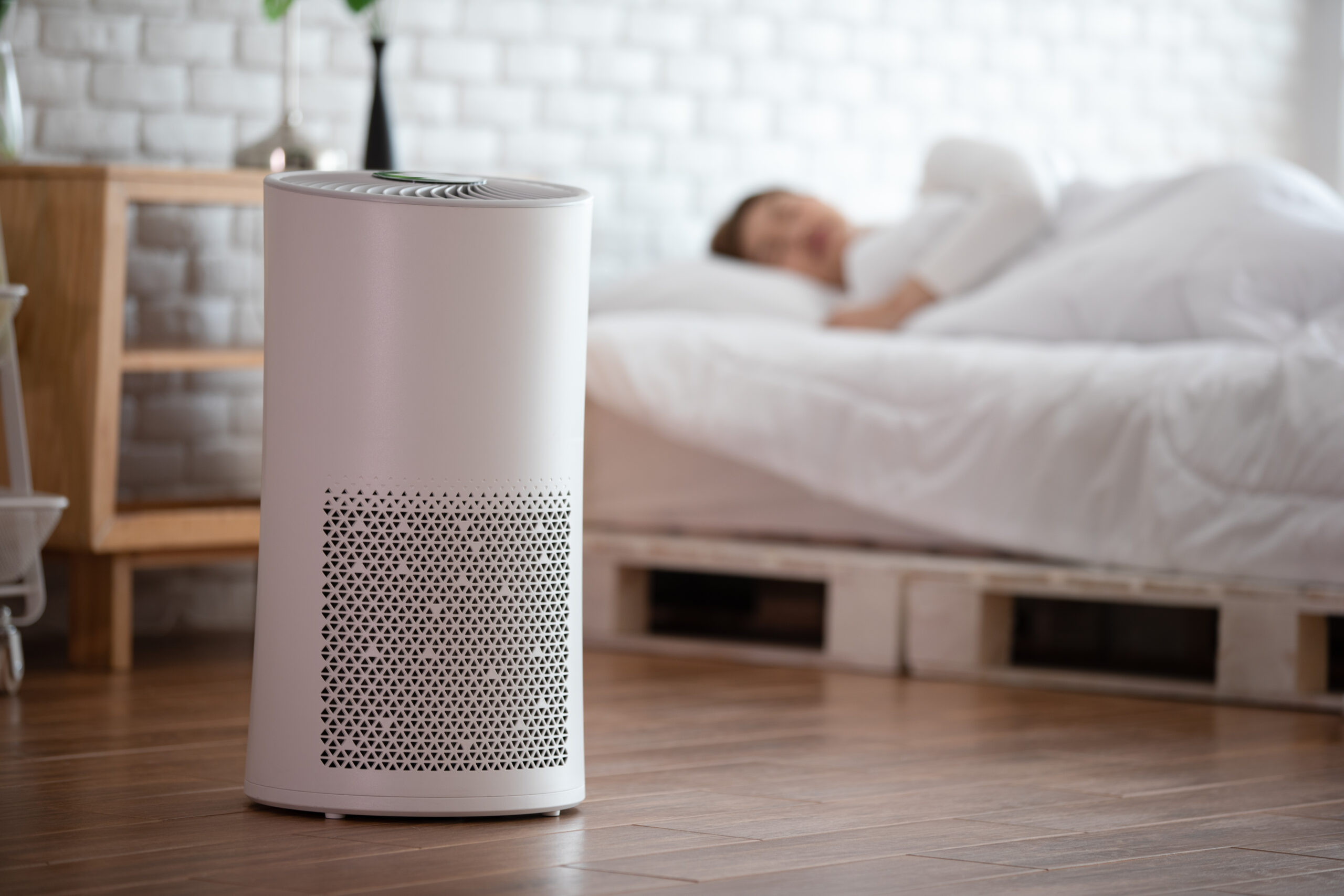
woman sleep with air purifier in cozy white bedSo you’re thinking about investing in an air purifier for your home. Perhaps you’re worried about allergens, mold, wildfire smoke, volatile organic compounds (VOCs), or weird smells in your house. Maybe now that you’ve done a bunch of other work to “clean up” your body and environment—eliminating oxidized seed oils, swapping out your personal care products, getting that reverse osmosis system to filter your water—the next logical step is making sure you’re breathing the cleanest air possible.

You go to the store and get hit with sticker shock when you see small units for going upwards of a thousand dollars or more. Are air purifiers really worth the price, you wonder? Sure, they might be worth it if they work as advertised, but that’s if they work.

The good news is that home air purifiers do a pretty good job churning out cleaner air, provided you select the right one. They have some cons, though, too:

  • Air purifiers can be expensive and noisy.
  • They require regular maintenance to work properly.
  • They won’t completely purify the air in your home, especially if you choose the wrong device.

Not everyone needs an air purifier, but it’s definitely worth considering, especially if you live some place with poor air quality or you have respiratory issues. Before whipping out your credit card, here’s what you need to know about selecting the best one for you.

How Do Air Purifiers Work?

There are many types of air filters and air cleaners, from big industrial units to the filtration systems built into your home’s HVAC to portable air purifiers you can place around your home. The latter are what we’re covering today.

Air purifiers can roughly be divided into two categories:

Mechanical air purifiers use filters to remove particulates from the air, including dust, pet dander, pollen, mold and fungal spores, and potentially even some microbes like viruses. These filters trap and hold the particles, preventing them from returning to circulation.

Electronic air purifiers—ionizers and electrostatic precipitators—electrically charge particles, which causes them to attach to surfaces so they are no longer floating around in the air for you to inhale. Some electronic air purifiers include collection plates to attract the charged particles, while others send them back into the room to stick to walls, furniture, or floors.

Both technologies remove physical particles from the air, not gases like VOCs. VOCs are chemicals that are emitted by a wide variety of items you already have in your home, such as paints, glues, cleaning products, cosmetics, carpet, upholstery, and more. These chemicals have been linked to both acute and long-term health issues. Activated carbon filters can absorb gases and reduce odors.

Some air purifiers will also use ultraviolet (UV) lights to kill living organisms like viruses, bacteria, and fungi. Heavy-duty units in hospitals often use a combination of mechanical filters and UV lights, but they’re also available for home use.

Air Purifier Benefits and Limitations

Air purifiers have been extensively tested and mostly proven effective for removing potentially harmful substances from the indoor air we breathe. (I’ll talk about which are best below.)

However, there is only limited evidence that this translates to measurable health benefits. They might help with allergies and possibly asthma. Otherwise, their value seems to lie in users’ subjective evaluations of breathing easier.

The general consensus among experts, including the Environmental Protection Agency (EPA) in the U.S., is that the best way to improve your home’s environment is to use air purifiers in conjunction with frequent cleaning, good ventilation, and removing potentially harmful substances. For the cleanest indoor air possible,

  • Vacuum and change sheets frequently to minimize allergens and dust.
  • Ensure good ventilation via windows (assuming the air outside your home isn’t polluted or smoky) and a well-maintained HVAC system.
  • Use safer cleaning products, low-VOC paint, and the like.
  • Deal with mold at the source using approved remediation methods.
  • Don’t smoke indoors (obviously).

Know that air purifiers aren’t tested for their ability to remove gases like radon or carbon monoxide, even if they include activated carbon filters. If you’re concerned about those substances, hire an expert to test your air quality and provide guidance.

Choosing the Right Air Purifier

First and foremost, what are your goals? Do you want to clean, sanitize, or deodorize your air?

  • To clean your air—remove particulate matter like dust, pollen, smoke, and spores—HEPA filters are what you need.
  • To sanitize—kill mold, viruses, or other living organisms—look for a combination HEPA filter to trap them and UV light to deliver the killing blow.
  • To deodorize or remove gases like VOCs, you want an activated carbon filter.

Opt for an air purifier that uses a physical (HEPA) filter instead of electronic air filters. Electronic air filters emit ozone, a potential lung irritant. At low levels, ozone can cause symptoms like nausea or headaches; at high levels, it’s quite dangerous. Although the amount of ozone produced by these devices is supposed to be fairly minimal and too low to cause health issues, it can vary based on how you use the unit in your home.

Speaking of ozone, there’s another type of air purifier, ozone-generating cleaners, that pump out ozone to (supposedly) neutralize chemicals in the air. This process can ironically create potentially harmful byproducts you wouldn’t want to breathe in. Ozone-generating cleaners also can’t remove particulate like dust or dander from the air, and the EPA is very clear: “If used at concentrations that do not exceed public health standards, ozone applied to indoor air does not effectively remove viruses, bacteria, mold, or other biological pollutants.” I’d stay away from these.

Once you’ve settled on the type, check the specs on the models you’re considering:

  • Purifiers that are AHAM Certifide have been independently tested by the Association of Home Appliance Manufacturers.
  • Energy Star-rated appliances will use less electricity, which is worth considering for an air purifier you might be running day in and day out, year-round.
  • The CADR score tells you the clean air delivery rate—how effective the unit is, essentially. The higher the better, and the bigger your room, the higher the CADR you need. The AHAM, which is responsible for testing and verifying CADR, recommends that the CADR be at least 2/3 of the room’s area in square feet. So, if your room is 12 feet by 12 feet, that’s 144 square feet, and you’ll want a CADR of at least 95 (or more if the room has high ceilings).

If you’re opting for a physical filtration system, look for a true HEPA filter, not “HEPA-like” or “HEPA-style.” Those latter terms don’t mean anything. If choosing a non-HEPA filter, check the MERV (multiple efficiency rating value). This indicates how well the filter removes small particles, with higher numbers being better. MERV ratings of 13 or higher seem to be the gold standard.

Finally, you’ll want to consider noise level and price. Bear in mind that filters need to be replaced regularly, every 3 to 12 months depending on your air purifier. Factor that into the cost, especially if you’re considering an air purifier with multiple different kinds of filters. You might want to look for one with washable and reusable filters.

DIY Air Purifier

I was skeptical of all these photos you see online of people taping HEPA filters to the front of a basic box fan, but it turns out that it probably works! The Puget Sound Clear Air Agency has tested and endorsed this method. The California Air Resources Board likewise concedes that DIY purifiers can combat wildfire smoke indoors, although they still recommend using commercially manufactured devices. They also caution that you should choose a fan manufactured after 2012 because it will have a fused plug that cuts down on the fire danger if the fan falls over or overheats (a small risk to begin with), and only run the filter when you are in the room and awake out of an abundance of caution.

Considering that you can assemble a DIY air purifier for less than 50 bucks, it seems worth a shot. Here’s how you do it:

  1. Get a fan. Any size or shape will do, but the more powerful the motor, the better. One side of the fan needs to be flat.
  2. Get a HEPA filter or a filter with MERV rating of 13 or higher that is big enough to cover the flat side of the fan completely.
  3. Secure the filter to the fan, making sure that air can’t escape out the sides. Seal it with duct tape if necessary. Air is meant to go through the filter in one direction, indicated by arrows on the side of the filter, so make sure you have it oriented correctly.
  4. Run the fan and enjoy your sweet, sweet cleaner air.

As with commercial air purifiers, how effective it is depends on the size of your room, the amount of air the fan is able to move, how much you run it, and how clean the filter is. You can always test how well your DIY set-up works by procuring a digital air quality monitor and doing before-and-after tests with your homemade device. (This is also a good way to see if you need an air purifier in the first place.)

What If I Just Fill My Room with Houseplants?

I’m all for getting as many houseplants as you can reasonably fit in one space. Unfortunately, though, they probably won’t deliver the air purifying benefits you want. There’s some evidence that they remove carbon dioxide and VOCs, but they won’t filter out dust or allergens, for example. Get houseplants, sure, but get a proper air purifier if you need one, too.

Bottom Line: Do Air Purifiers Work?

Air purifiers do what they are supposed to do: remove stuff like pollen, dander, spores, and smoke that you’d rather not breathe. The most effective ones aren’t cheap, but you can get a well-rated unit for a small-ish room for a couple hundred dollars. You’ll probably be happy with your investment as long as you buy the right type of air purifier for the job and maintain it regularly. If you don’t clean and replace your filters on the manufacturer’s recommended schedule, they won’t work as well.

Just don’t expect them to completely eliminate allergy symptoms, asthma, or other health issues. Remember, cleaning your home—vacuuming, dusting, changing your sheets—is the first line of defense in keeping allergens and dust at bay. Air purifiers add an additional layer of protection.

As someone who lives in wildfire territory, I’ll probably be investing in an air purifier this year, or perhaps making my own. Tell us in the comments if you’ve tried an air purifier in your home and what benefits you experienced, if any.

Oil_&_Vinegar_640x80

About the Author

Lindsay Taylor headshot

Lindsay Taylor, Ph.D., is a senior writer and community manager for Primal Nutrition, a certified Primal Health Coach, and the co-author of three keto cookbooks.

As a writer for Mark’s Daily Apple and the leader of the thriving Keto Reset and Primal Endurance communities, Lindsay’s job is to help people learn the whats, whys, and hows of leading a health-focused life. Before joining the Primal team, she earned her master’s and Ph.D. in Social and Personality Psychology from the University of California, Berkeley, where she also worked as a researcher and instructor.

Lindsay lives in Northern California with her husband and two sports-obsessed sons. In her free time, she enjoys ultra running, triathlon, camping, and game nights. Follow along on Instagram @theusefuldish as Lindsay attempts to juggle work, family, and endurance training, all while maintaining a healthy balance and, most of all, having fun in life.

If you’d like to add an avatar to all of your comments click here!

[ad_2]

Source link

Former Amazon medical officer examines surgeon general’s clinician burnout warning

Former Amazon medical officer examines surgeon general’s clinician burnout warning

[ad_1]

The U.S. surgeon general’s recent advisory about clinician burnout cited numerous societal, cultural, structural and organizational causes – including excessive workloads, administrative burden and lack of organizational support.

The potential fallout of this trajectory is alarming: The advisory cites the Association of American Medical Colleges’ estimate on clinician demand outpacing supply, with an anticipated shortage of between 54,100 and 139,000 physicians predicted by 2033.

A crisis is looming for healthcare professionals and their employers. However, the question remains: How can it be solved?

Dr. Maulik Majmudar, chief medical officer and cofounder at Biofourmis, a vendor of personalized, predictive health IT – who prior to that served as Amazon’s medical officer who led the launch of Halo – sat down with Healthcare IT News to discuss the crisis and potential solutions.

Q. What was the gist of the surgeon general’s recent advisory about clinician burnout?

A. I had the good fortune of knowing and having worked with Surgeon General Dr. Vivek Murthy when we were both in Boston. Vivek has been tireless in his pursuit of raising awareness and driving action around some important issues during his time as surgeon general, and clinician burnout is one of them.

Dr. Murthy’s warning to the industry was that unless significant steps are taken to reduce the crisis of stress, exhaustion and burnout among physicians, nurses and other clinicians, the nation’s health will suffer through worsening of access to care and quality of care due to lack of resources.

The COVID-19 pandemic, he points out, has not been the sole cause of this crisis of clinician burnout. The National Academy of Medicine announced years earlier that 35% to 54% of nurses and physicians and 45% to 60% of medical students and residents reported symptoms of burnout.

The advisory cites numerous contributors to the crisis, which all predated the pandemic but have worsened because of the increased stress clinicians have faced. Contributors include overwhelming workload, administrative burdens, lack of leadership support, limited workplace flexibility and autonomy, and of course, lack of human-centered technology.

The pandemic has added to these challenges due to hospitals facing capacity issues during surges in cases, increased patient deaths, clinician health and safety risks, and uncertainty over treatments, which has led to a feeling of helplessness.

Although hospitalizations for COVID-19 are generally lower than they were prevaccine and with other variants, the clinician burnout and staffing shortages challenges have not abated. This fallout prompted the Association of American Medical Colleges to recently estimate an anticipated shortage of between 54,100 and 139,000 physicians by 2033.

Q. It seems that a crisis is looming for healthcare professionals and their employers. How can this be solved?

A. The surgeon general’s advisory offers many recommendations that span every stakeholder with influence over the healthcare industry, from health systems to academic and training institutions and governments. Above all, the culture must change so that confidential mental health services are not only available for clinicians, but encouraged.

As a physician, I can tell you that there is still a stigma about seeking professional help for anxiety, depression, substance-use disorder, and other mental or behavioral challenges – starting as far back as medical school. The growing public awareness of the enormous emotional and mental strain clinicians face is fortunately destigmatizing the issue somewhat, but we still have room for improvement.

Another important element to solving the burnout crisis that is particularly germane to your readers is what Dr. Murthy calls developing “human-centered” technology. This includes optimizing existing technology to meet the needs and workflows of clinicians as end users, and also introducing new solutions that help improve the clinician experience.

Virtual care solutions, currently underutilized as simply a replacement for in-person clinic visits, can be deployed more strategically and comprehensively to benefit both patients and clinicians.

Hospitalizations, for example, do not always require the patient to be within a medical facility. Rather, as evidenced by the Centers for Medicare and Medicaid Services’ Acute Hospital Care at Home program launched in November 2020, acutely ill patients can be equally – if not better – cared for in their homes than in the hospital.

Enabled through technology, clinicians can monitor patients between in-person home visits, improving efficiencies and reducing workload – all while the patient recovers in the comfort and convenience of familiar surroundings with family. This care model can, in turn, reserve hospital beds for higher-acuity patients for clinicians to focus on with fewer interruptions or duties to complete for patients who are not as acutely ill.

Q. You suggest there are opportunities to adopt and scale the use of innovative health IT to drive efficiency and alleviate clinician burnout by improving clinical workflows. Please expand on this.

A. Although the industry experienced the rapid adoption of telehealth and virtual care in recent years, we quickly realized that moving the needle on care quality and cost was going to require greater innovation than simply replacing in-person clinic visits with virtual visits.

Although these virtual clinical visits can automate some aspects for the provider, it does not significantly reduce their burden. In fact, provider experience may even be worsened by spending more time with technology that is not “human-centered.”

Truly taking advantage of the opportunities offered through virtual care requires providers to think more broadly than isolated telehealth visits. Rather, by including multiple technologies developed and improved in recent years, such as wearable sensors, data analytics, mobile devices as well as telehealth tools, providers can expand virtual care from periodic to continuous and real time.

A comprehensive strategy allows health systems to offer remote patient monitoring and management across the care continuum: complex chronic-condition management, acute hospital-level care at home and post-acute care.

As an example, consider how virtual care technology can be used to manage just one complex chronic condition: heart failure, which I have managed for many patients as a cardiologist.

Historically, this condition requires numerous visits with a cardiologist and perhaps some periodic recording by the patient of some basic stats, such as daily weight, as the clinician strives to get the patient to optimal guideline-directed medical therapy [GDMT].

With in-person office visits taking place several weeks apart, this process can take months at great cost and frustration to the patient and provider. The clinician can achieve optimal GDMT much sooner by leveraging an end-to-end virtual care solution that includes continuous collection and analysis of physiological data, a personalized baseline for each patient developed through machine learning, and software-enabled titration of foundational “quadruple” therapy that clinical guidelines call for to treat heart failure.

This approach is critical considering research shows less than 1% of heart failure patients are on optimal doses of their heart failure medications and less than 25% of eligible patients receive any GDMT. Not only can remote care solutions help physicians arrive at an appropriate GDMT sooner; it can also help providers identify signs of decompensation so they can intervene and prevent a trip to the emergency room or hospitalization.

Perhaps most important, these types of novel digitally enabled care models can improve efficiency and lower clinical workload and burnout.

Q. How can care-at-home, which is gaining momentum, with a combination of remote patient monitoring and in-person visits serve as a relief valve for overstretched clinicians?

A. A care-at-home solution that leverages RPM and AI-based predictive analytics can continuously analyze remotely collected data to help providers with optimal evidence-based decisions about patients’ medications and treatments. In addition, since clinicians are notified if a patient requires early intervention, workloads are reduced.

This approach supports clinicians who are increasingly faced with a “complex array of information to synthesize,” as noted in Dr. Murthy’s advisory. While technology doesn’t replace a provider’s training and experience, it can help eliminate the irrelevant noise that adds to clinicians’ cognitive load.

Another element that is not solely technology related is the increasing use of virtual clinicians, either employed by the health system or a vendor, to assist with remote monitoring and interventions.

These remote teams, which may include care navigators, nurses and even physician specialists, can manage daily patient monitoring through RPM and report to the local care team about any meaningful changes or information they would like to receive about their home-based patients.

The remote team can also offer monitoring during crucial off-peak staffing hours by intervening by phone or streaming video when a potential medical event may be on the horizon. While not a substitute for an emergency medical response, advanced analytics can enable care teams to identify signs of a potential incident hours, days or even weeks before it might have otherwise occurred.

The predictive analytics technology offering evidence-based guidance and the remote care team providing monitoring support can significantly offload burden from local care teams in numerous ways.

RPM addresses the needs of health workers, care teams and patients across the continuum of care. The technology, to paraphrase the surgeon general, curates health data to offer a more complete and clear visualization of patient status and trajectory while including meaningful guidance to support clinical decisions.

By leveraging the full breadth of technology available and integrating it into an end-to-end solution, we can decrease providers’ cognitive load by only presenting meaningful, actionable information.

Furthermore, by partnering with a remote care team, clinicians within hospitals or practices are free to focus more on patients within their four walls and to concentrate on interventions for patients at home who need them.

By enabling these clinicians to work at the top of their license, we can improve their experience while helping avoid the emergency department visits and hospitalizations that can contribute to poorer patient outcomes – all while decreasing clinician stress and burnout.

Twitter: @SiwickiHealthIT
Email the writer: [email protected]
Healthcare IT News is a HIMSS Media publication.

[ad_2]

Source link

Easy Smoothie Bowls | Mark’s Daily Apple

Easy Smoothie Bowls | Mark’s Daily Apple

[ad_1]

smoothie bowl with fruit toppingsLooking to satisfy a sweet craving but don’t want to forfeit nutritious ingredients? Our easy smoothie bowls are the perfect start to the day or even a mid-day, hearty snack. We’ve created two recipes that include a variety of fruits and vegetables such as raspberries, cauliflower, broccoli and more. Plus, both recipes include our Primal Kitchen Vanilla Whey Protein Drink Mix for an added boost of protein.

Since these smoothie bowls also call for frozen fruits and vegetables the prep time is minimal. Using frozen fruits and vegetables will also make the smoothie bowls thick and spoonable. We’ve listed a variety of topping ideas to use as the finish touch but the sky’s the limit with toppings! Use your favorite nuts, seeds, fruit, or anything else you’d like.

How to make smoothie bowls

First you’ll want to gather al your ingredients together. For the pink smoothie you’ll start with cauliflower rice, raspberries and milk into a blender. If you’re looking to make the blue smoothie you’ll start with placing the broccoli, berries, and milk into the blender.

smoothie bowl ingredients

Then you’ll pour in the nut butter, flaxseed and Primal Kitchen whey powder. Blend on high until smooth. The mixture will be thick! Place the mixture in the freezer for 15 minutes or so while you prep your toppings.

blueberry smoothie bowl

Finally, spoon your smoothie into your bowl of choice and top with toppings. We recommend enjoying right away!

Blueberry smoothie bowl


Print

clock clock iconcutlery cutlery iconflag flag iconfolder folder iconinstagram instagram iconpinterest pinterest iconfacebook facebook iconprint print iconsquares squares iconheart heart iconheart solid heart solid icon

Description

Looking to satisfy a sweet craving but don’t want to forfeit nutritious ingredients? Our easy smoothie bowls are the perfect start to the day.


Pink Smoothie Bowl:

1.25 cups frozen riced cauliflower

1 cup frozen raspberries

½¾ cup milk of choice (you can also use water)

1 Tbsp nut butter (we used almond butter)

1 Tbsp flaxseed or chia seed

1 scoop Primal Kitchen Vanilla Whey Protein Drink Mix

2 tsp cocoa powder (optional)

Blue Smoothie Bowl:

1 cup frozen broccoli florets

¾ cup frozen blueberries or blackberries

½¾ cup milk of choice

1 Tbsp almond butter

1 Tbsp flaxseed or chia seed

1 scoop Primal Kitchen Vanilla Whey Protein Drink Mix

Topping ideas:

Chopped nuts

Pumpkin seeds

Flaxseeds

Chia seeds

Chopped dark chocolate

Shredded coconut

Fresh berries


  1. Pink Smoothie: Place the cauliflower rice, raspberries and milk into a blender. Pour in the nut butter, flaxseed and Primal Kitchen whey powder. Blend on high until smooth. The mixture will be thick! Place the mixture in the freezer for 15 minutes or so while you prep your toppings.
  2. Blue Smoothie: Place the broccoli, berries, and milk into the blender. Pour in teh nut butter, flaxseed and Primal Kitchen whey powder. Blend on high until smooth, and place mixture into the freezer while preparing the toppings.
  3. Spoon your smoothie into your bowl of choice and top with toppings and enjoy right away!

Notes

Use any combination of berries you like. Strawberries, blackberries and raspberries have lower overall carbs than blueberries.

Using frozen fruits and veggies will help ensure your smoothie is thick and spoonable. Start with ½ cup of milk and add more if needed to help the smoothie blend.

Frozen steamed zucchini is also a great lower carb option to add in! 

I used full fat almond milk for this recipe but feel free to use any milk you’d like, or you could use water.

For an added protein/nutrition boost, add more protein powder or consider adding in some Primal Kitchen collagen protein as well!

The sky is the limit with toppings! Use your favorite nuts, seeds, fruit, or anything else you’d like.

  • Prep Time: 5 minutes
  • Category: Breakfast

Nutrition

  • Serving Size: 1
  • Calories: 416
  • Sugar: 11.3g
  • Sodium: 70.7mg
  • Fat: 24.1g
  • Saturated Fat: 5g
  • Trans Fat: 0g
  • Carbohydrates: 35.8g
  • Fiber: 18.9g
  • Protein: 23.6g
  • Cholesterol: 2.5mg

About the Author

Priscilla Chamessian

A food blogger, recipe developer, and personal chef based in Missouri, Priscilla specializes in low-carb, Paleo, gluten-free, keto, vegetarian, and low FODMAP cooking. See what she’s cooking on Priscilla Cooks, and follow her food adventures on Instagram and Pinterest.

If you’d like to add an avatar to all of your comments click here!

[ad_2]

Source link

If You’re ‘Diet-Resistant’, Exercise May Be Key to Weight Loss

If You’re ‘Diet-Resistant’, Exercise May Be Key to Weight Loss

[ad_1]

MONDAY, Aug. 22, 2022 (HealthDay News) — “You can’t run from the fork.”

It’s an old weight-loss saying, reminding folks that diet is more important than exercise when it comes to shedding excess pounds.

But is that true for everyone?

New research suggests there’s a category of “diet-resistant” people who need to work out and watch what they eat if they want to shed pounds.

In fact, these folks should prioritize exercise, because it decreases their fat mass and boosts their muscles’ ability to burn calories, the Canadian study concluded.

“We found that the slow losers responded much better to exercise than the fast losers did,” said senior study author Mary-Ellen Harper. She is research chair of mitochondrial bioenergetics at the University of Ottawa.

“We hope these findings will allow a better, more personalized approach for adults with obesity who are seeking to lose weight, and especially those individuals who have very great difficulties losing weight,” Harper said.

She noted that previous research has shown that the ability of muscle cells to burn energy varies widely between people.

People who struggle to lose weight tend to have very efficient muscle cells; these cells are very good at storing energy rather than burning it away, Harper said.

In fact, sometimes a diet will slow down a person’s metabolism even more, said David Creel, a psychologist and registered dietitian in the Bariatric and Metabolic Institute at the Cleveland Clinic.

“Their metabolism reacts to this lower calorie intake by becoming even more efficient,” Creel said. “They’re not going to respond as well because they’re just not burning as many calories.”

To see if exercise could change that up, Harper and her colleagues mined clinical data from more than 5,000 people who’d participated in a low-calorie weight-loss program at Ottawa Hospital.

The program restricted people to 900 calories a day, but there still was a group of people who lost weight at a much lower rate than others.

From those records, the researchers matched 10 “diet-resistant” people with 10 “diet-sensitive” women, and had them all take part in a six-week exercise program. The participants were matched based on their age, weight and BMI, and told to eat as usual.

function pixelForFacebook(){var e,t,i,n,r,c;e=window,t=document,i=”script”,e.fbq||(n=e.fbq=function(){n.callMethod?n.callMethod.apply(n,arguments):n.queue.push(arguments)},e._fbq||(e._fbq=n),(n.push=n).loaded=!0,n.version=”2.0″,n.queue=[],(r=t.createElement(i)).async=!0,r.src=”https://connect.facebook.net/en_US/fbevents.js”,(c=t.getElementsByTagName(i)[0]).parentNode.insertBefore(r,c)),fbq(“init”,”428750600651790″),fbq(“track”,”PageView”),fbq(“track”,”Topic_id”,{topicid:window.s_topic}),fbq(“track”,”Audience”,{audience:getAudience()})}function pixelForTwitter(){var e,t,i,n,r,c;e=window,t=document,i=”script”,e.twq||((n=e.twq=function(){n.exe?n.exe.apply(n,arguments):n.queue.push(arguments)}).version=”1.1″,n.queue=[],(r=t.createElement(i)).async=!0,r.src=”https://static.ads-twitter.com/uwt.js”,(c=t.getElementsByTagName(i)[0]).parentNode.insertBefore(r,c)),twq(“init”,”nxo3v”),twq(“track”,”PageView”)}function pixelForPinterest(){!function(e){if(!window.pintrk){window.pintrk=function(){window.pintrk.queue.push(Array.prototype.slice.call(arguments))};var t=window.pintrk;t.queue=[],t.version=”3.0″;var i=document.createElement(“script”);i.async=!0,i.src=”https://s.pinimg.com/ct/core.js”;var n=document.getElementsByTagName(“script”)[0];n.parentNode.insertBefore(i,n)}}(),pintrk(“load”,”2618142259440″),pintrk(“page”),pintrk(“track”,”pagevisit”)}function pixelForReddit(){!function(e,t){if(!e.rdt){var i=e.rdt=function(){i.sendEvent?i.sendEvent.apply(i,arguments):i.callQueue.push(arguments)};i.callQueue=[];var n=t.createElement(“script”);n.src=”https://www.redditstatic.com/ads/pixel.js”,n.async=!0;var r=t.getElementsByTagName(“script”)[0];r.parentNode.insertBefore(n,r)}}(window,document),rdt(“init”,”t2_109a14pl”),rdt(“track”,”PageVisit”)}function getAudience(){if(webmd.cookie.get(“cmt”))return[“campaigns”].reduce(function(e,t){return e[t]=JSON.parse(webmd.cookie.get(“cmt”))[t],e},{})}!function(){var e;window.s_topic&&(e=s_topic.match(/^7\d\d\d/gi)),window.s_topic&&!e&&-1===[“1634″,”1663″,”1664″,”1669″,”1695″,”1700″,”1703″,”1705″,”1707″,”1709″,”1711″,”1719″,”1756″,”1760″,”1761″,”1762″,”1783″,”1814″,”1818″,”1819″,”1835″,”1840″,”2730″,”2756″,”2857″,”2950″,”2952″,”2953″,”3079″,”3236″,”3539″,”3540″,”3541″,”3552″,”3571″,”3607″,”3608″,”3623″,”3631″,”3637″,”3644″,”3838″,”3927″,”3928″,”3930″,”3937″,”3939″,”3950″,”3951″,”3954″,”3958″,”3962″,”3963″,”3965″,”3966″,”3971″,”3989″,”4010″,”4048″,”4049″,”4050″,”4052″,”4058″,”4099″,”4119″,”4121″,”4140″,”4203″,”4222″,”4227″,”4228″,”4236″,”4242″,”4251″,”4254″,”4257″,”5555″,”6041″,”18091″,”18092″,”18093″,”18094”].indexOf(window.s_topic)&&(pixelForFacebook(),pixelForTwitter(),pixelForPinterest(),pixelForReddit())}()

[ad_2]

Source link