Fish Oil Is Good! No, Bad! No, Good! No, Wait

Fish Oil Is Good! No, Bad! No, Good! No, Wait

[ad_1]

At first, it was all very exciting. In 1971, a team of Danish researchers stationed on Greenland’s northwest coast found that a local Inuit community had remarkably low levels of diabetes and heart disease. The reason, the researchers surmised, was their high-marine-fat diet—in other words, fish oil. Incidence of heart disease, which once afflicted relatively few Americans, had shot up since the turn of the century, and here, seemingly, was a simple solution. “I remember how exciting those studies were when they first came out,” Marion Nestle, a professor emerita of nutrition and food studies at NYU, told me. “The idea that there were populations of people who were eating fish and were protected against heart disease looked fabulous.”

The hype didn’t stop with heart disease. Soon, fish oil was being hailed as a panacea. It could help prevent dementia! Depression! Obesity! Cancer! News stories and books parroted these claims. And supplement makers capitalized. By 2014, fish-oil supplements were a billion-dollar industry. Today, the market continues to grow at an astronomical rate. The growth of the science supporting fish oil’s curative properties, meanwhile, has been, shall we say, less astronomical. The early papers that sparked the initial enthusiasm were merely observational, meaning that they could establish only correlation, not causation. When the randomized control trials eventually began to trickle in, the results were mixed at best.

Tens of thousands of studies later, things haven’t gotten all that much clearer: We still don’t have anything close to a firm grasp of what fish oil can do and what it cannot. And lately, things have only gotten weirder.

Most experts acknowledge that fish oil does have some modest benefits in certain circumstances. Omega-3, its star nutrient, has been shown to lower levels of a fat associated with heart failure, help prevent premature births, and improve infant formulas. But these are a far cry from the game-changing promise of the early studies. That promise, over the years, has gotten lost in a tangle of theoretical possibilities, Nestle told me. Fish oil contains two distinct types of omega-3, DHA and EPA; maybe only the former is providing the benefit. Or maybe only the latter. Maybe the benefit comes only from pairing the two. Maybe neither does anything unless it’s consumed with other parts of the actual fish.

And that’s just the beginning. Maybe the benefits have less to do with fish itself and more to do with the fact that if you’re eating fish, you’re probably not also eating a hamburger or a pork chop. Maybe they have to do with your overall diet. Maybe they don’t have to do with your diet at all. Maybe it’s just that fish eaters tend to be wealthier and, not unrelatedly, healthier in the first place. Maybe it’s something else entirely.

Through much of the 2010s, one fish-oil study after another came up empty, Richard Bazinet, a nutrition researcher at the University of Toronto, told me—“null, null, null, null, null.” And then came REDUCE-IT, a trial funded by the pharmaceutical company Amarin to test its fish-oil-based heart drug, called Vascepa. The results, presented in 2018, found that, among high-risk adults already receiving another type of cholesterol-lowering treatment, the drug decreased the risk of heart failure and other serious cardiovascular events by an eye-popping 25 percent. Fish oil, it seemed, was back in business. When the study’s lead author, the Harvard cardiologist Deepak Bhatt, presented his findings at the American Heart Association’s annual meeting in Chicago, the crowd gave a standing ovation. The following year, the FDA approved the drug for the use studied in REDUCE-IT. (The agency had already approved the drug for a different use back in 2013.)

With triumph, though, came controversy. Even at the time of Bhatt’s presentation, some cardiologists noted that the study’s mineral-oil-based placebo—a pill selected because its color and consistency mimic those of fish oil, but whose use in fish-oil studies has been debated—seemed not to be entirely neutral. In fact, the placebo seemed to be harming people. Initially, nothing much came of these concerns. Then, last month, a new analysis published in the journal Circulation substantiated them and then some. It showed, based on elevated levels of several biomarkers in blood-test results, that the placebo may have increased volunteers’ risk of heart attack and stroke. Many researchers found these results to be compelling evidence that Vascepa’s eye-popping success could be due to a bad placebo, not a great drug.

“What’s somewhat shocking about that paper is that it looks like everything got worse in the placebo group and the treatment group stayed the same,” Bazinet told me. “You could have given the subjects a glass of water. Anything would have been better against that placebo.” Steven Nissen, a cardiologist at the Cleveland Clinic who was involved in a different omega-3 trial, called the Circulation study’s findings “extraordinarily disturbing.” Two members of the expert panel that in 2019 recommended that the FDA green-light Vascepa even told Stat’s Matthew Herper that, if they’d had access to the new data at the time, they might not have voted to approve.

To make matters more confusing, the Circulation study—as in, the very study that ignited this controversy—was also funded by Amarin, and one of the study’s 13 authors was Bhatt, the lead author on REDUCE-IT. In a statement, Amarin told me it “continues to stand by the results of REDUCE-IT” and is “very surprised” that the panel members would make such comments based on the Circulation paper. The company stressed that REDUCE-IT’s positive results “could not be explained” by the placebo, and that the effects found in the Circulation study were too minor to “correlate to any meaningful changes in outcomes.” Bhatt agreed, telling me he sees the new paper not as undermining REDUCE-IT but simply as clarifying Vascepa’s biological mechanisms. He defended the use of mineral oil as a placebo, arguing that it alone could not explain the significant risk reductions observed in the trial.

The lead author of the Circulation study, Paul Ridker, declined to comment on the controversial results. But other experts I spoke with were considerably less sanguine than Bhatt. Several would say only that, at this point, the REDUCE-IT results are basically uninterpretable. Nissen, who has in the past called REDUCE-IT “almost certainly a false-positive study,” went so far as to say that he thinks the benefits it found can be “entirely explained by the harms of the placebo” and that Amarin should have known not to use mineral oil. JoAnn Manson, the chief of preventive medicine at Brigham and Women’s Hospital in Boston and the leader of the largest-ever study of vitamin D and omega-3 pills in healthy adults, was more sympathetic to the idea that the Circulation study’s findings likely don’t account for the full 25 percent risk reduction. But she also raised the possibility that Vascepa, if ineffective, could be dangerous: Some studies have shown that a high daily dosage of fish oil can heighten one’s risk of developing a type of irregular heartbeat. (Amarin called the suggestion that Vascepa could be ineffective and dangerous “a gross distortion of fact,” saying that “the findings of independent, thorough, and impartial scientific and statistical reviews” had determined that the drug’s benefits to the at-risk patients for whom it is designed more than make up for its risks.)

The upshot of all this is that an already murky situation has become a good deal murkier, and there’s no end to the murk in sight. Which is a shame because, in one sense at least, the stakes are higher now than they’ve been in some time: REDUCE-IT suggested that Vascepa could legitimately save lives. If it can’t, that’s more than a scientific scandal; it’s a real, human loss. “I’ve never seen anything like this,” Bazinet told me. “In a way, it’s not surprising. The field’s been controversial all the time, and now we probably have the biggest controversy.”

The only way out of this mess, experts said, is to run a whole new trial comparing Vascepa (or its generic equivalent, icosapent ethyl) with something everyone agrees is a true placebo—one that we can be confident doesn’t harm people. Manson is leading a team applying for NIH funding to run such a study. (She said that Amarin told her it was not open to a replication trial and that the company declined to fund three related studies. When I asked Amarin about this, the company told me it would not replicate REDUCE-IT, because the outcomes “read out robustly,” and that it does not publicly discuss research proposals from third parties.) The study would also investigate a pair of promising leads turned up by her own major study, an ongoing project that has found that although omega-3 did very little for the population as a whole, it might have considerable benefits for Black people and people who don’t eat much fish.

In the meantime, doctors are unlikely to ditch Vascepa, Clifford Rosen, a professor at Tufts University School of Medicine, told me. In the first quarter of 2022, Amarin sold nearly $100 million worth of the drug, which is its only product. “There’s such momentum to use this agent that until the next study comes around, I think there’s still going to be widespread use,” Rosen said. To his point: In 2019, the American Diabetes Association recommended icosapent ethyl for certain patients as part of its official standards of care, based explicitly on the REDUCE-IT results. Since the publication of the Circulation paper, the ADA has made no move to withdraw that recommendation. (When I asked whether the group is considering doing so, its chief scientific and medical officer said only that it had “followed the evidence based on what was available at the time.”)

Not that this state of affairs is particularly novel. We’ve known for years that fish-oil supplements have virtually no benefits for your average, healthy person, Pieter Cohen, a professor at Harvard Medical School, told me. That hasn’t stopped tens of millions of Americans from popping the pills every day. “People just love to take supplements,” Rosen said. “It’s religiosity … It’s magical thinking.” Vascepa is an FDA-approved drug, not merely a supplement, but in some ways the line isn’t all that clear. The dosage is certainly higher, the packaging is certainly better, and the regulations are certainly stricter. But if you don’t understand the biological mechanism behind either the drug or the supplement—and scientists do not—that makes it tough to assert with any confidence that they’re fundamentally distinct.

“If you don’t know how something works—like you have no idea how it works—it’s hard to say that they’re different!” Bazinet told me. “Because it could just be a little bit more of the same mechanism. It’s not clear.” When it comes to fish oil, very little is.

[ad_2]

Source link

Beach Vacationers Are Doing It Wrong

Beach Vacationers Are Doing It Wrong

[ad_1]

Ah, summertime! Right about now, you might be yearning or even packing for your dream vacation—one full of rest and relaxation. Long, languorous days of doing nothing, perhaps lying on the beach or holed up in a cabin somewhere far from the city. Imagine how happy you’ll be.

Then imagine how bored you’ll be. Lying in the blazing sun on the beach, you’ll be stuck in your head with plenty of time to think about your problems. To your surprise, you might start feeling lonely and bored—even restless—with all this free time. The truth is, when it comes to vacation, rest and relaxation aren’t just overrated. They might even work against the very things a trip is meant to cultivate: a mental reset, a sense of relaxation, happiness. A better vacation is one in which vigorous exercise features prominently. That way, you can take a break not just from work and routine life but also from the tyranny of self-absorption.

Recently, a close friend and his wife invited my husband and me to join them on a cycling vacation. I was a bit nervous; I’m a serious swimmer but not an experienced cyclist. Riding 30 to 40 miles a day through Vancouver’s impressive hills for five days sounded like hard work, not pleasure. But by the end of our first day of riding, I was overtaken by euphoric calm.

The work of managing hills by bike has a special way of commanding your attention. I was so busy thinking about whether I could hold my pace for the next rise and how fast I could go downhill without wiping out that I had no time to think about myself. I started looking forward to getting up early and hitting the road. I took in the mountains and forests, dense with cedar and fir, but my focus was really on the bike and the road.

The wandering mind, which is often self-absorbed, is generally not a happy one. In one study, researchers randomly pinged people on their smart devices during the day to ask them what they were doing and how they felt. The team found that the participants were happiest when they were involved in an activity and not thinking much about anything else, and least happy when they were daydreaming and preoccupied with their own thoughts. Such mind-wandering was at least somewhat frequent in all activities reported except sex. In another study, subjects who remained physically busy were happier than those who were inactive, even when they were forced into being busy.

When we are really engaged in activities, we have less opportunity to worry and feel bad. That might be because focusing on a task temporarily quiets the default network, a set of interconnected brain regions that is most active when a person is self-focused, thinking about the past or imagining the future. The default network is deactivated when people focus on the outside world—and, intriguingly, when they use psychedelics. In other words, when our full attention is taken up by something outside of ourselves, we are freed from the uncomfortable burden of self-awareness.

Scientists can’t brain-image people in motion, but it’s a good bet that exercise quiets the default network. To some extent, other absorbing activities, such as doing math puzzles or knitting, might suffice too. Ditto cooking and painting. But I think none has the unique effect of physical exertion, which not only suspends self-absorption but triggers biological effects—such as the release of endorphins—that bring about a sense of well-being and, if we’re lucky, rapture. Exercise gives us a sense of accomplishment and mastery, tires us out, and improves our sleep in a way that reading, listening to a podcast, and enjoying music don’t.

In fairness to the rest-and-relaxation lobby, some introspection is indeed good for you, and being able to tolerate idleness and boredom is a sign of psychological strength. I’m a clinical psychiatrist, and I know well that self-understanding is a cherished goal of therapy. But too much self-examination doesn’t make you happier or more enlightened. Besides, vacation is not the time to work on that skill. You can incorporate moments of idleness into your daily life if you want to get better at sitting with yourself, but vacation is a time for feeling good and escaping responsibilities, including the ones to yourself. Accordingly, you should do what makes you feel good, and that’s activity, not idleness.

This advice might sound heretical coming from a shrink, but in fact, it’s informed by my experience with patients. I spend a lot of time trying to get depressed and anxious people to stop their unproductive navel-gazing and engage with the outside world and other people. One former patient who was determined to have a relaxing vacation in Italy rented a villa, sat around the pool with a pile of books all day, and promptly descended into a state of anxious misery. When he emailed me about his predicament, I told him to get up and go hiking with his wife every day. He returned from his trip two weeks later having barely read a book, but very relaxed and happy. He’d spent nearly all his time outside, hiking and eating.

The psychological benefits of exertion don’t apply just to vacations; they’re for everyone at any time. My father-in-law, an 86-year-old with a ferocious intellectual appetite, never seems so happy and vividly alive as he does after a brief spin around the neighborhood on his recumbent bike. But taking on a physical challenge during vacation is especially valuable. You are guaranteed to have a lot of downtime while you’re away, which is a lure for idleness, mind-wandering, and unhappiness—all of which can be remedied by exercise. You also have far more time for exertion during vacation than in regular life, so you can really get into the zone and enjoy yourself.

I don’t want you to think that the psychological benefits of an active vacation require you to travel far, buy fancy equipment, or put in Herculean effort. You don’t have to bike 40 miles a day or hike from sunrise to sundown. Perhaps you could try taking a long, vigorous walk each morning of your trip or commit to stretching for 30 minutes a day. All that matters is that your exertion exceeds your normal baseline physical activity enough to command your attention. Breathe hard enough that you can forget the mountain views around you or the cool ocean breeze, and you might just find that you’ll forget your worries too.

[ad_2]

Source link

America’s New Monkeypox Vaccine Strategy Rests on a Single Study

America’s New Monkeypox Vaccine Strategy Rests on a Single Study

[ad_1]

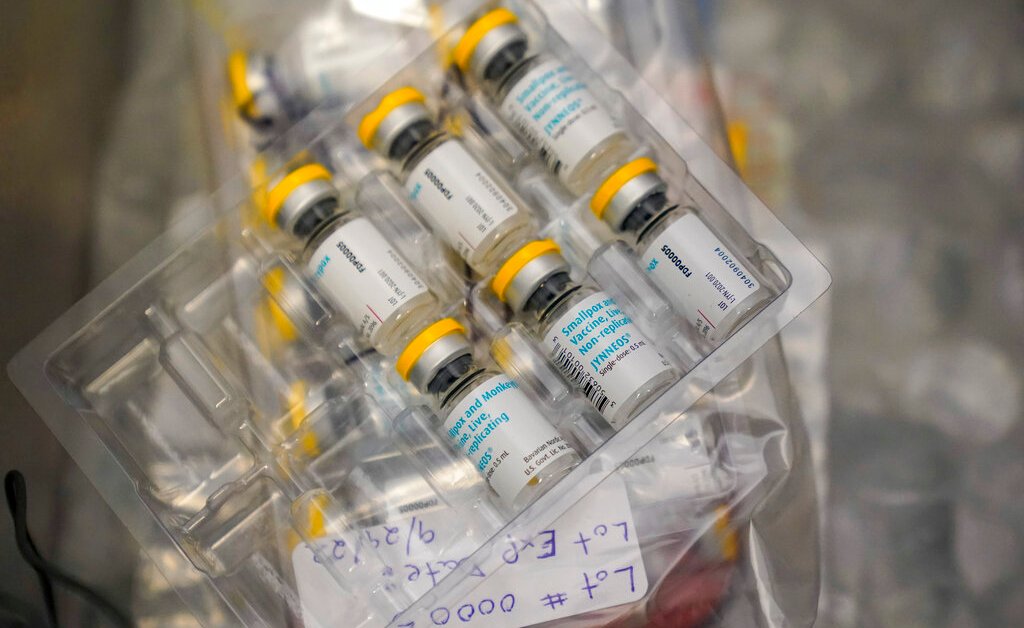
Once again, the United States is messing up its approach to vaccines. Three months into its monkeypox outbreak, just 620,000 doses of the two-injection Jynneos shot—the nation’s current best immune defense against the virus—have been shipped to states, not nearly enough to immunize the 1.6 million to 1.7 million Americans that the CDC considers at highest risk. The next deliveries from the manufacturer aren’t slated until September at the earliest. For now, we’re stuck with the stocks we’ve got.

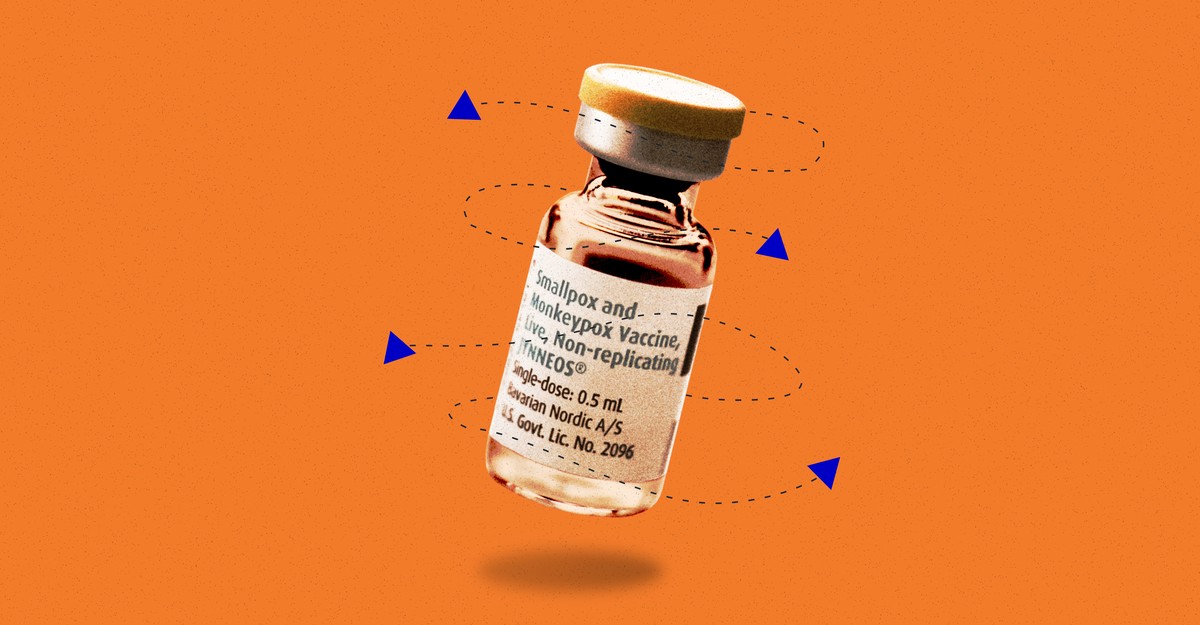
Which is why the feds have turned to Inoculation Plan B: splitting Jynneos doses into five, and poking them into the skin, rather than into the layer of fat beneath. The FDA issued an emergency-use authorization for the strategy yesterday afternoon.

This dose-sparing tactic will allow far more people to sign up for doses before summer’s end; if successful, it could help contain the outbreak in the U.S., which currently accounts for nearly a third of the world’s documented monkeypox cases. But this decision is based on scant data, and the degree of protection offered by in-skin shots is no guarantee. The FDA is now playing a high-stakes game with the health and trust of people most vulnerable to monkeypox—an already marginalized population. Call it a bold decision; call it a risky gamble: It may be the best option the country currently has, but one the U.S. could have avoided had it marshaled a stronger response earlier on.

Little is known about how Jynneos performs against monkeypox even in its prescribed dosing regimen, the so-called subcutaneous route; the new method, intradermal injection, is a murkier proposition still. “We are in a very data-thin zone,” says Jeanne Marrazzo, an infectious-disease physician at the University of Alabama at Birmingham.

The shot was approved for use against smallpox and monkeypox in 2019. But to date, researchers don’t have a strong sense of how well it guards against disease or infection or how long protection lasts. Although scientists know that two doses of Jynneos can elicit similar numbers of antibodies as older poxvirus vaccines, no estimates of the vaccine’s true efficacy, from large-scale clinical trials, exist; a human study in the Congo hasn’t yet reported results. And though firmer data have shown that the vaccine keeps lab monkeys from getting seriously sick, “I don’t necessarily trust making the clinical decisions” based just on that, says Mark Slifka, a vaccinologist at Oregon Health & Science University. It’s not even clear if Jynneos can stop someone from transmitting the virus, especially now that many cases seem to be arising via skin-to-skin contact during sex, an understudied form of spread.

The emergency switch to lower-dose intradermal administration has been tested with other vaccines, among them the shots that guard against yellow fever and influenza. Skin is rife with specialized defensive cells that can snatch up bits of vaccines and ferry them to other immune fighters, “so you can use a smaller dose and get similar responses” to a full-size subcutaneous shot, says Jacinda Abdul-Mutakabbir, a pharmacist at Loma Linda University, in California.

One lone study from 2015 suggests that this logic should hold for Jynneos—at least among the trial’s participants, healthy adults who were mostly young and white. In that group, the subcutaneous and intradermal shots were “quite comparable” at rousing antibodies in the body, which is “very encouraging,” says Kathryn Edwards, a vaccinologist at Vanderbilt University who helped conduct the study. But that’s not the same as bona fide protection against the virus. And what happened in that single study won’t necessarily play out in the real world, especially in the context of the current outbreak, which differs from its predecessors in demographic and size. “I do think these data need to be confirmed,” Edwards told me. Most of the cases so far have been in men who have sex with men, many of them living with HIV—a community whose immune systems don’t look the same as the population at large, and in whom vaccines may not take as well, or for as long, Slifka told me. And yet the FDA has charged ahead “completely based on” that 2015 study, says Alexandra Yonts, a pediatric infectious-disease physician at Children’s National Hospital. In a statement, the agency explained that it had “determined that the known and potential benefits of Jynneos outweigh the known and potential risks” for green-lighting the intradermal route.

Delivering vaccines into skin leaves little room for error. The tuberculosis skin test is also administered intradermally; Marrazzo has seen “dozens of those messed up.” People have bled or been bruised. Needles have gone too deep—a mistake that can slash effectiveness—or too shallow, letting liquid ooze back out. Intradermal injections are an uncommon and difficult procedure, requiring additional training and specialized needles. “There is going to be some degree of error,” says Kenneth Cruz, a community-health worker in New York. “People are going to wonder if they’re protected, and it’s going to be difficult to check.”

Already, health-care providers are having “issues staffing vaccination clinics for subcutaneous injections,” says Boghuma Kabisen Titanji, an infectious-disease physician at Emory University; the switch to intradermal will exacerbate those shortages and could raise further vaccination barriers for people without reliable health-care access. Intradermal shots can also come with more irksome side effects, as the 2015 study suggested, including redness and swelling at the injection site that can be “pretty robust and severe,” Marrazzo told me. People who get their first doses might not come back for more, defeating the point.

Dose-splitting is still “a much better way to go,” Yonts told me, than skipping or seriously delaying second doses—which has already happened in cities such as New York; Washington, D.C.; and San Francisco—in an effort to conserve supplies. Even elsewhere, second appointments are very hard to get. “I do not know anyone who’s gotten the second dose,” says Nick Diamond, one of the investigators behind RESPND-MI, an LGBTQ-led survey of monkeypox symptoms and networks. Which isn’t great: After just one shot, antibody levels “barely budge,” Yonts said, leaving people vulnerable until two weeks after the second injection is complete. (Another vaccine, ACAM2000, is available but can cause serious side effects, and isn’t recommended for people who are immunocompromised, including those with HIV.)

With no other good choices on the table, dose-splitting is the only road to take. “I don’t really see another viable option,” Marrazzo told me. That doesn’t erase the fact that the nation squandered its chance with Inoculation Plan A: leveraging its considerable resources to deploy the tests, treatments, and vaccines to contain the outbreak early on, and keep subcutaneous shots in contention. Now, with about 9,500 recorded infections among Americans nationwide—a definite undercount—the door to that has slammed shut. Sticking with the strategy of two full subcutaneous doses for all was projected to leave us with “no vaccine by October,” Marrazzo said.

Plan B, though, could have real costs, depressing vaccine demand and trust. Already, “we haven’t been able to answer questions about the level of protection,” Diamond told me, “which makes it really hard for people to make decisions around risk.” The best Abdul-Mutakabbir has been able to tell her patients is that “receiving this vaccine will likely protect you more than if you had not,” she said. Which doesn’t do much to “allay fears and worries,” Cruz told me, especially after more than a year of confusing and conflicting messages about COVID vaccination.

Joseph Osmundson, a microbiologist at NYU and a RESPND-MI investigator, told me that he thinks the Biden administration did not properly consult members of vulnerable communities before plowing ahead with dose-splitting. And he worries that disparities could arise if subcutaneous shots end up outperforming intradermal ones: People who had the socioeconomic privilege to find and access appointments early will have gotten the primo doses, while those already at higher risk skate by on a smaller serving of immunity, exacerbating the inequities the outbreak has already begun to exploit. The numbers alone could leave a bad taste: “If I were standing in line to get a fifth of a vaccine,” Diamond told me, “I would wonder why my health is valued less.”

Dose-splitting is a stopgap—“not a solution” that’s sustainable, says Luciana Borio, a former acting chief scientist at the FDA. The monkeypox outbreak could stretch on for many months, or become endemic in animals. Eventually, boosts may be necessary; ACAM2000 may yet have a larger role to play. The U.S. will need clinical trials to understand which dosing strategies actually work best, and in whom—and the populations most affected, especially men who have sex with men, should be involved in those decisions along the way. Officials must be “transparent about the gaps that exist,” Abdul-Mutakabbir told me, “and be intentional about working to fill those gaps.”

Still, as news of the dose-splitting decision continues to percolate out into the population, an inadvertent message may already be getting sent: “The government is placing the onus on community members to protect themselves,” Cruz said. “But we’re in this position because the government failed.” Should the administration’s big bet on dose-splitting not pay off, Osmundson said, for those who have so far borne the outbreak’s brunt, “that will be the nail in the coffin of any public trust.”

[ad_2]

Source link

You Aren’t Destined to Give Your Family COVID

You Aren’t Destined to Give Your Family COVID

[ad_1]

By this point, the pandemic saga has introduced us to a cast of recurring characters. Among them are the Chill Friend, who is totally over COVID precautions at this point, and the Unlucky Acquaintance, who has had COVID three times and brings it up whenever someone else falls sick. And then there is the Person Whose Roommate Has COVID. You know the type: They’ll describe, in the hushed tones usually reserved for tragic gossip, how and when their live-in friend, partner, child, or whoever came down with the virus—before interjecting, “But I feel fine! … For now.” Nervous laughter ensues. Whether their house is dealing with a blazing-fever situation or a mild-cough one, Person Whose Roommate Has COVID always has the same underlying worry: Am I next?

The answer can feel like a definitive yes. The perfect conditions to catch the coronavirus might look something like a shared home, where families, friends, or near strangers end up spending lots of time together in confined spaces. Even if they’re not sleeping in the same bedroom, roommates in all their various forms are sitting down at the dinner table together or squeezing past one another on the way to the bathroom—potentially misting the virus into the air in the process. And it doesn’t help that the latest variant, BA.5, is the most contagious yet. If Person Whose Roommate Has COVID has been breathing the same air all this time, is there even a point to quarantining? It can be tempting to throw up your hands, assume that a positive test result is coming, and cozy up on the couch for an extended Netflix marathon.

But while the attitude of Person Whose Roommate Has COVID is natural, it’s also misplaced. All members of a household will not inevitably get COVID if someone falls sick—not even close. One recent roundup of 135 studies found that the overall spread of disease within a home—an epidemiological phenomenon that is unfortunately named “household secondary attack rate”—was 42.7 percent for the earliest forms of Omicron. The offshoots we’ve seen since then are more transmissible, so the chance of getting the virus from a roommate is now probably closer to 50 percent, Bob Wachter, the chair of UC San Francisco’s department of medicine, told me. “It’s about a coin flip,” he said. “The key thing is that it’s certainly not a sure thing.” That is especially useful to keep in mind now that the CDC has updated its COVID guidelines, no longer suggesting that Americans who have been exposed to the virus need to quarantine for five days. It was already happening, but now even more People Whose Roommate Has COVID won’t be taking precautions. Still, the new policy doesn’t change what we know about COVID in the home. Separating yourself from the sick person is tedious and sometimes impossible, but if you can, it’s worth the hassle.

The explanation for why people aren’t destined to get COVID from their roommates “is a complex brew,” Wachter said. He and other experts I spoke with agreed on its main components: the infectiousness of the sick person (the “index case”), the immunity of the other people in the household, the virus itself, and the nature of the home.

Unfortunately, there’s no good way of nailing down just how infectious someone is. Infectiousness varies over time, and a positive test isn’t necessarily a sign that an infection is just beginning—especially these days, when people who are symptomatic can still sometimes get a series of negative rapid-test results. If your roommate comes down with symptoms and gets a positive test result soon after, there is little doubt that person is contagious at that moment. But whether they were infectious prior to the test is not a given. “I wouldn’t assume that just because your loved one was sick for a day or two [before testing] that you were exposed to a contagious person during that time. It’s unknown,” Jennifer Nuzzo, an epidemiologist at Brown University’s School of Public Health, told me. COVID symptoms usually but don’t necessarily equal contagiousness, she explained; confusingly, a vaccinated person may develop symptoms before testing positive on a rapid antigen test because their immune system, primed by the vaccine, is merely reacting to the virus. If you live with that person, “it could give you a glimmer of hope that you could still not get infected, were you to take additional precautions,” Nuzzo said.

And like so many other aspects of COVID, an infected person’s ability to spread the virus also greatly depends on their vaccination status. Remember that the coronavirus is not all or nothing; it builds up in the body incrementally until it spills over and out to other people. In other words, contagiousness hinges on viral load, which may vary with the strength of someone’s immune response. Compared with someone who is unvaccinated, an infected person who is up to date on their shots has a better chance at keeping the viral load down, meaning they are poised to shed less virus to other members of the household.

The vaccination status of other people in the home is “perhaps even more important” than that of the index case, Jodie Guest, a professor at Emory University’s Rollins School of Public Health, told me. Even with the newest variants, vaccines still provide some protection against infection (and even better protection against severe illness and death). In the big analysis of studies, the variant with the highest household-secondary-attack rate was Omicron, but the next-highest was not the second-most-transmissible variant, Delta. Instead it was Alpha, the first major coronavirus variant, which emerged at the end of 2020—before vaccines were widely available in the United States. “That’s solid evidence that the vaccines definitely are preventing a skyrocketing [household] secondary-attack rate,” Guest said. Of course, the protection imparted by vaccination fluctuates with numerous factors: the timing of vaccines and boosters, previous infection with old or new variants, and genetic susceptibility, among others. All other factors being equal, a home made up entirely of unvaccinated people would be expected to have a higher household-attack rate than a home of all boosted people.

Then there is the virus itself. It’s frustratingly good at infecting us humans—a major reason this pandemic has dragged on and on—but it’s still not contagious enough to infect everyone in a household in every single case. “There is some inefficiency in transmission,” Amesh Adalja, an infectious-disease physician at Johns Hopkins University, told me. “It’s clearly not in the same league as measles,” an airborne pathogen that has a household-secondary-attack rate of more than 90 percent. And although Omicron may have qualities that contribute to its high transmissibility—such as a potentially shorter incubation period and larger viral load—those alone might not be enough to fully explain its higher attack rate, Nuzzo said. It’s possible, even likely, that the more important factor is waning immunity, she explained; just about a third of Americans have gotten their first booster shot.

The factor that is perhaps the most challenging to deal with is the nature of the household itself. Unlike getting vaccinated or putting on a mask, most people cannot change their living situation the moment a double bar materializes on a rapid test. If you live in a mansion, well, congrats. It is much easier to stay distanced and avoid getting sick in a big house with several bedrooms and a backyard. Less so for poorer people who might live in a cramped apartment with a single shared bathroom. Research suggests that poor immigrant neighborhoods—the Bronx, in New York, and Pico Union, in Los Angeles—were among the hardest hit in the pandemic because homes in these areas are disproportionately overcrowded. In multigenerational homes with young children or elderly people who need care, fully isolating is almost impossible. “These are all things that are incredibly variable and specific to people’s situations,” Guest said, “and are going to be inequitably distributed.”

This complex brew has an invisible, maddeningly uncontrollable secret ingredient: luck. Sometimes, a person who is fully vaccinated and boosted falls sick, while a less diligent person dodges infection over and over again. “This is the hardest piece,” Wachter said. “It’s very hard to predict.” Despite our best efforts to protect ourselves and others, COVID can still break through, seemingly at random. So many factors influence susceptibility that accounting for all of them at once is nearly impossible.

Taking all the factors into account, that Person Whose Roommate Has COVID faces baseline 50–50 odds of getting sick is nothing to celebrate. Lots of people in this situation end up falling sick themselves. But it is a reminder that nothing about this virus is preordained. A household can tilt its chances in a favorable direction by doing all the usual, proven things: wearing good masks, opening windows to increase ventilation (and buying a HEPA filter if you can afford one), separating from the sick person when possible, and testing often. If you have no choice but to share a bed with someone who is sick, the CDC recommends sleeping head to toe. Vulnerable people, especially those 65 and over, should have a plan for getting Paxlovid, and everyone should stay up to date on vaccinations and boosters, Nuzzo said. “There’s no point in waiting for a different vaccine in the fall if you get it between now and the fall,” she said. These sorts of measures are really worth the trouble: The problem with not trying is that it can lead to more infections at home, “and then you’ve got a whole other mess,” Adalja said. “Why prolong it?”

There is no way around this: Managing COVID in a household is cumbersome, and it will be far easier for people who have more resources. Some will be able to follow every expert recommendation to the letter; others will have to be more selective. Parents of a sick child may choose not to separate—not because they don’t care about getting infected, but because the risk of doing so is outweighed by the need to care for their child. “Those are fair, emotional, familial conversations,” Nuzzo said. “Some people want permission to not try to stay aseptically isolated from their loved one, and I completely understand why they may want to do that.”

Now that the latest CDC guidance puts COVID safety into the hands of Americans—well, even more than it already was—Person Whose Roommate Has COVID has yet another reason not to quarantine. The hope is that they aren’t infectious. However, there’s always a risk that they may be, and the best way for them to keep protecting others is to remain as cautious as possible at home. The coronavirus is known to spread more easily in households than anywhere else, so doing one’s best to separate from a sick person at home can go a long way in preventing the virus from making the leap from your house to the world outside. Especially heading into the fall and winter, when case numbers are expected to jump even higher, trying to tamp down on household transmission is a small thing we can all do to attempt to keep this virus under control. No matter what, we will continue to meet People Whose Roommate Has COVID, but we can help them avoid becoming People Who Have COVID Too.

[ad_2]

Source link

Even the CDC Is Acting Like the Pandemic Is Functionally Over

Even the CDC Is Acting Like the Pandemic Is Functionally Over

[ad_1]

A quick skim of the CDC’s latest COVID guidelines might give the impression that this fall could feel a lot like the ones we had in the Before Times. Millions of Americans will be working in person at offices, and schools and universities will be back in full swing. There will be few or no masking, testing, or vaccination mandates in place. Sniffles or viral exposures won’t be reason enough to keep employees or students at home. And requirements for “six feet” will be mostly relegated to the Tinder profiles of those seeking trysts with the tall.

Americans have been given the all clear to dispense with most of the pandemic-centric behaviors that have defined the past two-plus years—part and parcel of the narrative the Biden administration is building around the “triumphant return to normalcy,” says Joshua Salomon, a health-policy researcher at Stanford. Where mitigation measures once moved in near lockstep with case numbers, hospitalizations, and deaths, they’re now on separate tracks; the focus with COVID is, more explicitly than ever before, on avoiding only severe illness and death. The country seems close to declaring the national public-health emergency done—and short of that proclamation, officials are already “effectively acting as though it’s over,” says Lakshmi Ganapathi, a pediatric-infectious-disease specialist at Boston Children’s Hospital. If there’s such a thing as a “soft closing” of the COVID crisis, this latest juncture might be it.

The shift in guidelines underscores how settled the country is into the current state of affairs. This new relaxation of COVID rules is one of the most substantial to date—but it wasn’t spurred by a change in conditions on the ground. A slew of Omicron subvariants are still burning across most states; COVID deaths have, for months, remained at a stubborn, too-high plateau. The virus won’t budge. Nor will Americans. So the administration is shifting its stance instead. No longer will people be required to quarantine after encountering the infected, even if they haven’t gotten the recommended number of shots; schools and workplaces will no longer need to screen healthy students and employees, and guidance around physical distancing is now a footnote at best.

All of this is happening as the Northern Hemisphere barrels toward fall—a time when students cluster in classrooms, families mingle indoors, and respiratory viruses go hog wild—the monkeypox outbreak balloons, and the health-care system remains strained. The main COVID guardrail left is a request for people to stay up to date on their vaccines, which most in the U.S. are not; most kids under 5 who have opted for the Pfizer vaccine won’t even have had enough time to finish their three-dose primary series by the time the school year starts. In an email, Jasmine Reed, a public-affairs specialist for the CDC, suggested the Pfizer timing mismatch wasn’t a concern, because “a very high proportion of children have some level of protection from previous infection or vaccination”—even though infection alone isn’t as powerfully protective as vaccination. “It’s like they’re throwing their hands up in the air,” says Rupali Limaye, a public-health researcher and behavioral scientist at Johns Hopkins University. “People aren’t going to follow the guidance, so let’s just loosen them up.

For many, many months now, U.S. policy on the virus has emphasized the importance of individual responsibility for keeping the virus at bay; these latest updates simply reinforce that posture. But given their timing and scope, this, more than any other pandemic inflection point, feels like “a wholesale abandonment” of a community-centric mindset, says Arrianna Marie Planey, a medical geographer at the University of North Carolina at Chapel Hill—one that firmly codifies the “choose your own adventure” approach. Reed, meanwhile, described the updates as an attempt to “streamline” national recommendations so that people could “better understand their personal risk,” adding that the CDC would “emphasize the minimum actions people need to take to protect communities,” with options to add on. (Ashish Jha, the White House’s top COVID adviser, did not respond to multiple requests for comment.)

It is true that, as the CDC epidemiologist Greta Massetti said in a press briefing last week, “the current conditions of this pandemic are very different.” The country has cooked up tests, treatments, and vaccines. By some estimates, roughly three-quarters of the country harbors at least some immunity to recent variants. But those tools and others remain disproportionately available to the socioeconomically privileged. Meanwhile, Planey told me, people who are poor, chronically ill, disabled, immunocompromised, uninsured, racially and ethnically marginalized, or working high-risk jobs are still struggling to access resources, a disparity exacerbated by the ongoing dearth of emergency COVID funds. Know your risk, protect yourself, the infographics read—even though that me before we concept is fundamentally incompatible with tempering an infectious disease. If wide gaps in health remain between the fortunate and the less fortunate, the virus will inevitably exploit them.

The most recent pivots are not likely to spark a wave of behavioral change: Many people already weren’t quarantining after exposures, or routinely being tested by their schools or workplaces, or keeping six feet apart. But shifting guidance could still portend trouble long-term. One of the CDC’s main impetuses for change appears to have been nudging its guidance closer to what the public has felt the status quo should be—a seemingly backward position to adopt. Policies are what normalize behaviors, says Daniel Goldberg, a public-health ethicist at the University of Colorado Anschutz Medical Campus. If that process begins to operate in reverse—“if you always just permit what people are doing to set your policies, guaranteed, you’re going to preserve the status quo.” Now, as recommendations repeatedly describe rather than influence behavior, the country is locked into a “circular feedback loop we can’t seem to get out of,” Ganapathi told me. The policies weaken; people lose interest in following them, spurring officials to slacken even more. That trend in and of itself is perhaps another form of surrender to individualism, in following the choices of single citizens rather than leading the way to a reality that’s better for us all.

No matter how people are acting at this crossroads, this closing won’t work in the way the administration might hope. We can’t, right now, entirely shut the door on the pandemic—certainly not if the overarching goal is to help Americans “move to a point where COVID-19 no longer severely disrupts our daily lives,” as Massetti noted in a press release. Maybe that would be an option “if we were genuinely at a point in this pandemic where cases didn’t matter,” says Jason Salemi, an epidemiologist at the University of South Florida. Relaxed guidance would be genuinely less “disruptive” if more people, both in this country and others, were up to date on their vaccines, or if SARS-CoV-2 was far less capable of sparking severe disease and long COVID didn’t exist. (Reed, of the CDC, told me that the agency’s “emphasis on preventing severe disease will also help prevent cases of post-COVID conditions,” adding that “vaccines are an important tool in preventing and treating post-COVID conditions”—even though immunization can’t completely block long COVID and seems to relieve its symptoms in only a subset of people.) Guaranteed paid sick leave, universal health care, and equitable resource allocation would also reduce the toll of loosening the nation’s disaster playbook.

Layered onto this reality, however, chiller guidelines will only spur further transmission, Planey told me, upending school and workplace schedules, delaying care in medical settings, and seeding more long-term disability. For much of the pandemic, a contingent of people has been working to advance the narrative that “the measures to prevent transmission are the cause of disruption,” Stanford’s Salomon told me; vanishing those mitigations, then, would purport to rid the country of the burdens the past couple years have brought. But unfettered viral spread can wreak widespread havoc as well.

Right now, the country has been walking down an interminable plateau of coronavirus cases and deaths—the latter stubbornly hovering just under 500, a number that the country has, by virtue of its behaviors or lack thereof, implicitly decided is just fine. “It’s much lower than we’ve been, but it’s not a trivial number,” Salemi told me. Held at this rate, the U.S.’s annual COVID death toll could be about 150,000—three times the mortality burden of the worst influenza season of the past decade. And the country has little guarantee that the current mortality average will even hold. Immunity provides a buffer against severe disease. But that protection may be impermanent, especially as the virus continues to shapeshift, abetted by unchecked international spread. Should the autumn bring with it yet another spike in cases, long COVID, hospitalizations, and deaths, the country will need to be flexible and responsive enough to pivot back to more strictness, which the administration is setting Americans up poorly to do.

Acceptance of the present might presage acceptance of a future that’s worse—not just with SARS-CoV-2 but with any other public-health threat. Months on end of weakening guidelines have entrenched “this idea that mitigation can only be dialed in one direction, which is down,” Salomon told me. If and when conditions worsen, the rules may not tighten to accommodate, because the public has not been inured to the idea that they should. “If it’s going to be 600 deaths a day soon,” or perhaps far more, Ganapathi told me, “I won’t be surprised if we find a way to rationalize that too.”

[ad_2]

Source link

Indonesia Announces Its First Case of Monkeypox

Indonesia Announces Its First Case of Monkeypox

[ad_1]

JAKARTA, Indonesia — A man in Indonesia has tested positive for monkeypox, making him the country’s first confirmed case of the disease, authorities said late Saturday.

The 27-year-old who lives in the capital, Jakarta, had returned from an overseas trip on Aug. 8, Health Ministry spokesperson Mohammad Syahril said in a news conference. The man began experiencing symptoms five days later and went to see a doctor. He tested positive for monkeypox on Friday night and is now isolating at home, Syahril said.

“This is a self-limiting disease that will disappear after 20 days if the patient does not have any preexisting conditions,” Syahril said, adding that the government for now did not see the need to implement any community-level restrictions to contain monkeypox.

Indonesia, a vast archipelago nation with more than 270 million people, has been on alert for a monkeypox spread since the World Health Organization asked countries to increase their vigilance after the United Kingdom experienced an outbreak in May. Before then, the monkeypox virus was only endemic in several African countries.

Monkeypox spreads when people have close, physical contact with an infected person’s lesions, their clothing or bedsheets. Sexual contact may amplify transmission.

Most people recover from monkeypox without needing treatment, but the lesions can be extremely painful. More severe cases can result in complications including brain inflammation and death.

Globally, there have been more than 31,000 cases of monkeypox reported in nearly 90 countries. Last month, the World Health Organization declared the outbreak to be a global emergency.

Monkeypox is not a totally new disease but one that has been known since at least the 1970s and has been a serious challenge in Africa for years.

With only a limited global supply of vaccines, authorities are racing to stop the spread of the disease.

More Must-Read Stories From TIME


Contact us at [email protected].

[ad_2]

Source link

Monkeypox Doesn’t Need to Be Renamed

Monkeypox Doesn’t Need to Be Renamed

[ad_1]

Updated at 5:35 p.m. ET on August 18, 2022

Joseph Osmundson, a microbiologist at NYU, was walking home recently in New York City when a stranger abruptly shouted “Monkeypox!” at him. He wasn’t infected with the virus, which has been spreading largely through intimate contact between men, nor did he have the characteristic skin lesions. So he must have been targeted for this catcall, he told me, on account of his being “visibly gay.” From his perspective, the name of the disease has made a painful outbreak worse. “Not only is this virus horrible, and people are suffering,” he said, “but it’s also fucking called monkeypox. Are you kidding?”

Since the global crisis started in the spring, efforts to contain the spread of monkeypox have developed in parallel with efforts to change its formal identity. In June, more than two dozen virologists and public-health experts put out a call for a “neutral, non-discriminatory and non-stigmitizing” nomenclature for the virus and its subtypes; World Health Organization Director-General Tedros Adhanom Ghebreyesus responded by announcing a formal process to create one. A month later, with monkeypox still mired in linguistic purgatory, the health commissioner of New York City issued an open letter to Ghebreyesus warning that a “public health failure of words with potentially catastrophic consequences” was imminent. “Words can save lives or put them at further risk,” the letter said. “The WHO must act in this moment before it is too late.”

As a practicing physician—and a gay one at that—I’ve felt devastated by the clumsy public-health response to monkeypox. The delays in rolling out tests, treatments, vaccines, and contact tracing have been a months-long source of frustration. But the name of the disease has never bothered me, let alone engendered premonitions of catastrophe. Sure, monkeypox sounded odd when I first started hearing it in conversation. But that feeling quickly went away as doctors had to deal with the scourge itself, and with a public-health failure of actions. After seeing lives literally put at risk by our government, I have a hard time believing that the word monkeypox can really do the same.

I’ve been told I’m wrong about this point, many times and by many different people. Osmundson, who wants the name to be changed, is appalled by my point of view. Some say the term is silly, and that it makes a dreadful ailment seem unimportant. Others claim that it’s too scary, and causes panic we don’t need. I’ve also heard that monkeypox is racist, that it’s homophobic, and that, actually, it’s causing harm to monkeys. A single name for a disease is said to be, somehow, the source of all this evil. But medicine is full of terms that sound funny or disgusting or obscene. One can find “hairy cell leukemia” and “fish scale disease” and “cat cry syndrome” on the books. A common viral illness related to monkeypox is termed “molluscum contagiosum,” which seems like a Harry Potter curse; and then there’s “maple syrup urine disease”—much too sweet of a label for a debilitating condition. All these names are weird, but they hardly seem offensive. Why should monkeypox be different?

The name for the current outbreak is, at the very least, inapt. It “genuinely bothers me every time I use it,” Neil Stone, an infectious-disease physician in the United Kingdom, told me. In addition to finding the name unserious and possibly racist, he’s hung up on the fact that monkeypox doesn’t actually have much to do with monkeys. Although the disease was first identified in primates, in 1958, small mammals like squirrels and rats are now thought to be more important viral reservoirs.

The subtypes of the monkeypox virus, called clades, could be even more misleading. These were originally named after the regions in Africa where they’d first been identified, but the present crisis did not emerge from any of those places, Christian Happi, the director of the African Center of Excellence for Genomics of Infectious Diseases in Nigeria, told me. If we were being less hypocritical, he suggested, the 2022 epidemic would be attributed not to the West African clade of monkeypox but to the “European” clade—in reference to the continent where cases were first identified this year. Happi, who was the lead author on the demand for a less stigmatizing nomenclature, also takes issue with some media outlets’ use of archival photos of Africans to illustrate a disease that now is occurring in white men.

Since I spoke with Happi, a group of virologists and public-health experts convened by the WHO reached an agreement to rename the clades. A statement issued Friday said the monkeypox subvariant behind this year’s global outbreak would henceforth fall within “Clade IIb.” That shift will be most significant within the scientific community, but the more pressing question, of what to do about the term on all of our lips, is unresolved. What will monkeypox become?

Surely any change would have to be in line with the “Best Practices for the Naming of New Human Infectious Diseases,” put out by the WHO in 2015. Those guidelines are designed to minimize word-based harm to “trade, travel, tourism or animal welfare,” as well as to “cultural, social, national, regional, professional or ethnic groups.” To that end, they say, names should exclude all stigmatizing references to specific people (e.g., “Creutzfeld-Jakob disease”), occupations (“Legionnaires’ disease”), or places (“Lyme disease”). Animal-based names, such as “swine flu” and “paralytic shellfish poisoning,” are also verboten.

When I talked with Stone, he tossed out “human orthopoxvirus syndrome,” or “HOPS” for short, as a possible alternative for monkeypox. Happi said that “mundopox,” from the Spanish for world, was another. But if the WHO is to follow its own rules to the letter, it should stay away from any implication that the virus is a product of the Hispanophonic world (or, I guess, that hopping rabbits are to blame). Surely global-health officials will be more inclined to fumigate the discourse with another odorless, colorless gas of pseudowords and digits—something in the lifeless spirit of COVID-19. Along these lines, the emergency-medicine physician Jeremy Faust has suggested “OPOXID-22,” short for “orthopoxvirus disease 2022.” Even a bland name, however, might not immunize the WHO against blowback. Boghuma Kabisen Titanji, an infectious-disease doctor, has already criticized Faust’s proposal as incorrectly implying that monkeypox is new to 2022. Call it “IgnoredPox (IPOX)” instead, she suggested, in light of the fact that outbreaks have been neglected for decades.

Granted, monkeypox is not a great name for a disease that spreads between humans, and nothing good can come of potentially racist associations or implications of bestiality. But the WHO’s “Best Practices,” if deployed across the board, would exclude many—maybe most—of the medical terms in use today. Taken in broader perspective, monkeypox isn’t even unusually off-base. Chickenpox has little to do with chickens, for instance, and, unlike monkeypox, it’s not a poxvirus but a herpesvirus. Maybe in a more perfect world, we’d refer to chickenpox as “chicken herpes”; but then again, the herpesviruses—named for the creeping spread of lesions they may produce—are already stigmatizing given their association with sexually transmitted infections. Nearly all of us contract a herpesvirus during our lives, via nonsexual spread. Just the same, I remember telling one patient that he had a disseminated herpesvirus infection only to watch him jump to the erroneous conclusion that his wife must have committed adultery.

Even though monkeypox is being used to harass people right now, bad actors who truly wish to deepen victims’ shame will always find a way to do so. Earlier this month, two gay men in Washington, D.C., are alleged to have been berated, then beaten, by teenagers who included monkeypox among a string of homophobic slurs. If that particular word had been unavailable, I’ll bet the others would have sufficed. Tone of voice and body language can, by themselves, turn a good word bad; and there’s little reason to think that any term for a disease, no matter how generic it might seem, cannot be wielded for ill purposes. “The name per se is not a major issue,” Mike Ryan, the executive director of the WHO Health Emergencies Programme, said last month. “It’s the weaponization of these names. It’s the use of these names in the pejorative.” Indeed, HIV is no longer called “gay-related immune deficiency,” but gay men are still frequently ostracized over the condition. Connotation outlives denotation. Even COVID-19—a disease name that was designed from the very start to be as inoffensive as possible—can easily be turned into a slur. “Covidians” and “Covidiots” abound.

Perhaps episodes of hate would occur less often if the WHO naming guidelines were universally adopted. Maybe the name monkeypox, which already sounds something like an insult, has a way of loosening the bigot’s tongue. Social scientists have struggled to assess the size of this effect. A number of preliminary studies suggested that the initial, China-centric framing of the new coronavirus in 2020 worsened bias against Asians and Asian Americans. But other research found no effect on anti-Asian sentiment; and one study concluded that the Trump administration’s effort to “scapegoat outgroups” actually backfired. Meanwhile, an increased level of anti–Asian American discrimination seems to have persisted for years. Any incremental consequences of the name monkeypox for anti-gay and anti-Black sentiment seem equally hard to predict.

In any case, cruelty is nothing if not creative. Last month, the Fox News host Tucker Carlson ran a segment on the monkeypox-naming controversy in which he proposed a slew of other offensive names, including “Schlong COVID”—a term that manages to insult the victims of two diseases at once. The problem, as always, is people. The illness is new and mysterious to most of us, visibly apparent, and comes on the heels of the divisive coronavirus pandemic. It’s not the name; it’s the vibes. And the vibes are bad. Strangers are publicly accusing one another of having monkeypox. Medical influencers are playing up the possibility that monkeypox easily spreads through the air or will become common in children. Old political arguments over COVID have been rehashed.

Bad vibes don’t wash off easily in medicine. In 2011, a rare form of blood-vessel inflammation called “Wegener’s granulomatosis” was renamed because it turned out that the condition’s namesake was a Nazi. Unfortunately, the disorder’s new name (“granulomatosis with polyangiitis”) is a mouthful. Doctors still prefer the shorter Wegener’s more than a decade later. Medical textbooks must awkwardly refer—Prince style—to the disease “formerly known as Wegener’s.” Will monkeypox also hang around?

Consider the illness with the worst vibes of all: cancer. The name for these cellular growths brings to mind suffering and inevitable death. Yet many cancers diagnosed today are so small as to be practically harmless. Some doctors have been campaigning to remove the “cancer” label from such tumors, hoping to reduce fear and unnecessary treatment. But studies find that calling some mild breast and prostate tumors “lesions” or “abnormal cells” instead of “cancer” seems to have only a small impact on patient anxiety and overtreatment. A monkeypox rebrand may not do much more.

Of course proponents of the name-change argue that getting rid of monkeypox wouldn’t have to save the world to be worth doing. “Nobody thinks changing the name is going to instantly end all stigma of people with the disease,” Gavin Yamey, a global-health professor at Duke, told me. It might still lower the social temperature, he said, and represent a proactive and important step to protect marginalized communities. For Osmundson, to assume that nothing whatsoever can be done to combat prejudice is giving in to nihilism.

But a campaign to change the language of disease, based on the urge to do something, could be counterproductive. At worst, it could make semantics seem like the most important tool for addressing social wrongs. The American Medical Association, for example, recently declared that “a consideration of our language” is central to the work of improving health equity. “Pursuing equity requires disavowing words that are rooted in systems of power that reinforce discrimination and exclusion.” I don’t think that I’ve ever avowed allegiance to a word. Regardless, disavowing a particular word does nothing by itself to uproot injustice.

Whatever we decide to call this Clade IIb virus, society has made plain which lives it values less: In the U.S., monkeypox is already spreading along the same racial, sexual, and economic fault lines as other sexually transmitted infections. An August 8 presentation from the Georgia Department of Public Health noted that most monkeypox patients in the state were young gay men; 82 percent were Black; and 67 percent were also HIV positive. Our actions, not our nouns, determine who will get sick.

In 1993, Harvard scientists discovered a crucial gene for the growth of embryos. They decided that it would be fun to name it after the video-game character Sonic the Hedgehog. Other researchers at the time derided this choice as unserious. But today, the scientific literature is full of dry sentences like “Sonic Hedgehog plays a role in cell growth, cell specialization, and the normal shaping (patterning) of the body.” Words, like viruses, evolve as they move from host to host; and words, like viruses, may become more or less noxious over time. If the name monkeypox strikes listeners as funny or offensive right now, that could change in the future—irrespective of any committee.

[ad_2]

Source link

Mosquitoes Are Going to Get Us, No Matter What

Mosquitoes Are Going to Get Us, No Matter What

[ad_1]

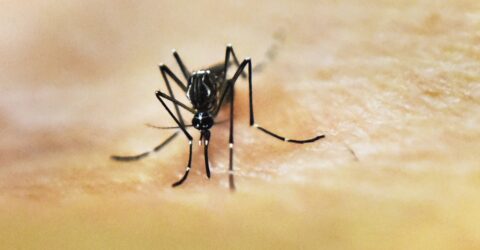
Nothing gets a female mosquito going quite like the stench of human BO. The chase can begin from more than 100 feet away, with a plume of breath that wafts carbon dioxide onto the nubby sensory organ atop the insect’s mouth. Her senses snared, she flies person-ward, until her antennae start to buzz with the pungent perfume of skin. Lured closer still, she homes in on her host’s body heat, then touches down on a landing pad of flesh that she can taste with her legs. She punctures her victim with her spear-like stylet and slurps the iron-rich blood within.

The entire ritual is intricate and obsessive—and nearly impossible to disrupt. Of more than 3,500 mosquito species that skulk about the planet, fewer than 10 percent (and only the females, at that) enjoy nibbling on humans. But once they’re on the prowl for people, neither rain nor zappers nor citronella candles will deter them. From the tips of their antennae to the bottoms of their little insect feet, these human-loving mosquitoes bristle with human-sensing accouterment, says Leslie Vosshall, a neurobiologist at Rockefeller University. “They really are in the business of finding us.”

Even aggressive genetic interventions aren’t enough to deflect a mosquito’s bite. The genome of a species called Aedes aegypti—a striped skeeter that prefers to feed on humans and can ferry viruses such as dengue, Zika, yellow fever, and chikungunya into our blood—encodes more than 300 distinct types of chemical sensors that help the insects navigate their world. Researchers have managed to introduce tweaks that futz with more than 100 of those genes at once, and yet those mutant mosquitoes “still find and bite humans, which just blows my mind,” says Meg Younger, a neurobiologist at Boston University. The most progress scientists have made through these techniques is cutting the insects’ attraction to us roughly in half, says Joshua Raji, a sensory biologist at Johns Hopkins University.

The reason is, frankly, depressing, as Vosshall, Younger, and their colleagues have found. Their recent work shows that mosquitoes’ odor-detecting systems are, unlike many other animals’, patchwork, chaotic, and riddled with fail-safes that make the insects’ sense of smell extraordinarily difficult to stump. It’s an essential adaptation for a creature that is hyper-focused on us: “They are finding a way to survive,” Raji told me. The insects are literally coded with backup plan after backup plan for stalking us.

For years, scientists were sure that mosquitoes’ odor detection didn’t work in such complicated ways. In the 1990s, researchers performed a set of experiments that suggested that animals across the tree of life, including us humans, subscribed to a pretty standard smelling MO: To deduce distinct scents, creatures manufacture many, many types of olfactory nerve cells, each of them sensitive to exactly one specific type of odor. When complex fragrances filter in, their individual components nestle into receptors atop distinct neurons, like plugs fitting into sockets. The revved-up neurons then shuttle signals to the brain on parallel, independent tracks—keeping their intel separate until a central hub in the animal’s noggin collapses it all together, says Margo Herre, a neurobiologist who trained with Vosshall. It’s an additive system of switches that, coded correctly, yields precision in spades: Tripping Neuron A might mean there’s something hazelnutty nearby. But add Neuron B and Neuron C to the mix, and that could suggest it’s actually Nutella. Scientists called this the “one receptor, one neuron” rule, and for decades, Raji told me, it’s what everyone figured they would find in just about any creature that possessed a sense of smell.

But mosquitoes, scourges that they are, were delighted to take this nice, neat dogma and totally screw it up. Their olfactory neurons, Vosshall’s team discovered, don’t respond to just a single odor; many of them instead recognize several scents. Their surfaces are studded with multiple types of receptors, all configured slightly differently, like a universal outlet adapter. No longer do neuron subtypes A + B + C all need to activate in order to tell the brain, Thar be a snack; each could potentially pass that info on alone. That comes in handy when human blood is on the menu: Thanks to the vagaries of genetics, diet, lifestyle, environment, and more, “we all smell very different,” says Andrea Gloria-Soria, an entomologist at the Connecticut Agricultural Experiment Station. An olfactory system that’s loosey-goosey with its wiring can substantially raise the chances that the average mosquito smell cell will react when something delectable saunters by.

Mosquitoes probably do lose some acuity by stacking their cells like multitools, Herre told me. Although a neuron that’s provoked by a ton of different things is more likely to detect prey, it’ll also have a lot of trouble distinguishing which of its many triggers is turning its gears. But for hungry mosquitoes, maybe that’s not such a terrible tax: As long as the insects can locate a viable host, they hardly care which of us it is. (Is it human, or is it dancer? Doesn’t matter—as long as there’s blood.)

The system is “really redundant,” Younger told me, so much so that it’s quite challenging to break. Humans, who do smell according to the Traditional Rules of Sniff, are easy to dupe: A mutation that affects just one type of receptor can take out of commission every neuron that bears. With mosquitoes, though, such sabotage would require an impractical number of genetic tweaks, Vosshall told me—which means there’s little hope for, say, engineering mosquitoes that can’t or won’t sniff our bodies out. “They’re really the ultimate predator,” says Omar Akbari, a biologist at UC San Diego. “You can’t find a single person on Earth that hasn’t been bitten at least once.”

People-piercing mosquitoes might have good reason to be this clingy. Humans are super social and super hairless, a clean and convenient smorgasbord. Our blood helps nourish developing eggs, and our objects and architecture collect standing water, giving the insects a perfect spot in which to breed their young. Each of us is a mosquito “Walmart,” as Vosshall put it—a one-stop shop for all the creatures’ baby-rearing needs.

The insects’ infatuation with us is costly: By way of the many, many deadly pathogens they carry, mosquitoes kill more people than any other animal on Earth does (except, well, us). Stopping certain species from biting us, by messing with their smell systems or by any other means, remains a key goal of global health. One path forward involves population control. Akbari’s team, for instance, is one of many that are engineering sterile male mosquitoes that, once released, will compete with unaltered males for mates but sire only unviable eggs. Other researchers are breeding strains that will introduce modified genes into disease-carrying species, rendering their offspring less able to chauffeur pathogens from person to person, or making them far less likely to survive.

Even if turning off mosquitoes’ smell cells is a dead end, cluing into how their olfaction works can still help with the design of new repellents that could target tons of their chemical sensors at once, Gloria-Soria told me. DEET, for instance, is thought to work at least partly in this way—although, after decades of research, scientists are still sussing out exactly how, and some species are now acquiring resistance to the stuff. Investigating skeeter smell could lead us to better-understood alternatives that aren’t quite so greasy and gross.

Or perhaps the best solution lies not in repelling mosquitoes, but in baiting them better. Instead of slathering ourselves with gunk that turns our tasty skin toxic, maybe we could cook up traps that distract mosquitoes with something that smells even more alluring than a hot, sweaty, mouth-breathing human. Raji told me that some scientists are tinkering with recipes of lactic acid, ammonia, and carbon dioxide to entice female skeeters into parfum de people snares. If that’s the way of the future, it’ll be quite the olfactory flex: a way of leveraging how much mosquitoes love us to ensure that they never get too close.

[ad_2]

Source link