Redesign Health, which helps build, launch and find funding for digital health startups, announced Tuesday it had raised a $65 million Series C round led by General Catalyst.
Other participants in the raise include CVS Health Ventures, UPMC Enterprises, Eden Global Partners, Euclidean Capital, Samsung Next, TriplePoint Capital and Declaration Partners. According to reporting by Fast Company, the Series C brings Redesign’s post-money valuation to $1.7 billion.
Founded in 2018, Redesign said it has launched more than 40 health tech companies, including home-based care startup MedArrive, cancer care-coordination platform Jasper Health and hybrid mental health company UpLift.
As part of the financing, General Catalyst CEO and managing director Hemant Taneja will join Redesign’s board of directors. The company announced a $250 million raise in March 2021.
Healthcare data analytics startup PurpleLab raised $40 million in a Series B funding round led by Primus Capital, with participation from Edison Partners.
The company offers a platform that helps healthcare organizations analyze real-world data to determine how well interventions are working on a population level. It will use the funding to invest in new data assets, product development and new hires.
“We’re laser focused on creating infrastructure and tools to assist our clients in converting real-world data into real-world evidence, and this investment will accelerate the rate of adoption, conversion and ultimate return on their investment,” Mark Brosso, CEO and founder of PurpleLab, said in a statement.
“Understanding comparative performance of various treatments for every condition is becoming easier through technologies such as de-identification via tokenization and is being further driven by legislative mandates such as the 21st Century Cures Act. In a world with increased access to RWD, the biggest challenge lies in the ability to readily interpret the data.”
Supplemental benefits startup Soda Health scooped up $25 million in Series A funding.
According to Axios, Lightspeed Venture Partners, Define Ventures and Qiming Ventures participated in the raise. The company launched in August 2021 with $6 million in seed funding.
Soda provides a tech platform that allows health plans to reimburse for goods and services that aren’t supported by traditional medical claims, like healthy foods, over-the-counter drugs and transportation. Consumers can purchase these goods with a health-plan debit card.
BabyLiveAdvice, which provides virtual maternal and infant healthcare, announced it had closed a $1.1 million seed round led by Venn Ventures and Synergen Technology Labs.
Participating strategic investors include Venn Ventures, Synergen Technology Labs, Ob Hospitalist Group (OBHG), CareFirst BCBS and LifeBridge Health.
“Through our BabyLiveAdvice partnership, we look forward to providing new maternal care resources to our patients and hospital partners,” Dr. Amy VanBlaricom, OBHG chief clinical officer and BabyLiveAdvice board member, said in a statement. “We are especially excited about BabyLiveAdvice’s potential to positively impact patients with access to care challenges and the minority populations we serve.”
Sept. 13, 2022 – Lots of things can disrupt your gut health over the years. A high-sugar diet, stress, antibiotics – all are linked to bad changes in the gut microbiome, the microbes that live in your intestinal tract. And this can raise the risk of diseases.
But what if you could erase all that damage, restoring your gut to a time when you were younger and healthier?
It could be possible, scientists say, by having people take a sample of their own stool when they are young to be put back into their colons when they are older.
While the science to back this up isn’t quite there yet, some researchers are saying we shouldn’t wait. They are calling on existing stool banks to let people start banking their stool now, so it’s there for them to use if the science becomes available.
But how would that work?
First, you’d go to a stool bank and provide a fresh sample of your poop, which would be screened for diseases, washed, processed, and deposited into a long-term storage facility.
Then, down the road, if you get a condition such as inflammatory bowel disease, heart disease, or type 2 diabetes – or if you have a procedure that wipes out your microbiome, like a course of antibiotics or chemotherapy – doctors could use your preserved stool to “re-colonize” your gut, restoring it to its earlier, healthier state, says Scott Weiss, MD, a professor of medicine at Harvard Medical School and a co-author of a recent paper on the topic. They would do that using a medical procedure called fecal microbiota transplantation, or FMT.
Timing is everything. You’d want a sample from when you’re healthy – say, between the ages of 18 and 35, or before a chronic condition is likely, says Weiss. But if you’re still healthy into your late 30s, 40s, or even 50s, providing a sample then could still benefit you later in life.
If we could pull off a banking system like this, it could have the potential to treat autoimmune disease, inflammatory bowel disease, diabetes, obesity, and heart disease – or even reverse the effects of aging. How can we make this happen?
Stool Banks of Today
While stool banks do exist today, the samples inside are destined not for the original donors but rather for sick patients hoping to treat an illness. Using FMT, doctors transfer the fecal material to the patient’s colon, restoring helpful gut microbiota.
Some research shows FMT may help treat inflammatory bowel diseases, such as Crohn’s or ulcerative colitis. Animal studies suggest it could help treat obesity, lengthen lifespan, and reverse some effects of aging, such as age-related decline in brain function. Other clinical trials are looking into its potential as a cancer treatment, says Weiss.
But outside the lab, FMT is mainly used for one purpose: to treat Clostridioides difficile (C. diff), an infection caused by an overgrowth of C. diff bacteria. It works even better than antibiotics, research shows.
But first you need to find a healthy donor, and that’s harder than you might think.
Finding Healthy Stool Samples
There’s a certain ickiness to the idea of FMT, but banking our bodily substances is nothing new. Blood banks, for example, are common throughout the U.S., and cord blood banking – preserving blood from a baby’s umbilical cord to aid possible future medical needs of the child– is becoming more popular. Sperm donors are highly sought after, and doctors regularly transplant kidneys and bone marrow to patients in need.
So why are we so particular about poop?
Part of the reason may be because feces (like blood, for that matter) can harbor disease – which is why it’s so important to find healthy stool donors. Problem is, this can be surprisingly hard to do.
To donate fecal matter, people must go through a rigorous screening process, says Majdi Osman, MD, chief medical officer for OpenBiome, a nonprofit microbiome research organization.
Until recently, OpenBiome operated a stool donation program, though it has since shifted its focus to research. Potential donors were screened for diseases and mental health conditions, pathogens, and antibiotic resistance. The pass rate was less than 3%.
“We take a very cautious approach because the association between diseases and the microbiome is still being understood,” Osman says.
FMT also carries risks – though so far, they seem mild. Side effects include mild diarrhea, nausea, belly pain, and fatigue. (The reason? Even the healthiest donor stool may not mix perfectly with your own.)
While the researchers say we have reason to be optimistic about the future, it’s important to remember that many challenges remain. FMT is early in development, and there’s a lot about the microbiome we still don’t know.
We also don’t know how long stool samples can be preserved, says Liu. Stool banks currently store fecal matter for 1 or 2 years, not decades. To protect the proteins and DNA structures for that long, samples would likely need to be stashed at the liquid nitrogen storage temperature of -196 C. (Currently, samples are stored at about -80 C.) Even then, testing would be needed to confirm if the fragile microorganisms in the stool can survive.
This raises another question: Who’s going to regulate all this?
The FDA regulates the use of FMT as a drug for the treatment of C. diff, but as Liu points out, many gastroenterologists consider the gut microbiota an organ. In that case, human fecal matter could be regulated the same way blood, bone, or even egg cells are.
Cord blood banking may be a helpful model, Liu says.
“We don’t have to start from scratch.”
Then there’s the question of cost. Cord blood banks could be a point of reference for that too, the researchers say. They charge about $1,500 to $2,820 for the first collection and processing, plus a yearly storage fee of $185 to $370.
Despite the unknowns, one thing is for sure: The interest in fecal banking is real – and growing. At least one microbiome firm, Cordlife Group Limited, based in Singapore, announced that it has started to allow people to bank their stool for future use.
“More people should talk about it and think about it,” says Liu.
Sept. 13, 2022 – Even as you read this, your body is working to maintain balance – and not just in the “don’t fall over” sense. Hordes of chemical reactions are happening inside you, producing energy, processing waste, and keeping you healthy. Along the way, your body is releasing signals about your well-being.
Wearable technology can reveal some of those signals, like heart rate or sleep cycles. Many more important clues about your health are evident in the blood. The problem: Most people don’t like to be stuck by a needle. (Just ask anyone with diabetes who’s had to prick their finger a dozen times a day.)
But there may be an alternative. Sweat stems from the water within our blood, which means sweat “is like a window into the blood,” says Sarah Everts, a science journalist and author of The Joy of Sweat: The Strange Science of Perspiration.
Since sweat is easier to get to than blood, researchers are looking at whether it could be a pain-free way for us to gain better insight into our health.
What’s Really in Our Sweat?
Perspiration has intrigued scientists for centuries. As far back as the second century AD, Galen – a prominent Greek doctor in the Roman Empire – explored whether people could sweat body fat from their pores or detox their blood by sweating, Everts says.
While fat tissue won’t seep out of your pores, other substances will. Sweat is 99% water but contains small amounts of sodium, chloride, lactate, glucose, cortisol, ammonia, urea, ethanol, and small proteins.
Sweat may also hold trace amounts of chemicals and toxins, such as heavy metals and bisphenol A (BPA), but only if they were present in the blood. (Everts once reported a rare case when a nurse’s sweat turned red from eating enormous amounts of chips with red dye.)
For normal, healthy people, the liver and kidneys handle most of your body’s efforts to get rid of toxins – and do so just fine without the need for a sauna.
How Is Sweat Monitoring Used Today?
There are a few ways medicine – and law enforcement – already use sweat monitoring.
Cystic fibrosis
A high level of chloride in the sweat is a symptom of cystic fibrosis, an inherited disorder that makes kids sick by disrupting the normal function of cells in the lungs. In the late 1950s, sweat chloride testing became part of diagnosing infants with CF and is considered the gold standard today.
But this involves sticking probes on an infant’s skin and triggering the patient to sweat by sending a mild electrical pulse. Sweat is collected into a coiled-up plastic tube and assessed for chloride.
Sweat chloride testing “is done routinely, but it is clumsy,” says John Rogers, PhD, a professor at the McCormick School of Engineering at Northwestern University. That is why he and his team developed sweat stickers. The color-changing stickers have tiny channels, valves, and reservoirs that, when stuck to the skin’s surface, can capture and store sweat as it emerges, making it easier to collect and analyze. In a recent study, Rogers and his team showed how well this device worked for diagnosing CF in children.
“The vision is a sweat test that can be mailed to people and done in a home setting, to make this screening test available to people who may not have access to those kinds of facilities,” Rogers says. “You wouldn’t need the trained personnel or the expensive lab desktop instruments.”
Beginning in 2003, what’s known as SCRAM CAMs (which stands for SCRAM Continuous Alcohol Monitoring) were created to help police and courts with continuous alcohol monitoring of high-risk DUI offenders and domestic violence cases.
It’s like having a breathalyzer attached to your ankle, always looking for alcohol in your sweat.
What Else Could Sweat Monitoring Do?
In a world with more advanced sweat monitoring wearables, a person theoretically could:
Measure stress through cortisol production. A study showed that it is possible to detect cortisol through a wearable patch. But the work is very much in its early stages and hasn’t been used for any meaningful clinical assessment.
Let drinkers know it’s time to get a ride home. Research showed that flexible patches (ones that likely are far more comfortable than a SCRAM CAM) can detect ethanol in the bloodstream. So, imagine wearing a small patch that sends push notifications to your phone if you’ve had a few too many at happy hour.
Tell a coach that an athlete needs a break. Imagine an absorbent patch on the skin that collects information on lactate levels, then instantly sends results to the coach’s computer screen on the sideline, letting them know it is time for a player substitution.
Save people who have diabetes from so much finger pricking. Other early studies show that noninvasive, bandage-like wearable technologies could potentially measure glucose through sweat. Recently, Ohio State University researchers created a “smart necklace” that can monitor glucose levels of the person wearing it. The results suggest the sensor “will work to monitor other important chemicals in sweat,” according to a news release.
But science and the technology to do these things aren’t there yet. There is also conflicting evidence to prove if sweat is a reliable way of tracking all the things we might be curious about.
Another issue: While sweat may offer a glimpse of what could be happening inside the body, it doesn’t always reflect reality perfectly. For example, talking about athletes and exercise, lactate levels in the blood show how hard the muscles are working. But the act of sweating itself also produces lactate.
That means someone who is working out hard may sweat more and produce higher lactate levels in their sweat. But that extra lactate may not accurately show muscle fatigue or exertion.
While it would be cool to get feedback on the chemical makeup of your sweat during a workout, the data may not be all that helpful if you have a high sweat rate.
What’s Holding Back Sweat Monitoring?
There are two main barriers to learning from sweat chemistry – and until recently, they’ve been stuck in a bit of a “chicken or egg” impasse.
First, there’s the act of capturing the data. Advances in biomonitoring patches, such as Rogers’ sweat stickers and other wearable devices, are making sweat data capture more feasible.
But challenge number two is understanding whether the data captured is meaningful.
“There are many different biomarkers in sweat, and it hasn’t been studied very carefully in the past because there hasn’t been a clean and reproducible way to collect sweat,” Rogers explains.
This is where Rogers believes microfluidic devices, like the sweat sticker, will become even more valuable – by helping researchers get more and better data on sweat.
What Might Be Even More Useful Than Sweat Monitoring?
Although sweat holds information that could be useful, “the body has evolved to keep inside information in and outside information out, so accessing [biomarkers] by slapping something on the skin is not easy – that is why we do blood draws, they take part of the body out,” says Jason Heikenfeld, PhD, a professor at the University of Cincinnati.
Heikenfeld is a researcher and developer of wearable and flexible electronics. He also understands why many see potential in sweat monitoring, but he’s not so sure it’s practical.
“We spent a lot of time on sweat because it was the holy grail, [offering] noninvasive continuous access to things in the body,” he says. But “the set of things you can measure are limited. And we found sweat was way harder [to monitor accurately]. Whole blood is well buffered; its pH doesn’t change. Sweat salinity and pH changes all over the place depending on sweat rate, and that confounds diagnostics in sensors like crazy.”
That’s why Heikenfeld believes for most measures, the future of chemistry-monitoring wearables isn’t in sweat monitoring but rather in interstitial fluid (ISF) sensing.
Interstitial fluid exists under the skin, between every cell. It contains things that leak out of the blood, which means it’s even more like blood than sweat is.
ISF sensing needs only microneedle-like patches or wire-based sensors. This technology is already available for some biomarkers, such as continuous glucose monitoring worn on the back of the arm with a sensor that penetrates the skin.
“The big future, and where we’re 100% active these days, is interstitial fluid sensing,” Heikenfeld says. “Most of the things you’d want to measure in blood, you’re able to do in interstitial fluid.”
He says his team is nearly ready to release a review that supports this claim.
Still, that doesn’t mean sweat won’t have a place, Heikenfeld says. He sees opportunities to use sweat for tracking hormone levels (such as those that regulate stress, sex, and sleep) and for monitoring levels of a medication in the body and tracking how quickly it’s broken down.
But for now, both interstitial fluid and sweat monitoring require much more research before any mass-market uses become available.
BOSTON (AP) — President Joe Biden on Monday urged Americans to come together for a new “national purpose”—his administration’s effort to end cancer “as we know it.”
At the John F. Kennedy Presidential Library and Museum, Biden channeled JFK’s famed moonshot speech 60 years ago, likening the space race to his own effort and hoping it, too, would galvanize Americans.
“He established a national purpose that could rally the American people and a common cause,” Biden said of Kennedy’s space effort, adding that “we can usher in the same unwillingness to postpone.”
Biden hopes to move the U.S. closer to the goal he set in February of cutting U.S. cancer fatalities by 50% over the next 25 years and dramatically improving the lives of caregivers and those suffering from cancer. Experts say the objective is attainable—with adequate investments.
In his speech, Biden called on the private sector to make drugs more affordable, and data more regularly available. He ticked off medical advancements possible with focused research, funding and data.
And he spoke of a new federally backed study that seeks evidence for using blood tests to screen against multiple cancers — a potential game-changer in diagnostic testing to dramatically improve early detection of cancers.
Danielle Carnival, the White House coordinator for the effort, told The Associated Press that the administration sees huge potential in the commencement of the blood diagnostic study on identifying cancers.
“One of the most promising technologies has been the development of blood tests that offer the promise of detecting multiple cancers in a single blood test and really imagining the impact that could have on our ability to detect cancer early and in a more equitable way,” Carnival said. “We think the best way to get us to the place where those are realized is to really test out the technologies we have today and see what works and what really has an impact on extending lives.”
In 2022, the American Cancer Society estimates, 1.9 million new cancer cases will be diagnosed and 609,360 people will die of cancer diseases. The Centers for Disease Control and Prevention rank cancer as the second-highest killer of people in the U.S. after heart disease.
The issue is personal to Biden, who lost his adult son Beau in 2015 to brain cancer. After Beau’s death, Congress passed the 21st Century Cures Act, which dedicated $1.8 billion over seven years for cancer research and was signed into law in 2016 by President Barack Obama.
Obama designated Biden, then vice president, to run “mission control” on directing the cancer funds as a recognition of Biden’s grief as a parent and desire to do something about it. Biden wrote in his memoir “Promise Me, Dad” that he chose not to run for president in 2016 primarily because of Beau’s death.
Despite Biden’s attempts to hark back to Kennedy and his space program, the current initiative lacks that same level of budgetary support. The Apollo program garnered massive public investment—more than $20 billion, or more than $220 billion in 2022 dollars adjusted for inflation. Biden’s effort is far more modest and reliant on private sector investment.
Still, he’s tried to maintain momentum for investments in public health research, including championing the Advanced Research Projects Agency for Health, modeled after similar research and development initiatives benefiting the Pentagon and intelligence community.
On Monday, Biden announced Dr. Renee Wegrzyn as the inaugural director of ARPA-H, which has been given the task of studying treatments and potential cures for cancers, Alzheimer’s, diabetes and other diseases. He also announced a new National Cancer Institute scholars’ program to provide funding to early-career scientists studying treatments and cures for cancer, with a focus on underrepresented groups and those from diverse backgrounds.
The president was joined by Caroline Kennedy, the daughter of JFK who is now the U.S. ambassador to Australia. He reiterated his administration’s efforts later Monday at a fundraiser for the Democratic National Committee.
Experts agree it’s far too early to say whether these new blood tests for finding cancer in healthy people will have any effect on cancer deaths. There have been no studies to show they reduce the risk of dying from cancer. Still, they say setting an ambitious goal is important.
Carnival said the National Cancer Institute study was designed so that any promising diagnostic results could be swiftly put into widespread practice while the longer-term study—expected to last up to a decade—progresses. She said the goal was to move closer to a future where cancers could be detected through routine bloodwork, potentially reducing the need for more invasive and burdensome procedures like colonoscopies, and therefore saving lives.
Scientists now understand that cancer is not a single disease, but hundreds of diseases that respond differently to different treatments. Some cancers have biomarkers that can be targeted by existing drugs that will slow a tumor’s growth. Many more targets await discovery.
“How do we learn what therapies are effective in which subtypes of disease? That to me is oceanic,” said Donald A. Berry, a biostatistician at the University of Texas M.D. Anderson Cancer Center. “The possibilities are enormous. The challenges are enormous.”
Despite the challenges, he’s optimistic about cutting the cancer death rate in half over the next 25 years.
“We can get to that 50% goal by slowing the disease sufficiently across the various cancers without curing anybody,” Berry said. “If I were to bet on whether we will achieve this 50% reduction, I would bet yes.”
Even without new breakthroughs, progress can be made by making care more equitable, said Dr. Crystal Denlinger, chief scientific officer for the National Comprehensive Cancer Network, a group of elite cancer centers.
And any effort to reduce the cancer death rate will need to focus on the biggest cancer killer, which is lung cancer. Mostly attributable to smoking, lung cancer now causes more cancer deaths than any other cancer. Of the 1,670 daily cancer deaths in the United States, more than 350 are from lung cancer.
Lung cancer screening is helping. The American Cancer Society says such screening helped drive down the cancer death rate 32% from its peak in 1991 to 2019, the most recent year for which numbers are available.
But only 5% of eligible patients are being screened for lung cancer.
In his speech, Biden highlighted provisions in the Democrats’ healthcare and climate change bill that the administration believes will lower out-of-pocket drug prices for some widely used cancer treatments. And he celebrated new guarantees for veterans exposed to toxic burn pits, that cover their potential cancer diagnoses.
Dr. Michael Hassett of Dana-Farber Cancer Institute in Boston, said Biden’s goal to reduce cancer deaths could be met by following two parallel paths: one of discovery and the other making sure as many people as possible are reaping the advantages of existing therapies and preventive approaches.
“If we can address both aspects, both challenges, major advances are possible,” Hassett said.
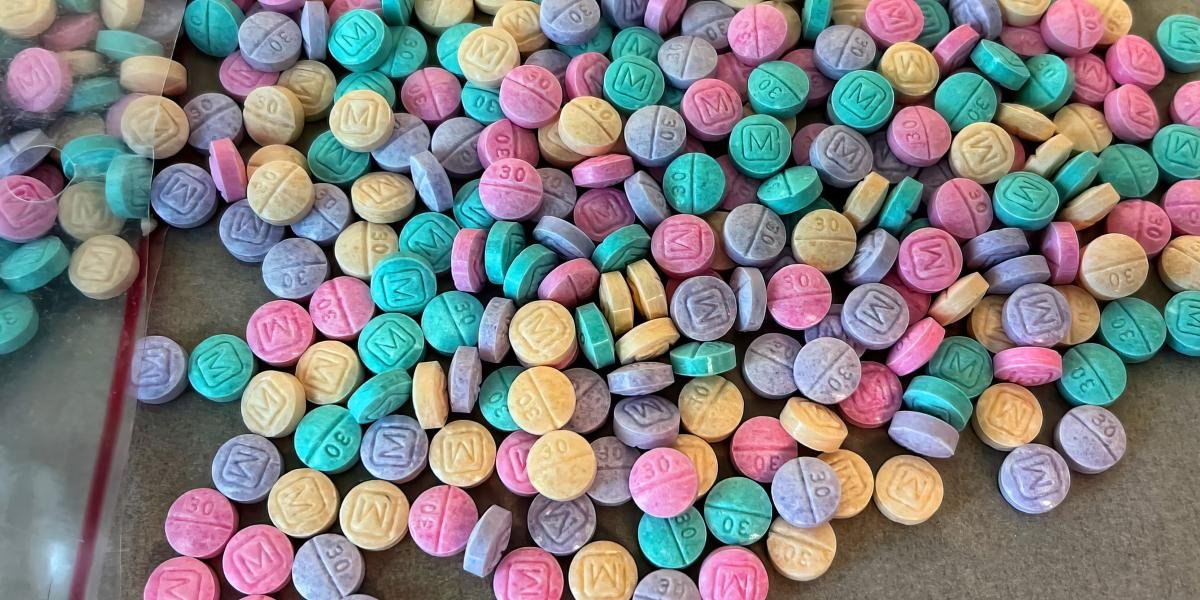
In late August, the U.S. Drug Enforcement Administration (DEA) issued a warning to the public to look out for an “alarming emerging trend”: colorful pill and powder versions of the potent opioid fentanyl, known as “rainbow fentanyl.” “This trend appears to be a new method used by drug cartels to sell highly addictive and potentially deadly fentanyl made to look like candy to children and young people,” the agency said.
While fentanyl does threaten young people’s lives—especially if they’re not aware they’re taking it—some drug experts caution that focusing just on the rainbow version may obscure other equally dangerous types of the drug. Here’s what to know about rainbow fentanyl, and how to protect yourself and your children.
The focus on rainbow fentanyl may be misleading
Illicitly manufactured fentanyl is very dangerous in any color, and some drug experts worry that there’s too much focus on the risks posed by rainbow fentanyl. “Kids are getting pills, and some of them are dying from them. This is absolutely a distraction,” says Dean Shold, co-founder of the non-profit FentCheck, which provides fentanyl test strips and drug education.
Another issue is that the DEA hasn’t revealed evidence that the colors are intended specifically to attract children. Fentanyl has come in colors for years, and some research has found that color is one of the ways drug users identify illicit drugs’ potency. “It’s actually keeping them safe, because they know what they’re getting for each color,” says Jon E. Zibbell, a senior public health analyst at RTI International, a nonprofit research institute promoting science-based solutions for public-health issues.
If a substance is marketed as a prescription pill like oxycodone or Xanax, however, teens and other young people who use drugs may not realize they contain fentanyl, says Dr. Scott E. Hadland, a pediatrician and addiction specialist at Massachusetts General Hospital and Harvard Medical School. The illicit drug supply in the U.S. is very dangerous, in part because substances sold as one drug may contain a mixture of others, including dangerous substances like the animal tranquilizer xylazine and benzodiazepines. This randomness raises the odds of overdose because of the combined effects of drugs, as well as the possibility that a person could consume too strong of an opioid dose.
Hadland worries that multi-colored fentanyl could make it more “interesting or exciting” to young people. But, he says, “fentanyl is already everywhere in the market. I don’t know that this is going to be some new thing that brings in teens to use who had not previously been using.”
Kids are already at risk from fentanyl
Over the last few years, the number of annual overdose deaths among 14- to 18-year-olds in the U.S. has increased, rising from roughly 490 in 2019 to about 950 in 2020, according to an analysis published in JAMA in April. A growing share of teen overdose deaths involve fentanyl; the drug was involved in more than two-thirds of overdose deaths in 2021.
It’s also more common for manufacturers to press fentanyl to look like prescription drugs, says Joseph Palamar, an associate professor at New York University Langone who studies drug-use epidemiology. For instance, many colored fentanyl pills are blue and pressed with the logo M30 to resemble the drug oxycodone. In a study published in Drug and Alcohol Dependence in May, Palamar and colleagues found that the portion of fentanyl seized in pill form rose from 13.8% in 2018 to 29.2% in 2021. “I’d warn [my children] that illegally obtained pills can contain fentanyl, and that exposure to even a small amount can be enough to kill someone,” he says.
How to keep your kids safe
It’s essential to store all drugs where young children can’t reach them, says Palamar. “I’m not sure if manufacturers or dealers intend for these new pills to attract kids, but what worries me is that they can attract kids,” says Palamar. “What worries me is if a kid’s parent, sibling, or friend leaves one of these fentanyl pills around and then someone—a kid or an adult—eats it thinking it’s candy.”
Keeping an open dialogue with teens about the dangers of illicit drugs can help protect them, says Hadland. Teens should know that illegally obtained pills may contain fentanyl, and that even a small amount of fentanyl can be fatal, he says.
Parents should also consider keeping the opioid overdose reversal drug Narcan on hand, which can save someone’s life. “I think of it like a fire extinguisher,” says Hadland. “It’s the thing you always want to have in your home but never want to actually need to use.”
Some teenagers use illicit drugs to cope with addiction or a mental-health disorder, and parents should watch for red flags, says Hadland. For instance, teens often use alcohol, marijuana, or nicotine before turning to riskier drugs; it’s especially concerning, he says, if a teen uses substances frequently. Other warning signs can include struggling in school and changes or deteriorations in their relationships. However, prevention is best, and making sure that children receive support for any mental-health problems is one of the best ways to safeguard against drug use.
“I think conversations often are quite alarmist: ‘Look at this new drug! Imagine if this were to make it into your community!’” says Hadland. “We also need to remember that many of the young people who use these substances are struggling with mental-health problems or addiction that are going completely unaddressed. And we need to make sure we’re providing resources for that.”
Alphabet’s life science offshoot Verily announced it had raised $1 billion in an investment round led by its parent company alongside a shakeup of its executive team.
The company’s founder Andy Conrad will step down as CEO, moving to an executive chairman position on Verily’s board. Current president Stephen Gillett will take the reins in the chief executive role, effective January 2023.
Gillett joined the life science subsidiary from Google two years ago to start up a Cybersecurity Center of Excellence. Later in 2020, he took on the chief operating officer role and then the president title. He was previously cofounder and CEO of Alphabet cybersecurity company Chronicle, which is now part of Google Cloud.
Meanwhile, CFO Deepak Ahuja will leave Verily at the end of the month to join Zipline, a drone delivery company. Verily said he’ll continue to advise the company, but it will immediately begin a search for his replacement.
WHAT THEY DO
Verily was launched out of Alphabet’s research and development arm, then called Google X, in 2015. Its offerings include initiatives like its clinical trial platform Project Baseline, chronic condition management service Onduo, health system analytics tool Verily Value Suite and its Immune Profiler for drug discovery.
Verily plans to use the massive investment to expand its precision healthcare initiatives, including real-world evidence generation and healthcare data platforms. The spinout said it will also consider investing in more strategic partnerships and potential acquisitions.
MARKET SNAPSHOT
The company has already entered into a number of partnerships to develop health tech tools. In July, cardiac remote monitoring company iRhythm Technologies announced it has received another FDA 510(k) clearance for its ZEUS System for monitoring atrial fibrillation patients that was developed in partnership with Verily.
Verily announced its first acquisition, a deal with clinical trial management system developer SignalPath, in August 2021. It’s also invested in a number of digital health and health tech startups, including AI voice tool Syllable, biotech company EQRx and biomanufacturing startup Culture Biosciences.
Google announced several health equity-focused updates to its products Monday, including an addition to Search that provides information about public insurance programs like Medicare and Medicaid.
In a blog post, the tech giant said users will see eligibility requirements and how to enroll when they search for Medicare or Medicaid health plans. People currently covered under Medicaid will also be able to filter nearby providers who accept these plans, alongside a previously added filter for Medicare plans.
“Over the coming weeks, when people search for these programs, they’ll see additional information about eligibility requirements and the enrollment process for your state and the federal government,” Hema Budaraju, senior director of product, health and search social impact, at Google said during the company’s Health Equity Summit. “We believe that this can help people enroll more easily into these programs.”
Additionally, YouTube revealed THE-IQ, a partnership with the Kaiser Family Foundation to help organizations create high-quality informational video content on health topics like mental health, maternal care and access to care.
YouTube and KFF will offer seed funding and video production assistance to The Loveland Foundation, which will create videos on mental health access for Black women and girls; the National Birth Equity Collaborative, which will focus Black maternal healthcare and outcomes; and the Health Equity Leadership and Exchange Network at the Satcher Health Leadership Institute, which will work on the root causes and drivers of health inequities.
“I think particularly in this age, where we’re seeing misinformation so prevalent [and] targeted disinformation efforts that are out there to undermine confidence in science and information. It’s really critical that we amplify credible voices and provide it in ways that people can relate to and connect with,” said Tina Hoff, senior vice president at KFF and executive director of the organization’s Social Impact Media Program.
Google also announced it would expand its health equity research program, first announced last spring as the Fitbit Health Equity Initiative. The expanded program, now called the Google Health Equity Research Initiative, will offer selected researchers at academic institutions and nonprofits in the U.S. access to direct funding, Google Cloud credits, Fitbit devices and analytics platform Fitabase’s services.
THE LARGER TREND
Google has added several updates to Search that aim to provide more information about healthcare services at a glance. In March, the tech giant said it was launching new functionality that gives users a list of available appointments when searching for a specific provider. It also added a tool late last year that helps users find in-network providers.
In the wake of the Dobbs decision that overturned Roe v. Wade, Google made abortion-related changes to its tools as well. Following push from Congressional Democrats, Google said it would clearly label healthcare facilities that provide abortions in Search and Maps to differentiate them from crisis pregnancy centers, which try to dissuade people from seeking abortions and may not offer accurate medical information.
Health misinformation has become a major concern on social media platforms like YouTube. An analysis published earlier this spring in BMJ Global Health found about 11% of YouTube’s most viewed videos on COVID-19 vaccines, accounting for 18 million views, contradicted information from the World Health Organization or the CDC.
YouTube rolled out new guidelines surrounding vaccine misinformation last year, and has been expanding features that identify the source and context behind health videos and provide content from medical sources at the top of results.
“Even if I were pollinated and fully vaccinated, I would admire the unvaccinated for withstanding the greatest pressure I have ever seen, even from partners, parents, children, friends, colleagues and doctors.
People who were capable of such personality, courage and critical ability are undoubtedly the best of humanity. They are everywhere, in all ages, levels of education, states and ideas. They are of a special kind; they are the soldiers that every army of light wants to have in its ranks. They are the parents that every child wants to have and the children that every parent dreams of having.
With their authorization of reformulated COVID mRNA boosters without the standard steps of testing,1 the U.S. Food and Drug Administration and the Centers for Disease Control and Prevention have completely abandoned science. They’re both simply rubber stamping whatever the drug industry wants to do, without any concern for public health whatsoever.
August 31, 2022, the FDA authorized the reformulated shots,2 and they didn’t even allow members of its Vaccines and Related Biological Products Advisory Committee (VRBPAC) to meet, discuss or vote on the matter.
Instead, they pushed the matter before the CDC’s Advisory Committee on Immunization Practices (ACIP). ACIP met for eight hours September 1, 2022, and authorized the untested boosters 13-to-1.3,4 CDC director Rochelle Walensky endorsed the recommendation later that evening. As reported by Yahoo! News:5
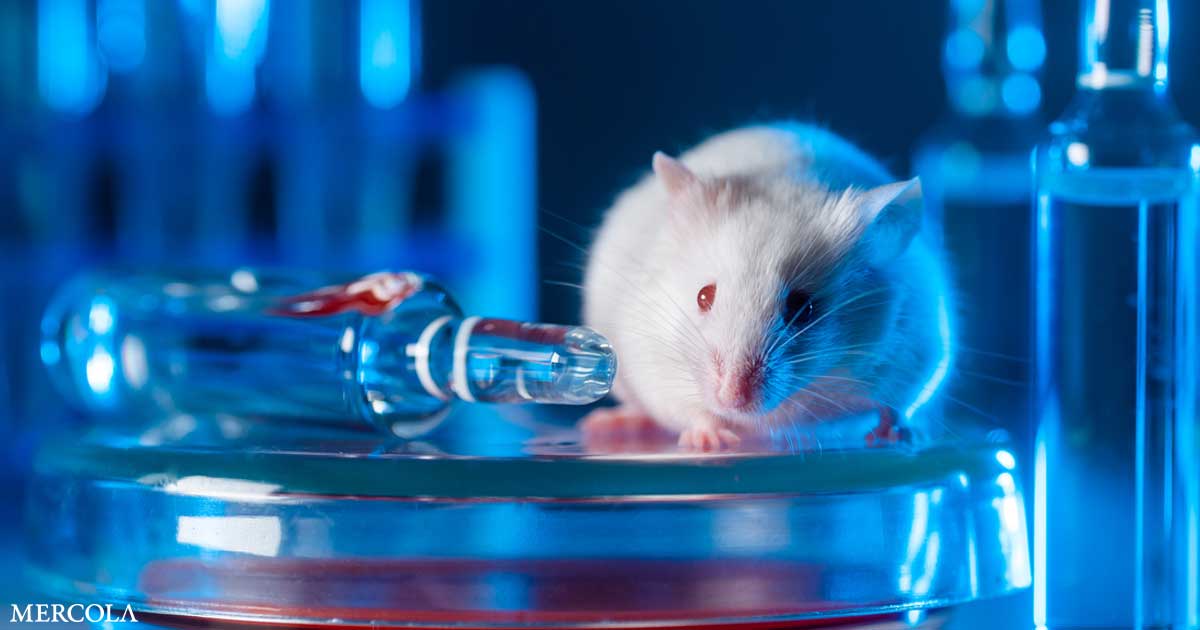
“Because the Biden administration has pushed for a fall booster campaign to begin in September, the mRNA vaccine-makers Pfizer-BioNTech and Moderna have only had time to test the reformulated shots in mice, not people.
That means the Food and Drug Administration is relying on the mice trial data — plus human trial results from a similar vaccine that targets the original omicron strain, called BA.1 — to evaluate the new shots …
That could be a potentially risky bet, experts say, if the shots don’t work as well as hoped … the lack of data in humans means officials likely won’t know how much better the new shots are — if at all — until the fall booster campaign is well underway.
The FDA’s decision to move forward without data from human trials is a gamble, experts say, threatening to further lower public trust in the vaccines should the new boosters not work as intended.”
What You Need to Know About the New Boosters
Pfizer’s new booster is a bivalent injection targeting Omicron subvariants BA.4 and BA.5, which are the two currently in circulation, while Moderna’s shot targets the already extinct Wuhan strain and Omicron subvariant BA.1.6 The bivalent boosters will only be available to those who have already received the primary two-dose series and/or a monovalent booster at least two months ago. Per the FDA:7
“The Moderna COVID-19 Vaccine, Bivalent, is authorized for use as a single booster dose in individuals 18 years of age and older. The Pfizer-BioNTech COVID-19 Vaccine, Bivalent, is authorized for use as a single booster dose in individuals 12 years of age and older …
With today’s authorization, the monovalent mRNA COVID-19 vaccines are not authorized as booster doses for individuals 12 years of age and older … These monovalent vaccines continue to be authorized for use for administration of a primary series for individuals 6 months of age and older …
Individuals 18 years of age and older are eligible for a single booster dose of the Moderna COVID-19 Vaccine, Bivalent if it has been at least two months since they have completed primary vaccination or have received the most recent booster dose with any authorized or approved monovalent COVID-19 vaccine.
Individuals 12 years of age and older are eligible for a single booster dose of the Pfizer-BioNTech COVID-19 Vaccine, Bivalent if it has been at least two months since they have completed primary vaccination or have received the most recent booster dose with any authorized or approved monovalent COVID-19 vaccine.”
No One Can Predict Safety of These Bivalent Boosters
For the record, these bivalent boosters are STILL under emergency use authorization (EUA) only, so manufacturers have no liability for injuries. This despite the fact that we now know that:
a) The lethality of COVID-19 was nowhere near what was initially feared (something Bill Gates is now openly admitting. A clip of him is included in “The Jimmy Dore Show” episode above)
b) The COVID shots increase your risk of COVID and prevent natural immunity from developing when you do get infected
c) The shots impair immune function in general, raising your risk of other infections and chronic diseases
d) We’re not in an emergency; COVID is now endemic and typically presents as a mild cold
e) Since the COVID shots are leaky, i.e., they cannot prevent infection, we cannot vaccinate our way out. As VRBPAC member Dr. Paul Offit recently told Science magazine,8 “Even if 100% of the population were vaccinated and the virus hadn’t evolved at all, [COVID] vaccines would do very little to stop transmission”
f) There are plenty of effective treatments, which by law negates the basis for EUA vaccines
According to the FDA, the reactogenicity profile of the reformulated shot is “overall similar to prototype BNT162b2 vaccine,”9 and based on U.S. Vaccine Adverse Events Reporting System (VAERS) data, that’s hardly comforting.
As of August 26, 2022, VAERS has received 1,394,703 reports of adverse effects following the COVID jab,10 up from 1,390,594 the week before. That includes 134,530 urgent care visits, 175,020 hospitalizations and 30,605 deaths (up from 30,479 deaths as of August 19).
The real-world carnage is far worse than that though. Due to widespread underreporting, you have to multiply those numbers by an underreporting factor of 41 (or more) to get to closer to the true numbers. If you do the math, you will discover that the COVID jabs have been the No. 1 cause of death in the U.S. for the past two years, far exceeding heart attacks and cancers that were unrelated to the jab.
They are the deadliest drugs in medical history, bar none, and now reformulated shots are being green-lighted based on antibody data from mice alone!11,12 As Dore jokingly states, “It’s been tested on mice, now put it in your baby.” What could go wrong?
Mouse Antibody Levels Tell Us Nothing About Effectiveness
Pfizer’s bivalent booster was tested on a total of eight mice, and they only checked antibody levels. Moderna also used mice to ascertain antibody responses, but have not disclosed the number of mice used.13
But while the FDA, CDC, Pfizer, Moderna and the rest of this criminal cabal claim that mouse antibody levels are a testament to effectiveness, that’s simply not so. Your antibody level cannot tell you whether you’re protected against infection, symptomatic illness and serious illness.
This is why antibody testing has been discouraged throughout the pandemic as a means to determine whether the COVID shot is actually protective.14 Making matters even more ridiculous, Pfizer isn’t even releasing what little animal data they do have on this bivalent booster.
As crazy as it is, the FDA and CDC are now treating experimental gene therapy shots like regular flu vaccines.15 The seasonal flu vaccine is updated annually, without ever undergoing any additional safety or even efficacy testing. Efficacy is calculated after the fact. The COVID shots are now going to be updated, indefinitely, using that same process.
The problem is, you simply cannot compare the safety of changing the influenza virus included in the flu vaccine with the modification of mRNA included in a COVID shot, because they’re two very different technologies. The flu vaccine doesn’t program your body’s cells to produce a toxic spike protein.
When you change the mRNA, you change the spike protein produced, and without proper testing, there’s no way of knowing if the Omicron spike proteins will affect human biology the same way as the original spike protein, if they’ll be safer or more dangerous.
The Spike Protein Cover-Up
The CDC has lost all credibility, and no amount of internal reorganization will fix what dishonesty and anti-scientific recommendations have broken. As noted by Center for Food, Power and Life director Jon Sanders in a September 1, 2022, American Institute for Economic Research (AIER) article,16 CDC “facts” have a tendency to not age well these days.
They’re constantly updating their COVID webpages, tweaking verbiage to conform to the current narrative while memory-holing previous statements:
“November 23, 2020, the Centers for Disease Control and Prevention (CDC) published information on something that was on everybody’s mind: vaccines against COVID-19.
In a page titled ‘Understanding mRNA COVID-19 Vaccines,’ the CDC wanted everyone to know what to expect with the coming vaccines, which were being put forth under ‘Emergency Use Authorization’ … the FDA and CDC assured everyone they would be ‘rigorously tested’ and ‘rigorously evaluated for safety.’
Also, since the first vaccines to be rolled out would be messenger RNA (mRNA) vaccines … never before licensed for use in the U.S., the CDC wanted to explain to everyone how they would work. The CDC explained the difference in vaccine types this way:
‘To trigger an immune response, many vaccines put a weakened or inactivated germ into our bodies. Not mRNA vaccines. Instead, they teach our cells how to make a protein — or even just a piece of a protein — that triggers an immune response inside our bodies. That immune response, which produces antibodies, is what protects us from getting infected if the real virus enters our bodies’ …
The CDC also provided ‘A Closer Look at How COVID-19 mRNA Vaccines Work’ to put people’s minds at ease about the new kind of vaccine … From there we learned several things about the mRNA vaccines:
They cause our cells to make … the ‘spike protein’ used by the virus that causes COVID.
This spike protein is harmless (the CDC emphasized that fact with bold text).
The vaccine is injected in the upper arm muscle. Only the upper arm muscle cells … make the harmless spike protein.
An upper arm muscle cell makes only one harmless protein piece, then it breaks down the mRNA ‘instructions’ and gets rid of them.
The muscle cell displays the harmless protein piece.
The immune system recognizes the harmless protein piece is unnatural and builds up antibodies to it.
The immune system is now prepared to fight against an invasion by the real deal sporting that spike protein.”
Cha-Cha-Changes
Since November 2020, this and other CDC webpages covering COVID topics have undergone a large number of stealth revisions. For example, October 1, 2021, the CDC added the following section:
“COVID-19 vaccines are not interchangeable. If you received a Pfizer-BioNTech or Moderna COVID-19 vaccine, you should get the same product for your second shot.”
Between October 18 and October 31, that section first changed to “You should get the same product for your second shot,” and later, “You should get the same product when you need another shot.”
As noted by Sanders, “This was the month in which CDC began to hedge on the total number of shots necessary to be considered ‘fully vaccinated.’” But then, November 3, when the CDC began promoting boosters, it changed the text again, now suddenly claiming that boosters did NOT need to match the product used for the primary series. Where’s the science to back that up?
In late October, the CDC also updated its “How mRNA Vaccines Work” section, adding: “Any temporary discomfort experienced after getting the vaccine is a natural part of the process and an indication that the vaccine is working.” They also changed its “Facts About COVID-19 mRNA Vaccines” sidebar, adding a third fact-heading that stated:
“The mRNA and the spike protein don’t last long in the body. Our cells break down the mRNA and get rid of it within a few days after vaccination. Scientist estimate that the spike protein, like other proteins our bodies create, may stay in the body up to a few weeks.”
Before this, CDC adherents had likely assumed the spike protein vanished as rapidly as the mRNA. Then, in mid-June 2022, another round of revisions was made. Sanders writes, in part:17
“This update made two changes to the ‘How mRNA Vaccines Work’ section. It no longer used bold text to stress that the spike protein is ‘a harmless piece,’ even though it had done that consistently from the very beginning.
A bigger change was made to the ‘Any temporary discomfort’ sentence added in October 2021. Formerly that sentence read (emphasis added): ‘Any temporary discomfort experienced after getting the vaccine is a natural part of the process and an indication that the vaccine is working.’
The new sentence read (emphasis added): ‘Any side effects from getting the vaccine are normal signs the body is building protection.’ Readers were to adjust their expectation of natural/normal. Not ‘temporary discomfort’ but ‘side effects,’ and not a definitive ‘the vaccine is working’ but a more vague ‘the body is building protection.’”
CDC’s Biggest Fact U-Turns to Date
Fast-forward another month, and in mid-July 2022, the CDC was busy revising its COVID pages yet again. Importantly, they completely expunged the “fact” about mRNA and spike protein not lasting long in the body. So, as noted by Sanders:
“Our knowledge of the vaccines from the CDC has undergone great changes since November 2020:
The CDC is no longer so confident that the protein our cells are caused to manufacture by the mRNA vaccines is harmless that they display it in bold text.
The CDC no longer argues that our cells break down the mRNA soon after making the spike protein.
The CDC no longer says the spike protein may stay in the body only for a few weeks.
The constant churn of revisions leaves us with many questions, when the whole point of producing a page entitled ‘Understanding mRNA COVID-19 Vaccines’ was to prevent such a thing. They are, unfortunately, very big questions.
What does it mean if our cells don’t break down the mRNA and remove it soon? What does it mean if the spike protein they produce stays in the body much, much longer than we were originally told? Do they even know how long? What kind of lasting effects can vaccinated people expect? Are those effects exacerbated by boosting and continued boosting?
How prevalent are the effects? Do they differ for different people, and if so, by how much? Are those effects greater for small children? And are those effects at all related to the disturbing rise in non-COVID excess deaths in the U.K., Australia, and the U.S.?”
CDC Asked Facebook to Censor Claims It Has Since Revised
One of the biggest walk-backs among all these revisions is the CDC’s deletion of the claim that the spike protein is harmless and doesn’t last long in your body. A year earlier, in late July 2021, the CDC was in communication with Facebook, giving it talking points with which to debunk and censor claims that spike protein in the COVID shots is dangerous and cytotoxic. In a July 28, 2021, email, a CDC official provided the following counter-narrative:18
“Messenger RNA (mRNA) vaccine are one type of COVID-19 vaccine. Messenger mRNA [sic] vaccines work by teaching our cells to create a harmless spike protein …” (Emphasis in the original.)
The CDC also gave Facebook counter narratives with which to censor and debunk the claim that the shots could cause myocarditis, and that VAERS is a good source for evaluating vaccine adverse effects and related deaths.19
COVID Shot Recommendations Are a Crime in Progress
In the final analysis, what the FDA and CDC have done to the American people is an unspeakable atrocity and an unforgiveable crime. They’ve lied about and obfuscated the facts. They’ve ignored science and tossed the precautionary principle out the window.
They’ve circumvented every possible rule designed to ensure safety. They’ve rewritten both history and the definition of medical terminology. They’ve operated outside the law and violated the Constitution, and to this day, they continue to put people’s health and lives at risk — all so that drug companies can cash in on drugs that don’t work, at least not for more than a few weeks.
Anyone who believes fewer than 10 mice is sufficient to determine safety and efficacy of reformulated mRNA gene therapy does not belong in a public health position and, apparently, that’s all but one person.
It’s truly unbelievable that only one ACIP member objected to this clear and apparent madness, but that’s where we are. If you are eligible for these bivalent boosters, I would suggest you think long and hard before going down that road. Of course if you read this newsletter you likely already do think before you go there. Fortunately an ever-increasing percentage of the population is also following your lead.