Skip to content

Author: books

New mRNA Flu Shots Are Coming

New mRNA Flu Shots Are Coming

[ad_1]

After the remarkable success of the mRNA vaccines in protecting people against COVID-19, scientists are turning their attention next to another annual respiratory scourge: influenza. Both Moderna and Pfizer—makers of the first vaccines to earn U.S. Food and Drug Administration (FDA) approval using the mRNA technology—are studying whether subbing in the influenza virus’ genetic material in that platform will prove equally fruitful.

On Sept. 14, Pfizer announced that the first volunteers had received doses of its mRNA flu shot; the Phase 3 study will involve more than 25,000 adults in the U.S. ages 18 and up who will be randomly assigned to receive either the experimental vaccine or a placebo. In June, Moderna announced its late-stage trial of an mRNA-based influenza vaccine that targets the same flu strains that are expected to circulate this fall and winter. Moderna’s study will involve 6,000 adults in the U.S. and other countries in the southern hemisphere, which experiences its flu season several months before the U.S. Both trials are now at similar stages; neither company has provided a timeline for when they might expect results, and, if those results are positive, when they might submit a request to the FDA for approval.

Public health experts are hoping it won’t be long, however. The advantage of the mRNA platform is that it’s flexible and generalizable. Theoretically, scientists only need to switch out the genetic material, or mRNA sequences, from one virus for another. It’s a matter of figuring out which specific genes will activate the immune system the best—and that’s where researchers have decades of experience with influenza that they didn’t have with SARS-CoV-2.

Read More: mRNA Technology Gave Us the First COVID-19 Vaccines. It Could Also Upend the Drug Industry

Both companies are targeting the four flu strains that the World Health Organization (WHO) identified in February as being most likely to circulate during the 2022-2023 flu season in the northern hemisphere. The early studies from both Pfizer and Moderna showed the mRNA flu vaccine was safe, which led to the ongoing late-stage studies that will focus more specifically on demonstrating whether the shots are effective at protecting people from influenza. Current vaccines, which use decades-old technology that involves growing the influenza virus in chicken eggs, have traditionally been moderately effective. When WHO experts accurately predict and match the vaccine strains to the flu strains that end up circulating, the shots protect people from serious illness 40%-60% of the time. In years when the match isn’t as tight, the shot’s effectiveness goes down to about 20%-30%.

mRNA vaccines should eliminate this mismatch. Because the technology is more flexible, manufacturers can create shots with new genetic sequences in about three months or so. That means that if a bad mismatch occurs during a flu season, scientists could potentially produce a new batch of mRNA flu vaccines targeting the right genetic sequences during the same season. That, in turn, could reduce the hospitalizations and deaths caused by influenza, which still remain relatively high. The virus causes up to 700,000 hospitalizations and 52,000 deaths in the U.S. each year.

While an mRNA flu shot would be a huge advance in vaccine technology, there may be other ways to protect people from respiratory illness with combination shots. In a separate trial, Moderna is also investigating combination vaccines that would immunize people against both SARS-CoV-2 and influenza in a single shot.

More Must-Read Stories From TIME


Contact us at [email protected].

[ad_2]

Source link

5 No-Recipe Recipes for Fall

5 No-Recipe Recipes for Fall

[ad_1]

Five No-Recipe Recipes for Fall

I love this time of year for easy cooking — we still have the last of corn and tomatoes but it comes with the advent of cooler weather, calling for cozy comfort foods. Here are five of my favorite no-recipe recipes for the season…

Polenta with Roast Tomatoes and Vegetables
Polenta is a good thing to remember on those nights when you feel yourself slipping into the I-guess-we’ll-have-pasta-again mode. Once I committed the ratio of liquid to cornmeal to memory (4:1) it became even easier than pasta. Bring your liquid (broth, water, or a combination) to a boil, then add cornmeal in a steady stream, stirring all the while, and lowering heat to a simmer. Stir until polenta is the consistency of cream of wheat and pulls away from the sides, about 12 minutes. Drizzle in cream or add butter and cheese, and top with a little cheese (ricotta or chèvre) and any roast vegetable you’d like. This time of year, I go with tomatoes, mushrooms, and onions. Bonus points for mixing a handful of raw corn kernels into the polenta.

Pizza with Butternut Squash, Arugula & Ricotta
I love this crowdpleaser so much that a version of it was in my first cookbook 10 years ago — and we’ve been making it every fall since. Heat your oven to 475°F. Top a 16-ounce store-bought pizza dough (that’s been stretched on an oil-brushed cookie sheet) with shredded mozzarella, the zest of one lemon, and thinly sliced butternut squash pieces that have been tossed with olive oil, salt and pepper. Bake for about 15 minutes, until crust is golden and cheese is bubbly. Remove from the oven and top with handfuls of arugula, dollops of ricotta, and more salt and pepper.

Quinoa Bowl with Spinach & Egg
I can’t believe how long I’ve been making this dinner, also known in my house as Old Reliable because we literally always have what we need on stand-by (including spinach in the freezer). Make quinoa according to package directions, and while it cooks, sauté spinach (a lot of it, remember how much it shrinks) in a little olive oil with garlic, and prep four of any kind of egg you’d like. Divide the quinoa between four bowls and top with spinach, egg, a drizzle of soy sauce, and minced scallions.

Salt and Pepper Eggplant
This is a Hetty McKinnon special I make all the time — a variation on classic salt-and-pepper tofu that appears in her indispensable book To Asia, With Love. Marinate eggplant slices in soy sauce for 10-20 minutes, then dredge in cornstarch, fry in a neutral oil (like vegetable, canola, or grapeseed), and remove to a paper towel to drain. Season with a dusting of Chinese five-spice, kosher salt, and freshly ground black pepper; and serve the eggplant with rice, minced scallions, and chiles. OMG I need to make this tonight.

Pan-Fried Chicken Thighs with Mushrooms
I swear by this high-heat method of cooking chicken that I learned from Bon Appetit more than a decade ago — first, because the chicken comes out delicious, but also because it’s so hands-off. Preheat oven to 475°. Season 1 1/2 pounds boneless chicken thighs with salt, pepper, and about 1 tablespoon paprika. Place a skillet over high heat, add about 2 tablespoons olive oil, then place chicken, skin side down, and cook 2 minutes. Reduce heat to medium-high and cook another 10 or so minutes not flipping, until skin is golden brown. Flip chicken, then gently toss in 1 cup mushrooms and a roughly chopped yellow onion so they are coated in oil, and transfer the skillet to oven. Cook another another 15-17 minutes, until chicken is cooked through. Let rest a few minutes, then top with fresh thyme leaves and more salt and pepper. Serve with a green salad.

P.S. Cinnamon-apple muffins and five things to do with fresh corn and tomatoes while you can still find them!

[ad_2]

Source link

Benefits, Tips To Use, Constituents, and Side Effects

Benefits, Tips To Use, Constituents, and Side Effects

[ad_1]

The skin is the body’s primary line of defense. According to Ayurveda, good skin is an excellent indicator of overall health and well-being. Skincare necessitates some effort. The skin requires the same care and attention as the rest of our functional bodily parts. People use cosmetics to make their skin look younger and more beautiful. Most cosmetic products contain harmful chemicals and preservatives that cause side effects on the skin. Kumkumadi Tailam, also known as Kumkumadi oil, is a magical ayurvedic combination of herbs used to improve skin health and treat many skin conditions. This oil, which functions as a moisturizer, is great for those with dry, flaky skin but works well on all skin types. Let’s look at some additional reasons why you should use Kumkumadi oil for its severe health benefits.

What is Kumkumadi Oil?

Kumkumadi oil or Kumkumadi Tailam or saffron oil is an Ayurvedic formulation used for maintaining healthy skin. It comprises flower, fruit, plant, and milk extracts. The oil is made of 100% natural ingredients and is safe on the skin. 

  • It is a cosmetic product suitable for dry and sensitive skin. 
  • It is a miraculous elixir as it is believed to make your skin sparkle like gold when applied consistently. 
  • Kumkumadi oil benefits the skin greatly by treating skin infections like hyperpigmentation, allergy, and eczema and reducing signs of aging like dark spots, wrinkles, dark circles, etc. 
  • This oil is well-known for its ability to rejuvenate and replenish skin cells, illuminate the skin, and provide a youthful and healthy appearance.

Constituents of Kumkumadi Oil –

The ancient Kumkumadi oil is made of 20 to 26 constituents, all of which serve to improve the skin. Some of its constituents are: 

  • Saffron pollens (Kesar)
  • Red sandalwood (all Chandan) 
  • Manjistha, licorice (Mulethi)
  • Turmeric
  • Indian banyan 
  • Java fig
  • Indian lotus (Padmaka)
  • lac (Laksha)
  • Mahua
  • Pattanga
  • Agnimantha
  • bael
  • Gambhari 
  • Prishnaparni
  • Kantakari 
  • Brihati
  • Sesame oil 
  • Goat milk
  • rose water

How to use Kumkumadi oil?

To yield the benefits of Kumkumadi oil, follow the following steps:

  1. Wash your face thoroughly with soapy water.
  2. Pour a few drops of the oil onto your skin and massage it into your face.
  3. Allow the oil to sit overnight or for at least 2-3 hours before washing it off for best results.

Also, Read Milk of Magnesia Uses, Health Benefits, Side Effects, Dosage & Warnings.

8 Kumkumadi oil benefits that will surprise you – 

Kumkumadi oil has excellent medicinal and therapeutic properties. Kumkumadi oil benefits us in many ways. Some of the Kumkumadi oil benefits are listed below. 

Skin Brightening: 

Kumkumadi Tailam is recognized for its skin brightening benefits because it is loaded with the goodness of sandalwood, saffron, and licorice, which helps to lighten the complexion. 

  1. This oil’s antioxidant and antibacterial characteristics aid in blood circulation and the rejuvenation of skin cells. 
  2. Regular use of this oil in your beauty routine can help reduce sun tan and provide a healthy, natural glow from within. 

For ideal results, apply Kumkumadi oil regularly by following this regimen. Take a cotton ball and apply equal parts of Kumkumadi and almond oil. Allow it to sit on your skin overnight. Follow this skincare beauty routine before bedtime to enhance your complexion and reduce blemishes.

Averts Acne and Pimples: 

Acne is a common skincare condition everyone has dealt with at some point in their lives. Kumkumadi oil is rich in antioxidants and has anti-inflammatory and antibacterial qualities. 

  1. This is particularly effective for treating skin infections such as acne and pimples. 
  2. It also protects the sebaceous glands from infection, reducing redness and pain at the location of acne. 
  3. The oil is a gentle cleanser, cleaning the skin pores by eliminating dead skin cells, dirt, and grime particles. 
  4. You can combine Shankha Bhashma and Kumkumadi oil to treat pimples and acne. Shankha Bhishma is a calcium-containing Ayurvedic medicine used to soothe the stomach and boost digestion. 

Make a mixture of a teaspoon of Shankha Bhashma and a drop of Kumkumadi Tailam. Apply this paste to the areas affected by acne and pimples. When applied regularly, this mixture cures and prevents acne growth while cooling the skin.

Lessons Scars: 

Acne and pimples leave behind visible scars. The truth is, these scars are difficult to get rid of. The oil penetrates deeply into the skin cells and lightens scars. Kumkumadi oil is enriched with the medicinal properties of kumkum and Haldi. They not only help in healing scars but also prevent the formation of new scars. Even in the later phases, using this oil in conjunction with tea tree oil successfully minimizes and lightens scars.

Treats Hyperpigmentation: 

It inhibits melanin production in the skin, which lightens the skin and eliminates dark areas and imperfections. As Kumkumadi oil is rich in antioxidants, it regulates the epidermal inflammatory response of the skin. This, in turn, promotes arachidonic acid oxidation and the release of leukotrienes, prostaglandins, and other mediators. Kumkumadi oil interrupts the chain of these chemical reactions by decreasing inflammation and acting as an antioxidant.

Moisturizes the Skin: 

Kumkumadi oil possesses moisturizing characteristics, which are perfect for dealing with dry skin. It softens the driest skin and makes it plump and silky. Regular usage gives you a natural glowing look.

Sunscreen Properties: 

Several studies have concluded that the saffron pollens of Kumkumadi oil serve as a natural sun protectant and provide SPF 30 protection. Natural herbs, floral extracts, and essential oils like saffron oil, sesame oil, almond oil, rose oil, sandalwood, lotus extracts, turmeric extracts, vetiver, and Manjistha protect the skin from harmful UV-A and UV-B rays of the sun. It prevents free radical damage to the skin, reduces tanning, and reduces signs of premature aging.

Heals Wounds: 

Kumkumadi oil has antibacterial, antiseptic, antifungal, and disinfectant properties. Due to the antifungal properties of lac (Laksha), the oil efficiently heals wounds and prevents skin infections. The relaxing properties of its floral extracts alleviate rash, itching, and burning sensations.

Anti-aging: 

Kumkumadi oil helps to balance out skin tone and prevents discoloration. As time progresses, the skin becomes full of spots, blemishes, and dark circles, which make it appear dull and old. Blemishes are caused by hormonal imbalances caused by exposure to sun and pollution, poor diet, and aging. The botanical components of the Kumkumadi oil, like sandalwood, saffron, licorice, and turmeric, are useful in enhancing skin health. It is essential for whitening the skin around the eyes, eliminating dark circles, reducing scars, controlling hyperpigmentation, etc. 

Also, Read about Figaro Olive Oil uses for baby and its Health Benefits.

Side Effects of Kumkumadi Oil –

  • This herbal oil has no negative side effects as it is made from 100% natural products. 
  • It can be used during breastfeeding and pregnancy as well. 

Conclusion – 

With changing times and lifestyles, Indians are moving away from their roots. We are shifting toward western culture and adopting allopathic medicinal systems. Given the low success rate and massive side effects of the hazardous chemicals used in allopathy, it is critical to educate young people so that we can transition to our Ayurvedic system of care.

Kumkumadi oil is an ancient Ayurvedic medication. It is free from any side effects as it is made from all-natural ingredients like saffron, licorice, bael, turmeric, Indian banyan, sesame oil, red sandalwood, Indian lotus, etc. All genders and all age groups can use it. Kumkumadi oil benefits skin health greatly. It enhances skin tone, reduces acne and pimples, minimizes signs of aging, and controls hyperpigmentation. 

FAQs –

What is Kumkumadi oil made of?

The Kumkumadi oil is made of 20 to 26 natural ingredients like saffron pollens, red sandalwood, Mahua, Manjistha, licorice, bael, turmeric, Indian banyan, Kantakari, java fig, Brihati, Indian lotus, lac, Pattanga, Agnimantha, Gambhari, Prishnaparni, sesame oil, goat milk, rose water, etc.

What is the primary benefit of Kumkumadi oil?

Kumkumadi oil benefits the skin. It averts acne and pimples, reduces hyperpigmentation, heals wounds, reduces signs of aging, protects from harmful sun UV rays, and moisturizes and brightens the skin. 

What are the side effects of Kumkumadi Tailam?

The Kumkumadi Tailam has no negative side effects as it is made from 100% natural ingredients.

Can Kumkumadi Tailam use by pregnant and breastfeeding women?

Pregnant and breastfeeding women can use it as it is a natural Ayurvedic product.

[ad_2]

Source link

Listeria symptoms and risks while pregnant

Listeria symptoms and risks while pregnant

[ad_1]

It seems like it pops up in the news at least once or twice a year: a listeria outbreak. For a few days, maybe a week, we’re checking the ice cream in our freezer or the prewashed spinach in our fridge to make sure it hasn’t been recalled. The news gives us a list of contaminated foods to watch out for and warns us to be careful of listeria infection, but what is listeria, exactly? Where does listeria come from? What causes it? And how worried should we be about catching listeria?

Once associated mostly with deli meat, in recent years, listeria has been found in frozen foods like ice cream, prepackaged salads, and even fully cooked chicken. Listeria is a rare but potentially deadly foodborne illness that impacts about 1,600 people every year, according to the Centers for Disease Control and Prevention (CDC).

Read on to learn more about listeria, including its impact on pregnant moms and their unborn babies, so that you can be confident in your knowledge of this rare but serious disease.

What is listeria?

Listeria is an informal name for the bacteria that causes listeria infection, also known as listeriosis (a kind of food poisoning). Listeriosis is caused by a type of bacteria called Listeria monocytogenes. These bacteria are found in soil and water, making it very easy for plants to be contaminated with it and for animals to carry it. Because of this, listeria bacteria can infect almost all the foods we eat.

Unlike a lot of other foodborne pathogens, which prefer heat and light, Listeria monocytogenes bacteria thrive in cool, dark environments. This makes it easier for the bacteria to survive the journey from their native soil to machines and equipment in facilities that process the foods that end up on our grocery store shelves.

Even if we bring home foods contaminated with listeria, it’s possible to avoid becoming ill with it by using simple precautions such as washing fruits and vegetables, heating meats and avoiding cross-contamination. This can also help prevent listeria from being spread in restaurants.

What are the signs of listeriosis?

Listeriosis can look and feel a lot like any other type of food poisoning, but it’s important to note it can be a lot more serious if left untreated. Symptoms may start within a few days or take as long as two to three months to fully develop. Listeria infection symptoms include:

  • Fever, including chills
  • Muscle aches – you might feel as if you’ve suddenly come down with the flu or participated in a high-impact workout the day before
  • Diarrhea or upset stomach similar to what you’d experience with any other kind of bad food encounter

In rare cases, the infection can spread to the nervous system. When this happens, it’s called listeria meningitis. With this kind of listeria infection, symptoms may include:

  • Headache consistent with a dull, achy feeling more than a sharp or pounding feeling
  • Stiff neck, as if you’ve gotten whiplash
  • Confusion and disorientation
  • Loss of balance and feelings of dizziness or vertigo
  • Seizures

The length of time listeriosis symptoms last depends upon several factors. It is often the case that people can get better on their own without other interventions. For more at-risk groups, if it’s detected and treated early, antibiotics can resolve the infection within a week or two. If left untreated among high-risk populations, it can get much worse and, in rare cases, lead to serious health conditions such as miscarriages or stillbirths during pregnancy, or even death.

How do you get listeria?

Where does listeria come from? Listeria causes are usually easy to determine – contaminated food and water. The CDC works hard to identify the source of the outbreak and get the outbreak under control, but it’s rarely an easy case to solve quickly. When people, particularly those at higher risk, come in contact with listeria, they may become ill. Nearly always, this means eating or drinking something that contains the bacteria. So, when you suspect listeria, look first to your food.

Is listeria contagious?

Listeria bacteria is spread by contaminated food and water. It is not contagious from person to person, however extra caution should always be taken among those who are infected. Wash your hands as you would regularly after using the bathroom, and before and after preparing and eating food to prevent a listeria infection.

Who is at risk for listeriosis?

Yes, listeria infection can be deadly, but it’s important to remember that for most people it’s not as scary as it might seem. Like many other diseases, it’s only life threatening for select populations who are already at risk. Some of the more vulnerable groups for listeriosis include:

  • People who are pregnant: When you’re pregnant, you may not suffer a great deal from listeria, but an infection can lead to serious pregnancy complications like miscarriage.
  • People living with HIV or AIDS: This is another group whose immune system isn’t as robust as the average population, so it’s important for these individuals to reduce risk of contact with listeria.
  • People undergoing chemotherapy: Chemo takes its toll on your immune system as well, so it’s also important to reduce risk of contact with listeria if you’re undergoing chemotherapy.
  • The elderly: Senior citizens may have weakened immune systems that can make them susceptible to more severe cases of listeria.

As you may be able to tell, weakened immune systems are the common denominator in the populations that should reduce their risk of exposure to listeria. Regardless of your risk status, it’s wise to be careful when handling food – and always remember to wash your hands.

Foods at high risk for carrying listeria

Listeria is a bacteria that can be found in many types of food. Even though the sources are seemingly endless, there are a few reliable culprits that are typically the cause of listeria outbreaks here in the United States.

Dairy foods, especially raw or unpasteurized dairy, can be particularly risky for listeria. Some of the repeat offenders include:

  • Soft cheeses like feta, brie and bleu cheese
  • Raw cheese, including some goat and sheep cheeses
  • Unpasteurized (raw) milk
  • Ice cream, particularly soft serve

Meats and fish have been known to carry listeria, even fully cooked chicken. The main ones to watch out for are:

  • Hot dogs
  • Sliced deli meats
  • Meat spreads
  • Smoked seafood

Vegetables and fruits can be carriers as well. Any unwashed fruits or vegetables can be dangerous, and in recent years, alfalfa sprouts have been connected with listeria outbreaks.

Does this mean that you can never sit down to a wheel of brie again? Never again enjoy the taste of a chili dog at a sports game? Is lox lost to you forever? Can this be happening?

The good news is that you don’t necessarily need to give up the foods you love. Just be aware of the risks and talk about your concerns with your care team. If you’re immunocompromised, consider cutting back until your conditions improve or eat these items in moderation. Like most diseases, the sooner it’s caught, the better the outcomes. So be aware and be careful.

Listeria in pregnancy

A pregnant woman browses the aisles at the grocery store with her cart full of lettuce, bananas, bread, and milk.All that said, pregnancy is one condition in which your health care team may recommend that you skip the soft cheeses and other listeria-susceptible foods entirely. Believe us, we understand how hard it is. Hearing, Eat this, don’t eat that. It can be overwhelming.

You’ve probably heard, “No soft cheeses.” And the reason behind that is: Listeria. Although the risk is low, listeria can cause big complications during pregnancy.

What happens if you get listeriosis while pregnant?

It’s generally not a big deal for your personal health if you get a listeria infection while pregnant. In fact, you may not even know you have it. But if you do get listeriosis while pregnant, it can pass from you to your baby through the placenta and possibly cause serious health complications.

The biggest listeria risk is in the first trimester, when your baby is the most vulnerable. But seemingly healthy babies born with listeriosis can still suffer serious health complications.

What are the chances of getting a listeria infection while pregnant?

Researchers don’t have a lot of hard facts on listeria and pregnancy, but the medical community does know that people are up to 10 times more likely to get listeriosis during pregnancy than people who aren’t pregnant. Unfortunately, not enough is known about listeria transmission during pregnancy. We don’t know the frequency that listeria passes to an unborn child during pregnancy, nor do we know what percentage of those unborn children have serious health outcomes.

But we do know that early intervention can reduce the risk of listeria-related complications. So if you’re pregnant, it’s a good idea to get tested if you have symptoms of listeriosis. If you’re infected, you can have your baby tested and start antibiotics right away.

How to avoid getting a listeria infection when pregnant

Because there are so many unknowns about listeria, doctors must recommend erring on the side of caution during pregnancy. If you’re pregnant, you’re advised to avoid the most common foods associated with listeria, namely:

  • Soft or unpasteurized cheeses
  • Unpasteurized milk
  • Sushi and other raw fish
  • Meat spreads and pates
  • Refrigerated smoked seafood
  • Store-made salads
  • Deli meats, unheated hot dogs

Note that there are exceptions to deli meats. If they’re heated to “steaming hot,” it’s generally safe to enjoy that sandwich. Likewise, well-grilled hot dogs are safe to eat. Just be careful with the juice from the packages.

How to test for listeria

Testing for listeria is usually done with a simple blood test. During pregnancy, ultrasounds may be used to detect symptoms of listeriosis in the baby.

Listeria treatment

Healthy people who contract listeriosis generally won’t require special treatment. Symptoms may last a few days and the disease will pass. Be sure to drink plenty of water and give your body rest to recover. Ibuprofen or other over-the-counter pain medication can be used for aches and stiffness, but nothing else should be needed.

However, if your symptoms seem to be worsening rather than improving after a few days, contact a doctor or call our nurse line for advice on next steps.

For at-risk groups, particularly pregnant women, the treatment for listeria is antibiotics. It’s essential to seek treatment as soon as possible for the best recovery outcomes.

How you can prevent listeria

Listeria can tolerate the cold, but it hates heat. And like most bacteria, it really doesn’t like soap and other disinfectants. If you practice safe food prep and regular handwashing, you’re well on your way to preventing listeria. Additional tips to help prevent listeriosis and other foodborne illnesses include:

  • Cook food thoroughly, especially meat
  • Wash fruits and vegetables
  • Keep uncooked meats separate from other ingredients
  • Use pasteurized milk and dairy
  • Wash your hands
  • Don’t reuse knives or utensils that you used for uncooked meat
  • Clean up spills right away
  • Clean your refrigerator regularly and make sure it’s kept at 40 degrees Fahrenheit or lower

Additionally, take news reports about outbreaks seriously. Make sure you throw out any products that have been recalled. Don’t take unnecessary chances and be sure to alert friends and loved ones in high-risk groups about recalls as well.

What to do if you think you have listeria

If you or someone you care for is experiencing any of the symptoms mentioned above, especially if you’re pregnant, contact your doctor right away. It’s always better to be safe.

People who are at particular risk should be especially vigilant for symptoms. If you suspect you were exposed to listeria and are having symptoms, call our care line or come into urgent care. Listeriosis is easily treated with supportive care, and in some cases antibiotics, but the best health outcomes happen when it’s addressed quickly, so don’t hesitate to seek care.

[ad_2]

Source link

What Makes Brain Fog So Unforgiving

What Makes Brain Fog So Unforgiving

[ad_1]

On March 25, 2020, Hannah Davis was texting with two friends when she realized that she couldn’t understand one of their messages. In hindsight, that was the first sign that she had COVID-19. It was also her first experience with the phenomenon known as “brain fog,” and the moment when her old life contracted into her current one. She once worked in artificial intelligence and analyzed complex systems without hesitation, but now “runs into a mental wall” when faced with tasks as simple as filling out forms. Her memory, once vivid, feels frayed and fleeting. Former mundanities—buying food, making meals, cleaning up—can be agonizingly difficult. Her inner world—what she calls “the extras of thinking, like daydreaming, making plans, imagining”—is gone. The fog “is so encompassing,” she told me, “it affects every area of my life.” For more than 900 days, while other long-COVID symptoms have waxed and waned, her brain fog has never really lifted.

Of long COVID’s many possible symptoms, brain fog “is by far one of the most disabling and destructive,” Emma Ladds, a primary-care specialist from the University of Oxford, told me. It’s also among the most misunderstood. It wasn’t even included in the list of possible COVID symptoms when the coronavirus pandemic first began. But 20 to 30 percent of patients report brain fog three months after their initial infection, as do 65 to 85 percent of the long-haulers who stay sick for much longer. It can afflict people who were never ill enough to need a ventilator—or any hospital care. And it can affect young people in the prime of their mental lives.

Long-haulers with brain fog say that it’s like none of the things that people—including many medical professionals—jeeringly compare it to. It is more profound than the clouded thinking that accompanies hangovers, stress, or fatigue. For Davis, it has been distinct from and worse than her experience with ADHD. It is not psychosomatic, and involves real changes to the structure and chemistry of the brain. It is not a mood disorder: “If anyone is saying that this is due to depression and anxiety, they have no basis for that, and data suggest it might be the other direction,” Joanna Hellmuth, a neurologist at UC San Francisco, told me.

And despite its nebulous name, brain fog is not an umbrella term for every possible mental problem. At its core, Hellmuth said, it is almost always a disorder of “executive function”—the set of mental abilities that includes focusing attention, holding information in mind, and blocking out distractions. These skills are so foundational that when they crumble, much of a person’s cognitive edifice collapses. Anything involving concentration, multitasking, and planning—that is, almost everything important—becomes absurdly arduous. “It raises what are unconscious processes for healthy people to the level of conscious decision making,” Fiona Robertson, a writer based in Aberdeen, Scotland, told me.

For example, Robertson’s brain often loses focus mid-sentence, leading to what she jokingly calls “so-yeah syndrome”: “I forget what I’m saying, tail off, and go, ‘So, yeah …’” she said. Brain fog stopped Kristen Tjaden from driving, because she’d forget her destination en route. For more than a year, she couldn’t read, either, because making sense of a series of words had become too difficult. Angela Meriquez Vázquez told me it once took her two hours to schedule a meeting over email: She’d check her calendar, but the information would slip in the second it took to bring up her inbox. At her worst, she couldn’t unload a dishwasher, because identifying an object, remembering where it should go, and putting it there was too complicated.

Memory suffers, too, but in a different way from degenerative conditions like Alzheimer’s. The memories are there, but with executive function malfunctioning, the brain neither chooses the important things to store nor retrieves that information efficiently. Davis, who is part of the Patient-Led Research Collaborative, can remember facts from scientific papers, but not events. When she thinks of her loved ones, or her old life, they feel distant. “Moments that affected me don’t feel like they’re part of me anymore,” she said. “It feels like I am a void and I’m living in a void.”

Most people with brain fog are not so severely affected, and gradually improve with time. But even when people recover enough to work, they can struggle with minds that are less nimble than before. “We’re used to driving a sports car, and now we are left with a jalopy,” Vázquez said. In some professions, a jalopy won’t cut it. “I’ve had surgeons who can’t go back to surgery, because they need their executive function,” Monica Verduzco-Gutierrez, a rehabilitation specialist at UT Health San Antonio, told me.

Robertson, meanwhile, was studying theoretical physics in college when she first got sick, and her fog occluded a career path that was once brightly lit. “I used to sparkle, like I could pull these things together and start to see how the universe works,” she told me. “I’ve never been able to access that sensation again, and I miss it, every day, like an ache.” That loss of identity was as disruptive as the physical aspects of the disease, which “I always thought I could deal with … if I could just think properly,” Robertson said. “This is the thing that’s destabilized me most.”


Robertson predicted that the pandemic would trigger a wave of cognitive impairment in March 2020. Her brain fog began two decades earlier, likely with a different viral illness, but she developed the same executive-function impairments that long-haulers experience, which then worsened when she got COVID last year. That specific constellation of problems also befalls many people living with HIV, epileptics after seizures, cancer patients experiencing so-called chemo brain, and people with several complex chronic illnesses such as fibromyalgia. It’s part of the diagnostic criteria for myalgic encephalomyelitis, also known as chronic fatigue syndrome, or ME/CFS—a condition that Davis and many other long-haulers now have. Brain fog existed well before COVID, affecting many people whose conditions were stigmatized, dismissed, or neglected. “For all of those years, people just treated it like it’s not worth researching,” Robertson told me. “So many of us were told, Oh, it’s just a bit of a depression.

Several clinicians I spoke with argued that the term brain fog makes the condition sound like a temporary inconvenience and deprives patients of the legitimacy that more medicalized language like cognitive impairment would bestow. But Aparna Nair, a historian of disability at the University of Oklahoma, noted that disability communities have used the term for decades, and there are many other reasons behind brain fog’s dismissal beyond terminology. (A surfeit of syllables didn’t stop fibromyalgia and myalgic encephalomyelitis from being trivialized.)

For example, Hellmuth noted that in her field of cognitive neurology, “virtually all the infrastructure and teaching” centers on degenerative diseases like Alzheimer’s, in which rogue proteins afflict elderly brains. Few researchers know that viruses can cause cognitive disorders in younger people, so few study their effects. “As a result, no one learns about it in medical school,” Hellmuth said. And because “there’s not a lot of humility in medicine, people end up blaming patients instead of looking for answers,” she said.

People with brain fog also excel at hiding it: None of the long-haulers I’ve interviewed sounded cognitively impaired. But at times when her speech is obviously sluggish, “nobody except my husband and mother see me,” Robertson said. The stigma that long-haulers experience also motivates them to present as normal in social situations or doctor appointments, which compounds the mistaken sense that they’re less impaired than they claim—and can be debilitatingly draining. “They’ll do what is asked of them when you’re testing them, and your results will say they were normal,” David Putrino, who leads a long-COVID rehabilitation clinic at Mount Sinai, told me. “It’s only if you check in on them two days later that you’ll see you’ve wrecked them for a week.”

“We also don’t have the right tools for measuring brain fog,” Putrino said. Doctors often use the Montreal Cognitive Assessment, which was designed to uncover extreme mental problems in elderly people with dementia, and “isn’t validated for anyone under age 55,” Hellmuth told me. Even a person with severe brain fog can ace it. More sophisticated tests exist, but they still compare people with the population average rather than their previous baseline. “A high-functioning person with a decline in their abilities who falls within the normal range is told they don’t have a problem,” Hellmuth said.

This pattern exists for many long-COVID symptoms: Doctors order inappropriate or overly simplistic tests, whose negative results are used to discredit patients’ genuine symptoms. It doesn’t help that brain fog (and long COVID more generally) disproportionately affects women, who have a long history of being labeled as emotional or hysterical by the medical establishment. But every patient with brain fog “tells me the exact same story of executive-function symptoms,” Hellmuth said. “If people were making this up, the clinical narrative wouldn’t be the same.”


Earlier this year, a team of British researchers rendered the invisible nature of brain fog in the stark black-and-white imagery of MRI scans. Gwenaëlle Douaud at the University of Oxford and her colleagues analyzed data from the UK Biobank study, which had regularly scanned the brains of hundreds of volunteers for years prior to the pandemic. When some of those volunteers caught COVID, the team could compare their after scans to the before ones. They found that even mild infections can slightly shrink the brain and reduce the thickness of its neuron-rich gray matter. At their worst, these changes were comparable to a decade of aging. They were especially pronounced in areas such as the parahippocampal gyrus, which is important for encoding and retrieving memories, and the orbitofrontal cortex, which is important for executive function. They were still apparent in people who hadn’t been hospitalized. And they were accompanied by cognitive problems.

Although SARS-CoV-2, the coronavirus that causes COVID, can enter and infect the central nervous system, it doesn’t do so efficiently, persistently, or frequently, Michelle Monje, a neuro-oncologist at Stanford, told me. Instead, she thinks that in most cases the virus harms the brain without directly infecting it. She and her colleagues recently showed that when mice experience mild bouts of COVID, inflammatory chemicals can travel from the lungs to the brain, where they disrupt cells called microglia. Normally, microglia act as groundskeepers, supporting neurons by pruning unnecessary connections and cleaning unwanted debris. When inflamed, their efforts become overenthusiastic and destructive. In their presence, the hippocampus—a region crucial for memory—produces fewer fresh neurons, while many existing neurons lose their insulating coats, so electric signals now course along these cells more slowly. These are the same changes that Monje sees in cancer patients with “chemo fog.” And although she and her team did their COVID experiments in mice, they found high levels of the same inflammatory chemicals in long-haulers with brain fog.

Monje suspects that neuro-inflammation is “probably the most common way” that COVID results in brain fog, but that there are likely many such routes. COVID could possibly trigger autoimmune problems in which the immune system mistakenly attacks the nervous system, or reactivate dormant viruses such as Epstein-Barr virus, which has been linked to conditions including ME/CFS and multiple sclerosis. By damaging blood vessels and filling them with small clots, COVID also throttles the brain’s blood supply, depriving this most energetically demanding of organs of oxygen and fuel. This oxygen shortfall isn’t stark enough to kill neurons or send people to an ICU, but “the brain isn’t getting what it needs to fire on all cylinders,” Putrino told me. (The severe oxygen deprivation that forces some people with COVID into critical care causes different cognitive problems than what most long-haulers experience.)

None of these explanations is set in stone, but they can collectively make sense of brain fog’s features. A lack of oxygen would affect sophisticated and energy-dependent cognitive tasks first, which explains why executive function and language “are the first ones to go,” Putrino said. Without insulating coats, neurons work more slowly, which explains why many long-haulers feel that their processing speed is shot: “You’re losing the thing that facilitates fast neural connection between brain regions,” Monje said. These problems can be exacerbated or mitigated by factors such as sleep and rest, which explains why many people with brain fog have good days and bad days. And although other respiratory viruses can wreak inflammatory havoc on the brain, SARS-CoV-2 does so more potently than, say, influenza, which explains both why people such as Robertson developed brain fog long before the current pandemic and why the symptom is especially prominent among COVID long-haulers.

Perhaps the most important implication of this emerging science is that brain fog is “potentially reversible,” Monje said. If the symptom was the work of a persistent brain infection, or the mass death of neurons following severe oxygen starvation, it would be hard to undo. But neuroinflammation isn’t destiny. Cancer researchers, for example, have developed drugs that can calm berserk microglia in mice and restore their cognitive abilities; some are being tested in early clinical trials. “I’m hopeful that we’ll find the same to be true in COVID,” she said.


Biomedical advances might take years to arrive, but long-haulers need help with brain fog now. Absent cures, most approaches to treatment are about helping people manage their symptoms. Sounder sleep, healthy eating, and other generic lifestyle changes can make the condition more tolerable. Breathing and relaxation techniques can help people through bad flare-ups; speech therapy can help those with problems finding words. Some over-the-counter medications such as antihistamines can ease inflammatory symptoms, while stimulants can boost lagging concentration.

“Some people spontaneously recover back to baseline,” Hellmuth told me, “but two and a half years on, a lot of patients I see are no better.” And between these extremes lies perhaps the largest group of long-haulers—those whose brain fog has improved but not vanished, and who can “maintain a relatively normal life, but only after making serious accommodations,” Putrino said. Long recovery periods and a slew of lifehacks make regular living possible, but more slowly and at higher cost.

Kristen Tjaden can read again, albeit for short bursts followed by long rests, but hasn’t returned to work. Angela Meriquez Vázquez can work but can’t multitask or process meetings in real time. Julia Moore Vogel, who helps lead a large biomedical research program, can muster enough executive function for her job, but “almost everything else in my life I’ve cut out to make room for that,” she told me. “I only leave the house or socialize once a week.” And she rarely talks about these problems openly because “in my field, your brain is your currency,” she said. “I know my value in many people’s eyes will be diminished by knowing that I have these cognitive challenges.”

Patients struggle to make peace with how much they’ve changed and the stigma associated with it, regardless of where they end up. Their desperation to return to normal can be dangerous, especially when combined with cultural norms around pressing on through challenges and post-exertional malaise—severe crashes in which all symptoms worsen after even minor physical or mental exertion. Many long-haulers try to push themselves back to work and instead “push themselves into a crash,” Robertson told me. When she tried to force her way to normalcy, she became mostly housebound for a year, needing full-time care. Even now, if she tries to concentrate in the middle of a bad day, “I end up with a physical reaction of exhaustion and pain, like I’ve run a marathon,” she said.

Post-exertional malaise is so common among long-haulers that “exercise as a treatment is inappropriate for people with long COVID,” Putrino said. Even brain-training games—which have questionable value but are often mentioned as potential treatments for brain fog—must be very carefully rationed because mental exertion is physical exertion. People with ME/CFS learned this lesson the hard way, and fought hard to get exercise therapy, once commonly prescribed for the condition, to be removed from official guidance in the U.S. and U.K. They’ve also learned the value of pacing—carefully sensing and managing their energy levels to avoid crashes.

Vogel does this with a wearable that tracks her heart rate, sleep, activity, and stress as a proxy for her energy levels; if they feel low, she forces herself to rest—cognitively as well as physically. Checking social media or responding to emails do not count. In those moments, “you have to accept that you have this medical crisis and the best thing you can do is literally nothing,” she said. When stuck in a fog, sometimes the only option is to stand still.


[ad_2]

Source link

ACA’s free health screenings threatened by a court decision : Shots

ACA’s free health screenings threatened by a court decision : Shots

[ad_1]

Screening mammograms, like this one in Chicago in 2012, are among a number of preventive health services the Affordable Care Act has required health plans to cover at no charge to patients. But that could change, if the Sept. 7 ruling by a federal district judge in Texas is upheld on appeal.

Heather Charles/Chicago Tribune/Tribune News Service via Getty Images


hide caption

toggle caption

Heather Charles/Chicago Tribune/Tribune News Service via Getty Images

Screening mammograms, like this one in Chicago in 2012, are among a number of preventive health services the Affordable Care Act has required health plans to cover at no charge to patients. But that could change, if the Sept. 7 ruling by a federal district judge in Texas is upheld on appeal.

Heather Charles/Chicago Tribune/Tribune News Service via Getty Images

Tom and Mary Jo York are a health-conscious couple, who faithfully go in for annual physicals and periodic colorectal cancer screening tests. Mary Jo, whose mother and aunts had breast cancer, also gets regular mammography tests.

The Yorks, who live in New Berlin, Wis., are enrolled in Chorus Community Health Plans, which, like most of the nation’s health plans, is required by the Affordable Care Act to pay for those preventive services, and more than 100 others, without charging deductibles or copays.

Tom York, 57, says he appreciates the law’s mandate because, until this year, the deductible on his plan was $5,000, meaning that without that ACA provision, he and his wife would have had to pay full price for those services until the deductible was met. “A colonoscopy could cost $4,000,” he says. “I can’t say I would have skipped it, but I would have had to think hard about it.”

Recent court decision may increase consumer health costs

Now health plans and self-insured employers — those that pay workers’ and dependents’ medical costs themselves — may consider imposing cost sharing for preventive services on their members and workers. That’s because of a federal judge’s Sept. 7 ruling in a Texas lawsuit filed by conservative groups claiming that the ACA’s mandate that health plans pay the full cost of preventive services is unconstitutional.

U.S. District Judge Reed O’Connor agreed with them. He ruled that the members of one of the three groups that make coverage recommendations, the U.S. Preventive Services Task Force, were not lawfully appointed under the Constitution because they were not nominated by the president and confirmed by the Senate.

If the preventive services coverage mandate is partly struck down, the result could be a confusing patchwork of health plan benefit designs offered in various industries and in different parts of the country. Patients who have serious medical conditions or are at high risk for such conditions may have a hard time finding a plan that fully covers preventive and screening services. Instead they’d have to pay a copayment or high deductible before their insurance plan would kick in to help cover the cost of expensive preventive screenings or services. Health plans that cover preventive services without requiring beneficiaries to first meet an annual deductible are said to have “first dollar coverage” for those health services.

In the same ruling last week, O’Connor held that requiring the plaintiffs to pay for HIV prevention drugs violates the Religious Freedom Restoration Act of 1993. He’s also considering throwing out the mandate for first-dollar coverage for contraceptives, which the plaintiffs also challenged under that statute. O’Connor postponed ruling on that and legal remedies until after he receives additional briefs from the parties to the lawsuit on Sept. 16. No matter what the judge does, the case is likely to be appealed by the federal government and could reach the Supreme Court.

Screening tests for cancer, diabetes, depression and STDs would be in jeopardy if the decision holds

If O’Connor were to order an immediate end to the no-cost coverage mandate for services that won approval from the preventive services task force, nearly half the recommended preventive services under the ACA would be in jeopardy. These include screening tests for cancer, diabetes, depression and sexually transmitted infections.

Many health plans and self-insured employers would likely react by imposing deductibles and copays for some or all the services recommended by the task force.

“Larger employers will evaluate what they cover first-dollar and what they don’t cover,” says Michael Thompson, CEO of the National Alliance of Healthcare Purchaser Coalitions, a nonprofit group of employer and union health plans that work together to help reduce prices. He thinks health insurance companies and employers with high employee turnover are the likeliest to add cost sharing to their health plans.

‘It reintroduces the chaos that the ACA was designed to fix’

That could destabilize the health insurance markets, says Katherine Hempstead, a senior policy adviser at the Robert Wood Johnson Foundation.

Insurers will design their preventive service benefits to attract the healthiest people so they can reduce their premiums, she predicts, saddling sicker and older people with skimpier coverage and higher out-of-pocket costs. “It reintroduces the chaos that the ACA was designed to fix,” she says. “It becomes a race to the bottom.”

The most probable services to be targeted for cost sharing are HIV prevention and contraception, says Dr. Jeff Levin-Scherz, population health leader at WTW (formerly Willis Towers Watson), who advises employers on health plans.

Studies have shown that eliminating cost sharing boosts the use of preventive services and saves lives. After the ACA required that Medicare cover colorectal cancer screenings without cost sharing, diagnoses of early-stage colorectal cancer increased 8% per year, improving life expectancy for thousands of seniors, according to a 2017 study published in the journal Health Affairs.

Adding cost sharing could mean hundreds or thousands of dollars in out-of-pocket spending for patients because many Americans are enrolled in high-deductible plans. In 2020, the average annual deductible in the individual insurance market was $4,364 for single coverage and $8,439 for family coverage, according to eHealth, a private, online insurance broker. For employer plans, it was $1,945 for an individual and $3,722 for families, according to KFF.

O’Connor upheld the constitutional authority of two other federal agencies that recommend preventive services for women and children and for immunizations, so first-dollar coverage for those services is not in jeopardy.

If the courts strike down the mandate for the preventive services task force’s recommendations, health plan executives will face a tough decision. Mark Rakowski, president of the nonprofit Chorus Community Health Plans, says he strongly believes in the health value of preventive services and likes making them more affordable to enrollees by waiving deductibles and copayments.

But if the mandate is partly eliminated, he expects that competitors would establish deductibles and copays for preventive services to help make their premiums about 2% lower. Then, he says, he would be forced to do the same to keep his plans competitive on Wisconsin’s ACA marketplace. “I hate to admit that we’d have to strongly consider following suit,” Rakowski says, adding that he might offer other plans with no-cost preventive coverage and higher premiums.

The ACA’s coverage rule for preventive services applies to private plans in the individual and group markets, which cover more than 150 million Americans. It is a popular provision of the law, favored by 62% of Americans, according to a 2019 KFF survey.

Spending on ACA-mandated preventive services is relatively small but not insignificant. It is 2% to 3.5% of total annual expenditures by private employer health plans, or about $100 to $200 per person, according to the Health Care Cost Institute, a nonprofit research group.

Several large commercial insurers and health insurance trade groups did not respond to requests for comment or declined to comment about what payers will do if the courts end the preventive services mandate.

Health disparities could increase

Experts fear that cost sharing for preventive services would hurt growing efforts to reduce health disparities.

“If it’s left up to individual plans and employers to make these decisions about cost sharing, underserved Black and brown communities that have benefited from the removal of cost sharing will be disproportionally harmed,” says Dr. A. Mark Fendrick, director of the University of Michigan Center for Value-Based Insurance Design, who helped draft the ACA’s preventive services coverage section.

One service of particular concern is preexposure prophylaxis for HIV, or PrEP, a highly effective drug regimen that prevents high-risk people from acquiring HIV. The plaintiffs in the lawsuit in Texas claimed that having to pay for PrEP forces them to subsidize “homosexual behavior” to which they have religious objections.

Since 2020, health plans have been required to fully cover PrEP drugs and associated lab tests and doctor visits that otherwise can cost thousands of dollars a year. Of the 1.1 million people who could benefit from PrEP, 44% are Black and 25% are Hispanic, according to the Centers for Disease Control and Prevention. Many also are low-income. Before the PrEP coverage rule took effect, only about 10% of eligible Black and Hispanic people had started PrEP treatment because of its high cost.

O’Connor, despite citing the evidence that PrEP drugs reduce HIV spread through sex by 99% and through injection drug use by 74%, held that the government did not show a compelling governmental interest in mandating no-cost coverage of PrEP.

“We’re trying to make it easier to get PrEP, and there are plenty of barriers already,” says Carl Schmid, executive director of the HIV + Hepatitis Policy Institute. “If first-dollar coverage went away, people won’t pick up the drug. That would be extremely damaging for our efforts to end HIV and hepatitis.”

Robert York, an LGBT activist who lives in Arlington, Va., has taken PrEP, a treatment designed to prevent HIV, for about six years.

John Jack Gallagher


hide caption

toggle caption

John Jack Gallagher

Robert York, an LGBT activist who lives in Arlington, Va., who is not related to Tom York, has taken Descovy, a brand-name PrEP drug, for about six years. Having to pay cost sharing for the drug and associated tests every three months under his employer’s health plan would force changes in his personal spending, he says. The retail price of the drug alone is about $2,000 a month.

But York, who’s 54, stressed that reestablishing cost sharing for PrEP would affect people in lower-income and marginalized groups even more.

“We’ve been working so hard with the community to get PrEP into the hands of people who need it,” he says. “Why is anyone targeting this?”

KHN (Kaiser Health News) is a national, editorially independent program of KFF (Kaiser Family Foundation).

[ad_2]

Source link

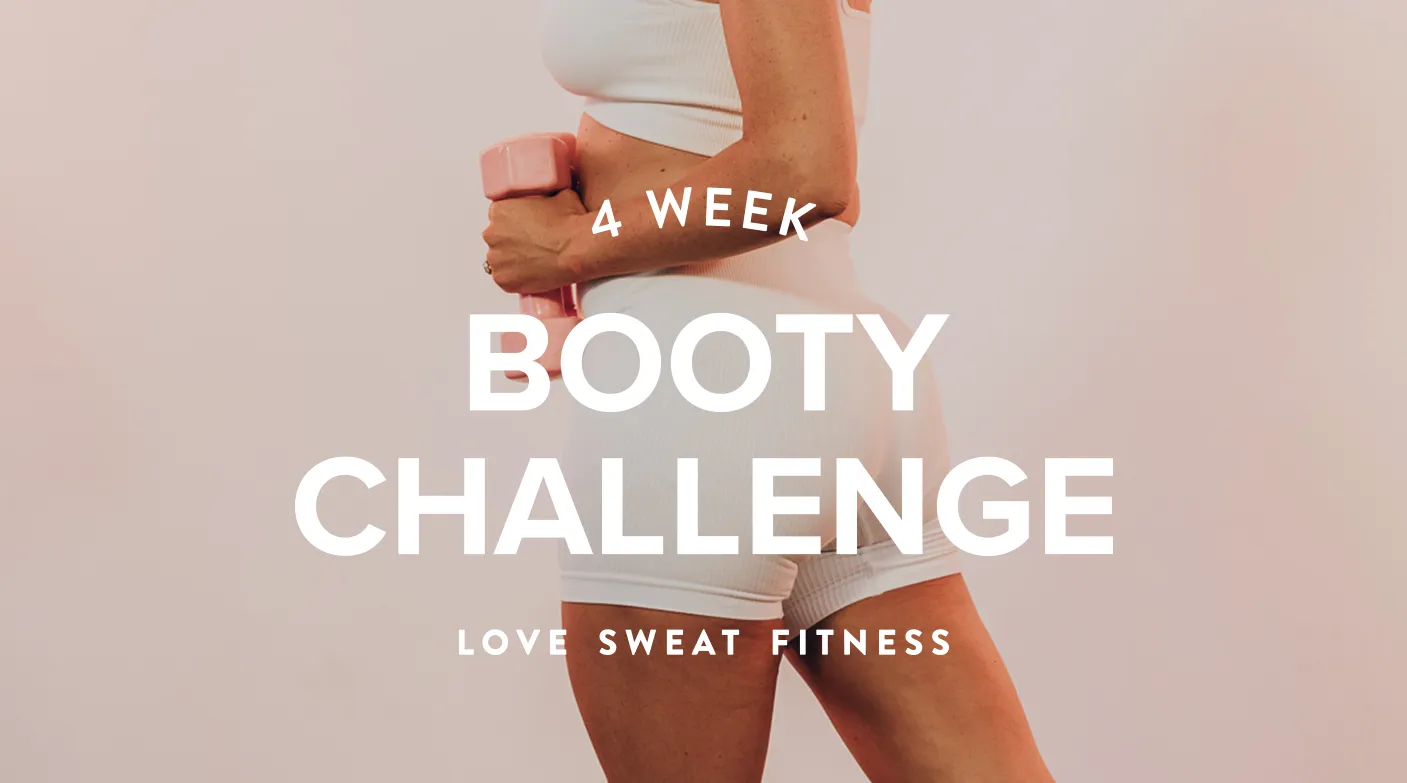
Lift & Tone Your Booty in 4 Weeks

Lift & Tone Your Booty in 4 Weeks

[ad_1]

grow your booty

Get ready to wake up your glutes! The 2022 Booty Challenge is going to help you lift, tone, and build your best butt in 3 weeks. We start September 26th!

We’ll be working out daily together using my 3:1 method in my training app MOVE by Love Sweat Fitness and I’ll be giving you a FREE eBook with brand new booty building recipes + pre & post workout nutrition tips just for signing up! Not only that, there’s a chance to win some amazing prizes! I can’t wait for you to join us!

I know getting and staying motivated can be tough, so I’ll also be sending you weekly emails and texts sharing tips and lots of inspiration to help you reach your goals!

Your Daily Sweat

On September 26th you will find your Booty Challenge workouts in the challenge section of MOVE

Your Workouts

You will see you three-part challenge designed to strengthen and tone your glutes.

Here’s the breakdown of what to expect each day to help grow your booty in 3 weeks!

1: Sweat Sesh

This is your main workout that is personalized for you, based on your fitness level (beginner, intermediate or advanced)

2: Daily 10

10 min workout that is great as a dynamic warm-up or a quick workout anytime, anywhere!

3: Bonus Move

This is the Booty Bonus Move that will target your glutes every day!

The Grand Prize

As if that new booty wasn’t enough, you could win a grand prize package valued at over $400 just for committing to yourself for the next 3 weeks!

How do I win?

  • Take your “before” photos on day 1, so you’ll have an amazing transformation story to share with us at the end! Find all the pro tips here.
  • Create an LSF Instagram account to engage with the #TeamLSF community and help support other amazing women—we’re in it together!
  • Follow @LoveSweatFitness + @TeamLSF on Instagram and make sure you’re tagging us in your daily #LSFRollCall! Don’t forget to use #LSFbooty as well.
  • Submit a testimonial at the end of the challenge so we can hear all about your incredible journey!

Can’t wait to start with you on September 26th!

!function(f,b,e,v,n,t,s)
{if(f.fbq)return;n=f.fbq=function(){n.callMethod?
n.callMethod.apply(n,arguments):n.queue.push(arguments)};
if(!f._fbq)f._fbq=n;n.push=n;n.loaded=!0;n.version=’2.0′;
n.queue=[];t=b.createElement(e);t.async=!0;
t.src=v;s=b.getElementsByTagName(e)[0];
s.parentNode.insertBefore(t,s)}(window, document,’script’,
‘https://connect.facebook.net/en_US/fbevents.js’);
fbq(‘init’, ‘257255034721621’);
fbq(‘track’, ‘PageView’);

[ad_2]

Source link

Balance and Stability Exercises: Tips for Core Workouts

Balance and Stability Exercises: Tips for Core Workouts

[ad_1]

Many people, when starting their fitness journey, are drawn to the machines at the gym that only isolate a single muscle at a time. This is really common, and the truth is, we oftentimes don’t really know any better. We think that by going to the gym to better our health we should be using those machines for our fitness training workouts. But that’s not the most effective way to work out.

The truth is, the foundation of your fitness routine should be stability and balance exercises to…

  • activate and strengthen the core and the many stabilizing muscles
  • improve coordination
  • decrease the risk of injury
  • work to eliminate overcompensations that probably have developed over time

And, there are so many effective bodyweight exercises you can do to build this foundation without ever even stepping foot into a gym. Hooray for time and money saved, right?

In this article, you will find basic information on stability and balance training, plus 12 core stability exercises for your next workout:

What Is Stability and Balance Training?

This kind of training is performing an exercise in what we call in the fitness industry a proprioceptively enriched environment. To put it in layman’s terms: an unstable environment.

This can be performing an exercise…

  • while balancing on one leg
  • standing on a pillow
  • BOSU ball
  • or even a rolled-up yoga mat

Stability and balance training demands a lot of core activation and attention (it’s impossible to be on your phone or have a conversation while doing this type of training – so you’ll have to save your selfies until after you’re done) you can take a selfie after). If you want to get a feel for stability and balance training, you can try balancing on one leg while brushing your teeth!

Think like a kid

As a kid, most of us were running, jumping, climbing, landing on one foot, balancing on a balance beam or on the edge of a sandbox…are you getting the mental picture here? We were doing balance and stability exercises without even realizing it. As adults, we’re not climbing all over the place anymore (unfortunately!), balancing and activating our core as we should.

As a result, many of us have a weak core and distressed lower back, and have adopted many movement compensations (favoring one side while walking, standing, sitting, and even while training). Have you adopted any of these bad habits? Not sure? Don’t worry – there are ways to fix it with core stability exercises.

How Often Should You Incorporate This Type of Training?

Aim for one to two workouts per week. This goes for beginners all the way up to advanced athletes. It’s very important that pros improve stability as well.

The 12 Best Balance and Stability Exercises 

1. Single-Leg Deadlift

https://www.youtube.com/watch?v=b_QX6r-y4U4<span data-mce-type=”bookmark” style=”display: inline-block; width: 0px; overflow: hidden; line-height: 0;” class=”mce_SELRES_start”> </span>

Start the single-leg deadlift in a standing position. Keep your core engaged. Now slowly move one leg back by keeping it straight. Simultaneously, move your torso forward until it’s parallel to the floor, with your arms straight and at shoulder height, perpendicular to the floor. To come up, pull your back leg forward, and lift your torso until you are back in a standing position. Switch sides and repeat.

2. Speed Skaters

https://www.youtube.com/watch?v=CaCkxq8b8kQ<span data-mce-type=”bookmark” style=”display: inline-block; width: 0px; overflow: hidden; line-height: 0;” class=”mce_SELRES_start”> </span>

Train your balance and stability with speed skaters! Start in a standing position with your feet hip-width apart. Now shift your weight to your right leg and move your left leg off the floor. Engage your standing leg as you balance with your left leg slightly behind you. Then jump back to the left foot, in the opposite direction. While doing this, your arms are swinging from side to side like a speed skater.

3. Single Leg Squats (SL Squats)

https://www.youtube.com/watch?v=x4aPDZN3wfI<span data-mce-type=”bookmark” style=”display: inline-block; width: 0px; overflow: hidden; line-height: 0;” class=”mce_SELRES_start”> </span>
Stand straight on one foot if you want to do single leg squats. Bend the opposite leg by bringing it up in front of you, slightly bent at the knee. Now slowly bend your standing leg into a squat position keeping your knee stable and in line with your ankle. After you’ve completed all reps on one leg, switch sides and repeat.

4. Lunge & Twist

https://www.youtube.com/watch?v=wfd_kWR5Jug<span data-mce-type=”bookmark” style=”display: inline-block; width: 0px; overflow: hidden; line-height: 0;” class=”mce_SELRES_start”> </span>
Start in a standing position with your feet together. Keep your core engaged and your chest up. Step your right foot forward into a lunge position. The front knee is perpendicular to the floor, keeping it in line with the ankle and behind the toes. Hold the lunge position, keeping your hips, knees, and legs still while twisting your upper body towards the right from your midsection. Step back into the starting position and repeat the lunge and twist on the opposite side.

Tip:

For more intensity, you can hold a weight.

5. Single Leg Jump Squats (SL Jump Squats)

https://www.youtube.com/watch?v=Bp76v83maUw<span data-mce-type=”bookmark” style=”display: inline-block; width: 0px; overflow: hidden; line-height: 0;” class=”mce_SELRES_start”> </span>

Single leg jump squats made easy! Standing on one foot, slightly bend the opposite leg, keeping your foot slightly elevated, lifting at the knee. Keep your core engaged while pushing your bent leg back behind you, slightly squatting with your standing leg. Swing your leg forward, lifting your knee up as you jump off of your standing leg, your arms slightly bent and swinging with the movement. Switch sides and repeat.

6. Lunge to Front Kick

https://www.youtube.com/watch?v=IURHVG7a9XI<span data-mce-type=”bookmark” style=”display: inline-block; width: 0px; overflow: hidden; line-height: 0;” class=”mce_SELRES_start”> </span>

Start in a standing position with your core engaged. Step one leg back into a lunge position. Swing the back leg forward in front of you, pushing through the front heel to power a kicking motion. Be sure to engage the glute muscle of your standing leg. Switch sides and repeat the lunge to front kick. 

7. Side Plank Oblique Crunch

https://www.youtube.com/watch?v=qmp-gY2xCM0<span data-mce-type=”bookmark” style=”display: inline-block; width: 0px; overflow: hidden; line-height: 0;” class=”mce_SELRES_start”> </span>

For the side plank oblique crunch, lie on the floor on one side, stacking your elbow directly under your shoulder. Lift your bottom hip up as high as you can while tucking your hips under to stay as straight as possible. Lower your hip back towards the floor, making sure not to touch the ground, and lift back up. Repeat the set on the other side.

8. Limb Raise Push-ups

https://www.youtube.com/watch?v=bcCGtq9Lxv0<span data-mce-type=”bookmark” style=”display: inline-block; width: 0px; overflow: hidden; line-height: 0;” class=”mce_SELRES_start”> </span>

Limb raise push-ups can improve your balance and stability. For this exercise, perform a push-up while keeping your hips square to the ground at all times. At the top of the push-up, lift your opposite leg and arm while engaging your core. Your hips and shoulders should move at the same rate, controlling the movement as you raise your arm to shoulder height and lift your leg above hip-level. Be sure to keep your core engaged throughout the entire exercise. 

9. Low Plank Crunches

https://www.youtube.com/watch?v=zeTnFMu1CeM<span data-mce-type=”bookmark” style=”display: inline-block; width: 0px; overflow: hidden; line-height: 0;” class=”mce_SELRES_start”> </span>

Low plank crunches are another great stability exercise. When performing these crunches, it is important to find a steady pace, not moving too fast.   Starting in a plank position, make sure only to elevate your hips slightly, placing your elbows directly under your shoulders. Your core, glutes, and legs are engaged when bringing your opposite knee and elbow together, slightly touching underneath your midsection. 

Tip:

You can modify this exercise with a bodyweight exercise that’s called quadruped knee to elbow:


https://www.youtube.com/watch?v=BR1nfi9Mlro<span data-mce-type=”bookmark” style=”display: inline-block; width: 0px; overflow: hidden; line-height: 0;” class=”mce_SELRES_start”> </span>

10. One-Legged 4 Count Burpees

https://www.youtube.com/watch?v=9alFfe4JTJs<span data-mce-type=”bookmark” style=”display: inline-block; width: 0px; overflow: hidden; line-height: 0;” class=”mce_SELRES_start”> </span>
The one-legged 4 count burpee is an advanced bodyweight exercise, so make sure to execute it correctly. Your hands should be directly under your shoulders in a plank position, and your core is engaged. Keeping one leg lifted off the ground for the entire movement, bring your grounded foot forward under your midsection and stand up straight, jumping upwards. Bring your body back into a plank position by lowering back to the floor on one leg, kicking one leg behind you, landing in a single-leg plank. 

11. Single Leg Crab Bridge

https://www.youtube.com/watch?v=AhtavlhZDsg<span data-mce-type=”bookmark” style=”display: inline-block; width: 0px; overflow: hidden; line-height: 0;” class=”mce_SELRES_start”> </span>

Ever heard about the single leg crab bridge? This intermediate exercise can help you improve your balance and stability. Start by sitting on the floor with your hands slightly behind you, feet on the floor with your knees pointed up at the ceiling. Using one leg, lift your hips off of the floor to shoulder level, lifting your other leg in the air. With your wrists stacked under your shoulders and fingers pointing forward,  push through the heel of your supporting leg. Squeeze your glutes at the top of the bridge position, making sure that the ankle is directly under your knee on the supporting leg. Repeat on the other side.

12. Squat Knee to Elbow Twist

https://www.youtube.com/watch?v=kKmHpRKJpHg<span data-mce-type=”bookmark” style=”display: inline-block; width: 0px; overflow: hidden; line-height: 0;” class=”mce_SELRES_start”> </span>

For the squat knee to elbow twist, start in a standing position with your feet slightly wider than shoulder width apart. Lower your hips into a squat, keeping your elbows up, interlocking your hands in front of you at shoulder height. When you come back up to the standing position, twist at your midsection while lifting up one knee to touch your opposite elbow. Follow your hands with your head, looking forward and keeping your back straight. Alternate sides after each squat.

So, did you try out these stability and balance exercises? If so, you probably noticed that one side is much stronger and more coordinated than the other. That’s normal – just keep practicing to build more strength and balance!

All of these bodyweight exercises can be found in the adidas Training app! Download it today and start improving your balance, stability, and core control!  

***

if(!isRussia){
//check Cookie Opt out and User consent
if(!run_getCookie(“tp-opt-out”)){
!function(f,b,e,v,n,t,s){if(f.fbq)return;n=f.fbq=function(){n.callMethod?
n.callMethod.apply(n,arguments):n.queue.push(arguments)};if(!f._fbq)f._fbq=n;
n.push=n;n.loaded=!0;n.version=’2.0′;n.queue=[];t=b.createElement(e);t.async=!0;
t.src=v;s=b.getElementsByTagName(e)[0];s.parentNode.insertBefore(t,s)}(window,
document,’script’,’https://connect.facebook.net/en_US/fbevents.js’);
fbq(‘init’, ‘1594940627485550’); // Insert your pixel ID here.
fbq(‘track’, ‘ViewContent’);
}
}

[ad_2]

Source link