Red meat remains the big villain in nutritional epidemiology. No matter what disease, health condition or cause of death you choose, there are teams of researchers just itching to connect it directly to how much red meat you eat—which is why every few months there seems to be a new study trying to implicate red meat as the primary cause of death, disease, and climate collapse.
That’s why I was surprised to read the conclusion from the latest in a long line of red meat studies: The evidence against red meat is actually quite weak and even nonexistent.
What did the study explore when it comes to red meat?
The funniest thing about this latest study is that they had to admit they couldn’t find any strong evidence of a link between unprocessed red meat intake and six health outcomes even though they clearly were hoping to. These are the health outcomes they looked at:
Colorectal cancer
Type 2 diabetes
Ischemic heart disease
Ischemic stroke
Hemorrhagic stroke
Breast cancer
They combined dozens of different cohorts into one massive cohort for each health outcome, drawing on studies from all over the world to extract the data. Other studies have obviously done the same thing, but this one was attempting to do something different: assess the “strength” of the evidence in favor of red meat causing heart disease, cancer, diabetes, and all the other stuff using a new tool called The Burden of Proof. The very first sentence of the abstract establishes that they consider red meat to be a “risk factor.” They’ve already bought into it. Now, they just want to figure out how strong the evidence is.
It turns out that the evidence is very poor. For colorectal cancer, type 2 diabetes, breast cancer, and ischemic heart disease, the evidence of an association with red meat intake is “weak.” For hemorrhagic stroke and ischemic stroke, the evidence is non-existent.
And yet these are the ones everyone always focuses on. Search Pubmed yourself and you’ll see that there are thousands of studies looking for the links between red meat intake and colorectal cancer, diabetes, stroke, breast cancer, and heart disease.
Now, they’re still convinced that red meat is bad. They say that a red meat intake of zero grams per day is probably ideal for health, but there’s not enough evidence to justify actually recommending or prescribing that to people. “We all know” red meat is pretty unhealthy, but we can’t exactly make that an official recommendation… yet. The evidence just isn’t there.
That’s the subtext of the paper.
Lots of pro-meat people were sharing this on social media, very happy that they weren’t able to find any strong evidence against red meat intake. I don’t think it goes far enough. I think it’s still too hard on red meat. “Weak evidence” isn’t accurate. It’s too kind. The evidence is terrible and I suspect, if you considered all the relevant variables, it actually points in the opposite direction: toward benefits.
But you’ll never get that with a typical meta-study.
Drawbacks to meta-studies
You lose granularity when you combine data from hundreds of cohorts from across time and space into one big cohort and try to make connections between red meat intake and various diseases. In nutrition and disease and biology, granularity is everything. The little details matter. It’s not just “red meat intake.” It’s everything else. It’s calcium intake. It’s what kinds of oils are used. It’s carb intake. It’s overall fat intake. It’s bodyweight. It’s whether you’re lifting weights or not. Whether you smoke or drink. It’s ethnicity, culture, and cuisine. It’s the entire food way, not just one single component of a broad diet.
No one in epidemiology is considering all these factors. I don’t quite blame them, as doing so would make an epidemiological paper incredibly unwieldy. Probably wouldn’t work—which is exactly why these papers don’t tell us much at all.
So what’s my issue with this particular paper?
I won’t go through each and every section of the paper. I’ll look at their section on colorectal cancer. The way they characterize it, they “found weak evidence of harmful associations between unprocessed red meat consumption and risk of colorectal cancer” after looking at data from 20 different studies on the subject. Results “varied.” The studies were “inconclusive” and “didn’t agree.” And that’s it?
No, you go deeper. You look at individual studies to understand why they don’t agree.
Why, for instance, did the study they cite in Finnish men find that high intakes of red meat combined with high intakes of dairy are protective against colon cancer? In other words, the people eating more red meat and dairy in this Finnish male cohort had the lowest rates of colorectal cancer. Isn’t that interesting to the authors of this new meta study? Doesn’t it pique their curiosity about the effect of dairy combined with red meat on colon cancer—at least enough to include dairy as one of the variables they controlled for when considering the broader data?
Of course not. The only additional variables they adjusted for were BMI, energy intake, and fruit and vegetable intake. The Finnish data is simply “more data” to be subsumed into the collective cohort.
You also look at studies they didn’t include, studies they couldn’t include—like randomized controlled trials—because they were outside of the study’s scope. Like this one, that finds when you add extra dairy to the diets of living, breathing humans, their colonic environment becomes less carcinogenic. That’s a direct effect. A causal one. And it doesn’t figure into the conclusions of the meta-study at all.
Some might say that’s just one example of something they missed. I say it’s not “just” anything. It’s a huge factor that undermines the and calls the rest of their conclusions into question.
Bottom Line
Ignore these studies. They can be interesting for generating hypotheses, but they don’t provide any answers. It comes down to what it always comes down to: what do you personally get out of eating red meat?
Has eating more red meat improved your health, performance, cognitive function, body composition, culinary pleasure, and overall life satisfaction? Or has it worsened it? What else matters?
Thanks for reading, everyone. Take care.
About the Author
Mark Sisson is the founder of Mark’s Daily Apple, godfather to the Primal food and lifestyle movement, and the New York Times bestselling author of The Keto Reset Diet. His latest book is Keto for Life, where he discusses how he combines the keto diet with a Primal lifestyle for optimal health and longevity. Mark is the author of numerous other books as well, including The Primal Blueprint, which was credited with turbocharging the growth of the primal/paleo movement back in 2009. After spending three decades researching and educating folks on why food is the key component to achieving and maintaining optimal wellness, Mark launched Primal Kitchen, a real-food company that creates Primal/paleo, keto, and Whole30-friendly kitchen staples.
Hey folks, Board-Certified Health Coach, and Primal Health Coach Institute’s Coaching Director, Erin Power is here to answer your questions about satiating hunger and tracking food. If you’re looking for skillful, caring guidance we’ve got strategies, tips, and support. Have a question you’d like to ask our health coaches? Leave it below in the comments or over in the Mark’s Daily Apple Facebook group.
Satiating hunger
Tamara asked: “What’s the best way to stop feeling hungry between meals? I depend on snacks to get me through.”
Ah, hunger and snacking. You’re not alone with this question, Tamara. You know, I think one of the reasons we reach for snacks is…because we’re hungry. That may sound funny, but I’m being serious. Sure, many folks snack out of stress, boredom, or emotional eating. But I’ve helped many coaching clients cure that sort of mindless eating simply by helping them go through life more well-fed.
Now, to be clear, there are certain foods and lifestyle factors that mess with our hormonal and other signaling systems. A diet high in processed carbs and sweets tends to interfere with our natural, healthy hunger and satiation signals. It also causes our body to revolt against the constant insulin bath triggered by MORE carbs, MORE sugar, and frequent snacking. Similarly, lack of sleep and chronic stress and anxiety mess with our hormones and can throw hunger signals way out of whack.
But if you’re eating a Primal diet featuring an abundance of real, whole, minimally processed food, including high-quality protein and healthy fats, you’re well on your way to being in touch with true hunger and minimizing the need (or desire) for snacking.
However, if you’re eating Primal most of the time and still feeling hungry throughout the day, I’ve got a fairly dependable solution: more protein.
Here’s the thing: Your hunger comes from your cells, and your cells require nourishment. Specifically, they need:
Fuel (calories to provide energy for your body and brain)
Building blocks (amino acids and essential fatty acids that help your body continuously build and repair itself)
Information (minerals, vitamins, cholesterol, prebiotic fibres, etc.—all of which have incredibly important and nuanced roles in bodily function)
When your cells ask for food (i.e., you feel hungry), it’s to satisfy these needs. If cells aren’t getting these needs met, they are undernourished and cry out for more nourishment.
Now, of course, every body is different, and people bring different health conditions, life circumstances, and goals to the table. That said, if we are to generalize, there’s an easy way to give your cells and body more of the calories, building blocks, and information they’re asking for: eat more protein. As one of the most nutrient dense “human foods” on planet earth, it ticks all of the boxes in terms of the nourishment our cells are asking for.
How much more protein? MORE. Rather than get caught up in measuring and micromanaging, keep things simple: just aim for more, and see how it goes.
Time and time again when working with coaching clients, I find that this simple rule of prioritizing protein completely changes the game with hunger, appetite, and cravings.
Why? Well, protein-rich foods are incredibly high in minerals and amino acids, two of the most important factors that your cells are crying out for. If you eat more protein, you will feel less hungry. And I can tell you from experience that walking around feeling less hungry is a miracle cure for mindless snacking. Start there, and see how it goes!
Tracking food
Randi asked: “Do you believe in tracking food? Do YOU do it?”
When it comes to eating in ways that support and nourish us, there are many helpful strategies out there. For SOME people, tracking their food intake for a while can be helpful (whether they are doing it on their own or working with a coach).
Done in a supportive way, tracking food can help some people develop greater awareness around what they’re actually eating and how that makes them feel. It can also add a layer of accountability. The act of tracking influences our choices and in this way might lead to helpful change.
I say “supportive way,” because there are many ways of tracking food—some more helpful than others. What’s more, the particular method that’s supportive will differ from person to person. To be clear: I am not a fan of simply counting calories. If you’re up on the Primal basics, you know that the number of calories we consume is meaningless with considering food choice and the wider context. This goes for weight-loss goals, health goals, or anything else.
But what about more Primal-focused tracking, such as number of carbs? Or cutting numbers out altogether and simply journaling about food consumed and how it made you feel during and after?
Yes—depending on your goals and your individual tendencies when it comes to changing habits and implementing healthy change, those might be helpful. Only YOU will know this, however, and finding out whether it’s helping will likely take some self-experimentation and trial and error.
However, I do have a pretty big, important caveat. For some people (self included), tracking food is not helpful. In fact, it can reinforce stressful food patterns and even disordered eating. I’ve helped over a thousand clients lose fat, gain energy, and fit back into the pants hanging in the back of the closet—all without tracking, weighing, or counting their food.
Why? Well, for starters, if I told MY clients that they had to track, weigh, and count their food, they would bail.
Many coaches, nutritionists, and dietitians DO have their clients track food intake. Their clients are looking for a methodical, tactical way to keep tabs on their consumption, and they are even excited to count and measure their food. It motivates them, and many of them really like knowing the numbers.
But MY clients? No way in hell. My clients and I have already spent most of our lives worrying about every calorie in and every calorie out, undertaking strict dieting and punishing exercise. We are DONE. It’s not that we don’t want to track, or are too lazy to track, or are too undisciplined to track. It’s that we did that already—for decades. We lost most of our lives to food fixation.
We already know how many calories are in a medium-sized apple and how much protein is in a 4-ounce chicken breast. We won’t ever unlearn these random food factoids because we did them so hard. But that information is not helping and has not ever helped us to have a trusting, respectful relationship with our food and body. We are so exhausted from everything that feels like tracking and dieting that we just can’t bring ourselves to look at food that way again: as numbers.
The good news? Your body doesn’t look at it that way either.
Turns out, prior to the late 1970s and early 1980s, when we first started micromanaging our food in earnest, humans walked around generally lean and healthy without any fussy food fixation. They lived their lives in their body, enjoying food without journaling it. It’s your birthright to not have to track, weigh, or measure your food. It’s your birthright to have an effortless relationship with food and your body.
Getting back to this flexible, free, flow state is a process and is not always easy (to put it mildly!). Know what though? It’s also not as complicated as many people tend to make out. Even “just” prioritizing the 10 Primal Blueprint Rules a bit more of the time will already move you in the right direction.
Those “rules” work because they align with our biology. They work because they hark back to times when tracking food would have been not only unnecessary but ridiculous. Follow them (even just most of the time), and you’re already doing great. No tracking required.
If you’re still struggling or want an extra layer of motivation, inspiration, accountability, and support, that’s where a coach can come in. If so, and if you’re someone who does NOT find tracking helpful, just make sure to find a coach who gets that and can meet you where you are, in ways that best support YOU.
Whether or not you’re “Team Tracking,” working with a coach for even a month or two can help you put solid strategies in place for staying Primal and developing a kinder, more intuitive relationship with food and your body. Visit myprimalcoach.com to learn more and get started!
Do you track your food? Find it helpful, or not so much? Let us know and drop other questions for me in the comments!
We’re officially celebrating 16 years here on Mark’s Daily Apple! To kick off a week of celebratory content we’re highlighting some of our most popular recipes here on the blog. From morning coffee to Mark’s Big-Ass Salad to slow-cooked pork carnitas, there’s a recipe for every occasion. If you recreate any of our top recipes, be sure to share photos with us on the MDA Instagram!
Primal Egg Coffee
Forget adding butter and coconut oil to your coffee. To truly supercharge your morning brew, add a few pastured egg yolks. This recipe is ideal for anyone who has a busy day ahead of them as egg coffee seems to work well pre-workout, boosting energy, motivation, and providing a nice source of branched-chain amino acids for the training ahead.
On mornings when a bowl of oatmeal is what your body craves, this hearty and comforting Primal breakfast cereal is exactly what you need. Coconut flakes, almonds, pecans, and the milk of your choice are blended into a creamy, oatmeal-like cereal that’s sweetened with a single Medjool date and topped with fresh berries.
Food cooked sous vide is delicious. The temperature is so precisely controlled that there’s virtually no risk of overcooking or undercooking, and for the most part, it’s a hands-off cooking method. Still, it’s cost-prohibitive for a lot of kitchens. The solution? These adorable little egg bites are not actually made in a sous vide but instead in an Instant Pot. The end result is a light and fluffy egg bite bursting with flavor.
Most of our reader’s have heard of Mark’s daily “Big-Ass Salad.” It’s been Mark’s lunch of choice for a couple of decades at least. Over the years Mark adapted it to his personal tastes, nutritional experiments, and eventually keto practice. While some folks minimize vegetable intake when they’re eating keto, Mark has never found that necessary or beneficial. In fact, he highly recommends plenty of above-ground vegetables and even berries for an optimally varied, nutrient-dense keto diet.
You’ve probably heard of BLTs and BLTAs, but have you heard of BEATs? We’re talking Bacon, Egg, Avocado, and Tomato salad. It’s a favorite around here for a quick and easy meal that is ready in less than two minutes if you already have hard-boiled eggs in the fridge. The secret ingredient is a squirt of lemon juice, which heightens the flavor and adds brightness to this otherwise simple but very satisfying salad.
Inspiration struck after discovering Greek tacos for the first time. The fresh Mediterranean flavors alongside silky avocado were impossible to ignore. This led us to create a deconstructed version, a Greek Gyro Salad recipe.
This is the ultimate cold weather soup and perfect to keep on rotation all winter long. It’s easy to make, and you’ll usually have most of the ingredients you need on hand – just pick up a couple turmeric roots on your next grocery trip.
Baked Ham:Mustard & Rosemary, or Sweet-spiced Glazed
A succulent ham pairs well with virtually any side, looks impressive in your serving dish, and makes the best leftovers. The best part about a good baked ham recipe is that it’s easy to prepare, and cook time is short compared to other sizable cuts of meat. We offer two baked ham recipes that play off of ham’s smoky, salty qualities: one version with spicy mustard, rosemary, and a touch of honey to round it out, and the other version that uses a sweet-savory-salty-spiced ham glaze in a jar.
As if slow-cooked, succulent pork wasn’t tempting enough, carnitas takes it one step further by caramelizing the pork in its own fat until the outside is perfectly browned and crisp. It’s difficult to resist the crispy, tender morsels of pork that come out of the oven. Try not to eat so much meat right out of the pan that you’re full before the carnitas makes it to the table!
Sure, Collagen Fuel (or Primal Fuel) is great in smoothies and shakes, but what about when you’re looking for a lower-carb dessert option that doesn’t blow your macros out of the water? This Chocolate Collagen Pudding does the trick quite nicely. This recipe has all of the flavor and creaminess without the sugar and additives. With two scoops of collagen plus cocoa powder and coconut milk, it satisfies even the most discerning chocolate lover.
Psoriasis is a skin disorder in which your skin cells reproduce too quickly, leading to scaly skin, rashes, or blisters. With plaque psoriasis (the most common form), red, flaky patches rise on the scalp, face, knees, elbows, lower back—anywhere on the body, really. Other types present differently. Inverse psoriasis, for example, appears as smooth red blotches mostly in skin folds, while the relatively rare erythrodermic psoriasis causes skin peeling on large areas of the body. Psoriasis can also affect fingernails and toenails.
Not only is psoriasis often itchy or painful, it can take a serious emotional toll. Patients report feeling embarrassed or stigmatized because of their skin’s appearance. Although there are a number of pharmaceutical, over-the-counter, and natural treatments available, there is no cure for psoriasis. The goal of treatment is to manage symptoms and put it into remission, but flare-ups can (and for many people do) occur regularly.
For folks living with psoriasis, it can be hard to find relief. Some aspects of a Primal lifestyle may be able to help.
What Causes Psoriasis
Scientists believe that psoriasis is caused by a combination of genetic predisposition and environmental triggers. But despite its prevalence—about 3 percent of U.S. adults have psoriasis—it’s still somewhat inscrutable.
Psoriasis is often confused with eczema, even by people making the diagnosis. Your doctor may opt for a skin biopsy to be sure. Both can present as dry, itchy, inflamed skin. And both may be triggered by stress, skin injuries, and cold, dry environments. However, they have different causes (only somewhat understood). With eczema, skin is overly sensitive due to dysregulation in the immune system, but skin cells do not turn over rapidly as with psoriasis. And whereas eczema is more common in kids, psoriasis is more common in adults.
Most experts agree that psoriasis is an autoimmune disorder. Skin issues are the outward manifestation of the disease, but under the surface lurks chronic, systemic inflammation. People with psoriasis are at greater risk for other chronic health conditions like metabolic syndrome, cardiovascular disease, Crohn’s disease, diabetes, depression, and kidney and liver diseases. Around one in three people with psoriasis also develop a related condition called psoriatic arthritis. The worse your psoriasis, the greater the risk of developing these comorbidities.
However, experts are unsure whether psoriasis causes inflammation, in turn leading to other problems. Another possibility is that some common factor leads to systemic inflammation which causes both psoriasis and other disorders to develop concurrently. Either way, strategies aimed at mitigating inflammation, like some of the ones I’ll mention today, are a must for psoriasis sufferers.
How to Treat Psoriasis
There are several pharmaceutical options available. Whether or not you decide to go down that route is a decision you have to make with your doctor. Some of these drugs may reduce the risk of cardiovascular disease and other serious comorbidities. But like all drugs, they also have side effects. Some common psoriasis medications (acitretin, methotrexate, tazarotene) are not safe during pregnancy. The American Academy of Dermatologists advises people who are planning to become pregnant to avoid these medications (men should also avoid methotrexate when trying to conceive).
Whatever you decide, I know a lot of my readers will also be interested in exploring nutrition, supplementation, and other behavioral options to augment their treatment. Psoriasis is notoriously stubborn. Even when someone is in remission, stress, illness, injury, certain medications, cold weather, and smoking or drinking alcohol can trigger a flare-up. It’s wise, therefore, to seek a multi-pronged approach aimed at tackling the rashes (outside) and managing inflammation (inside).
Treating psoriasis with diet interventions
Eating a diet low in foods that cause inflammation and gut issues should be a top priority for psoriasis patients. First and foremost, I’d strongly suggest that anyone with psoriasis eliminate gluten. Celiac disease is three times more prevalent among psoriasis patients than in the general population. Mon-celiac gluten sensitivity probably is much more common as well. Of course, I don’t think anyone needs to be eating grains, but avoidance is an especially good idea for folks with autoimmune illness.
Beyond that, you might consider trying an elimination and reintroduction diet like an autoimmune protocol, or AIP. AIP is no fun, but it might be worth it, especially if your psoriasis is poorly managed currently. Just don’t skip the reintroduction part. The idea isn’t to strictly limit your food choices forever but to identify trigger foods so you have more control over flare-ups.
And seriously moderating or avoiding alcohol is a no-brainer, both because it can intensify symptoms and due to the increased risk of liver disease.
Supplements to try
Supplementing with fish oil, selenium, and vitamins D and B12 may help, although some people don’t notice any particular benefit. (B12 and D, along with vitamin A, might also be useful when applied topically.)
There is also a lot of interest in curcumin, a compound found in turmeric. A number of small trials have yielded some success, but it’s still early. A recent meta-analysis concluded that the available data do not support using curcumin topically, but taking it as an oral supplement shows promise.
Stress reduction
As I’ve mentioned, stress leads to psoriasis flare-ups. Therefore, it’s worthwhile to moderate stress however you can manage.
Meditation and guided imagery seem to work. Treat yourself to a relaxing Epsom salt or oatmeal bath, then apply some of the topical treatments below.
Phototherapy
A variety of different phototherapy options are available to treat psoriasis. The best one for you depends on the type of psoriasis you have and how severe it is. Your doctor might opt for narrowband or broadband UVB, UVA, pulsed dye laser, LED, red light therapy, or something else based on your case.
Nature’s original phototherapy—akasunlight—can also be an effective tool. Some psoriasis meds make you more photosensitive, though, so be aware.
Topical treatments
Your doctor might recommend creams with salicylic acid, zinc pyrithione, or coal tar. Some folks are wary of the latter due to possible carcinogenic effects. Human studies suggest coal tar is safe when applied topically in creams or shampoos, and the FDA has deemed it so. Go with your comfort level here.
If you’re interested in a more natural route, try aloe vera, apple cider vinegar (diluted 1:1 with water), tea tree oil, or mahonia (Oregon grape) cream.
The Bottom Line
Psoriasis is an autoimmune condition where your skin cells turn over too quickly, causing red, flaky, itchy, painful rashes. You can’t cure it, but you can get symptom relief. I’ve received quite a few Success Stories over the years from readers whose psoriasis went into remission after they started following the Primal Blueprint. I chalk that up primarily to removing pro-inflammatory foods, but sun exposure and stress management surely help too.
Even with your best efforts, psoriasis flares are likely to come and go throughout your life. The best thing you can do is experiment. Find the combination of treatments that your skin responds to best to so you’re prepared next time.
About the Author
Mark Sisson is the founder of Mark’s Daily Apple, godfather to the Primal food and lifestyle movement, and the New York Times bestselling author of The Keto Reset Diet. His latest book is Keto for Life, where he discusses how he combines the keto diet with a Primal lifestyle for optimal health and longevity. Mark is the author of numerous other books as well, including The Primal Blueprint, which was credited with turbocharging the growth of the primal/paleo movement back in 2009. After spending three decades researching and educating folks on why food is the key component to achieving and maintaining optimal wellness, Mark launched Primal Kitchen, a real-food company that creates Primal/paleo, keto, and Whole30-friendly kitchen staples.
17 years ago, my friend and mentor Art Devany asked me to write a couple fitness articles for his website. I did. “Escape from Vegan Island” and “The Case Against Cardio” got such huge responses from his readers that I decided to start my own blog.
16 years later, I’m still going strong. I’m not really a sentimental guy, but I’m feeling very emotional right now. This blog was a personal revelation for me.
I’d spent my entire life as an entrepreneur of many coats: mowing lawns, painting houses, grilling chuck steaks out of my dorm room, opening frozen yogurt shops in Palo Alto, training triathletes and marathoners and wealthy socialites in LA, selling supplements on TV and later the Internet. I was always pretty successful, but eventually I knew I’d have to move on to something else. I had to keep moving at all times. Always on the prowl. And I was always selling.
Mark’s Daily Apple made me realize I could start from a different place: talking about all the things I found interesting and useful about human health, fitness, evolution, and biology. These were discussions I was having with friends already, ideas I was exploring on my own. I honestly started the blog because I realized that other people were also interested in this angle, and it seemed like a fun idea that could turn into something big later on.
When the readership kept coming back and growing year over year, I knew I was onto something. After a year, we had 1,000 regular readers. By two years, we had 2,000. And then it just exploded.
I’d originally planned to write an article a day for a year (or two) and figured that would have exhausted my realm of expertise. There’d be nothing more to say. But the thing about blogs, especially back then, was the real magic happened in the comments and emails you’d get after posting an article. The articles take on a life of their own. A random comment from some guy who was reading the post at 2 AM sends you on another tangential exploration of a different angle of nutritional science. You read one study and see a link to another related one, and go on down the rabbit hole. The mystery unfolds before you.
That was the coolest part: we were uncovering a mystery.
There was a real sense of exploration back then. The entire concept of ancestral health was very underground and limited to Loren Cordain’s work on diet and ancient anthropology, plus a few other people like the Weston Price Foundation. For the most part though, almost no one was talking about it. Certainly no one in the general population was aware of it. We were uncovering new (old) wisdom, seemingly every week. We were figuring out all the interactions between environment and health and all the mismatches between the expectations of our ancient genes and the conditions of the modern world. It was impossible not to find something new to write about.
So I kept writing, and the readership kept growing, and the ideas we were developing kept spreading among “regular” people. It was a true health renaissance.
But it started from a little momentary diversion. A small seed, germinated and supported. Well, many small seeds—all the other writers and thinkers in this new space. There’s a good lesson there, isn’t there?
Do something you’re interested in and that a decent number of other people are interested in. (The initial response I got from the articles I wrote for Art proved that these ideas had legs.)
Do something you know can help people. I could look around and see poor health everywhere. The evolutionary mismatches were impossible to miss. I knew that these ideas could help millions.
Pursue it diligently. I wrote something every day. I continue to write something almost every day.
Those three things—confirming that whatever you’re pursuing has appeal, confirming that it will objectively help people or fill a need, and then sticking with it—were key for the success of Mark’s Daily Apple. They’re key for any new pursuit.
Of course, the thread running through the rise of Mark’s Daily Apple is you, the readers. The people. I wouldn’t have done this if I wasn’t getting feedback from you. If no one was reading, I wouldn’t have written for long. Writing is for readers. Without readers, it means much less.
It’s popular for writers to say they “write in order to think.” Perhaps that’s true for them, but it’s not for me. I write so that I can change people’s lives. I write so that people can read my writing and come away happier, healthier, and more engaged.
And so, from the bottom of my heart, thank you for coming on this journey with me. Thank you for pushing me to keep digging, keep exploring, keep learning. It’s been sixteen years so far, and I look forward to many, many more.
Take care, everyone.
Hear more from Mark
About the Author
Mark Sisson is the founder of Mark’s Daily Apple, godfather to the Primal food and lifestyle movement, and the New York Times bestselling author of The Keto Reset Diet. His latest book is Keto for Life, where he discusses how he combines the keto diet with a Primal lifestyle for optimal health and longevity. Mark is the author of numerous other books as well, including The Primal Blueprint, which was credited with turbocharging the growth of the primal/paleo movement back in 2009. After spending three decades researching and educating folks on why food is the key component to achieving and maintaining optimal wellness, Mark launched Primal Kitchen, a real-food company that creates Primal/paleo, keto, and Whole30-friendly kitchen staples.
Searching for spa cuisine recipes? These fresh recipes, loaded with colorful veggies and lean protein, are busting with flavor and nutrition to help you feel good and glowy sans an expensive trip to the spa.
Hi friends! I hope you’re enjoying the week so far. Today is day 3 of the Dr. Cabral detox (use FITNESSISTA20 if you want to do this at your own time!), and I’m feeling amazing. It was just the little boost and reset I’ve been craving, and I’ve slept so well the past two nights.
For today’s post, I wanted to talk a bit about spa cuisine, since I’m focusing on extra flavorful and fresh eats the next week. Spa cuisine is typically made up of fresh, local, seasonal, or organic ingredients that are presented in a simple yet colorful way. They tend to focus on quality rather than quantity, and are not only nutrient-dense but are packed with flavors. You’ll often see lots of fresh produce, herbs, and citrus in spa meals. Today, I’m sharing a roundup of spa cuisine recipes that you can easily recreate anytime.
Many of these recipes are also gluten-free and dairy-free.
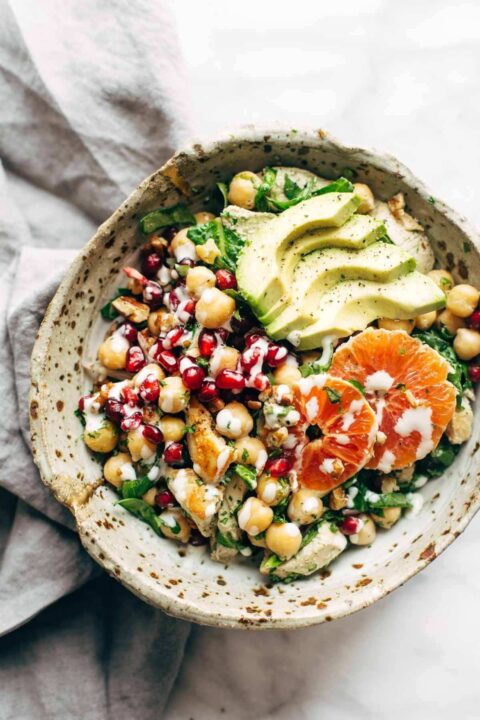
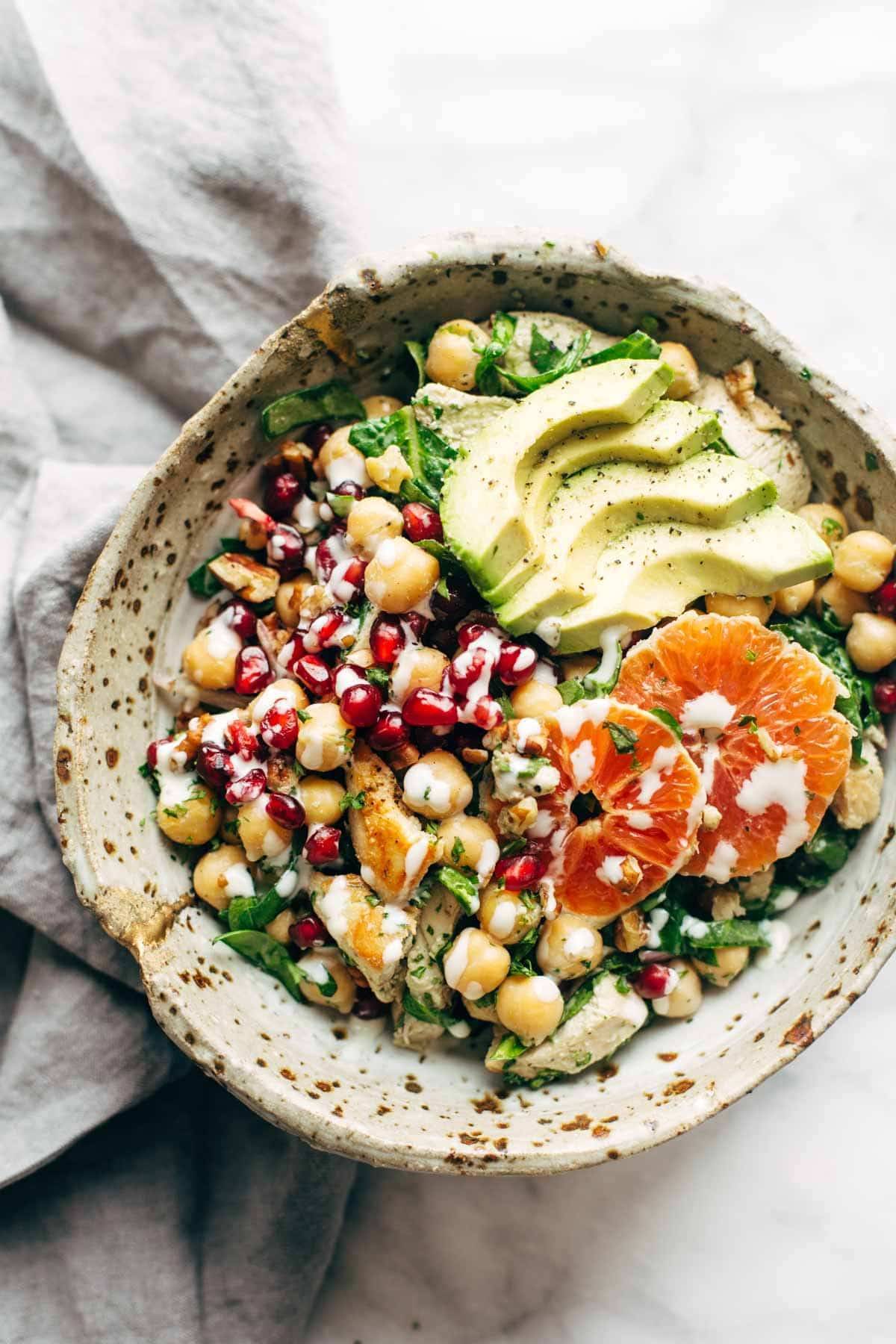
Winter Spa Salad with Lemon Chicken! Loaded with chickpeas, spinach, pomegranates, Cara Cara oranges, avocado, shallots, herbs, dressing, and lemon chicken.
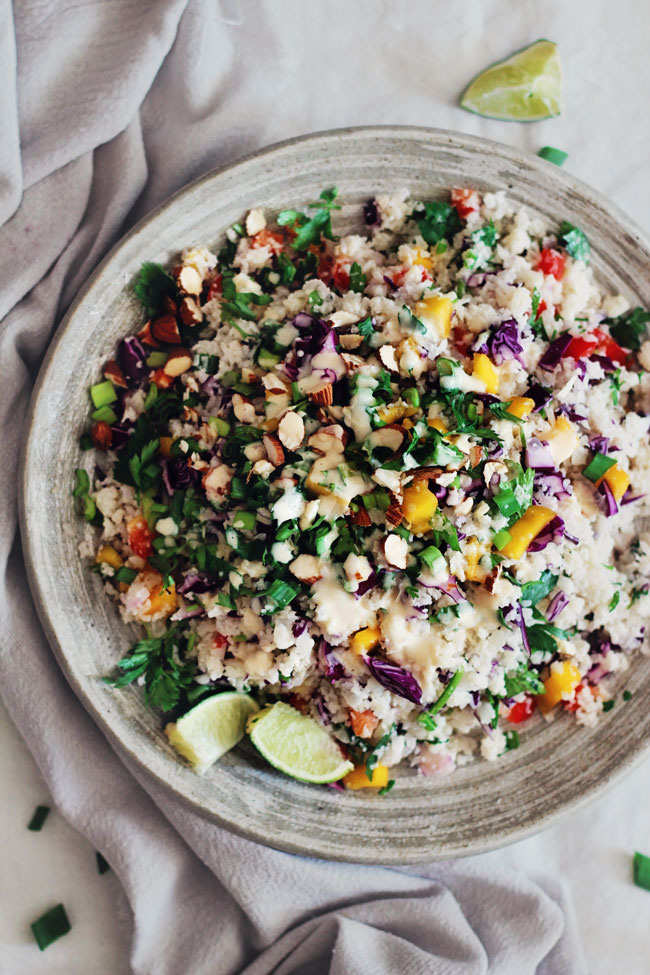
An exotic and colorful combination, which replaces the rice with the nutrient-loaded cauliflower. The secret of this dish is a delicious ginger-peanut butter sauce.
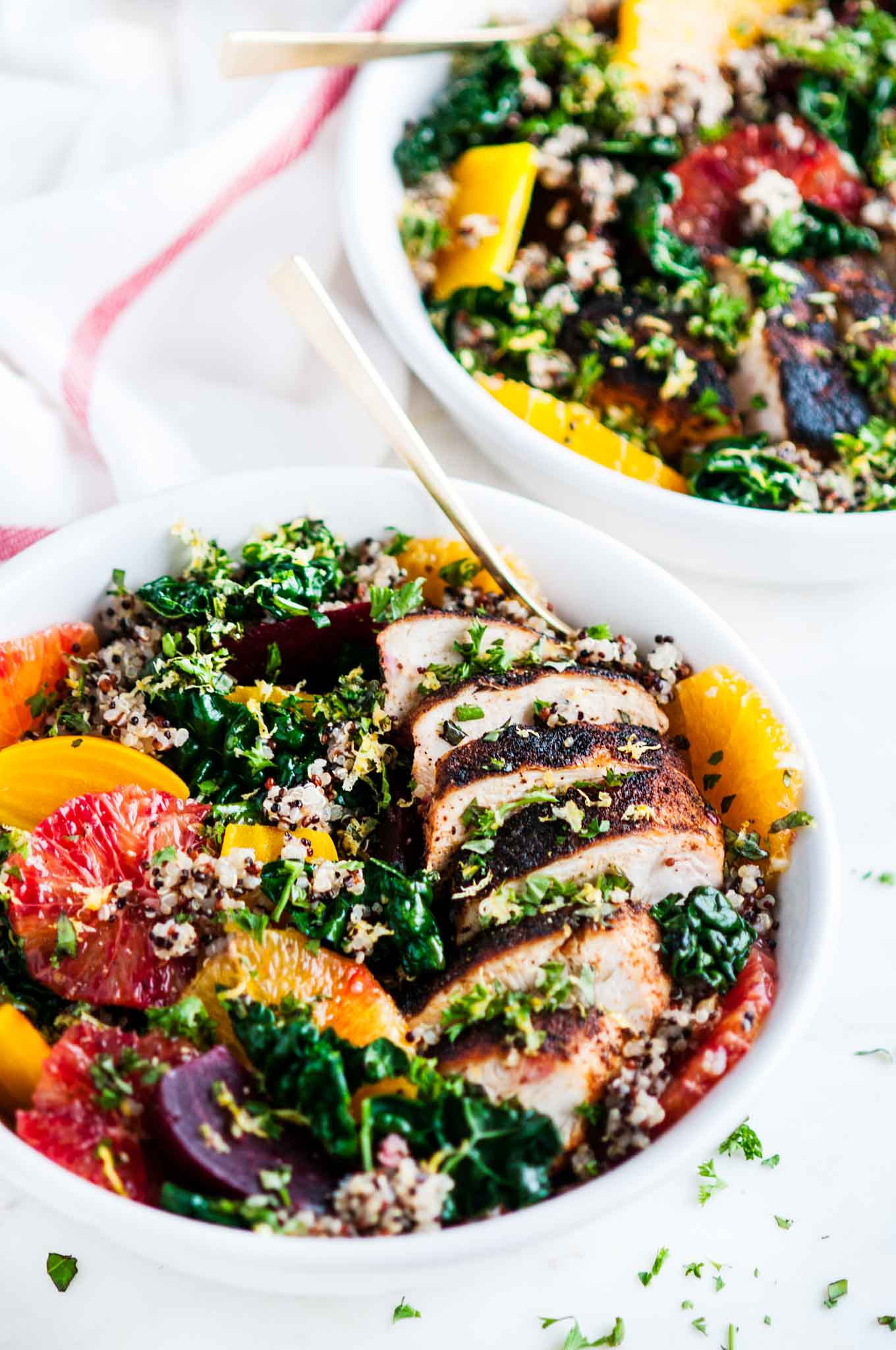
Healthy chicken quinoa beet bowls with herb gremolata – Clean eating, healthy living, and a tasty recipe all in one bowl! Tons of protein, nutrients, and even some vitamin C to keep you going, topped with a fresh herb gremolata.
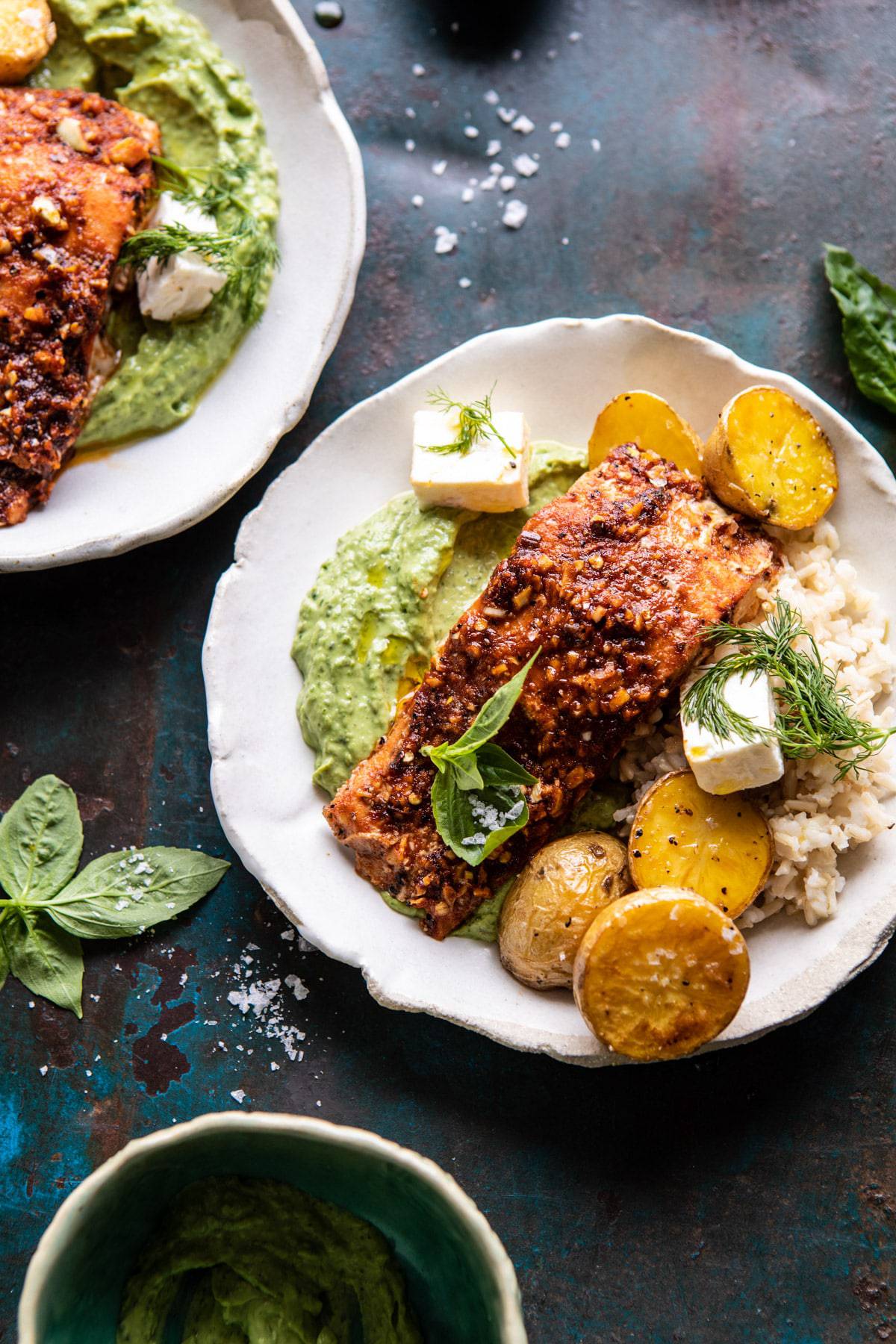
Baby potatoes roasted alongside blackened salmon and served bowl style with steamed brown rice, feta cheese, and the most deliciously addicting avocado goddess sauce. This is quick, easy, extra colorful, super flavorful, and so delicious. The perfect dinner to serve any night of the week. Or? Incorporate this healthy recipe into your weekly meal prep and enjoy for lunches and dinners throughout the week.
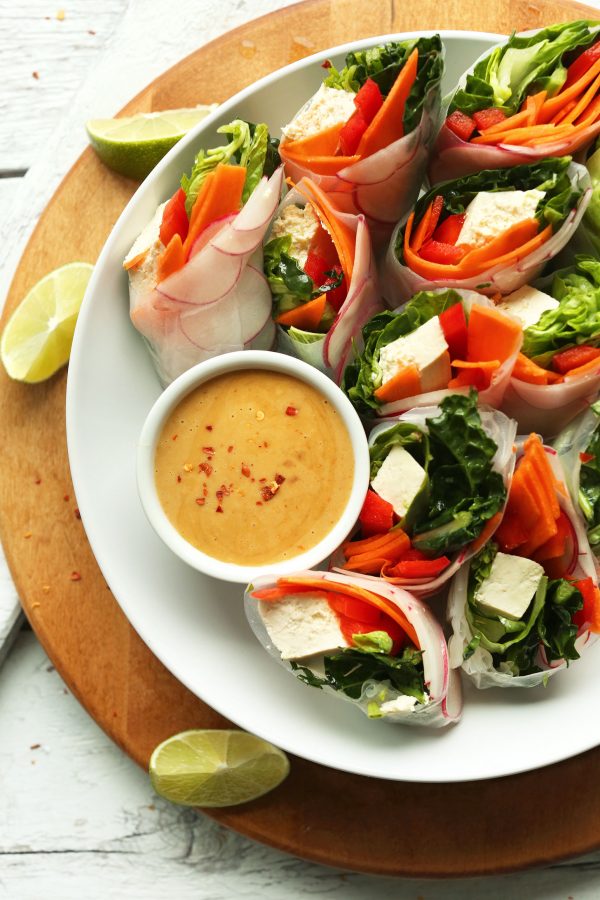
Learn exactly how to make collard wraps for the perfect easy lunch filled with veggies and protein! In this step-by-step tutorial for making collard wraps, you’ll learn how to prep your collard greens, fill them with delicious ingredients and roll them up well. Fill your homemade collard wraps with one of our delicious suggested recipes!
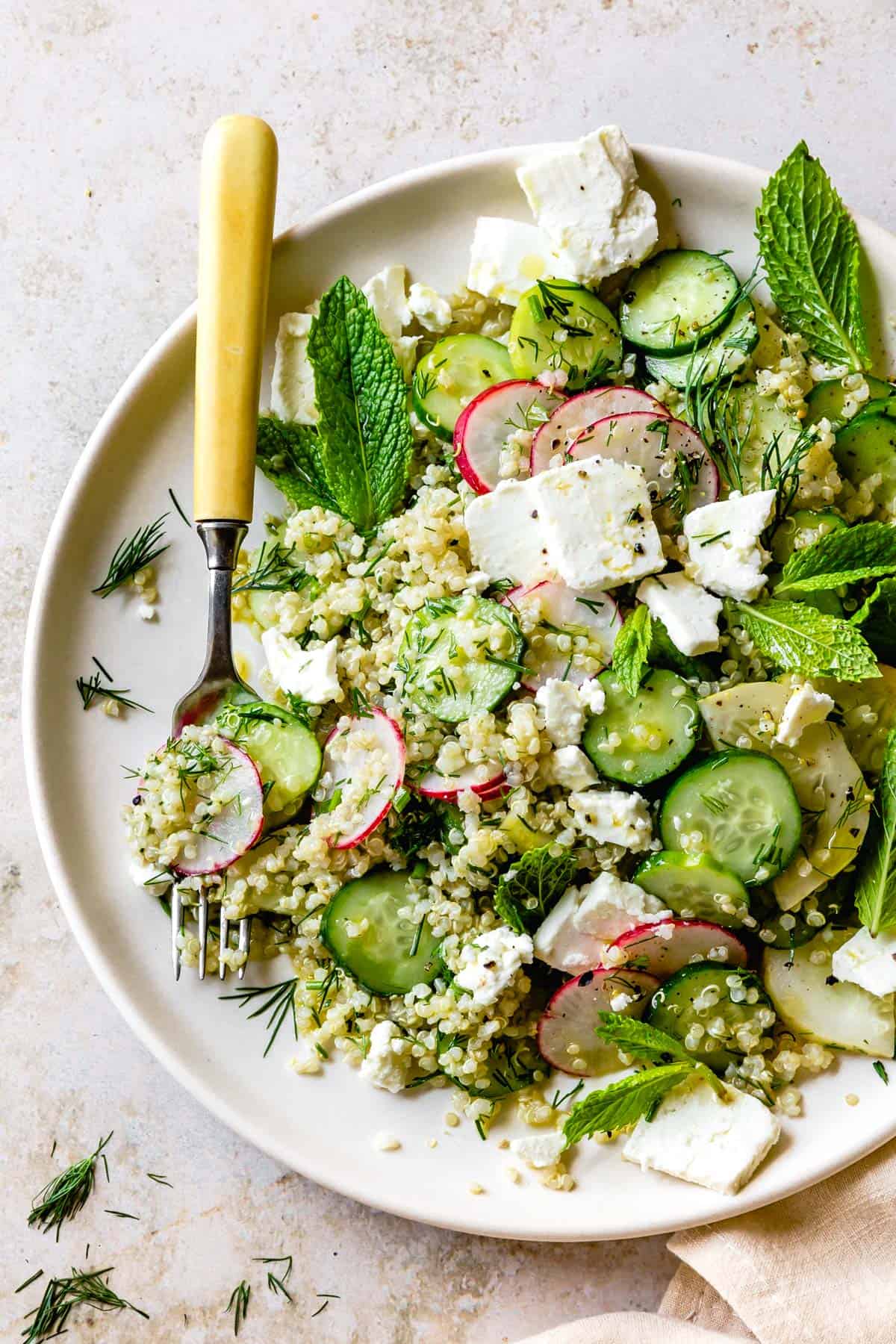
This perky quinoa cucumber salad gets crunch from cucumber and radish marinated in kicky lemon garlic vinaigrette and a fresh bouquet of dill and mint, all topped with briny feta. An easy, nourishing vegetarian lunch or side dish.
If you’re craving something on the sweeter side, these raw apricot and ginger energy bars are packed with chewy dried apricots, pure maple syrup, and crunchy nuts and seeds. The perfect afternoon pick-me-up!
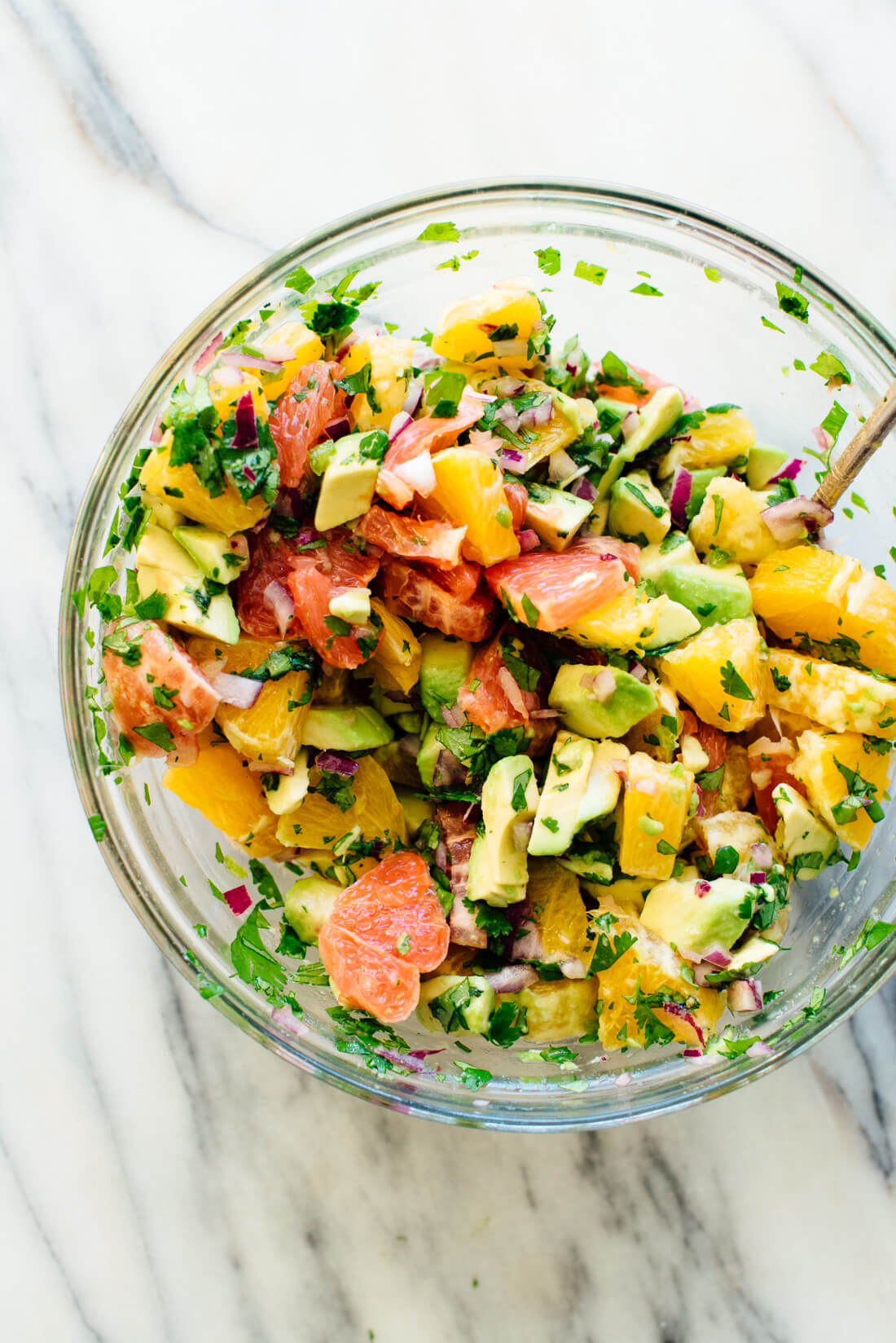
This seafood-free citrus “ceviche” with avocado makes a wonderful appetizer, side salad or party dip! This vegan ceviche is delicious, colorful and healthy.
Hi hi! Happy Friday! How are ya? What’s going on this weekend? I feel like it’s our weekend of calm before the celebration avalanche begins. We have the PIlot’s birthday Monday, P’s birthday Wednesday, her party Friday, Trunk or Treat Saturday, a Halloween party on Sunday, and Monday is Halloween. We also have a promotion for the Pilot the following weekend, so I’m excited to just buckle up and enjoy the season because from now on, it’s wild around here, and I’m.ready.for.it. This weekend we’ll probably just hang out, visit a pumpkin patch, and celebrate the Pilot’s bday with the fam. I’d love to hear what you have going on and what your kids or pets are going to be for Halloween!
It’s time for the weekly Friday Faves party! This is where I share some of my favorite finds from the week and around the web. I always love to hear about your faves, too, so please shout out something you’re loving in the comments section.
Friday Faves
Random/life:
Seeing Six again. Friends, it’s UP THERE with my favorite musicals of all time. I saw it with Madre last week and was blown away, so we took Nani and Liv with us on Sunday night to see it again. (Heads up that some of the content is a bit more adult, so use your discretion. There’s only one song that I’m iffy about for the kids; the adult humor in the other songs just fly over their heads.)
The touring cast was insane… easily the best live vocal performances I’ve seen in a very long time. (Amina Faye was Jane Seymour. Give your ears a treat with her version of “Heart of Stone.”) Definitely check it out if a touring cast is coming near you!
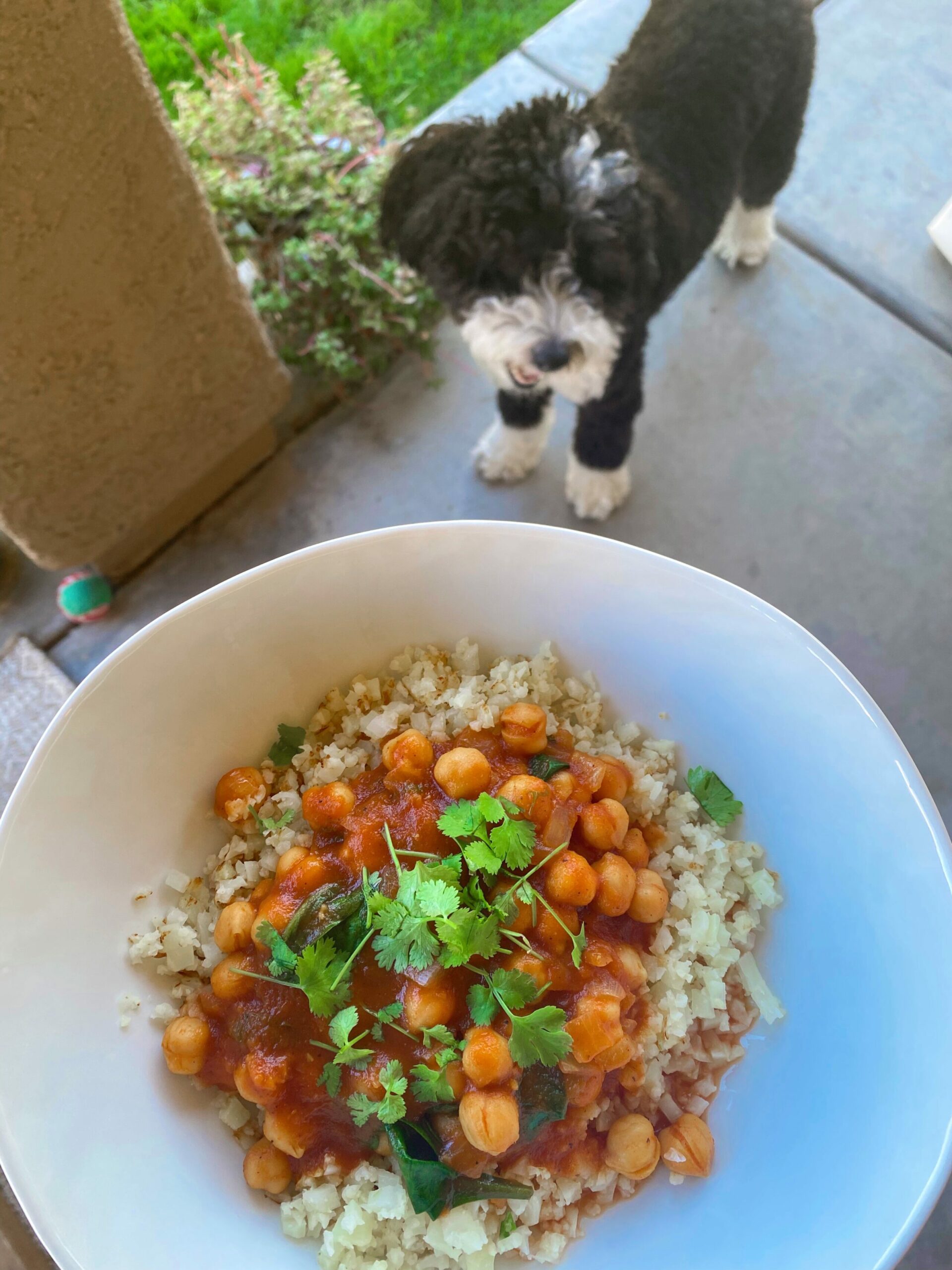
Detox update. I’m officially on Day 5 of the functional medicine detox. It’s been quite a journey, and I’ve loved doing this with a community. (If you decide to do this on your own time, you can use FITNESSISTA20 for 20% off.) Day 1, I felt amazing and super energized. Day 2, I hit a little afternoon slump, and by Day 3, I felt like I was cruising along. The channa masala I made for lunch tasted like a dream. I feel like inflammation in my face is way down, and it’s been a much-needed little reset. I’ll share more details next week, plus all of the recipes I’ve been making! If you have any questions I can answer in my post, please let me know.
These journals for the girls! Julie from My Rainbow Journal asked if she could send some journals to the girls. They both love to write, and the timing was perfection since P just started her own journal a few weeks ago. When they opened the package, they were SO pumped and both started adding stickers, drawing, and answering prompts right away. It’s separated into topics and include so many values we emphasize as a family, including positive mindset, gratitude, and love for yourself and others. I didn’t snap a pic because by the time they were done writing, it was dark, but you can browse all of the amazing journals here.
Ordered these loafers on sale. I was looking for a pair of flats that would be cute with jeans, and feel like I’ll wear these all fall/winter with jeans and sweaters. Now I just need to find a pair of non-skinny jeans, maybe slightly cropped that I can wear with boots and these loafers? LMK if you have any you love!!
Améline by Phlur is my fave everyday scent, and my full-sized bottle has lasted forever. I decided to switch things up and order Missing Person because it’s so dang popular, and I LOVE it. It’s a little muskier, which is perfect for fall, but still floral and bright. Highly recommend their scents, especially if you’re looking for a safer fragrance option, and loooove their candles.
I dropped my favorite tarte palette and it exploded everywhere. 🙁 This is the replacement on the way; I’ll definitely report back. Perfect combo of glitzy wintery options, plus everyday neutrals.
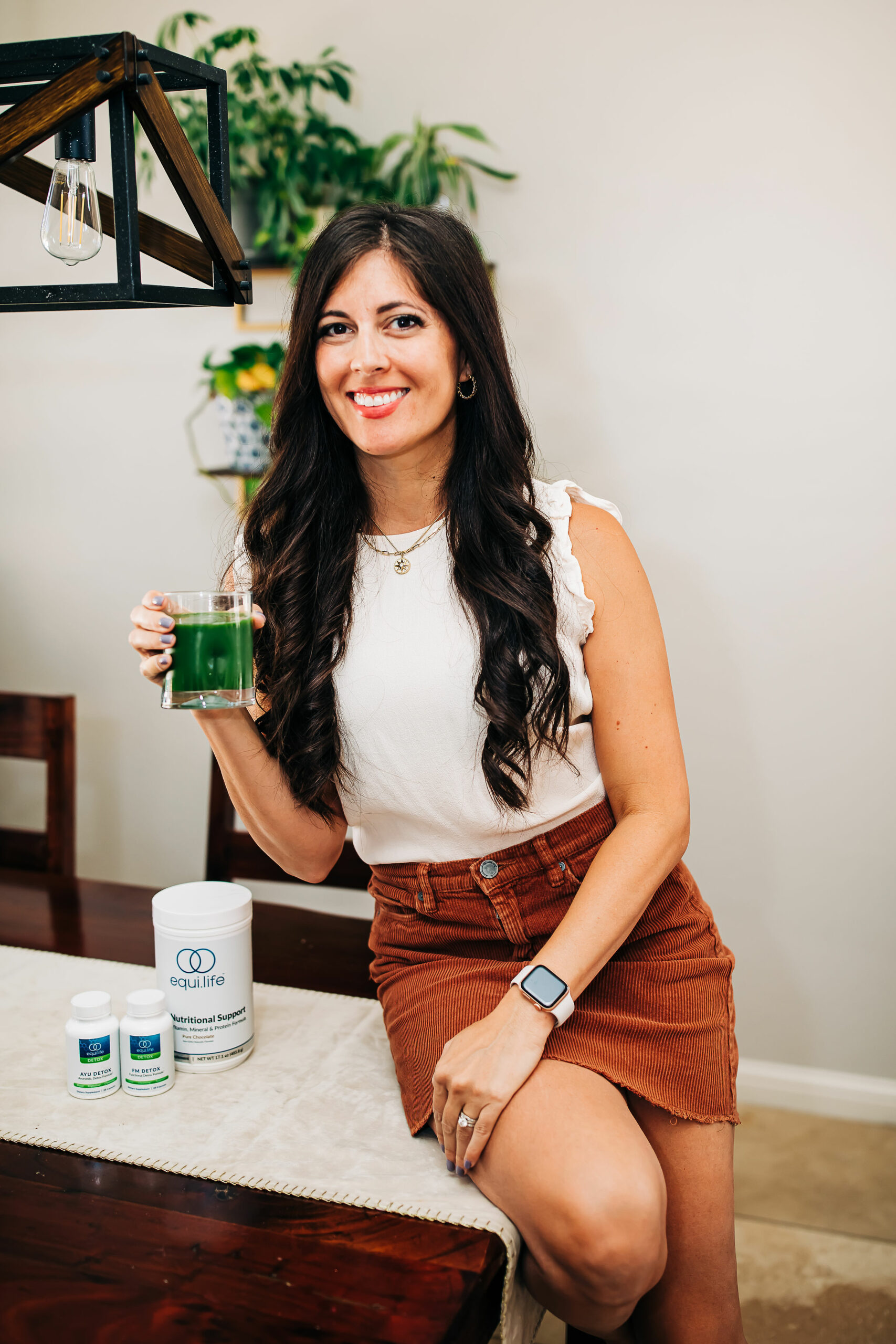
Sharing my thoughts on the Dr. Stephen Cabral 7-day detox, and sharing the recipes I enjoyed while I was on this Functional Medicine detox. If you’d like to try it out for yourself, you can use my code FITNESSISTA20 for 20% off.
Hi friends! Happy Monday! How are you? I hope you’re having a lovely day so far. We had a great weekend. I got a ton of work stuff done, we went to the pumpkin patch, and celebrated the Pilot’s bday a day early. His real birthday is today and I’m looking forward to more celebrations this evening with my favorite guy. I also wrapped up the 7-day Dr. Cabral detox with our community last night and feel SO good! I’m excited to share more details about my experience in this post with ya.
In this post, I also wanted to share some of the recipes and meals I enjoyed for my friends out there who are considering doing this functional medicine detox at their own time. It can be helpful to have meal ideas for days 3-7. This post is a beefy one because there’s so much I wanted to include. Grab a mug of coffee or tea and I’d love to chat with ya and share my experience.
Here we go!
Dr. Cabral 7-day detox review + recipes
What is the detox and how does it work?
– It’s a liver-based detox to help reset your body, provide a break from digesting heavy foods, and potentially help your body eliminate toxins that we accumulate from our environment. It includes functional medicine ingredients and Ayurvedic herbs to support phase 1 and 2 liver detoxification.
– It’s nutrition-focused. It includes the POWERHOUSE Daily Nutritional Support powder (which I’ve had in my smoothies for the past couple of months and notice a difference in how I feel when I drink this smoothie), and meal guidelines for the remaining meals. The goal is to NOT have your body depleted of nutrients during the process.
– It can potentially help with weight loss (although that’s not a focus for me), along with anti-aging, and total body wellness.
– It’s only 7 days! When I first started working with a naturopath (back in the old days! It was like 2010), he had me do a month-long detox that was similar in format (but did not include the Ayurvedic supplements). It’s so much easier to do for 7 days, and I feel like my results were even better from the extra nutritional support. (The first two days are supplements, fruit, and smoothies only, and on day 3, you add in nutrient-dense meals using their meal guideline/template.)
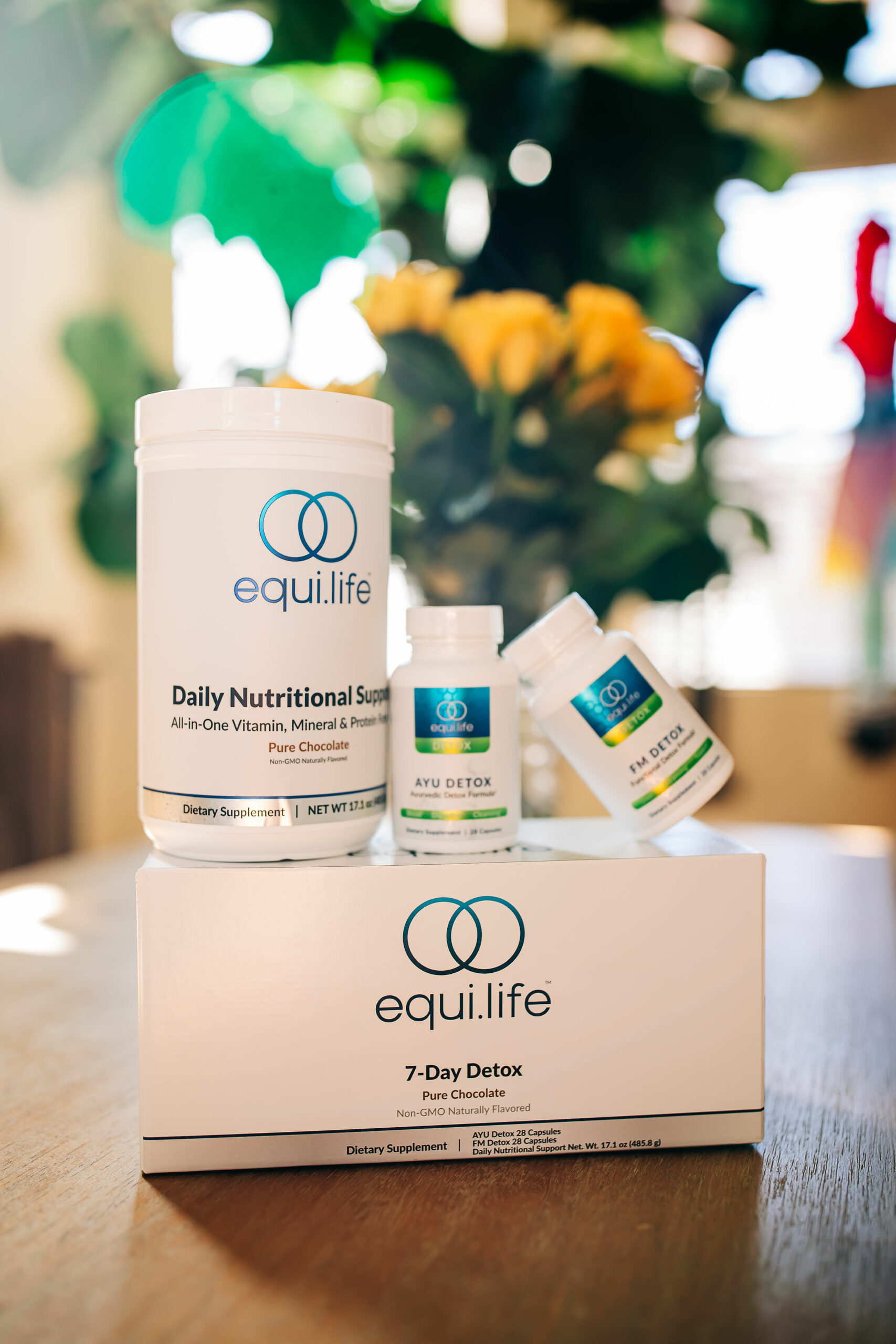
Each detox kit includes the following:
Daily Nutritional Support:
This one-stop-shop for vitamins, minerals, protein, electrolytes, and antioxidants is the heart-and-soul of the Dr.Cabral Detox. With 15 grams of vegan protein, Daily Nutritional Support provides your body with much-needed energy and nutrition while your body begins to rid itself of toxins.
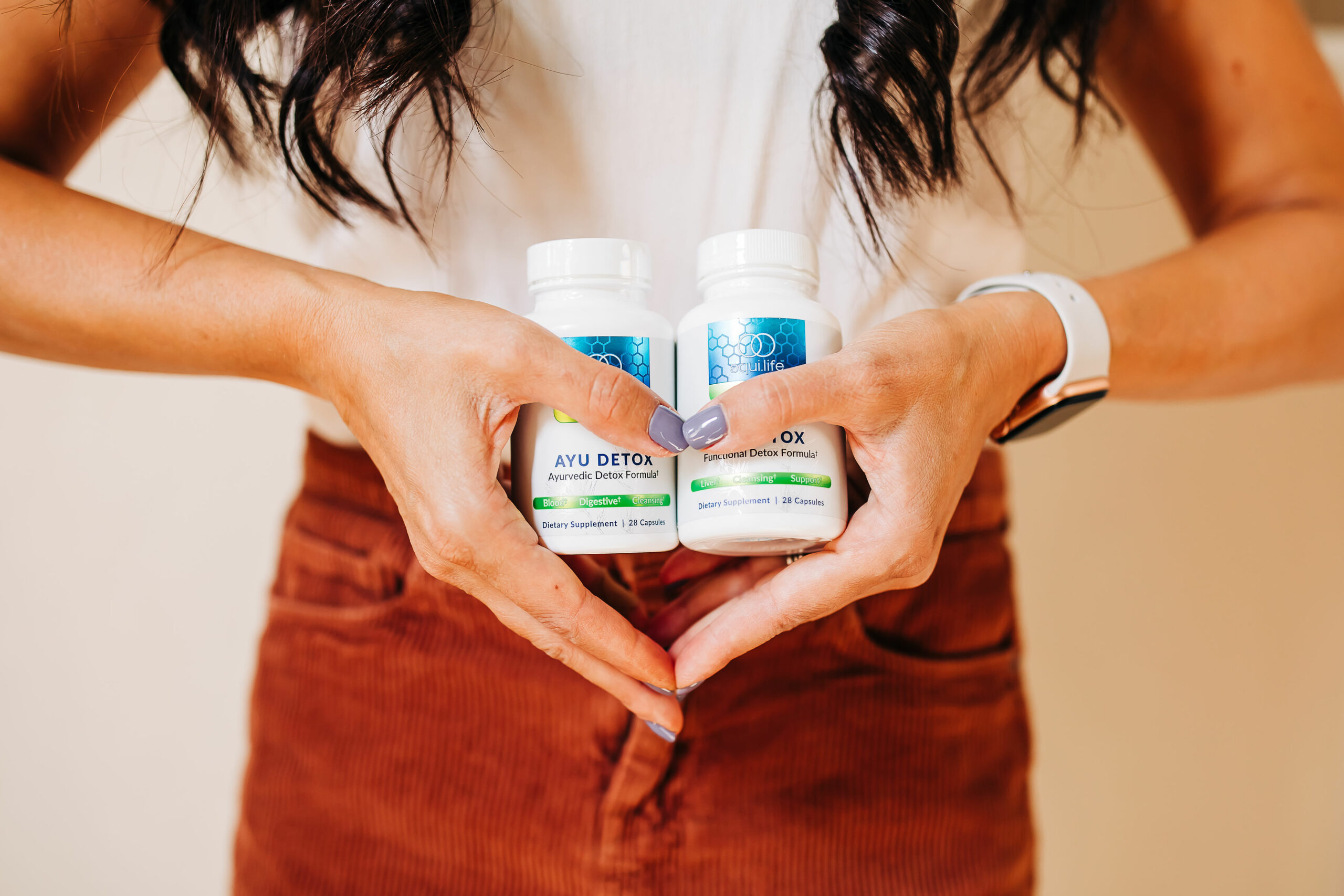
FM Detox:
Utilizing the most recent research in Functional Medicine, FM Detox provides the compounds necessary to support both phases of liver detoxification. Essential amino acids, antioxidants, and botanical extracts like milk thistle help the body to capture and move toxins to the liver where they can be metabolized and removed during phase two. Ingredients like dandelion root extract support the production of bile which aids in elimination. As a diuretic, dandelion root increases water supplied to the liver which facilitates toxin elimination in the urine.
AYU Detox:
Incorporating ancient Ayurvedic healing traditions that support optimal detoxification, the AM Detox helps begin the detox process. Various diuretics move water to the liver and increase the solubility of toxins. Triphala, the combination of three plants: Emblica Officinalis, Terminalia bellerica, and Terminalia chebula, have been studied for their roles in gastrointestinal health. When used in conjunction, it is suggested this powerful trio promotes the growth of beneficial gut microbes Bifidobacteria and Lactobacillus, while inhibiting the growth of undesirable strains.
Day 1 was just shakes and supplements, and I expected to feel run down and tired. I felt amazing. I had a lot of energy and felt clear and focused. I took this day entirely off from the gym and spent extra time meditating and reading in the evening.
Day 2:
I expected hunger to kick in, and it hit pretty hard in the afternoon. I ate a bowl of raspberries and blueberries, and felt much better. I figured if any point during the detox if I needed to skip ahead to Day 3, I’d do it, but didn’t feel like I needed it. I did feel more tired this day, and only took Maisey for our usual walk for activity.
Day 3:
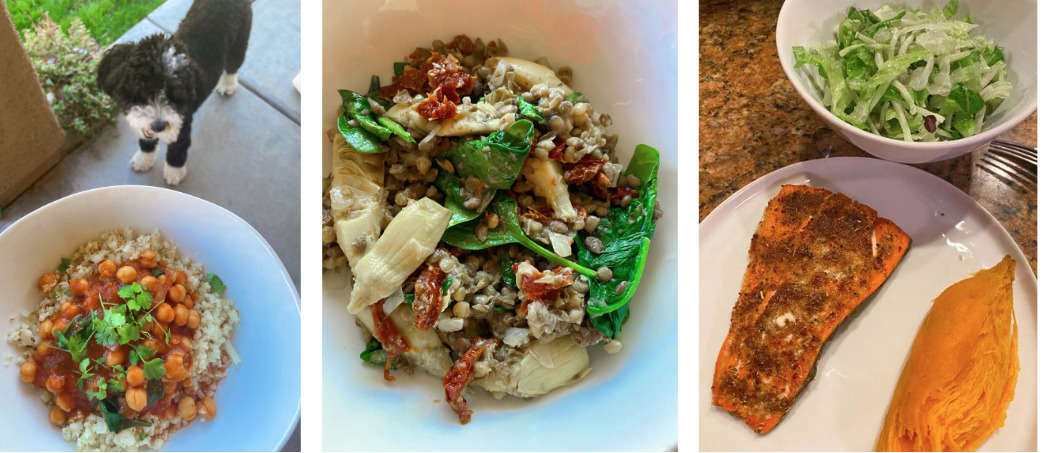
First day of adding back whole foods and food had never tasted so amazing in my life. This is why I LOVE doing occasional resets; it brings me back to my tastebuds and the foods I genuinely enjoy. I made channa masala, which I knew was going to be flavorful, but it was absolutely bursting with spices and citrus. It was incredible. I felt my energy soar in the afternoon, so I did a quick Sculpt Society workout (no cardio, just light weight and bodyweight strength).
Day 4:
I feel like I really hit my groove with the plan and felt myself looking forward to the shakes and each meal. This was another off day from the gym and I just walked Maisey. Lunch was an awesome Mediterranean lentil dish for lunch (recipe below) and we had the best scallops and asparagus for dinner. (Got the scallops from ButcherBox and the girls went crazy for them.)
Days 5-7:
I started to get back into a more *normal* workout routine, but modified quite a bit since I felt weak. I did an F45 class one day, a hot yoga day the following day, and took Sunday as a rest day.
Something I noticed during this detox:
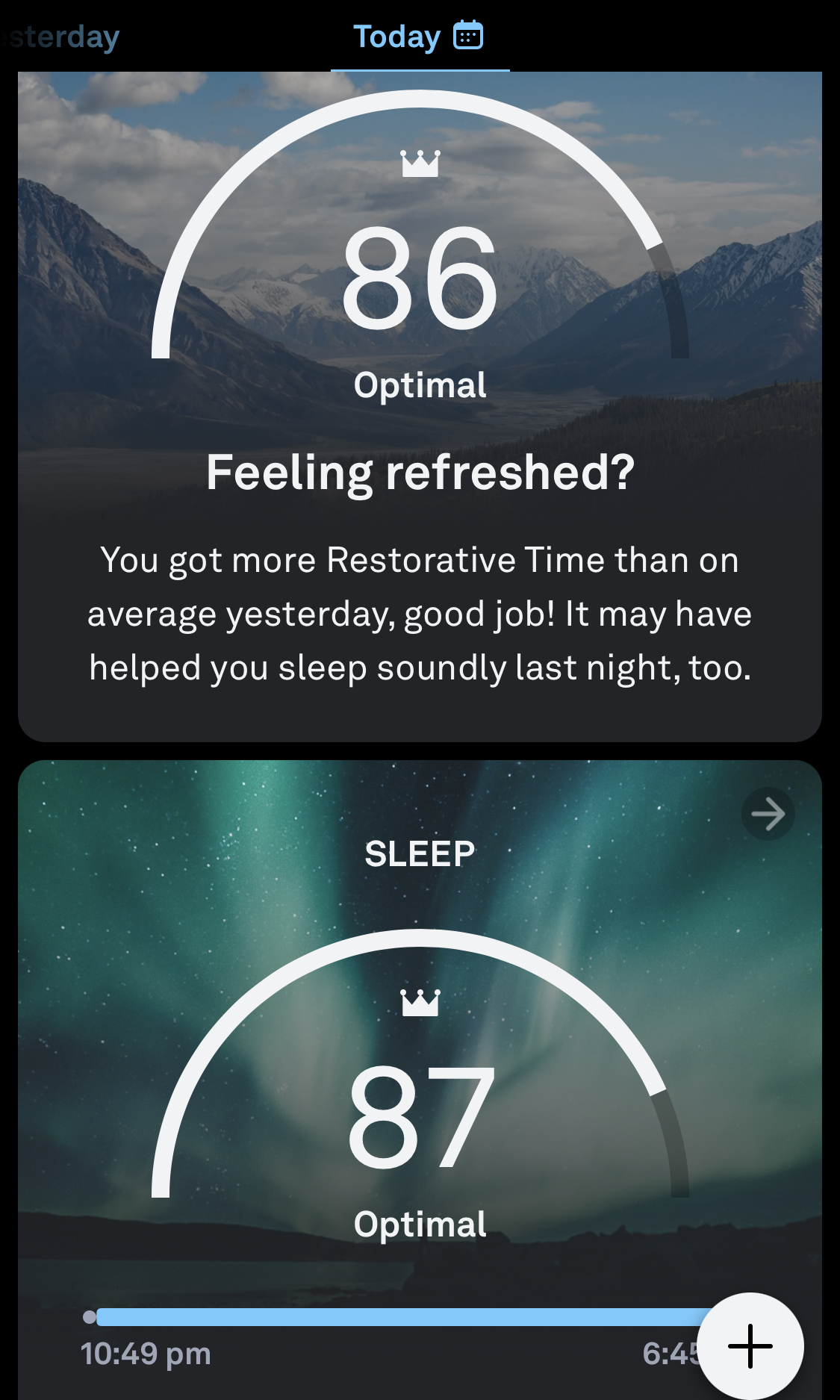
– My Oura scores were the best they’d ever been consecutively. I had multiple triple crown days (usually if I get 3 for the entire week, I’m pumped) in a row!! I slept SO well and had vivid dreams each night.
(5 triple crown days in one week!)
My final thoughts/results:
Physically, I feel like inflammation is absolutely down in my face and wish I would have taken photos to compare. My wedding ring usually fits me snugly and is now loose. Mentally, I feel even more energized, focused, and clear. I feel like I’m back in touch with the way I like to eat, that makes me feel and perform my best. Pre-detox, it was very normal for me to walk past the pantry and grab a cookie from the cookie jar each time. Sugar and treats started to become habits rather than something I truly enjoyed.
Fruit and veggies started to taste bland to me, and I found myself craving more and more sugar. This helped me remember how good it feels to focus on fresh, whole, foods and how good they taste. I will absolutely do this again, and next time, I might go for the 14-day plan. Many of the gals in our group are continuing with the program because they feel so amazing.
Here’s a short video I made with my experience:
7-day detox recipes
Detox lunch recipes
Channa Masala
Makes about 5 large servings (save any leftovers for upcoming lunches or freeze)
Ingredients:
1 onion, chopped
3 cloves of garlic, minced
1 teaspoon fresh minced ginger
15 oz tomato sauce
8 oz water
1/4 teaspoon turmeric
1/2 teaspoon cumin
1 teaspoon garam masala
2 cans chickpeas, drained
1/2 bag spinach
Cilantro and lemon, for serving
In a large pot, sauté the onion, ginger, and garlic in a little avocado oil until fragrant. Season with salt and pepper, and add all of the spices. Coat with the spices, and then stir in the tomato sauce, water, and chickpeas. Simmer for 15 minutes, stirring occasionally. Season to taste with salt and pepper. Wilt in the spinach for a minute or two, and then serve with chopped cilantro on top and a squeeze of lemon juice. I enjoyed this on cauliflower rice and it was incredible! etovers were even better.
Mediterranean Lentil Dish
Makes 4 servings (save any leftovers for upcoming lunches or freeze)
1/2 sweet onion, chopped
3 cloves of garlic, minced
1/2 cup sun-dried tomatoes rehydrated in water (I like to do this because they’re much softer)
16 oz cooked black lentils
8 oz artichoke hearts
1 teaspoon oregano
1/2 bag of spinach
Dressing:
2 tablespoons olive oil
Juice of 1/2 lemon
1 teaspoon Dijon mustard
1/4 teaspoon each of thyme and basil
In a large pot, sauté the onion and garlic in a little avocado oil until fragrant. Add the lentils, artichokes, sun-dried tomatoes, oregano, and season well with salt and pepper. Warm through while you make the dressing. Whisk all the dressing ingredients together and pour on top. Serve with extra lemon juice.
Hummus and veggie wraps
– I made the hummus with chickpeas, tahini, lemon juice, cumin, garlic powder, salt and pepper and then served it on romaine boats with avocado, bell pepper, and carrots
Detox dinner ideas
Hot bar! One night P had soccer late and I didn’t have time (or energy) to make anything. We went to hot bar and I grabbed Paleo chicken, cabbage slaw, broccoli, cauliflower, and a scoop of hummus. It was perfect.
Scallops and asparagus (I made risotto for the fam, too): just pan-seared them with salt and pepper, and served with roasted asparagus (garlic powder, avocado oil, and salt and pepper)
Blackened salmon in the air fryer
Makes 4 servings
Here’s the recipe for the salmon:
1/4 teaspoon each: cumin, garlic powder, oregano, paprika, chili lime seasoning from Trader Joe’s (to the fam’s I added 2 tablespoons brown sugar)
Make the blackened seasoning by mixing the above ingredients in a small bowl
Season the salmon well with salt and pepper and preheat the Air Fryer to 400 degrees. Fully coat the salmon with the seasoning and spray the basket of the air fryer with avocado oil. Add the salmon and cook 7-10 minutes until cooked through. Serve with any sides you like! We had this with baked sweet potato and salad with lemon and olive oil
Turkey burgers with avocado and veggie salad: the Pilot made the turkey burgers, and the fam had theirs on buns with waffles fries and salad, and I ate mine on a chopped veggie salad with avocado
Discount code for the Dr. Cabral Detox programs:
If you’re curious about checking out these programs for yourself, you can use my code FITNESSISTA20 for 20% off. Please let me know if you decide to give this a whirl! Doing this before the holidays helped me reset before a time of extra sugar and events.
Hope you have a wonderful day and I’ll see ya soon!
Less than two months ago, we reported scientists funded by the National Institutes of Health (NIH) and Dr. Anthony Fauci’s National Institute of Allergy and Infectious Diseases (NIAID) have resurrected the Spanish flu virus through reverse genetics.
Disturbingly, the scientists appeared frustrated by the fact that the recreated virus failed to kill the macaque species selected for the experiment, even at the highest doses tested.
They argued a more dangerous version of the Spanish flu virus must be created in order to develop better vaccines against it. This despite the fact that, until they resurrected this virus, it no longer existed in nature and posed zero threat to mankind. It kind of reminds me of a Mary Shelley quote, the author of “Frankenstein,” who in 1818 stated:
“Frightful must it be; for supremely frightful would be the effect of any human endeavor to mock the stupendous mechanism of the Creator of the world.”
Massively Lethal Omicron Hybrid Has Now Been Engineered
Now, we come to learn that mad scientists at Boston University’s biosafety level 4 (BSL4) laboratory have engineered an Alpha/Omicron hybrid strain of SARS-CoV-2 with an 80% lethality in mice.1
In the video above, John Campbell reviews this paper. He, like many others, are calling on the U.S. government to immediately close down this kind of research, and to destroy all the Frankenstein viruses already created. If they don’t exist in a lab somewhere, then they cannot escape.
Considering SARS-CoV-2 was most likely concocted in a lab, just like this hybrid, the fact that they continue tinkering with it to make it more lethal is indeed mind-bogglingly reckless. What’s to prevent this souped-up hybrid from escaping and wiping out mankind? Sure, BSL4 labs have the tightest safety precautions,2 but that is no guarantee the virus won’t get out (especially if someone intentionally wants it out).
There have been plenty of lab leaks in the past, and as discussed by The Lancet COVID Commission chairman Jeffrey Sachs in the video at the end of this article, evidence suggests SARS-CoV-2 emerged from a U.S.-backed research program in China.
Granted, effects on mice are not directly translatable to humans, but since SARS-CoV-2 appears particularly adapted to infecting humans,3 these results are certainly cause for concern. And again, the likelihood of SARS-CoV-2 somehow reassembling itself into a Wuhan strain with Omicron spike protein “in the wild” is just about nil. Why? Because the original Wuhan strain has vanished from the environment.
It has mutated out of existence already and been replaced by a series4 of new variants. So, the chance of the first, original strain getting mixed with one of the last — in nature, by itself — is beyond remote. Were it not for these madmen, we would never have had to worry about this kind of recombination.
Yet here we are, facing the possibility of an unimaginably deadly coronavirus — thanks to scientists who continue to act without moral compass. Just because something can be done doesn’t mean it should be done. As noted by Steve Kirsch:5
“Presumably there is some benefit to creating a new strain of SARS-CoV-2 that has a case fatality rate (CFR) of 80% (up from the average 0.2% CFR for the current variants) and is highly contagious. I’m baffled as to what it is …
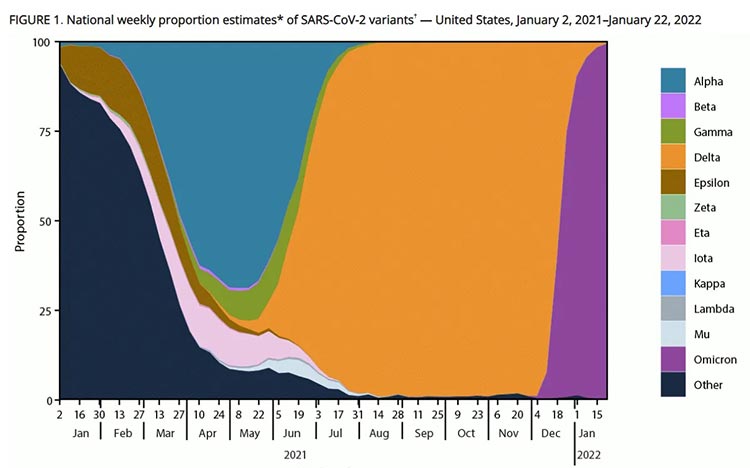
Here’s an idea how fast it could spread. Look at the slope of the purple curve … that’s Omicron. This is from a CDC paper.6 So expect the virus to spread everywhere in about a month. How fast will it wipe out the entire US population if released? It depends on how quickly the virus kills humans.”
How This Souped-Up Hybrid Was Created
To create this new bioweapon, the scientists extracted spike protein from the Omicron BA.1 variant of SARS-CoV-2 and attached it to the original Wuhan Alpha strain.7 Of the lab mice infected with this reengineered virus, 80% died. Mice infected with the regular Omicron strain experienced only mild symptoms and none died, while lethality from the original Alpha strain was 100%.8
Mutations in the Omicron spike protein is what makes it so much more infectious than previous variants, while mutations in other parts of the virus have rendered it far milder than the original, which caused unique problems such as blood clots. Mutations in the Omicron spike protein have also given it significant immune-evading capabilities — which were carried over to the new hybrid in this experiment.
By combining the more infectious spike protein from Omicron with the far more dangerous Alpha virus, they’ve created what can easily be described as a biological superweapon. As reported by the Daily Mail:9
“The revelation exposes how dangerous virus manipulation research continues to go on even in the US, despite fears similar practices may have started the pandemic.”
Scientists Call for End to Gain of Function Insanity
The Daily Mail goes on to quote a number of scientists and experts who recognize the absolute folly of engaging in this kind of research.
“Professor Shmuel Shapira, a leading scientist in the Israeli Government, said: ‘This should be totally forbidden, it’s playing with fire’ … Dr. Richard Ebright, a chemist at Rutgers University in New Brunswick, New Jersey, told DailyMail.com …
‘The research is a clear example of gain of function research of concern and enhanced potential pandemic pathogen (ePPP) research.
It is especially concerning that this new US-government ePPP research — like the previous US-government ePPP research on chimeric SARS-related coronaviruses at Wuhan Institute of Virology that may have caused the pandemic — appears not to have undergone the prior risk-benefit review mandated under US-government policies.
If we are to avoid a next lab-generated pandemic, it is imperative that oversight of ePPP research be strengthened. It is imperative that the existing polices mandating prior risk-benefit assessment of ePPP research be followed, and it is imperative that officials at US-government agencies who repeatedly have placed the public at risk by repeatedly violating the existing policies be held accountable’ …
Prof. David Livermore, a professor of microbiology at the UK’s University of East Anglia told DailyMail.com: ‘given the strong likelihood that the COVID pandemic originated from the escape of a lab-manipulated coronavirus in Wuhan, these experiments seem profoundly unwise.’”10
The Daily Caller also published scathing rebukes of the research. For example, Justin Goodman, senior vice president of advocacy and public policy at White Coat Waste Project told them:11
“[Dr. Anthony] Fauci and other mad scientists need to be stopped before they cause another pandemic by recklessly supercharging deadly viruses in wasteful taxpayer-funded animal experiments … Stop the madness.”
‘The Dumbest Possible Thing’
In an October 17, 2022, article, Jeff Childers, an attorney and the president and founder of Childers Law firm, offers the following review of Boston University’s latest experimentation:12
“Try to imagine the dumbest thing the public health experts could do at this point. Allow that the PHE [public health emergency] folks do stupid stuff all the time, so you have to think big. No, BIGGER. Think even dumber than whatever you’re thinking right now. The DUMBEST POSSIBLE thing.
On Friday [October 14], BioRxIV naively published a blandly-named study titled ‘Role of spike in the pathogenic and antigenic behavior of SARS-CoV-2 BA.1 Omicron.’
There are 23 scientists credited with helping create the study, and the acknowledgements identify it was funded by a major grant from the NIH/NIAID [National Institutes of Health/National Institutes of Allergy and Infectious Diseases].
The study provides a detailed, step-by-step recipe for how to genetically enhance the Omicron virus to make it vaccine-resistant, lung-penetrable, and 80% lethal.
They didn’t even wait till the first pandemic was over! They’re so excited for a doomsday virus, and so impatient with Mother Nature, that they are going to just manufacture it themselves, through gain-of-function research that should be so toxic it gets you hounded out of your career and driven into a life of humiliating obscurity …
These mad scientists and generous government grant-approvers know better than anyone that we JUST went through a global pandemic almost certainly caused by a virus that was produced by gain of function research to ‘enhance’ its transmissibility and pathogenicity, which LEAKED OUT OF A LAB.
And they know it’s been illegal to conduct gain of function research in the U.S. since the Obama Administration. Why, oh why, are these criminals, I mean scientists, still allowed to tinker around with this kind of explosive material?
Why haven’t we ALREADY passed laws criminalizing ALL gain of function research? … And WHY is the government still PAYING FOR gain of function research, or whatever obtuse euphemism they are using these days to disguise the fact that it’s ‘gain of function research’?
Have we learned NOTHING from the Wuhan lab leak? Hey, lawmakers: LABS LEAK!! This is the kind of lesson we really, really don’t need to learn again … But … thanks to our witless ‘health agencies,’ we — taxpayers! — are funding our own destruction.”
Boston University Denies Gain of Function
For their part, the University of Boston denies that the experiment13 is gain of function — a tactic previously employed by Dr. Anthony Fauci, who also funded this study — or that it made the original virus more dangerous, which is true to a point.14
The lethality of the Alpha virus went from 100% lethality to 80%, so the lethality, in mice, was reduced. However, the Alpha virus also gained the ability to evade the immune system, which could potentially make it more dangerous in humans, and this is something the researchers have downplayed.
As explained by infectious disease epidemiologist and microbiologist Marc Lipsitch in a lengthy October 18, 2022, Twitter thread,15 the research is “unquestionably gain of function” because:
“The wildtype ‘backbone’ virus gains immune escape from the insertion of the Omicron spike, in ways that the paper describes in detail. That is gain of function.”
You could also argue they made Omicron more lethal, although the objection to that argument would be that only the spike protein was used.
Was Gain of Function Framework Circumvented?
Questions have also arisen about whether the research was properly supervised. While the experiment was reviewed and approved by the institutional biosafety committee of Boston University’s National Emerging Infectious Diseases Laboratories and the Boston Public Health Commission, it was apparently never cleared with the NIH.
According to Boston University director Ronald Corley, it wasn’t cleared with the NIH because the agency didn’t fund it.16 Yet the paper clearly states the work was funded by not just one but four different NIH grants (R01 AI159945, R37 AI087846, NIH SIG grants S10-439 OD026983 and SS10-OD030269). “He’s lying. Brazenly,” Ebright commented in a tweet, referring to Corley.17 As reported by STAT News:18
“In response to questioning from STAT, the National Institute of Allergy and Infectious Diseases, which had awarded two grants to the research group, said … that it should have been informed about the nature of the work beforehand, in order for a review to be conducted.
Emily Erbelding, director of NIAID’s division of microbiology and infectious diseases, said that is the policy set out in what’s known as the P3CO framework, which lays out the rules for work that could lead to enhancement of dangerous pathogens …
Some funding from NIAID went towards work that might be considered foundational to the questioned research. Corley said the team used some of the federal funds to develop a system for making plasmids it would need to do the later work.
He acknowledged it can be difficult to see where lines are drawn, when research groups are using different pots of money to fund their work. ‘It is a murky world, but in our view because the funding was not supporting the work that was supported in this paper, that it wasn’t necessary to report it to NIH,’ he said.
STAT asked the NIAID if it was satisfied with Boston University’s response. The agency’s response … did not directly answer the question, though it indicated the situation is still being investigated.
‘NIH is examining the matter to determine whether the research conducted was subject to the NIH Grants Policy Statement or met the criteria for review under the HHS Framework for Guiding Funding Decisions about Proposed Research Involving Enhanced Potential Pandemic Pathogens (HHS P3CO framework),’ the statement said.”
Erbelding reportedly only found out about the research after reading about it in the media. According to the Daily Mail,19 she “admitted feeling uneasy about the type of research the grants had been used to fund — given the lingering questions about the role of virus manipulation studies and the origins of COVID” and said she “wished” they’d notified the NIAID about their work. In another interview, she stated:20
“What we would have wanted to do is to talk about exactly what they wanted to do in advance … [and then] we could have put a package forward for review.”
Boston University Lambasted for ‘Demonstrably False’ Denials
As noted by Ebright, Boston University’s claims that the research was not gain of function “are demonstrably false and should be deeply embarrassing.”21 Lipsitch also has concerns about the University’s denials.
“The statement from BU [Boston University] is disturbing in several ways,” Lipsitch writes.22“First, it denies that this is GOF [gain of function]. It is GOF. If meant sincerely, this is disturbing from the institution that did the research because it provides prima facie evidence that institutions are not equipped to self-regulate …
Second, the statement reflects a culture of compliance rather than responsibility: because the NIAID funding was for equipment rather than the specific experiments, BU states it doesn’t need to report the research to NIH. I’m no lawyer but likely they are right …
In seeming contradiction to that, the BU statement says ‘If at any point there was evidence that the research was gaining function, under both NIAID and our own protocols we would immediately stop and report.’ Is there an obligation to report or no?
Finally, BU seems to be saying in that statement that high lethality is only for mice, not humans, so nothing to worry about. This is misguided and hard to know how one could say it. SARS-CoV-2 has caused havoc in humans with <1% infection-fatality rate.
High lethality in mice is used … as a proxy for severity in humans … No one cares if Omicron can kill a mouse, except as a marker for severity (>1 order of magnitude lower) in humans. If not a proxy for human phenotype, spare the mice and stop doing those experiments …
Has BU shown that they are capable of self-regulation, assessing both the real risks that might be created and documenting that they considered them and found them minor compared to benefit: no. They are in full denial mode from their public statements. Did they consider whether safer experiments could answer some or all of these questions well enough to accomplish what was needed? If so, [there’s] no evidence thereof.”
Fauci’s Final Splurges Before Leaving Office
As detailed in “Why Is Fauci Continuing to Fund EcoHealth Alliance?” before stepping down from his position as NIAID director and overseer of U.S. bioweapons research in December 2022, Fauci made sure gain-of-function research to create more potent bioweapons would continue for some time after his departure.
Not only was the featured Omicron experiment funded, but he also lined up five years’ worth of additional funding for the most controversial and suspect organization of all — EcoHealth Alliance. EcoHealth was a key participant in the risky gain of function research on bat coronaviruses at the WIV, which is now suspected of having played a role in the creation of SARS-CoV-2.
Fauci has spent hours in the Congressional hot seat answering questions about his funding of that research — which, by the way, also bypassed the P3CO framework, on top of skirting an outright federal ban on gain-of-function research, which was in force at the time.
EcoHealth’s role in COVID-19 is so suspect, Iowa Sen. Joni Ernst recently introduced the “Defund EcoHealth Alliance Act,”23 which specifies that “No funds authorized or appropriated by federal law may be made available for any purpose to EcoHealth Alliance Inc, including any subsidiaries and related organizations that are directly controlled by EcoHealth Alliance Inc.”
Despite all of that, Fauci recently gave EcoHealth another $3.3 million in additional funding to analyze “the potential for future bat coronavirus emergence in Myanmar, Laos and Vietnam” and “rapidly supply viral sequences and isolates for use in vaccine and therapeutic development, including ‘prototype pathogen’ vaccines.”
Loads of Gain-of-Function Research Going On
In late October 2021, we also reported that the United States Agency for International Development (USAID) had given a $125 million grant to Washington State University to detect “emerging viruses.” The goal of that project is to collect over 800,000 samples over five years from wildlife and then determine the zoonotic potential of these viruses.
They expect to find between 8,000 and 12,000 new viruses, “which researchers will then screen and sequence the genomes of the ones that pose the most risk to animal and human health.”24
As Breaking Points anchor Saagar Enjeti emphasized in an October 2021 news report,25 “detect emerging viruses” is code for gain-of-function research, meaning they’re going to conduct gain-of-function research to assess which of the viruses have the potential to mutate into something dangerous for humans.
Research With Civilization-Ending Potential Must Be Stopped
As noted by Childers in his Coffee and COVID commentary on the lethal Omicron hybrid, the researchers methodically detail each step of the engineering process, down to the makes and models of the incubator and centrifuge used and the serial numbers of the cell lines.
“It’s a flipping recipe. Anybody could follow it,” he writes.26“We’re now about two seconds away from midnight on the Doomsday clock. If we aren’t even smart enough to stop GAIN OF FUNCTION RESEARCH after what the entire world just went through, then we should grudgingly accept the title … as the Universe’s most imbecilic civilization …
Sometimes I’m convinced we are literally sprinting toward the apocalypse, at the speed of science. All those horrible afflictions in the Book of the Revelation, the terrible boils and deadly plagues and stuff? I’m starting to believe that those aren’t caused by God. I’m starting to believe we’re going to do it to ourselves.”

 Red meat remains the big villain in nutritional epidemiology. No matter what disease, health condition or cause of death you choose, there are teams of researchers just itching to connect it directly to how much red meat you eat—which is why every few months there seems to be a new study trying to implicate red meat as the primary cause of death, disease, and climate collapse.


 Hey folks, Board-Certified Health Coach, and Primal Health Coach Institute’s Coaching Director, Erin Power is here to answer your questions about satiating hunger and tracking food. If you’re looking for skillful, caring guidance we’ve got strategies, tips, and support. Have a question you’d like to ask our health coaches? Leave it below in the comments or over in the


 Psoriasis is a skin disorder in which your skin cells reproduce too quickly, leading to scaly skin, rashes, or blisters. With plaque psoriasis (the most common form), red, flaky patches rise on the scalp, face, knees, elbows, lower back—anywhere on the body, really. Other types present differently. Inverse psoriasis, for example, appears as smooth red blotches mostly in skin folds, while the relatively rare erythrodermic psoriasis causes skin peeling on large areas of the body. Psoriasis can also affect fingernails and toenails.

 17 years ago, my friend and mentor Art Devany asked me to write a couple fitness articles for his website. I did. “