Skip to content

Author: books

COVID-19 Vaccine May Change, Lengthen Menstrual Cycles

COVID-19 Vaccine May Change, Lengthen Menstrual Cycles

[ad_1]

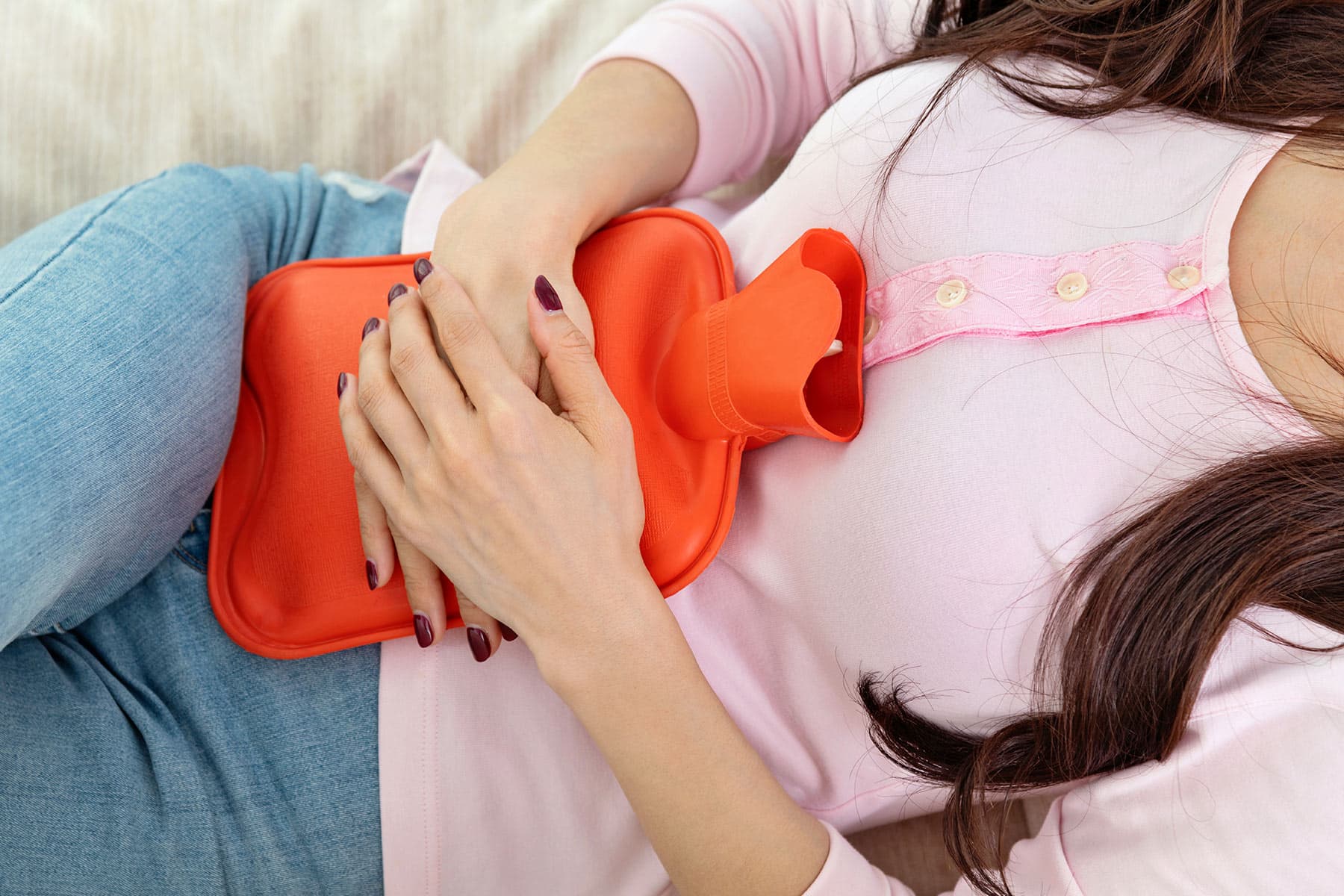
Oct. 6, 2022 – Pamela Jock has always had regular periods, even as she rounded 50 and knew perimenopause was on the horizon. But shortly after receiving the second of a two-series COVID-19 vaccine in June 2020, her cycle began to change. At 52, it could indeed be perimenopause, but Jock had to wonder if the vaccine might have played a role. It turns out, the answer to her speculation is “maybe.” 

A new study, recently published in The BMJ,  did a deep dive into the possible link between the COVID vaccine and irregular periods. The investigation, led by Alison Edelman, MD, a professor of obstetrics and gynecology at Oregon Health & Science University, was prompted by more than 30,000 reports of cycle changes to the United Kingdom’s Medicines and Healthcare Products Regulatory Agency (MHRA). 

Using data from a period-tracking app called Natural Cycles, the study pulled in numbers from more than 20,000 women from around the world. The researchers considered the three menstrual cycles prior to vaccination, and at least one cycle after. They compared this to four menstrual cycles in a group that had not received the vaccine. 

The results revealed that on average, the vaccinated women got their periods 0.71 days late after the first shot. Those who received two vaccines within one cycle saw an increased cycle length of 4 days, on average. This tracks with Jock’s experience. “My cycle elongated to 30 days, versus my normal 26 days,” she says. “Then I had a gap between cycles of a few months.”

This is where the vaccine-cycle link gets murkier. Given Jock’s age, her big gap between cycles could very well be perimenopause, especially since the study only examined women between the ages of 18 and 45, who already had regular cycles. But Jock still wonders. “After I got my first booster in the fall of 2021, my periods flipped back to normal, showing up every 26 days,” she says. “But they were extremely heavy and I was tired and drained.” 

Follow-up bloodwork revealed anemia, potentially as a result. When she asked about a potential vaccine-irregular cycle link, says Jock, “The doctor didn’t think there was a connection, and that it was probably perimenopause.”

What’s Going On 

Whether in the age range of the people in the study or beyond, like Jock, the relationship between the COVID vaccine and menstrual cycle changes can stem from several things, says Esther Goldsmith, an exercise physiologist with bio-analytics company Orreco. 

“It may be influenced by when in your cycle you have your vaccination,” she says. “We know that changes in estrogen and progesterone in the menstrual cycle can affect the immune system and our immune responses. That’s why I think it’s really interesting that the study shows that those who had two doses in the same cycle were most affected.” 

Orreco’s data collection – which often focuses on female athletes – has shown the vaccine can have other impacts, as well, that may play a role. 

“We’ve also seen that the vaccine can affect oxidative stress and inflammation, things we measure through point-of-care blood analysis,” Goldsmith says. “Inflammation can influence symptoms, so using inference, the vaccine may also illicit a change in menstrual cycle symptoms.” 

Shaghayegh DeNoble, MD, with Advanced Gynecology and Laparoscopy of North Jersey, says she hears from many patients that their periods came later than expected, and/or that they were having heavier than normal periods after the vaccine – as well as after a COVID infection. 

“I remind them that many things can change our cycles, including travel, the change of seasons, and stress,” she says. “This happens all the time, and there are no long-term effects. I reassure them their cycles will return to normal.”

The research found that in most cases, normal occurred within one to two cycles after the vaccine, which aligns with what DeNoble’s patients reported, too. 

Putting Minds at Ease 

While the research may have established a probable connection between the vaccine and abnormal menstrual cycles, Goldsmith and DeNoble both emphasize the shots do not impact fertility. 

“I receive so many phone calls from women worrying that because their periods were off, their fertility may be at risk, too,” DeNoble says. “But fertility is not diminished due to the vaccine.” 

Jock says she is thankful fertility is not something that matters to her, anymore. “I would probably be worried if it were,” she admits. 

Goldsmith says such fears are unwarranted and wants women to put any alarm aside. “An abnormal period is a very natural response to something that is physiologically a big event for your body to deal with,” she says. “Menstrual cycles can be incredibly sensitive to change of all sorts, whether nutrition, lifestyle, stress, or the immune system. We shouldn’t be surprised, therefore, that it will respond to things like vaccines. This probably isn’t a new phenomenon, but it may not have been documented in the past.” 

Now armed with the research results, DeNoble says it will be easier to educate patients about what to expect with boosters. 

“It’s so important for us to be able to warn patients about potential side effects,” she says, “and it’s also important that we can put their minds at ease.” 

Goldsmith recommends that women track their cycles, documenting any changes – vaccine or not. 

“We should all pay attention to our cycles and make sure we’re looking after ourselves in these times in order to reduce the stress the body is under,” she says. 

While Jock will never know for certain if her irregular cycles were the result of the vaccine or perimenopause, she’s watching what happens when she soon receives the bivalent COVID vaccine. “I’m curious to see if this carries me along the same trajectory,” she says. 

Regardless of the inconvenience of an abnormal cycle, Jock has no regrets about getting the vaccine, she says: “I’d much rather stay healthy and avoid COVID.” 

[ad_2]

Source link

Could Vitamin C Help Reduce Gout?

Could Vitamin C Help Reduce Gout?

[ad_1]

Oct. 6, 2022 Could taking vitamin C help reduce the chances of developing gout? A new study sheds light on this possibility. 

Gout is a form of inflammatory arthritis that has been on the rise in the U.S. in recent decades. Considered a lifestyle disease, some research has shown that instances of the condition have more than doubled in recent years as rates of obesity have skyrocketed. It’s caused by uric acid in the blood that builds up and crystalizes in the joints. Flare-ups are so intense that the joints can turn a cherry red and vibrate with intense and sometimes seemingly intolerable pain. 

While there are effective treatments, many people fail to take their medications when theyre not in pain, and if the condition goes unchecked, it can get much worse and cause permanent damage to the joints. 

“Gout can cause flare-ups that vary in frequency and severity; but sometimes when people aren’t experiencing them, they’re less likely to stay on top of their medications,” says Stephen Juraschek, MD, an assistant professor of medicine at Harvard Medical School. 

That’s why lifestyle interventions are seen as particularly relevant to a disease like gout. Vitamin C, for example, has few side effects, and for those with higher levels of uric acid in the blood, it could reduce the likelihood of getting the condition. A recent study published in The American Journal of Clinical Nutrition found that people who were given 500 milligrams of vitamin C versus a placebo had a 12% reduced risk of getting gout. The study of over 14,000 male doctors showed that men who weren’t overweight had the most significant reduction in the risk of getting the condition. (Excess weight has been shown to increase the risk of gout.)

As part of the study, participants responded to a questionnaire that asked whether they had ever been diagnosed with gout. Other studies have shown that vitamin C reduced the levels of urate in people without gout and broke down uric crystals in the blood, but this study took it a step further to show that the supplement actually reduced the risk of getting the condition.

“In addition to lowering levels of uric acid in the body, it’s thought that vitamin C may also minimize the inflammatory response to urate crystals,” says Juraschek. That’s because when flare-ups develop in joints throughout the body, much of the painful irritation is caused by the immune system’s response as it fights to break down the crystals. 

Juraschek says this likely wouldn’t change recommendations for patients with serious gout, but it could still have an impact. 

“For individuals who were told that they have gout but have had fewer flare-ups, they might be more open to taking vitamin C,” he says.

Will Settle, 42, of Hilton Head, SC, was not involved in the study, but he says he would be inclined to try most any safe preventive method. Gout runs in his family. His father and grandfather had it, and now, so does he. His flare-ups have slowed in recent years, which he says has a lot to do with his diet and lifestyle. He stopped eating seafood, started drinking more water, and stopped drinking as much alcohol all of which he thinks has had a huge impact on the severity of his condition. (Both seafood and beer contain high levels of purines, which have been shown to increase the buildup of uric acid in the blood.) Settle says that other simple lifestyle changes like vitamin C would be an easy addition to his routine with few downsides. Plus, he hates having to take colchicine, a medication that’s meant to relieve pain but causes him intense diarrhea when he takes it. 

“Anything to reduce my flare-ups without having to take colchicine,” he says.

But the jury is still out as to whether vitamin C will have any real benefits. Study co-author Robert H. Shmerling, MD, is the former clinical chief of the Division of Rheumatology at Beth Israel Deaconess Medical Center in New York. He says the study shows that the effect of vitamin C in those undiagnosed with gout was rather modest. Also, vitamin C did not show a reduction in gout flare-ups in those who were already diagnosed with the condition. Not to mention that the study lacked diversity, as the people in it were all male and mostly white. Still, there’s little downside risk to taking vitamin C, and it might end up being worthwhile. 

“Maybe it will turn out to be an effective treatment in those who are at high risk, but we’re not there yet,” he says.

Robert Terkeltaub, MD, chief of rheumatology at the Veterans Administration Medical Center in San Diego and a professor of medicine at the University of California, San Diego, says there’s an unmet need when it comes to tools for gout prevention. 

“The disease impacts some 10 million Americans, and we need to better identify these individuals so we can intervene earlier,” he says. 

While vitamin C had a small but significant association with fewer new cases of gout, it did not lower it in those who already had the disease, says Terkeltaub. Whats more, researchers didnt measure the levels of uric acid in the blood, which would have painted a more accurate picture of whether vitamin C actually reduced it in the body. 

“There remains no clarity on the potential role of vitamin C in either prevention or treatment of gout. That said, future research would be of interest,” he says. 

Still, gout patients like Settle aren’t ruling it out. Anything to avoid the pain that, at times, makes it difficult for him to get out of bed. He’s seen the benefit that simple lifestyle changes can make, and he’s willing to try just about anything to live a normal, arthritis-free life. 

“I’m always looking for simple ways to keep my flare-ups at bay,” he says.

[ad_2]

Source link

What I Wish I’d Known

What I Wish I’d Known

[ad_1]

By Kim Lewis, as told to Stephanie Watson

As a single mom, I did a lot of juggling. I had an active son and a job at a health and sports facility. I was busy. Making time for doctor appointments and taking care of myself weren’t high on my list. I learned the hard way how important it is to be proactive about my own health.

Just over 20 years ago, when I was 32, I got a cough that wouldn’t go away. I was having so much trouble breathing that I had to sleep upright in a recliner to get enough air into my lungs.

I kept going back to my doctor and telling him the cough wasn’t improving and I couldn’t breathe. He diagnosed me with all kinds of things — pneumonia, walking pneumonia, bronchitis. Finally, after the third or fourth visit, I told my doctor, “I think I need to see a lung specialist.”

The lung specialist immediately sent me to a hospital, where I fell into a coma. When I came out of it 3 days later, my doctors told me that I had inflammation of my heart muscle called myocarditis, which was caused by a virus. I was in heart failure.

A Scary Prognosis

The doctors told me I had 5 years to live. My son was 12 years old at the time. That meant I wouldn’t get to see him graduate from high school. It was horrifying to think about. He’s my whole world.

My son was my baby boy, but he had to grow up quickly. I was so sick that I needed him to take care of me. By the time he was 15, he had to drive me to the hospital if I got sick in the middle of the night. If my port came out, he would call the doctor and say, “Tell me what to do.” My heart failure put a lot of pressure on him.

Turning My Health Around

I knew I had to make drastic changes if I was going to get more time with my son. I started eating healthy. There was no more going to fast food windows for breakfast, lunch, or dinner. I was sitting down to heart-healthy meals. Instead of keeping snack cakes and candy bars on my countertop, I have bananas, apples, and oranges. I stock my fridge with bottles of water, not soda.

Exercise also became a priority. Rather than watching TV in the evening, I go for a walk. I teach a water fitness class 3 days a week and I play with my grandchildren to stay active. I make sure that I exercise and see my doctors. And I take a guideline-recommended heart failure treatment to help my heart pump blood more effectively.

I have these really amazing doctors who monitor me closely and take good care of me. They say I’m nothing short of a miracle. They don’t have an explanation for how much I’m able to do, but they think it’s a combination of healthy living, good medication, and weight loss.

What I Would Have Done Differently

If I could talk to my former self, I would tell her that she needs to take better care of her body. I can look back now and say I probably should have gone to the doctor more often. I should have been more physically active. And I should have had a salad with my slice of pizza instead of eating three slices of pizza.

I also should have asked for a second opinion when my doctor wrote off my symptoms. Had the doctors caught my heart failure sooner, I might not have had permanent damage. There’s a fine line between trusting your doctor and trusting your gut. If you’re not comfortable with what your doctor tells you, it’s OK to get a second opinion.

If I had it do over again, I definitely would have prioritized my health. I’ve met a lot of other heart failure survivors who also put their health on the back burner while they took care of everything else. I should have put my health on the front burner and taken care of me.

A New Outlook on Life

Coming so close to death made me appreciate life more. I appreciate the holidays, dinner with friends, sunrises and sunsets, and the sound of rain. I appreciate family gatherings. I have a very large family here in Tennessee. We get together about four times a year. I’m tickled every time I get to see them.

I feel like life is more precious now. I know that I was given a second chance. After being told that I had 5 years to live, I’ve made it more than 20 years. Every day is a gift.

[ad_2]

Source link

Heart Failure in a Post-Quarantine World

Heart Failure in a Post-Quarantine World

[ad_1]

By Katherine Romano, as told to Hallie Levine

Let’s face it, a diagnosis of heart failure is hard. But it’s even harder to navigate during a global pandemic. I speak from experience: I was diagnosed with heart failure in October 2020, right after I had a massive heart attack. As a nurse, I knew how to take care of others. But I found it harder to take care of myself. Here are three things I’ve learned about life with heart failure in a post-quarantine world.

Don’t Delay Medical Care

I began to have classic heart attack symptoms while I was cleaning my house — agonizing upper back pain that radiated to my left arm, nausea, and shortness of breath. I was hesitant to go to the emergency room during the pandemic. But as soon as I got there, I realized I’d made the right decision. I was dizzy, vomiting, and everything hurt from waist up. 

The doctors told me that I was having a massive heart attack, but I didn’t believe them. I was young, only 63, with normal cholesterol and blood pressure, and no family history of heart disease. When they wheeled me in a stretcher to the catherization lab for two stents, I was more worried about the fact that my mask had fallen off and I couldn’t find it (they ended up covering my face with a sheet).

That’s not to say being in a hospital during the pandemic wasn’t scary. It was. A few days later, I was diagnosed with heart failure due to damage from the heart attack. Here I was, in the ICU, grappling with my new diagnosis while hearing the sounds of ventilators all around me.

I was transferred to a heart center about an hour away, where I stayed for a few weeks. I wanted the support of my family and friends, but the visiting rules were so restricted because of COVID-19 I told them to just stay home. It was hard and scary doing it alone, but somehow, I did it.

Once I was discharged from the hospital, I went through a 12-week cardiac rehabilitation program. Once again, it was scary to be doing this during COVID, but I kept reminding myself that the center had taken all necessary safety precautions, including wiping down machines after each use and requiring masks. Sure, there was some risk involved, but I knew that if I did the cardiac rehab, I’d be much less likely to end up in the hospital again.


Become Active — Again

During the pandemic, my exercise routine fell by the wayside. I no longer went to my twice-a-week Zumba class in person, and I just didn’t feel motivated to try it online. Let’s just say the diagnosis of my heart failure was the kick in the butt I needed to get restarted.

Unfortunately, heart failure makes you tired. You get short of breath easily, and activities that you once enjoyed, like walking, seem very hard. As a result, it’s very easy to waste away and become depressed. I forced myself to walk outside twice a week and to return to in-person Zumba.

But there are so many people with heart failure now who aren’t getting any activity at all. You don’t think about the exercise when you walk around the mall, for example. But now, since the pandemic changed the way we all live, people aren’t doing that anymore: They order things online, or go into a store for exactly what they need, then leave.

Put Yourself First

 While this is a rule that applies all the time, it’s become even more important during the COVID-19 pandemic. For years, I’d been the caretaker of my husband, Ted, after he had a major heart attack in 2011. For the next 6 years, I focused only on him, and let things like doctor’s appointments fall by the wayside. The big joke was we’d go on a family vacation and I’d remember all of his medications, but forget my own underwear. 

After his death, I began to take care of myself again and caught up on all the medical visits and tests I’d put off for so long, like a mammogram andv a colonoscopy. Still, during the pandemic, I let myself become isolated. I limited my interactions with my children and grandchildren, as the kids still saw their friends, and I’d stopped doing activities I’d enjoyed, like going out to dinner or going to concerts.

We know so much now about how social isolation is bad for the heart. I try my best now to stay connected with people. I still don’t socialize in large groups, but I see my family as much as I can. I now never miss my grandson’s outdoor baseball games, for example. I also make sure I video chat with close friends regularly. That human contact is so invaluable to our hearts.

[ad_2]

Source link

CDC to Switch From Daily to Weekly COVID Data Updates

CDC to Switch From Daily to Weekly COVID Data Updates

[ad_1]

Oct. 8, 2022 — The U.S. Centers for Disease Control and Prevention says it will start updating COVID-19 case and death counts on a weekly instead of a daily basis starting Oct. 20.
“To allow for additional reporting flexibility, reduce the reporting burden on states and jurisdictions, and maximize surveillance resources, CDC is moving to a weekly reporting cadence for line level and aggregate case and death data,” the CDC said Thursday.
The CDC is still providing daily data on COVID hospitalizations, using information from the Centers for Medicare and Medicaid Services. It’s unknown if that will change when the National Healthcare Safety Network takes responsibility for the collection of COVID hospital data mid-December, the CDC said.
The CDC has been publishing daily COVID data for more than two years. The CDC’s COVID community level ratings are already updated once a week, on Thursdays. State and local governments use community level ratings in deciding when and where citizens should be advised to wear masks.
The change is another sign of a de-escalation in COVID response as the major pandemic statistics drop. The New York Times reported that on Oct. 7 the United States was averaging 40,186 new COVID cases a day (a 26% drop over two weeks), 26,994 COVID-related hospitalizations (an 11% drop), and 380 COVID-related deaths (an 11% drop). Health experts say the case counts are actually higher because many home testing results are not reported to health agencies.
Earlier this week, the CDC announced it would no longer maintain a list of travel advisories for foreign countries because “fewer countries are testing or reporting COVID-19 cases,” The New York Times reported. Instead, the CDC will publish health notices when only for “a concerning Covid-19 variant” in a particular nation.
Anthony Fauci, the White House chief medical advisor, said Tuesday that COVID cases may rise this winter, especially if a new COVID variant emerges.
“Although we can feel good that we’re going in the right direction, we can’t let our guard down,” Fauci said in a discussion hosted by the USC Annenberg Center for Health Journalism. “We are entering into the winter months, where no matter what the respiratory disease is, there’s always a risk of an uptick.”
 

[ad_2]

Source link

Reddit Leads the Way for STD Information Seeking

Reddit Leads the Way for STD Information Seeking

[ad_1]

Oct. 7, 2022 Where do teens and young adults go to talk about sex, sexual health, and sexually transmitted diseases? 

The obvious – routine medical checkups, hanging out with friends or partners – are possibly becoming less common than social media platforms for information and advice. And it appears that researchers and doctors  alike are starting to pay close attention by meeting users where they are – both to observe and take part in real-time exchanges around sexual health topics that occur in more leveled, stigma-free playing fields. 

For patients and doctors, it’s a win-win situation, one that provides a chance to address and prevent the spread of STD misinformation and, at the same time, help to reverse skyrocketing rates of some of these infections in younger people. 

Ina Park, MD, an STD doctor and professor of family and community medicine at the University of California, San Francisco, School of Medicine, says that almost all of her and her colleagues’ patients – especially within a certain age range – are on social media. 

“Many have had negative experiences when they’ve disclosed their sexual practices to their clinicians, when they felt that they were being judged for how many sexual partners they had, or [felt] that getting an STD meant getting punished for bad behavior” she says. 

This is especially true of sexual minority youth (LGBTQ), whose clinical encounters are all too often marred by doctors who lack an understanding of gender identity issues, or by those who aren’t comfortable discussing sexual health and STDs with their patients.

Perhaps this explains, at least in part, why platforms like Reddit and its smaller, moderated community forums, known as subreddits, are getting more popular. At last count, there were more than 3.4 million subreddits dedicated to specific topics, including the ‘Ask Me Anything (AMA)’ STD subreddit (r/STD), which does regular online question-and-answer sessions on sexual health and STDs among a community of 23,000 active users.

Discovering and Leveraging r/STD

In 2019, a group of researchers from the University of California, San Diego, did a small study to find out if people were getting medical diagnoses on social media platforms. They chose STDs as a case study, in part because these infections were getting more common.

“Our goal was to introduce the concept of crowd diagnosis, where you go to obtain a diagnosis on social media for a clinical outcome from your peers,” explains John Ayers, PhD, vice chief of innovation in the Division of Infectious Diseases and Global Public Health at UCSD and one of the study’s authors.

“When we looked at the data, we saw that 100s of people were going on Reddit and a large plurality were posting pictures, and asking for a diagnosis of sexually transmitted diseases,” he says.

The team’s findings were published later that year in JAMA and highlighted that 58% of roughly 17,000 posts were requests for a crowd diagnosis, 31% of which also included an image of physical signs of infection. Only 20% of posts asking for a crowd diagnosis were made to obtain a second option after receiving a diagnosis from a doctor. 

Ayers says the main takeaway is that many doctors have a “field of dreams” perspective, “you know, if we build it, they will come. But they’re not coming, so why don’t we go and help them where they already are?”

He also explains that it’s not enough to simply discover that a phenomenon exists (people going online to get a diagnosis), but that by discovering or revealing a problem (possible misinformation), doctors have a chance to intervene.

That is exactly what the American Sexual Health Association (ASHA) aimed to explore when it when it hopped onto an r/STD AMA forum armed with two experts – Park and a sexologist – and hosted a discussion about STDs. Their goal was to learn what types of information people were seeking, and ultimately drive sexually active people to seek testing through its Yes Means Test public awareness campaign.

The session generated 254 comments, and Park and her co-host addressed 42 questions, most commonly on STD transmission (24%) and STD testing (22%). Other common questions focused on sexual difficulties (15%) and sexuality (15%), although the AMA also included posts discussing contraception, partner communication, research, prevention, and treatment.

EXAMPLE:

“Can oral herpes be spread to your partner as genital herpes during sex. How long should a person wait after an oral herpes breakout before giving oral sex?”

This question received 50 upvotes, indicating approval or support for the post from other participants.

Notably, the first response to the question was from a fellow user who recommended that the poster check out a herpes organization site in the U.K. 

Park then followed with information on how oral herpes is spread between partners during oral sex, the need to wait until the sore is healed before resuming oral sex, and when shedding is most active.

If scores and click-throughs indicate outcomes, then The ASHA AMA resulted in the best possible results. The session received a 5 out of 5 Reddit AMA score (the benchmark is 4), three community awards, and a click-through rate back to the ASHA site (and its STD testing campaign) of 45% (which surpassed the 10% Reddit benchmark).

Not All That Glitters Is Gold 

Reddit AMAs don’t come without risk, and it’s best for those who want STD information to be aware of the pitfalls and red flags.

“One of the things to think about is that an approach like the subreddit adds to the false narrative that STDs in particular have to be symptomatic to be problematic, which we know is not the case,” explains Dennis Li, an assistant professor of psychiatry and behavioral sciences, and sexual and gender minority health and well-being, at Northwestern Feinberg School of Medicine in Chicago. 

“We also have to be careful not to misdiagnose and potentially cause harm,” he says, emphasizing that many young people – especially those with equity issues don’t have experience in navigating health systems or reputable websites for information. 

Ayers concurs.

“One of the outcomes in our study was people saying that they had a positive HIV test and were asked to come back and get a confirmatory test,” he explains. “But then someone in the community said don’t worry about it; you’re OK.”

So, “it’s OK to seek out advice but look for confirmation of that advice,” he says. “Make sure to follow [up] with a physician or go to a forum where you can actually engage with a physician.” 

Although she took part in the ASHA AMA session, Park has strong words of caution for people seeking advice on social platforms, especially when it comes to Reddit, which carries with it the baggage of hosting a lot of trolls.

“Reddit has the highest risk in terms of accepting advice because oftentimes, the person responding back to you is anonymous. They can say that their credentials are x, y, and z, but you really don’t have any way of proving that” Park says. 

“You don’t know who’s answering your question.”

Personally, she says that she uses her real name, on the few Reddit forums she’s taken part in as well as on her Instagram page, where she shares STD information.

Park also cautions users to avoid someone trying to sell something, as the information is, by nature, likely to be somewhat biased. Like Ayers, she recommends taking the information and verifying it before making health decisions. 

Reputable sources include ASHA, the CDC, Scarleteen (an LGBTQ-positive, graphic-forward site), Planned Parenthood, and, of course, WebMD.

Health Experts Call for New Prevention Strategies 

In September, the CDC held the 2022 STD Prevention Conference, resulting in an Associated Press news report that warned of an out-of-control “STD situation” in the U.S. In addition to dire news about rising infection rates for STDs such as gonorrhea, the CDC also reported that 2021 syphilis cases reached a high not seen since 1948 and that HIV cases were likewise on the rise.

The key takeaway from this conference was that prevention is key, especially among at-risk populations like young people, men who have sex with men, Black and Hispanic Americans, Indigenous Americans, and women.

According to Li, testing should be the best outcome.

“What online resources can really help with is reducing stigma around testing, getting people comfortable asking questions to a medical or health care provider, and helping to bolster trust in the medical system – not just trusting that people are doing the right thing, but trust that you’ll be taken care of in a way that respects you as a person,” he says. 

Li sees sites like Reddit as bridging the gap between doing things on one’s own and knowing when to go to a qualified health professional.

But there may be a need for doctors to take the leap onto social media, if only to start following user accounts and learning what people are talking about. 

By doing so, “we can minimize the harm,” says Ayers. 

[ad_2]

Source link

An Untreated Tick Bite Made Her the ‘Bionic Woman’

An Untreated Tick Bite Made Her the ‘Bionic Woman’

[ad_1]

Oct. 7, 2022 — Exploring the woods, hiking, summer camp, and regular trips to the dog park were all normal activities growing up in New Jersey. Meghan Bradshaw described herself as a healthy, active young girl with an affinity for the great outdoors. But things changed when she began having sporadic, unrelated health problems like exhaustion, dizzy spells, and body aches. After seeing a wide variety of medical specialists to uncover the root of these issues, her lab results were always inconclusive.  

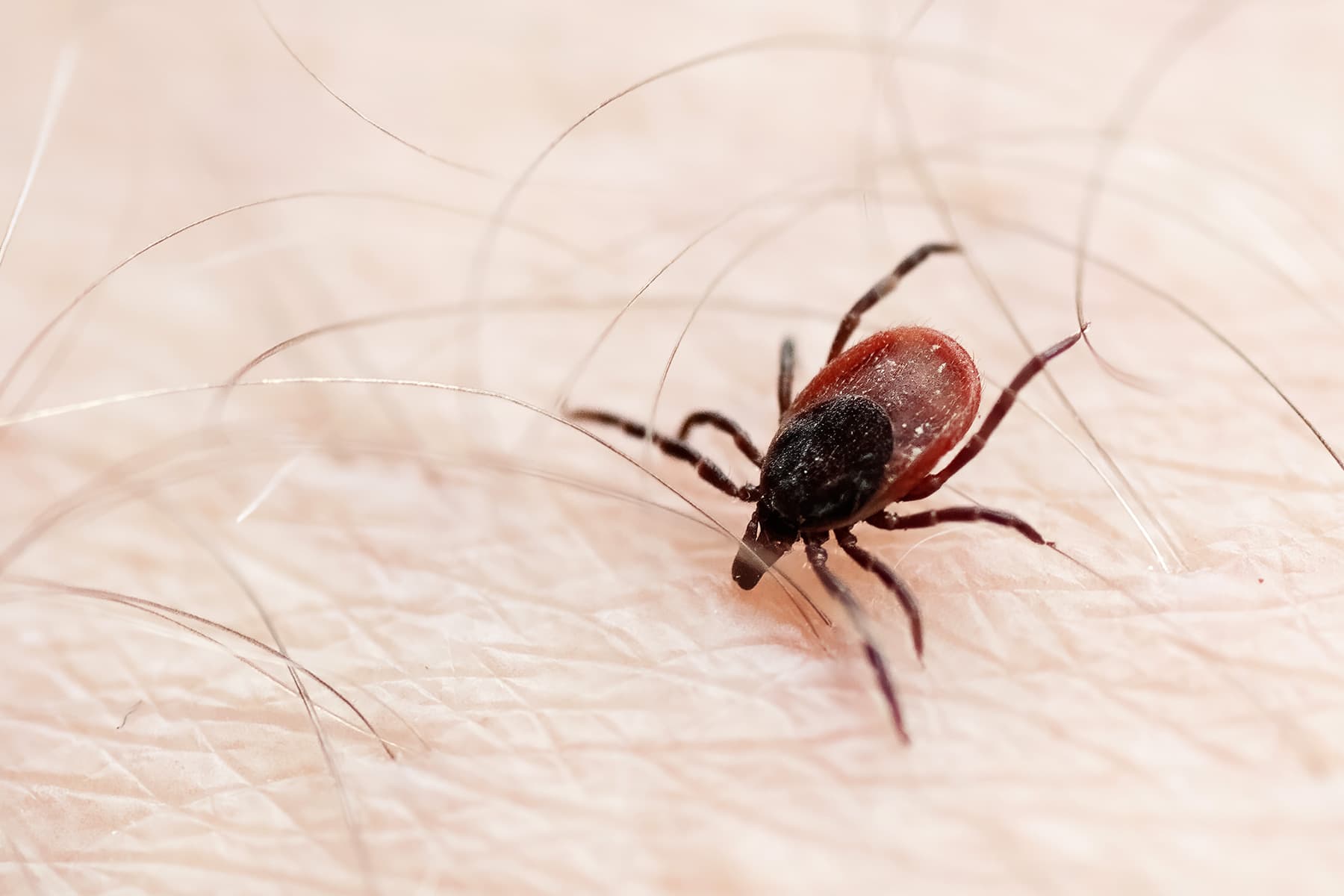
Unbeknown to Bradshaw and her doctors, her illness stemmed from a parasite. Bradshaw had contracted Lyme disease, a bacterial infection that can come from the bite of a blacklegged tick — also known as a deer tick — if it stays attached to your body for 36 to 48 hours. Symptoms can include memory loss, joint pain, drooping muscles on one or both sides of your face, and tingling or numbness of your body parts. 

Bradshaw’s health continued to worsen as she bounced from the East Coast to the West Coast in her early 20s for work as a retail manager at Nordstrom. It wasn’t until she took a job promotion in Nashville that her illness became debilitating and left her bedridden. She could no longer perform everyday tasks like holding a toothbrush or washing dishes. 

Bradshaw’s knees began filling up with fluid. Her doctor diagnosed her with rheumatoid arthritis, which is the closest thing he could think of to explain her “mystery” illness. She had to have her hips replaced at 26 years old.

“It [the disease] was deteriorating every joint in my body,” Bradshaw, now 29, says. “I was a shell of myself. It was terrifying.” 

One specialist referred Bradshaw to a functional medicine doctor, who began asking questions about her upbringing. Upon discovering Bradshaw was from New Jersey, where blacklegged ticks are extremely common, her doctor asked a question that changed everything. 

“Have you ever been tested for Lyme disease?” 

Bionic Woman

Fast forward a few years. Bradshaw has now had 16 of her joints reconstructed and eight joint replacements, all because of the late detection of Lyme disease. She is preparing to have both elbows replaced, along with her second surgery on each hand, all of which should be completed within the next year. Hopefully then, she’ll “catch a break.” But there will likely be more surgeries down the road to replace her joint replacements, she says. 

Bradshaw’s experience is extremely rare for Lyme disease patients, says Glenn Gaston, MD, an orthopedic surgeon at OrthoCarolina in Charlotte. Only a small number of Lyme disease patients develop arthritis, especially if it’s treated early, says Gaston, who operated on Bradshaw’s hands. If a patient does get arthritis, it usually only affects one joint, which is often the knee.

“I have never even heard or read in a textbook a case to the degree of Meghan’s, of having to have multiple joint replacements and multiple surgeries, particularly at such a young age,” Gaston says.

When asked why Bradshaw’s Lyme disease diagnosis remained a mystery for so long, Gaston says the disease can be hard to detect.

“The biggest reason I see for delayed detection and treatment of Lyme disease is primarily because it’s not often in the forefront of the minds of clinicians, particularly depending on where a patient lives,” he says. “If they live in Connecticut, which is where Lyme disease comes from (Lyme, Connecticut), it’s more plausible that they’re going to think about it early. The further you get from the epicenter of the diagnosis, the less physicians think about it in their differential.” 

If you remove the tick before 48 hours, you likely won’t get the disease. Ticks can be as small as a poppyseed, so spotting them can be hard. But one major sign of a tick bite is a rash that looks like a bull’s eye. If you catch it early, Lyme disease can be treated and cured with antibiotics. But with late detection (like Bradshaw’s), treatment and recovery become much more difficult. Good news: A vaccine to treat Lyme disease is currently in phase III clinical trials with drugmakers Pfizer and Valneva. 

Dwelling on what life could have been like if, early on, doctors had asked questions about her upbringing has been one of the most difficult things for Bradshaw to come to grips with. 

“I have severe medical trauma and I relive it every 3 months after another traumatic surgery,” she says. “It’s constantly going through the grief cycle.” 

Bradshaw is often nicknamed the “bionic woman,” which she finds endearing.

“I use humor as a coping mechanism,” she says. “I have to laugh about it. Because if I don’t laugh, I cry, and this is healthier for me.”

Newfound Purpose

Great health care is one major source of gratitude for Bradshaw. Her surgeries and medical care have racked up over $1 million dollars of medical costs, of which her insurance covered the majority, and she paid the rest out of pocket. Bradshaw often speaks publicly about the lack of access to quality health care for certain marginalized communities, like LGBTQ+ individuals, immigrant groups, and people of color.  

“I’m very fortunate I’ve had access to improvement of my conditions,” she says. “A lot of people don’t have a means to an end.”

While it could be easy to become angry, or even resentful, for her late diagnosis, Bradshaw has shifted her focus toward tick-borne disease awareness advocacy, which has been “very healing” for her.

“I can look in hindsight and see all of the things that were wrong in my path and in this experience,” she says. “I’m like, ‘Here is how it should be. And here’s how we can fix it.’ I want to be apart of that.” 

Bradshaw recently co-founded a nonprofit organization, Tick JEDI Coalition (JEDI stands for “juvenile educational defense initiative”) that strives to put tick safety education into mainstream health science curricula. 

“Children should be learning this [tick safety] as a fundamental life skill, the same way they learn about handwashing,” she says.

Meghan’s Tips

To help avoid late detection of Lyme disease, or any other illness, Bradshaw gives these tips. 

You know your body better than anyone.

“Doctors are incredibly brilliant, talented, and knowledgeable about many things. But at the end of the day, everyone is still human. There may be times that you have something that is beyond the scope of their knowledge. If the doctor you see is not the right fit, and you are able to access care elsewhere, do your research and find someone who may be a good fit.”

Utilize patient support groups.

“I think there’s a lot you can learn from other individuals and their experiences, both good and bad things. I found them incredibly helpful in my own experience.”

Have a support person.

“There have been many times, especially at the beginning of my journey, where I was so emotionally distraught dealing with these things. My parents were there to take notes and take in everything for me. Have a support person because it’s hard to do these things alone.”

Editor’s note: Here’s more information on Lyme disease .

[ad_2]

Source link

Strongman Nicolas Cambi Scores Heavy Dumbbell World Record of 285 Pounds

Strongman Nicolas Cambi Scores Heavy Dumbbell World Record of 285 Pounds

[ad_1]

On Oct. 1, 2022, during the 2022 America’s Strongest Man (ASM) U105KG, strongman Nicolas Cambi set a Max Heavy Dumbbell World Record of 129.5 kilograms (285 pounds). Cambi’s record was part of an overall first-place performance for the athlete. It is the consecutive year he has won the contest. Cambi wore a lifting belt, knee sleeves, and an arm sleeve around his right pressing arm during the milestone.

According to Strongman Corporation, Cambi’s Heavy Dumbbell World Record surpasses the previous top figure by 75 pounds. Cole Booth held the past mark of 95.3 kilograms (210 pounds) at the 2018 TX Record Breakers.

[Related: How to Do the Triceps Kickback for Arm Size]

To get in an ample position for his heavy dumbbell lift, Cambi performed what’s known as a belt clean, briefly resting the dumbbell on his lifting belt before driving it into overhead pressing position. The lifting technique appeared to allow him to generate more leg drive on the final press because it split the press into two segments. After finishing at lockout, Cambi would then hold his dumbbell overhead just long enough while waiting for the official green light — a down signal from the official.

Cambi’s unorthodox but legal strategy of cleaning the dumbbell from his belt drew the attention of fellow strongman Pa O’Dwyer. In the comments of the post of Cambi’s record lift, the Irish athlete asks Cambi to clarify that he did indeed perform a clean of his dumbbell from his belt. After receiving further confirmation from Cambi, O’Dwyer made a joking reference to The Dark Knight, writing, “Some people just want to watch the world burn, Master Wayne.”

[Related: The 10 Best Dumbbell Exercises to Hit Your Lats]

Cambi’s second straight victory at the ASM U105 continues a successful start to his approximate six-year career. According to Strongman Archives, it’s the fourth victory of his career. To date, Cambi has only failed to make the podium on one occasion. In addition to this Heavy Dumbbell World Record, the athlete also possesses the Block Press (141.5 kilograms/311.9 pounds) and Log Lift (187 kilograms/412.3 pounds) U105KG World Record figures. He achieved both at the 2021 Clash at the Corral (CatC) contest.

Here’s an overview of notable results since Cambi began competing in strongman in March 2015:

Nicolas Cambi | Notable Strongman Results

  • 2015 Arnold Amateur Strongman World Championships U105 — Fourth place
  • 2017 World’s Strongest Man (WSM) U105 — Second place
  • 2021 Clash on the Coast (CotC) — First place
  • 2021 Strongman World Cup (SWC) U105 — Third place
  • 2021-2022 ASM U105 — First place
  • 2021 WSM U105 — First place

[Related: 10 Push-Up Variations for More Muscle and Strength]

At the time of this writing, Cambi hasn’t alluded to his next competition. Most of his recent social media posts were from or connected to the 2022 ASM U105 competition. With yet another World Record under his belt, Cambi could elect to bask in his achievement for a little while. That is, until it’s time to break another boundary.

Featured image: @cambidude on Instagram

[ad_2]

Source link