Men’s Open bodybuilder Samson Dauda has had a competitive year in 2022, but he still faces an uphill battle to make the most of his upcoming debut at the 2022 Mr. Olympia. “The Nigerian Lion” is both figuratively and literally one of the biggest upcoming names in the sport — and an August 24 Instagram post proves it
“The Nigerian Lion” regularly shares updates leading up to the upcoming 2022 Mr. Olympia, noting it’s his goal to have a strong performance at the contest. His latest freakish physique appears to be a step in the right direction.
On August 24, 2022, Dauda shared a video on his Instagram where his upper-body and lower-body mass look colossal as he works through different poses. According to the bodybuilder, he weighs 330 pounds at the time of the clip.
Per the caption of his Instagram post, 1989 Mr. Universe Milos Šarčev is Dauda’s coach. (Note: Šarčev also coaches Joe Mackey, another Men’s Open athlete, and Men’s Open Olympia contender Regan Grimes.) Dauda partly credited Šarčev for helping him reach his off-season training goal.
“Finally ending this off-season at 330 pounds, the exact number we hoped to hit but not for one minute did I really think I was really going to achieve it,” Dauda wrote. “But [Milos Šarčev] had no doubt.”
Dauda’s Rise
Dauda earned his International Federation of Bodybuilding and Fitness (IFBB) Pro League card in 2018. Ever since that point, the athlete has steadily improved performance-wise. According to NPC News Online, he came in 11th place at the 2018 Romania Muscle Fest Pro in his Pro League debut. The following year saw Dauda notch two top-10 performances in the 2019 Wings of Strength Pro (seventh) and the 2019 Vancouver Pro (eighth). (Note: Dauda has only ever competed in the Men’s Open category)
In 2022, Dauda is enjoying some of the best results of his career to date. The Nigerian athlete came in fourth place at the 2022 Arnold Classic and followed up with another fourth-place finish at the 2022 Boston Pro. Per the IFBB’s qualification standards for the 2022 Mr. Olympia, Dauda’s performance in the recent Arnold Classic earned him a whopping eight points in the standings. Dauda’s result in the Boston Pro garnered the athlete two points. Those results appeared to earn Dauda a berth in the 2022 Olympia — his debut at the contest.
At the time of this article’s publication, Dauda appears to be deadset on making his debut at the Olympia this December a memorable one. After reaching his offseason goal weight-wise, the Nigerian competitor appears to be pushing himself and his strength to the limit with his appearance on bodybuilding’s grandest stage on the horizon.
The 2022 Mr. Olympia will take place on December 16-18 in Las Vegas, NV.
Hey folks, Board-Certified Health Coach Erin Power is here to answer your questions about Primal eating and how to make it easier! If you’re wondering how to eat healthier without the struggle, we’ve got strategies, tips, and backup! Have a question you’d like to ask our health coaches? Leave it below in the comments or over in the Mark’s Daily Apple Facebook group.
Roberta asked: “Eating this way is such a struggle! I try to eat like you say but sometimes food is the only thing that brings me joy. What happened to ‘everything in moderation’? Also, I’m 67 and don’t like bringing attention to my weird diet around friends or family. I have high cholesterol and want to lose weight. Why can’t this be easier?!”
Before I dive in with answers, I want to take a moment to recognize that you’re here, showing up, asking important questions, and seeking to understand your health and eating patterns. At any age, that’s already a win. But I have special appreciation for folks who are in their fifties, sixties, and beyond and who never stop asking what shifts or changes might help them to feel better and thrive.
For many people, there is a strong pull to “do what they’ve always done”—even if it’s not working—to get them where they want to be. This pull gets stronger the longer they’ve been doing it. Good for you for being open to something different. It’s not easy. Oh, and by the way, your brain is wired to be wary of change; so it’s almost not even your “fault” that you’re feeling a certain kind of way about a whole new diet.
Now, just for clarification, when you write “I try to eat like you say,” I’m assuming that you mean in accordance with Primal guidelines. Even within Primal guidelines, an eating plan can look all kinds of ways. Essentially, we’re talking about real, whole food as close to its natural state as possible, including high-quality protein, healthy fats, veggies, fruits, nuts and seeds, high-quality dairy, and occasional indulgences such as dark chocolate or other Primal treats.
Despite the rigid-seeming nature of that list of food choices, there is tons of nuance. Options and variations within these parameters are practically endless. For instance: for people who are sensitive to nuts and seeds or dairy; for those who avoid eating some or all animal products; and for those who aren’t in a socio-economic position to acquire the perfect grass-fed, grass-finished beef, there are still countless ways to craft delicious, nutritious meals.
What I’m getting at here is twofold:
1. There’s not “one way” to eat healthy or to follow a Primal diet. 2. You still can (and should) find joy and deliciousness with a Primal way of eating.
But…there is a caveat.
Everything in Moderation Might Equal Health in Moderation
Everyone’s version of “everything in moderation” looks different, but many of my clients come to me after their version of it decidedly did not get them where they wanted to be with health and wellness. Generally speaking, “everything in moderation” doesn’t seem to be working all that well for most people. I’m not really a tough-love kind of coach, usually, but I can’t argue with the fact that if something is not working, it makes little sense to keep doing it. If nothing changes, nothing changes.
Our bodies have not evolved to cope with many foods common in a modern diet. Highly processed foods, inflammatory seed and vegetable oils, sugar, and grains can wreak havoc on our metabolic health, endocrine system, and immune system while creating chronic inflammation and contributing to widespread diseases of modern living. Even small exposures to these “immunogenic” foods can trigger irritation and inflammation in the body—the thing we are hoping to avoid inflicting on ourselves.
That being said, we are also trying to cultivate an anti-fragile body. Your body is resilient, and can handle occasional exposures to naughty inputs like less-than-supportive foods, a bad nights’ sleep, or an extra glass of wine at a special dinner. We embrace the 80-20 principle for a reason. We also realize that everyone is at a different place in their wellness journey and brings a different set of circumstances to the table. Any supportive steps—however small—are better than none and will help create a positive feedback loop, encouraging next steps in your journey.
If we were working together in my capacity as a Primal Health Coach, I would gather more specifics on what you’re eating daily and where you’re struggling: what, specifically are you missing or craving, and what can we do to satisfy that for you so this doesn’t feel so hard. How can we fold in some flexibility and joy without backsliding into “moderation” no-man’s-land?
Changing the Story
Whether I’m working with clients or reflecting on where something feels out of alignment in my own life, one of the first places I look is the language we use and stories we tell. Might sound a bit out there, but I promise that the words we choose and the stories we repeat have a huge impact on our experience and reality.
A couple of phrases from your question stand out for me in this regard: “Eating this way is such a struggle!” and “I’m 67 and don’t like bringing attention to my weird diet around friends or family.”
Now, I’m in no way minimizing those challenges. Changing lifelong eating and lifestyle habits is objectively hard. In other words, I totally get it. AND, I also want to gently propose that so long as you repeat and rehearse a story of struggle, you will continue to reinforce that struggle as a lived experience.
When it comes to changing your stories and beliefs (and thus actions and experience), start with your thoughts and what you say to yourself and to others. Monitor that with utmost care, because you are literally speaking your reality into being. This is a process and takes practice, but each time you catch yourself thinking of Primal eating or making healthy choices as a struggle, I’d like you to:
Pause and non-judgementally acknowledge the thought, feeling, or action.
Gently and kindly offer yourself compassion: you’re making a big change, and change is hard.
Reframe.
The wording you use should feel resonant with you. Try stretching beyond your current stories and beliefs but not so far that it feels totally unbelievable. For example:
Choosing real food is challenging at times, but I love knowing I’m feeding my body what it needs to thrive.
The more times I choose to eat real, whole, nutrient-dense food, the easier it will be. Might take a while, but soon this will just “be how I eat.”
There are many delicious ways to nourish myself with Primal foods.
And, just for fun, here’s a really big reframe for you: Lots of folks are opting into “weird” health behaviors to take care of themselves these days. Maybe that whole “struggle” thing is an outdated story. Maybe the conventional diet that your social circle still subscribes to is actually the weird one!
Very possibly, this self-compassionate reframe exercise will feel awkward or forced at first. Do it anyway. Gently bring yourself back and treat your thoughts as though you are training a sweet but misguided puppy. Eventually, with kindness and repetition, our minds (and our puppies!) will learn.
Make It Easier
Ultimately, we are each our number 1 caretaker. Our thoughts, stories, and choices have consequences and those consequences are cumulative. Making healthy choices and giving our body what it needs to thrive is hard, but it’s not the hardest thing you’ll ever do. And it doesn’t need to be miserable.
When making changes, one of your most important jobs is to get curious and to ask: “How could I make this easier? How could I make this more enjoyable?”
The answers will differ for everyone, but hanging out here and in the Mark’s Daily Apple Facebook group is a great way to gather ideas, inspiration, and support. Ask the question, write out a list of possibilities, and give them a try! For backup and individualized support, consider hiring a coach!
External accountability truly is a game changer, and we can help you troubleshoot your specific circumstances. Visit myprimalcoach.com to learn more and get started!
Do you find Primal eating easy…or not so much? Have any ideas, tips, or inspiration to share with Roberta? Please do and drop other questions for me in the comments!
Wednesday, August 24, 2022 (Kaiser News) — SACRAMENTO, Calif. — The wife of a Northern California congressman died late last year after ingesting a plant that is generally considered safe and is used as an herbal remedy for a variety of ailments, including diabetes, obesity, and high cholesterol, KHN has learned.
Lori McClintock, the wife of U.S. Rep. Tom McClintock, died from dehydration due to gastroenteritis — an inflammation of the stomach and intestines — that was caused by “adverse effects of white mulberry leaf ingestion,” according to a report from the Sacramento County coroner that is dated March 10 but was not immediately released to the public. KHN obtained that report — in addition to the autopsy report and an amended death certificate containing an updated cause of death — in July.
The coroner’s office ruled her death an accident. The original death certificate, dated Dec. 20, 2021, listed the cause of death as “pending.”
Tom McClintock, a Republican who represents a district that spans multiple counties in northern and central California, found his 61-year-old wife unresponsive at their Elk Grove, California, home on Dec. 15, 2021, according to the coroner’s report. He had just returned from Washington, D.C., after voting in Congress the night before.
It’s unclear from the autopsy report whether Lori McClintock took a dietary supplement containing white mulberry leaf, ate fresh or dried leaves, or drank them in a tea, but a “partially intact” white mulberry leaf was found in her stomach, according to the report.
McClintock’s death underscores the risks of the vast, booming market of dietary supplements and herbal remedies, which have grown into a $54 billion industry in the United States — one that both lawmakers and health care experts say needs more government scrutiny.
“Many people assume if that product is sold in the United States of America, somebody has inspected it, and it must be safe. Unfortunately, that’s not always true,” U.S. Sen. Richard Durbin (D-Ill.) said on the Senate floor this spring when he introduced legislation to strengthen oversight of dietary supplements.
Daniel Fabricant, CEO and president of the Natural Products Association, which represents the dietary supplements industry, questioned whether McClintock’s death was related to a supplement.
“It’s completely speculative. There’s a science to this. It’s not just what a coroner feels,” said Fabricant, who oversaw dietary supplements at the FDA during the Obama administration. “People unfortunately pass from dehydration every day, and there’s a lot of different reasons and a lot of different causes.”
Fabricant said it would have been ideal had the coroner or the family reported her death to the FDA so the agency could have launched an investigation.
Such reports are voluntary, and it’s not clear whether anyone reported her death to the agency. FDA spokesperson Courtney Rhodes said the agency does not discuss possible or ongoing investigations.
The FDA, Fabricant added, has a system in place to investigate deaths that might be linked to a supplement or drug. “It’s casework,” he said. “It’s good, old-fashioned police work that needs to be done.”
Tom McClintock has remained mostly silent about his wife’s death since he released a statement on Dec. 19, 2021, announcing it and gave a tribute to her at her Jan. 4 funeral. Until now, the cause of death had not been reported.
Tom McClintock, contacted multiple times by phone and email Wednesday, was not immediately available for comment.
At his wife’s funeral, McClintock told mourners that she was fine when he spoke with her the day before he returned. She had told a friend that “she was on a roll” at a new job she loved in a Sacramento real estate office, he said, and “she was carefully dieting.”
“She just joined a gym,” he said. “At home, she was counting down the days to Christmas, wrapping all the gifts and making all the plans to make it the best family Christmas ever, and it would have been.”
According to the coroner’s report, however, the day before her death, “she had complaints of an upset stomach.”
Sacramento County spokesperson Kim Nava said via email Wednesday that the law prohibits the coroner’s office from discussing many details of specific cases. As part of any death investigation, the office “attempts to locate and review medical records and speak to family/witnesses to establish events leading up to and surrounding a death,” she said.
If any medications or supplements are found at the scene or if pertinent information is in the person’s medical records, those are passed along to the pathologist to help establish cause of death, Nava said.
“Any information the office obtains from medical records can’t be disseminated to a third party except by court order,” she said.
The leaves and fruit of the white mulberry tree, which is native to China, have been used for centuries in traditional medicine. Academic studies over the past decade have found that the extract from its leaves can lower blood sugar levels and help with weight loss. People take it in capsule or pill form, as an extract or powder. They can also brew the leaves as an herbal tea.
Lori McClintock’s reaction seems unusual. No deaths from the white mulberry plant have been reported to poison control officials in the past 10 years, according to the American Association of Poison Control Centers.
Since 2012, 148 cases of white mulberry plant ingestion were voluntarily reported to poison control officials nationally, most involving accidental ingestion by children 12 and under, said Kaitlyn Brown, clinical managing director for the association. Only one case required medical follow-up, she said.
While poison control centers track exposures to the white mulberry plant, the FDA oversees dietary supplements, such as products that contain white mulberry leaf extract. Since 2004, two cases of people sickened by mulberry supplements have been reported to the FDA, according to its database that tracks “adverse events.” It relies heavily on voluntary reports from health care professionals and consumers. At least one of those cases led to hospitalization.
White mulberry leaf can have side effects, including nausea and diarrhea, according to research. Independent lab tests ordered by the coroner’s office showed McClintock’s body had elevated levels of nitrogen, sodium, and creatinine — all signs of dehydration, according to three pathologists who reviewed the coroner’s documents, which KHN redacted to remove McClintock’s name.
White mulberry leaves “do tend to cause dehydration, and part of the uses for that can be to help someone lose weight, mostly through fluid loss, which in this case was just kind of excessive,” said Dr. D’Michelle DuPre, a retired forensic pathologist and a former medical examiner in South Carolina who reviewed the documents.
Dietary supplements, which include a broad range of vitamins, herbs, and minerals, are regulated by the FDA. However, they are classified as food and don’t undergo the rigorous scientific and safety testing the government requires of prescription drugs and over-the-counter medicines.
Lawmakers aren’t proposing to put supplements into the same category as pharmaceuticals, but some say they are alarmed that neither the FDA nor the industry knows how many dietary supplements are out there — making it almost impossible for the government to oversee them and punish bad actors.
The FDA estimates 40,000 to 80,000 supplement products are on the market in the U.S., and industry surveys estimate 80% of Americans use them.
Legislation by Durbin and U.S. Sen. Mike Braun (R-Ind.) would require manufacturers to register with the FDA and provide a public list of ingredients in their products, two provisions that are backed by the Council for Responsible Nutrition, another industry group that represents supplement makers.
But the council is lobbying against a provision that would require supplement makers to provide consumers with the ingredient amounts — or the blend — in their products, something they say is akin to giving a recipe to competitors. That’s proprietary information only government regulators should have access to, said Megan Olsen, the group’s senior vice president and general counsel.
Olsen explained that supplement manufacturers are regulated just like other food companies and are subject to strict labeling requirements and inspections by the FDA. They also must inform the agency about any adverse effects reported by consumers or doctors.
“Companies are testing products throughout the process, are reviewing how they’re being manufactured and what’s going into them,” Olsen said. “All of that is overseen and dictated by FDA regulation.”
The dietary supplement provisions were rolled into a larger Senate health committee bill that reauthorizes FDA programs, and senators are currently in negotiations with the House of Representatives. The Natural Products Association opposes all of the dietary supplement provisions.
Because dietary pills, teas, and other supplements are regulated as food products, manufacturers can’t advertise them as treatments or cures for health issues. But they can make claims about how the supplements affect the body. So someone who wants to lose weight or get their diabetes under control might reach for a bottle of white mulberry leaf extract because some supplement makers advertise it as a natural remedy that can lower blood sugar levels and promote weight loss.
Those kinds of claims are appealing to Americans and have been especially potent during the pandemic, as people sought to boost their immune systems and fend off covid-19, said Debbie Petitpain, a registered dietician nutritionist and a spokesperson for the Academy of Nutrition and Dietetics.
But dietary supplements can be dangerous and don’t affect everyone the same way. Mixing supplements and prescription medicines can compound the problem, according to the FDA.
“I think a lot of people are thinking, ‘Oh, it’s a plant.’ Or, ‘Oh, it’s just a vitamin. Certainly, that means that it’s not going to hurt me,’” Petitpain said. “But there’s always a risk for taking anything.”
It’s not clear why Lori McClintock was taking white mulberry leaf. Friends and family who gathered for her funeral described a vibrant, happy woman who loved her family and her work and already had wrapped Christmas presents under the tree in mid-December. She was planning to buy a recreational vehicle with her husband in retirement.
“We grieve the loss because of all the things she was looking forward to doing and all the years yet ahead,” Tom McClintock told mourners. “And we grieve for something else, because we’ve all lost a genuinely good person in our lives.”
This story was produced by KHN, which publishes California Healthline, an editorially independent service of the California Health Care Foundation.
Kim Anderson, a senior VP at the cannabis-infused beverage company Cann, gets style inspiration from Tracee Ellis Ross and Solange. “Solange is always a little different,” Kim says. “I’ve definitely gotten comments like, ‘Only you could wear that.’ I don’t know if it’s meant as a compliment! But to me, that means you have the confidence to play around.” Here, she shares five outfits she wore in a week…
Plaid set: Derek Lam 10 Crosby (skirt, top), via Rent the Runway. Sandals: Target, similar. Hat: thrifted, similar. Bracelet: flea market, similar. Rings: heirlooms from Kim’s grandmother.
“I try to be cost effective while still having fun with clothes. I used to work at Rent the Runway and still rent a lot of my clothes, which makes it easier to experiment with trends. Matching sets are a big thing right now. I also like showing off my body, like how this crop reveals my waist. It’s especially nice to see skin this summer, after two years of ‘inside dressing.’”
“This outfit makes me feel like Anne of Green Gables — with a touch of Gen Z.”
“Because of my body shape — a small waist with thicker, shorter legs — I’ve always preferred dresses over shorts. The athleisure dress is a vibe, and I love that something so genuinely comfortable is currently in fashion. It’s easy to dress up or down — I wear it while running errands and for going out at night. Since the jacket has red details, I pair it with my favorite lipstick. Red lipstick is like a power tool; I keep it in my purse for whenever I need a pick-me-up.”
“My husband found this evil eye necklace at a market, and I wear it every day. Before meeting my dad, my mother traveled by herself all over the world and spent time in Africa. She brought back beautiful art, including a tapestry with a big eye, which she hung above my crib when I was a baby. The evil eye represents protection, and it was one of the first things I ever drew with crayons. When I was 12, I even asked my parents if I could get an evil eye tattoo. They made me wait until I was 18.”
“As you can see, Bridgerton has been a big influence! This dress is ethereal and light and gets so many compliments. I bought it in both white and green, and I wear it at least once a week.”
“Wearing white seems to make people nervous. But I just put it in the washing machine with a bit of bleach, and it’s fine.”
“This is my ultimate airplane outfit: black joggers, black tank, no bra.”
“The guy on the sweatshirt is my dad! He paid his way through Harvard Law School by modeling. So, now we have all these hilarious old modeling photos of him. For his 60th birthday, one of his coworkers made sweatshirts with them, as a prank. I found the shirts when I was home a few years ago. My dad was taking them to Goodwill, and I said, ‘Absolutely not.’”
“When I was growing up, I got a lot of shit for my freckles. I mean, I’m mixed race and grew up in Georgia, so people took issue with my skin in general. But I’ve always liked my freckles. For my wedding, I told the makeup artist, ‘Whatever you do, my freckles need to show.’”
Note: If you buy something through our links, we may earn an affiliate commission, at no cost to you. We recommend only products we genuinely like. Thank you so much.
A researcher from the University of New South Wales Medicine and Health has developed a digital health programme to help childhood cancer survivors get physically active.
WHAT IT DOES
Dr Lauren Ha, exercise physiologist and a post-doctoral research fellow in paediatrics at the School of Clinical Medicine of UNSW Medicine and Health, modified a version of iEngage, a health education programme for school-aged children, to create the home-based iBounce programme.
It features 10 self-paced modules with topics, such as muscular strength, aerobic fitness and flexibility, delivered through short demonstration videos.
Supported by The Kids’ Cancer Project, the iBounce programme had been tested through a pilot involving 30 participants from the Sydney Children’s Hospital over a 12-week period. By the end of the programme, participants had shown “significant” improvements in their aerobic fitness, according to a study published in JMIR Cancer.
Following this pilot, iBounce will later be taken to a national trial. An implementation strategy is also being developed to support the use of iBounce in clinical practice.
WHY IT MATTERS
Dr Ha noted that young cancer survivors experience “many barriers” when it comes to physical activity. “It’s a significant issue, as this population is at high risk of developing health problems, some of which they won’t experience until they’re in their 30s or 40s,” she added.
As poor health behaviours can exacerbate the risk of late complications, like cardiovascular disease, metabolic syndrome, and obesity, it is important for cancer survivors to engage in healthy behaviours, particularly physical activity, to prevent or minimise the impact of late cancer effects.
However, around 85% of young survivors do not exercise for at least an hour per day. “Many survivors don’t exercise enough, have poor perceptions of their activity levels, and have below-average fitness levels,” Dr Ha claimed.
Often, childhood cancer survivors who have been through surgery, chemotherapy or radiotherapy lose the motivation to engage in physical activities.
This gap in physical health calls for distance-delivered technologies to address physical inactivity and low fitness levels among young cancer survivors, Dr Ha said. “If survivors improve their fitness levels, that can go a long way to help them with their recovery, reduce their risk of other chronic illnesses, and relieve pressure on the health system,” she maintained.
THE LARGER TREND
In Australia, around 750 children are diagnosed with cancer each year. To support thousands of young cancer patients in their journey, the Australian government has launched a digital cancer hub in partnership with leading Australian children’s cancer support groups. It will provide online counselling to young cancer patients under the age of 12 and their parents.
Rhianon Lovelace didn’t become one of the world’s top-tier strongwomen without lofty training ambitions. The self-proclaimed “pound for pound, strongest woman on the planet” latest strength achievement has her join a club of impressive marks throughout her career.
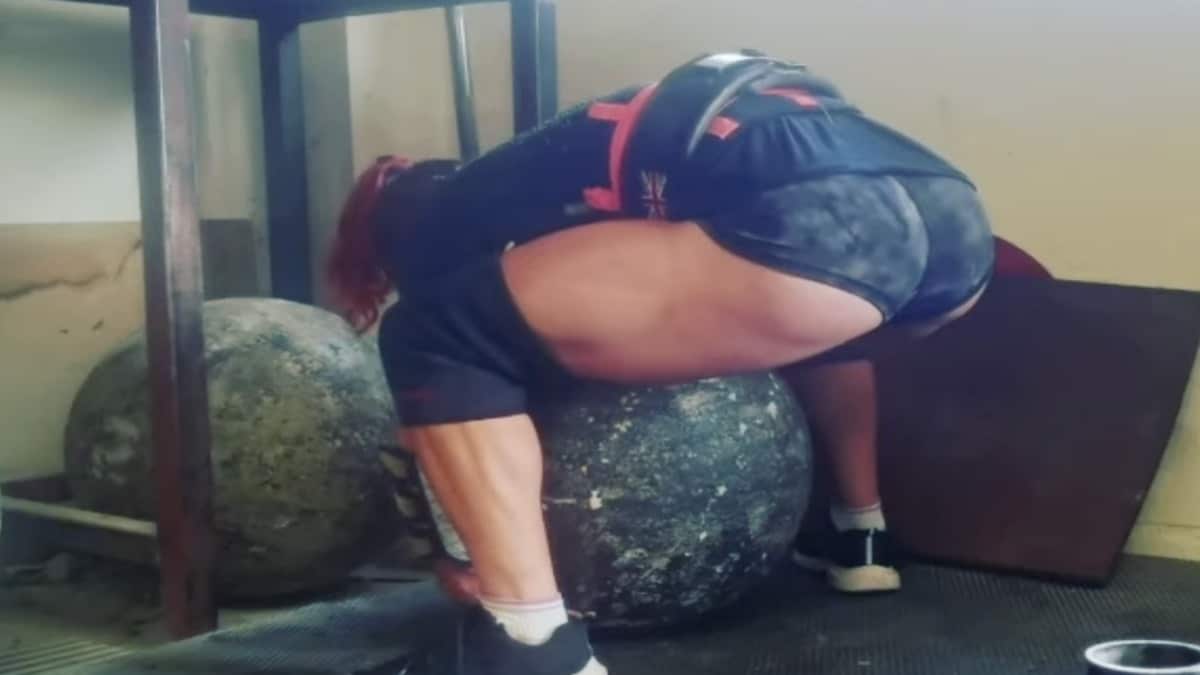
On August 23, 2022, Lovelace shared an Instagram clip of herself completing a 120-kilogram (264-pound) Atlas Stone One Motion. According to Lovelace’s caption, the feat was just short of double her current (undisclosed) bodyweight. Though, with this footage taken into account, and if her recent competitions are any indication — Lovelace likely weighs somewhere in the range of 64 kilograms (141 pounds).
The athlete wore a lifting belt and knee sleeves while lifting the Atlas stone.
A staple event in many strongwoman/strongman contests, the Atlas stones present a unique challenge to respective competitors. The stones are a regular closing event, meaning they can also decide the eventual victor in many contests. However, stone-only world records also exist in strongman and strongwoman competitions.
To gain an edge over their peers in lifting the Atlas stones onto their corresponding podium, many professionals will practice the “One Motion” which saves time and can be more efficient when executed properly.
To perform an Atlas Stone One Motion, an athlete will bend over and get their upper abdomen as close to the stone as possible. They do this to limit the distance that they have to row the stone onto their body. Then, they squeeze the stone as hard as they can and lift it in a fashion reminiscent of a stiff-leg deadlift. After the stone passes their knees, they extend their hips and back in one smooth motion before placing it down.
This technique often puts athletes in a better position to thrive in a speed-focused Atlas stone event. When it comes to lifting the heaviest stone, a more segmented approach — where the athlete lifts it off the floor, positions it in their lap, and then hoists it to the podium or over a bar — is usually preferred.
As a competitor and in the gym, Lovelace has been on a relative tear of late.
In May 2022, the athlete broke the British raw deadlift World Record with a pull of 241 kilograms (530 pounds) at the 2022 British Powerlifting Union (BPU) Single Lift British Championships. Then, in late June, she completed an axle press that was 7.5 kilograms (16.5 pounds) more than the current lightweight world record. Her latest achievement was breaking the deadlift strongwoman World Record with a pull of 282.5 kilograms (623 pounds)at the 2022 Berkshire’s Strongest competition in mid-July. Notably, that deadlift was 4.5-times Lovelace’s body weight of 62.5 kilograms (137.8 pounds) for the contest.
At the time of this article’s publication, Lovelace is preparing to compete in the 2022 Arnold Sports Festival UK. That contest will take place on September 23-25, 2022, in Birmingham, United Kingdom. Based on her usual high standards, the elite strongwoman might have a performance to remember.
Featured image: @rhianon.lovelace.kaosstrength on Instagram
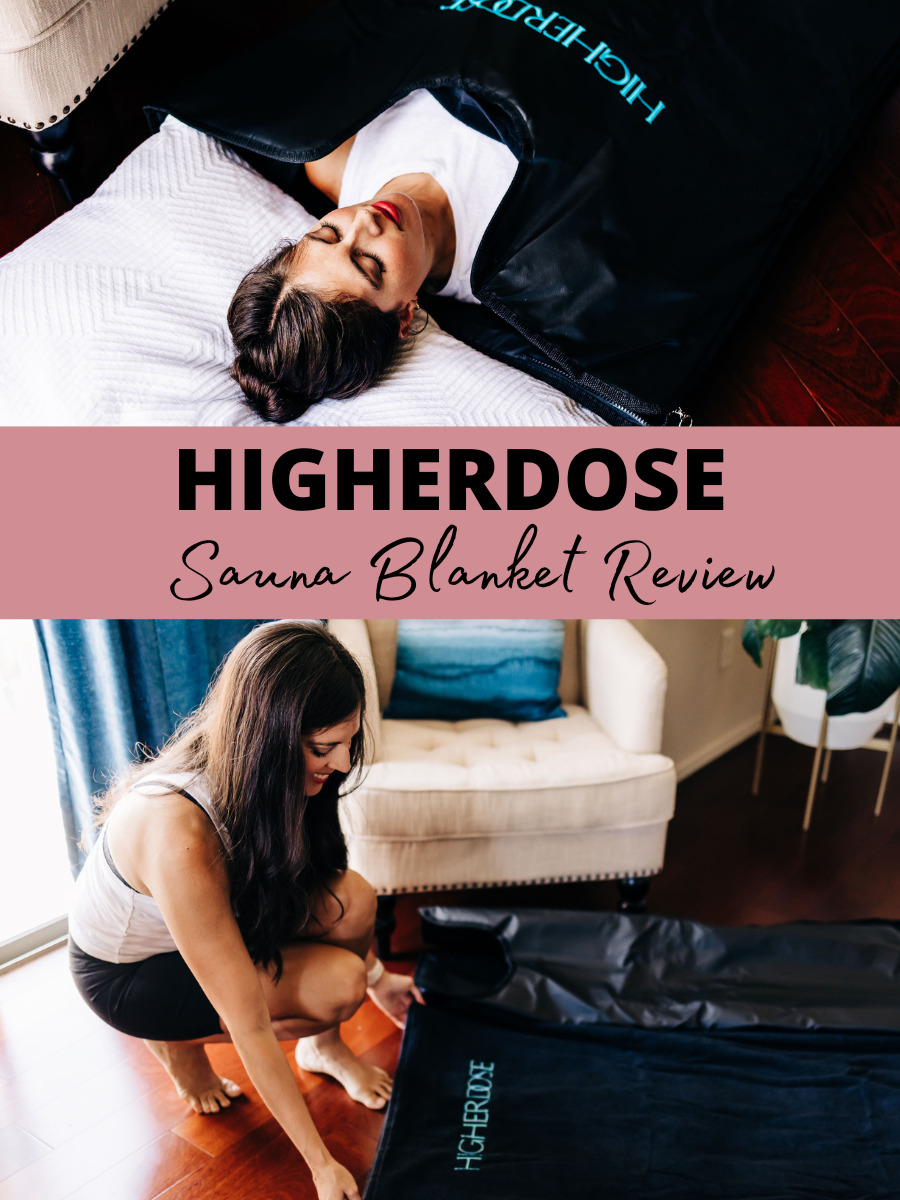
Sharing my full review of the HigherDOSE sauna blanket and if I think it’s worth it. This post isn’t sponsored, but I use and love this thing SO MUCH. The company generously offered a discount code for you all if you’re interested in trying it! Use FITNESSISTA15 for 15% off at this link (<— affiliate link).
Hi friends! How’s the week going? I hope you’re having a good one so far. We met up with friends for dinner and I caught a glorious hot yoga class.
For today’s post, I’m sharing an updated review of my beloved sauna blanket, the HigherDOSE. Every time I post about this magical wonder on Instagram stories, I’m flooded with questions. I did quite a bit of research before I finally decided to go for it, so I’m breaking it all down in this post.
I’ve now used this beauty for over a year and have so many great things to say about it. It’s become one of the non-negotiables in my weekly health practice and makes a huge difference in my skin and mood.
What is the HigherDOSE sauna blanket and how does it work?
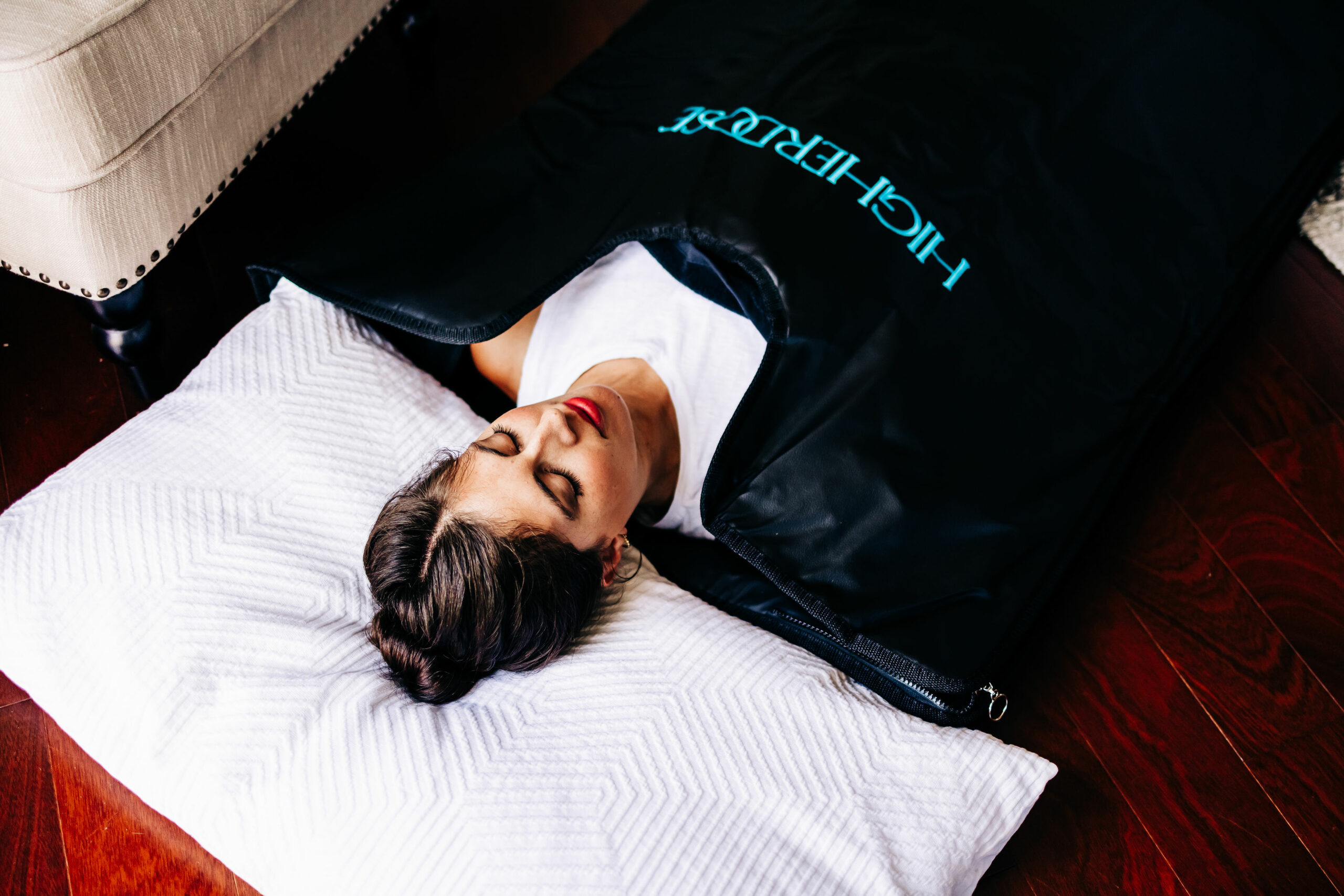
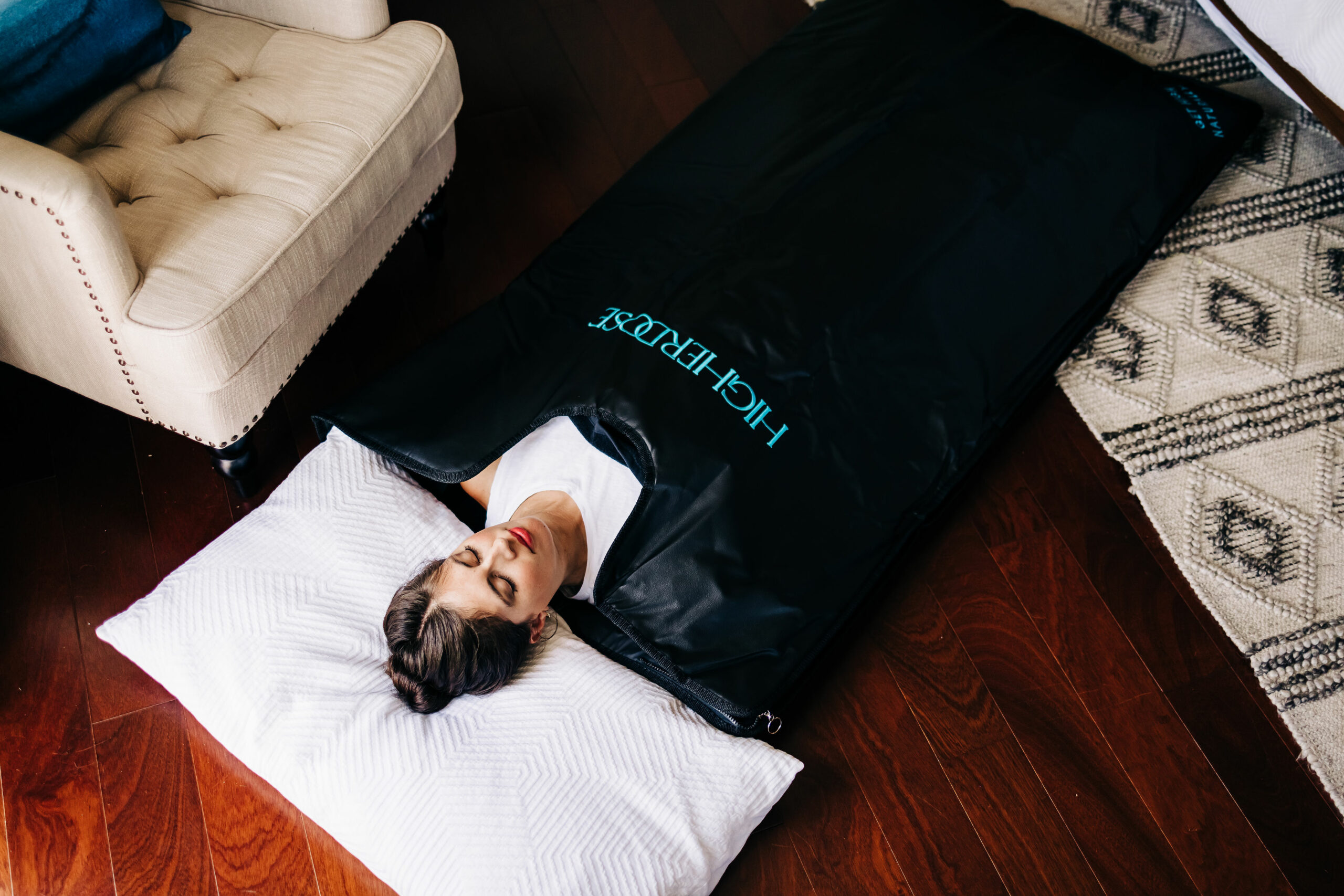
The HigherDOSE sauna blanket is an at-home and portable version of an infrared sauna. It uses infrared heat (which heats your body from the inside out, not the other way around), along with healing tourmaline crystals, clay, and a charcoal layer (which all generate negative ions). It’s made of nontoxic materials and is extremely low EMF, so it’s not emitting radiation throughout your body while you’re relaxing and sweating.
To set it up, you just unroll the blanket and plug it in! You can easily adjust the heat settings with the remote and I usually give it about 10 minutes or so to heat up.
Benefits of infrared sauna:
Sauna means “bath house” in Finnish and heat as therapy has been used for thousands of years. Infrared technology was born in the late 1800s. Over time, saunas have been used for so many things, including healing and preventing illness, for burial preparation, and for childbirth. (It was fascinating to read a bit about the history of saunas here!) It encompassed the circle of life and heat was thought to be a powerful protective and life-giving force.
Obviously technology has changed a ton since then, but today many people still use saunas for the health and restorative benefits. You can find them at gyms, at the spa, and many people own one in their home. Saunas can potentially help with aging, illness, detoxification, healthy skin, increased blood flow, decreased anxiety, muscle soreness, relaxation, and improved mood. Not everyone is on board with the detoxification aspect (some say it’s a myth, but I’m a huge believer in the detoxifying power of a good sweat) and I notice that it makes my skin glow, my mood is improved, and I feel zen and relaxed when it’s a regular part of my routine.
(All wrapped up and sweating like a happy Chipotle burrito.)
– It’s small and portable!! I would LOVE to have a full-sized infrared sauna in our house, but we have zero room here. It would be something weird I’d have to build into the closet. I also thought about a backyard option but when you live in AZ, the thought of a snake or scorpion making its way into the sauna is a very real fear. This gives you the same infrared benefits but it’s small, compact, and you can move it around easily. I typically use it on the floor of my office or in the living room.
– It feels AMAZING. I’m borderline addicted to how great it makes me feel and could use it every single day. (I usually have time to do it 3-4 times a week, usually after I get the crew to bed! I just listen to a podcast or pop a show on the iPad.) I love a serious sweat and it just fills me with endorphins. My skin looks brighter after I use it, I sleep like a baby, and I haven’t noticed any muscle soreness even though I’ve been pushing it with my strength workouts.
Cons:
– I’ve come back to this post three times and still can’t think of any. I’ve been extremely happy with it and haven’t found any issues or pain points. My only downside was that the older version of the blanket had a Velco closure; they’ve updated with a super easy-to-use zipper closure.
Tips for using the HigherDOSE Sauna Blanket:
When you use the blanket be sure the read the instruction manual and guidelines, but these are just some of my tips:
– Plug it in and let it heat up for about 10 minutes. Make sure it’s on a flat, fireproof surface.
– Figure out your sauna outfit of choice. They recommend being fully clothed in the blanket with lightweight and breathable options. I wear lightweight cotton jogger pants, a tank with a long-sleeved tee over it, and full socks. I also put a small towel under my tailbone or my booty gets too hot from pressing against the blanket on the tile. They just added a sauna insert that you can use instead, too!
– Find something to entertain you during your sauna time. It’s very hard to read a book because you don’t want to keep sliding your arms out to turn the page, but a TV show or movie, audiobook or podcast all work well.
– Sweat it out! You can play around with the heat settings and time to see what works best for you, and I recommend working your way up instead of starting too hot or too long. You’ll find that your heart rate will increase a bit and you’ll start to sweat. It feels amazing. My sweet spot is 35 minutes at level 7. (I always set a timer on my phone so I don’t fall asleep!)
– After I get out of the blanket, I open it up to start drying, and hop in the shower. After I shower, the blanket has cooled down a bit so I can thoroughly clean it with one of these wipes. These are the same cleaning wipes I use for the Peloton! I always unplug the power supply cord when I’m done using it.
– I let it dry completely before folding it and sliding it under my bed to store. (Make sure the cord isn’t wrapped or bundled when you store it. Try to keep it lightly looped.)
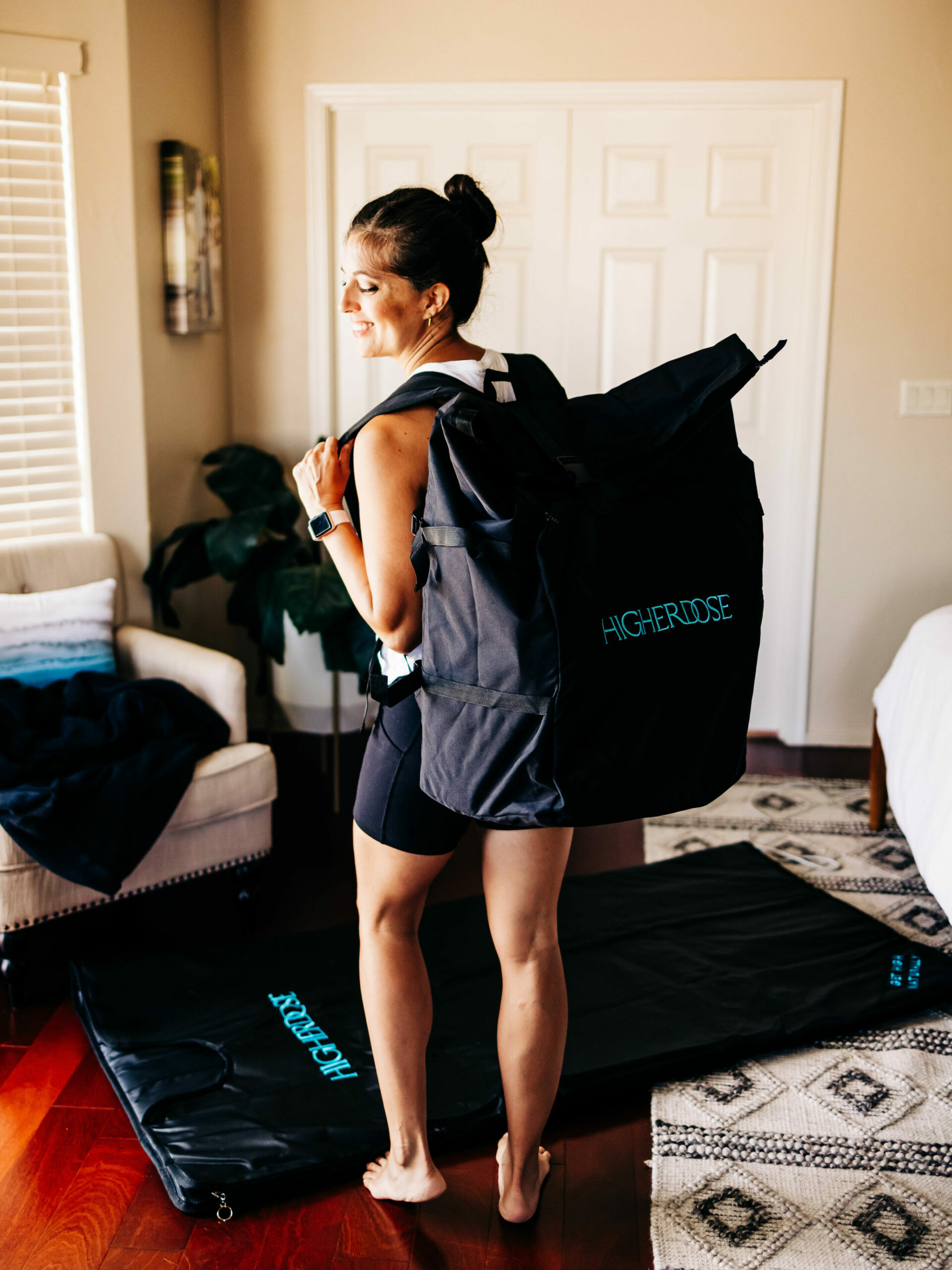
– For travel, they also have a super handy travel bag! I’m brining it with me for all future road trips.
That’s it! If you decide to try it out, use the code FITNESSISTA15 here for 15% off. It’s my favorite purchase in a LONG time. I also use and love their PEMF Go Mat and red light face mask. My discount code FITNESSISTA15 works on all of these things.
Here’s a quick video on how to use the HigherDOSE sauna blanket:
So tell me friends: are you a sauna fan or not so much?
Sharing some ideas how to to put your weekly plan together and break up your workout days to optimize performance and recovery!
Hi friends! How is the week going? I hope you’re having a lovely morning so far! I had a call with our amazing travel agent regarding spring 2023 travel (the best) and am putting the Fit Team workouts together for September. If you’d like to join us for Self Care September (focusing on workout nutrition and self care strategies), join us here! Anyone who signs up today will also receive a custom nutrition guide a thank you from me to you 🙂
For today’s post, I’m chatting about breaking up your workout days and how to do this strategically. I’m a big fan of split training throughout the week. It can help you strength different areas of the body, giving you enough time to recover, and also freedom to control the way you train. Today, I’m sharing practical tips to help my reader friends break up their workout days and get the most out of their training routine.
(Please keep in mind that while I’m a certified personal trainer, I’m providing general information for educational purposes. This is not medical advice. Always seek out the help of your doctor before starting or changing your fitness routine.)
How to break up your workout days
Whole Body Split
This type of split involves a total body workout each time you train. The benefits of this type of training is that you’re able to use more fancy and *fun* compound-type movements, working multiple muscle groups at once, and due to peripheral action training, your heart rate may higher, which indicates a higher calorie burn during the workout. I like working total body for my beginner clients (focusing on bodyweight-only exercises first), and also my clients who have significant weight loss goals.
The downside of this type of training is that it may be harder to hit muscle fatigue, which encourages muscle growth, and that you shouldn’t ideally train your entire body two days in a row. I’d recommend alternating total body workouts with rest and cardio.
Upper / Lower Split
This is when you work your upper body one day (back, shoulders, chest, triceps, biceps), and your lower body on a different day (hamstrings, glutes, core, calves). The benefits of this type of training are that you’re able to strength train on consecutive days (upper body one day, lower body the following day), and you’re more easily able to add volume and load to a specific muscle group. This can encourage muscle development, which is the *toned and lean* look so many of us are after.
My personal favorite way to set up a split is upper body one day, lower body the following day, and a total body circuit on a different day. This is how I set up most of our Fit Team workouts, too.
4-Day Split
For your four-day split, there are a few different ways you can do this:
upper body, lower body, and two total body days
and antagonist or synergistic muscle training.
Antagonist muscle groups
This type of training involves working opposing muscle groups, like chest and back one day, biceps and triceps the following, hamstrings and calves, and shoulders and calves (they’re kind of on their own lol). This is especially effective for superset-style workouts, because you can move directly from one set to the next, allowing the opposing muscle group to rest. (When one of the antagonist muscles is contracting, the opposing muscle is stretching.)
The main benefit of this type of training is serious muscle-building capability. If you’re looking for gains, possibly try out this style of training.
Synergistic muscle groups
This is when you use agonist muscles (the ones that work together to perform a movement). An example of this would be:
shoulders, chest and triceps,
legs and core
back and biceps.
This is another one of my favorite ways to train, and another great way to build muscle. I would recommend this type of training for friends who want to see serious muscle definition, improve their metabolism, and have three days to strength train each week.
Workout Split Samples
Your workout split will depend on different variables, including the equipment you have access to use, your current training level, what you enjoy (!), and your fitness goals. The key here is to figure out how many days per week you want to strength train. I like to hit each muscle group at least twice per week (on non-consultive days or within the same workout), and make sure I have at least 1-2 days of full rest each week.
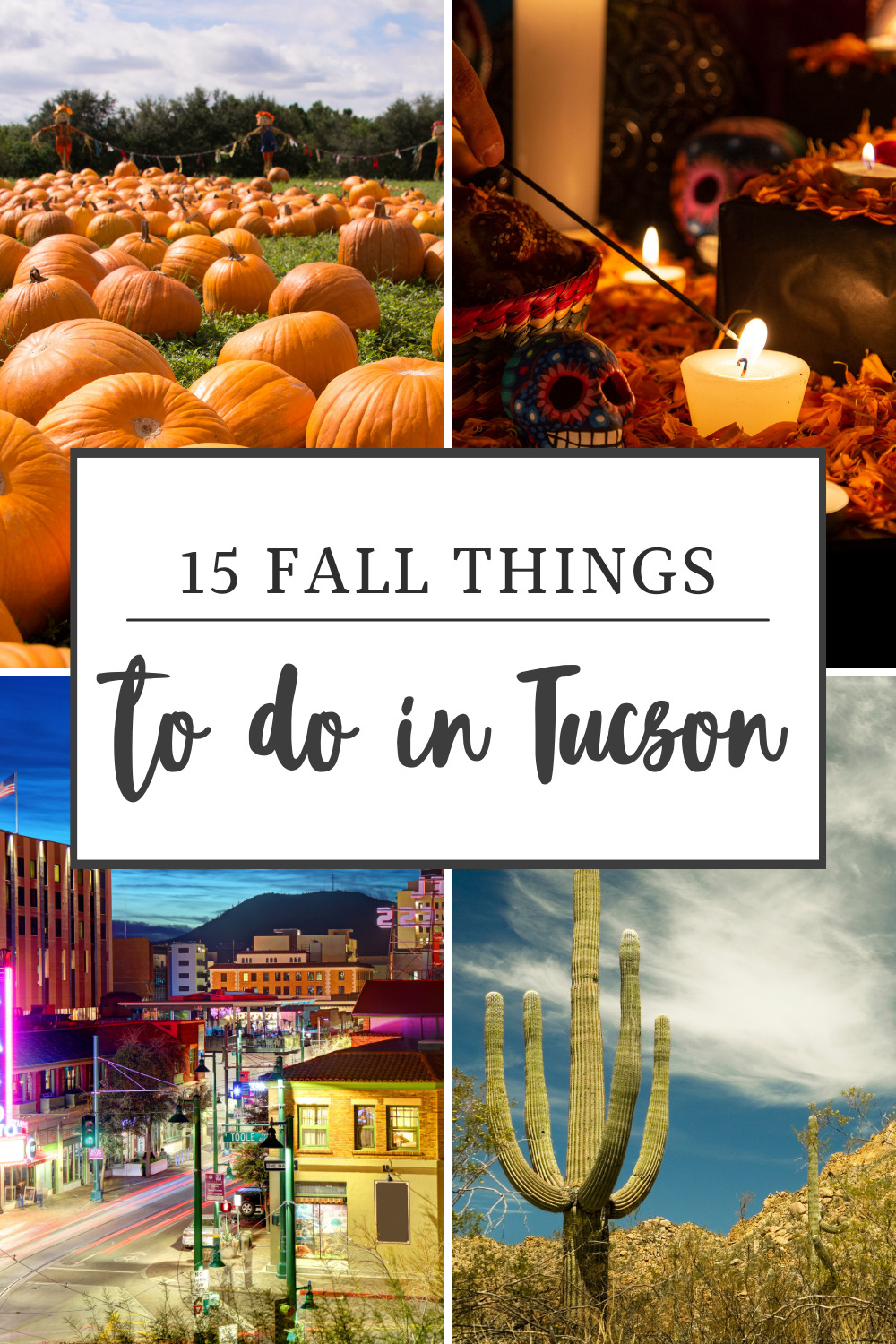
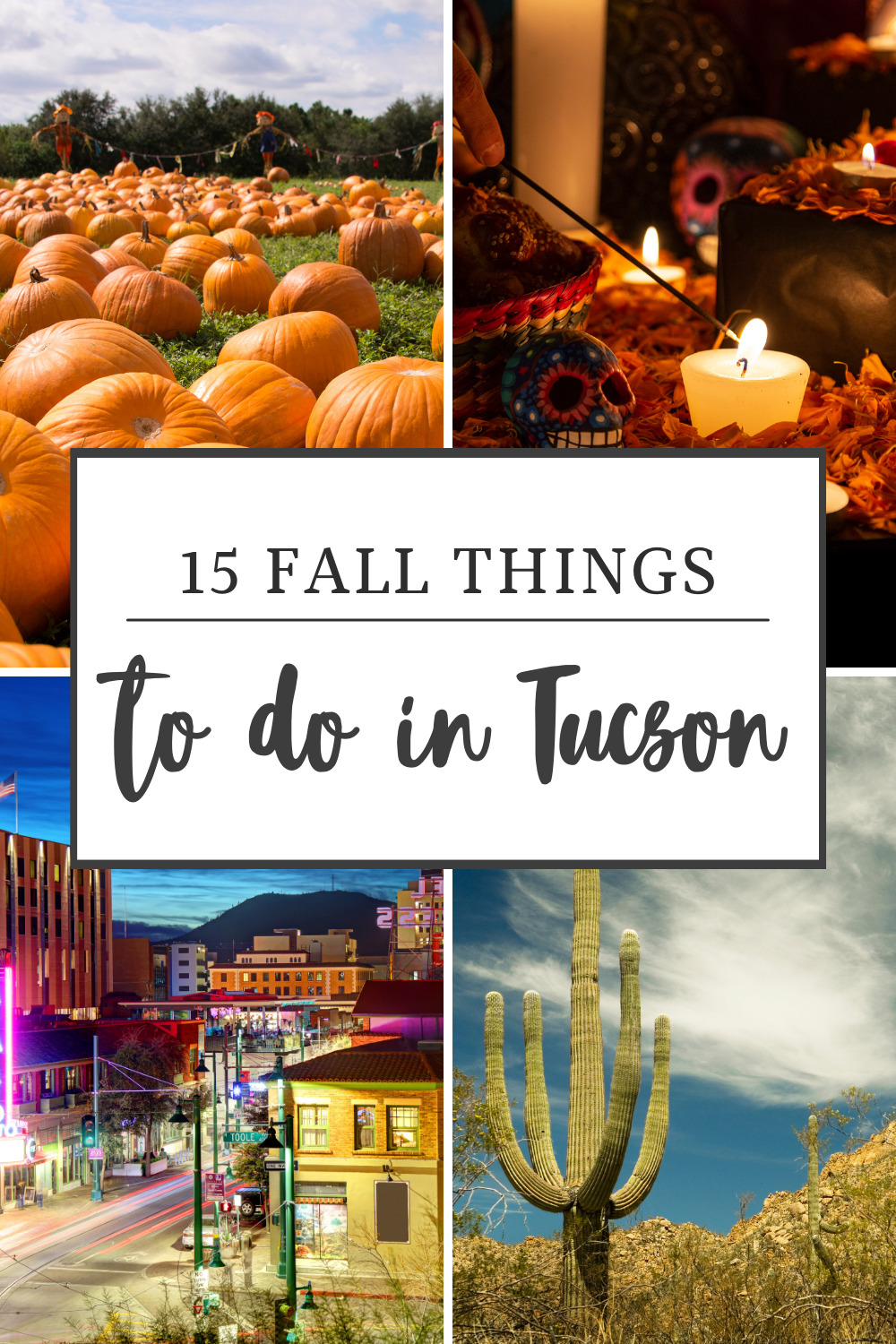
Sharing 15 of my favorite fall things to do in Tucson!
Hi friends! How’s the day going so far? I hope you’re having a great morning so far. I’m subbing a dance cardio class and then spending the rest of the day getting the September Fit Team workouts ready to go. Join us here! New workouts go out on Sunday.
August is acting like it has somewhere to be. I can’t believe that next week is already September! Fall is almost here and Tucson is absolutely dreamy in the fall. The mild weather makes it a long and beautiful season for different activities, and there are also plenty of festivals and events that can make me enjoy the season even more. Today, I’m sharing a roundup of activities that you can do to experience the beauty of fall in all its glory in Tucson. I’d love to hear some local friends chime in the comments if I’m missing anything!
15 Fall Things To Do In Tucson
1) All Souls Procession Weekend
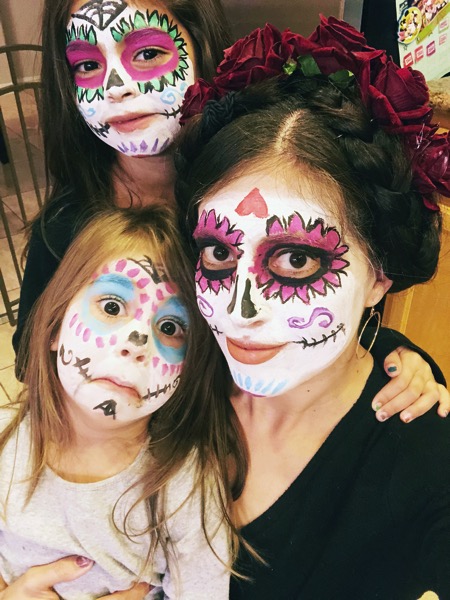
All Souls Procession is one of my favorite activities of the entire year. This year, it’s November 4th – November 6th. You can check out details and photos here. This event draws so many different types of people and they all walk the parade route together, with their faces beautifully painted, costumes, and carrying handmade ofrendas to honor those who have passed. With all of the division in the world, it’s a great reminder that we’re all human; it’s a meaningful experience that our entire family enjoys.
From their website:
The All Souls Procession is one of the most important, inclusive and authentic public ceremonies in North America today. The Procession had its beginnings in 1990 with a ceremonial performance piece created by local artist Susan Johnson. Johnson was grieving the passing of her father, and as an artist, she found solace in a creative, celebratory approach to memorializing him. Says Johnson, “From the beginning, it was different people’s ethnic groups, different cultures, but also it was all these different art forms put together.”
After its inception, many artists were inspired to continue, growing the Procession into its modern incarnation. Today we find ourselves organizing well over 150,000 participants on the streets of downtown Tucson for a two-mile long human-powered procession that ends in the ceremonial burning of “The Urn”.
The Urn is filled with the hopes, offerings and wishes of the public for those who have passed.Myriad altars, performers, installation art, and creatives of all kinds collaborate to prepare their offerings for this amazing event. The All Souls Procession Weekend is Honors the Ancestors and our lost loved ones and Celebrates Life.
2) Cowboy cookout at Tanque Verde Ranch
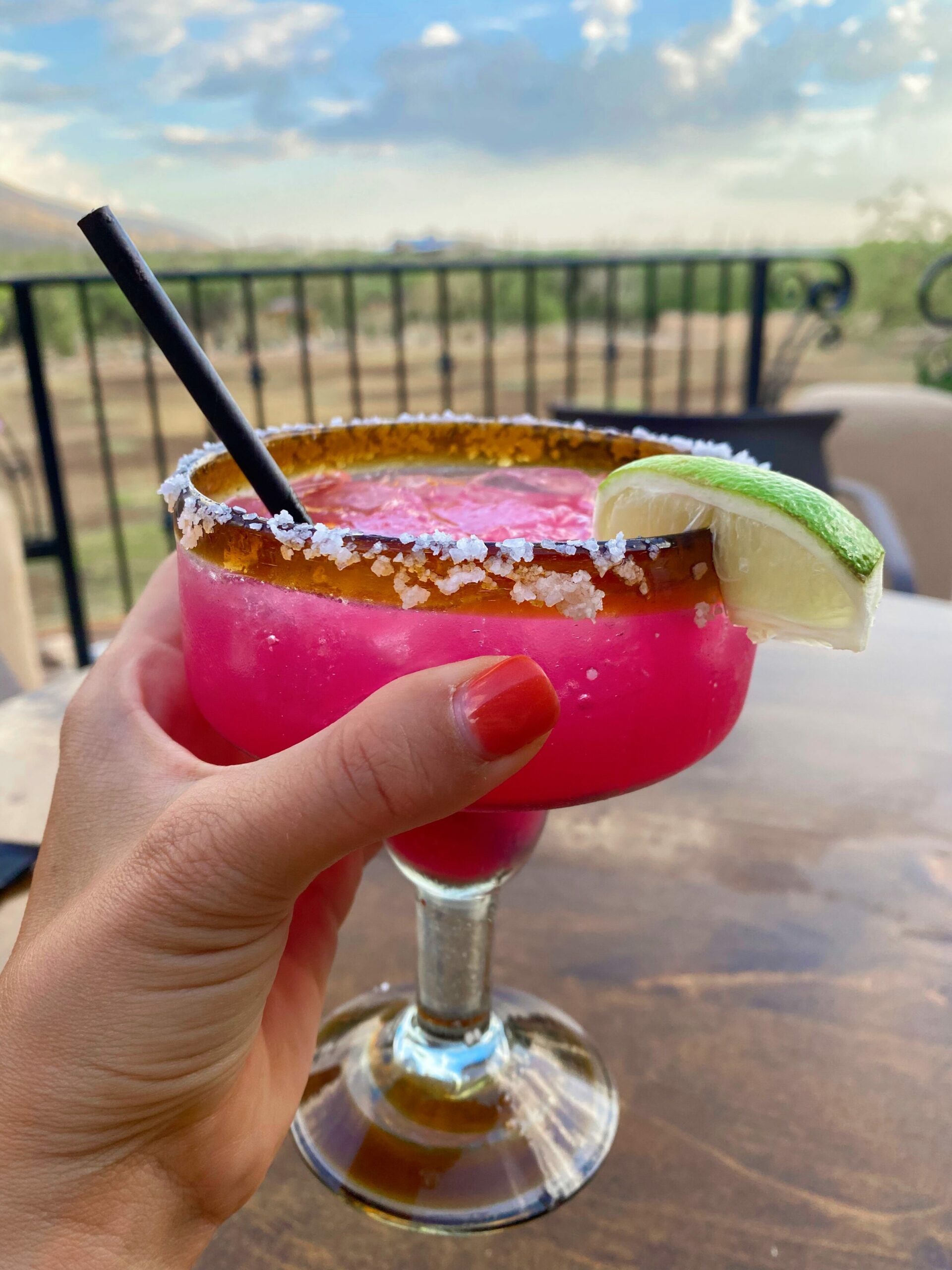
We LOVE the cowboy cookout at Tanque Verde Ranch, and it’s one of our favorite dinner spots to take out-of-town guests. It’s outdoors, so we can enjoy the dreamy Tucson fall weather, they have live music, BBQ buffet (the cobbler is to.die.for) and the BEST prickly pear margaritas. Even better? Turn it into a little staycation!
3) Sonoran Desert Museum
Our Desert Museum is truly a unique Tucson experience, and when the weather is nicer, you’re able to see more animals. There’s a gorgeous butterfly exhibit, and you have the chance to see desert foxes, javelinas, scorpions (AHH), and other desert creatures up close and personal. This one is a huge hit with the kids. It’s a bit of a drive, but it’s worth it!
4) Marana Pumpkin Patch & Farm Festival
Marana has really upped their game in the past few years, and what used to be a smaller pumpkin patch with a petting zoo and a couple of activities has turned into a full-out fall festival. They have multiple rides (including swings, slides, a Corn-ado spinning ride, a train), lots of amazing food, games, and activities for the entire family. Definitely check it out! A little insider tip: go at the beginning of the season instead of closer to Halloween.
5) Apple Annie’s Produce and Pumpkins
Apple Annie’s is an orchard and farm located in Williams, AZ (about an hour and 15 minutes from Tucson). You can pick your own produce, including apples and peaches, and they also have a corn maze and craft fair to look forward to in September and October. Get the pie – you won’t regret it!
6) Tucson Meet Yourself Festival
October 7,8,9 2022 in Downtown Tucson. Three days of music, dance, folk arts, and food from Tucson’s many cultures. My family and I refer to this event as Tucson Eat Yourself, because you’ll just go and eat all of the delicious food, including elote, kettle corn, tacos, and shaved ice from many street vendors. While you enjoy your meal, you can watch some of the performances from local musicians and dancers, representing a variety of cultures.
7) Tombstone Hellorado Days
We haven’t taken the kids to Tombstone yet, but I feel like they’re the perfect ages, especially since Liv is very into history. Helldorado is held every third Friday, Saturday and Sunday in October and consists of gunfight re-enactment shows, street entertainment, fashion shows and other entertainment.
8) Reid Park Zoo
We have a small zoo here in Tucson, which makes it ideal for spending an hour or two with kids. They usually host a Halloween event with elaborate light displays and treak-or-treating stations.
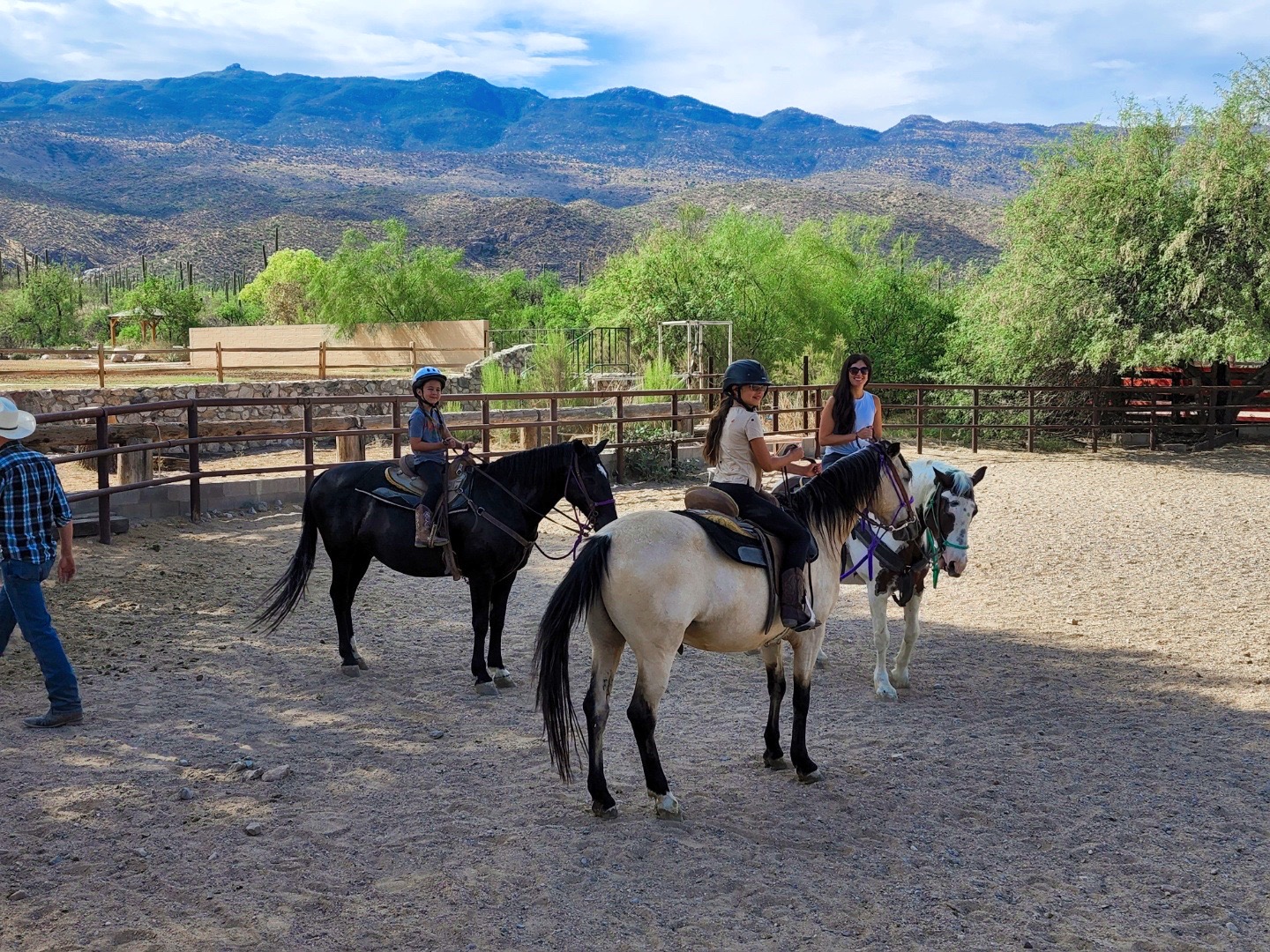
9) A trail ride at TRAK or Tanque Verde Ranch
A trail ride is the perfect way to enjoy the weather, some time outdoors, and enjoy a novel experience you may not get to do all the time (unless you’re P, who is a professional). Both TRAK and Tanque Verde Ranch offer trial rides for various riding experience levels and lengths of time.
10) Mount Lemmon Oktoberfest
Mount Lemmon is a Tucson treasure. It’s 45 minutes to an hour away, and the scenery changes dramatically. You leave cacti and brown dirt for enormous pine trees, greenery, and much cooler weather (20-30 degrees colder!). They have an Oktoberfest event, or you can even head up for the day to picnic, hike, and enjoy pizza and a cookie from the Cookie Cabin.
11) Pima Air and Space Museum
This is another one of our spots to take out-of-town guests, particularly because the Pilot has a couple of plaques and patches on display. It’s fun to see the various aircraft, especially with our Tucson Davis-Monthan Air Force Base history, and the exhibits are amazing.
12) Live music in downtown Tucson at Hotel Congress Plaza
Hotel Congress frequently has live music on the weekends, and it’s a great place to enjoy a cocktail and some music/dancing. They feature local artists and also small booths from artisans, including handmade accessories and jewelry. Bonus: have dinner at BATA and then head to Hotel Congress to music and drinks.
13) Buckelew Farm Terror in the Corn Maze
Buckelew Farm is a bit of a hike (around an hour) and they have a huge pumpkin patch + haunted attractions if that’s your thing (it’s not my thing lol). You can check out the details here if you’re looking for a spookier experience.
14) Hike Sabino Canyon
Sabino Canyon is my favorite hiking destination in Tucson. You can explore many of the trails, or take a tram ride to the top and walk down. You can check out All Trails and a full guide to hiking Sabino Canyon here. You can often see water and wildlife on the trail, and the views are spectacular.
15) Gaslight fall show- The Wizard of the Rings
Gaslight is another Tucson treasure! Their melodramas are always loosely based on popular shows and movies, and the audience is encouraged to cheer for the hero and boo for the villain. They serve popcorn and a full 50s diner menu as you enjoy the show.
What are some local fall events that you look forward to each year?