Wearable assistive robot developed to prevent falls for Singapore’s elderly

Wearable assistive robot developed to prevent falls for Singapore’s elderly

[ad_1]

Researchers from Nanyang Technological University Singapore and Tan Tock Seng Hospital have created a wearable assistive robot that prevents falls and assists in physiotherapy for the elderly. 

WHAT IT’S ABOUT

The Mobile Robotic Balance Assistant (MRBA) has sensors to immediately detect a loss of balance and catches its wearer with a safety harness worn around the hips. It helps users to stand up safely from a seated position and sit down from a standing position. 

The device can also predict potential falls by estimating a user’s state of balance in real time using machine learning and a deep sensing camera that observes their movement.

Moreover, it helps people who are recovering from injuries to do rehabilitation exercises, such as side stepping, balancing on a rocker board, and standing on one leg.

According to a press release, the MRBA comes in three models: one that can carry users who weigh up to 80 kilograms, another that can assist those who weigh up to 120 kilograms, and a third model that supports more dextrous movements.

The assistive robot was tried out on 29 participants, including patients who suffered from strokes, traumatic brain injuries, and spinal cord injuries, for three days each. Based on the trials, the MRBA was successful in helping them sit, stand, and walk, as well as in assisting in specific tasks, like fetching water. No falls were recorded during the trials. 

The research team plans to expand their study and recruit 71 more participants from rehabilitation centres to build a use case for robots in home and community settings.

Aside from securing four patents for MRBA, they are also closely working with industry partners to commercialise the technology by next year. The team has already received interest from home care providers Ninkatec and Home Instead to adopt the technology.

“In the near future, we look forward to seeing the MRBA improved to an industrial prototype with a software data platform that prepares it for commercialisation,” added Karen Chua, one of the co-leads for MRBA development and an adjunct professor at NTU Lee Kong Chian School of Medicine.

WHY IT MATTERS

Falls occur among senior folks as balance control declines with age. It is the second leading cause of injury-related deaths around the world, according to the World Health Organization. In Singapore, falls account for 40% of such deaths.

MRBA was designed to assist people with limited or reduced mobility in daily tasks, such as entering and exiting elevators, opening doors, getting dressed, and performing simple kitchen chores, among others.

It could also help promote independent living and ageing, said Ang Wei Tech, associate professor at NTU School of Mechanical and Aerospace Engineering who supervised the technology’s development.

MARKET SNAPSHOT

Fall detection technology has evolved from pendants worn around the neck to wearables that can be worn on the wrist and hips and even as sensors mounted on room walls.

Late last year, Amazon tied up with Vayyar and Assistive Technology Service to add fall detection to its Alexa Together service. The new feature comes with wall-mounted sensors to detect falls, complementing the SkyAngelCare pendants worn by users.

In June last year, Australian wearable tech developer Spacetalk also introduced a fall detection feature in its LIFE smartwatches for seniors. Its smartwatch now has built-in smart accelerometer and gyroscope sensors that continuously record a user’s movements, speed and altitude to enhance the accuracy of fall detection.

[ad_2]

Source link

The Big Secret

The Big Secret
The Big Secret

[ad_1]

Six in 10 U.S. adults now have chronic health conditions like cancer, heart disease, diabetes and stroke, and 4 in 10 have two or more of these diseases, according to the CDC.1

While many of these diseases can be blamed on drinking, smoking or overeating — in other words, “lifestyle” choices, most people don’t realize that much of their health care and subsequent wellness depends solely on corporations that value their profits over your well-being — corporations like insurers, health benefit managers and food and drug makers.

It’s a sad fact that prevention of chronic health conditions is not a priority of these organizations — healthy people do not need medical care, so no money is made by getting or keeping the population healthy.

According to the documentary, “The Big Secret,”2 unethical profiteering on the public’s health can be traced back to John D. Rockefeller, (1839–1937) a wealthy U.S. industrialist credited with creating much of our current medical system. Specifically, Rockefeller’s foundations along with the Carnegie foundation, revamped medical schools to emphasize the use of drugs made by companies they owned, instead of a less-drug intensive model that had been in use in schools.3

This “drugs first” approach to health care continues today at medical schools and in traditional medical practice, both of which are enmeshed with Big Pharma. The “patent medicines” Rockefeller pushed have simply been replaced by brand name drugs.

The Sham of Statins

A good example of our current medical system’s misplaced preference of drugs over prevention can be seen with statins. Statins have been a blockbuster for Big Pharma since they were first introduced, with4 Lipitor being the best-selling drug in the history of the pharmaceutical industry.5 Today, more than 1 in 4 Americans over age 45 are on a statin.6

Since statins lower cholesterol, it’s assumed they lower the risk of heart disease yet cholesterol levels are only one risk factor in heart disease and, therefore, statins are much less effective than touted. In fact, studies show that less than half of those on statins actually ever reach the cholesterol goals intended.7

The real truth is cholesterol is found in every cell in your body, where it helps to produce cell membranes, hormones (including the sex hormones testosterone, progesterone and estrogen) and bile acids that help you digest fat. It’s also important for the production of vitamin D.

Additionally, as experts point out in “The Big Secret,” cholesterol serves positive functions in the brain, hormone systems and many other parts of the human body, Moreover, there are negative effects from lowering it too much.

As I have written in my newsletters many times, statins are also associated with many dangerous side effects, from muscle aches and damage to inhibiting the enzyme that produces CoQ10 and ketones, which are crucial nutrients to feed your mitochondria. Statins also inhibit the synthesis of vitamin K2 which protects your arteries from calcification and plaque.

Doctors Speak Out Against Statins

Dr. Barbara H. Roberts, author of “The Truth About Statins,” served as director of the Women’s Cardiac Center at the Miriam Hospital in Providence, Rhode Island, and associate clinical professor of medicine at the Alpert Medical School of Brown University.

She also spent two years at the National Heart, Lung and Blood Institute of the National Institutes of Health (NIH), where she was involved in statin clinical trials. This is what she had to say in 2012 about the use of statins in clinical practice:8

“Every week in my practice I see patients with serious side effects to statins, and many did not need to be treated with statins in the first place. These side effects range from debilitating muscle and joint pain to transient global amnesia, neuropathy, cognitive dysfunction, fatigue and muscle weakness.

Most of these symptoms subside or improve when they are taken off statins. There is even growing evidence of a statin link to Lou Gehrig’s disease.

There is no question that many doctors have swallowed the Kool-Aid. Big Pharma has consistently exaggerated the benefits of statins and some physicians used scare tactics so that patients are afraid that if they go off the statins, they will have a heart attack immediately.

Yet high cholesterol, which the statins address, is a relatively weak risk factor for developing atherosclerosis. For example, diabetes and smoking are far more potent when it comes to increasing risk.”

Rather than statins, simply donating blood reduces the risk of stroke by 70%, says Dr. Jonathan Wright in “The Big Secret.” For more information on how this could be true, I encourage you to watch the video accompanying this article — you’ll be shocked at how something as simple as a blood donation can work as well as or better than a drug.

Food That Doesn’t Nourish

In 1971, President Richard Nixon’s secretary of agriculture, Earl Butz, debuted a dangerous method of farming that continues today, in the form of the use of heavy synthetic fertilizers. With the advent of chemicals to “feed” it, farmland was no longer given a rest but tilled incessantly, resulting in serious mineral depletion.

As a result studies show that fruits and vegetables today have less nourishing nutrients, thanks to this emphasis on size and quick growth of produce that Butz instituted. Of course, GMOs were to follow. Not surprisingly, Butz served as a board member on agribusiness companies that made the chemicals he promoted.

The drop in nutritional values in crops stems from widely used pesticides and herbicides which kill the bacteria that would otherwise predigest minerals and make them available to crops, says Peter Glidden, a naturopathic doctor featured in “The Big Secret” documentary.

What’s worse, glyphosate, the ingredient in the herbicide Roundup, is highly correlated with liver, bile duct and thyroid cancers and stroke. And now, thanks to subpoenaed evidence produced in lawsuits against Roundup’s manufacturer Monsanto, it’s been proven that Monsanto (now Bayer) buried negative studies and attacked whistleblowers who tried to expose the danger of its popular herbicide.

The farmers are suffering too: Thanks to contracts forced on them by Monsanto and other agribusiness giants like DuPont and Syngenta, farmers can no longer save their seeds for planting or buy unpatented seeds, says farmer Paul Porter.

And, the environment suffers: Despite farmers’ best efforts to avoid the harm of glyphosate and the many GMO seeds developed to survive the herbicide, glyphosate “drift” affects farmers who earnestly want to opt out of chemically produced food. Traces of glyphosate are now found everywhere, says the documentary — in the soil, air, rain and even in most people’s urine.

A Dangerous Sweetener Made From Corn

Another point “The Big Secret” makes is that the ubiquity of high fructose corn syrup (HFCS), used to sweeten soft drinks and many other processed foods, is also a result of an agriculture secretary’s decision-making. John Block, who served from 1981 to 1986 under President Ronald Reagan, abruptly ceased sugar imports when he took office, and boosted the use of HFSC, made from government subsidized corn.

One problem with HFCS, though, is that it’s highly correlated with metabolic syndrome — the type of obesity in which fat is concentrated at the waist, resulting in more health risks than mere obesity — and nonalcoholic fatty liver disease.

As an example, the documentary highlights a study of residents of a county in Texas where only soft drinks with real sugar were available. With no access to HFCS, these people had significantly less fatty liver disease, obesity and diabetes — highlighting the probable, deleterious effects of HFCS.

Next up on this revealing documentary’s list is the U.S. government’s campaign against fat, which began in 1980 and resulted in the low-fat craze — a move that got the science practically backward, says Dr. Robert Lustig. In this debacle, fat was blamed for the cardiovascular disease while fructose, the real culprit, was exonerated. “You would never think about giving your kid a beer, but you don’t think twice about giving them a Coke. They do the same thing,” he asserts.

The Soft Drink Lobby Has Huge Power

I know it’s hard to believe that governments would not protect their constituents from harmful food. But, time and again industry wins over any concern government may express for your health. For example, soft drink makers wield a huge amount of economic power. This is how Mother Jones described the conundrum in 2016:9

“Soda companies give big bucks to groups that promote public health — while at the same time lobbying against laws that are trying to do the same.

That’s the takeaway from a study [that showed] Coca-Cola and PepsiCo donated hundreds of thousands of dollars to groups like the American Diabetes Association, American Heart Association and Save the Children from 2011-2015. The two companies, represented by American Beverage Association, also spent millions lobbying to defeat legislation aimed at reducing soda consumption across the country.

Coke gave the National Institutes of health nearly $2 million in recent years while also spending $6 million each year from 2011 to 2015 to fight efforts on implementing soda tax in cities like Philadelphia.”

The bottom line is, government is literally taking handouts from the very industries that are making you sick! When you consider that the chief agency in charge of your health — the CDC — has been caught in a cozy relationship with Coke, to the point of allowing the beverage giant to influencing research, it makes you wonder just who to trust when it comes to health and wellness.

Real Food Provides Natural Weight Control

Here’s an interesting thought that “The Big Secret” poses: What happens when food still contains all the minerals and nutrients it was meant to have — foods that haven’t been depleted by chemical farming and genetic engineering? The answer is people stop eating when they have had enough and do not overeat, Glidden says.

You see, overeating and obesity are a direct result of consumers failing to receive the nourishment they crave. In other words, the body seeks nourishment that is not there and you just continue eating.

This “missing nutrient” effect may be seen, for example, with artificial sweeteners. Research in Trends in Endocrinology & Metabolism suggests that artificially sweetened beverages may paradoxically cause people to gain, not lose, weight.10

“The negative impact of consuming sugar-sweetened beverages on weight and other health outcomes has been increasingly recognized; therefore, many people have turned to high-intensity sweeteners like aspartame, sucralose, and saccharin as a way to reduce the risk of these consequences.

However, accumulating evidence suggests that frequent consumers of these sugar substitutes may also be at increased risk of excessive weight gain, metabolic syndrome, type 2 diabetes, and cardiovascular disease.”

Artificial sweeteners also might be addictive unto themselves, according to a 2011 study conducted at the University of Bordeaux in France.11 Researchers found that rats, when they were given a choice between an artificial sweetener and cocaine, always picked the artificial sweetener. In fact, even cocaine-addicted rats chose the artificial sweetener.

Municipal Fluoridation Imperils Public Health

For many years I have warned against the dangers of fluoride in drinking water and its widespread use in municipal water systems, so you’re probably aware of how industry has overtaken the very water you drink. Fluoride is an endocrine-disrupting chemical12 and linked to the rising prevalence of thyroid disease which, in turn, is linked to obesity, heart disease, depression and other health problems.

Research in Environmental Health also suggests a link between attention deficit hyperactivity disorder (ADHD) in children and adolescents in the United States, which has become epidemic, and exposure to fluoridated water.13

“State prevalence of artificial water fluoridation in 1992 significantly positively predicted state prevalence of ADHD in 2003, 2007 and 2011, even after controlling for socioeconomic status.

A multivariate regression analysis showed that after socioeconomic status was controlled each 1% increase in artificial fluoridation prevalence in 1992 was associated with approximately 67,000 to 131,000 additional ADHD diagnoses from 2003 to 2011.

Overall state water fluoridation prevalence (not distinguishing between fluoridation types) was also significantly positively correlated with state prevalence of ADHD for all but one year examined.”

Municipal fluoridation, says “The Big Secret,” saves local governments money by disposing of the neurotoxin while sparing the aluminum industry connected with its production of financial responsibility or harm.

There is also evidence that fluoride is an endocrine disruptor that can affect your bones, brain, thyroid, pineal gland and even your blood sugar levels.14 Importantly, it’s a known neurotoxin shown to lower IQ in children.15,16 It’s just another example of corporations and governments placing their profits over the public’s well-being — many of which are well described in “The Big Secret.”

The message is clear: Many medicine practices, as well as popular foods and drugs are designed to make money, not protect public health.


[ad_2]

Source link

Apple Watch Series 8 adds ovulation estimates, car crash detection

Apple Watch Series 8 adds ovulation estimates, car crash detection

[ad_1]

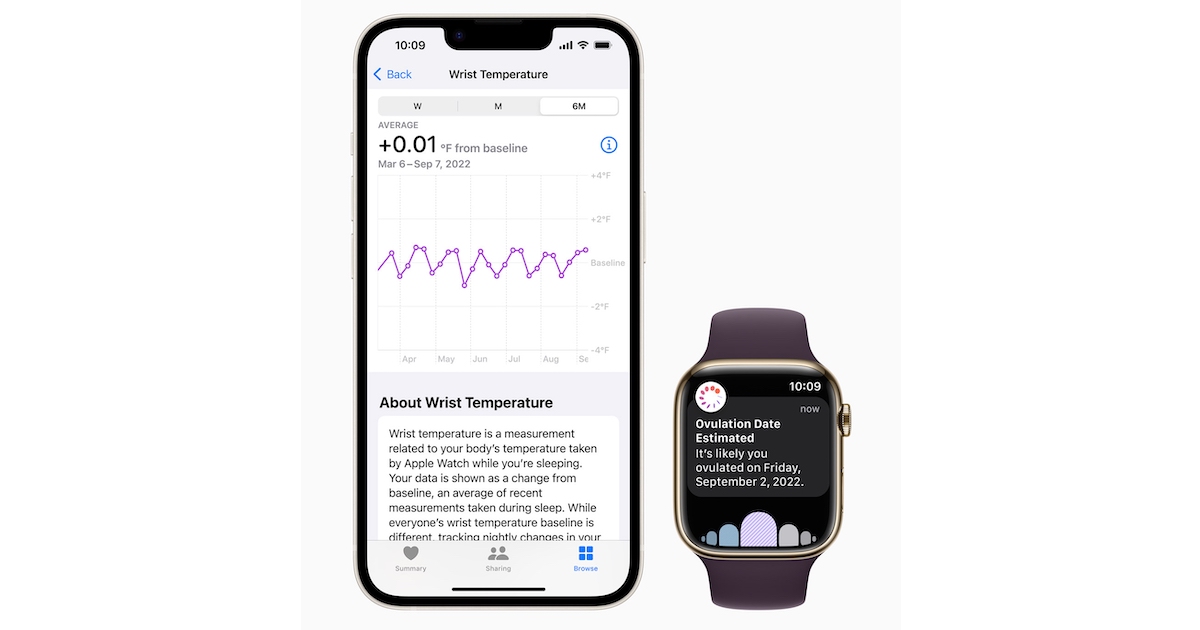
Apple revealed the latest iterations of its Watch wearables Wednesday, including new temperature-sensing capabilities to track ovulation and car crash detection.

The Apple Watch Series 8, which will retail starting at $399, includes two temperature sensors, one near the skin on the back of the device and one under the front display. Apple said that these sensors can reduce bias from the environment, and that nighttime body temperature changes can be used to estimate when ovulation occurred. Temperature data can also improve period predictions. 

The new device also includes crash detection, which uses a new gyroscope and accelerometer to detect potential accidents and check in with the user. If they’re unresponsive after 10 seconds, the Watch can alert emergency responders and contacts with location data. 

The lower-priced Apple Watch SE, which will start at $249, will include the basic activity tracking, high and low heart rate notifications, and emergency alert features, including the new crash-detection tools. All devices using the new iOS16 and watchOS 9 can alert users if their period-tracking history shows a deviation, like irregular cycles or spotting. 

The tech giant also unveiled the Apple Watch Ultra, geared toward endurance athletes and outdoor explorers. It includes the new temperature sensing and crash-detection features alongside tools for diving and water sports and a more accurate GPS. It will retail for $799.

The Apple Watch Series 8 and the SE will be available Sept. 16. The Ultra will be available Sept. 23.

THE LARGER TREND

Earlier this summer, Apple previewed new health features for watchOS 9 and iOS16, including atrial fibrillation history, medication management and more tools for sleep monitoring.

Period tracking and privacy have become hot topics in the wake of the Supreme Court’s Dobbs decision that overturned Roe v. Wade. Some privacy experts have raised concerns that data could be used to determine if the user has had an abortion. Many popular period-tracking apps already share data with third parties.

Apple first added cycle tracking three years ago. The company said that when a user’s iPhone is locked, health and fitness data is encrypted on the device and can only be accessed with a passcode, Touch ID or Face ID. When using the default two-factor authentication and a passcode, health data backed up to the cloud is end-to-end encrypted, so Apple cannot read it.

“Only with your explicit permission can your health data be shared, and you have granular control over the types of data you share and who you share it with,” said Dr. Sumbul Ahmad Desai, vice president of health at Apple. 

There’s plenty of competition for health and fitness tracking wearables. Google recently announced three updated Fitbit wearables, the Inspire 3, Versa 4 and Sense 2. The tech giant also plans to release its own branded smartwatch this fall.

Others in the space include Amazon, Samsung and Garmin.

[ad_2]

Source link

Ask a Health Coach: Foods to Help with Stress & Anxiety

Ask a Health Coach: Foods to Help with Stress & Anxiety

[ad_1]

Hey folks, Board-Certified Health Coach Chloe Maleski is here to answer your questions about what to eat (and what to avoid) when you’re feeling anxious. Struggle with stress, anxiety, or overwhelm? We’re here with guidance and support! Have a question you’d like to ask our health coaches? Leave it below in the comments or over in the Mark’s Daily Apple Facebook group.


Max asked:
“I have really bad anxiety. Are there foods that can help? Any other ideas that don’t involve popping pills? I’m trying to take a natural approach but all the advice out there and people selling ‘solutions’ leave me more stressed. Thanks!”

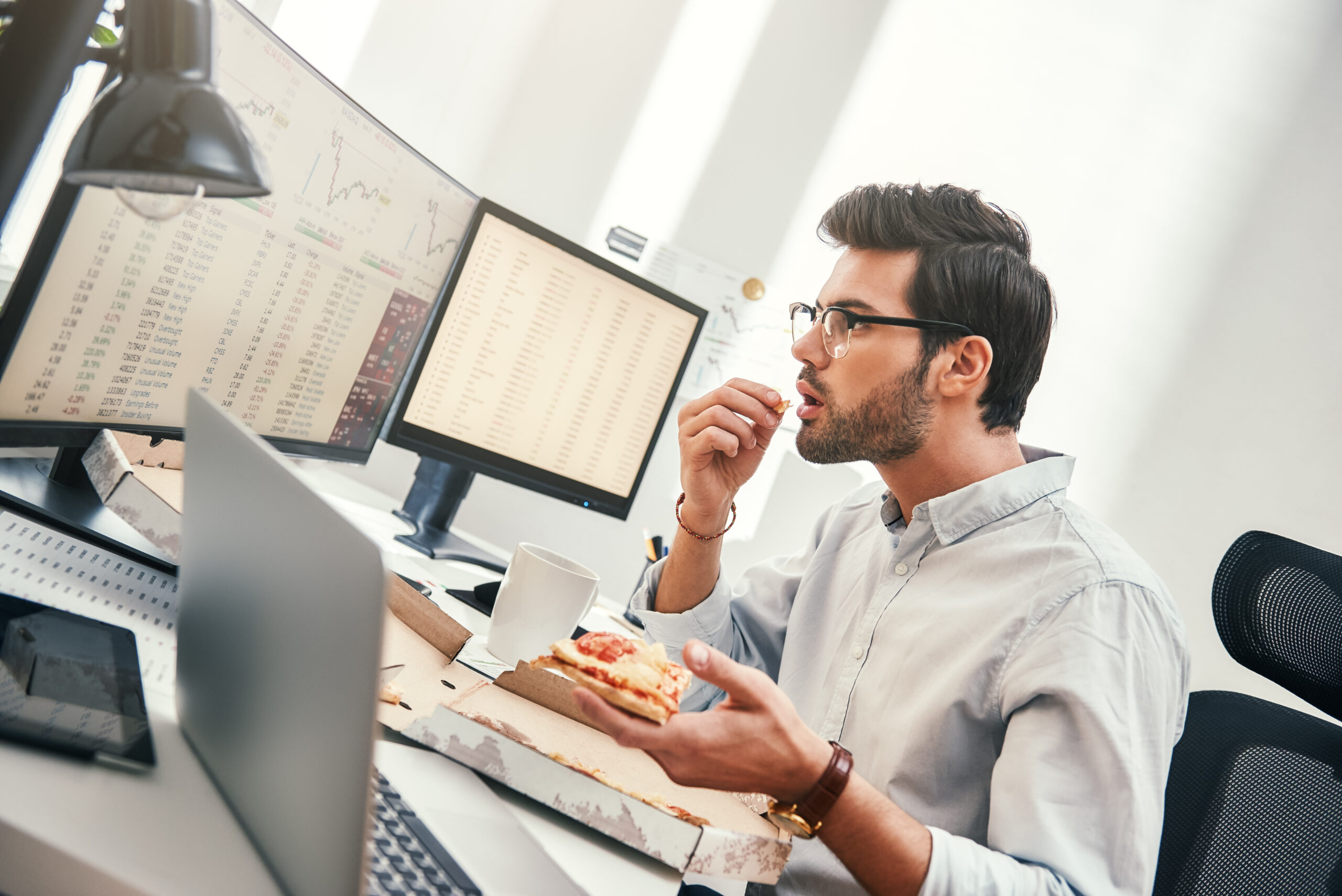
Man sitting at bank of computers eating pizza and looking stressed.Sorry to hear you’re struggling, Max! You’re not alone in dealing with anxiety or in feeling overwhelmed by all the information, advice, and “solutions” out there.

Good for you for exploring holistic options and recognizing that food can be helpful (or harmful) when it comes to mental health. This makes complete sense, after all! The food we eat is literally how we constitute ourselves, and there is no separation between body and mind. Traditional healing modalities have known this for thousands of years, and modern research in fields such as epigenetics and neuroplasticity offers an abundance of evidence!

If you’re suffering from a serious mental health condition, you should consult a trained medical professional or therapist if that’s accessible to you. These days, more and more healthcare professionals are practicing functional medicine and taking a holistic approach.

Meanwhile, there are certainly things you can do on your own. Regardless of whether you seek additional support, eating and lifestyle patterns play a pivotal role in how we feel in body and mind.

As a Primal Health Coach, I work with many clients who struggle with feelings of anxiety, stress, and overwhelm. These days, the person who doesn’t encounter those is the exception!

Let’s start with foods that contribute to anxiety…then look at foods that help.

Foods that Make Anxiety Worse

You probably already have a good idea which foods tend to make you feel more anxious, but here are six common culprits:

  1. Sugar
  2. Grains
  3. Highly processed and fast food
  4. Foods containing highly refined, inflammatory seed and vegetable oils
  5. Coffee and other forms of caffeine
  6. Alcohol

If you’re a regular at Mark’s Daily Apple, the first four probably aren’t surprising! When we consume foods that disrupt our body’s natural signaling system and contribute to chronic inflammation, this puts stress on our entire body-mind ecology.

Even for folks without conscious awareness around this, eating foods that aren’t healthy or supportive feels “off” on some level and contributes to subconscious unease. The body always knows!

Coffee and alcohol warrant special mention here, because neither is considered off limits within Primal parameters. Indeed, I have many clients who eat Primal 100 percent of the time but way overdo coffee and/or alcohol intake—and feel the impact.

Most people are aware of coffee’s energizing effects—that’s one reason they drink it! Along with a burst in energy, it causes a spike in stress hormones and may interfere with the ability to modulate cortisol levels Drinking it in the afternoon also interferes with quality sleep later on (even if the person drinking it thinks they sleep fine). Lack of quality sleep contributes to further hormonal disruption, systemic inflammation, and chronic stress; has a direct impact on emotions and mood; and often leads to drinking more caffeine—taxing the body and mind and fueling an unhelpful cycle.

This isn’t to say you have to cut coffee or caffeine entirely, but reducing your intake and not drinking it immediately upon waking or too late in the day is especially important during periods of stress or anxiety. Even switching to lower caffeine green tea can be helpful.

On the opposite side of the spectrum, many people consume alcohol to “take the edge off.” Problem is, that works for the first 30 minutes—that’s it! The body is the ultimate compensator and will balance out the artificially induced surge in feel-good hormones by releasing more stress hormones. Have you ever awoken with anxiety and restlessness around 3 a.m. after drinking alcohol with dinner? This is probably why!

Again, this doesn’t mean you have to give up alcohol completely. Just know that drinking is very likely to make anxiety worse. If you do choose to partake, keep it minimal and don’t drink too close to bedtime. Similar to coffee, alcohol also has a hugely detrimental impact on sleep, even if consumed in small or moderate amounts.

Unfortunately, many folks tend to consume MORE of the above during stressful, anxious times rather than less. This is because they hold the promise of momentary relief, similar to “comfort eating”. Problem is, that relief is fleeting and they leave us feeling worse!

This then feeds a vicious loop, where we’re stressed and anxious… seek temporary comfort… only to feel even worse… and seek more comfort from things that will exacerbate the problem. It’s a bad cycle on repeat, and breaking out of it can feel really hard or even impossible.

Good news is, food also has the potential to do the opposite! Meaning, it can bring real, lasting relief and can help us leave that painful cycle behind. We just need to know what to avoid and what to choose instead. Let’s take a look.

Foods that Help with Anxiety

For many people, eating a Primal diet will already go far in quieting anxiety and reducing stress. When we nourish our body with real, whole foods, it can thrive instead of just survive.

If you need a refresher on Primal eating, start here. There’s an abundance of healthy options out there, and no real need to choose foods that make us feel worse. Beyond that, here’s an “anti-anxiety” starting place:

  • Eat real, whole food cooked simply.
  • Use fresh ingredients (bonus if they’re local or homegrown!).
  • Sip bone broth or herbal tea (or even green tea or matcha rather than coffee).
  • Pay attention to your thirst and stay hydrated.
  • Experiment with mocktails featuring healthy, Primal ingredients.
  • Practice calming eating habits, such as taking five deep breaths or a walk before reaching for comfort food, taking a moment of stillness and gratitude before meals, going slow, savoring each bite, and not overeating. Which leads us to…

Anxiety & Lifestyle

Remember that Primal eating is just one aspect of the 10 Primal Blueprint Laws. When I work with coaching clients, I not only consider what they’re eating but how they’re eating and how they’re spending the rest of their lives!

Eating quickly, eating on the go, overeating, and eating while watching, reading, or discussing something stressful is NEVER helpful when it comes to reducing anxiety. As best you can, make sure to eat slowly and mindfully. Also make sure to eat while seated, and take a breather from stressful topics. They’ll be waiting when you’re done, and you’ll be better resourced to deal with them!

Other Primal lifestyle “hacks” include:

These practices have a huge impact on our body, mind, and emotions. If you’re eating Primally, limiting or avoiding caffeine and alcohol, and still suffering from anxiety, look there.

Anti-anxiety Game Plan

Since you’re here at Mark’s Daily Apple, none of the above is probably news! Sometimes knowing what will help can actually contribute to anxiety due “cognitive dissonance.”

This is when part of you knows what you want and need to do… but you’re doing something different. The result is subconscious or conscious tension and stress—as though you’re carrying the weight of knowing and the weight of your choices, so can never fully relax.

Even recognizing this already changes things. We can’t take back awareness, and our body and mind truly do want to move towards what feels better.

Rather than shaming or blaming yourself, remember that some part of you is trying make yourself feel comforted. Thank that part of yourself, while gently letting it know its “suggestions” aren’t helping. Then ask:

  • How long will the relief from unhelpful foods last?
  • How will I feel in an hour? When trying to fall asleep tonight? Tomorrow morning?
  • What might I do 10 percent less of when it comes to food and eating?
  • What might I do 10 percent more of as an alternative that will bring more ease?

Ask these questions from a place of honesty and compassion. There’s no judgement—just curiosity, investigation, and awareness. Give yourself space to really check in with what you’re feeling, what will make it worse, and what will make it better.

Our body is on our side, and making supportive swaps (even 10 percent of the time) does wonders. Plus, when we feel good from a thing, we naturally want more! Start with 10 percent, and watch how that grows.

For many people, reducing stress and anxiety can be as simple as shifting to a Primal diet, slowing down, and getting enough sleep, sun, and movement.

That said, simple doesn’t mean easy! Having someone to lean into can reduce the stress of figuring everything out yourself and carrying through on your intentions. For skillful, compassionate backup, consider working with a Primal Health Coach primalhealthcoach.com! Visit myprimalcoach.com to get started.

Do you struggle with anxiety, stress, or overwhelm? Do certain foods or habits help or hurt? Let us know and drop other questions for me in the comments!

myPrimalCoach

No-Soy_Island_Teriyaki_and_Teriyaki_Sauces_640x80

About the Author

Chloe Maleski is a board-certified Primal Health Coach and personal trainer with a Bachelor’s degree from Duke University and a Master’s in Clinical Psychology from Pepperdine University. She is also the Head Coach at myPrimalCoach, the premier online health coaching service designed to help you lose weight and take control of your health for life.

If you want to lose weight, gain strength and energy, sleep better, reduce stress, or manage chronic health conditions, myPrimalCoach can help. Take the myPrimalCoach health questionnaire to take the first step toward lasting health and wellness.

If you’d like to add an avatar to all of your comments click here!

[ad_2]

Source link

News Anchor’s Stroke on Live TV a Reminder: Know the Signs

News Anchor’s Stroke on Live TV a Reminder: Know the Signs

[ad_1]

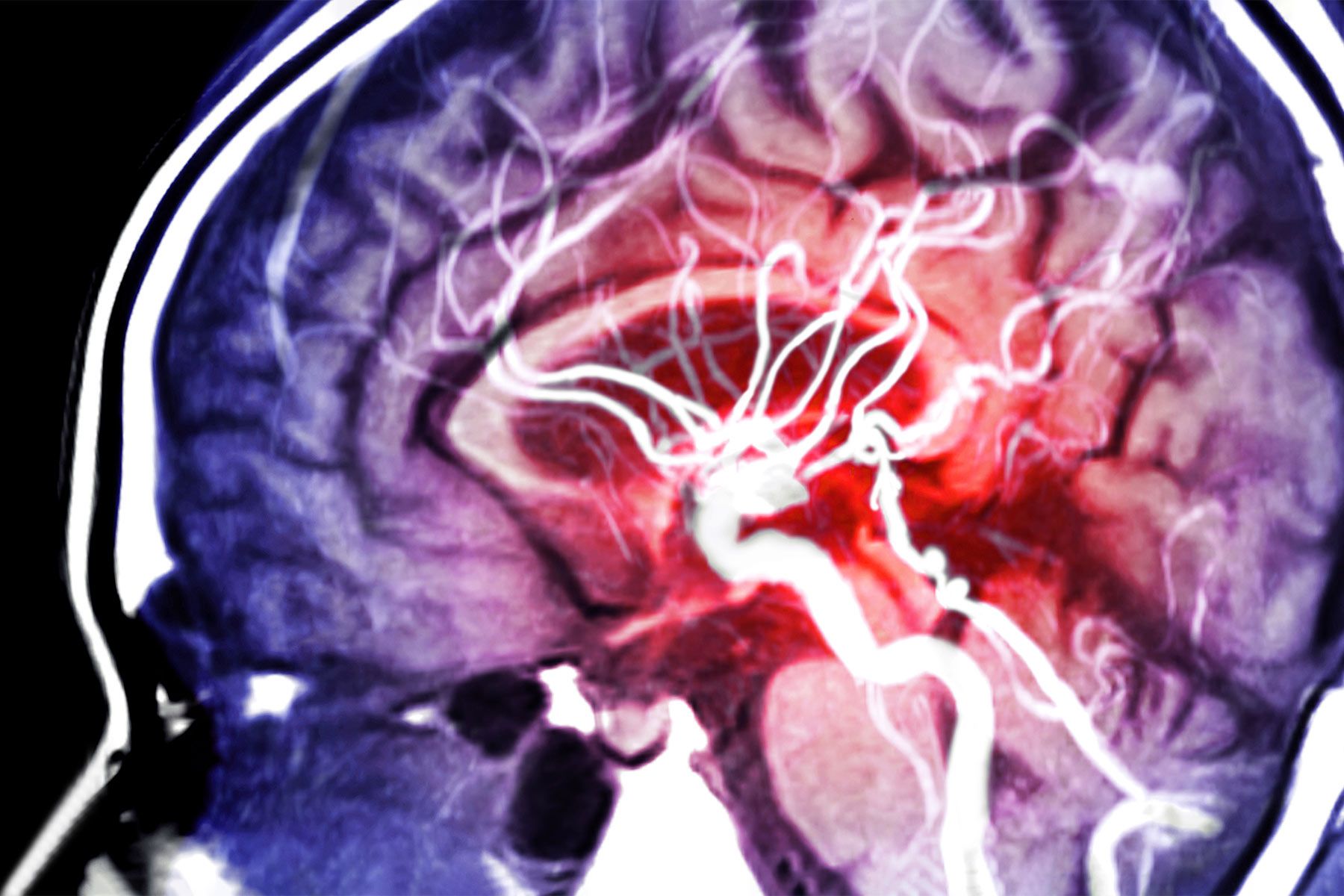
Sept. 8, 2022 – Television news anchor Julie Chin is recovering after experiencing stroke-like symptoms live on air earlier this month. Chin, an anchor for NBC local news affiliate KRJH in Tulsa, OK, was reporting on the NASA Artemis I launch when she suddenly had trouble talking or reading words off the teleprompter.

Thanks to quick action from her colleagues who called 911, Chin was rushed to a nearby hospital where she underwent a series of tests.

“First I lost partial vision in one eye. A little bit later my hand and arm went numb. Then, I knew I was in big trouble when my mouth would not speak the words that were right in front of me on the teleprompter,” she wrote on Facebook the following day.

“My doctors believe I had the beginnings of a stroke on the air,” said Chin, who is now recovering at home.

When a News Anchor Becomes the News

The video of Chin struggling for words is bringing a lot of attention to this medical emergency. It shows how unexpectedly, and rapidly, stroke-like symptoms can start. It’s also a good reminder to anyone who thinks they or someone else might be having a stroke that they need to act fast.

“It was a scary event for her, but I think it’s a good opportunity for us at the American Heart Association to remind people what the signs of a stroke are,” Mitchell Elkind, MD, says.

Larry Goldstein, MD, chair of neurology at the University of Kentucky HealthCare in Lexington, agrees .

“Anything that raises awareness is a good thing,” he says . “This event was a good example of someone experiencing speech changes – although her articulation was good — she had a real word-finding problem.”

People who witness a stroke play an important role. Sometimes the person experiencing the stroke is unable to call for help or the stroke takes away their ability to recognize they’re having a problem, says Elkind, AHA chief clinical science officer.

“That’s why it’s important for friends, co-workers or even people on the street to recognize the signs of a stroke.”

Remember the Signs

If you suspect a stroke, remember B.E.F.A.S.T. It stands for Balance; Eyes (loss of vision); Face (drooping); Arms (one arm drifts downward); Speech (slurred or confused), and Time and Terrible headache.

The AHA recommends people consider at least F.A.S.T. because it’s easier to remember, even though balance and eye problems can occur, Elkind says.

Goldstein says the balance and eye issues can identify another 14% of people experiencing a stroke. But no matter how you remember the signs of a stroke, it’s important to act fast, he says.

In Chin’s case, an incomprehensible text she sent her husband after she got off the air was another clue: “I need help. Something is not Run today. My work won’t work is working my help my.” Alarmed, her husband rushed to meet her at the hospital.

A total of 795,000 Americans experience a stroke every year, the CDC reports. More than 600,000 of these are first strokes. More than 150,000 Americans died from stroke in 2019, according to the AHA 2022 Fact Sheet. That translates to one death from stroke every 3.5 minutes in the United States.

About 80% to 90% of strokes are preventable, so people should consider making lifestyle and other changes to reduce their risk, Goldstein recommends. . Because “once a stroke happens, it’s a catch up [situation].”

For people hesitant to seek medical attention right away, Elkind points out that specialists have effective treatments for stroke, but they must be administered shortly after signs begin. “Don’t ignore it would be my recommendation.”

“When it comes to anything medical, if you think you need help, if something is really not right, don’t be afraid to ask for help,” Chin said in an interview on the Today Show on Wednesday.

“I hope this story helps somebody else,” Chin said.

[ad_2]

Source link

Queen Elizabeth, UK’s Longest-Serving Monarch, Dies at 96

Queen Elizabeth, UK’s Longest-Serving Monarch, Dies at 96

[ad_1]

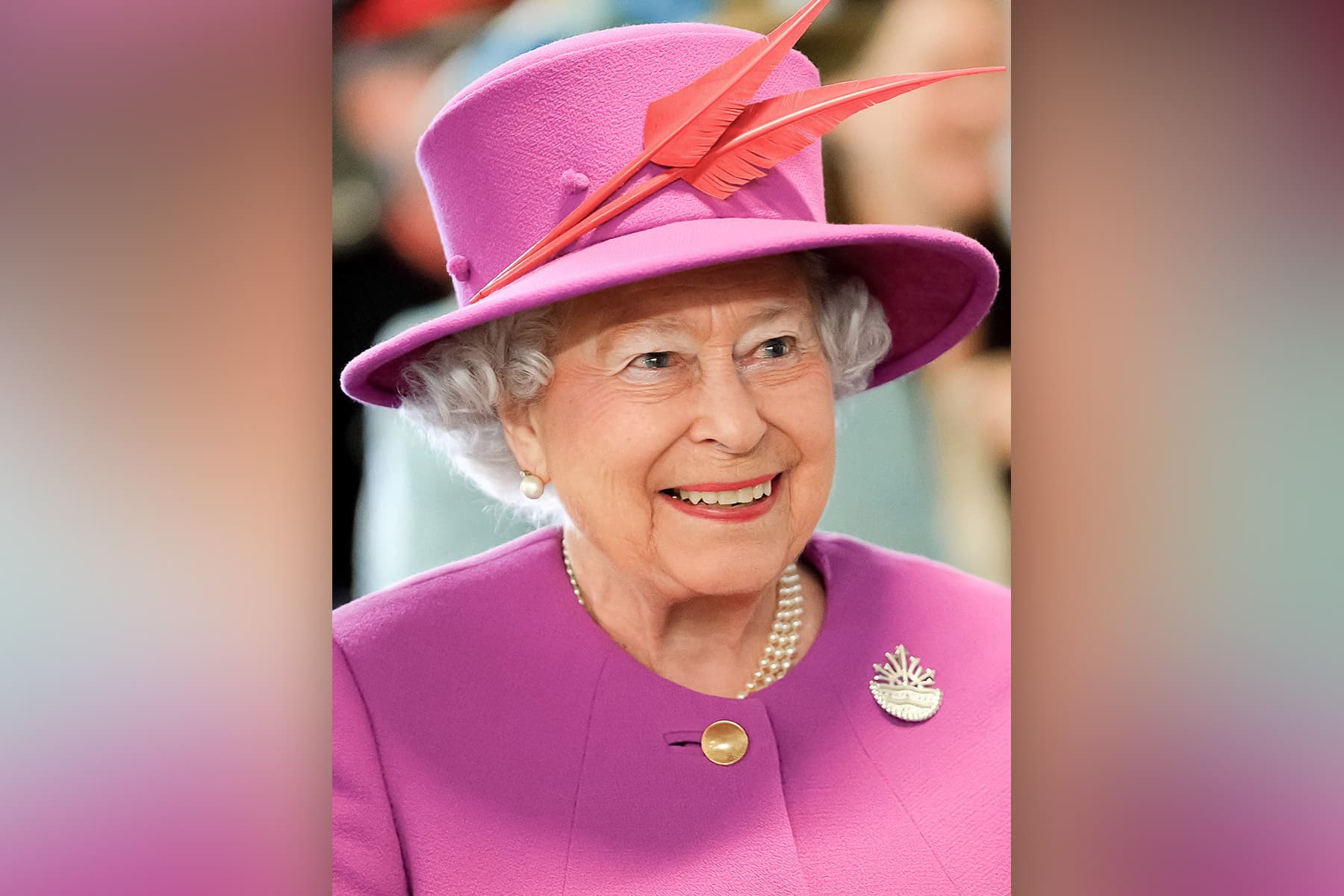
Sept. 8, 2022 -– Great Britain’s oldest and longest-reigning monarch, Queen Elizabeth the II, has died.

The exact cause of death has not been released but Buckingham Palace on Thursday announced she had been placed under medical supervision at home and doctors were “concerned” about her health. Members of the royal family were said to be assembling at her home, Balmoral, in Scotland.

In a statement later Thursday, the Royal Family said, “The Queen died peacefully at Balmoral this afternoon. The King and The Queen Consort will remain at Balmoral this evening and will return to London tomorrow.”

Elizabeth was born April 21, 1926, and ascended the throne at age 25 after the death of her father, King George VI, in 1952.

Recent Health Problems

Despite enjoying good health into her 90s, the queen had been experiencing health woes as of late.

She contracted COVID-19 in late February, which she said left “one very tired and exhausted,” in a video call with health workers.

Prince Harry and Meghan, Duchess of Sussex, paid the queen a visit in mid-April – the pair’s first visit to Windsor Castle since their controversial exit — which had many wondering if the late monarch’s health was failing.

She also missed several annual royal events this year, including Easter Sunday service at St George’s Chapel, citing difficulty moving and traveling. 

Elizabeth, did, however, greet newly elected Prime Minister Liz Truss on Tuesday at Balmoral.

The queen had been in good health for many years, with only three brief hospital visits in the last two decades. That began to change after the death of her husband of 73 years, Prince Philip, on April 9, 2021, less than 2 weeks before her 95th birthday.

Six months later, in October 2021, the queen abruptly canceled a trip to Northern Ireland due to fatigue, according to palace aides, and was hospitalized the next day. After an overnight stay she was released. In an unprecedented move, her participation in all public events and ceremonies was canceled for the following 2 weeks. No explanation or diagnosis was provided.

The Keys to Her Longevity

Although she was among the world’s wealthiest women, Queen Elizabeth led a relatively low-key life — and her famously modest lifestyle may have contributed to her longevity. While she never commented publicly on her diet, exercise, sleep habits, or other aspects of her day-to-day life, it appears she maintained a naturally health-boosting routine.

The queen’s diet was notably unfussy. According to reports, she started her mornings with Earl Grey tea, after which breakfast might include a bowl of cereal or yogurt, and often toast with marmalade. Unless she was eating at a formal function, lunch and dinner both featured simply cooked protein — grilled chicken or fish with salad for lunch, and game (like venison or pheasant) or more fish for dinner, without any starch. “That’s it. That’s all she has,” former royal chef Darren McGrady told CNN in 2017. “She’s very disciplined like that. She could have anything she wanted, but it is that discipline that keeps her so well and so healthy.”

But the queen did appreciate regular, small indulgences: Between lunch and dinner, she would enjoy afternoon tea with finger sandwiches and cake, and she was known to drink alcohol regularly, too.

Elizabeth didn’t follow a specific exercise routine. Instead, she included physical activity in her everyday life, mostly walking with her beloved corgis or riding horses on royal lands. Routinely getting enough sleep contributed to her good health, too. She tried to be in bed by 11 p.m. and woke at 7:30 a.m.

Mental habits and unique ways of thinking — about food or exercise or work or rest — make her the down-to-earth woman she is today,” Bryan Kozlowski, author of Long Live the Queen! 23 Rules for Living From Britain’s Longest-Reigning Monarch, told Good Housekeeping in 2020. “Which, in turn, makes her lifestyle ‘secrets’ a surprisingly easy (and free!) joy to follow in everyday life.”

Kozlowski named several other factors that helped her stay physically and mentally healthy well into her nineties:
 

  • Staying engaged. The queen made dozens of public appearances each year, and every day she spent hours reading through a large red box of paperwork related to affairs of state.
  • Giving back. From the time she ascended the throne, Elizabeth was famous for her sense of purpose. She supported numerous charities and sought to live by example.
  • Making time to recharge. As the head of the British monarchy, Elizabeth often had a lot on her shoulders, but she prioritized spending time in nature, with regular visits to her country estates. Even her afternoon tea provided a daily respite from stress.

One other possible factor: Having lost her father, uncle, grandfather, great-grandfather, and eventually her sister to smoking-related illnesses, Elizabeth reportedly never smoked a cigarette in her life.

Elizabeth is survived by her son, Charles; her other children, Princess Anne, Prince Andrew, and Prince Edward, and many grandchildren and great-grandchildren.

[ad_2]

Source link

Can You Still Be a Runner if You Don’t Look Like One?

Can You Still Be a Runner if You Don’t Look Like One?

[ad_1]

Sept. 8, 2022 – There’s an old joke about running:

Q: What’s the best way to make the Olympic team?

A: Choose your parents wisely!

It’s funny because it’s laced with scientific truth: No aspiring athlete was ever slowed down by good genetics.

Consider a recent study out of Spain that explored the relationship between the size of the trunk – the ribcage and waist – and the ability to run fast.

Researchers used a 3D surface scanner to measure the trunks of 27 male volunteers who ran at various speeds on a treadmill. At moderate speeds, there was no difference among men with different torso shapes.

But when they reached 85% effort (working hard) or perceived 100% effort (all-out race pace), the fastest body type became clear: “a relatively narrow, flat torso.”

So, your inherited torso shape can give you an edge. Or not.
You see lots of those narrow, flat torsos at the Olympics. That body shape can contribute to what coaches call running efficiency, a major part of fast running – but not the only one. There’s VO2 max – how your body uses oxygen. There’s the ratio of “fast twitch” muscle fiber (sprinting) and “slow twitch” fiber (distance running). And there are also abstract things like mental toughness and incentive.

You don’t need the perfect torso to have these traits or improve them. That’s good news for runners everywhere, because research shows running can improve your health and help you live longer.

How Running Helps Your Health

Even small amounts of running reduce the risk of death from heart attack or stroke, according to a 2014 study led by Duck-Chul Lee, PhD, of Iowa State University.

Researchers followed 55,000 adults for 15 years. Just 5 to 10 minutes of running, several times a week, even at modest speeds (6 mph, or a 10-minute-mile pace) nudged the needle toward better health. Runners on average lived 3 years longer than nonrunners.

Running reduces the risks of cardiovascular disease, obesity, and type 2 diabetes, says Russell Pate, PhD, one of Lee’s fellow researchers.

“And we learned during the pandemic that fit people generally had better outcomes against COVID-19,” he says.

Pate is now 76 years old and a research professor in the University of South Carolina’s Exercise Science Department. He’s a longtime distance runner with three top-10 finishes in the Boston Marathon, so you can guess what his torso looks like.

But as a researcher, his focus is on promoting lifelong fitness habits for all ages. Pate says that running is a smart choice because it is “very accessible, relatively inexpensive, and the U.S. often has ‘community support systems’ such as local running clubs or planned trail systems that recreational runners find inviting.”

The 2018 Physical Activity Guidelines for Americans, which Pate helped develop, recommends at least 150 minutes of moderate-intensity activity per week. That’s about 20 minutes a day, which should be doable if you’re looking to get fit and stay healthy, he says.

For runners, that might be less than 20 miles per week, while someone training for a half-marathon or even a 5K may easily surpass that mileage.

But before you start a running program – or return to one after time off – get cleared by medical professionals.

Improve Your Running, Whatever Your Body Type

Running coaches know the importance of running efficiency. And that starts not in the legs, but in your “core.”

“A strong core helps a runner maintain their center of gravity late in the race, when running form begins to break down due to fatigue,” says George Buckheit, a former All-American runner at Bucknell University and founder of the Capital Area Runners club in the Washington, DC, area.

Doing basic planks at home is a simple way to strengthen your core.

Besides putting in the miles, Buckheit says certain drills will help you get faster:

Form drills like “high knees” and “butt kicks” reinforce proper mechanics and increase range of motion. High knees are a skipping-like motion, while butt kicks bring the foot up from directly below, close to the buttocks. He recommends Lauren Fleshman’s video to see how to do these and other drills.

Running hills also reinforces proper form. Even a moderate uphill requires an active, rhythmic arm swing and a crisp knee lift.

Interval training can increase your VO2 max, or the maximum amount of oxygen your body uses when you’re working out as hard as you can. Once every 7 to 10 days, try a faster workout on a track or a flat, measured trail. Jog for 10 to 15 minutes, do some light stretches or drills, then do four 800-meter runs at (or slightly faster than) your actual 5K pace. Take a 2- or 3-minute walk/jog “recovery” between each 800-meter run, and finish with 10 to 15 minutes jogging to cool down.

Push yourself to build mental toughness and confidence, which will come with harder or longer workouts. Add a couple of miles to your longest run, and include some rolling hills. If you’re eyeing a marathon, be sure to enter some 5K or 10K races to get used to the physical and mental demands of competition.

Speed work can help you overcome any shortcomings in fast-twitch and slow-twitch muscles, which is just a roll of the genetic dice. Short, fast sprints (five or six bursts over 40 or 50 meters) can eventually make you faster and more explosive, while building up weekly mileage or increasing the length of your long, steady-paced runs will activate the “slow twitch” endurance muscles.
Running Away from Medication

One man in Buckheit’s running club wouldn’t have crushed the Spanish “trunk test.” He was in his late 20s, well over 200 pounds, and on heart meds.

“I was worried I might need my CPR training for this guy,” Buckheit says.

But a well-planned running program – and an athlete willing to do the running – took the story in another direction. Buckheit’s newbie ran 4 hours for his first marathon, and through diligent training a few years later, he ran one in under 3 hours. That’s under 7 minutes per mile.

“When he did that,” Buckheit said, “I thought, ‘Well, he can’t get much faster.’”

But the onetime rookie with heart issues most recently dropped his marathon personal record to 2 hours, 37 minutes (running at 6 minutes per mile for 26 miles).

“I think he really benefited from the accountability and camaraderie of being in a running club,” says Buckheit. “And one day he came to practice and said: ‘My cardiologist wants to know what the hell I’ve been doing. He took me off the heart meds.’”

But can running help you ditch your meds or, better yet, avoid them altogether? Yes, suggests the findings of a London-based study published in 2020.

The study put 138 first-time marathoners – men and women between 21 and 69 – on a 17-week program of less than 30 miles per week before the London Marathon. Blood pressure and arteries were checked before and after.

Their conclusion: Reductions in blood pressure and aortic stiffening in healthy participants. It was as if they’d reduced the age of their blood vessels by 4 years. The benefit was greater in older, slower male runners with higher baseline blood pressure.

Coach Buckheit’s “surprise star” and the results of the London Marathon study are refreshing reminders that not all our victories are celebrated on top of the medals stand.

Any Body Can Be a Runner’s Body

The first running boom of the 1970s was dominated by gnarly, wiry men. Now, 44% of marathon finishers are women. In recent decades, mid-pack (or back-of-pack) runners were encouraged by people like Oprah Winfrey and Runner’s World columnist John Bingham, also known as “The Penguin” because of his waddling gait.

Neither had torso measurements that would have impressed the Spanish researchers. But Oprah finished a marathon in 4 hours, 29 minutes.

“Oprah made a lot of people believers,” says Amby Burfoot, 1968 Boston Marathon winner. “She was once a very unlikely candidate to make it, and when she did, a lot of people thought, ‘Hey, why can’t I?’”

And Bingham’s column made him the Pied Piper of the Plodder – luring slower runners along with encouragement and humor – en route to lives of better physical and mental well-being.

“We wouldn’t have dared enter a race like this, with all these fast runners, if it wasn’t for your column,” an admirer gushed to him at a marathon expo.

Bingham grinned and said, “Just remember this: There’s a lot more of us than there are of them.”

Mark Will-Weber is a former senior editor at Runner’s World magazine and the editor/writer of The Quotable Runner.

[ad_2]

Source link

Reduced Lactose Baby Formula May Raise Risk of Obesity Later

Reduced Lactose Baby Formula May Raise Risk of Obesity Later

[ad_1]

Sept. 8, 2022 — Parents who give their infants lactose-reduced infant formula may be setting their children up for an increased risk of obesity in toddlerhood, new research shows.

Researchers have long established that infants who drink infant formula instead of breast milk already carry an increased risk of obesity. But the new study found a difference in the type of formula and obesity outcomes of children.

Babies under age 1 who received lactose-reduced formula made partially of corn syrup solids were at a 10% increased risk of being obese by age 2 than infants who received regular cow’s milk formula.

“This is even another reason to not use a low-lactose formula,” says Mark R. Corkins, MD, division chief of pediatric gastroenterology, hepatology and nutrition at the University of Tennessee Health Science Center in Memphis, TN. “Parents think if babies are fussy, or they spit up, they have lactose intolerance, but if you look at the actual numbers, lactose intolerance in infants is rare.”

Corkins say many parents come to him with complaints that their infants are fussy or spitting up, and believe that their babies are lactose intolerant.

“The reason the low-lactose formulas are even on the market is because parents want them and they think their kid is lactose intolerant, but they are not,” Corkins says, adding that he usually tries to connect these parents with lactation support services like peer programs that can help ease the breastfeeding process.

Researchers from the WIC program in southern California and the University of Southern California analyzed data from over 15,000 infants in southern California. All were enrolled in the Special Supplemental Nutrition Program for Women, Infants, and Children (WIC), a federal nutrition assistance program that provides healthy foods and breastfeeding support to low-income pregnant women or new moms and their children up to age 5. 

Published in the American Journal of Clinical Nutrition Aug. 23, records from infants born between Sept. 2012 and March 2016 were separated into two groups: infants that had stopped breastfeeding by month 3 and had started reduced lactose formula, and infants who received all other forms of formula. Over 80% of infants in both groups were Hispanic.

Infants who received the reduced lactose formula with corn syrup solid formula were at an 8% increased risk of obesity by age 3 than children who received regular cow’s milk formula, and a 7% increased risk by age 4.

Tara Williams, pediatrician and breastfeeding medicine specialist with the Florida Chapter of American Academy of Pediatrics, said the findings should make pediatricians, parents and others pause and consider what infant formulas contain.

She explained that babies who receive formula have higher obesity risk than babies who are breastfed overall. But research into the effects of different types of formula is relatively new. She said there may be a few reasons for the link between reduced lactose, corn syrup solid formula and a higher risk of obesity.

“The addition of the corn syrup really starts to potentially teach that child to like sweet things,” Williams said, which in turn can lead to less healthy eating habits in childhood and adulthood.

Or, it may be that parents who tend to give their children lactose-reduced formula are less likely to be tolerant of fussy babies, and end up feeding their babies more, Williams hypothesized.

In addition, emerging research shows corn syrup may act differently from other sugars in the gut microbiome and metabolize in the liver, leading to weight gain.

Though parents make individual choices for what kind of formula to feed their infants, states play a large role in these choices. In 2018, 45% of babies in the United States were eligible for WIC, which is funded through the federal government but administered by states. State WIC programs request bids from formula manufacturers, and products chosen are then redeemed at retailers by parents.

“Now that we’re starting to see a signal that perhaps some formulas will have a potentially added risk of obesity for participants, states may say that when we’re helping mothers select among the formulas, we need to be very explicit about this additional risk,” says Christopher Anderson, PhD, associate research scientist at the Public Health Foundation Enterprises WIC in California and lead author of the study.

Williams says more research to do similar analysis in other populations is needed to draw cause and effect conclusions, while Corkins says he’d like to see more research into the amount of formula eaten and connections to types of formula.

“We know as soon as you sign up for baby registry at Target, you’re getting formula samples in the mail; you’re very aggressively marketed to, it’s a $55 billion industry,” Williams said. “And their goal is to sell their product not to promote the health of infants.

“This research certainly will cause us to pause and consider what we are feeding our infants in the United States and how we allow companies to market their products.”

[ad_2]

Source link