When Howard Chang, 50, first learned about biologic treatments for psoriasis almost 20 years ago, he was eager to give them a try. Now they’re a mainstay in his overall treatment plan.
Chang was first diagnosed with psoriasis around age 8. He tried lots of different treatments, including tar, phototherapy, topical creams and ointments, steroids, and oral medications.
“I definitely was always looking for the next new treatment, given that it was so hard for me to find anything that was effective,” Chang says.
He hoped biologics would provide much needed relief.
What Are Biologics?
Biologic drugs — often called biologics or biologic medications — work by changing parts of your immune system. You usually give yourself a shot. But some are given through an IV at your doctor’s office. The FDA approved the first two biologics for psoriasis in 2003. Now there are several options.
They’re generally prescribed for people with moderate to severe psoriasis, based on the amount of skin affected. But doctors also consider how psoriasis impacts a person’s life when deciding, says Malini Fowler, MD, a board-certified dermatologist in San Antonio, TX.
“There is no cookie-cutter candidate,” Fowler says. “Even if someone has mild disease, they are still probably a candidate for biologics, depending on how it affects their life.”
These drugs might also do more than just clear up your skin. They could help protect your heart, joints, and other body parts from inflammation.
“When we talk about using biologics, it’s a systemic medication treating (people) from the inside out, decreasing psoriasis on the skin, and hopefully helping with inflammation on the inside, too,” Fowler says.
What Are the Pros and Cons of Biologics?
Chang read up on how the drugs work, possible side effects and the risks when first considering biologics.
“Putting something in your body via an injection is something you have to think about, especially how it’s affecting your immune system,” Chang says.
Next, he spoke to his dermatologist.
“It’s key to have a dermatologist who understands the medications and also collaborates and connects with me as a (person),” Chang says. “We work on a plan together.”
While biologics can ease psoriasis symptoms, there are potential dangers, like with any drug. Some of them can up your odds for inflammatory bowel disease and cancer.
“You need to check if you have underlying cholesterol or hypertension problems,” Fowler says. “Every biologic medicine is slightly different; most of them have a different mechanism of action with different safety profiles.”
It’s important to tell your doctor about any other conditions you may have, so they can make sure the biologic won’t interfere with them or any medications you take.
Which Biologic Is Most Effective for Psoriasis?
Chang has tried six biologic drugs since 2003. One helped for about 8 years, but he had to switch up the rest because he couldn’t tolerate the side effects of some drugs, they stopped working after a certain period of time, or they just didn’t work at all.
While Chang says he knows many people who have achieved healthier skin with biologics, treatment hasn’t been as successful for him.
“I’ve never really been clear,” he says. “It’s not a cure. There are still triggers that can cause a flare.”
Finding a biologic that works for you can be emotionally draining.
“It’s a roller coaster ride. You keep hoping it’s going to work, and you wait for it to kick in. And then if it doesn’t work for you, it can be a big letdown,” Chang says. “Especially since [psoriasis] has such a big impact on my life. Sometimes, I feel like I can’t fully function because I have all of this physical discomfort when I’m running, working, teaching, meeting with people. I just want to be comfortable.”
Fowler likes to give a biologic 3 months to run its course.
“Not every medicine is going to work for every (person), but it’s also important to stick with the medications and give them a chance to see if they help,” she says. “I tell (them), ‘If this doesn’t work, we’ll go on to the next one. We will find the right medicine for you, but it may be a bit of trial and error’.”
Can I Take Biologics With Other Treatments?
Chang continues to use other psoriasis treatments, including topical creams and phototherapy.
“I feel better about things overall [with biologics], that I don’t have to do everything perfectly,” he says. “It feels a little better to know I have a medication that is working in the background.”
And he knows that managing stress, exercising, and eating healthy are critical to keeping flare-ups at bay. They do the same for metabolic syndrome, a group of conditions linked to stroke, type 2 diabetes, and heart disease. People with psoriasis have a higher risk of metabolic syndrome.
In addition to regular appointments with a dermatologist while on biologics, Fowler suggests keeping your primary care doctor in the loop, getting blood work done every year, and seeing a rheumatologist every 6 months.
“I also routinely ask patients about joint pain, because about 30% [of people with psoriasis] will develop psoriatic arthritis,” she says.
What’s Most Challenging About Taking Biologics?
One of the hurdles is learning how to inject the medications yourself.
“I think I’ve self-injected myself over a thousand times,” Chang says.
Luckily, the number of injections is significantly lower with newer biologic medications. Chang says he used to have to inject himself two times a week, but some injections can now be weeks or months apart, depending on the medication.
Chang came up with a routine to follow when giving himself an injection, from washing his hands and setting out all the materials, to ensuring he has something to watch in the background.
“It calms me to have a routine,” Chang says. “[Injecting yourself is] something you never completely get used to, but you get more skilled at.”
Another hurdle can be getting approval from your insurance company to cover different biologics.
Chang is hopeful that the biologic treatments for psoriasis and other options will continue to improve.
“It’s just a time to be really optimistic as someone living with psoriasis,” he says. “With all the research, medications, and advocacy, we have options and more coming.”
As you go through prostate cancer treatment, there are foods you can eat — and others to avoid — that can boost your health. Although there’s no magic diet cure for prostate cancer, your eating habits can make a difference in your outlook.
“Across all cancers, and especially prostate cancer, a heart-healthy, sensible, and modest sugar intake diet is absolutely helpful for cancer care,” says Mark Pomerantz, MD. He’s a medical oncologist at the Center for Genitourinary Oncology at the Dana-Farber Cancer Institute.
Treatments for prostate cancer can affect your metabolism (how food is turned into energy), strength, and stamina, he says. When you eat foods that support your heart and improve your overall health, your body can handle those treatments better.
“Along with exercise, a diet that helps you maintain as lean a body as possible is very valuable and assists in our ability to treat advanced prostate cancer as aggressively as we want,” Pomerantz says.
Eat Fruits and Vegetables
A plate filled with colorful fruits and vegetables raises your fiber and antioxidant levels. Both benefit your cancer care.
The high fiber content in fruits and vegetables may help lower your testosterone levels. That may be useful because testosterone helps stimulate tumor growth. Fiber may also bind to cancer-causing substances and move them out of your body.
Antioxidants help rid your body of free radicals — molecules that damage your cells. They can affect the growth of cancer. A diet full of antioxidant-rich fruits and vegetables helps keep free radicals at bay.
Pomerantz says researchers are checking to see if certain antioxidants in supplement form, like vitamin E and selenium, could actually raise the chances of getting prostate cancer for some people.
“There are hints that there are a subset of people with prostate cancer who benefit considerably from antioxidants, and there are others with a rare specific genetic variant who don’t,” Pomerantz says. “There are studies ongoing to see if we can figure out exactly who fits in each category.”
Always check with your doctor before taking supplements.
Choose Heart-Healthy Fats
The most common form of treatment for advanced prostate cancer is hormone therapy. It lowers the amount of testosterone in your body, which has a direct effect on the amount of fat you gain and keep on your body.
“Testosterone is what gives men their favorable muscle-to-fat ratio,” Pomerantz says. “And when we take that hormone away, we put men at risk for losing muscle mass and gaining fat tissue, particularly around the abdomen. It’s this fat tissue that’s associated with heart disease and diabetes.”
That’s why it’s especially important to move away from high-fat choices such as red meat and dairy and get your protein from heart-healthy sources such as fish, which is full of omega-3 fatty acids, and plants.
Choices include:
Fish such as salmon
Lean poultry
Nuts
Beans
Avoid processed lunch meats with nitrates and charred meats, which are linked to cancer.
Watch Your Sugar
Sugar may not cause or worsen cancer, but there is an indirect link between the two. So while you don’t need to skip sugar altogether, it’s still a good idea to keep your levels low.
“When you change sugar levels in a petri dish, it absolutely affects cancer cells,” Pomerantz says. “What I’m not so sure about is whether you can re-create those conditions in the same way inside your body and affect the course of a cancer.”
High sugar foods such as cakes, cookies, and sodas raise the amount of calories you take in without much nutritional benefit. Eating lots of sugar is a quick route to weight gain and extra body fat, which raises your risk of health problems and the chance that your cancer will come back.
Avoid Alcohol
Alcohol is full of carbohydrates. When you drink a lot of it, you’re adding sugar into your system. You might gain weight, which puts pressure on your heart and can raise the chances that your cancer comes back.
Too much alcohol can also limit your doctor’s choices to treat you.
“Alcohol affects your liver,” Pomerantz says. “And many of the cancer drugs that we use are metabolized by the liver. When you put undue pressure on your liver, it can affect our ability to deliver certain medicines.”
Alcohol can also keep your body from processing and absorbing certain essential vitamins and nutrients.
Our penchant for fear dates back millennia. But new research is testing the theory that indulging in morbid curiosity and scary play can help us build psychological resilience, overcome phobias, and deal with genuine scares. So far, the answer is yes.
If you’ve just been diagnosed with psoriasis, you may have a few questions about it. Here are answers to some of the more common ones people ask.
What’s the difference between psoriasis and eczema?
To an untrained eye, these conditions may seem alike. But while they’re both skin diseases, they’re not the same. In fact, “They’re 100 percent different,” says Whitney High, MD, an associate professor of dermatology and the director of the Dermatopathology Laboratory at the University of Colorado Anschutz Medical Campus.
Psoriasis doesn’t usually affect children, High says. But eczema, or atopic dermatitis, is a childhood disease. Eczema also tends to be itchier than psoriasis. Only about a third of people who have psoriasis say they have itchiness.
And the conditions are likely to appear in different places. Eczema often shows up on kids’ faces and buttocks and the inside of their knees and elbows. Psoriasis isn’t typically found in those places.
Plus, “The same person that has childhood eczema doesn’t get psoriasis. And the person who has psoriasis as a young adult usually didn’t have childhood eczema,” High says.
What causes psoriasis?
Doctors aren’t exactly sure. “I get that a lot of times; ‘Why do I have it?’” says Melvin Chiu, a doctor of dermatology at the David Geffen Medical Center at the University of California, Los Angeles. “I don’t really … have a good answer for that. It’s a big mystery, I think, right now.”
Chiu says researchers believe the two main culprits behind psoriasis are your genes and your environment. Scientists are still tracking down which genes are to blame, but they think that about 1 out of every 10 people got at least one of the genes that can lead to psoriasis from their parents. But only about 3% of people who have those genes get psoriasis. That’s where the environment comes into play.
Researchers think things like infection (especially strep throat), an injury to the skin, certain medications, smoking, and other things may trigger the condition.
What’s the cure?
“There is no cure at this point,” Chiu says. “It’s a chronic condition. … You may have times when it’ll be worse, and there may be times when it’ll get better.” He also says there may be some lucky people in whom it’s very minimal. Or it gets better and doesn’t get worse again. But, he says, most people “can expect it will be persistent.” Treating it can make it better. But when treatments stop, it often comes back.
“There are some really excellent treatments,” he says. “There are newer treatments in the pipeline, and many treatments [that] are available currently … work very well.” Those treatments don’t cure the disease, he says. “But they significantly improve the disease and make [people] feel better.”
What are the treatments?
The most common ones are medicines prescribed by your doctor. They include foams, solutions, ointments, or creams, called topicals, that you put on your skin, along with drugs you take that affect your whole body. Your doctor also may recommend light therapy.
“Consult with a board-certified dermatologist, and they’ll be happy to discuss any and all of these options, including over-the-counter options when they’re appropriate,” High says.
What works for one person may not work for another. That’s why you and your doctor need to talk about what your treatment plan should be.
Chiu says that with the treatments available now, “we can get skin a lot better.” He says that 20 to 30 years ago, psoriasis patients had much worse options and many fewer ones than people do now. “I tell people, it’s kind of an exciting time in psoriasis.”
Can the sun help?
Some research says a little every day can help with your symptoms. But, as always, you have to be careful not to overdo it. A sunburn may lead to a flare-up.
Is psoriasis contagious?
You can’t “give” it to anyone, and no one can “catch” it from you.
“You can touch psoriasis all day long,” High says. “As a dermatologist … I see at least one person if not a few people with psoriasis [every work day], and I don’t have it.” High adds, “My wife doesn’t have it. I didn’t bring it home. I don’t do special laundry. I don’t undress in the garage or anything like that.”
What is psoriatic arthritis?
Up to 30% of people who have psoriasis get this condition as well. It causes inflammation and swelling in your joints that can lead to pain and stiffness.
If you have psoriasis and feel any discomfort in your joints, tell your doctor. It’s important to treat it quickly so your joints don’t get damaged.
Are any other conditions linked to psoriasis?
Research is still under way, but scientists think people with psoriasis and psoriatic arthritis may be more likely to have other serious diseases.
“There’s an increasing appreciation that psoriasis can manifest in other ways: increased risk of cardiovascular disease, increased risk for obesity … a natural risk for diabetes,” High says. “It might impact your life in ways that you can’t even really fully predict now.”
Besides cardiovascular diseases and obesity, psoriasis also has been linked to cancer, Crohn’s disease, depression, and liver disease, among others.
That’s even more reason to stay in touch with your doctor and make sure you have a plan.
Employees may not realize they can ask for accommodations, experts say, while inexperienced employers may not know how to help, or what to do with an employee who suddenly may only be able to function at 50% capacity.
Pastured eggs are an excellent source of nutrition — one that’s been enjoyed for about 6 million years.1 Long ago, people would simply find eggs in nests in the wild and eat them raw. Later, those in ancient Egypt and China became the first to keep hens, providing the people with a steady source of this near-perfect food.
By the 1900s, U.S. farmers were accustomed to raising laying hens and selling extra eggs at farmers markets. However, as demand grew, egg-laying became commercialized, leading to large-scale operations in the 1960s that have continued through today.
The average American now eats about 245 eggs each year, which is down from a high of 404 eggs per person in 1945.2 Unfortunately, eggs that come from concentrated animal feeding operations (CAFOs) are not as nutritious as those from hens left to roam freely, not to mention the ethical issues raised by the industry’s inhumane treatment.
One option is to seek out chicken eggs from local farmers who are still raising hens the “old-fashioned” way. Another is to seek out eggs from other species that have not yet become commercialized the way chickens have. Ducks are among them. It must be noted that ducks, too, are sometimes raised in CAFOs in deplorable conditions, but not to the same extent as chickens.
Which Are Healthier — Duck Eggs or Chicken Eggs?
The healthiest eggs are those that come from a healthy animal — one that is allowed to live its life according to nature, eating its natural diet and spending time outdoors with room to roam daily. So in order to compare apples to apples — or in this case eggs to eggs — we’ll be comparing pastured duck eggs to pastured chicken eggs.
Assuming both the duck or chicken laying the egg is raised on pasture, duck eggs have a slight upper hand, nutritionally speaking. Duck eggs are about 50% larger than chicken eggs, but their yolk is much larger — close to double that of the yolk in chicken eggs.3 They contain about 30% more protein than chicken eggs, along with more fat, including more beneficial omega-3.4
Compared to chicken eggs, duck eggs are also a richer source, ounce per ounce, of vitamins A and D, iron, folate and choline.5 Choline helps keep your cell membranes functioning properly, plays a role in nerve communications, prevents the buildup of homocysteine in your blood (elevated levels are linked to heart disease) and reduces chronic inflammation.
According to a study published in the journal Nutrients, only 8% of U.S. adults are getting enough choline.6 Among egg consumers, however, more than 57% met the adequate intake levels for choline, compared to just 2.4% of people who consumed no eggs.
In fact, the researchers concluded that it’s “extremely difficult” to get enough choline unless you eat eggs or take a dietary supplement. Consuming duck eggs, with their larger yolks and greater choline content, would make it even easier to get enough choline each day.
Other reasons why those in the know prefer duck eggs to chicken eggs include their richer, creamier texture, courtesy of their lower water content, larger yolk and higher fat content. Duck eggs also have a thicker shell and inner membrane, which keeps them fresher longer than chicken eggs.7 And should you happen to drop one, the thick shell means there’s a chance it won’t break, which is unlikely with a chicken egg.
Ducks may even be the preferable species for egg-laying, as they need to eat less than a chicken does in order to lay one egg. Plus, they tend to lay eggs year-round, unlike chickens. From the perspective of fifth generation chicken keeper Lisa Steele, ducks are also the hardier of the two species, and far lower maintenance:8
“Ducks are great foragers if you can allow them some time on grass and will rival your chickens in how many insects, worms, slugs and bugs they will eat … Ducklings have a far lower mortality rate, not being susceptible to Mareks, Avian flu, or Coccidiosis like baby chicks. Ducks are also … cold-hardy, more heat-tolerant, healthier overall, not as susceptible to parasites, and don’t destroy your lawn or landscaping nearly as much.”
How Does Their Taste Compare?
Duck eggs have a similar taste and texture to chicken eggs, but with a richer, more earthy flavor.9 Some might describe them as “gamey” or even fishy. An analysis published in Poultry Science went so far as to state, “The fishy taint restricts the development of the duck egg industry to some extent.”10
The fishy odor in duck eggs is result of the accumulation of trimethylamine (TMA) in the yolk, which, according to researchers with the University of Saskatchewan in Canada “is produced by the bacterial fermentation of choline in the lower gut.”11 Many people enjoy cooking with duck eggs nonetheless. Steele states that duck eggs are better for baking, producing fluffier results. Further, she adds:12
“Duck eggs are just as versatile as chicken eggs for cooking and can be cooked and eaten any way you would cook chicken eggs. Just be sure not to overcook them. Their low water content can make them rubbery if they’re fried or scrambled too long. Cook them just until the whites are no longer watery and you should be fine.”
Duck eggs do tend to be pricier than chicken eggs, coming in around $6 to $12 a dozen compared to $2 to $3 a dozen for chicken eggs, but remember they’re considerably larger as well.13
Billions of Male Chicks Killed Annually for Egg Industry
One of the many reasons to avoid eggs that come from CAFOs is the egg industry’s routine killing of male chicks. Each year, more than 6 billion male chicks are killed worldwide, up to 300 million of them in the U.S.14 The reasoning behind this abhorrent practice is at the root of what is wrong with corporate agriculture — egg-laying hens are bred to lay eggs, and nothing more.
Because males cannot produce eggs, and don’t grow enough meat to make them useful for human consumption (as opposed to broiler chickens, bred to grow unnaturally large), they would cost more to raise than they would be “worth.” With complete disregard for life, egg producers therefore “cull” the males, or kill them off, shortly after birth, sending them to be used as pet feed, livestock feed or simply filler for landfills.
A team of Israeli scientists have filed a concept patent that involves genetically engineering hens to pass on a lethality, or killer, gene to male embryos, which would eliminate them before they hatch.15 The genetically engineered (GE) hen would pass the lethality gene — which is supposed to only be activated by blue light — onto all male embryos.
Once the eggs are laid, blue light would then be used to activate the lethality gene and kill all of the male embryos in-ovo, or in the egg. This will likely be presented as a more “humane” approach, but it comes with significant risks, including to the hen, because the lethality gene is likely to produce highly toxic protein.16
So, while it’s clear that the practice of killing male chicks must end, this biotech “solution” could end up creating far more problems than it solves. Meanwhile, regenerative farmers have figured out that integrating hens and ducks into their ecosystems is the solution to raising eggs humanely, with superior nutrition, and in a way that restores the environment.
As mentioned, the healthiest eggs are those that come from healthy animals. It doesn’t matter whether it’s a chicken or a duck; what matters is that the animal was allowed to forage for its natural diet and spend time outdoors — not live its short life in an overcrowded cage, fed an unnatural diet of GE corn or soy.
Labels on egg cartons are not a reliable indicator of how the eggs were raised, however. Overall, cage-free and free-range labels say little to nothing about the conditions in which the chickens are raised. The “free-range” definition established by the U.S. Department of Agriculture applies to chickens only,17 not their eggs.
As a result, the commercial egg industry is able to run industrial farm egg laying operations while still calling them “free-range” eggs, despite the fact that the birds’ foraging conditions are far from natural. For the best quality eggs, from the most humanely-raised hens, the label you’re looking for is “organic” and “pastured.”
Another element to keep in mind, though, is that organic certification is cost-prohibitive for many small farmers who may actually be raising their animals according to organic, free-range standards anyway. This is why your local farmers market is often the best source for fresh organic pasture-raised eggs, and is a great way to meet the people who produce your food. If you live in a rural area, you’ll likely see signs for eggs for sale from small farmers around you.
If you live in an urban area, local health food stores can often provide you with information on high-quality local egg sources, whether they be chicken eggs or duck eggs. Ideally, visit the farm personally to see that the animals are getting proper nutrition and room to roam. To get an idea of what you’re looking for in a superior egg producer, take a look at Joel Salatin’s Polyface farm operation above. He’s one of the pioneers in sustainable agriculture, raising eggs the right way.
About 90% of eggs raised in the U.S. come from CAFOs.18 So if you’ll be purchasing eggs from a grocery store, consult the Cornucopia Institute’s organic egg scorecard first.19 It ranks egg producers according to 28 organic criteria and can help you to make a more educated choice.
Raise Your Own Backyard Birds
For the freshest, healthiest eggs around, you might consider raising your own backyard chickens or ducks, though requirements vary widely depending on your locale. Many limit the number of birds you can raise or require quarterly inspections (at a cost) and permits, so check with your city before taking the plunge.
If you are so inclined, raising your own flock is by far your best egg sourcing option, and it’s the route I’ve chosen to take. I had a chicken coop built for 20 chickens and I now have 17 hens. The key is what you feed them. I give them 1.5 pounds of two-day sprouted field peas and 1 cup of white rice that is cooked with the peas in an Instapot with 4 ounces of tallow.
To that I add 1 ounce of our organic beef organ complex and 1.5 ounces of calcium carbonate and a mineral complex. I also feed them 8 ounces of barley. This produces eggs that are very low in linoleic acid (about 75% less). If you have the time and space to raise a few chickens and/or ducks, you’ll be rewarded with fresh, healthy eggs right in your own backyard.
Research shows your body’s microbiome has nearly 39 trillion bacteria.1 During early years, your family, dietary intake and environmental exposure contribute to the variety in your microbiome, influencing your lifelong health. Everyday activities such as brushing your teeth, eating, kissing someone or handling a family pet also affect your microbiome.
This composition may be as distinct to you as a fingerprint and plays an enormous role in disease prevention, and influences the function of your skin, lungs, breast and liver.2 Harmful bacteria can trigger illness and disease, which is frequently treated with antibiotics. Of the 10 most commonly prescribed, two are from the antibiotic class of fluoroquinolones.3
The Food and Drug Administration (FDA) first added a boxed warning to fluoroquinolones in 2008, due to the increased risk for tendinitis and tendon rupture.4 Boxed warnings, also referred to as black box warnings, appear on prescription drug labels designed to call attention to serious or life-threatening risks.5
An additional warning was added in 2011 for those suffering from myasthenia gravis, and updates were included in 2013 describing irreversible peripheral neuropathy.6 In 2018, the FDA warned fluoroquinolone antibiotics may increase the occurrence of ruptures or tears in the aorta.7 And, in January 2022, the FDA decided:8
“We have determined that fluoroquinolones should be reserved for use in patients with no other treatment options for acute bacterial sinusitis, or ABS, acute bacterial exacerbation of chronic bronchitis (ABECB), and uncomplicated UTI because the risks generally outweighs the benefits.
For some serious bacterial infections the benefits of fluoroquinolones outweigh the risks, and it is appropriate for them to remain available as a therapeutic option.”
Yet, despite these warnings, researchers found in April 2022 that fluoroquinolones are still among the most-prescribed antibiotics around the world.9 They concluded that some health care workers may have an “unsatisfactory knowledge” of the safety profiles and risks of these drugs, and that more education on adverse reactions to fluoroquinolones may be needed.
FDA Warning Links Fluoroquinolones With Aortic Damage
The aorta is the main artery in your body supplying oxygenated blood to your circulatory system. The artery comes from the left side of your heart and runs down the front of your backbone. The review by the FDA found fluoroquinolone antibiotics increase the risk of tears in the aorta, also called aortic dissections, or ruptures of an aortic aneurysm, leading to excessive bleeding and death.
The findings occurred when antibiotics were given by mouth or through an injection. This led the FDA to caution against the use of fluoroquinolone antibiotics in those at risk, unless there are no other treatment options available.
Specifically, the antibiotic should not be used in those who are at risk for, or have a current, aortic aneurysm, such as those suffering peripheral atherosclerotic vascular disease, hypertension and specific genetic conditions such as Ehlers-Danlos syndrome or Marfan syndrome.10
Findings were pulled from four published observational studies, which taken together demonstrated a consistent association between aortic dissection or rupture and fluoroquinolone use. The underlying mechanism could not be determined from those studies.
Some of the commonly used fluoroquinolones include ciprofloxacin (Cipro), levofloxacin (Levaquin), gemifloxacin (Factive) and moxifloxacin (Avelox). These are prescribed to treat upper respiratory and urinary tract infections. In a statement, the FDA warns:11
“Fluoroquinolones should not be used in patients at increased risk unless there are no other treatment options available.
Health care professionals should avoid prescribing fluoroquinolone antibiotics to patients who have an aortic aneurysm or are at risk for an aortic aneurysm, such as patients with peripheral atherosclerotic vascular diseases, hypertension, certain genetic conditions such as Marfan syndrome and Ehlers-Danlos syndrome, and elderly patients.”
Upper Respiratory Infections Are Often Viral
Viruses commonly trigger upper respiratory infections (URIs) with symptoms of runny nose, cough, low grade fever, sore throat and difficulty sleeping. URIs represent the most common acute illness in the outpatient setting, often related to the common cold, which is typically a mild, self-limited inflammation of the mucous membranes in the airways.12
Bacterial illness may follow a viral illness as a secondary infection, and commonly includes symptoms persisting longer than 14 days with a fever higher than one might typically expect from a virus. Oftentimes, the fever gets worse a few days into the illness rather than improving.13
Unfortunately, one of the more common reasons fluoroquinolones are prescribed is for upper respiratory infections, ordinarily triggered by a virus. According to the U.S. Centers for Disease Control and Prevention (CDC),14 the highest number of community antibiotic prescriptions are written in the southeastern states.
Fluoroquinolones ranked No. 4 in the highest number of prescriptions written per 1,000 people in the CDC’s outpatient antibiotic prescription index in 2016. Because providers were still opting for fluoroquinolones more than they should for respiratory infections such as pneumonia, the CDC reported in 2021 that an expert panel had recommended the use of these drugs for this purpose be lowered by 90%.15
Bacterial and viral infections are dissimilar in important respects related to the organism’s structure and the way they respond to medications. Although both are too small to be seen with the naked eye, the largest virus is actually smaller than the smallest bacteria.16 Unlike the more complex bacteria, viruses cannot survive without a host and only reproduce by attaching themselves to other cells. Also, unlike bacteria, most viruses are specific in the cells they attack.
The differences in the structure and complexity of the organism have an impact on the type of medication that may be effective against it. Viral infections are not affected by antibiotics such as fluoroquinolones. In fact, using antibiotics for viral infections only contributes to the rising number of antibiotic-resistant infections.
Fluoroquinolones Linked to Multiple Health Concerns
Fluoroquinolone antibiotics have been associated with Achilles tendon ruptures and damage for over a decade. Other severe adverse events, such as retinal detachments as well as aortic aneurysms, may also be associated with other systems requiring collagen formation.17 This may also explain, at least in part, how the drug increases your risk of aortic rupture or dissection, as collagen18 lines your arteries and veins to allow for stretch as the heart pumps blood.19
Subsequently, in July 2022 the FDA mandated another warning, “alerting physicians to the increased risk of tendonitis and tendon rupture associated with their use.”20 According to Dr. Renata Albrecht, who heads the FDA’s Division of Special Pathogen and Transplant Products, ‘Achilles’ ruptures associated with fluoroquinolones are three to four times more frequent than ruptures among people not taking these drugs.21
So, if you are taking these antibiotics, you should seek immediate medical care if you experience soreness or inflammation in muscles or tendons. You should also not exercise while your joints are affected.
The drugs are also powerful iron chelating agents that may trigger epigenetic changes through the loss of agents requiring iron as a cofactor. As noted in one study, this may also explain the classic renal toxicity associated with the antibiotics:22
“At sub-millimolar concentrations, these antibiotics inhibited jumonji domain histone demethylases, TET DNA demethylases and collagen prolyl 4-hydroxylases, leading to accumulation of methylated histones and DNA and inhibition of proline hydroxylation in collagen, respectively. These effects may explain fluoroquinolone-induced nephrotoxicity and tendinopathy.”
A recent study23 has linked the use of fluoroquinolones to the rising number of children and adults affected by kidney stones. The odds of stones increased 1.5 times with the use of fluoroquinolones and exposure within 3 to 12 months was associated with greater risk. It appeared children and adolescents were particularly susceptible.
Reactions can be bodywide, impacting your central nervous system and musculoskeletal, visual and renal systems, sometimes simultaneously. Among the serious reactions reported are:24
Memory impairment
Delirium
Agitation
Disorientation
Retinal detachment25
Hearing loss and/or tinnitus26
Disturbance in attention
Kidney stones
Kidney failure27
Hypoglycemia leading to coma
Aortic rupture or dissection
Tendon rupture or dissection
More Psychiatric Side Effects Than You Might Imagine
Researchers recommend further study to understand the pathogenesis caused by antibiotics in order to treat antibiotic-associated diseases through the mitigation of the intestinal environment — restoring it to its original state.28
Further research has demonstrated an imbalance in gut microbiome caused by antibiotics can negatively affect health in a number of ways and for long periods of time.29 If your physician prescribes one of these dangerous antibiotics, ask to use another one. It would be unusual a fluoroquinolone would be the only antibiotic that could be used to treat your infection.
Remember, these dangerous antibiotics should be used as a last resort only. If it is necessary, be sure to carefully read the package insert and all the warnings, and seek medical attention the moment you notice a side effect.
The late Dr. David Flockhart, who served as professor of medicine and chief of clinical pharmacology at Indiana University School of Medicine, and who before his death was considered one of the leading experts in fluoroquinolone side effects, said in 2012 that “as many as one-third of patients taking a fluoroquinolone will experience some sort of psychiatric side effect.”30
But the thing is, Flockhart had tried to call attention to these drugs over 10 years earlier, in 2001, when he decried Ciprio specifically, as he tried to stress just how dangerous fluoroquinolones are:31
“Cipro is basically a big gun whose benefits outweigh its risks in certain circumstances. But the bigger the gun you use, the more damage you can expect as collateral.”
Antibiotics Trigger Permanent Changes to Your Gut Microbiome
The health of your gut microbiome is a game changer. It has become increasingly apparent in recent years that the composition of your gut microbiome plays an enormous role in your health and disease prevention. Cancer and many other health conditions have been traced back to the influence of gut microbes, including obesity, depression, Parkinson’s and allergies, just to name a few.
Since your gut is the main residence of your immune system,32 disrupting your gut microbiome automatically disrupt your immune function, which can have far-reaching consequences. One way antibiotics can promote disease is by creating an oxygen-rich environment in your intestines, favoring the growth of pathogenic bacteria.
Beneficial microbes grow in an anaerobic (no oxygen) environment, while pathogenic bacteria need oxygen to survive.33 Data suggest even one course of antibiotics can negatively alter your microbiome for up to one year, which is why it’s crucial to use antibiotics only when it is absolutely necessary.34
However, Dr. Martin Blaser with the Langone Medical Center at New York University argues the impact of antibiotics on gut bacteria may be permanent. In an editorial in Nature he writes:35
“Early evidence from my lab and others hint that, sometimes, our friendly flora never fully recover. These long-term changes to the beneficial bacteria within people’s bodies may even increase our susceptibility to infections and disease.
Overuse of antibiotics could be fueling the dramatic increase in conditions such as obesity, Type 1 diabetes, inflammatory bowel disease, allergies and asthma, which have more than doubled in many populations.”
Support Your Health and Your Gut
The stronger your immune system, the less chance any microbe will have of gaining a foothold in your body. Below are some basic strategies for supporting your immune system and preventing illness.
Optimize your diet — Avoid foods that tax your immune system, such as trans fats, fried foods, processed foods, sugars and grains. Seek to reduce your net carbohydrate (sugar, grains, fructose) and protein intake, replacing them with high-quality healthy fats.
Balance your gut flora — One of the best ways to support your gut is by incorporating naturally fermented foods into your diet, working up to 4 to 6 ounces per day. You may take a high-quality probiotic supplement, but fermented foods tend to offer the greatest benefit.
Exercise regularly — Exercise improves the circulation of immune cells in your blood, creating a more efficient system at locating and eliminating pathogens in your body. Make sure your fitness plan incorporates weight training, high-intensity exercises, stretching and core work.
Get plenty of restorative sleep — Research shows sleep deprivation has the same effect on your immune system as physical stress or disease, which is why you may feel ill after a sleepless night.
Reduce stress — High levels of stress hormones can diminish your immunity, so be sure you’re implementing some sort of stress management. Meditation, prayer, yoga and Emotional Freedom Techniques (EFT) are all excellent strategies for managing stress, but you’ll have to find what works best for you.
Optimize vitamin D levels — Studies show inadequate vitamin D can increase your risk for MRSA and other infections. Your best source of vitamin D is through sensible sun exposure. Monitor your vitamin D level to confirm they’re in a therapeutic range of 60 to 80 ng/mL. If you can’t get UV exposure, consider taking an oral vitamin D3 supplement, in conjunction with magnesium and vitamin K2 (MK-7).
In addition to the lifestyle measures listed above, there are natural agents that are naturally antibacterial, including the following:
Vitamin C — Vitamin C’s role in preventing and treating infectious disease is well established. Intravenous vitamin C is an option, but if you don’t have access to a practitioner who can administer it, liposomal vitamin C is the most potent oral form.
Garlic — Garlic is a powerful antibacterial, antiviral and antifungal. It can stimulate your immune system, help wounds heal and kill antibiotic-resistant bacteria. For highest potency, the garlic should be eaten fresh and raw (chopped or smashed).
Olive leaf extract — In vitro studies show olive leaf extract is effective against Klebsiella, a gram-negative bacteria, inhibiting its replication, in addition to being toxic to other pathogenic microbes.
Manuka honey — Manuka honey, made from the flowers and pollen of the Manuka bush, has been shown to be more effective than antibiotics in the treatment of serious, hard-to-heal skin infections. Clinical trials have found Manuka honey can effectively eradicate more than 250 clinical strains of bacteria, including resistant varieties such as MRSA.
Tea tree oil — Tea tree oil is a natural antiseptic proven to kill many bacterial strains.36
Colloidal silver — Colloidal silver has been regarded as an effective natural antibiotic for centuries, and recent research shows it can even help eradicate antibiotic-resistant pathogens. If you are interested in this treatment, make sure you read the latest guidelines for safe usage of colloidal silver as there are risks with using it improperly.
February 9, 2021, I published an article that clarified the medical and legal definitions of a “vaccine.” In the article, I noted that mRNA COVID-19 jabs did not meet those definitions, in part because they don’t prevent infection or spread. In reality, they’re experimental gene therapies. In July that year, The New York Times published a hit piece on me citing that February 9 article:1
“The article that appeared online on Feb. 9 began with a seemingly innocuous question about the legal definition of vaccines. Then over its next 3,400 words, it declared coronavirus vaccines were ‘a medical fraud’ and said the injections did not prevent infections, provide immunity or stop transmission of the disease.
Instead, the article claimed, the shots ‘alter your genetic coding, turning you into a viral protein factory that has no off-switch.’ Its assertions were easily disprovable …”
Pfizer Moved ‘at the Speed of Science’
Fast-forward to early October 2022, and my claims were officially confirmed during a COVID hearing in the European Parliament. Dutch member Rob Roos questioned Pfizer’s president of international developed markets, Janine Small, about whether Pfizer had in fact tested and confirmed that their mRNA jab would prevent transmission prior to its rollout.
As noted by Roos, the entire premise behind COVID shot mandates and vaccine passports was that by taking the shot, you would protect others, as it would prevent infection and spread of COVID-19. Small replied:
“No. We had to really move at the speed of science to understand what is happening in the market … and we had to do everything at risk.”2
As noted by Roos, “This means the COVID passport was based on a big lie. The only purpose of the COVID passport: forcing people to get vaccinated.” Roos added that he found this deception “shocking — even criminal.”3
In the video below, biologist and nurse teacher John Campbell, Ph.D., reviews this growing scandal. He points out that U.K. government officials emphatically assured the public that everything that was normally done in clinical trials for a vaccine was done for the COVID shots. Now we’re told that was not the case after all.
The question is why? According to Small, these basic trials were not done because they “had to move at the speed of science.” But just what does that mean? As noted by Campbell, these are “just words without meaning.” It’s complete nonsense.
Moreover, what does it mean to “do everything at risk”? Campbell admits he has no idea what that means. I don’t either, but were I to venture a guess, I’d guess it means they knowingly skipped certain testing even though they knew the risks of doing so.
Government and Media Promulgated a Blatant Lie
Over the past three years, mainstream media have promulgated the lie that the COVID shots will prevent infection and transmission, telling us that anyone who doesn’t get the shot is selfish at best, and at worst, a potential murderer at large. Anyone who refuses poses a serious biomedical threat to society, hence the need for heavy-handedness.
Alas, it was all a lie from the start. The frustrating part is that we’ve KNOWN for well over two years that the shots were never tested for transmission interruption, yet everyone in government and media insisted they would do just that.
In October 2020, Peter Doshi, associate editor of The BMJ, highlighted the fact that the trials were not designed to reveal whether the vaccines would prevent transmission, which is key if you want to end the pandemic. He wrote:4
“None of the trials currently under way are designed to detect a reduction in any serious outcome such as hospital admissions, use of intensive care, or deaths. Nor are the vaccines being studied to determine whether they can interrupt transmission of the virus.”
So, by October 2020, at the latest, it was clear that no studies had been done to determine whether the shots actually prevented transmission, which is a prerequisite for the claim that you’ll save the lives of others if you take it.
By then, Moderna had also admitted they were not testing its jab’s ability to prevent infection. Tal Zaks, chief medical officer at Moderna, stated that this kind of trial would require testing volunteers twice a week for long periods of time — a strategy he called “operationally untenable.”5
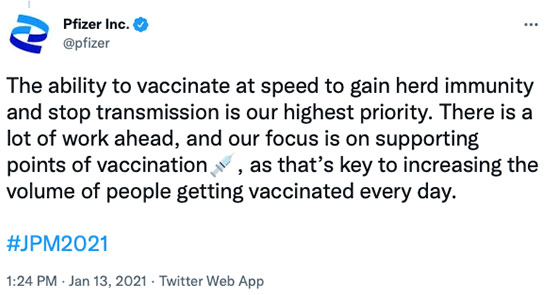
So, neither Pfizer nor Moderna had any clue whether their COVID shots would prevent transmission or spread, as that was never tested, yet with the aid of government officials and media, they led the public to believe they would. Below is just one example where Pfizer clearly obfuscated the truth.6 If stopping transmission was their “highest priority,” why didn’t they test and confirm that their shot was accomplishing this priority?
Similarly, in an Israeli interview7 (below), Bourla stated that “The efficacy of our vaccine in children is 80%.” The reporter asked him to clarify, “Are you talking about efficacy to prevent severe disease or to prevent infection?” and Bourla replied, “To prevent infection.” How could he say that when preventing infection has never been tested? Is that not evidence of fraud, caught on camera?
– Pfizer CEO: “The efficacy of our vaccine in children is 80%”
– Reporter: “Are you talking about efficacy to prevent severe disease or to prevent infection?”
As I stated in February 2021, the shots are a medical fraud. A true vaccine prevents infection; COVID shots don’t. Hence, they’ve also been fraudulently marketed. Governments around the world enabled this marketing fraud and media promulgated it.
As a result of mandating COVID shots and vaccine passports based on a blatant lie, millions have suffered potentially permanent harm and/or have died. Millions have also lost their jobs, forfeited careers and missed out on educational opportunities. This all happened because we DIDN’T follow the science.
Massive Conflicts of Interest Have Been Allowed
Why did government agencies go along with what was, to anyone with a microgram of critical thinking skills, an apparent fraud? Probably, because they’re in on it. As reported by investigative journalist Paul Thacker, the same PR company that serves Moderna and Pfizer also staffs the U.S. Centers for Disease Control and Prevention’s Division of Viral Diseases team:8
“Early last month [September 2022], CDC Director Rochelle P. Walensky endorsed recommendations by the CDC Advisory Committee on Immunization Practices (ACIP) for updated COVID-19 boosters from Pfizer-BioNTech and Moderna.
‘This recommendation followed a comprehensive scientific evaluation and robust scientific discussion,’ Dr. Walensky said in a statement. ‘If you are eligible, there is no bad time to get your COVID-19 booster and I strongly encourage you to receive it’ …
[The] PR firm Weber Shandwick, which has long represented Pfizer and other pharmaceutical companies and began providing public relations support to Moderna sometime in 2020.
In an odd case of synchronicity — and let’s be honest, a whiff of undue influence — Weber Shandwick employees are also embedded at the CDC’s National Center for Immunization and Respiratory Diseases (NCIRD), the CDC group that implements vaccine programs and oversees the work of ACIP [CDC’s Advisory Committee on Immunization Practices] …
The CDC has refused to respond to questions explaining this apparent conflict … ‘[It] is irresponsible of CDC to issue a PR contract to Weber Shandwick, knowing that the firm also works for Moderna and Pfizer,’ emailed Public Citizen’s Craig Holman. ‘It raises legitimate questions of whose interests Weber Shandwick will put first — their private sector clients or the public’s interest at NCIRD.’”
Incidentally, Weber Shandwick was in 2016 found to have ghostwritten a drug study for Forest Pharmaceuticals — another unethical practice that has undermined the foundation of medical science for decades.
One PR Company, One Consistent Message
Weber Shandwick’s responsibilities at the CDC include but are not limited to “generating story ideas, distributing articles and conducting outreach to news, media and entertainment organizations” to boost vaccination rates.9 The company provides similar services to Moderna.
For example, it helped generate 7,000 news articles internationally after Moderna applied for emergency use authorization (EUA) for its jab.
In June 2022, Moderna announced a “cross-discipline team drawing on talent and expertise from Weber Shandwick” would “drive the brand’s narrative globally,” and “support Moderna in activating and engaging key internal and external audiences, including employees, consumers, health care providers, vaccine recipients and policymakers.”10
Considering the primary COVID jab makers have the same PR company as the CDC, is it any wonder that the messaging has been so consistently one-sided? As noted by Doshi in a recent interview on German television,11 mainstream media have consistently ignored COVID jab data and have “not done a good job in providing balanced coverage” about the shots.
“We’re not getting the information we need to make better choices and to have a more informed understanding of risk and benefit,” he told the interviewer, adding:12
“It was very unfortunate that from the beginning, what was presented to us by public health officials was a picture of great certainty … but the reality was that there were extremely important unknowns.
We entered a situation where essentially the stakes became too high to later present that uncertainty to people. I think that’s what set us off on the wrong foot. Public officials should have been a lot more forthright about the gaps in our knowledge.”
Reanalysis of Trial Data Confirms COVID Shot Dangers
In late September 2022, Doshi published a risk-benefit analysis focused on serious adverse events observed in Pfizer’s and Moderna’s COVID trials. Reanalysis of the data showed 1 in 800 who get a COVID shot suffers a serious injury. As detailed in Doshi’s paper:13
“Pfizer and Moderna mRNA COVID-19 vaccines were associated with an excess risk of serious adverse events of special interest of 10.1 and 15.1 per 10,000 vaccinated over placebo baselines of 17.6 and 42.2 respectively.
Combined, the mRNA vaccines were associated with an excess risk of serious adverse events of special interest of 12.5 per 10,000 vaccinated; risk ratio 1.43.
The Pfizer trial exhibited a 36 % higher risk of serious adverse events in the vaccine group … The Moderna trial exhibited a 6 % higher risk of serious adverse events in the vaccine group … Combined, there was a 16 % higher risk of serious adverse events in mRNA vaccine recipients …”
Doshi and his coauthors also concluded that the increase in adverse events from the shots surpassed the reduction in risk of being hospitalized with COVID-19. So, in short, the shots confer more harm than good.
Sen. Rand Paul Promises Investigation
A spokesperson for Sen. Rand Paul, R-Ky., replied to an inquiry by Thacker stating, “[T]hat CDC had a contract with the same PR firm representing the manufacturers of the COVID-19 vaccine raises serious concerns,” adding that “these conflicts of interest will be thoroughly investigated” by the Senate Committee on Health, Education, Labor and Pensions (HELP) — which oversees the CDC — sometime next year.
After the November midterms, Paul will be next in line as the top Republican on this committee. It’s well worth noting that, at bare minimum, this kind of conflict of interest should have been disclosed by both parties. At best, it should have been avoided altogether. The CDC did neither. It didn’t disclose its relationship with the PR firm and it didn’t prevent the conflict of interest from developing in the first place.
What Was the COVID Jab Push All About?
The rational take-home from all this is that the massive push to inject the global population with these experimental jabs was never about following science and protecting others.
It was always about promoting a false, invented narrative designed to allow for the implementation of a top-down directive to inject every person on the planet with a novel mRNA technology. This, in turn, brings up two central questions:
• Who’s at the top? — We don’t yet know. All we can say for sure is that they have a very powerful and global influence — powerful enough that government officials have willingly lied and sacrificed their own populations in an incredibly risky medical experiment.
• Why is injecting everyone with mRNA technology so important to the anonymous decision-makers? — Again, we don’t know, but it’s quite clear that there’s a reason for it, that it’s supposed to accomplish something.
As detailed in previous articles, the only rational reason for why the CDC is allowing COVID jab EUA’s for young children is because they’re assisting drug makers in their effort to obtain liability shielding by getting the shots onto the childhood vaccination schedule.
ACIP is poised to add COVID shots to the childhood vaccination schedule any day now,14 and once on the childhood schedule, vaccine makers will not be liable for injuries and deaths occurring from their shots, whether they occur in children or adults.
Also, remember that even though the U.S. Food and Drug Administration granted full approval to Pfizer’s Comirnaty COVID shot, Comirnaty was never released to the public. The Pfizer shot being given is still under EUA.
Why was Comirnaty never released? Probably because once the shot has full FDA approval, liability kicks in. It appears they’re trying to avoid liability by getting the EUA shot on the childhood schedule before Comirnaty is rolled out and starts injuring and killing people.
Now, if they’re concerned about liability, that means they know the shot is dangerous. And if they know it’s dangerous (which all available data clearly show it is), then why do they want every person on the planet to get it?
Following this line of questioning to its logical conclusion leads us to the shocking conclusion that even though we don’t know the reasons why, the injuries and deaths from these jabs are intentional.
Vaccine Makers Continue to Spread Lies
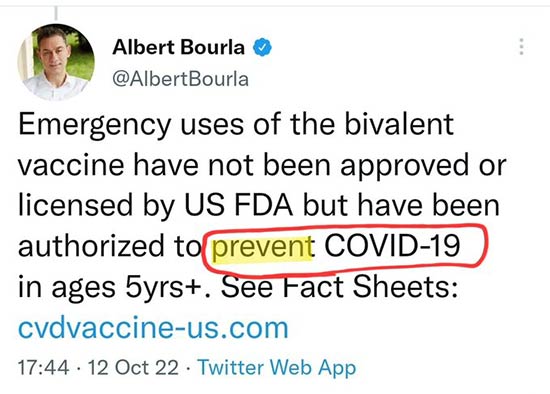
Despite Small’s unequivocally clear admission that Pfizer has not tested its COVID shot to ascertain whether it prevents transmission, Pfizer’s CEO still does not shy away from insinuating as much. Here’s what he tweeted out October 12, 2022.15 He’s not saying the shot has been confirmed to prevent COVID, but he insinuates that it does by saying the FDA authorized it for the prevention of COVID. This is also known as lying by omission.
Meanwhile, so-called fact checkers are trying to salvage Pfizer’s reputation by saying the company never actually stated the shot would stop transmission.16 That may be so, but government officials and media DID claim it would prevent both infection and spread, and Pfizer never corrected them, even as people were being fired and ostracized from society for not taking the jab.
If they were truly on the up-and-up, Pfizer officials would have clarified that the shot had not been tested to confirm it would prevent transmission, and until that was known, mandates and passports had no basis. Pfizer didn’t do that. Instead, they went along with it.
The Jabs Were Always To Be Pushed — ‘By Fair Means or Foul’
In conclusion, there’s no reason to trust government ever again, at least not in the U.S., which stands alone in pushing the jab on toddlers. (The reason for that, as mentioned earlier, is probably to get the jabs onto the childhood vaccination schedule, which will shield the vaccine makers from financial liability for harms.)
As noted by GB News host Neil Oliver in the video above, the very basis for COVID mandates or vaccine passports — that everyone had to get jabbed for the greater good, to protect others and help end the pandemic — was a deliberate lie from the start.
Many of us realized this early on, but our voices were drowned out as government, Big Tech and media pulled out all the stops, censoring anyone who told the truth. And all who have participated in this grand deception remain unrepentant to this day.
In a recent Twitter thread, a Twitter user named Daniel Hadas lays out an excellent description of what the last three years were really about:17
“The debate over whether, when, and to what extent lies were told about COVID vaccines preventing transmission misses a central point: No matter what the trial data showed, the vaccines were ALWAYS going to be pushed on entire populations, by fair means or foul.
Very early on, the COVID response was locked into a specific narrative. The world would lock down and stay safe, while brave scientists hammered away at a vaccine … You may recall that, in the first months of COVID, there was a lot of breathless talk about whether there would EVER be a vaccine.
This was all nonsense … Our authorities would not have adopted the strategy of lockdown-till-vaccine unless they were certain a vaccine could and would be made …
The purpose of sowing fear that there might never be a vaccine was to increase gratitude and enthusiasm when one came along. Indeed, every part of the early COVID response can be understood as (in part) pre-release marketing for the vaccine …
That’s why COVID risks for the young were wildly amplified. That’s why there was unending obfuscation of the central role of infection-conferred immunity both in protecting individuals and in ending the pandemic.
The plan was that the vaccine would be met by a perfectly primed population: immunologically naive, desperate to be released from lockdowns, terrified of COVID, eager to do the right thing, i.e. protect others through taking the shots.
Once so much effort had gone into priming, it is UNIMAGINABLE that authorities would have pivoted to telling us … ‘Well, actually, the vaccine’s safety profile is only so-so, efficacy is murky, and most people don’t need to worry about COVID anyway. So best most of you not take this … Sorry about the lockdowns.’
That was not in the script. So it was inevitable that the vaccine be pushed on everyone, and inevitable that the best arguments for universal vaccination would be used. Those arguments were: COVID is super-dangerous for YOU. Distrust in this vaccine is distrust in science. Refusing to get vaccinated is immoral, because you will infect others.
The veracity of these claims didn’t matter: they were in the script, and it was too late to deviate … Accordingly, the stage was also set for vaccine mandates.
None of this is conspiratorial. It is descriptive … Clarifying the details won’t alter the essence of the picture — The COVID response was determined by a script of vaccine salvation, and societies’ investment in that script was too deep for mere realities to divert its execution.”
The primary questions that still remain unanswered are: Why was this script created? What are its intended consequences? And, who created it? As mentioned earlier, the evidence suggests harm is an intended outcome — harm to our economy, our social order, our health, our life span and reproductive capacity.
As for “why,” we can just look at what has been accomplished so far. Assuming the consequences were intentional, the “why” appears to be wealth transfer, depopulation and the creation of a one world government.