Sound Sick? New AI Technology Might Tell If It’s COVID

Sound Sick? New AI Technology Might Tell If It’s COVID

[ad_1]

Sept. 19, 2022 — Imagine this: You think you might have COVID. You speak a couple of sentences into your phone. Then an app gives you reliable results in under a minute.

“You sound sick” is what we humans might tell a friend. Artificial intelligence, or AI, could take that to new frontiers by analyzing your voice to detect a COVID infection.

An inexpensive and simple app could be used in low-income countries or to screen crowds at concerts and other large gatherings, researchers say.

It’s just the latest example in a rising trend exploring voice as a diagnostic tool to detect or predict diseases.

Over the past decade, AI speech analysis has been shown to help detect Parkinson’s disease, posttraumatic stress disorder, dementia, and heart disease. Research has been so promising that the National Institutes of Health just launched a new initiative to develop AI to use voice to diagnose a wide array of conditions. These range from such respiratory maladies as pneumonia and COPD to laryngeal cancer and even stroke, ALS, and psychiatric disorders like depression and schizophrenia. Software can detect nuances that the human ear can’t, researchers say.

At least half a dozen studies have taken this approach to COVID detection. In the most recent advancement, researchers from Maastricht University in the Netherlands are reporting their AI model was accurate 89% of the time, compared with an average of 56% for various lateral flow tests. The voice test also was more accurate at detecting infection in people not showing symptoms.

One hitch: Lateral flow tests show false positives less than 1% of the time, compared with 17% for the voice test. Still, since the test is “virtually free,” it would still be practical to just have those who test positive take further tests, said researcher Wafaa Aljbawi, who presented the preliminary findings at the European Respiratory Society’s International Congress in Barcelona, Spain.

“I am personally excited for the possible medical implications,” says Visara Urovi, PhD, a researcher on the project and an associate professor at the Institute of Data Science at Maastricht University. “If we better understand how voice changes with different conditions, we could potentially know when we are about to get sick or when to seek more tests and/or treatment.”

Developing the AI

A COVID infection can change your voice. It affects the respiratory tract, “resulting in a lack of speech energy and a loss of voice due to shortness of breath and upper airway congestion,” says the preprint paper, which hasn’t been peer reviewed yet. A COVID patient’s typical dry cough also causes changes in the vocal cords. And previous research found that lung and larynx dysfunction from COVID changes a voice’s acoustic characteristics.

Part of what makes the latest research notable is the size of the dataset. The researchers used a crowd-sourced database from the University of Cambridge that contained 893 audio samples from 4,352 people, of whom 308 tested positive for COVID.

You can contribute to this database – it’s all anonymous — via Cambridge’s COVID-19 Sounds App, which asks you to cough three times, breathe deeply through the mouth three to five times, and read a short sentence three times.

For their study, Maastricht University researchers “only focused on the spoken sentences,” explains Urovi. The “signal parameters” of the audio “provide some information on the energy of speech,” she says. “It is those numbers that are used in the algorithm to make a decision.”

Audiophiles may find it interesting that the researchers used mel spectrogram analysis to identify characteristics of the sound wave (or timbre). Artificial intelligence enthusiasts will note that the study found that long short-term memory (LSTM) was the type of AI model that worked best. It’s based on neural networks that mimic the human brain and is especially good at modeling signals collected over time.

For laypeople, it’s enough to know that advancements in the field may lead to “reliable, efficient, affordable, convenient, and simple-to-use” technologies for detection and prediction of disease, the paper said.

What’s Next?

Building this research into a meaningful app will require a successful validation phase, says Urovi. Such “external validation” — testing how the model works with another dataset of sounds — can be a slow process.

“A validation phase can take years before the app can be made available to the broader public,” Urovi says.

Urovi stresses that even with the large Cambridge dataset, “it is hard to predict how well this model might work in the general population.” If speech testing is shown to work better than a rapid antigen test, “people might prefer the cheap non-invasive option.”

“But more research is needed exploring which voice features are most useful in picking out COVID cases, and to make sure models can tell the difference between COVID and other respiratory conditions,” the paper says.

So are pre-concert app tests in our future? That’ll depend on cost-benefit analyses and many other considerations, Urovi says.

Nevertheless, “It may still bring benefits if the test is used in support or in addition to other well-established screening tools such as a PCR test.”

[ad_2]

Source link

Medical Debt Can Crush Even the Insured

Medical Debt Can Crush Even the Insured

[ad_1]

By Denise Mann
HealthDay Reporter

MONDAY, Sept. 19, 2022 (HealthDay News) — Weeks after a stay in the hospital, your bill arrives and you can barely believe the amount due. How is this even possible if you have good health insurance and, more importantly, how will you pay it?

Unfortunately, you’re not alone. More than one in 10 American adults and nearly one in five U.S. households have medical debt, a new study finds. Making matters worse, incurring medical debt more than doubles your chances of not being able to afford food, rent, mortgage or utilities, and losing your home.

“Medical debt is incredibly common and it is toxic,” said study author Dr. Steffie Woolhandler. She is a primary care doctor and distinguished professor at Hunter College in New York City.

It’s a vicious cycle, said Woolhandler, also a lecturer in medicine at Harvard Medical School in Boston and a research associate for Public Citizen’s Health Research Group, a nonprofit consumer advocacy organization.

“People get sick and they go into medical debt, and this causes food insecurity and housing insecurities, which makes them even sicker, so then they need more medical care and incur even more medical debt,” she said.

The bottom line? “They get sicker and poorer and sicker and poorer,” Woolhandler explained.

For the study, researchers crunched data from the U.S. Census Bureau’s 2018, 2019 and 2020 Surveys of Income and Program Participation for a group of people who had participated for all three years. They used this data to isolate the effects of medical debts.

The average amount of medical debt was about $2,000 for an adult and about $4,600 per U.S. household, the study showed.

Medical debt was common even among folks with insurance.

“There have been other reports about medical debt, but this is the first time that we have actually been able to link it to consequences like going without food and losing housing,” Woolhandler said.

Middle-class Americans were just as likely as people with low incomes to have medical debt. People with military health insurance had the lowest rate of medical debt at just under 7%, the study found.

People at highest risk for new medical debts were those who became newly disabled, were hospitalized or lost their health insurance, the researchers reported.

It’s time to fix this mess, and it’s possible, Woolhandler said.

“Polls show that the majority of Americans would support a system where the government pays all medical bills,” she said.

The recent No Surprises Act helped make things a little better. This bill went into effect in January and protects people with insurance from receiving surprise medical bills from unexpected, out-of-network coverage for medical care.

There are other things you can do to lower your risk of incurring crippling medical debt, she said. “If you go into the hospital and get a bill that you can’t pay, try to negotiate,” she said. “You are in much better shape talking to the hospital than a collection agency.”

Many hospitals do have financial assistance programs as well, she said. Always go over any medical bills and make sure they are accurate, she suggested.

The findings were published online Sept. 16 in JAMA Network Open .

Allison Sesso is the president and CEO of RIP Medical Debt, a Long Island City, N.Y.-based national nonprofit that seeks to help people get out of medical debt.

“Medical debt isn’t just a mark on one’s credit score. We know it prevents patients from seeking further care or they’re denied care,” said Sesso, who has no ties to the new study.

“Medical debt does not just affect the uninsured: People with health insurance are at risk of medical debt due to high out-of-pocket costs,” she added.

Why? The average annual deductible for employer-sponsored insurance has grown steadily. “Ensuring that people have access to affordable, robust and low-deductible health insurance plans is the best way to close the health insurance gap,” Sesso said.

Implementing Medicaid expansion — which would cover more low-income Americans — in holdout states is an immediate way to help millions of people avoid medical debt, she added. And financial aid needs to be extremely accessible when people see a doctor or go to a hospital.

“We’d like to see a ban on extraordinary collection practices like lawsuits, wage garnishments, and liens on homes for individuals who simply cannot pay an astronomical medical debt,” Sesso said.

More information

RIP Medical Debt offers tips on how to avoid medical debt.

SOURCES: Steffie Woolhandler, MD, MPH, primary care doctor, distinguished professor, CUNY’s Hunter College, New York City, lecturer, medicine, Harvard Medical School, Boston, research associate, Public Citizen Health Research Group; Allison Sesso, President and CEO, RIP Medical Debt, Long Island City, N.Y.; JAMA Network Open, Sept. 16, 2022, online

[ad_2]

Source link

Does the Timing of Cancer Chemotherapy Appointments Matter?

Does the Timing of Cancer Chemotherapy Appointments Matter?

[ad_1]

What time is it? Your body knows, based on a carefully calibrated internal clock that turns certain genes off and on throughout the day. And humans have long known that certain medicines are best used at different times of day: caffeine in the morning, to name one.

What if cancer medications, provided at specifically tuned times for individual patients, could work better and reduce side effects?

That’s the hope of scientists working on “chronochemotherapy.” But researchers say that both scientific and practical issues mean the approach isn’t ready for prime time.

“We’re still kind of in the learning curve,” says Jian Campian, MD, a neuro-oncologist at the Mayo Clinic in Rochester, MN.

Time Trials

The challenge with cancer medications is to maximize the killing of cancer cells while leaving healthy ones alive. The body’s natural internal clock could help limit toxicity, says Francis Lévi, MD, an oncologist and researcher at Paris-Saclay University. The trick would be to find a time when healthy cells are protected against the drugs or are able to break them down into something that doesn’t harm them – but while cancer cells can’t do that. Tumor cells often have dysfunctional internal clocks, so they’re likely to be more susceptible to treatment at times when healthy cells are protected, says Lévi.

One cancer treatment where timing seems to make a difference is with the combination of 6-mercaptopurine and methotrexate for certain types of leukemia in children. For example, one study in 1985 found that the 36 children who took the drugs in the morning were 4.6 times more likely to relapse than the 82 kids who took it in the evening. Based on this and other studies, doctors usually recommend taking this pair of meds in the evening.

But for most cancer meds, evidence for an effect of time of day is thin or nonexistent.

Campian and colleagues recently asked whether timing made a difference for the drug temozolomide in people with the brain cancer glioblastoma. They already had data on people who took the drug in the morning or the evening. That’s because Campian was trained to tell patients to take it in the evening, so they could sleep through unpleasant side effects like nausea, but other doctors she worked with suggested taking it in the morning.

When the researchers looked back at 166 of their patients, they saw that the people who took temozolomide in the morning survived longer. That suggests the timing makes a difference, but a looking-back study like this is hardly proof of an effect.

Next, the team started a new study, asking whether it would even be feasible for patients to take their meds on a specific time schedule, and if the drug would work better in the morning. In this small study, among 35 adults with brain tumors, participants recorded when they took meds in a diary, which showed they hit the right time of day more than 90% of the time. The results differed from the previous study, in that people who took the drug in the morning didn’t survive any longer than those who took it in the evening.

With conflicting results from two small studies, it’s an open question as to whether timing temozolomide makes a difference. The next step is to go back into the laboratory to understand better how temozolomide efficacy might vary with circadian rhythms, says collaborator Erik Herzog, PhD, a biologist at Washington University in St. Louis. A much larger study would be necessary to test whether this type of chronotherapy does indeed work in people, and how much of a difference it makes.

Lévi has already tested chronochemotherapy in hundreds of people with colorectal cancer. Half of the 564 people in his trial received the standard treatment, including three medications. The others received the same drugs, but with their IVs timed so two meds would peak early in the morning and one would be at maximum in the afternoon.

The results were mixed. On the positive side, men’s risk of death dropped by 25% on the timed treatment. But among women, the chronochemotherapy increased the risk of earlier death by 38%.

Lévi says the difference may be because circadian rhythms control genes differently in men and women, leading to a 5- to 6-hour difference in response to medications.

Not So Fast

Lévi’s results illustrate a key challenge in chronochemotherapy: How do you know when each person should get their meds? Must the dosing schedule be personalized for each patient?

Sex isn’t the only issue. Some people are morning larks. Others are night owls. Researchers envision using activity monitors on patients’ wrists to figure out their unique schedules before prescribing chronochemotherapy.

Meanwhile, some cancers disrupt the body’s internal clock, which could make a chronochemotherapy approach moot.

There are also practical challenges in providing tightly timed medicine.

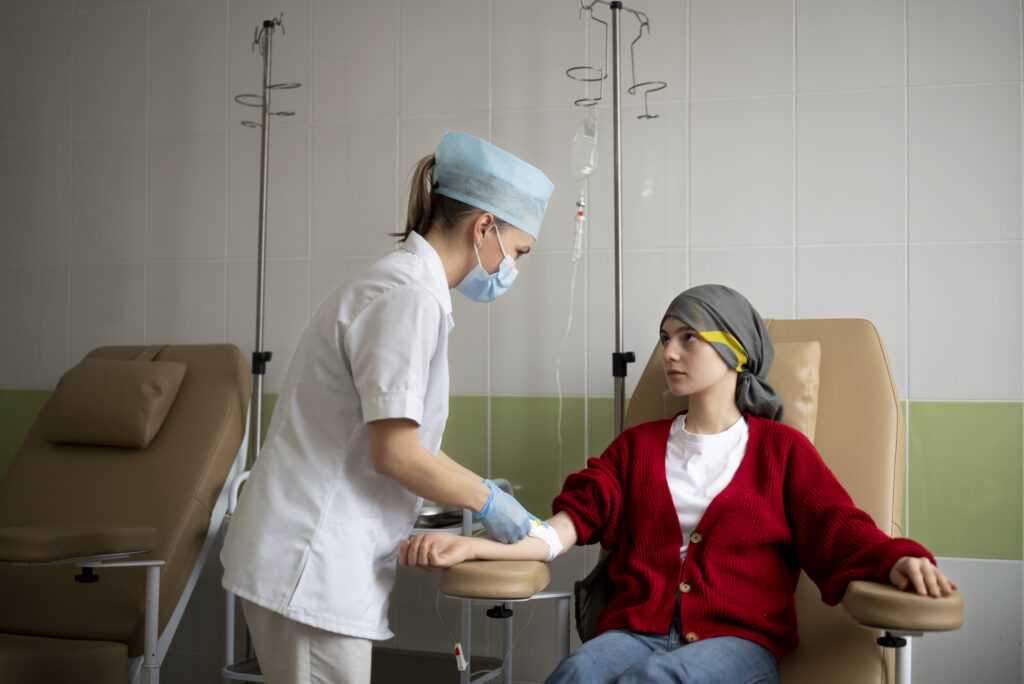
You could take oral medications like temozolomide any time you’re awake. But what about drugs that require IVs? It could be possible for hospital inpatients to receive tightly timed therapies at any hour, says Belinda Mandrell, PhD, director of nursing research at St. Jude Children’s Research Hospital in Memphis. Lévi prefers programmable drug pumps that can meter out meds at home.

The bigger challenge, though, is to figure out if chronochemotherapy works at all. Aziz Sancar, MD, PhD, a biochemist at the University of North Carolina in Chapel Hill, has doubts. He says more work in cells and mice should be done before clinical trials in people are appropriate.

“I don’t say it’ll never work,” he says. “I think chronotherapy is not there yet, and I don’t know if it’ll ever be there.”

[ad_2]

Source link

Diets Haven’t Improved Much Worldwide; U.S. Near Bottom of List

Diets Haven’t Improved Much Worldwide; U.S. Near Bottom of List

[ad_1]

MONDAY, Sept. 19, 2022 (HealthDay News) — Despite everything people have learned about good nutrition, folks around the world aren’t eating much healthier than they were three decades ago, a new global review has concluded.

Diets are still closer to a poor score of zero — with loads of sugar and processed meats — than they are to a score of 100 representing lots of fruits, vegetables, legumes, nuts and whole grains, Tufts University researchers report.

“Intake of legumes/nuts and non-starchy vegetables increased over time, but overall improvements in dietary quality were offset by increased intake of unhealthy components such as red/processed meat, sugar-sweetened beverages and sodium,” said lead author Victoria Miller. She’s a postdoctoral scholar at Tufts’ Friedman School of Nutrition Science and Policy in Boston.

For the study, researchers measured eating patterns among adults and children across 185 countries, based on data gathered from more than 1,100 diet surveys.

The world’s overall dietary score is around 40.3, representing a small but meaningful 1.5-point gain between 1990 and 2018, researchers found.

But scores varied widely between regions, with averages ranging as low at 30.3 in Latin America and the Caribbean to as high as 45.7 in South Asia.

Only 10 countries, representing less than 1% of the world’s population, had diet scores over 50.

Nations with the highest diet scores included Vietnam, Iran, Indonesia and India, while the lowest scoring countries included Brazil, Mexico, the United States and Egypt.

Women were more likely to eat healthier than men, researchers found, and older people more so than younger adults.

“Healthy eating was also influenced by socioeconomic factors, including education level and urbanicity,” Miller said in a university news release. “Globally and in most regions, more educated adults and children with more educated parents generally had higher overall dietary quality.”

Poor diets are responsible for more than a quarter of all preventable deaths worldwide, the researchers said in background notes.

Countries can use this data to guide policies that promote healthy eating, said Dr. Dariush Mozaffarian, a cardiologist and dean for policy at the Friedman School.

function pixelForFacebook(){var e,t,i,n,r,c;e=window,t=document,i=”script”,e.fbq||(n=e.fbq=function(){n.callMethod?n.callMethod.apply(n,arguments):n.queue.push(arguments)},e._fbq||(e._fbq=n),(n.push=n).loaded=!0,n.version=”2.0″,n.queue=[],(r=t.createElement(i)).async=!0,r.src=”https://connect.facebook.net/en_US/fbevents.js”,(c=t.getElementsByTagName(i)[0]).parentNode.insertBefore(r,c)),fbq(“init”,”428750600651790″),fbq(“track”,”PageView”),fbq(“track”,”Topic_id”,{topicid:window.s_topic}),fbq(“track”,”Audience”,{audience:getAudience()})}function pixelForTwitter(){var e,t,i,n,r,c;e=window,t=document,i=”script”,e.twq||((n=e.twq=function(){n.exe?n.exe.apply(n,arguments):n.queue.push(arguments)}).version=”1.1″,n.queue=[],(r=t.createElement(i)).async=!0,r.src=”https://static.ads-twitter.com/uwt.js”,(c=t.getElementsByTagName(i)[0]).parentNode.insertBefore(r,c)),twq(“init”,”nxo3v”),twq(“track”,”PageView”)}function pixelForPinterest(){!function(e){if(!window.pintrk){window.pintrk=function(){window.pintrk.queue.push(Array.prototype.slice.call(arguments))};var t=window.pintrk;t.queue=[],t.version=”3.0″;var i=document.createElement(“script”);i.async=!0,i.src=”https://s.pinimg.com/ct/core.js”;var n=document.getElementsByTagName(“script”)[0];n.parentNode.insertBefore(i,n)}}(),pintrk(“load”,”2618142259440″),pintrk(“page”),pintrk(“track”,”pagevisit”)}function pixelForReddit(){!function(e,t){if(!e.rdt){var i=e.rdt=function(){i.sendEvent?i.sendEvent.apply(i,arguments):i.callQueue.push(arguments)};i.callQueue=[];var n=t.createElement(“script”);n.src=”https://www.redditstatic.com/ads/pixel.js”,n.async=!0;var r=t.getElementsByTagName(“script”)[0];r.parentNode.insertBefore(n,r)}}(window,document),rdt(“init”,”t2_109a14pl”),rdt(“track”,”PageVisit”)}function getAudience(){if(webmd.cookie.get(“cmt”))return[“campaigns”].reduce(function(e,t){return e[t]=JSON.parse(webmd.cookie.get(“cmt”))[t],e},{})}!function(){var e;window.s_topic&&(e=s_topic.match(/^7\d\d\d/gi)),window.s_topic&&!e&&-1===[“1634″,”1663″,”1664″,”1669″,”1695″,”1700″,”1703″,”1705″,”1707″,”1709″,”1711″,”1719″,”1756″,”1760″,”1761″,”1762″,”1783″,”1814″,”1818″,”1819″,”1835″,”1840″,”2730″,”2756″,”2857″,”2950″,”2952″,”2953″,”3079″,”3236″,”3539″,”3540″,”3541″,”3552″,”3571″,”3607″,”3608″,”3623″,”3631″,”3637″,”3644″,”3838″,”3927″,”3928″,”3930″,”3937″,”3939″,”3950″,”3951″,”3954″,”3958″,”3962″,”3963″,”3965″,”3966″,”3971″,”3989″,”4010″,”4048″,”4049″,”4050″,”4052″,”4058″,”4099″,”4119″,”4121″,”4140″,”4203″,”4222″,”4227″,”4228″,”4236″,”4242″,”4251″,”4254″,”4257″,”5555″,”6041″,”18091″,”18092″,”18093″,”18094”].indexOf(window.s_topic)&&(pixelForFacebook(),pixelForTwitter(),pixelForPinterest(),pixelForReddit())}()

[ad_2]

Source link

What if You Could Get the Benefits of Exercise Without Working Out?

What if You Could Get the Benefits of Exercise Without Working Out?

[ad_1]

Sept. 19, 2022 – We all know exercise is good for us. It helps you manage weight and lowers the risk of heart disease, type 2 diabetes, and even some cancers. Yet nearly half of U.S. adults don’t get the recommended 150 minutes of moderate-intensity activity a week.

Some may blame a lack of time, energy, or motivation. Others may have physical limits due to age or chronic conditions.

But what if you could achieve the benefits of exercise without breaking a sweat – by simply popping a pill or injecting medicine into your body?

That may sound too good to be true, but in fact, scientists are working toward that goal. Step one is figuring out how, on a molecular level, exercise produces health benefits. Two recent studies have advanced that field.

In Australia, a team of researchers zeroed in on changes in the muscles.

“Many of these benefits [of exercise] arise from contracting skeletal muscle,” says study author Benjamin Parker, PhD, a researcher in the Department of Physiology and Anatomy at the University of Melbourne in Australia.

The researchers collected muscle biopsies from people in the study, both before and after they did different types of exercise: endurance, sprint, and resistance training. They discovered that the same gene – called the C18ORF25 gene – was activated after all types.

When this gene was removed from mice, the result was reduced exercise capacity and muscle defects, Parker says. When it was activated, muscle function increased.

“Our study identifies C18ORF25 as a new exercise gene to promote muscle benefits,” Parker says.

The findings, reported in the journalCell Metabolism, may give us valuable insight into how to manage muscle disorders such as muscular dystrophy and myasthenia gravis, combat age-related muscle loss, and improve sport performance, Parker says.

This comes on the heels of other research from Baylor College of Medicine and Stanford School of Medicine investigating what molecules in the body exercise produces.

After analyzing blood samples from mice before and after the rodents had been running on a treadmill, the researchers found that one compound – called Lac-Phe (N-lactoyl-phenylalanine) – increased more than any other. As the level of exercise intensity increased, so did the level of Lac-Phe. Similar findings were observed in blood samples from 36 people – levels of Lac-Phe peaked after hard exercise and declined within an hour.

“We were looking for a basic biochemical understanding of the physiology of exercise and stumbled upon the discovery of Lac-Phe,” says study author Jonathan Long, MD, a biochemist at Stanford.

Lac-Phe – a byproduct of lactate (produced in large amounts during exercise) and phenylalanine (a building block for protein) – may help regulate the drive to eat, the scientists found. After being injected with the molecule, rodents that had been made obese with a special diet ate 50% less food and lost weight. (Interestingly, Lac-Phe did not have the same result when given in pill form, possibly because the digestive acids in the stomach break it down, making it ineffective.) This could explain why we don’t feel hungry right after intense exercise.

“We are actively investigating the appetite-suppressing effects of Lac-Phe and the underlying mechanisms,” says study author Yong Xu, MD, a professor of pediatrics, nutrition, and molecular and cellular biology at Baylor. If all goes well, it could be used in humans to aid weight loss someday, he says.

These are not the only studies to go after an “exercise pill.” In the past decade, researchers at Dana-Farber Cancer Institute have reported on a hormone that triggers some of the health benefits of exercise and has recently been shown to reduce levels of a protein linked to Parkinson’s disease.

Scientists from the University of Southampton in England discovered a compound that improved blood sugar levels and reduced weight in sedentary, obese mice. In other research in mice, Salk Institute scientists discovered how to activate a gene pathway triggered by running using a chemical compound. Meanwhile, the National Institutes of Health is funding a large study to investigate the molecular impact of exercise.

Still, despite the interest, it will likely be years before these findings can be turned into clinical therapies. In the meantime, if you want to reap the benefits of exercise, you’ll have to do it the old-fashioned way.

[ad_2]

Source link

Zócalo Health raises $5M to launch virtual primary care for Latino patients

Zócalo Health raises $5M to launch virtual primary care for Latino patients
Zócalo Health raises M to launch virtual primary care for Latino patients

[ad_1]

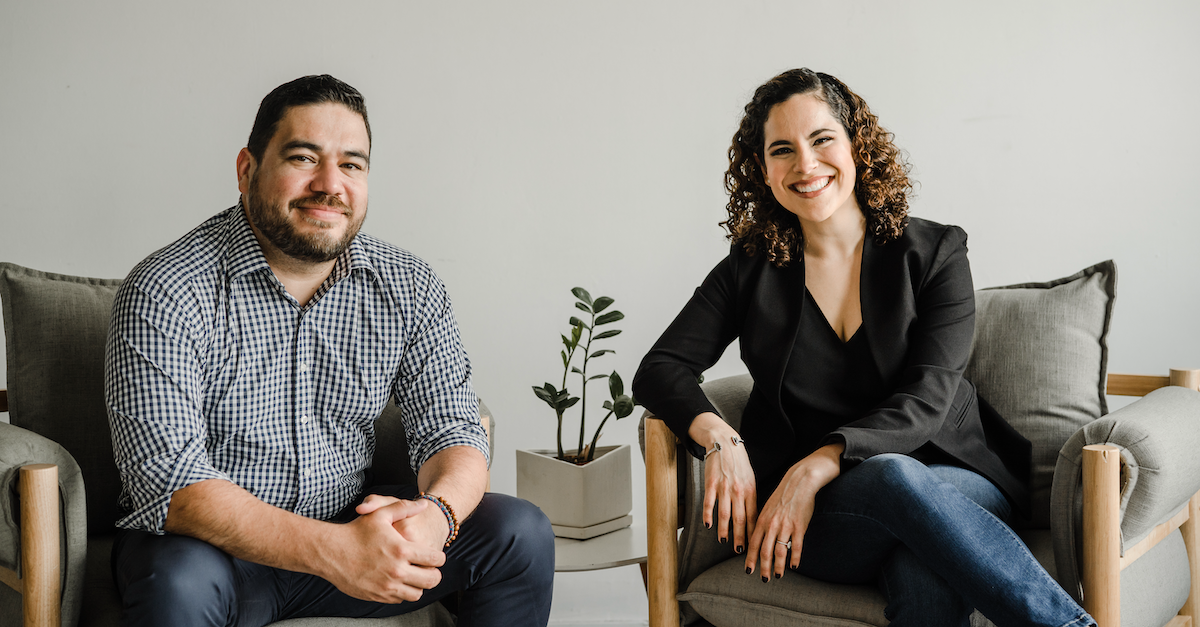
Zócalo Health, a virtual healthcare service for Latino patients, raised $5 million in a seed funding round led by Animo, Virtue and Vamos Ventures.

Other participants in the funding raise include Necessary Ventures and Able Partners as well as Cityblock Health CEO Toyin Ajayi, social policy researcher and venture capitalist Freada Kapor Klein, Out-of-Pocket’s Nikhil Krishnan and ORDRS CEO Erik Ibarra.

WHAT THEY DO

Zócalo will use the seed capital to launch virtual primary care services in California, Texas and Washington this year. 

Through monthly and annual membership plans, the startup will match patients with a care team made up of physicians, nurses and mental health clinicians, led by a community health worker. Patients can also access same-day or next-day virtual appointments and care coordination services.

The company is currently offering care as part of a public beta in California and plans eventually to expand to new states and add in-person services.

Mariza Hardin, head of strategy and operations at Zócalo, told MobiHealthNews that she and cofounder Erik Cardenas grew up in families that had immigrated to the U.S. and struggled to navigate the complex healthcare system. 

“We very much have taken a lot of our lived experiences and built this into Zócalo Health’s care model,” she said. “But we also spend a ton of time talking to patients and talking to the Latino community asking, ‘Why aren’t you accessing primary care? What are your concerns? Why do you not trust the system?’ Because it’s very much a trust issue that’s been impacted and accelerated by the pandemic.”

Zócalo CEO Cardenas said the community health workers will be key to establishing trust and helping patients navigate their clinical offerings. 

“With this community health worker, we really focus on those relationships and building trust so that people can really start to engage and establish this longitudinal care with us that they’ve been missing with this one-size-fits-all health system,” he said. 

MARKET SNAPSHOT

Amazon Web Services recently announced Zócalo as one of 10 participants in the 2022 AWS Healthcare Accelerator focused on health equity. Cardenas and Hardin, both veterans from Amazon Care, said they want to bring the tech and retail giant’s consumer-focused culture to their startup.

Hispanic adults face a number of challenges when it comes to accessing the healthcare system, and they’re more likely to be uninsured. According to a Pew Research Center survey published earlier this summer, 70% of Hispanic adults said they’d seen a doctor or other healthcare provider in the past year, in contrast to 82% of all U.S. adults. 

Access was less consistent for immigrants. Among those who had lived in the U.S. for 10 years or less, only 55% said they’d seen a provider within the past year, compared with 63% of those who have been in the U.S. from 11 to 20 years and 77% of immigrants who had lived in the U.S. for more than 20 years.

“I think there’s a lot of pretty words that are shared today around health inequities and DEI [diversity, equity and inclusion], but it’s really important that we start to really take action when it comes to these metrics and the importance of addressing these gaps,” Cardenas said. 

[ad_2]

Source link

14 Proven Health Benefits of Ginger shots – Credihealth Blog

14 Proven Health Benefits of Ginger shots – Credihealth Blog

[ad_1]

Why is ginger used in your foods daily? Have you ever thought, why does your mother give you ginger shots every time you are ill? Ginger shots are strong ginger drinks made from fresh ginger. They’re created by juicing fresh ginger or mixing it with other juices like lemon or orange. Pre-made ginger shots can be purchased from health food stores or custom-made at juices or at home. Ginger shots can be unpleasant and spicy to drink because of the high concentration of ginger. They are produced in small quantities and swallowed in large gulps. Because ginger is a natural root, drinking it will give you additional nutrients. In this article, we will tell you about the benefits of ginger shots.

Ginger Shot Properties – 

Ginger shots contain ginger, lemon, orange, honey, and turmeric. If the taste of ginger is too spicy for you, try balancing it with lemon or orange juice. 

  • Maintains the body’s pH balance
  • Provide nutrients such as potassium, calcium, magnesium, vitamin C, etc
  • Antioxidant properties
  • Anti-inflammatory properties
  • Anti-fungal properties
  • Antibacterial properties
  • Anti-cancer properties
  • Antiviral properties
  • Anti-diarrheal properties

Key benefits Benefits of Ginger Shots – 

Ginger can boost your health in a variety of ways. Let’s discuss some benefits of ginger shots. 

  • Resolves Digestive Issues: 

Ginger is a popular natural remedy for stomach problems like bloating and indigestion. Ginger supplementation has been shown in studies to increase the passage of food through your stomach, alleviate indigestion, reduce bloating, and lessen intestinal cramping. 

  • Relieves Nausea and Vomiting: 

Ginger is used to cure nausea and vomiting by pregnant women and patients undergoing chemotherapy and surgery. Pregnant women prefer ginger as it is safe for themselves and their babies. A study on 120 pregnant women found that taking 750 mg of ginger daily for four days reduced nausea and vomiting without showing any side effects.

  • Possess Strong Antioxidant and Anti-Inflammatory Properties: 

Ginger contains various antioxidant and anti-inflammatory agents like zingerone, gingerols, sesquiterpenes, shogaols, parasols, etc. Antioxidants are compounds that protect your body from unstable free radicals. A study conducted on 64 persons with type 2 diabetes found that consuming 2 grams of ginger powder daily reduced levels of inflammatory proteins such as tumor necrosis factor-alpha (TNF-alpha) and C-reactive protein (CRP).

Also, Read 15 Benefits of Drinking Hot Water on an Empty Stomach.

Ginger boosts the human immune system due to the presence of antioxidant, antibacterial, antiviral, and anti-inflammatory agents. Ginger shots contain honey, turmeric, and orange juice, which are known to your immune system and improve immunological response. Many research suggests that ginger can boost immune response. 

  • Cancer-Fighting Properties: 

Because of its high antioxidant levels, gingerol may help protect against some malignancies, such as breast cancer, pancreatic cancer, and ovarian cancer, according to some research.

  • Relieves Menstrual Pain: 

Many young women suffer from menstrual cramps and pain. It is also known as dysmenorrhea. A study found ginger can be as active as ibuprofen and mefenamic acid in reducing pain in women suffering from dysmenorrhea.

Ginger may provide long-term health advantages to the heart. A new study found that persons who ate more ginger had a lower risk of getting chronic heart disease or high blood pressure compared to those who didn’t eat ginger.

  • Shields From Chronic Diseases: 

Ginger’s anti-inflammatory characteristics may help prevent various diseases or alleviate symptoms of various chronic illnesses. Numerous studies demonstrate that ginger extract decreases inflammation in people with rheumatoid arthritis, inflammatory bowel syndrome, allergies, indigestion, diabetes, asthma, colitis, Alzheimer’s, and others.

  • Controls Blood Sugar Levels: 

Several studies found ginger supplements help lower blood sugar levels and enhance hemoglobin A1c. Haemoglobin A1c is a long-term blood sugar control marker. The hemoglobin A1c test determines the quantity of glucose bound to your hemoglobin.

Ginger has been demonstrated to considerably reduce body weight by decreasing appetite and hunger and increasing the number of calories burnt during digestion.

Ginger is excellent for maintaining good oral health. It aids in the removal of plaque and prevention of cavities. Ginger is an effective pain reliever for the mouth, especially for toothaches. Ginger can help strengthen the tissues of gums and reduce the risk of gingivitis, other gum diseases, and oral inflammatory disorders.

  • Prevents Blood Clotting: 

Ginger is an anti-inflammatory agent that may help to prevent blood clots. It prevents platelet aggregation and is a natural blood thinner. It naturally contains salicylates in it. Aspirin or acetylsalicylic acid is a salicylate derivative, a powerful blood thinner administered to heart patients. 

Your mother must give you ginger shots when you catch a cold. This is because ginger shots contain nutrients from turmeric, tulsi, honey, lemon, etc. Its antibacterial, antiviral, antioxidant, and anti-inflammatory properties help the body to fight against infections.

  • Reduces Migraine Symptoms: 

Ginger can also boost your serotonin levels. Serotonin is a neurotransmitter or chemical messenger that communicates between nerve cells in the brain and the whole body. Increased serotonin levels aid in reducing the symptoms of migraine. This is because it constricts the blood vessels and reduces inflammation. Moreover, ginger can decrease the frequency of your migraine attacks.

Also, Read 12 Health Benefits of adding Drumstick to your Diet.

Can you take a ginger shot every day?

A daily ginger shot can be a terrific addition to any wellness routine. It’s a healthy addition to your lifestyle. It can help with weight loss and menstrual cramps, maintain heart health, and relieve nausea and digestive problems.

Possible Side Effects of Ginger Shot – 

While the ginger shot is harmless for most people, there are some potential side effects.

  • People on blood thinners, such as aspirin, and warfarin, should avoid ginger shots and limit their consumption.
  • Diabetic patients on blood sugar medications should exercise caution when consuming significant amounts of ginger shots as it contains sugars.
  • Ginger shots should be avoided by anyone who is allergic to ginger.

Conclusion –

The ginger shot is a popular wellness drink in India. The benefits of ginger shots make it no less than a magic tonic. Help reduce inflammation, calm digestive difficulties, boost immune function, maintain oral health, prevent blood clotting, aid in weight loss, relieve menstrual pain, etc. Incorporate it into your routine and see the change for yourself!

[ad_2]

Source link

How do you find a vein with a red light? – Credihealth Blog

How do you find a vein with a red light? – Credihealth Blog

[ad_1]

Finding a vein is one of the most important parts of any medical procedure. The stakes are high when someone needs a blood transfusion or other life-saving treatment that requires intravenous access. In some cases, finding a vein can be difficult–even for experienced nurses and doctors.

That’s why many hospitals are turning to technology in order to make the process easier. Red light therapy is being used more and more often as a way to help find veins quickly and easily. Here’s what you need to know about this exciting new development in healthcare technology.

What is a vein and what does it do in the body

A vein is a blood vessel that carries deoxygenated blood from the body back to the heart. In humans, veins are usually blue in color because of the oxygen-poor hemoglobin in red blood cells. There are three types of veins:

  •       Superficial veins
  •       Deep veins
  •       Perforating veins

Superficial veins are located just below the surface of the skin and are often used for intravenous (IV) therapy. Deep veins are located deep within the body and are responsible for carrying oxygen-rich blood from the tissues back to the heart. Perforating veins connect the superficial and deep veins and help to circulate blood throughout the body.

Veins are an essential part of the circulatory system and play an important role in maintaining blood pressure and keeping blood flowing smoothly through the body.

Importance of using red light in finding veins in the body

Red light is often used by medical professionals to find veins in the body. This is because red light penetrates the skin more deeply than other colors of light, making it easier to see veins close to the surface.

Additionally, red light is less likely to cause bruising or other damage to the skin. As a result, using red light to find veins can be an important part of providing safe and effective medical care.

How to find a vein in your arm or leg using red light

Trying to find a vein can be a frustrating experience. If you’re having trouble, there’s no need to panic. Here are a few tips that may help you find a vein in your arm or leg using red light.

  •       First, make sure the area is clean and dry.
  •       Second, apply gentle pressure to the area with your finger.
  •       Third, use a small flashlight to shine red light on the area.
  •       Fourth, look for a small, dark line that appears under the light. If you can see a vein, you’re ready to proceed with your IV or blood draw.

If you still can’t find a vein, don’t worry. There are other methods that can be used to locate veins. With a little patience and perseverance, you’ll be able to find a vein in no time. thanks for reading!

What are some of the benefits of using red light for finding veins

Using red light to find veins has a number of benefits.

  • Red light is visible to the human eye, so it’s easy to see where the vein is located.
  • The wavelength of red light is such that it penetrates the skin but doesn’t damage it.
  • Red light doesn’t scatter as much as other colors of light, so it provides a clear view of the vein.
  • Because red light is absorbed by hemoglobin, it’s useful for determining the depth of the vein and the size of the vessel.
  • Red light is safe and non-invasive, making it ideal for repeated use.
  • The use of red light allows for real-time visualization of veins, which helps to avoid puncturing surrounding tissue.
  • Red light can be used in conjunction with other imaging modalities, such as ultrasound, to provide an even more detailed view of the vein.
  • Unlike some other vein-finding methods, red light doesn’t rely on contrast agents or special dyes, so there’s no risk of allergic reactions or adverse reactions.
  • Red light is affordable and widely available, making it accessible to many people.
  • Red light is an easy and painless way to find veins, making it an ideal choice for both patients and healthcare providers alike.

What are some of the risks associated with using red light for finding veins?

While the use of red light for finding veins is generally a harmless and convenient way to locate them, there are actually a few risks associated with this method.

  • For one, red light can cause skin cancer. Studies have shown that exposure to red light can increase the risk of melanoma, the deadliest form of skin cancer.
  • Additionally, red light can also damage the retina, the delicate tissue at the back of the eye that is responsible for vision. In severe cases, this damage can lead to blindness.

While the risks associated with using red light for finding veins may seem small, they are still worth considering before using this method.

Alternatives of red light for finding veins

Though red light is commonly used for finding veins, there are actually a few alternatives that can be used. One great alternative to a red light is infrared light. Infrared light is invisible to the human eye, so it does not cause the same disruptions as red light.

Additionally, infrared light penetrates the skin more deeply than red light, making it more effective at locating veins. Vein finders that use infrared light are becoming increasingly popular and for good reason. They are safe, comfortable, and highly effective. If you are looking for an alternative to red light for finding veins, an infrared vein finder is a great option.

The Bottom Line

So there you have it – how to find a vein with red light. Whether you’re a nurse, doctor, or just someone who likes to know these things for whatever reason, we hope you found this post informative and helpful. Have any questions? Leave them in the comments below and we’ll do our best to answer them.

Disclaimer: The statements, opinions, and data contained in these publications are solely those of the individual authors and contributors and not of Credihealth and the editor(s). 

Call +91 8010-994-994 and talk to Credihealth Medical Experts for FREE. Get assistance in choosing the right specialist doctor and clinic, compare treatment costs from various centers, and timely medical updates

[ad_2]

Source link

Do You Wear Contact Lenses? 6 Ways to Take Care of Your Eyes

Do You Wear Contact Lenses? 6 Ways to Take Care of Your Eyes

[ad_1]

Contributed by: Anjali Sharma

Introduction 

Did you know 35 percent of the country’s total population requires vision correction, which can be achieved by surgery, laser treatment, eyeglasses, or contact lenses? 

However, only approximately 25 percent of people—or 87.5 million people—have their vision corrected. About 94 per cent of these people use eyeglasses, 6 percent wear lenses, and 2.5 percent have used both.

While wearing the lenses a person needs to be extra careful because if contact lenses are not used with precautions and the right methods, it can lead to severe eye issues and problems. 

What are contact lenses?

To help you see better or to make your vision clear, little transparent discs are used that you wear in your eyes; these are known as contact lenses. On the tear film that protects your cornea, lenses float.

Contacts, like eyeglasses, are used to treat refractive defects that affect vision. A refractive error is when the eye does not refract (bend or focus) light properly into the eye resulting in a fuzzy image.

For those with the following refractive defects, contacts can enhance vision:

  • Myopia (nearsightedness)
  • Hyperopia (farsightedness)
  • Astigmatism (distorted vision)
  • Presbyopia (changes to near vision that normally happen with age)

6  ways to take care of your eyes if you wear contact lenses

Never sleep while wearing lenses

The risk of eye infection is greatly increased when using contacts while sleeping. 

Your lenses prevents your eye from receiving the oxygen and water it needs to combat a bacterial or microbial invasion while you’re sleeping.

Blinking allows oxygen to enter your eyes when you’re awake since it keeps them moist. The quantity of oxygen and moisture your eyes can access is greatly reduced by contacts, which fit over the surface of your eye.

That decline gets significantly worse when you’re asleep. The corneal cells lose their capacity to efficiently fight germs when there is not enough oxygen present, a condition known as hypoxia.

So this is the most essential thing to keep in mind if you are planning to wear lenses. 

Avoid rubbing your eyes while wearing contact lenses

The cornea might be harmed by rubbing your eyes while wearing a contact lens, further impairing your eyesight. Avoiding touching the eyes becomes crucial in order to prevent any such incident of eyesight impairment.

Never shower with contact lenses on 

Water is another item that should not come in contact with contact lenses. Water, whether it be in a swimming pool, hot tub, or ocean, is full of germs that can harm the eyes and lenses. 

Additionally, the lenses can be harmed by any kind of water, which can irritate the eyes. So, before getting in the shower, take off your contact lenses.

Keep the case for contact lenses clean 

Always keep the contact lens case neat and clean.

Lenses should be kept in the appropriate lens storage case, which should be changed at least every three months. After each usage, clean the case; in between cleanings, leave it open and dry. To clean and store the lenses, just use a new solution.

Wash your hands before and after wearing contact lenses

If you are using contact lenses, you must follow strict guidelines while touching them. Always keep your hands clean when wearing or removing the lenses. 

Your hands come into contact with a variety of objects during the course of the day, which raises the risk of infection when they come in contact with your eyes or contact lenses. 

Before touching your eyes or lenses, you must carefully wash and dry your hands. It guarantees the protection of the eyes.

Avoid overwearing contact lenses

Many ophthalmologists have said that overwearing contact lenses cause red – itchy eyes and make them dry. 

Contact lenses impede the process of oxygen absorption when used for extended periods of time. When worn for the recommended amount of time, a well-fitting contact lens floats on the surface of the eye, enabling enough of your tear film to flow under it and provide the cornea with essential oxygen.

Your eyes need oxygen in order to be healthy. Since the cornea lacks blood veins, it must get its oxygen from the surrounding air.

Serious eye problems can arise from excessive usage.

Even if they appear okay, it is best to avoid using them after their expiration date and to limit their usage to no more than 6 to 8 hours each day.

Final thoughts 

If you use contact lenses, clean them and their cause, and maintain them properly, that’ll make it a safe and easy way to correct your vision. However, if you don’t, you run the risk of getting an eye infection or may end up potentially causing damage to your eye. In other words, if used appropriately and hygienically, contact lenses are the ideal substitute for glasses. 

Always consult your ophthalmologist for the correct refractive power of your eyes and contact lenses that best fits your eyes.

Otherwise, dangerous infections that might jeopardize your vision, such as bacterial or viral corneal ulcers or Acanthamoeba Keratitis could develop.

Furthermore, apart from keeping good care of your eyes, you should also undergo preventive health checkups. These health checkups give a complete report about your health, allowing you to take necessary precautionary measures to improve your well-being and keep a host of ailments at bay. 

Book The Full Body Good Health Test Today!

!function(f,b,e,v,n,t,s){if(f.fbq)return;n=f.fbq=function(){n.callMethod?

n.callMethod.apply(n,arguments):n.queue.push(arguments)};if(!f._fbq)f._fbq=n;

n.push=n;n.loaded=!0;n.version=’2.0′;n.queue=[];t=b.createElement(e);t.async=!0;

t.src=v;s=b.getElementsByTagName(e)[0];s.parentNode.insertBefore(t,s)}(window,

document,’script’,’https://connect.facebook.net/en_US/fbevents.js’);

fbq(‘init’, ‘1713453968920369’ ); fbq(‘track’, ‘PageView’);

[ad_2]

Source link

A Simpler Abortion Pill Regimen Is Effective Too

A Simpler Abortion Pill Regimen Is Effective Too

[ad_1]

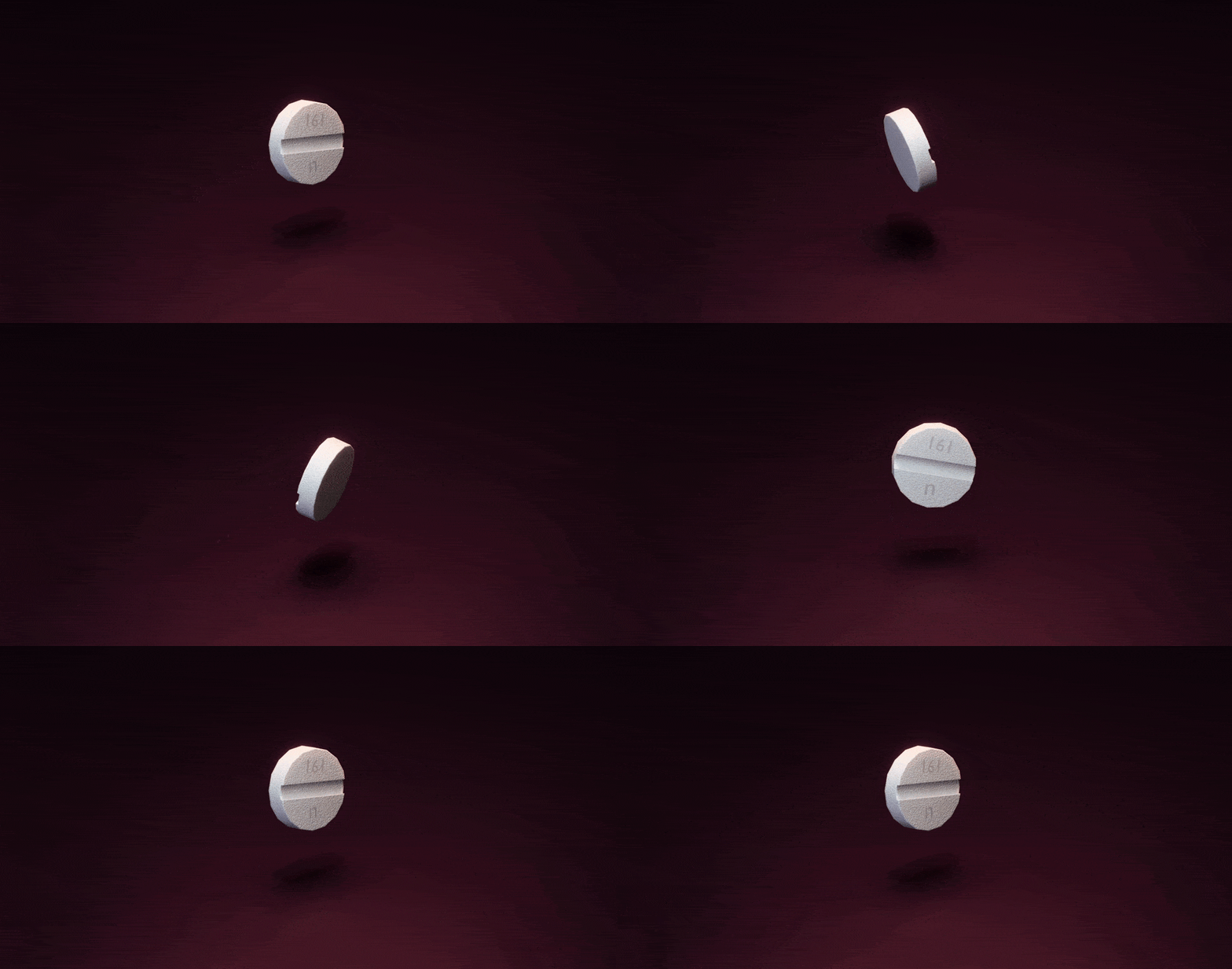
In the months since the Supreme Court overturned Roe v. Wade, demand for medication abortion has soared. The method already accounted for more than half of all abortions in the United States before the Court’s decision; now reproductive-rights activists and sites such as Plan C, which shares information about medication abortion by mail, are fielding an explosion in interest in abortion pills. As authorized by the FDA, medication abortion consists of two drugs. The first one, mifepristone, blocks the hormone progesterone, which is necessary for a pregnancy to continue. The second, misoprostol, brings on contractions of the uterus that expel its contents. The combination is, according to studies conducted in the U.S., somewhere between 95 percent and 99 percent effective in ending a pregnancy and is extremely safe.

The second drug, misoprostol, can also safely end a pregnancy on its own. That method has long been considered a significantly less effective alternative to the FDA-approved protocol. But a growing body of research has begun to challenge the conventional thinking. In situations where people use pills to end a pregnancy at home, studies have found far higher rates of success for misoprostol-only abortions than were found in clinical settings. One recent study in Nigeria and Argentina showed misoprostol-only abortion to be 99 percent effective.

Even before new restrictions began to ripple across the U.S., mifepristone—often referred to as “the abortion pill”—was tightly controlled by the FDA, which requires that the drug be dispensed only by doctors certified to prescribe it and only to patients who’ve signed an agency-approved agreement. As efforts to ban that drug intensify, the relative availability of misoprostol, which can be obtained at pharmacies in every state and prescribed by any doctor, could make misoprostol alone a more common option for women seeking abortions, legally or clandestinely.

Already, the Austria-based nonprofit Aid Access, which helps women in the U.S. order pills through the mail, helped thousands of women procure misoprostol-only regimens in the first months of the coronavirus pandemic, when shipments of mifepristone were disrupted. At least one U.S. abortion provider, Carafem, has been offering its patients a misoprostol-only option for close to two years, and other reproductive-health groups are now considering offering the same regimen. This approach follows a path that has been well established in places around the world, where mifepristone has been scarce or unavailable, but in the U.S., it represents a real shift in abortion provision.

If in the past mifepristone has garnered the bulk of attention from politicians and the public in the U.S., that focus may owe in part to an oft-told story about the origins of “the abortion pill” and its lone inventor, the renowned French researcher Dr. Étienne-Émile Baulieu. The reality is that of the two drugs, misoprostol has always mattered more.


For his work on mifepristone, Baulieu won one of the most prestigious prizes in medicine, whose recipients tend to be discussed as candidates for a Nobel Prize, and received France’s Legion of Honor. A lengthy profile in The New York Times Magazine called him “a different kind of scientist.” And though the chemists George Teutsch and Alain Belanger actually synthesized the compound, Baulieu became, to American audiences, “the father of the abortion pill.”

Yet mifepristone is not, by itself, a highly effective abortifacient. Taken alone, the drug ends a pregnancy only about two-thirds of the time, which is why it has always been administered in combination with a prostaglandin—a drug that mimics the function of hormones that promote menstrual cramping and inflammation.

For years, doctors in Europe had been administering mifepristone with a prostaglandin called sulprostone. The combination was nearly 100 percent effective, but required multiple in-person visits to a clinic or hospital because sulprostone could only be given by injection. “Everyone had been looking for a prostaglandin that didn’t have to be either injected or kept frozen,” says Beverly Winikoff, the founder of Gynuity Health Projects, whose research on medication abortion helped win FDA approval in the United States.

In Brazil, women had already found one. No individual, or individuals, have ever been widely credited for that discovery, the way Baulieu is credited for mifepristone. But scholars agree that the practice began in the country’s impoverished northeast soon after the drug went on the market in 1986.

Manufactured by G.D. Searle & Company, misoprostol was developed to treat stomach ulcers. To women in Brazil, where abortion was and remains severely restricted, the warning on the label, to avoid taking the drug while pregnant, advertised its potential as an abortifacient. And when they found the drug safer and more effective than other clandestine methods, misoprostol’s popularity exploded. (To state the obvious, no one should interpret drug warnings for pregnant people as covert advertisements for effective abortion alternatives.)

Soon, doctors in Brazil reported seeing fewer women with severe abortion-related complications, and Brazilian researchers began documenting the drug’s off-label use. The first such study appeared in a 1991 letter to the editor of The Lancet: Helena Coelho and her colleagues at the University of Ceara had found that knowledge of misoprostol’s capacity to induce abortion had “spread rapidly” among both women and pharmacy personnel. But it had also reached government officials, who limited sales to authorized pharmacies and, in one state, banned misoprostol entirely.

That same year, Baulieu, the French researcher, announced that he had devised a simpler way to use mifepristone—by combining it with misoprostol, which, unlike sulprostone, could be taken by mouth. Writing in The New England Journal of Medicine, Baulieu did reference misoprostol’s use in Brazil, but only as an example of what not to do. Citing anecdotal reports of cranial malformations in infants exposed to misoprostol in utero, he and colleagues claimed that administering misoprostol alone would risk “embryonic abnormalities,” adding that G.D. Searle “strongly disapproved” of the practice.

The reports of cranial anomalies were never confirmed. But Searle did take pains to prevent the use of misoprostol for abortion, at one point publicly warning doctors in the U.S. against administering the drug to pregnant women. Over time, researchers established other important uses for misoprostol, such as treating miscarriage and preventing postpartum hemorrhage. Yet during the lifetime of its patent, the company refused to research or register the drug for any reproductive-health indication.

Meanwhile, Brazilian newspapers had seized on the dangers that Baulieu had cited, fueling fears that failed abortions would create “a generation of monsters.” That in turn provided Brazilian authorities with a public-health rationale for regulating misoprostol as a controlled substance, the “possession or supply” of which carries penalties even more punitive than those for drug trafficking. But through informal networks, feminist activists continued helping women access both misoprostol and information about how to safely use it at home. More than three decades later, experts now credit Brazil as the birthplace of self-managed medication abortion.


In the past few years, researchers have more formally documented what these informal networks established. In clinical trials, medication abortion with misoprostol alone was effective in completing first-trimester abortion roughly 80 percent of the time. As a rule, “We think about clinical-trials data as the gold standard,” says Caitlin Gerdts, a vice president at Ibis Reproductive Health and a senior author on the study in Nigeria and Argentina. Yet when researchers have examined misoprostol’s use in nonclinical settings, they have found far higher rates of success, with 93 to 100 percent of participants reporting complete abortions using only misoprostol. Given the many studies showing high effectiveness in self-managed settings, Gerdts says, “I think it’s time to reconsider the idea of the clinical trials data as being paramount.”

One reason for the greater effectiveness of misoprostol alone in studies of self-managed abortion may have to do with how the studies were designed. “The problem with clinical trials is that often when we ask somebody to follow up in a week or two weeks, the body hasn’t had enough time to expel all of the products of conception,” says Dr. Angel Foster, a health-science professor at the University of Ottawa, whose work on the Thailand-Myanmar border was the first to rigorously investigate the effectiveness of misoprostol alone for abortion outside a formal health system. “If there’s a smudge on an ultrasound, it’s not that there’s a continuing pregnancy—it’s just debris. But rather than let the uterus absorb it or expel it, we do an evacuation procedure and we count it as a failure.” In studies of self-managed abortion, she says, the follow-up period tends to be longer—three or four weeks—and surgical intervention may not always be an option.

“I do think because of the way it’s been treated in clinical trials, misoprostol has been defined as much less effective than we now believe it to be,” Foster says. “We talk about mifepristone as ‘the abortion pill,’ but I think it’s more appropriate to think of it as a pretreatment or an adjunct therapy. Because it’s really the misoprostol that’s doing the lion’s share of the work.”

Elizabeth Raymond, a senior medical associate at Gynuity and the lead author of a systematic review of clinical trials on the use of misoprostol alone for early abortion, acknowledges that the clinical studies may have been too quick to intervene. But she says the shorter follow-up period was not without reason. Using ultrasound and a blood test to measure the amount of hCG, or human chorionic gonadotropin, doctors can diagnose a complete abortion “quite quickly, certainly within one or two weeks,” she says, “and the researchers wanted to do the assessments as soon as reasonable. They saw no sense in delaying.” Raymond suspects that misoprostol alone isn’t quite as effective as reported in the study in Nigeria and Argentina, in part because that study relied on its subjects to self-report whether the abortion was complete. “I think it’s an intriguing study, and it’s true that misoprostol alone is more effective than we thought,” she says, “but I think the general feeling is, if you can get both drugs, you should do that. The combination is more effective, and it may cause less cramping and bleeding.”

Those side effects aren’t a safety concern, says Dr. Julie Amaon, the medical director of Just the Pill, which delivers abortion medication to people in Wyoming, Montana, Colorado, and Minnesota. “But it’s something to keep in mind,” she says, adding that anyone self-managing an abortion at home should adhere to the WHO-recommended protocol and follow up with a doctor, whether in person, by phone, or by text, to ensure that the process is complete. In the U.S., the FDA has approved only the two-drug regimen; although the WHO’s recommendations also suggest a preference for medication abortion with both drugs, that agency does recommend misoprostol-only abortion “in settings where mifepristone is not available.”

Right now, lawmakers across the U.S. are working to put both drugs out of reach. Fourteen states now fully or partially ban both mifepristone and misoprostol. Of the two drugs, though, misoprostol is still more easily obtained, either by prescription in pharmacies or via nonprofit groups in the U.S. and overseas. The Biden administration has said that it intends to maintain access to medication abortion, but so far has not acted to ease the stricter regulations on mifepristone. As long as those restrictions remain in place, ending a pregnancy with misoprostol alone could become a more common choice for people with few options.

According to the Guttmacher Institute, a reproductive-health-research group that supports abortion rights, though the rate is difficult to measure, in the past self-managed abortions probably haven’t occurred in the U.S. on a large scale. But as conditions in red states come to resemble those in Brazil, the practice could become more and more common. In this way, says Mariana Prandini Assis, a Brazilian social scientist who has written extensively on abortion, the fall of Roe may well lead to the normalization in America of self-managed abortion with pills—a choice once thought of as a last resort or an act of desperation. For that reason, she says, the Brazilian women who pioneered the use of misoprostol for abortion should be considered the “other inventors of ‘the abortion pill.’”

[ad_2]

Source link