Babylon hires exec to manage international growth and more digital health hires

Babylon hires exec to manage international growth and more digital health hires

[ad_1]

Babylon announced Thursday the digital health firm had hired Andrew Hine as vice president of the go-to-market team for Asia, Europe, the Middle East and Africa.

The company said he’ll manage Babylon’s contracts and partnerships and work to increase its offerings and services in those regions. Hine joins Babylon from Ernst & Young, where he was head of health for the Middle East and North Africa. He’d previously worked at KPMG and the NHS, where he served as an NHS operational manager and trust board director.

“I have been fortunate to work at the frontline of healthcare delivery and within different health systems in various countries. These experiences have provided me with a profound understanding of the strengths and weaknesses of current healthcare delivery models around the world, the problems that need to be addressed and the potential for new care models, processes and technologies to dramatically improve the quality, accessibility and costs of care,” Hine said in a statement.

Babylon went public in 2021. The company reported revenue growth driven by its value-based care segment during the second quarter this year but also posted a $157.1 million loss. Last week, Babylon said its shareholders had approved a reverse share split aimed at preventing the company from being delisted from the New York Stock Exchange. Its shares had been selling for below $1.00 for more than 30 days.


Healthcare data analytics platform Komodo Health has appointed Lauren Stahl as vice president and head of sales.

Stahl has worked at Komodo for more than three years, most recently as vice president of healthcare sales. They’ve also served as head of customer success at Datavant and were founder and CEO of Sparkite, which focused on substance use disorder treatment.

“Lauren has demonstrated an exceptional track record of deepening customer relationships and unlocking new market and customer sales channels,” Dr. Aswin Chandrakantan, chief operating officer at Komodo Health, said in a statement. “As Komodo continues to invest in its end-to-end technology platform, having Lauren at the helm of our sales teams will only further accelerate our efforts to put Komodo’s best-in-class technology platform and patient-centric insights in the hands of organizations across life sciences, payers, government entities and more.”


Woebot Health, maker of a mental health chatbot, has named Brad Gescheider its chief commercial officer. 

Most recently, Gescheider served as global head of digital innovation and patient services for Sanofi’s immunology business. He’s also worked at Constant Therapy Health, GE Healthcare, McKesson and PatientsLikeMe.

“Brad’s understanding of the dynamics that shape today’s patient experience and his versatile background across a range of healthcare environments will be a major asset as we look to make mental health tools and digital therapeutics accessible to anyone who needs them,” Woebot CEO Michael Evers said in a statement. “As we expand and activate our strategic partnerships, Brad brings a great mix of compassion and experience at this pivotal moment in our development.”

Woebot has been building its leadership team this year. It recently hired a chief financial officer and a vice president of regulatory science and strategy.


Home diagnostics company Cue Health appointed Suzanne Stone as its chief commercial officer.

The company said Stone will lead Cue’s global commercial strategy and build sales and customer success teams. She previously worked as senior vice president of U.S. revenue at Dexcom

“Suzanne is a well-established commercial leader with extensive healthcare experience and an impressive track record of building great teams,” Ayub Khattak, chairman and CEO of Cue Health, said in a statement. “We look forward to accelerating our growth in our key customer categories and strengthening our position as a leading healthcare technology company by delivering a seamless and consistent brand experience under Suzanne’s capable leadership.”

Cue, best known for its at-home molecular COVID-19 test, also went public in 2021. The company plans to expand the number of tests compatible with its Cue Reader. Like a number of other digital health and health tech companies so far this year, Cue recently announced layoffs

[ad_2]

Source link

How Festivities and Celebrations Can Improve Your Mental Health

How Festivities and Celebrations Can Improve Your Mental Health

[ad_1]

Contributed by Harleen kaur

Introduction 

People around the country are celebrating Navratri and soon many more festivals are on the way by the end of this year. 

Festivals play an important role in improving mental health. During the festival celebrations, people get distracted from the daily life hustles and worries.

With Navratri celebrations already underway across the country and coronavirus cases at their lowest level in many months, let’s hope this festive season will be fantastic and full of fun. 

Therefore, this time of the year can be joyful, stress-free, and filled with lots of emotions. 

There are endless things during festivals that can boost your mood and make you feel good about yourself. According to numerous types of research conducted by health experts, even a small effort such as washing and styling hair while you are getting ready for the festivities can boost confidence and enhance the feeling of youthfulness. Beauty is, thus, one of the direct attributes of our mental well-being.

Simple ways to improve your mental health during celebrations and festivities 

Festive skincare

Simple skincare regimens like trending Korean skin care techniques, face masks, playing with makeup to give yourself a new look, and other relaxation techniques are included in this list of stress-relieving activities. 

These practices calm and soothe the body and mind. You feel as though you are taking care of yourself when you use them. 

The stress hormone is decreased by skincare regimes’ discipline and rhythm. Simple acts like massaging and patting the skin can lower your heart rate and anxiety. When you are focusing on tasks like washing, toning, applying toner, moisturising, etc., you eventually feel so relaxed and that has a positive effect on your mental health. 

Meditation

Meditation is the best healing technique which improves mental health. 

The sensation of calm, peace, and balance that meditation can bring you can help your physical health as well as your mental health is the best thing ever. 

You can try meditation to develop focus and it can also help you stay calm and composed during the fun and party mood. Meditating can improve your capacity for inner tranquillity and concentration, preserving your mental health among the hustle of the festive season.

Dressing well will boost your mood

Wearing outfits that make you feel good about yourself can protect you from unpleasant emotions and self-doubts. Your mood might be affected by the colours you wear. In this festive season, wear your cheeriest colour to show off your best self. It will instantly improve your mood. Cheerful colours can increase your mind and energy.

Be realistic

If you are unable to fast this time, it is perfectly acceptable do not worry because festivals do not need to be ideal or similar to the previous year. Traditions and rituals frequently develop along with families as they expand and change. Find new ways to celebrate with your family, such as sending each other gifts, sweets, images, or films, if you are unable to visit them. Plan a virtual meet, it will make them feel special and you will also feel happy. Live in the moment and rejoice every moment with your friends and family. 

Keep the festivities healthy

Binge eating only makes you feel more stressed and guilty later.

Try the following ideas:

  • Before holiday dinners, have a nutritious snack to prevent overeating in dairy, alcohol, or sweets.
  • Eat nutritious food.
  • Get adequate rest.
  • Regular exercise should be a part of your everyday routine.
  • Try yoga, meditation, or deep breathing exercises.
  • Avoid consuming alcohol, drugs, and smoking excessively.

Connecting with friends and family at festivities. 

While nothing can beat being with your loved ones throughout the festivities, engaging in activities like playing tombola and eating good food, and dancing with others will help you to make more friends and memories. Enjoy this holiday season by spending time with your children, watching comedy movies, and by being cheerful.

Final thoughts

With Covid cases under control this year, finally, people can enjoy the festival celebrations without having to worry about getting ill. Getting to celebrate the festive season like you always have is in itself a mentally satisfying experience. 

People can take a break from their anxieties and concerns this time around and immerse themselves in the festival mood. There is anyway a lot in store for people this year, from Garba evenings to visiting Durga Puja pandals.

It is always believed that festival seasons turn your worries into happiness. Though you get some household responsibilities during the time such as decorating your house, cleaning and dusting all household items and chores, don’t forget to take a resolution for good health. Because good health is of utmost importance and it will help you to do these things with ease and comfort as well as aid in enjoying the festive season to the fullest.

Book The Full Body Good Health Test Today!

!function(f,b,e,v,n,t,s){if(f.fbq)return;n=f.fbq=function(){n.callMethod?

n.callMethod.apply(n,arguments):n.queue.push(arguments)};if(!f._fbq)f._fbq=n;

n.push=n;n.loaded=!0;n.version=’2.0′;n.queue=[];t=b.createElement(e);t.async=!0;

t.src=v;s=b.getElementsByTagName(e)[0];s.parentNode.insertBefore(t,s)}(window,

document,’script’,’https://connect.facebook.net/en_US/fbevents.js’);

fbq(‘init’, ‘1713453968920369’ ); fbq(‘track’, ‘PageView’);

[ad_2]

Source link

How Walnuts Make Your Heart Healthy

How Walnuts Make Your Heart Healthy

[ad_1]

Contributed by: Anjali Sharma 

Introduction

According to the WHO, 27 percent of all deaths in India are linked to cardiovascular disease (CVD). Heart attack and stroke are the two leading causes of cardiovascular disease related deaths in India.

It is World Heart Day today and with this blog, we would like to put emphasis on making the heart healthy and strong. 

Each one of us runs the danger of acquiring heart disease, whether you want to blame it on your family’s medical history or the fast-paced lifestyle that is causing issues of high cholesterol. Fortunately, a number of variables assist us in reducing our risk of cardiovascular diseases (CVD) and choosing the path to a healthy heart. Let’s discuss in detail how:

How Walnuts can help improve your heart health?

A handful of walnuts, together with a balanced, nutrient-rich diet and regular exercise, is a crucial step, according to the study. Walnuts deserve to have a place on your plate since they may help lessen your chances of developing heart disease.

These magic nuts include polyunsaturated fats, sometimes known as ‘good fats,’and ALA (alpha-linolenic acid), which may decrease blood pressure and cut cholesterol levels, two key risk factors for heart disease.

These nutritional giants are also known to aid in reducing inflammation and enhancing blood vessel health.

A new scientific study published in Advances in Nutrition also contends that a heart-healthy diet should include foods high in plant-based omega-3 ALA, such as walnuts.

The ideal amount of Walnuts to consume for heart health

It is advised to eat around 28 G, or a handful, of walnuts per day. This quantity provides the necessary 2.5g of plant-based omega-3, 4g of protein, and 2g of fibre for general health.

What is the best time of the day to eat walnuts?

Ideally, the best time to eat walnuts is in the morning. 

You can soak walnuts at night and consume them on an empty stomach. If you are not a morning person you can also have them before bed at night. Walnuts include PICO melatonin, which reaches your brain and increases serotonin levels, ultimately promoting good sleep.

5 simple ways to include walnuts in your daily diet

We all look for a healthy option to beat that mid-day hunger. Walnuts are the most fulfilling mid-day snacks that you must opt for. 

You can also add flavour to them by sprinkling black pepper or chat masala.

This recipe is a blend of peaches, walnuts, and rolled oats along with nutmeg, cinnamon, and brown sugar and is an extremely good alternative for breakfast on the go.

You can also add available seasonal fruits and dry fruits to make it more enriched and flavourful packed with a wide variety of nutrients like omega 3 fats, phosphorus, vitamin B6, manganese, Vitamin E and more. 

  • Yoghurt mixed with walnuts

Mix coarsely grounded walnuts with hung curd and turn it into a scrumptious creamy dip. You can flavour your simple curd by adding walnut to it. 

  • Seasoning for Poha and upma 

We all love having easy-to-make and light breakfast dishes. Upma and poha are one of the most preferred breakfast dishes because they keep you full of energy and provide you with essential nutrients when mixed with walnuts. 

This delicious dessert loaded with apples, walnuts and almond milk with honey is an amazing way to add walnuts to your diet. 

This healthy recipe will keep your energy levels high for hours. Sprinkling chopped walnuts on top of this dish gives a more crunchy and nutty flavour to it. 

Final thoughts 

These nuts are more antioxidant-rich than most other foods and are high in omega-3 fats. Consuming walnuts may enhance brain health and shield against cancer and heart disease.

Walnuts may be added to salads, smoothies, morning cereals, desserts, and baked products in addition to being consumed on their own as a snack.

Many times, adopting healthy lifestyle practices like eating nuts can lower your chances of developing heart disease.

Walnuts are proven to be the magic nuts. 

In fact, several studies demonstrate that consuming walnuts can reduce the risk of heart disease by cutting back on LDL (bad) cholesterol, reducing inflammation, increasing blood vessel function, and reducing the chance of artery plaque development. 

Simply put, consuming walnuts can be one of the most useful things you can do to improve your heart health.

As genetic testing is helpful in predicting several hereditary diseases and heart diseases, you can opt for genetic testing to get predictive insight on the potential heart disease risks. 

Book The Full Body Good Health Test Today!

!function(f,b,e,v,n,t,s){if(f.fbq)return;n=f.fbq=function(){n.callMethod?

n.callMethod.apply(n,arguments):n.queue.push(arguments)};if(!f._fbq)f._fbq=n;

n.push=n;n.loaded=!0;n.version=’2.0′;n.queue=[];t=b.createElement(e);t.async=!0;

t.src=v;s=b.getElementsByTagName(e)[0];s.parentNode.insertBefore(t,s)}(window,

document,’script’,’https://connect.facebook.net/en_US/fbevents.js’);

fbq(‘init’, ‘1713453968920369’ ); fbq(‘track’, ‘PageView’);

[ad_2]

Source link

How does dental insurance work

How does dental insurance work

[ad_1]

A good dental plan can help you manage the cost of dental care, encourage visits to the dentist and give you peace of mind. But how exactly does it work? Is dental insurance the same as health insurance?

Let’s take a look at what dental insurance does and how it does it, and common terms you need to know.

Coverage 101: Understanding dental insurance

In many ways, dental insurance is a lot like regular health insurance. You pay a set dollar amount each month to your insurance provider, and when you visit the dentist, your plan helps cover a portion of the cost.

Dental insurance often covers 100% of preventive care services, like checkups, X-rays and cleanings. It also often covers a set percentage on basic and major procedures, such as fillings, simple extractions, root canals, crowns and complex extractions.

When looking for a plan, it’s important to know what language insurers use to explain the extent and limitations of your coverage. A better understanding of your plan can help you get the most out of your care. Here are some terms you need to know.

Dental insurance deductible

A deductible is the amount of money you pay for dental care before your plan starts helping with costs. Most, if not all, non-preventive dental services have a specific deductible amount tied to them. Once you pay that sum, your insurance kicks in and starts covering a percentage of the remaining cost. Deductibles are usually listed for each service on your plan’s summary of benefits, which is the detailed coverage breakdown you approve when enrolling.

Dental coinsurance

Coinsurance is the percentage you pay for a service after your deductible has been met. Many plans cover basic, non-preventive services at 80%. In this situation, once you pay your deductible, your insurance pays 80% of the remaining cost of care. The remaining 20% is up to you to pay as your coinsurance.

Annual maximum benefit

Your annual maximum benefit is the total amount that a plan will pay for dental care within a specific benefit period – usually a calendar year. Annual maximum benefits reset each year and often range from $1,000 to $2,000 per person. Unless a patient needs extensive dental work, they do not usually meet their yearly maximum.

Dental waiting period

Your dental waiting period is the amount of time you must wait before you’re able to receive benefits either for all treatments or for specific, often expensive treatments like crowns. Depending on the plan, this waiting period can range from a couple months to up to a year. However, most often, routine checkups and cleanings are covered immediately.

So, why are waiting periods often part of coverage? They serve as protection for the dental insurance company. They typically apply to more expensive treatments to help prevent people from seeking insurance in response to learning of the need for a crown, implant or similar, often urgent, dental procedure.

Waiting periods can sometimes be waived if you’re able to show you’ve had continuous coverage from one dental plan to the plan you’ve recently switched to.

What are the different types of dental insurance?

While there are many different types of dental plans, it’s best to start your search by narrowing down where you can get dental insurance. You might be offered a dental insurance option through your employer, or you can buy a plan on your own – both individual and family.

Discount plans are also an option. With these, your insurer helps you get discounts on services instead of contributing to care costs. Also, if eligible, you might be able to get coverage through a Medicare Advantage plan.

Have more questions about dental insurance?

Learn about HealthPartners dental plans and what kind of coverage best suits your needs.

[ad_2]

Source link

Why your car insurance could cause you to get turned away from urgent care : Shots

Why your car insurance could cause you to get turned away from urgent care : Shots

[ad_1]

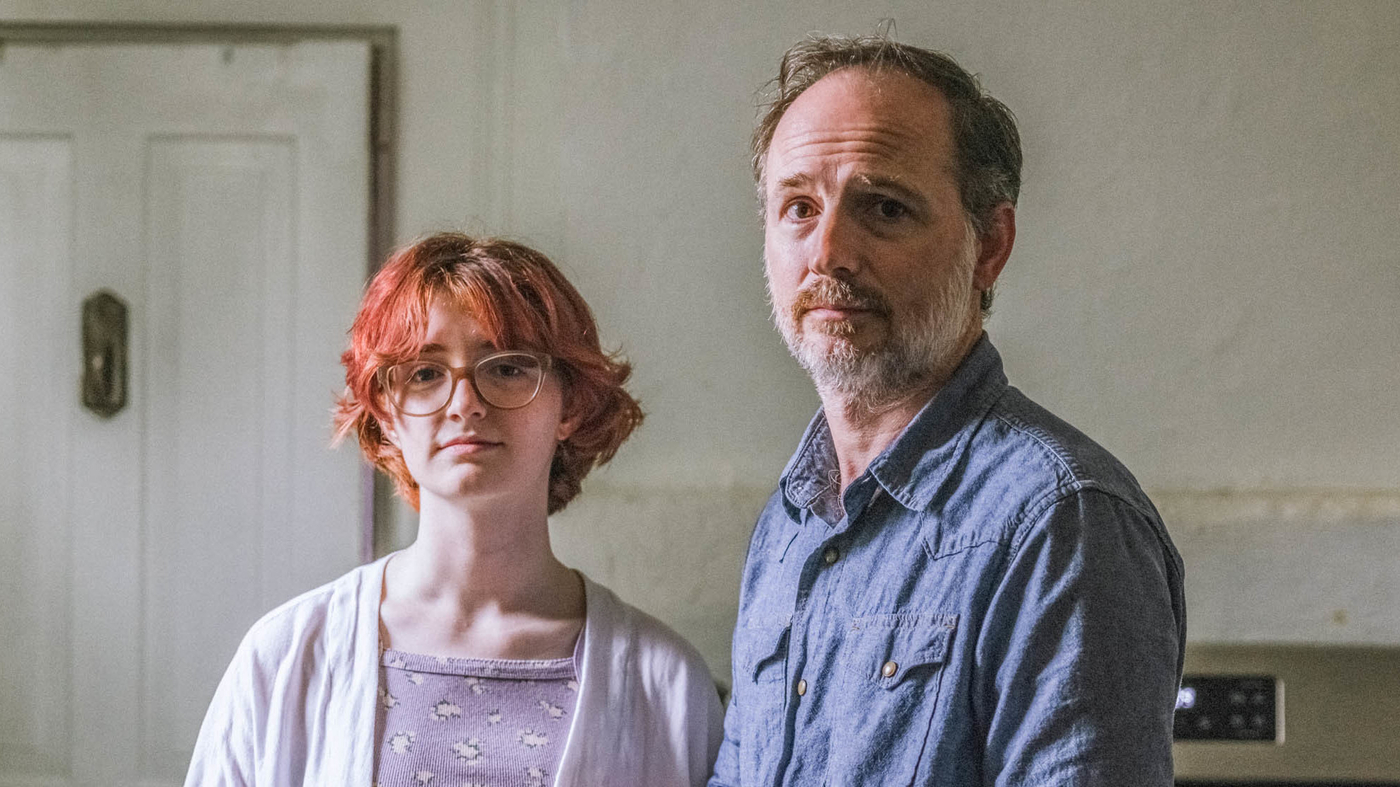
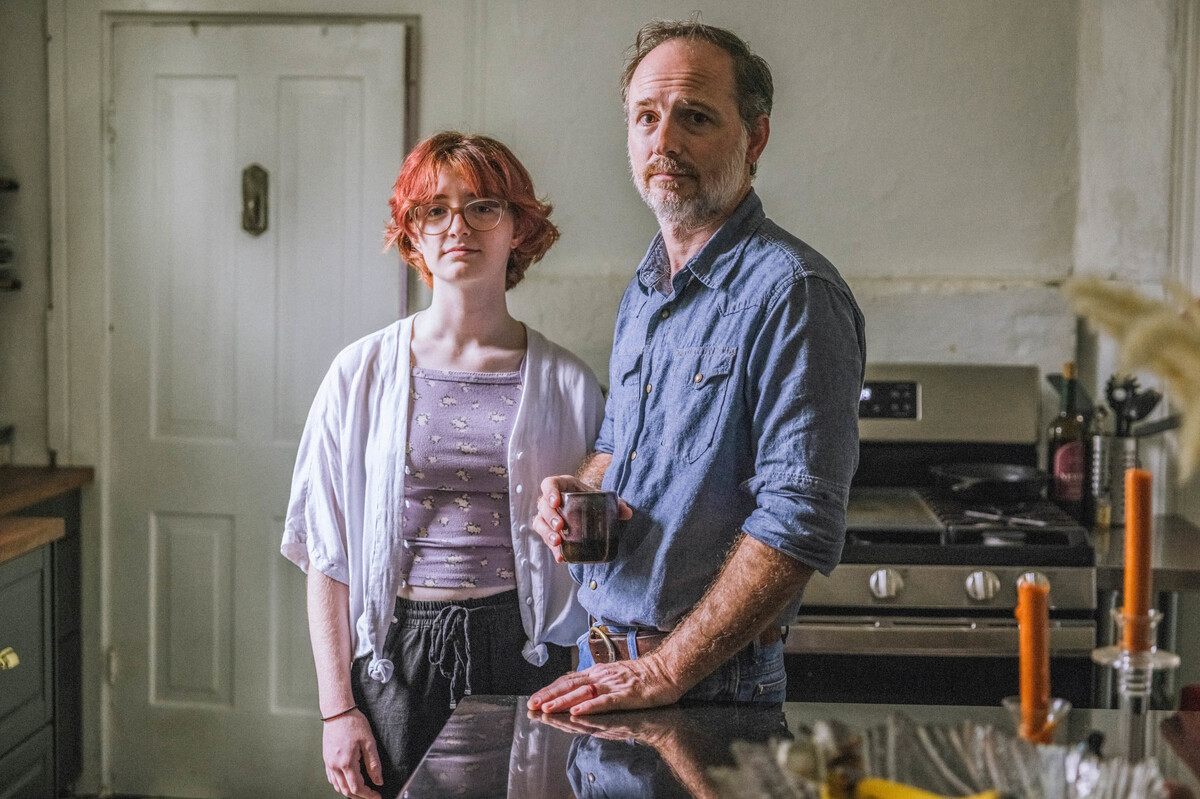
After Frankie Cook’s car accident on a wet road outside Rome, Ga., her father, Russell (right), got a lawyer’s letter saying they owed a hospital emergency room more than $17,000 for scans and an exam to see if she had a concussion.

Audra Melton for KHN


hide caption

toggle caption

Audra Melton for KHN

After Frankie Cook’s car accident on a wet road outside Rome, Ga., her father, Russell (right), got a lawyer’s letter saying they owed a hospital emergency room more than $17,000 for scans and an exam to see if she had a concussion.

Audra Melton for KHN

Frankie Cook remembers last year’s car crash only in flashes.

She was driving a friend home from high school on a winding road outside Rome, Ga. She saw standing water from a recent rain. She tried to slow down but lost control of her car on a big curve. “The car flipped about three times,” Frankie says. “We spun around and went off the side of this hill. My car was on its side, and the back end was crushed up into a tree.”

It sounds bad, but Frankie says the air bags deployed and both passengers were wearing seat belts, so she was left with just a headache when her father, Russell Cook, came to pick her up from the crash site.

Frankie Cook was driving a friend home from high school when her car ran off a winding country road and flipped multiple times, hitting a tree. Frankie escaped serious injury, but her family quickly ran into another problem after she was turned away from an urgent care clinic for insurance reasons.

Russell Cook


hide caption

toggle caption

Russell Cook

Frankie Cook was driving a friend home from high school when her car ran off a winding country road and flipped multiple times, hitting a tree. Frankie escaped serious injury, but her family quickly ran into another problem after she was turned away from an urgent care clinic for insurance reasons.

Russell Cook

Frankie, then a high school junior, worried that she might have a concussion that could affect her performance on an upcoming Advanced Placement exam, so she and her father decided to stop by an urgent care center near their house to get her checked out. They didn’t make it past the front desk.

“‘We don’t take third-party insurance,'” Russell says the receptionist at Atrium Health Floyd Urgent Care Rome told him, though he wasn’t sure what she meant. “She told me, like, three times.”

The problem didn’t seem to be that the clinic lacked the medical expertise to evaluate Frankie, and the family does have good health insurance. But, when injuries are the result of accidents, another insurer, such as auto or home, may be primarily responsible for the medical bills. Health insurance, if it’s on the hook at all, may kick in after the other insurer pays.

The Cooks seemed to be confronting a reimbursement policy that is often used by urgent care centers to avoid waiting for payments from car insurance settlements.

Russell was told to take Frankie to an emergency room, which by law must see all patients regardless of such issues. The nearest one, at Atrium Health Floyd Medical Center, was about a mile down the road and was owned by the same hospital system as the urgent care center.

There, Russell says, a doctor looked Frankie over “for just a few minutes,” did precautionary CT scans of her head and body, and sent her home with advice to “take some Tylenol” and rest. She did not have a concussion or serious head injury and was able to take her AP exam on time.

Then the bill came.

The patient: Frankie Cook, 18, now a first-year college student from Rome, Ga.

Medical services: A medical evaluation and two CT scans.

Service provider: Atrium Health Floyd, a hospital system with urgent care centers in northwestern Georgia and northeastern Alabama.

Total bill: $17,005 for an emergency room visit; it was later adjusted to $11,805 after a duplicate charge was removed.

What gives: The Cooks hit a hazard in the health care system after Frankie’s car struck that tree: More and more hospital systems own urgent care centers, which have limits on who they treat — for both financial and medical reasons.

Russell was pretty upset after he received such a large bill, especially when he had tried to make a quick, inexpensive trip to the clinic. He said Frankie’s grandmother had been seen at an urgent care center after a recent car wreck and walked out with a bill for just a few hundred dollars.

“That’s kind of what I was expecting,” he says. “She just really needed to be looked over.”

So why was Frankie turned away from an urgent care center?

Lou Ellen Horwitz, CEO of the Urgent Care Association, says it’s a pretty standard policy for urgent care centers not to treat injuries that result from car crashes, even minor ones. “Generally, as a rule, they do not take care of car accident victims regardless of the extent of their injuries, because it is going to go through that auto insurance claims process before the provider gets paid,” she says.

Horwitz says urgent care centers — even ones owned by big health systems — often operate on thin margins and can’t wait months and months for an auto insurance company to pay out a claim. She says “unfortunately” people tend to learn about such policies when they show up expecting care.

Fold in the complicated relationship between health and auto insurance companies and you have what Barak Richman, a health care policy professor at Duke University’s law school, calls “the wildly complex world that we live in.”

“Each product has its own specifications about where to go and what it covers. Each one is incredibly difficult and complex to administer,” he says. “And each one imposes mistakes on the system.”

Atrium Health did not respond to repeated requests for comment on Frankie’s case.

Horwitz dismisses the idea that a health system might push people in car wrecks from urgent care centers to emergency rooms to make more money off them. Still, auto insurance generally pays more than health insurance for the same services.

Richman remains skeptical.

“At the risk of sounding a little too cynical, there are always dollar signs when a health care provider sees a patient come through the door,” Richman says.

Dr. Ateev Mehrotra, a professor of health care policy at Harvard Medical School, says it was likely strategic for the urgent care center to be right down the street from the ER. Part of the strategy makes sense medically, he says, “because if a bad thing happens, you want to get them to someplace with more skill really quickly.”

But he also says urgent care centers are “one of the most effective ways” for a health system to generate new revenue, creating a pipeline of new patients to visit its hospitals and later see doctors for testing and follow-up.

Mehrotra also says urgent care centers are not bound by the Emergency Medical Treatment and Labor Act, a federal law known as EMTALA that requires hospitals to stabilize patients regardless of their ability to pay.

At the time of Frankie’s visit, both the urgent care center and emergency room were owned by Floyd health system, which operated a handful of hospitals and clinics in northwestern Georgia and northeastern Alabama. Since then, Floyd has merged with Atrium Health — a larger, North Carolina-based company that operates dozens of hospitals across the Southeast.

Frankie got a CT scan of her head and body in the emergency room, tests KHN confirmed she couldn’t have gotten at the urgent care center — regardless of whether the test was medically necessary or just part of a protocol for people in car wrecks who complain of a headache.

Resolution: Sixteen months have passed since Frankie Cook’s hospital visit, and Russell has delayed paying any of the bill until the remaining uncertainties are worked out, on advice he got from a family friend who’s an attorney. After insurance covered its share, the Cooks’ portion came to $1,042.

Getting to that number has been a frustrating process, Russell says. He heard about the initial $17,005 bill in a letter from a lawyer representing the hospital — another unnerving result of Frankie being in a car wreck. The Cooks then had to pursue a lengthy appeal process to get a $5,200 duplicate charge removed from the bill.

In the end, Anthem Blue Cross Blue Shield, the Cooks’ health insurer, paid $4,006 of the claim. It said in a statement that it’s “committed to providing access to high-quality medical care for our members. This matter was reviewed in accordance with our clinical guidelines, and the billed claims were processed accordingly.”

“It’s not going to put us out on the street,” Russell says of the $1,042 balance, “but we’ve got expenses like everybody else.”

He added, “I would have loved a $200 urgent care visit, but that ship has sailed.”

The takeaway: It’s important to remember that urgent care centers aren’t governed by the same laws as emergency rooms and that they can be more selective about who they treat. Sometimes their reasons are financial, not clinical.

It’s not uncommon for urgent care centers — even ones in large health systems — to turn away people who have been in car wrecks because of the complications that car insurance settlements create.

Although urgent care visits are less expensive than going to an emergency room, the clinics often can’t offer the same level of care. And you might have to pay the cost of an urgent care visit just to find out you need follow-up care in the emergency room. Then you could be stuck with two bills.

Bill of the Month is a crowdsourced investigation by KHN and NPR that dissects and explains medical bills. Do you have an interesting medical bill you want to share with us? Tell us about it!


[ad_2]

Source link

White House Gains Partners to End U.S. Hunger Within a Decade

White House Gains Partners to End U.S. Hunger Within a Decade

[ad_1]

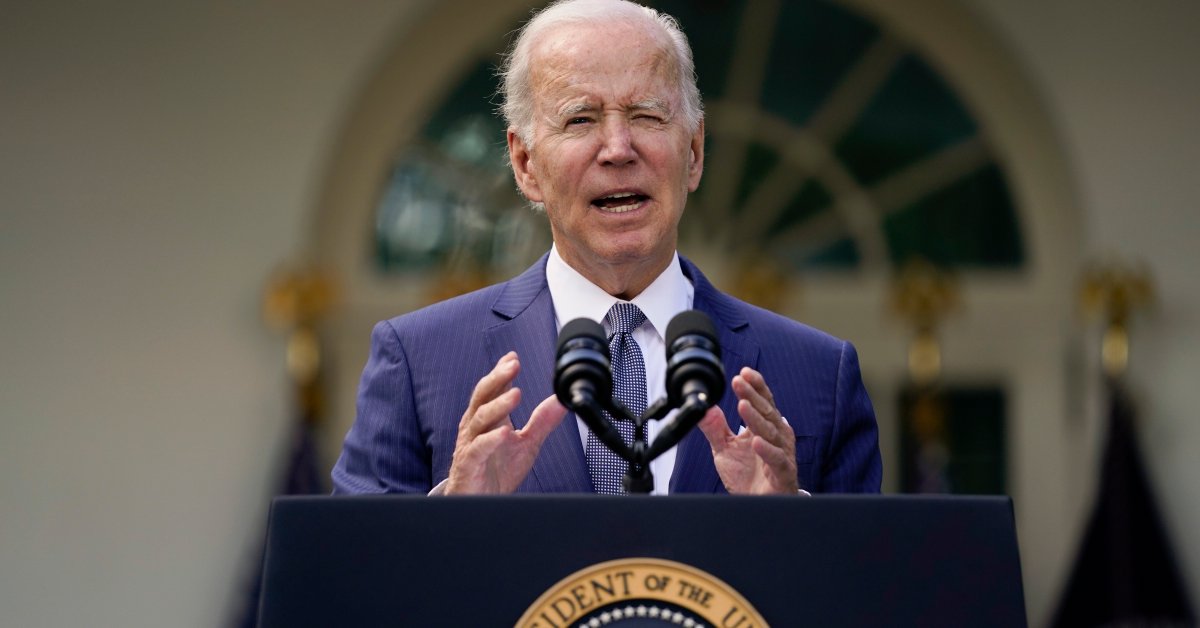
WASHINGTON — The Biden administration is counting on a variety of private-sector partnerships to help fund and implement its ambitious goal of ending hunger in America by 2030.

President Joe Biden is hosting a conference Wednesday on hunger, nutrition and health, the first by the White House since 1969. That conference, under President Richard Nixon, was a pivotal moment that influenced U.S. food policy agenda for 50 years.

The conference hosted by Nixon, a Republican, led to a major expansion of the Supplemental Nutrition Assistance Program, commonly known as food stamps, and gave rise to the Women, Infants and Children program, which serves half the babies born in the U.S. by providing their mothers with parenting advice, breastfeeding support and food assistance.

This year’s conference hosted by Biden, a Democrat, focuses on his goal of essentially ending food insecurity for all Americans by decade’s end. It also seeks to promote healthy eating, good nutrition and physical activity so that fewer people are afflicted with diabetes, obesity, hypertension and other diet-related diseases.

Before the conference, Biden’s administration released a list of more than $8 billion in commitments to the cause from private companies, charitable foundations and industry groups. They range from outright donations to in-kind contributions of services and include:

—A $20 million commitment from the Novo Nordisk pharmaceutical company to improve access to healthy foods and safe spaces for physical activity in marginalized communities.

—A $3.85 million commitment from the Publix grocery store chain to supply food to local food banks and establish free mobile food pantries.

—$22 million from the Danone food company to fund a program to help “at least 300 million Americans to build healthier dietary habits.”

—A commitment from the Meijer grocery store chain to offer up to a 10% discount to incentivize users of the SNAP program to buy fruits and vegetables.

Some of the conference’s goals sound reminiscent of former first lady Michelle Obama’s Let’s Move initiative to tackle childhood obesity and promote healthy eating, highlighting the need for access to better, healthier food and exercise.

While Biden is touting the successful buy-in campaign from the private sector, some of the strongest potential obstacles to his proposals lie in the increasingly partisan Congress.

Proposed policy changes include an expansion of SNAP eligibility, expanding access to free meals in schools and extending summer meal benefits to more schoolchildren. All of those changes would require congressional approval.

More Must-Read Stories From TIME


Contact us at [email protected].

[ad_2]

Source link

Alzheimer’s Drug Shows Promise in Early Results of Study

Alzheimer’s Drug Shows Promise in Early Results of Study

[ad_1]

Shares of Biogen and other drugmakers researching Alzheimer’s disease soared early Wednesday after Japan’s Eisai Co. said its potential treatment appeared to slow the fatal disease’s progress in a late-stage study.

Eisai announced results late Tuesday from a global study of nearly 1,800 people with early-stage Alzheimer’s.

The drugmaker said early results showed that its treatment, lecanemab, reduced patient clinical decline by 27% when compared to a placebo or fake drug after 18 months of the infused treatment. Patients were monitored using a scale that measures how they do in areas like memory, judgement, problem solving and personal care.

Eisai Co. Ltd. said it would discuss full results from the research at a conference in late November. It also plans to publish its findings in a peer-reviewed medical journal.

The company is already seeking an accelerated approval from the U.S. Food and Drug Administration, and the agency is expected to decide by early next year. Eisai and Biogen will co-promote the drug.

The initial results appear to be “quite robust” and will likely support regulatory approval, Mizuho Securities analyst Graig Suvannavejh said in a research note.

A statement from the Alzheimer’s Association called the findings the most encouraging to date for potential treatments of the underlying disease causes.

Alzheimer’s is a progressive neurological disease with no known cure. Long-standing treatments on the market just manage symptoms, and researchers don’t fully understand what causes the disease.

Last year, Biogen’s Aduhelm became the first new Alzheimer’s drug introduced in nearly two decades. But it has largely flopped after debuting with a price tag of $56,000 annually, which Biogen later slashed.

Doctors have been hesitant to prescribe it, given weak evidence that the drug slows the progression of Alzheimer’s. Insurers have blocked or restricted coverage over the drug’s high price tag and uncertain benefit.

Like Aduhelm, lecanemab, which Eisai developed and ran through clinical trials, seeks to remove a protein called beta-amyloid from the brain.

But Eisai executives say lecanemab focuses more on floating clumps of the protein before it forms a plaque, which is what Aduhelm targets.

Eli Lilly and Co. also is developing a potential treatment, donanemab, that helps clear the protein.

Shares of Cambridge, Massachusetts-based Biogen Inc. jumped more than 50% in premarket trading Wednesday morning to top $300. The stock had largely tumbled since Aduhelm’s debut last year.

Shares of Indianapolis-based Eli Lilly and Co. were up 8%.

More Must-Read Stories From TIME


Contact us at [email protected].

[ad_2]

Source link

The Pandemic Changed Paid Sick Leave, But Not For Everyone

The Pandemic Changed Paid Sick Leave, But Not For Everyone

[ad_1]

Starting next week, Starbucks workers will no longer have access to expanded paid sick leave that the company rolled out for COVID-19 illness, isolation, and vaccination. Going forward, employees will have to use whatever accrued sick time and vacation time they have to cover missed days should they fall sick with the virus—unless the state or city in which they work requires COVID-19 pay.

The coffee chain may be the latest large U.S. company to scrap its more generous sick-leave policies, but it’s hardly the first. When the U.S. Centers for Disease Control and Prevention (CDC) revised its quarantine and isolation guidance from 10 to five days late last year, for example, several major employers including Walmart and Amazon pulled back the amount of paid time off employees could take for COVID-19-related absences.

At the same time, however, state and local governments across the U.S. are enacting laws to ensure that companies operating in their jurisdictions provide workers with access to a minimum amount of paid sick leave. The question now is whether sick leave will become more widespread in a post-pandemic era, or largely revert back to pre-pandemic norms.

Americans’ spotty access to paid sick leave

When the pandemic hit the world in early 2020, the U.S. was the only one among 22 highly economically developed countries without guaranteed paid sick time, according to the Center for Economic and Policy Research. More than two years later, it still is. On Sept. 22, the Bureau of Labor Statistics released its annual paid leave benefits report that showed that 77% of private industry workers received paid sick leave in March 2022. That number has barely budged since the start of the pandemic, when 75% had paid sick leave.

Coverage is also uneven across the U.S. worker population. Large companies are more likely to provide some form of sick leave than smaller firms, as the below chart shows. Even more polarizing is worker salary: 94% of the highest earners have sick leave, compared with just 55% of the lowest earners. Such a disparity is especially sobering considering that lower-income essential workers, such as daycare providers and food-service employees, have little choice but to report to work in person, while higher-income desk workers can often perform their jobs at home.

One August analysis from researchers at the Urban Institute, a left-leaning think tank, and Boston University found that worker absences increased 50% in the first two years of the pandemic compared with the prior two years, with the biggest jumps among non-white and lower income workers. The data underscore the fact that disadvantaged populations are more likely to experience work absences due to personal or family illness, in part because their jobs have less flexibility.

At the same time, workers in these demographics are overall less likely to have paid sick leave benefits when they can’t report to work. The Urban Institute report found that while the unpaid absence rate increased by about 60% overall, it rose 74% for Black workers, and 83% for workers in households earning $25,000 to $50,000.

These findings are significant because the pandemic did spur governments and employers to offer more generous leave—but those efforts don’t cover all Americans, and the most vulnerable were left behind. In March 2020, the federal government offered paid leave for the first time under the Families First Coronavirus Response Act, giving two weeks to workers who were sick or were caring for a sick family member. The provision was narrow, as it excluded firms with 500 or more employees and allowed small employers to receive an exemption. What’s more, it was temporary, expiring about nine months after it was enacted.

Some states and smaller jurisdictions established or expanded paid leave laws during the pandemic, providing Americans with scattershot protections depending on where they work. Currently, 16 states have paid-leave laws, up from 10 prior to 2020, according to a September summary of laws compiled by Stateline, a nonpartisan news service funded by The Pew Charitable Trusts that tracks state policies, and A Better Balance, an organization that advocates for enhanced work-family policies. But at the same time, at least 17 states, most of which have no paid leave policies of their own, explicitly prohibit cities and counties from passing paid leave laws at the local level.

“Our approach in the U.S. has set us up for an economic failure and a public-health disaster,” says Chantel Boyens, a policy associate at the Urban Institute who co-authored the paper. “We had a lot of federal, state, and local actions—even private employer actions—in response to the pandemic to provide people with paid leave, but at the topline level, our data show that many workers were still not covered in a way that allowed them to take paid time off when they were sick. It’s a missed opportunity.”

Did the pandemic catalyze lasting change?

Still, Boyens is optimistic that sick-leave protections are moving in the right direction, and that the more state and local governments get on board, the more likely the federal government will take action. But it could still take a long time. President Biden’s Build Back Better proposal, which failed to gain enough support in the Senate to pass, had a number of social safety net provisions, including an original request for 12 weeks of paid family and medical leave, which was negotiated down to four weeks before the bill died.

Some experts who track benefits trends at the company level say that the available government data do not fully capture the nuances of paid-leave trends, and that many employers are improving leave benefits even as they roll back ones specific to COVID-19. Rich Fuerstenberg, a senior partner at Mercer Health & Benefits who studies and evaluates benefits among large employers, says that companies are providing more paid absence options for employees by allowing them to use sick time for family members or use vacation time and sick time interchangeably through a paid time off (PTO) plan.

Read More: Back-to-Office Pressure Is Creating a Crisis for Long COVID Patients

For example, according to a 2018 Mercer survey of employers, 18% of respondents said that sick leave must only be used for employees’ own illness. In 2021, that number was 12%, suggesting that companies are allowing wiggle room for workers who have to care for sick family members. That is stemming from HR departments and also externally from pandemic-era laws that mandate such allowances, Fuerstenberg says.

Similarly, in the 2018 survey, 61% of employers offered a PTO plan, rather than separately designated sick time and vacation time. In 2021, that number bumped up to 68%, but the range varies by industry, as the below chart shows.

“It’s still in that trend of flexibility,” Fuerstenberg says. “You can work things out between you and your manager—even among the hourly, non-exempt population—instead of having Big Brother looking over.”

Whether paid sick leave gains momentum in a meaningful way will also depend on the demands of the labor force. The pandemic drove employees to reevaluate their family time, physical health, and mental wellbeing. Even if their local laws don’t require paid sick leave, many workers will seek out the best work options for their lifestyle, and perhaps favor employers that offer generous benefits.

Alex Alonso, chief knowledge officer at the Society for Human Resource Management, believes that worker expectations—perhaps even more than labor laws—will determine the direction of paid leave going forward. Even before the pandemic, he says, paid leave laws expanded within a given industry when employers had to compete with one another for talent. The pandemic has only increased that pressure.

“Employees have been mindful that their employer is the steward of wellness programs in [their] life,” Alonso says. “Leave and paid leave is part of wellness. And today, talent has the upper hand.”

More Must-Read Stories From TIME


Contact us at [email protected].

[ad_2]

Source link

6 Groups Making Mental Health Care More Accessible to BIPOC

6 Groups Making Mental Health Care More Accessible to BIPOC

[ad_1]

The COVID-19 pandemic worsened mental health across the board in the U.S., but people of color—who disproportionately suffered the worst effects of COVID-19 and have historically lacked adequate access to mental health care—were hit especially hard. One 2022 study found that Black, Hispanic, and Asian adults in the U.S. “exhibited much worse mental health during the pandemic compared to before the pandemic,” while white adults experienced a less stark decline.

Yet white Americans are still far more likely to receive professional mental-health care. Many obstacles keep people of color from receiving this sort of help, including financial and insurance limitations, a persistent stigma of seeking help for these issues in many communities of color, and barriers to finding a therapist with a similar cultural background.

Here are some organizations working to bridge that gap.

National Queer and Trans Therapists of Color Network

The National Queer and Trans Therapists of Color Network is a national organization that provides a directory of hundreds of queer and trans therapists of color. The organization, which was founded by therapist Erica Woodland in 2016, hopes to make it easier for queer and trans people of color to find mental-health practitioners. The organization also runs the Mental Health Fund for Queer and Trans Black, Indigenous and People of Color, launched in 2017, which has raised nearly $50,000 that has been distributed to “primarily Black, trans, and non binary folks” for their therapy needs, Woodland says. Applicants for the fund can request up to $100 per session for up to six sessions with a therapist.

Asian Mental Health Project

Carrie Zhang created the Asian Mental Health Project in 2017 after she noticed a lack of resources dedicated to Asian mental health. The organization educates and empowers pan-Asian communities to seek mental-health services by hosting mostly virtual wellness events, weekly check-ins that function as support groups, and workshops with speakers. The group also started fundraising for a mental-health fund through which the organization hopes to provide 25 people facing financial hardship with a $500 stipend to dedicate to mental health or wellness services.

Read More: How 988 Will Transform America’s Approach to Mental Health

“We anticipate people either using that money to seek a therapist or to take care of their therapy co-pays, but we also recognize that when it comes to mental health and wellness, it’s more than just therapy,” says Jennifer Tarm, director of partnerships at the organization. Acupuncture and other holistic modes of healing can also qualify.

HealHaus Therapy Fund

The HealHaus Therapy Fund, started by Brooklyn-based wellness center HealHaus, was created in 2021 to bring individual talk therapy to Black, Indigenous, and people of color (BIPOC); so far, 50 people have benefited from the fund. The fund’s ultimate goal is to offer eight weeks of free therapy to 100 people. “Therapy can be expensive and is considered a luxury for most,” says Darian Hall, co-founder of HealHaus. “Many insurance companies don’t cover therapy services, so this was a way for us to introduce therapy to those that may have never done it.”

Loveland Foundation’s Therapy Fund

The Loveland Foundation’s Therapy Fund was created in 2018 with a focus on Black girls, women, and nonbinary people who are seeking therapy. The fund covers up to 12 sessions for its recipients, and since it began it has already provided 72,000 hours of therapy. The Loveland Foundation also runs free support groups, which provide tools for navigating the challenges associated with mental illness in communities of color. “We’re working to provide equitable access to therapy and destigmatize the topic of mental health within our community,” says Hannah Tall, director of programs at the Loveland Foundation.

Therapy for Black Girls

Psychologist Joy Harden Bradford started Therapy for Black Girls as a mental-health blog in 2014, and by 2017, it had evolved to include a popular podcast and a therapist directory of predominantly Black female therapists. Today, more than 5,000 therapists are on the list. “There’s still a ton of stigma related to mental health in the Black community,” says Harden Bradford. “When people are considering therapy, one of the things that often makes them more comfortable is getting an appointment with a therapist who looks like them.”

Therapy for Latinx

Therapy for Latinx, which launched in 2018, provides a directory of about 500 therapists who specialize in issues relevant to the Latinx community. Founder Brandie Carlos came up with the idea after having trouble finding a therapist to help her cope with a friend’s suicide. While she found other directories for people of color, she didn’t come across anything specifically for the Latinx community—so she created one herself. “If I was having a hard time finding a therapist,” Carlos says, “I knew other people in my community were as well.”

If you or someone you know may be experiencing a mental-health crisis or contemplating suicide, call or text 988. In emergencies, call 911, or seek care from a local hospital or mental-health provider.

More Must-Read Stories From TIME


Contact us at [email protected].

[ad_2]

Source link

Weight Lifting May Help You Live Longer, Study Says

Weight Lifting May Help You Live Longer, Study Says

[ad_1]

Lifting weights can build strength, add muscle, and put you in a good mood. Now, a new study finds that the practice may have an even bigger benefit: a longer life.

An observational study of nearly 100,000 people over about ten years, published Sept. 27 in the British Journal of Sports Medicine, found that people who reported lifting weights once or twice a week—without doing any other exercise—had a 9% lower risk of dying from any cause except for cancer. People who paired 1-2 days of weekly weight lifting with aerobic exercise fared even better; their risk of dying was 41% lower than those who did not exercise.

Jessica Gorzelitz, an assistant professor of health promotion at the University of Iowa and co-author of the study, says that the findings fit with the federal activity guidelines, which recommend that adults do at least 150 minutes of aerobic exercise per week, plus muscle-strengthening exercises two or more days a week. “If you want the biggest bang for your buck, the lowest risks were observed in those groups that were doing both aerobic exercise and weightlifting,” says Gorzelitz.

Read More: Can Exercise Prevent Depression? Here’s What the Science Says

While other studies have found that muscle-strengthening exercises improve health, Gorzelitz—who’s a power-lifter—says she couldn’t find any research on weight lifting and mortality, which is why she decided to study that question. The results are especially important for women, she says, because they seemed to get an even bigger benefit from weight lifting than men in the study. When Gorzelitz worked as a personal trainer, women often told her they feared that strength exercises would make them “too bulky”—a common misconception about weight lifting, Gorzelitz says. “Beyond our study, we see that it’s linked with better muscle mass, healthier muscle…and stronger bones,“ she says. “It’s really important to not just live long, but to live well.”

The study has several limitations. Researchers weren’t able to analyze the intensity and other details about the weight lifting workouts. People in the study also tended to be older than the general population, with an average age of 71, which means that the results might not generalize to younger adults.

It also raises further questions to explore. Even though the study did not find a link between weight lifting and a reduction in deaths caused by cancer, it could require longer term follow-up studies, says Alpa Patel, a senior vice president at the American Cancer Society. For instance, “we know from various other studies that strength training is beneficial for survival after a cancer diagnosis,” she says. Another intriguing finding was that people who did aerobic exercise and lifted weights three to seven times a week—which exceeds the federal guidelines—had an even lower risk of death, although Gorzelitz noted that this is a single study’s finding, and the guidelines come from the totality of evidence. So far, it’s unclear whether the benefits have an upper limit.

Other research provides plausible reasons why weight lifting could lower the risk of death. The exercise improves body composition, trims fat, and builds muscle, which research has linked to a lower risk of death from any cause, especially cardiovascular deaths.

Despite the clear benefits, however, less than a quarter of Americans meet the U.S. physical activity guidelines. “People don’t have to run out and start training for bodybuilding,” Gorzelitz says. “Doing something is better than nothing.” Start slow and look for help online or from a personal trainer, she says. “It’s okay to start with small steps for improving your health.”

More Must-Read Stories From TIME


Contact us at [email protected].

[ad_2]

Source link