Common Chemicals: Breast Cancer Link?

Common Chemicals: Breast Cancer Link?

[ad_1]

Pesticides. Plastics. Cosmetics. Deodorants. Cookware. Stain-resistant furniture. Computers.

What do all these seemingly unrelated items have in common?

At one time or another, all have been suspected of increasing the risk of breast cancer.

The important point to recognize is that most researchers agree that there are no solidly proven links between these — or other similar environmental factors — and the risk of breast cancer.

The troubling aspect of this, however, is that many believe it’s just a matter of time before we connect the scientific dots and see a picture of increased risk.

“It’s true that we have no direct links. But what we do have is a compilation of epidemiological studies, cell culture studies, and animal data that are all consistent and I believe are coming together to show us that some of what women are exposed to every day may be increasing their risk of breast cancer,” says Janet Gray, PhD, professor and chairman of the department of psychology at Vassar College. Gray, together with experts from the University of Pittsburgh Cancer Institute, recently compiled a report on what we know thus far about the environmental links to breast cancer.

Gray says that while there may be no smoking gun that implicates any one area of concern, or even one chemical, she says the evidence is starting to mount indicating that steady, personal exposure to low levels of lots of different chemicals does matter.

“What’s really new in this field,” says Gray, is that “finally people are starting to look at interactions — and the fact that exposure to low doses of lots of different chemicals may yield a result similar to a high-dose exposure to one chemical.”


Our Chemical Exposure

And just how many chemicals are we exposed to on regular basis? According to Richard Wiles, senior vice president of the Environmental Working Group (EWG), more than you might imagine.

He reports that an ongoing EWG monitoring project which regularly tests blood, cord blood, urine, and breast milk from 72 adults has so far identified the presence of 455 chemicals that should not be in the body.

“If you had one or two you would say not a big deal. But you can’t say that the whole 455 aren’t doing something harmful to the body. That just doesn’t seem plausible,” says Wiles.

Moreover, he reports that a recent EWG survey of some 2,300 Americans found that the average adult is exposed to 126 chemicals every day — just in their personal care product use alone.

“One in every 13 women is exposed to a known or a probable human carcinogen every day, with one in every 24 women — or 4.3 million total — exposed to personal care ingredients that are known or probable reproductive and developmental toxins,” says Wiles.

But does this mean there is a direct environmental route from chemical exposure to breast cancer?

“Is there a direct connection we can make between the use of these products and breast cancer?” asks Julia Smith, MD. “No. But there are strong scientific suspicions that some of the chemicals found in the environment, including those used in cosmetics and other personal care items, might increase the risk, especially if there is heavy exposures before the age of 25.” Smith is the director of breast cancer screening and prevention and of the Lynne Cohen Breast Cancer Preventive Care Program at NYU Cancer Institute and Bellevue Medical Center in New York City.

How Breast Cancer Develops

Though the lines between environmental assaults and breast cancer may be somewhat blurred, understanding a bit more about how breast cancer occurs brings at least some of the suspicions into focus.

As Smith explains, breast cancer doesn’t happen overnight — or even as the result of one chemical exposure. It is, in fact, a long and arduous process that begins years before you discover that lump in your breast.

“Problems usually begin when something goes awry in breast tissue on a cellular level many years earlier,” says Smith.

Every healthy cell in our body goes through a life cycle that involves growth and division — a process known as mitosis. That process, says Smith, is controlled by multiple factors. These include a number of genes that tell the cells to grow and those that tell them to stop growing.

If something happens which damages this process, Smith says, cells can begin growing out of control.

“Over time, these cells come together to form a tumor — the lump you find in your breast,” says Smith.

So what does all this have to do with the environment? Many doctors believe that exposure to certain chemicals may damage one or more of the “control” genes, thus putting the cancer process in motion.

“We don’t have any clear evidence yet that this is what’s happening, but it’s one of the possibilities,” says Smith.

Though almost any woman has the potential to be affected, experts now believe those at greatest risk are young women — between puberty and age 25.

Why? These are the years when breast tissue is developing, and, says Smith, is most susceptible to outside influences.

Smith tells WebMD that women won’t see the effect right away. But exposures, which occur during these early years, may launch a domino effect of cellular activity that can eventually result in breast cancer.

This is much the same thinking that led researchers to conclude that the cellular damage that occurs as the result of a sunburn before age 17 starts a process that can end up as a deadly melanoma skin cancer decades later.

The Role of Genetics

While every woman has at least the potential to succumb to environmental influences, not every one will. What makes the difference? Our genetics — the individual blueprint that governs how every cell in our body is supposed to act.

“Inside each cell is all our genetic material — the total number of genes from both parents,” says Smith. The genes that are “expressed,” she says, are those that we see — for example, blue eyes or brown hair.

But what we see is only a small portion of our genetic makeup. Most of what is in our cells is “unexpressed” — including our risk for certain diseases.

And while there are some clear-cut genetic links to breast cancer that a woman can inherit, this group makes up a relatively small segment of the breast cancer population.

What is likely to affect many more of us, says Smith, is a genetic predisposition — a gene that is lying dormant in our body that, when awakened by some circumstance, increases the risk for breast cancer.

“Once the gene is aroused, it begins to express itself — and that expression can cause the kind of cellular changes that eventually lead to cancer,” says Smith.

Many believe that it is environmental exposures — including chemicals — that can awaken at least some of those dormant genes and put a woman on the cellular path to breast cancer.

Reducing Risks: What Women Can Do

While we can’t change our genetics, experts say we can, to some extent, control our environment.

And while you may be thinking this means avoiding carcinogens — chemicals known to cause cancer — experts say when it comes to breast cancer, of far greater concern is exposure to what are called “endocrine disrupters.” These are chemicals and byproducts that, when inhaled, ingested, or absorbed through the skin, can either mimic the effects of estrogen in the body or cause estrogen to act in a way that isn’t normal.

Since it is estrogen that can spark the growth of many tumors, Gray says anything that interferes with estrogen metabolism has the potential to cause harm.

“These chemicals cause a ‘triple whammy’ — they increase levels of estrogen, alter cell metabolism, and influence the pathways that increase the risk of cancer,” says Gray.

Antiperspirants and Breast Cancer

Based on a recent study in the Journal of Applied Toxicology, cancer researcher Philippa Darbre, PhD, of the University of Reading in England, says the evidence is mounting that the aluminum-based active ingredient in antiperspirants can mimic estrogen in the body.

At the same time, in a report released in 2004, officials with the National Cancer Institute wrote that there was “no conclusive research” linking the use of underarm antiperspirants or deodorants to breast cancer.

And the American Cancer Society (ACS) says that most research on environmental links to breast cancer remains unproven and that research linking deodorant use to breast cancer remains weak.

ACS spokeswoman Elizabeth Ward, PhD, previously told WebMD that there is not much evidence that any environmental exposure has a big impact on breast cancer risk. She points out that studies examining pesticides known to mimic estrogen have failed to show a link between exposure and breast cancer.

“This is a topic that is still under study, and it is important to study it further,” she says. “But no strong evidence has emerged of a relationship [between breast cancer risk] and exposure to environmental contaminants.”

Smith offers this advice: “You have to accept in life that there is a great deal we don’t know — and just stay as close as possible to a natural state of living. Cut down where and when you can and minimize risks when and where you can in all areas of your life.”

To help all women make more intelligent lifestyle, personal care, and environmental choices, Gray and her colleagues at Vassar and the University of Pittsburgh Cancer Institute have created an educational CD that can be requested via their web site (www.erbc.vassar.edu).

Additionally, the Environmental Working Group offers an online database of some 14,000 personal care products rated by their level of chemical contaminants.

[ad_2]

Source link

QB’s Head Injury Spurs Scrutiny of NFL Concussion Protocol

QB’s Head Injury Spurs Scrutiny of NFL Concussion Protocol

[ad_1]

By Dan Diamond/The Washington Post

Sept. 30, 2022 — A high-profile NFL injury has put the spotlight back on football’s persistent concussions, which are linked to head trauma and a variety of long-lasting symptoms, and can be worsened by rushing back to physical activity.

Miami Dolphins quarterback Tua Tagovailoa, who appeared to suffer head trauma in a prior game Sunday afternoon that was later described as a back injury, was diagnosed with a concussion Thursday night following a tackle in his second game in several days. After Tagovailoa’s head hit the turf on Thursday, he remained on the ground and held his arms and fingers splayed in front of his face – which experts said evoked conditions known as “decorticate posturing” or “fencing response,” where brain damage triggers the involuntary reaction.

“It’s a potentially life-threatening brain injury,” said Chris Nowinski, a neuroscientist and co-founder of the Concussion Legacy Foundation, a nonprofit group focused on concussion research and prevention, adding that he worried about Tagovailoa’s long-term prognosis, given that it can take months or years for an athlete to fully recover from repeated concussions. Nowinski said he was particularly concerned about situations where people suffer two concussions within a short period – a condition sometimes known as second impact syndrome – which can lead to brain swelling and other persistent problems.

“That’s why we should at least be cautious with the easy stuff, like withholding players with a concussion from the game and letting their brain recover,” Nowinski said.

The Dolphins said that Tagovailoa had movement in all of his extremities and had been discharged Thursday night from University of Cincinnati Medical Center.

The NFL’s top health official said in an interview on Friday that he was worried about Tagovailoa’s health, and pointed to a joint review the league and its players association was conducting into the Dolphins’ handling of the quarterback’s initial injury on Sunday.

“Obviously, I am upset and concerned just like any fan and just like any physician is any time one of our players suffers any type of injury,” said Allen Sills, the NFL’s chief medical officer. “We want to be thorough, and we want to be consistent and be fair to everyone involved and make sure that we have all the data on hand before we reach a final determination.”

– How athletes – and the rest of us -get concussions

The causes and symptoms of concussions vary widely. Some athletes compete for years in contact sports like football without suffering a concussion, while other people can be concussed from a sudden jolt, such as whiplash from a car accident, without even hitting their heads.

But in many cases, the condition is triggered by a blow to the head, which can lead to days or weeks of headaches, memory problems, mood changes and sleep disorders. People recovering from concussions may be unable to balance themselves, see clearly or control their emotions. Neurologists also have warned that repeated concussions appear to be a contributor to a neurodegenerative disease known as chronic traumatic encephalopathy, or CTE.

“When you’ve seen one concussion, you’ve seen one concussion . . . there’s just such wide variability,” said Jennifer Wethe, the lead neuropsychologist for the Mayo Clinic Arizona Concussion Program, adding that it’s a common problem beyond professional sports. “Most of us at some point in our life probably will have a concussion . . . and if it’s managed appropriately, and [you’re] not having one concussion on top of another, we’ll end up recovering fine.”

Medical experts who treat concussion say it can be difficult to diagnose, particularly in athletes who may conceal their injuries because they fear losing playing time and opportunities, or because they don’t experience symptoms for hours after the initial blow.

“This is a subjective injury until you get something like” Tagovailoa’s visible symptoms, said Dustin Fink, head athletic trainer for the Mount Zion, Ill., school district, who also runs The Concussion Blog. “As medical professionals, we are so reliant upon the athlete telling us what’s going on with them, to help us make a judgment or decision. Because they can pass tests that we give them.”

Fink said that on Thursday night – as millions of people tuned in to watch the Dolphins face the Cincinnati Bengals – he was working as a trainer at a freshman football game in Illinois where a 14-year-old player visibly stumbled after getting hit, but was initially evasive about his symptoms.

“He was afraid that this was concussion number X and he was done for his career,” Fink said. Under the school’s concussion protocol, Fink said the player was held out of the game and will be reevaluated Friday within 24 hours after the apparent injury.

Experts also say that the risks tend to be cumulative; a person who has suffered repeated blows to the head, such as a football or rugby player, is more likely to suffer a concussion and also incur long-lasting symptoms. A person healing from a recent concussion is also more susceptible to suffering another concussion.

“On rare occasions, receiving another concussion before the brain has healed can result in brain swelling, permanent brain damage, and even death, particularly among children and teens,” the Department of Health and Human Services warns.

The consequences are particularly severe for mental health, with experts warning of a strong association between head injuries and potentially lifelong neurological problems.

“Concussions are a cause of novel mental health disorders like anxiety, depression, self-harm and suicidal ideation,” said Nowinski.

In rare cases, a concussion can lead to a blood clot forming on the brain, creating pressure in the skull and requiring surgery to remove the clot.

– What is the NFL concussion protocol?

The NFL finalized a new concussion protocol in 2011 and has repeatedly updated it amid intense scrutiny and lawsuits filed by thousands of former players, alleging the league downplayed head injury risks for decades.

Under the current protocol, a player must be immediately removed from a game and evaluated for a concussion if he reports symptoms, or if a trainer, coach, teammate or others tasked to observe the game suspect a concussion. The player then must undergo a series of quick exams, such as repeating words back in a memory test, showing coordinated eye movement and demonstrating balance.

Those diagnosed with concussion must undergo a five-step process before returning to play, which includes being able to complete football-related activities without any symptoms – a hurdle that some players complete within a week, but that has ended others’ careers. The player must also be cleared by a team doctor, as well as by an independent physician jointly approved by the league and its players’ union.

But Nowinski noted potential “gaps” in the NFL’s protocol: A doctor can send a player back into a game, for instance, if he concludes that signs of an apparent concussion – like a player stumbling to stand after a blow to the head – are caused by something besides a head injury.

NFL players also are initially evaluated for concussion in a blue tent on the sideline of the field, which is intended to provide privacy for a diagnosis, but has often led to players returning within a few minutes of a blow to the head.

“Maybe it’s time to reconsider whether the protocol is not strong enough and that every player who’s suspected [of concussion] needs to be out and do a full 15-minute locker room evaluation,” Nowinski said, although he noted Tagovailoa did go through a locker room evaluation before returning to play.

Sills, the NFL’s medical officer, on Friday defended the protocols, saying the league had developed them through recommendations from experts on brain and spinal trauma, most of whom do not work with NFL teams. “We’re constantly updating and looking to modify the protocol as we learn more from our own data and also as we learn more from the scientific community,” he said.

Concussion care has rapidly evolved in recent years, as experts learn more about the brain, Wethe noted. For instance, she said the maxim “rest is best” was a cornerstone of concussion therapy for years, with patients urged to cloister in dark rooms for days until their symptoms resolved.

“Now, we recognize that too long of that rest and kind of cocoon therapy can almost be detrimental,” Wethe added, saying that “one to three days of relative rest followed by a gradual return to normal activities is best. And we’ve even realized that past those acute stages, exercise can actually be rehabilitative.”

Wethe said that she and her colleagues have worked to develop a program to train parents and coaches on how to check young athletes for head injuries. “When in doubt, check them out,” she said.

Rep. Bill Pascrell Jr. (D-N.J.), who founded the Congressional Traumatic Brain Injury Task Force, said Tagovailoa’s injury underscores the need for better concussion funding, awareness and care at all levels. The congressman has spent more than a decade pushing legislation to improve concussion care, including reintroducing a bill this spring that would standardize how public schools treat athletes who have suffered concussions.

“Concussions are devastating and as a nation we must do more to protect people with brain injury – that starts with our pro sports leagues,” Pascrell wrote on Twitter.

– Why Tagovailoa may have been at higher risk

Heading into Thursday night’s game, Nowinski had called for the Dolphins to bench their quarterback, arguing the team was hiding a concussion that Tagovailoa suffered just days earlier and was rushing him back to competition, elevating the risk of a more serious brain injury.

“If Tua takes the field tonight, it’s a massive step back for #concussion care in the NFL,” Nowinski wrote on Twitter on Thursday, several hours before the game.

Nowinski said he took no pleasure predicting Tagovailoa’s injury.

“Frankly, it didn’t take a genius to figure out that this was possible,” he said.

Tagovailoa on Sunday afternoon had visibly stumbled and appeared to have trouble standing following a tackle where his head snapped back into the ground. While the Dolphins initially said the quarterback had suffered a head injury, the team quickly reclassified it as a back injury and Tagovailoa returned to Sunday’s game. The move prompted an outcry from public health experts, and the league and its players association opened an investigation, although the NFL on Wednesday said the Dolphins appeared to follow the league’s concussion protocol and properly care for Tagovailoa.

Nowinski said that Tagovailoa’s injury on Sunday “showed five separate signs of concussion,” and that it was not plausible he was suffering only from a back injury.

“First, he grabbed his helmet after his head hit the ground. Then he stood up and had [to] . . . step backwards because he was off balance. Then he shook his head side-to-side in a classic shaking off the cobwebs motion, which I do not know another reason why you do that unless you’re having a visual disturbance after concussion. Then he fell. Then when he stood up, he was gonna fall again if . . . his teammates didn’t hold him up,” Nowinski said.

– How common are football concussions?

More than 100 NFL players per year report concussions, with the true number considered to be well higher.

“I’ve definitely had concussions,” star quarterback Tom Brady acknowledged in a 2020 interview with Howard Stern in 2020, several years after his wife, Gisele Bündchen, claimed that Brady had suffered multiple concussions despite never being diagnosed with the injury.

While many athletes rapidly return to play after concussions – potentially lured by the incentives or the fear of losing opportunities – others can struggle to make it back. Former NFL players like Austin Collie, Kyle Fitts and Jordan Reed have retired in recent years, citing multiple concussions.

Donald Parham, Jr., a tight end for the Los Angeles Chargers, was injured in a nationally televised game in December 2021, where – like Tagovailoa – he rigidly positioned his arms after impact and was admitted to a hospital.

While Parham, Jr., has said he has recovered from that concussion, he has not played in the NFL since that game, with the team citing a hamstring injury this season.

– Why experts are concerned about Tagovailoa

Nowinski, who played football at Harvard University before becoming a professional wrestler with World Wrestling Entertainment, said he was worried about Tagovailoa’s long-term prognosis following Thursday night’s injury.

“The problem is Tua has two brain injuries in four days, which may end his career,” Nowinski said. “And I know this because I had two concussions in a month 19 years ago, and that ended my [professional wrestling] career. And I now have met dozens and dozens of people who had their career ended by too many concussions in a row.”

Physicians, lawmakers and other experts cite progress in the NFL and other leagues in combating concussions, but say athletes and teams still have incentives to hide injuries.

Following Tagovailoa’s removal from Thursday’s game, the announcers on Amazon Prime did not immediately address his injury on Sunday, and avoided using the term concussion. (Amazon founder Jeff Bezos owns The Washington Post.)

“When are we finally going to put our foot down and say that enough is enough? ” Rep. Jan Schakowsky (D-Ill.), who has spent years pressing the NFL on its concussion protocols, said in a statement to The Washington Post. “So long as this game is played, more resources must be devoted to prioritizing player safety, The NFL must take full accountability for the harms inflicted on its players, and anyone in the Dolphins organization, including leadership, found to have broken concussion protocols must be held accountable.”

(c) 2022, The Washington Post

[ad_2]

Source link

Ohio Reports Death of Monkeypox Patient

Ohio Reports Death of Monkeypox Patient

[ad_1]

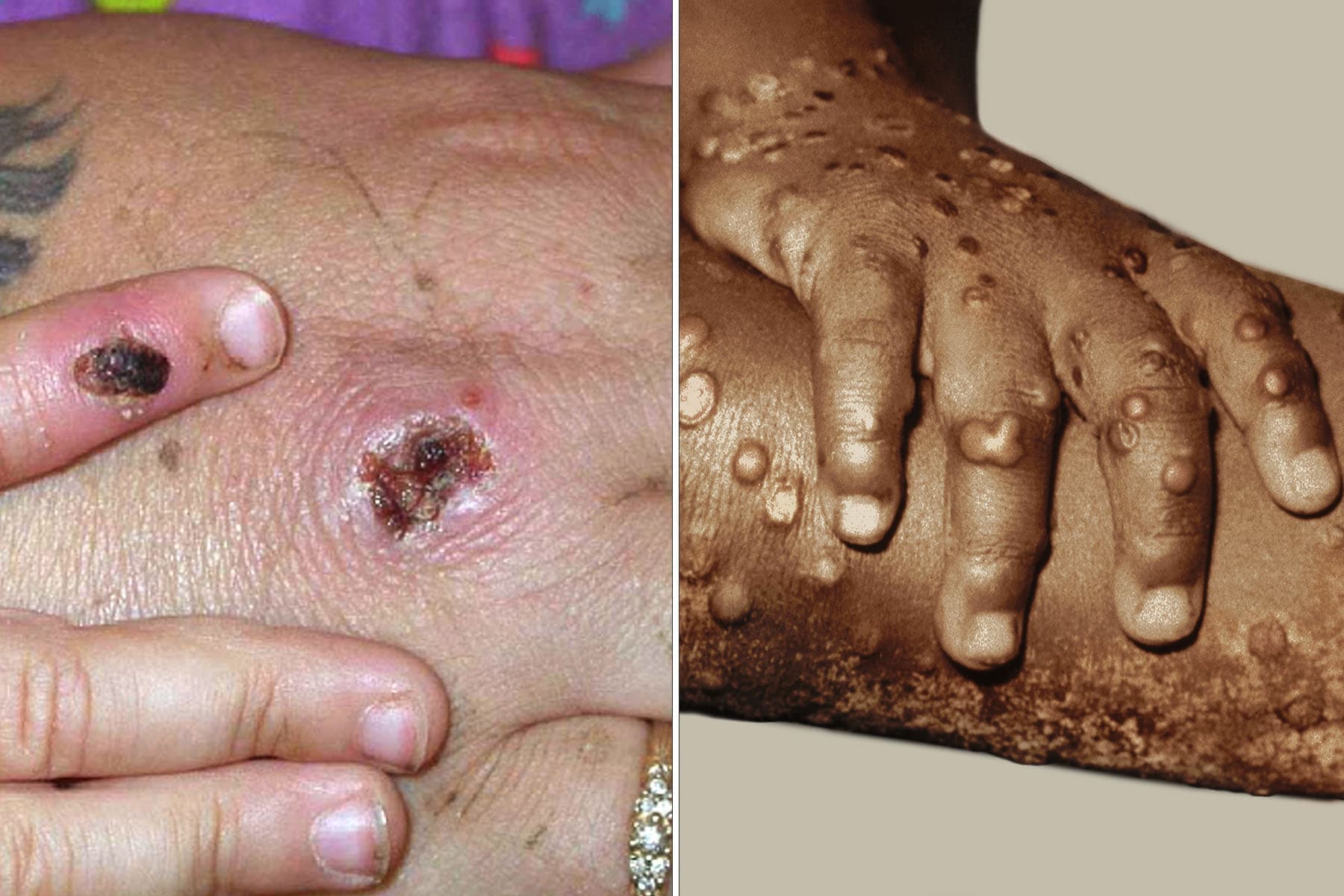
Sept. 30, 2022 — Ohio health officials reported the death of a monkeypox patient, marking the third known death of a U.S. patient with monkeypox, according to CNN.

The Ohio Department of Health said Friday that an adult male with monkeypox died. He also had “other health conditions,” CNN reported, but no other details were released.

On Thursday, the CDC issued a new warning to health care providers about severe illnesses in people with monkeypox, particularly those with weak immune systems due to HIV or other conditions.

“During the current outbreak in the United States, 38 percent of people diagnosed with monkeypox were coinfected with HIV and most reported cases of monkeypox with severe manifestations have been among people living with untreated HIV,” the CDC wrote.

The CDC said some people in the U.S. have had “serious manifestations” of the monkeypox virus, including prolonged hospitalizations and “substantial” health problems. Some of the severe issues have included:

  • A persistent rash with tissue that is dying or wounds growing together, including some that required extensive surgery or amputation of a limb on the body 
  • Injured tissue or wounds in sensitive areas, such as the mouth, urethra, rectum, or vagina, that cause severe pain and interfere with daily activities
  • Bowel wounds or injured tissue with significant swelling, sometimes leading to obstruction
  • Injured tissue or wounds that cause scarring with “significant” effects in areas like the genitals, bowels, or face
  • Involvement of multiple organ systems and associated conditions, such as encephalitis, myocarditis, conjunctivitis, and corneal ulcerations

The CDC noted that most people diagnosed with monkeypox have had mild or moderate illness, although severe cases can happen in anyone. The health alert urged health care providers to be aware of risk factors for severe monkeypox and said anyone with suspected or confirmed monkeypox should be tested for HIV. 

Doctors should also check whether someone has a weak immune system due to another chronic condition or an immune-related medication, the CDC said. Before undergoing monkeypox treatment, patients with weak immune systems should stop other medications that could affect their immune system. Those with HIV should have antiretroviral therapy.

The first U.S. death due to monkeypox was confirmed earlier this month in Los Angeles County, California, CNN reported. Health officials said the person had a severely weakened immune system and had been hospitalized.

In August, a person in Texas died after contracting monkeypox. But health officials haven’t determined or disclosed whether the virus played a role in the patient’s death, CNN reported.

More than 68,000 monkeypox cases and 27 deaths have been reported worldwide, according to the latest CDC data

In the U.S., more than 25,000 monkeypox cases have been reported, CDC data shows. Case numbers appear to be falling, CNN reported, which health officials have attributed to an increasing number of people who have been vaccinated against the virus.

Earlier this week, the CDC expanded eligibility for the Jynneos monkeypox vaccine to high-risk people who haven’t yet been exposed to the virus, according to Reuters. The CDC said high-risk people — such as men who have sex with men or those who live with HIV — were 14 times more likely to be infected if they were unvaccinated, as compared with those who were at least two weeks past their first vaccine dose.

[ad_2]

Source link

COVID Attacks DNA in Heart, Unlike Flu, Study Says

COVID Attacks DNA in Heart, Unlike Flu, Study Says

[ad_1]

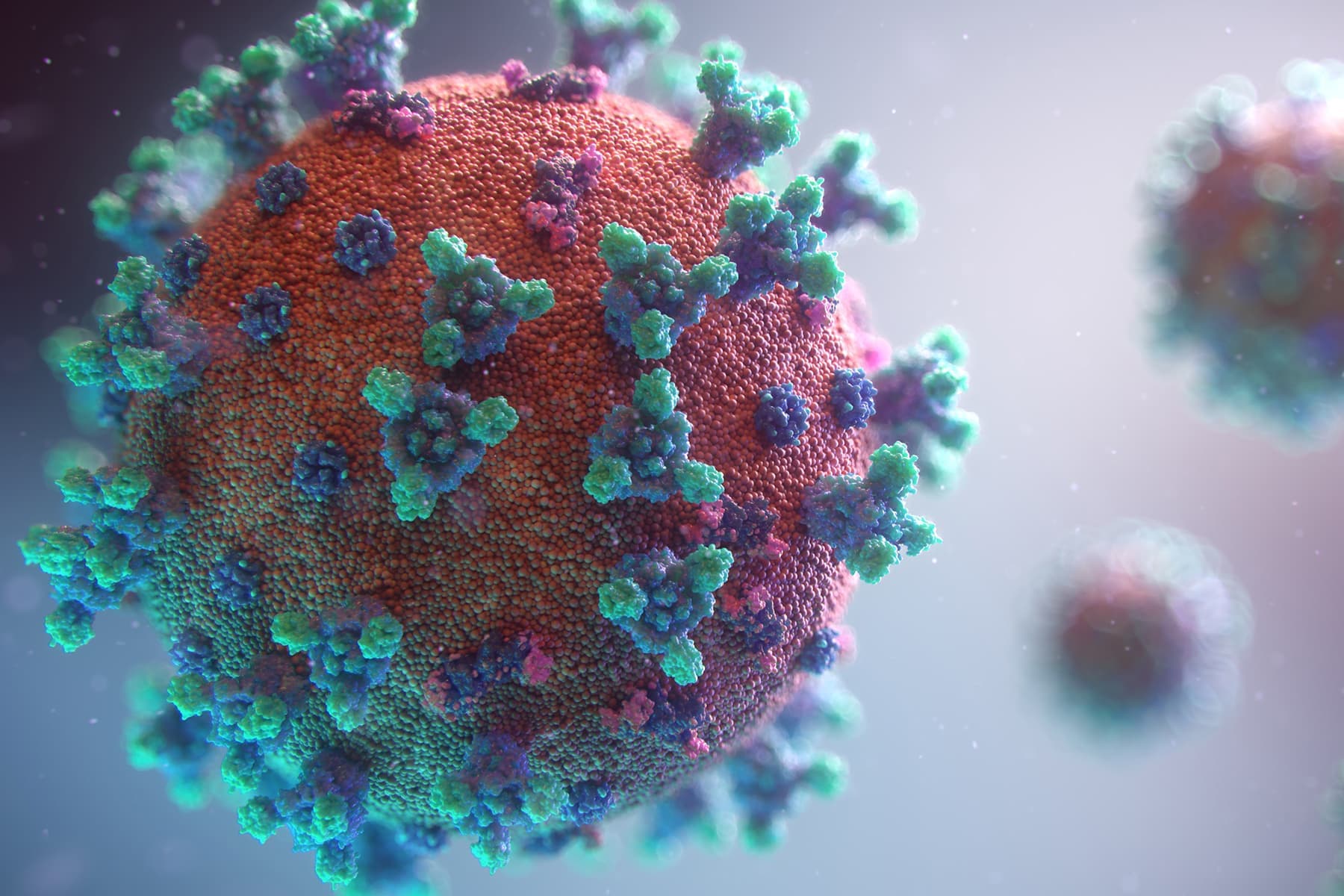
Sept. 30, 2022 — COVID-19 causes DNA damage to the heart, affecting the body in a completely different way than the flu does, according to a recent study published in Immunology 

The study looked at the hearts of patients who died from COVID-19, the flu, and other causes. The findings could provide clues about why coronavirus has led to complications such as ongoing heart issues.

“We found a lot of DNA damage that was unique to the COVID-19 patients, which wasn’t present in the flu patients,” Arutha Kulasinghe, one of the lead study authors and a research fellow at the University of Queensland in Australia, told the Brisbane Times.

“So in this study, COVID-19 and flu look very different in the way they affect the heart,” he said.

Kulasinghe and colleagues analyzed the hearts of seven COVID-19 patients, two flu patients, and six patients who died from other causes. They used transcriptomic profiling, which looks at the DNA landscape of an organ, to investigate heart tissue from the patients.

Due to previous studies about heart problems associated with COVID-19, he and colleagues expected to find extreme inflammation in the heart. Instead, they found that inflammation signals had been suppressed in the heart, and markers for DNA damage and repair were much higher. They’re still unsure of the underlying cause.

“The indications here are that there’s DNA damage here, it’s not inflammation,” Kulasinghe said. “There’s something else going on that we need to figure out.”

The damage was similar to the way chronic diseases such as diabetes and cancer appear in the heart, he said, with heart tissue showing DNA damage signals. 

Kulasinghe said he hopes other studies can build on the findings to develop risk models to understand which patients may face a higher risk of serious COVID-19 complications. In turn, this could help doctors provide early treatment. For instance, all seven COVID-19 patients had other chronic diseases, such as diabetes, hypertension, and heart disease. 

“Ideally in the future, if you have cardiovascular disease, if you’re obese or have other complications, and you’ve got a signature in your blood that indicates you are at risk of severe disease, then we can risk-stratify patients when they are diagnosed,” he said. 

The research is a preliminary step, Kulasinghe said, due to the small sample size. This type of study is often difficult to conduct because researchers have to wait for the availability of organs, as well as request permission from families for post-mortem autopsies and biopsies, to be able to look at the effects on dead tissues.

“Our challenge now is to draw a clinical finding from this, which we can’t at this stage,” he added. “But it’s a really fundamental biological difference we’re observing [between COVID-19 and flu], which we need to validate with larger studies.”


[ad_2]

Source link

Movie, TV Productions Continue COVID Safety Protocols

Movie, TV Productions Continue COVID Safety Protocols

[ad_1]

Oct. 1, 2022 — Movie, TV, and theatrical productions will continue to follow COVID-19 safety protocols as unions and studios negotiate a new return-to-work agreement, according to the Directors Guild of America.

The current agreement, which was previously scheduled to expire on Friday, will be extended until the groups reach a new compromise. First adopted in September 2020, the agreement was originally set to expire in April 2021 but has been extended several times. 

The safety protocols have allowed industry productions to move forward during the pandemic, taking into account the potential risk of infection among actors and crew members based on the production location and employee vaccination status. During the past two years, revised agreements have included rules for mandatory vaccination, physical distancing, COVID compliance officers, travel and transportation restrictions, and testing and mask requirements while filming or on stage.

Several weeks ago, talks over a new version began between several unions — including the Directors Guild of America (DGA), Screen Actors Guild-American Federation of Television and Radio Artists (SAG-AFTRA), International Alliance of Theatrical Stage Employees (IATSE), Hollywood Basic Crafts, and International Brotherhood of Teamsters — and the negotiating entity for studios, the Alliance of Motion Picture and Television Producers (AMPTP).

Many producers and directors have said they plan on instructing productions to comply with protocols in the current agreement, regardless of whether the requirements are loosened, according to The Hollywood Reporter

In recent weeks, SAG-AFTRA has had internal debates about the safety protocols, the news outlet reported. An outspoken group in the organization has opposed certain aspects of the vaccine requirements for actors and crew members. Despite a board meeting in mid-September, however, the union decided not to modify any policies regarding vaccine mandates.

When the industry-wide agreement underwent a renegotiation in July, unions and studios made two small changes to protocols around transportation and meals in locations where COVID case numbers are high, the news outlet reported.

Now that the current infection rates are low around Hollywood, Los Angeles County health officials have ended a rule requiring masks on public transportation. However, a potential fall or winter surge in infections could change the precautions again, the news outlet reported.

[ad_2]

Source link

Mouse Embryo Experiment Could Teach Us About Miscarriages

Mouse Embryo Experiment Could Teach Us About Miscarriages

[ad_1]

Oct. 3, 2022 — Miscarriages are a devastating, if natural, occurrence. Nearly 1 million pregnant people in the U.S. experience a miscarriage every year, according to the National Advocates for Pregnant Women. New research could lend insight into the causes of some types of early pregnancy loss and maybe one day help prevent miscarriages. 

In the bioengineering breakthrough, scientists created a mouse embryo in a lab without using sperm or eggs. The experimental embryo, called a model, was grown out of stem cells and developed further than any earlier experiments, with a beating heart and the foundation of a brain within a yolk sac, according to the researchers. 

The experiment, while conducted with mouse stem cells, could help explain why some human pregnancies fail. Miscarriages occur in up to 15% of pregnancies confirmed by doctors, according to some studies, and also for many pregnant people before they even knew of the pregnancy. This experiment gives researchers a glimpse of a critical developmental stage for the first time. 

“We are building mouse embryo models, but they have exactly the same principle as real human embryos,” says lead researcher Magdalena Zernicka-Goetz, PhD, professor in mammalian development and stem cell biology at Cambridge University in the U.K. “That’s why they tell us about real pregnancy.”

With the new mouse models, the researchers can study implantation, the stage when embryos embed themselves in the mother’s body – a stage that’s often difficult for embryos to survive. The same process happens in mouse embryos, which develop very similarly to human embryos at this early stage of life.

Deciphering the Stem Cell Code 

Six years ago, researchers from the University of Cambridge and the California Institute of Technology set out to create models that would allow them to study fetal development in three-dimensional form but without the need for human embryos. 

“We are trying to understand the major principles of time and space that have to be fulfilled” to form a successful pregnancy, Zernicka-Goetz explains. “If those principles are not fulfilled, the pregnancies are terminated, even before women know they’re pregnant.” 

There are limits on using human embryos for research, and previous experiments have tended to replicate only one aspect of development. That led to two-dimensional experiments: flat cells on the bottom of a petri dish that lack the structural organization of real tissue. 

The new models are three-dimensional with beating hearts and the yolk sacs in which embryos feed and grow. The models even progressed to forming the beginning of a brain – a research first. 

The scientists used the foundational cellular “building blocks” called stem cells and managed to get the cells to communicate along a timeline that mimicked natural development, simulating those developmental stages, says Zernicka-Goetz. Those “building blocks” are actually three types of stem cells: pluripotent stem cells that build body tissue, and two other types of stem cells that build the placenta and the amniotic sac. 

Completing the experiment required the right quantity of each stem cell type. The researchers also needed to understand how those cells exchange information before they can begin to grow. The researchers were able to “decipher the code” of how the cells talk to each other, Zernicka-Goetz says.

Initially, the three types of stem cells combine, almost like a soup, but when the timing is right, they have to recognize each other and sort themselves. Next, each stem cell type must start building a different structure necessary for fetal development. Zernicka-Goetz thinks of this construction as the architecture of human tissue. 

With the new technique, researchers can continue investigating the implantation stage and beyond. And they did – tweaking the experiment to create a genetically flawed embryo on purpose.

Goetz and her team eliminated a certain gene known to regulate how cells establish their own identities. Doing so resulted in the same brain development flaws as in human embryos, providing “a proof of concept” that the experimental models can be used to study other genetic mysteries, she says. 

Scientists are still in the dark about what some genes do, as well as the point when they become critical to brain development. 

“Many genes have very early roles in specifying, for example, the position of the head and also how our brain will function,” Zernicka-Goetz says. “We can now use this model system to assess the function of those genes.” 

[ad_2]

Source link

Will Real Meat Grown in a Lab Be Good for Us?

Will Real Meat Grown in a Lab Be Good for Us?

[ad_1]

Oct. 3, 2022 — The idea is nearly a hundred years in the making. None other than Winston Churchill envisioned an alternative to traditional meat production when he wrote in 1931, “We shall escape the absurdity of growing a whole chicken in order to eat the breast or wing, by growing these parts separately under a suitable medium.” 

Churchill’s poultry example would prove prophetic because the first restaurant to serve lab-grown meat chose chicken in a trio of sample dishes. Served on a bun with spring onion and sesame, wrapped in phyllo puff pastry and black bean puree, or topped on a crispy maple waffle with spices and hot sauce, lab-grown meat made its culinary debut in Singapore on Robertson Quay.

So far, Singapore stands alone in producing edible samples of what’s now called cultivated meat and grown from animal cells. Developed by U.S. startup Eat Just, the sample dishes served at Club 1880 cost about $23.

Today, other countries are ready – albeit on a small scale — to join Singapore, awaiting regulatory approval. At least 24 countries have companies developing cultivated meat. In the U.S., a few factors are speeding up the inevitable debut in restaurants on the quest for healthier, more sustainable foods. One is that the U.S. government has been investing millions into the research for a few select academic centers to grow meat cells. The cells hold the promise of replicating beef, chicken, pork, and seafood, but also other consumable goods. Another is the soaring demand for protein alternatives.

Consumers need only look at the recent rise of plant-based meats widely found in grocery stores and restaurant menus to witness the growing demand for alternatives to traditional meat.

By July 31, 2021, plant-based protein sales were up 11%, fueled by a 43% rise in the number of households buying alternatives to meat.

Cultivated meat is distinct from products like veggie burgers or plant-based patties, links, and strips that look like their real-meat models.

It’s real animal meat without the slaughter, say scientists such as David Kaplan, PhD, chair of the Department of Biomedical Engineering at Tufts University in Boston, which is among the U.S. centers leading the field.

From Petri Dish to Dinner Plate

Tufts received a $10 million, 5-year grant from the U.S. Department of Agriculture in 2021 to develop cultivated meat.

Other major centers working on cultivated meat include the University of California-Davis and the University of California at Los Angeles.

Kaplan explains that mass production takes a single cell from one animal, extracted with a needle either from muscle or other tissue or harvested from an animal’s eggs, to start a cell line.

The meat is grown by feeding the cells with nutrients that normally would come from the body of the animal – amino acids, glucose, vitamins, proteins, and salts. A process called scaffolding can help the cells grow into the components that one day could result in a steak with bone, marbled fat, and connective tissue, for instance. 

But what will this concoction be called? 

The word “cultivated” is unlikely to hit the market as part of mouth-watering ads of the new option. Scientists have called it cultured meat or cell-based protein, but these terms are probably not going to entice people to eat them and will be a marketing challenge for the industry.

Solve World Hunger and Taste Good on a Budget?

The ambitions for cultivated meat are noble. Feeding the hungry and malnourished is an important long-term goal with cultivated meat, says Joan Salge Blake, EdD, a registered dietitian and educator at Boston University in Massachusetts. 

“The issue is that we have to feed the world. This cultivated type of protein is an interesting solution. We need to feed 10 billion people by 2050.”

But she says the success of cultivated meat and seafood with the American consumer will come down not to societal issues like sustainability and health, but to personal ones: Will it taste good and be affordable?

“The No. 1 driver of why Americans choose a food or beverage is taste,” Salge Blake says. “The second thing is price.” And with the current rise in inflation, she anticipates the strain on family food budgets will persist.

So how does this new meat taste? Call it a work in progress. Kaplan says the first iteration of the meat will likely be a hybrid –cultivated meat mixed in with plant-based meat to enhance the flavor and texture and keep costs down.

Why does “real” meat need help, taste-wise? Because cultivated meat is grown from cells, potentially harmful fats could be subbed out at the cell level. Which is great from a health standpoint, but not from a “fat is flavor” one.

And like with most foods, tradeoffs for making something taste better or extending shelf life may mean compromising those health benefits.

“I don’t think these alternative cultured proteins are ever going to take over traditional steaks and hamburgers,” Salge Blake says. 

Questions About the Environmentally Friendly Part

David Block, PhD, leads the team of about 55 researchers at UC-Davis’ Cultivated Meat Consortium developing new products with a grant from the National Science Foundation.

He says there is reason to believe cultivated meat will help the environment and be sustainable, but as of now, “nobody really knows.”

He gives an example for beef. A cow eats food and grows but puts out waste. After slaughter, there are also parts of the cow that are not used and thrown away. And cows emit planet-warming methane.

The thought is that if the animal cells go directly into a fermenter or bioreactor to grow, there would be less waste and emissions.

“However, I don’t think it’s quite that straightforward,” Block says.

One question lies in the nutrients that will help the cells to grow, he says. They are probably going to be plant-based or agricultural byproducts, so if you use soy, for instance, the question becomes can you grow that much more soy in the world and what does that do to the environment?

Cows eat grass in places where nothing else will grow, he points out. One of the unknowns is whether there is enough arable land globally to produce raw material for cultivated meat production.

And the fermenters that grow cultivated meat are going to have to be sterile for food safety. 

“To sterilize something, you probably need steam, which adds an energy component in addition to energy and water use for temperature control,” he says. 

What is certain is that more players are placing high-stakes bets that cultivated meat is coming.

Big Money Behind the Effort

Globally, the number of cultivated meat startups jumped to 107 last year, up 24% from 2020.

Block says that compares to “probably six companies 6 years ago.”

According to the Good Food Institute, cultivated meat companies raised $1.3B in 2021, which is 71% of the all-time investment in the field. 

Block says U.S. companies are ready to start production on a pilot scale pending approval from the FDA and the Department of Agriculture.

But “to build a large-scale facility that’s going to make this more available would probably take on the order of 5 years. Conservatively, this would be 10 or 15 years before this would be widely available,” he says.

Kaplan says no changes are expected anytime soon as far as a shift from traditional farming to cultivated meat, but progress is inevitable. The world population growth over the next 3 decades and consumer demand will force it.

“We have no choice,” Kaplan says. “We can’t use the same systems to feed 10 billion people on the planet. So we need efficient options.”

That means traditional meat, plant-based meat, and cultivated meat. 

“We need it all,” he says. 

Taste and cost concerns aside, many other factors will determine the eventual demand for cultivated meat.

Is It Kosher, Vegetarian, or Something Else?

Conversations have already started about whether these new options would meet kosher laws and the restrictions of other religions that forbid consumption of some meats.

What about vegans and vegetarians? If the moral and ethical issues of animal treatment were eliminated, would more people embrace cultivated or “safe” meat, if the new meat were proven healthier?

Meanwhile, the science advances and so does the creativity that will no doubt be needed to tempt people into trying and embracing cultivated meat.

Working with entirely new ingredients to come up with something tasty for the public is an exciting opportunity, according to Colin Buchan, the executive chef who created the new sample dishes at Club 1880. (Buchan is also the former private chef for former English soccer star David Beckham and his wife, Victoria.) 

In a statement at the time of the historic gourmet introduction, Nate Park, the director of product development at Eat Just, said, “Rarely does a career chef get the chance to create an entirely new category of food and help design an interactive meal to introduce that product, and the meaning behind it, to the world for the very first time.”

We suspect Churchill would’ve been too curious not to give it a try.

[ad_2]

Source link

Innovations in Treating Vitiligo

Innovations in Treating Vitiligo

[ad_1]

By Bassel H. Mahmoud, MD, PhD, as told to Susan Bernstein

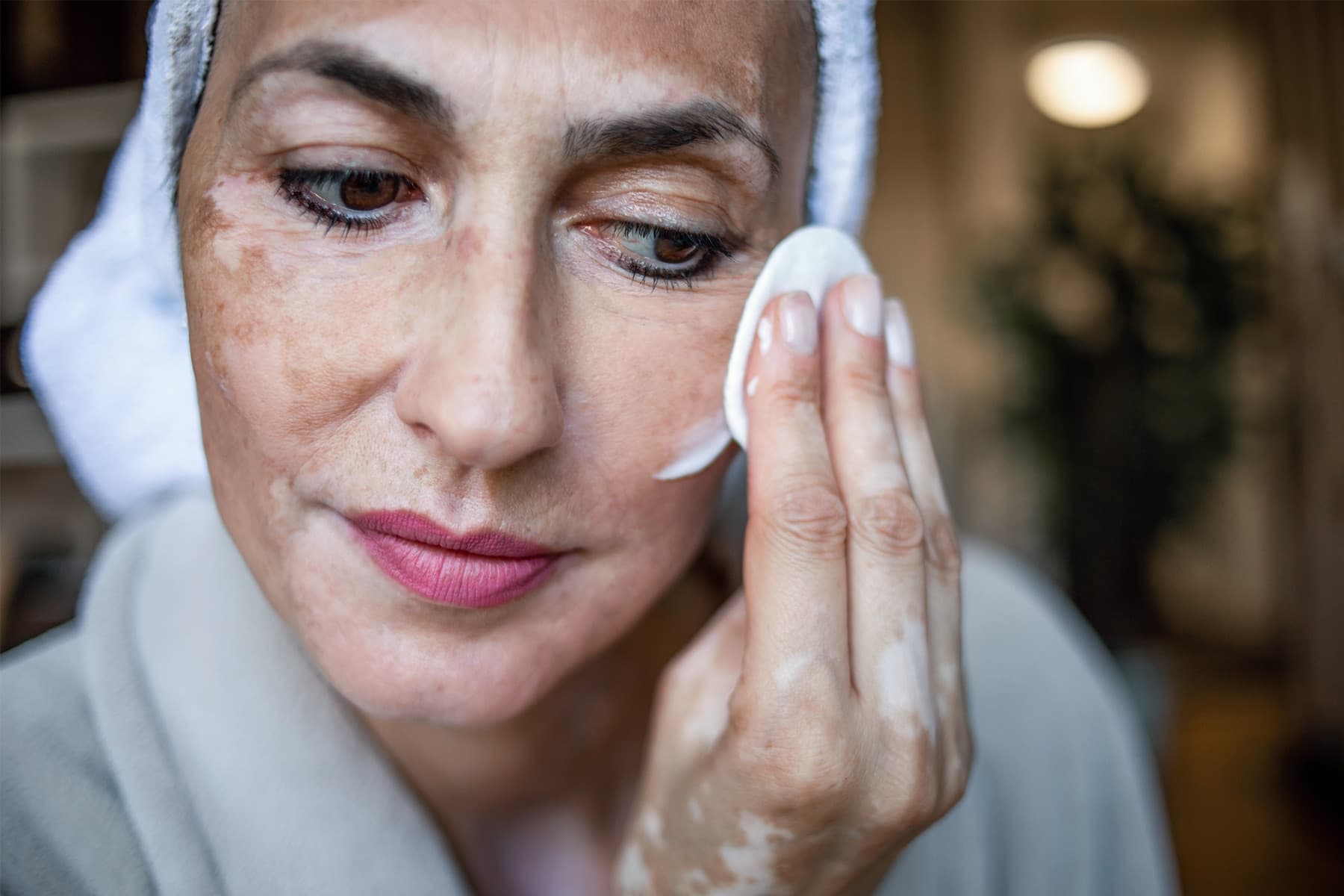
Vitiligo is mainly an autoimmune disease of the skin that targets pigment-producing cells called melanocytes. This results in patches of depigmentation in the form of chalky white areas on the skin that can range from very small to very large, even covering most of the skin surface.

Vitiligo affects anywhere from 0.5% to 2% of the population, both adults and children, and affects people of all ethnic groups and all skin types. Vitiligo, although most of the time considered a cosmetic problem, can have a devastating psychological effect on patients and can affect their quality of life.

Treatments for vitiligo include topical and systemic immunosuppressant medications. The one that may be best for you depends on how extensive and active your disease is. There is also phototherapy, which uses ultraviolet light and laser. Other options include surgical treatment.

Immune T cells Attack Pigment Cells

Recent research studies have looked at the pathogenesis of vitiligo, which simply means the chain of events leading to this disease. These studies showed that vitiligo is an interferon-gamma driven disease leading to recruitment of CD8-positive T cells. These are cytotoxic T cells that engage with the melanocytes, or cells producing pigment in the skin, and kill them. Now that we have a better idea of how vitiligo occurs, we can develop better treatments to address this process. These newer treatments target and block these chains of events.

Recently developed drugs for vitiligo that have shown promising results are Janus

kinase (JAK) inhibitors. Examples include ruxolitinib and tofacitinib. Both are immune-suppressing medications that disrupt the cytokine signaling in the interferon-gamma pathway. Some of these new medicines can be used at topic creams or taken by mouth. It does take a few months to start seeing repigmentation of the vitiligo skin.

Many conventional treatments are still used and can be effective for vitiligo, such as oral and topical corticosteroids, which can have side effects if taken for a longer period of time, even topical steroids. The main side effect of topical steroids is skin atrophy, thinning of the skin. Calcineurin inhibitors, such as tacrolimus, are nonsteroidal alternative topical treatments, and they do not have the risk of skin thinning.

Light and Laser Treatments

Phototherapy is also a common, conventional treatment for vitiligo. The most used is narrow-band ultraviolet B light. It’s effective and relatively safe when used under supervision of a board-certified dermatologist. Another type of phototherapy is called PUVA, which is still used in some countries, but studies show that if it’s used for too long, it can cause skin cancer.

Previously, phototherapy treatments were done only at the dermatologist’s office two to three times a week. While it only takes a few seconds to a few minutes to get the treatment, you would still have to leave your work or school to come to your doctor’s office. Now, there are home phototherapy devices available, including many that are covered by insurance with a dermatologist’s prescription.

There is also a laser treatment for vitiligo called excimer laser. You must go to your doctor’s office for this treatment. A machine is used to target the vitiligo areas of the skin with an excimer laser. This treatment is in the ultraviolet range, but it’s a laser, not light. It’s stronger and can have a good effect on the areas that do not respond to treatment with UV light. You need to get the treatment two to three times a week.

New Cell and Tissue Transplant Surgeries

Cell transplant surgery is an option for recalcitrant vitiligo, which means when your vitiligo patches fail to respond to other conventional medications or light therapies. There are very few places in the U.S. that offer this surgery; one of them is at our department of dermatology at the University of Massachusetts. In vitiligo, there is a loss of the melanocytes in your skin, but the hair follicles in this area may have it and act as a reservoir of melanocytes. But if the hair also becomes white, then the reservoir of melanocytes is lost, and this vitiligo area will not respond to conventional therapy, and this is when a cell transplant procedure would yield the best outcome.

One type of surgical treatment is tissue transplant, such as punch grafting from normal skin and applying it to the vitiligo area. But the surface area to treat with this type of transplant is very limited. Also, the outcome is not optimum as it can cause a “cobblestone” look, which may be cosmetically unacceptable.

The other type of surgical option, which is the one I perform, is a cell transplant technique. We take a small amount of normal skin from a donor area, usually a hidden area on the body such as the upper thigh or buttock. Then, we extract the melanocytes from it and suspend them in a solution. While doing this step, we use a laser to resurface the vitiligo areas. Then, when the cells are ready, we apply them to the vitiligo patches and cover them with a bandage. This technique only requires a small area of skin to be taken from the donor site to cover a much larger area of vitiligo, which is a major advantage. The outcome leads to homogenous repigmentation without the cobblestone effect. The procedure is all done under local anesthesia as an outpatient procedure. The complications are minimal with excellent outcomes.

Talk About Your Options

When a patient with vitiligo comes into our office, they are counseled regarding the nature of their condition, different treatment options, techniques, and complications in detail. Then we come up with the best treatment plan for you. There are also many resources to help you understand vitiligo and treatment options that can be found on the American Academy of Dermatology’s website, so please visit www.aad.org for more information on skin, hair, and nail health, and www.umassmed.edu/vitiligo/ for our Vitiligo Clinic and Research Center at UMass.

[ad_2]

Source link

Challenges for the Newly Diagnosed With Vitiligo

Challenges for the Newly Diagnosed With Vitiligo

[ad_1]

By Nada M. Elbuluk, MD, as told to Susan Bernstein

One of the most challenging aspects of generalized vitiligo is how much it will progress. This is different for each person. People who are newly diagnosed often ask: “How much will it spread or how stable will it be?” Some people may have stable disease for years. But others may have vitiligo that spreads at any point in their lifetime. If you’re on treatment, this can help your condition stay stable. If not, you can develop new patches.

[Choosing to camouflage vitiligo] is a very personal decision. Each person with vitiligo handles this differently. Some people want to conceal it. Other people are more comfortable with the way their skin looks and they don’t want to wear makeup. First, we will have a conversation about camouflage. I want to know how you feel emotionally about your skin’s appearance. I may also ask, “Do you want to begin treatment, or have your treatments not responded?” There are makeup products for vitiligo that you can acquire over the counter. Some people also use self-tanners that help to camouflage the areas of skin.

I also direct people to different support resources that are available, such as the Global Vitiligo Foundation. They have a section on their website about support resources for patients with vitiligo, as well as support groups across the nation. It may help you manage your feelings to meet with other people who also have vitiligo. Talking with others in a support group can be a very supportive, positive experience. There are online support groups for vitiligo, too. I try to suggest credible sources of information online.

Emotional Impact of Skin Color Changes

Research has conclusively shown that you can have a profound psychosocial and emotional impact from vitiligo. For one, you no longer feel that you have control over how you look — how your skin appears. Vitiligo changes your skin’s color, and you may develop white patches anywhere on your body, including your face. There is also a great deal of variability in vitiligo and how extensive it is on your body. People also feel uncertain about their vitiligo’s progress: Will I have a flare? Will these patches get bigger?

Vitiligo can affect people of all skin colors. I have patients of all colors. We see it in both

adults and children. It can first appear earlier in life, but it can develop when you’re an adult. For children, it can be difficult to understand what is happening to them, and it can also be difficult for other children they are around to understand it.

Therapy and support groups for people living with vitiligo can be very helpful. It depends on the degree to which you are affected, but seeing a psychologist or psychiatrist can be helpful, too. We encourage any individual who is feeling any negative emotions to seek medical care.

Famous Role Models Decrease Stigma

Winnie Harlow was one of the first people with vitiligo to be public about it in a proud way. She is beautiful and a successful model, and she often models without using makeup to cover her vitiligo. This has helped decrease the stigma of vitiligo. There has been a positive wave in recent years about self-acceptance in general. People are starting to accept beauty in all forms which is so important. CoverGirl also recently selected their first spokesmodel with vitiligo. Mattel released a Barbie doll with vitiligo. You are seeing retail stores and marketing campaigns using models with vitiligo.

Self-acceptance of your vitiligo doesn’t take away the need to have treatment options for those who want them. But everyone should know that they are beautiful and have self-worth. It’s important to educate our society about vitiligo. People may ask you if it is contagious — it is not. My patients also ask if it is hereditary. While there is a genetic and hereditary component to vitiligo, the chances of it occurring in the next generation is low. There is less than a 10% chance that you will pass it down to your children.

Protect Your Skin From Sun Exposure

If you are not treating it and just choose to live with your vitiligo as is, then you may not need to see your dermatologist regularly. If you are on treatment, or if you have vitiligo that is spreading quickly, then usually, you should see a board-certified dermatologist every couple of months just to monitor your condition and any changes.

My message to anyone who questions if they have vitiligo or if they’ve been diagnosed with vitiligo is to see a board-certified dermatologist, particularly one who specializes in vitiligo treatment. Again, it is completely up to each person if they want to seek treatment for it or not. Your dermatologist can guide you and talk you through all of your options.

If you have vitiligo, you should wear a sunscreen of 30 SPF or higher, just as we would recommend to anyone. We used to worry that people with vitiligo were at increased risk of skin cancer. However, with more research, we have found that this is not the case, and in fact, you’re at lower risk of melanoma. Still, we recommend sunscreen as a general precaution, and if you’re out in the sun all day, reapply it every 2 hours.

[ad_2]

Source link

My Life With This Skin Condition

My Life With This Skin Condition

[ad_1]

By Mark Braxton, as told to Kendall Morgan

In 1996, I discovered a small white spot on my thumb. It itched. I thought it was a scab or something. I didn’t think too much about it. Then, I started noticing other small white spots. They were spreading.

The first dermatologist I went to looked at me and walked right back out of the room. He came back in with a pamphlet and said, “This is what you have: vitiligo.” At that time, there wasn’t a lot of information. The doctor gave me a topical cream for it. I tried it for 6 months. It didn’t seem to me it was helping, so I stopped. I felt deflated.

Thankfully, when I went to another dermatologist, it was a different experience. He shook my hand. He knew immediately I wanted to know about the spots. He explained that I have vitiligo, which is a skin condition. It’s not contagious, which is important for people to know. There’s no cure or way to stop the loss of skin color. He told me that it could spread or maybe some of the pigment would come back. Then he asked me a question I didn’t expect, “How is your self-esteem?”

At that time, I felt good. It was just a couple of small spots. Over the years, as it started to spread and I could see changes, I started to feel more insecure. I have it around my mouth now and all over my body in spots. I stopped wearing shorts. I stopped going to the beach and the pool. I would avoid social settings where people could look at me. It was insecurity and sometimes slight depression and anxiety.

The mental aspect is probably the biggest challenge I’ve dealt with. Vitiligo changed my outlook on myself. I didn’t see myself how others saw me. I struggled socially with friendships and relationships. One of the worst things I’ve found that people can say is that it doesn’t bother them. I understand you may say it doesn’t bother you, but until you walk in my shoes, you don’t understand. You don’t have to look in the mirror watching your body or skin change over time. There’s this fear of the unknown.

I haven’t sought treatment, although it has been offered. The creams I tried at first didn’t seem to help. Light therapy is an option, but it’s time consuming and I didn’t want to risk getting burned. I thought I could do this all on my own. In 2019, I realized I’d been failing. Something a child said helped me start to shift my perspective. I was working at a camp and this little girl told me that I was a butterfly. She identified my spots as a butterfly, as something beautiful.

I decided it was time to open up. I joined the North Carolina Vitiligo Support Community after avoiding it for years. It was the best decision I ever made. For so long, my vitiligo was something that I never talked about. My family and friends didn’t know how I felt about it. I started sharing my journey with other people, and it helped so much.

I’m now one of two leaders for the North Carolina Vitiligo Support Community in Raleigh,. I’m also on the board of directors for VITFriends, which is a national organization that nurtures peer-to-peer relationships in the vitiligo community. I host a podcast called Living Life and Love, where others with vitiligo can share their journey. I found that sharing my own journey with such a large audience released me from a personal prison I’d been living in for too long.

Having this skin condition has opened my eyes in many ways. I’ve come to a place of acceptance. I’ve learned how to live with vitiligo and love myself. Some days are still hard if someone whispers or stares too hard. Kids are often curious and that’s OK. I try to educate people about what vitiligo is.

When it comes down to it, my skin looks different, but I still have interests, hobbies, and talents. I enjoy writing poetry and short stories. I like to paint and draw and be creative. I’m a big fan of science fiction and superheroes. We all have much more in common than we don’t. I’ve gone from being insecure to being secure in myself. I often say that it’s a process for all of us in the vitiligo community. Every journey is different. Everyone has a story to tell.

[ad_2]

Source link