Skip to content

Category: Health

GoodRx launches drug cost search tool for providers

GoodRx launches drug cost search tool for providers

[ad_1]

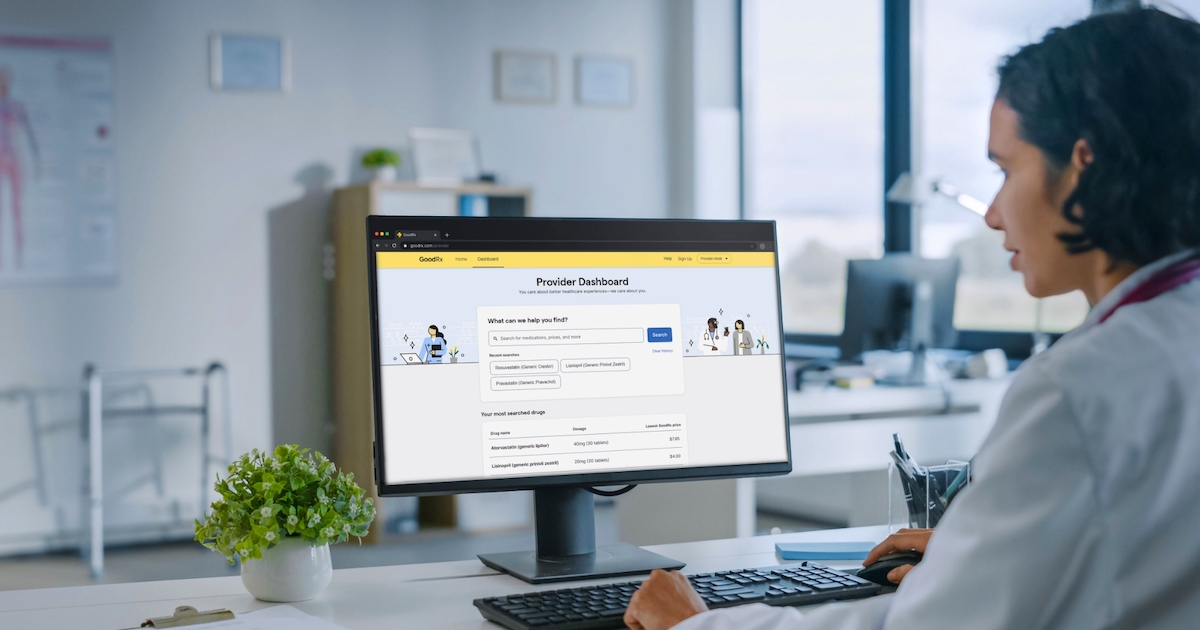
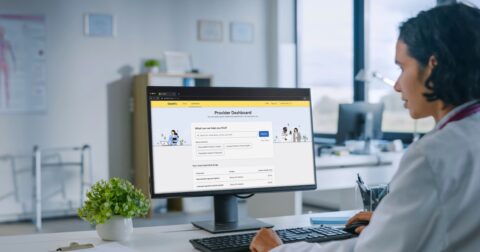
On Thursday GoodRx, best known for its drug-cost transparency tools, announced a platform for providers, allowing them to search for medication-cost information during appointments with patients.

Provider Mode, which is now launching out of beta, lets providers or other healthcare workers to search for medications at the point of care. They can input information on location, dosing and quantity, and then print out coupons or send them to patients via text or email. 

The medication page will also include a comparison tool of other drugs in the same class, home delivery options and informational articles about the medication for patients. 

“We wanted to improve this experience for the provider where they can actually give all of these cost savings opportunities and information and have that conversation at the point of care during the visit, instead of once the patient gets to the pharmacy,” Dr. Preeti Parikh, executive medical director at GoodRx, told MobiHealthNews.

With name brand drugs, GoodRx will enter into strategic partnerships where pharmaceutical companies can sponsor patient savings programs on the medication information page.

Alongside the Provider Mode launch, the company announced a collaboration with Biogen for its multiple sclerosis drug Vumerity whereby providers will be able to submit enrollment forms for the specialty therapy through the portal.

“Our hopes are that it will not be as big of an administrative burden on the provider, and then it can get the medication to the actual patient in a very timely manner, instead of three to four weeks,” Parikh said.

By the end of the year, GoodRx plans to add new features to Provider Mode, including options to create an account where providers can verify their prescriber status. The company will use previously announced partnerships with RxVantage and AssistRx to develop tools for communicating with pharma representatives and finding information about a patient’s insurance coverage and prior authorization requirements. 

THE LARGER TREND

Like a number of other digital health companies this year, GoodRx recently approved layoffs of approximately 140 employees, about 16% of its workforce. In a filing with the Securities and Exchange Commission, the company said it was focusing on its prescriptions business and its pharma-manufacturer solutions segment, as well as improving consumer engagement.

Though GoodRx reported “disappointing” financial results during its second quarter, cofounder and co-CEO Trevor Bezdek said there was an “enormous opportunity” for its provider-facing tools during an earnings call.

[ad_2]

Source link

Contributed: Expanding Medicare Advantage in rural America starts with improving access to care

Contributed: Expanding Medicare Advantage in rural America starts with improving access to care

[ad_1]

On paper, Medicare Advantage enables all the tools payers need to provide the plan of choice in rural communities. This potential, however, has generally not translated to real-world success for Medicare Advantage plans.

Despite consistent enrollment growth in metropolitan areas, rural markets remain relatively untapped. Data from the Centers for Medicare and Medicaid Services (CMS) show market penetration is consistently less in rural areas than non-rural. 

So, what’s keeping Medicare Advantage enrollment from surging in rural America? With most Medicare Advantage plans providing low-to-zero cost premiums, it’s not cost. It’s access to care.

A study published last year in Health Affairs indicates restrictive provider networks can be enough to drive rural seniors in access-constrained areas to switch back to original Medicare. In communities where the emergency room is often miles closer than the nearest in-network primary care provider, Medicare Advantage plans must shift their basis of competition. 

Bringing Medicare Advantage to rural communities to scale will require solving fundamental access issues first, by offering solutions that make providers consistently available. Retaining rural members and keeping them healthy will necessitate benefit plans designed to meet their needs, from transportation benefits to special coverage for chronic conditions.

With the flexibility to invest in preventive care and adopt innovative care delivery models, Medicare Advantage plans have all the assets they need to succeed in rural America. An understanding of the unique needs of rural members and designing purpose-built offerings that can drive enrollment will spell success. 

Shifting the basis of competition to access  

In order to turn access into retention and engagement, a care professional needs to be at the center. Rural communities are struggling with provider drain: Community hospitals are closing, specialists can be difficult to access, and primary care physicians are retiring at a faster clip. Rural provider scarcity has been the biggest challenge to scaling for Medicare Advantage plans. 

This gap in access is an opportunity for Medicare Advantage plans to play a more strategic and innovative role in the way rural care is delivered and how it can be accessed. 

Benefit design can be structured to bridge the gap in access and help members get the care they need when and where they need it. These benefits should be anchored in convenience and eliminate geographic and financial barriers to care.

Many older adults, for instance, want to engage with the healthcare system at home or on their way to the grocery store, and are becoming more comfortable using technology. Medicare Advantage plans that can take affordable services to rural seniors where they are will be all the more appealing for enrollment. 

Virtual care alone, however, will not be enough to bridge the access chasm, particularly as data show a decline in telehealth sessions. Until Medicare Advantage plans focus on solutions that fundamentally expand access to the care rural seniors need – real touches with clinicians they can trust who are sitting directly in front of them – adoption will continue at a lethargic pace.

Simply offering these services will not be enough to keep members who have historically lacked access to quality healthcare engaged. The “If you build it, they will come” approach will not work in rural America. Health plans need an integrated model that can transcend geographic and financial gaps in access to solve the needs that are most important to rural members. This level of service cannot be delivered through traditional fee-for-service Medicare.

Experience will drive growth and retention

Growth and retention in rural markets require not only bridging gaps in access, but doing it in a way members love, and providing a constellation of affordable services layered on top of the innovative clinical models plans enable.

Medicare Advantage plans should think beyond the reach of the traditional healthcare system and provide solutions that solve fundamental problems – offerings members may not expect from their health plan.

Social determinants of health like financial instability and food insecurity are potent underlying factors in our health and wellbeing. For many seniors – especially those in underserved rural communities – concerns over the electric bill may take priority over scheduling an annual wellness visit.  

By providing benefits such as food and transportation health plans are supporting a more robust patient experience. Clinical solutions like remote patient monitoring devices and in-home care services can be leveraged to extend the reach of providers members know and trust in their own communities. These benefits should be structured in a way that reduces financial burden for members by making services low to zero cost. 

The most effective vehicle for these solutions is within a total cost of care arrangement through which providers are accountable for managing cost and outcomes. By unshackling providers from the fee schedule, Medicare Advantage plans can create greater access to the supporting services that will help dismantle the entrenched barriers to care.

In any other market, success in scaling Medicare Advantage has required purpose-built solutions designed to meet the needs of specific populations. Rural communities are no different. Health plans can create a blueprint for success in rural America by working to better understand the needs of members who live there, delivering services that get them the care they need and ensuring the experience is accessible, convenient and affordable. 


Dr. Aaron FriedkinDr. Aaron Friedkin is the chief business officer of Homeward, a company focused on improving access to high-quality, affordable, comprehensive care in rural communities. Previously Dr. Friedkin was the senior vice president of care delivery transformation at Blue Cross Blue Shield of Michigan. Before joining BCBSM, Dr. Friedkin supported large national employers on their healthcare strategies at Blue Cross Blue Shield of Minnesota and developed strategies for both payers and providers as a management consultant with McKinsey & Company. 

Dr. Friedkin is a board-certified radiologist, with subspecialty certification in pediatric radiology. He completed his diagnostic radiology residency at the University of Michigan and his pediatric radiology fellowship at Boston Children’s Hospital. He earned his Doctor of Medicine and Master of Science in Anatomy at Case Western Reserve University.
[ad_2]

Source link

CDC report: Urban adults and women more likely to use telehealth

CDC report: Urban adults and women more likely to use telehealth

[ad_1]

Thirty-seven percent of adults used telemedicine within the past 12 months, according to a report by the CDC.

The analysis outlined the percentage of adults who used telemedicine in the past 12 months by geographic and sociodemographic characteristics based on the 2021 National Health Interview Survey (NHIS).

Women were more likely to report telehealth use, with 42% reporting using telemedicine compared with 31.7% of men.

Telehealth use differed by race and Hispanic origin, with 40.6% of Non-Hispanic American Indian or Alaska Natives reporting telehealth use during the time period.

Non-Hispanic white adults were close behind, at 39.2% using telemedicine over the past 12 months, while 33.1% of Non-Hispanic Black adults utilized the service.

Of Non-Hispanic Asian adults, 33% used telemedicine, and of Hispanic adults, 32.8% remotely connected with healthcare providers.

For adults with family incomes less than 100% of the federal poverty level (FPL) and those with incomes of 100% to less than 200% of the FPL, the use of telemedicine was similar, at 33.1% and 32.1% respectively.

Use of telemedicine, however, increased to 40.7% with a family income of 400% or greater of FPL. 

The percentage of adults using telemedicine also increased with education level, with 28.7% reporting use among adults with less than a high school diploma or GED and 43.2% use by adults with a college degree or higher.

Telemedicine use was highest among individuals living in the Northeast (40%) and West (42.4%), as opposed to those in the Midwest (33.3%) and the South (34.3%).

[ad_2]

Source link

Roundup: VUNO’s at-home ECG device cleared in South Korea and more briefs

Roundup: VUNO’s at-home ECG device cleared in South Korea and more briefs

[ad_1]

VUNO scores government approval for at-home ECG device

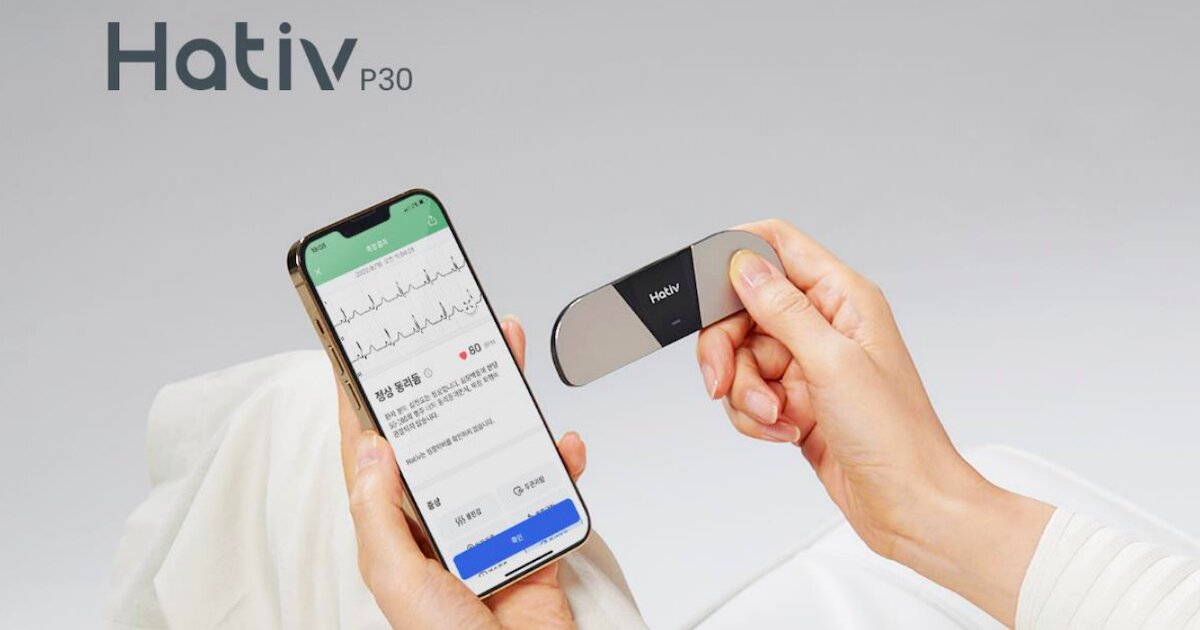
Medical AI developer VUNO has received the approval of the Ministry of Food and Drug Safety (MFDS) for its at-home ECG device.

Called Hativ P30, the medical device not only provides a 6-lead heart signal measurement within 30 seconds, but it also analyses data to check for sinus rhythm, atrial fibrillation, bradycardia, and tachycardia. 

The device is VUNO’s second product release under its integrated health management brand, Hativ. Hativ Pro, its first personal ECG device, was awarded an MFDS certification in July.


Life insurer Max Life launches analytics solution for insurance underwriting

India-based Max Life Insurance Co. has developed and launched a health analytics solution for insurance underwriting.

Called MediCheck, the application uses digital health records from diagnostics centres to detect inaccurate medical reports in real time. It can also provide health scores of insurance customers. 

The underwriting solution was developed to minimise the instance of claim repudiation and enable faster claims processing, said Max Life COO and director Manu Lavanya.


Samsung targets to screen 150,000 Indians for eye diseases using upcycled phones

Using upcycled phones, Samsung is targeting to screen about 150,000 individuals in India for eye diseases by the end of 2023.

The global technology manufacturer has been transforming old Galaxy devices into fundus cameras through its Galaxy Upcycling programme. The EYELIKE fundus cameras use AI to detect diseases in scanned retinal images.

The company has partnered with four eye hospitals – Sitapur Eye Hospital, Aravind Eye Hospital, Guruhasti Chikitsalya, and Dr Shroff’s Charity Eye Hospital – to set up eye care camps and use the upcycled devices to screen people for eye diseases.

[ad_2]

Source link

Digital weight loss company Noom confirms another round of layoffs

Digital weight loss company Noom confirms another round of layoffs

[ad_1]

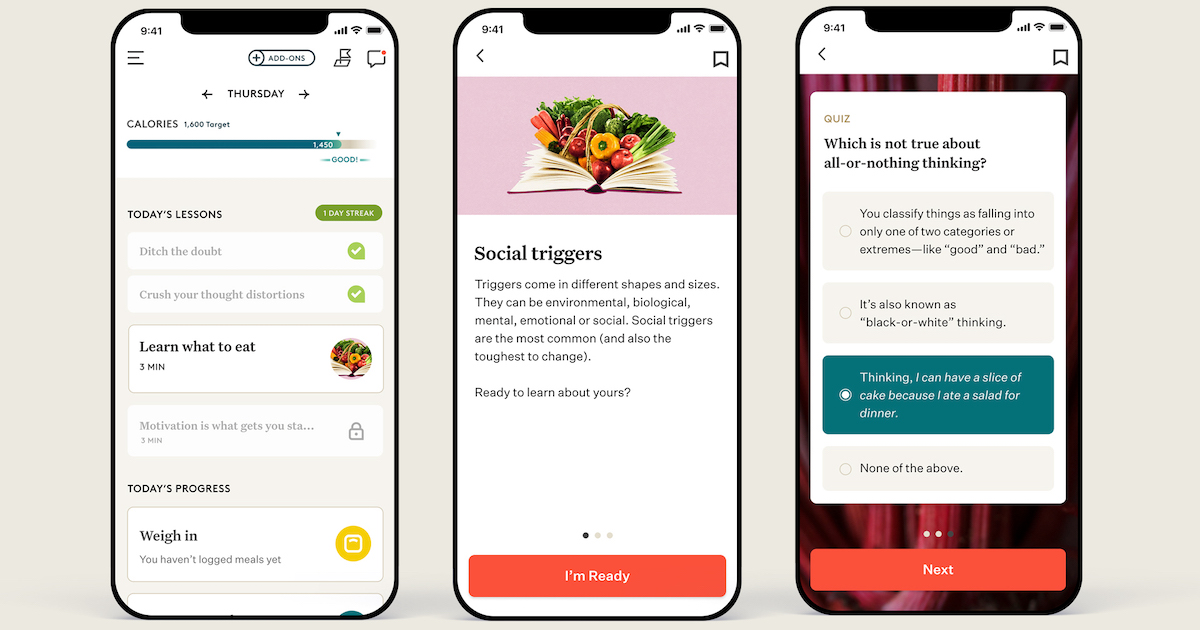
Noom confirmed another round of layoffs at the digital weight loss company this week, the latest in a spate of workforce reductions at health tech companies.

According to reporting by TechCrunch, Noom let go of about 500 workers, or around 10% of its staff, largely affecting its coaching team. 

This marks the second round of layoffs at the company this year. Insider first reported in April that Noom was cutting about a quarter of its coaches as part of a strategy change in its coaching model. 

“Noom has experienced extraordinary growth over the past several years, and it’s essential that we are structured in a way that enables us to continue growing over the long term. We recently made the difficult decision to reduce the number of Noom employees. We are deeply grateful for their contributions to Noom, and we wish them continued success,” a Noom spokesperson wrote to MobiHealthNews.

THE LARGER TREND

Founded in 2008, Noom raised a massive $540 million Series F round in 2021. At the time, Bloomberg reported it was valued at $3.7 billion. The company said it planned to use the cash to expand outside weight loss and later launched a stress management product dubbed Noom Mood. 

But Noom has faced pushback for its weight loss model, which some have critiqued for too-low calorie recommendations and insufficient support from coaches with high caseloads. 

Earlier this week, TripAdvisor announced the hire of Noom CFO Mike Noonan, who will take over for its retiring executive at the end of the month. The company is also looking for a new CEO to replace cofounder Saeju Jeong, who is staying in his role until Noom finds a successor. 

A number of other digital health and health tech companies have announced layoffs this year. Connected fitness giant Peloton recently laid off another 500 workers, its fourth round of reductions this year as the company executes a financial turnaround plan. 

COVID-19 testing and vaccination startup Curative announced it was laying off 109 workers last month as it shifts focus to launching a new health plan. 

[ad_2]

Source link

Exposure to ‘Blue Spaces’ Linked to Better Mental Health

Exposure to ‘Blue Spaces’ Linked to Better Mental Health

[ad_1]

Oct. 14, 2022 — Spending time in “blue spaces” — such as beaches, rivers, and lakes — as a child can have significant and lasting benefits for wellbeing throughout life, according to a new study published in the Journal of Environmental Psychology.

When exposed to blue spaces in childhood, people are more likely to revisit bodies of water in adulthood and appreciate the time spent in natural settings.

“Learning to swim and appreciate the dangers in terms of rip currents, cold temperatures, etc., is of course primary,” Mathew White, one of the study authors and a senior scientist at the University of Vienna, told The Guardian.

“But the message we are trying to get across is that to only teach children about the dangers of water settings may make them overly afraid of, and ill-equipped to benefit from, places that can also be hugely beneficial to their health and wellbeing as they grow up,” he said. “The vast majority of blue space visits — both for adults and children — do not involve getting wet, so there are also many advantages from spending time near water, not just in it.”

Researchers from the U.S. and a dozen other countries analyzed data from the BlueHealth International Survey for more than 15,000 people across 18 countries, examining the links between childhood exposure to blue spaces and adult wellbeing. 

Participants recalled their experiences up to age 16, noting how often they visited blue spaces, how local they were, and how comfortable their parents or guardians were about allowing them to swim and play. They also discussed their recent contact with blue spaces and green spaces during the previous four weeks, as well as their mental health status during the previous two weeks.

Researchers found that more childhood exposure to blue spaces was associated with better adult wellbeing. They noted the results were consistent across all countries and regions.

Adults also had familiarity with and confidence around coasts, rivers, and lakes, as well as higher levels of joy around bodies of water and a greater propensity to spend recreational time in nature during adulthood. In turn, this lifted their mood and wellbeing.

“We recognize that both green and blue spaces have a positive impact on people’s mental and physical health,” Valeria Vitale, one of the study authors and a doctoral candidate at Sapienza University of Rome, told The Guardian.

In recent years, a growing number of studies have noted the benefits of spending time in nature, including both blue spaces and green spaces such as forests, parks, and gardens. The natural settings can increase people’s physical activity levels, boost mood and wellbeing, and lower stress and anxiety. 

Vitale and colleagues noted that blue spaces, in particular, have unique sensory qualities such as wave sounds and light reflections that can improve mood, as well as leisure activities such as swimming, fishing, and water sports.

“We believe our findings are particularly relevant to practitioners and policymakers because of the nationally representative nature of the samples,” she said. “First, our findings reinforce the need to protect and invest in natural spaces in order to optimize the potential benefits to subjective wellbeing. Second, our research suggests that policies and initiatives encouraging greater contact with blue spaces during childhood may support better mental health in later life.”

[ad_2]

Source link

Samsung, HealthTap partner to bring digital healthcare to Smart TVs

Samsung, HealthTap partner to bring digital healthcare to Smart TVs

[ad_1]

Calif.-based virtual healthcare provider HealthTap and multinational electronics company Samsung announced a strategic partnership to bring virtual healthcare to Samsung Smart TVs in the U.S. 

HealthTap is a technology company and medical group providing virtual healthcare offerings via the web and health apps. 

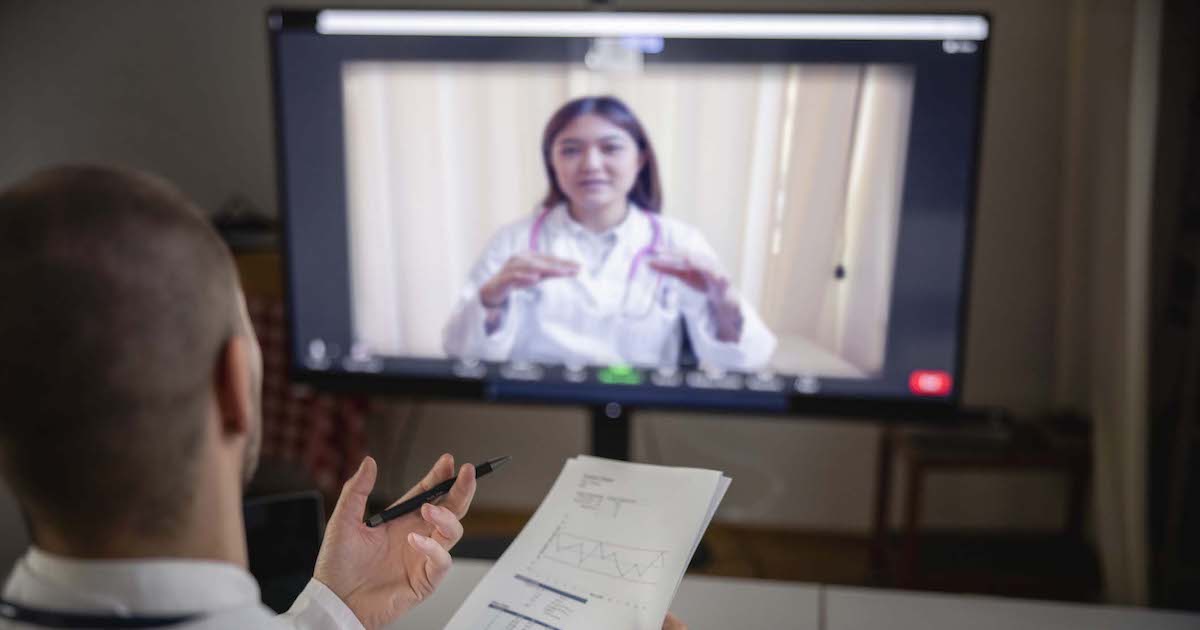
The partnership extends HealthTap’s services to Samsung TV owners, who will be able to connect to HealthTap’s healthcare platform and visit with a health provider via a connected television camera.

Consumers can review a doctor’s bio and credentials, watch video interviews to designate their preferred doctor and then schedule an appointment to see the provider. 

“Developing a primary care relationship is critical for all Americans, and the ability to conveniently access telemedicine through a TV screen empowers everyone to take care into their own hands,” Sean Mehra, CEO and founder of HealthTap, said in a statement. 

THE LARGER TREND

This week, Samsung also announced its aim to screen 150,000 Indians for eye disease by the end of 2023 using upcycled phones.

The technology manufacturer is modifying old Galaxy devices into fundus cameras via its Galaxy Upcycling program. The EYELIKE fundus cameras utilize AI to detect diseases in scanned retinal images.

[ad_2]

Source link

New and Noteworthy: What I Read This Week—Edition 197

New and Noteworthy: What I Read This Week—Edition 197

[ad_1]

Research of the Week

Preliminary evidence that long COVID might be psychological in nature, and that the physical symptoms can be alleviated or even cured by therapy. Great news.

Unprocessed red meat vindicated, again.

How caffeine affects mitochondrial biogenesis.

Micronutrient deficiencies are still widespread and affect primarily children and fertile women.

Dad’s stress levels seem to affect children’s development.

New Primal Kitchen Podcasts

Primal Kitchen Podcast: The Link Between Dairy Intolerance and Dairy Genes with Alexandre Family Farm Founders Blake and Stephanie

Primal Health Coach Radio: Mindful Weight Loss with Lucia Hawley

Media, Schmedia

Top Manchester United soccer player has a familiar diet.

“Best Before” labels, of dubious utility, are responsible for a huge amount of waste.

Interesting Blog Posts

The story of the carnivore who ate potatoes.

Just what are fungi doing in tumors?

Social Notes

Nonsense.

Everything Else

10 hour eating windows work for overweight women.

Snow crab season is canceled.

Things I’m Up to and Interested In

Gee I don’t know: Why do so many health influencers talk about seed oils now?

Awesome to see: The Department of Defense grants millions to study ketones in the military.

Interesting research: Early bedtimes may lead to better metabolic health.

Nature is healing: Britain falls back in love with butter.

More circadian food timing research: Eating more calories in the morning is associated with less subjective hunger than eating more at night.

Question I’m Asking

When do you go to bed?

Recipe Corner

Time Capsule

One year ago (Oct 1 – Oct 14)

Comment of the Week

“Thank you for your comments regarding sex segregation in sports. As a father of 4 daughters who have competed at high levels in different sports and as a previous doctor for the us spseedskating programs, i would like to advise some thoughtful caution Female sports in the USA are thriving due to 40 years of mandated “equal access.” Gaps in performance between male and female in many sports are narrowing, especially endurance sports. However, testosterone (and other) intrinsic differences in hormone levels make for an uneven playing field. Female athletes and their families work just as hard, sacrifice just as much as male athletes to achieve their competition goals. We need to be very careful about eliminating fairness for the many to make it fairer for the few. Perhaps with more time and sport evolution, gender requirements can be fairly dispensed with. But not quite yet..”

-Nice comment.

Cocktail_and_Tartar_Sauces_640x80

About the Author

Mark Sisson is the founder of Mark’s Daily Apple, godfather to the Primal food and lifestyle movement, and the New York Times bestselling author of The Keto Reset Diet. His latest book is Keto for Life, where he discusses how he combines the keto diet with a Primal lifestyle for optimal health and longevity. Mark is the author of numerous other books as well, including The Primal Blueprint, which was credited with turbocharging the growth of the primal/paleo movement back in 2009. After spending three decades researching and educating folks on why food is the key component to achieving and maintaining optimal wellness, Mark launched Primal Kitchen, a real-food company that creates Primal/paleo, keto, and Whole30-friendly kitchen staples.

If you’d like to add an avatar to all of your comments click here!

[ad_2]

Source link