Both digital and face-to-face cognitive behavioral therapy (CBT) “may be suitable interventions for patients with more severe forms of depression,” according to a review published in npj Digital Medicine.
“Overall, our results indicate that after controlling for a number of potential confounders, face-to-face and digital CBT might be comparable in terms of clinical effectiveness for treating depression. We identify a number of relevant factors that moderate the treatment response such as the duration of the intervention, baseline severity, adherence and the level of human guidance in digital CBT interventions,” the study notes.
Guided digital CBT was more effective than unguided digital CBT in decreasing depressive symptoms and psychosocial functioning. Researchers found no superiority regarding adherence between guided and unguided digital CBT.
No distinctions existed between face-to-face CBT, guided digital CBT and unguided digital CBT regarding anxiety symptoms.
Interestingly, the results of the study differed compared to earlier findings. Upon initial evaluation of the literature, face-to-face treatment appeared to outweigh the effectiveness of guided digital CBT in improving depressive symptoms and psychosocial functioning, and in ensuring treatment adherence.
After accounting for confounders like depression severity and the use of antidepressants, researchers stated their “analyses revealed no significant differences between the face-to-face and digital interventions, suggesting that these approaches might have more comparable clinical effectiveness when accounting for moderators.”
Results were based on a systematic literature search in the PubMed database, where researchers compared 106 studies and over 11,000 adult patients published until January 11, 2021.
The study notes that a previous meta-analysis of CBT treatment effectiveness via face-to-face interactions versus digital means revealed only minor effects. Still, the study in npj Digital Medicine underlines the importance of treatment intensity.
Researchers found a higher number of sessions was a positive predictor of the success of digital therapeutic interventions. In contrast, treatment intensity (the number of sessions per week) showed more significant promise with traditional face-to-face methods.
WHY IT MATTERS
The number of digital health platforms offering CBT or other mental health interventions has increased immensely over the past few years, especially since the pandemic’s beginning. These platforms can hold numerous potential advantages, such as cost-effectiveness and improved access to evidence-based care, especially for people living in remote communities.
Though several platforms materialized since the emergence of COVID-19, many are not regulated by the FDA, and some make claims not yet substantiated by clinical research.
Studying the effectiveness of digital health tools versus traditional face-to-face interventions is vital to ensuring the safety and efficacy of these newly minted digital models in healthcare offerings.
Sept. 20, 2022 – Patients who navigate what can feel like an endless series of checkups and lab tests to confirm a long COVID diagnosis face an even harder path ahead: Figuring out where to go for care.
Treatment options are as complex and varied as the symptoms that come with this condition, experts say. And there aren’t yet clear evidence-based clinical guidelines or best practices to point patients – or their doctors – in the right direction.
The first stop should ideally be the person who knows patients best – their primary care provider, says Tochi Iroku-Malize, MD, founding chair and professor of family medicine for the Donald and Barbara Zucker School of Medicine at Hofstra/Northwell in Hempstead, NY.
But because of the long list of symptoms that can be caused by long COVID, from exhaustion and “brain fog” to chest pain, fever, and rash, a center that brings together specialists may be the best choice for patients who can get to one.
“This is a new field, and different providers have different levels of comfort and experience managing these symptoms,” says Aaron Friedberg, MD, clinical co-lead of the Post-COVID Recovery Program at the Ohio State University Wexner Medical Center.
Sometimes, symptoms may only affect one or two very specific parts of the body, and in that case, patients may get all the care they need by having their primary care doctor refer them to a specialist – like an ear, nose, and throat doctor for lost taste and smell, or a physiatrist for muscle fatigue, he says.
“However, if a primary care provider is not as comfortable managing this condition, or if there are multiple areas of the body being affected, seeing a post-COVID specialist may be helpful,” Friedberg says. Patients should also consider treatment at a specialized long COVID clinic if their primary care provider refers them to people who simply aren’t able to help, says Kristin Englund, MD, director of the reCOVer Clinic at Cleveland Clinic, which treats long COVID patients.
“Specialty physicians often have their own diseases that they treat best,” she says. “Some cardiologists are experts in coronary artery disease but may not have expertise in the complications of long COVID, and the same goes for pulmonologists who may be experts in asthma, but again, not long COVID.”
But access can be a big problem for patients. Specialty clinics dedicated to long COVID care tend to be concentrated at academic medical centers in major cities and may have long waits for new patients. People living in rural areas, people with disabilities, and ethnic minorities may all be less able to find specialized care. The U.S. federal government’s Administration for Community Living has a guide that notes that finding care can be complicated.
“Finding the resources and supports you need can be overwhelming,” it says.
But if patients can get to one, a long COVID center can help when symptoms are severe or make patients less able to keep up with their typical daily routines, says Benjamin Abramoff, MD, who leads the American Academy of Physical Medicine and Rehabilitation’s multidisciplinary long COVID collaborative.
Today, there’s at least one long COVID center in almost every state – 48 out of 50, according to the patient advocacy group Survivor Corps. Most are in major cities and run by hospital or health care systems that work with academic medical centers. Most of these centers see people who have had symptoms for at least 3 months, and many have months-long waiting lists for new patients.
Given the lack of guidelines or long-term data on how well many long COVID treatments work, vetting these specialized centers is tricky, experts say.
“The biggest challenge right now is that because this is such a new field, there is not a formal standard of care for this condition, and there is no formal accrediting body for post-COVID treatment centers,” Friedberg says.
But there are still some things that can point to a better – or worse – choice.
“The current best standard is to have a multidisciplinary clinic with providers familiar with the available medical evidence and close connections between multiple specialties, including rehabilitation, cardiology, pulmonology, psychiatry, neurology, and other specialties working together,” Friedberg says. “I would recommend looking for these types of clinics as a first choice.”
When possible, patients should seek out a long COVID clinic at an academic medical center or hospital with a good track record for quality care, experts say. Even though there aren’t yet quality ratings specific to long COVID, patients can see how hospitals rate in other key areas, like preventing infections and surgical complications, using free tools like Medicare’s Hospital Compare website.
If clinics promise outcomes that sound too good to be true, patients should steer clear, says Alba Miranda Azola, MD, an assistant professor in physical medicine and rehabilitation and co-director of the Post-Acute COVID-19 Team at Johns Hopkins University School of Medicine.
“As more clinics crop up, some bad actors are preying on patients with promises like miracle cures that they can’t possibly deliver,” she warns. “There is very limited knowledge on the efficacy of certain interventions that are being advertised, and it pains me to see some patients being taken advantage of, paying hundreds or thousands of dollars for ‘miracle’ cures or ‘miracle’ diagnostic tests that truly have no strong scientific evidence to support or justify their use.”
A good clinic should also coordinate care with a patient’s primary care provider, says Kathleen Bell, MD, a neuro-rehabilitation specialist at the University of Texas Southwestern O’Donnell Brain Institute who helped establish their COVID Recover program. While sharing medical records, treatment plans, and clinical notes is common, not every place does this well – and poor coordination can be a red flag that a clinic isn’t a great option, given how complex long COVID care can be.
“This is pretty much standard procedure,” Bell says. “But because this is so new and probably overwhelming to some PCPs [primary care providers] because of the numbers and lack of clear guidelines, strengthening that communication is indicated.”
Nonetheless, a primary care doctor should be included, at least at first.
“Your primary care provider knows your medical history and is well-equipped to treat long COVID within the context of your whole health,” says Iroku-Malize, who’s also president-elect of the American Academy of Family Physicians.
Some patients may be able to get all the treatment they need close to home, with their primary care provider coordinating any needed referrals to specialists and doing regular checkups to monitor recovery, experts say. This can make care more accessible and affordable for patients, who don’t need to travel long distances or see faraway specialists who don’t take their insurance. Because long COVID is so new, and so many interventions for the condition are still unproven, clear conversations between doctors and patients about the possible risks and benefits of proposed treatment plans are also crucial, says Abramoff.
And regardless of whether patients ultimately stick with a primary care provider or transition to a long COVID center for care, they should reevaluate their options if recovery stalls.
“One indication of good care is that the person you’re seeing is willing to continue to work with you and has next steps in the treatment plan if their initial treatment is ineffective,” Abramoff says.
TUESDAY, Sept. 20, 2022 (HealthDay News) — They look so cute, grazing quietly in your backyard. But the overpopulation of white-tailed deer across the Northeastern United States could help spread Lyme disease and another tick-borne illness, anaplasmosis, especially in suburban areas, a new study suggests.
The research points out that these deer, which carry ticks that transmit the two diseases, are no longer confined to wooded areas, but often live within yards of suburban homes, increasing the risk of transmission.
“Your yard is their home, and if you’re concerned about ticks or tick management, or potentially damage done, then you need to recognize that this is where they actually choose to live and either work with them or manage against them,” said lead researcher Jennifer Mullinax. She’s an assistant professor of wildlife ecology and management at the University of Maryland.
The deer themselves are not a threat to health. But the black-legged (deer ticks) and lone star ticks they carry spread Lyme and other diseases, Mullinax explained.
Lyme disease is a bacterial infection caused by the bite of an infected tick. It causes symptoms such as a rash, fever, headache and fatigue. If left untreated it can spread to the heart, joints and nervous system. Anaplasmosis causes similar symptoms and can lead to hemorrhages and kidney failure.
The ticks that cause these illnesses lodge and breed on your lawn.
As development encroaches on their habitats, deer are living closer to humans, and landscapes offer easy grazing on grasses, shrubs and flowers, Mullinax said. Your lawn is “warm, it’s safe, there’s fewer predators, and it’s just convenient,” she said.
This five-year study found that suburban deer often spend the night within 55 yards of human homes.
For the study, Mullinax’s team tracked 51 deer that were outfitted with GPS tracking devices.
The trackers revealed that deer avoided residential areas during the day, but gravitated to them at night, especially during winter. The animals often slept near the edges of lawns and within yards of houses and apartment buildings.
So many deer in residential areas increase the risk of human exposure to tick-borne illnesses, Mullinax said. Reducing tick populations by removing deer or treating areas where deer bed down can help limit the spread of disease, she said.
Managed deer hunting can help keep the tick population in check, but culling the herd can be hard to accomplish, the study pointed out. People don’t want hunters in suburban areas, and chemically reducing the fertility of deer hasn’t worked, it added.
Mullinax said it’s possible to limit access to your yard by installing deer fencing or mulch barriers, but a better way to prevent disease may be to control the tick population.
“Most people get Lyme disease from the ticks in their yard. There are a lot of different methods to control ticks,” she said. “For the county agencies and state agencies, it’s really pointing them to make some adjustments in managing the deer population.”
Dr. Marc Siegel is a clinical professor of medicine at NYU Langone Medical Center in New York City who reviewed the findings.
He offered several strategies to reduce the tick population in your yard: Cut your grass short. Have your yard sprayed for ticks. Use tick repellent. And check your body and clothing for ticks after you’ve spent time outdoors.
“I tell them to look for bumps on their scalp and in their pubic area,” Siegel said. “I tell them that if you feel fatigued, it may not be COVID — it may be Lyme.”
Because Lyme disease can be hard to diagnose, Siegel said he’s not afraid to prescribe antibiotics if he suspects Lyme disease by symptoms alone.
“I’m in the category of over-treaters,” he said. “But this study makes me not look bad, because it’s basically saying these things are going out of control. We expect to see a lot more disease.”
The research was published online Sept. 17 in the journal Urban Ecosystems.
More information
There’s more about Lyme disease at the U.S. Centers for Disease Control and Prevention.
SOURCES: Jennifer Mullinax, PhD, assistant professor, wildlife ecology and management, University of Maryland, College Park; Marc Siegel, MD, clinical professor, medicine, NYU Langone Medical Center, New York City; Urban Ecosystems, online, Sept. 17, 2022
If you have the luxury of working out, you’re squandering the opportunity by walking into the gym without a plan. To avoid wasting your time with marginally effective training, you need to get organized. You need a plan.
Credit: MDV Edwards / Shutterstock
A workout split (also called a “training split” or simply a “split”) provides order to your lifting schedule over the course of a week. There are splits that train your entire body, head to toe (or traps to calves) in each session, some splits work each individual body part on its own, and then there are various combination in between.
We’ll break down the most common splits and help you to determine which is best suited for your goals.
Perfect Splits
Common Workout Splits
Put simply: A workout split is jargon for how you divvy up your week’s worth of training. Just like there are a multitude of exercises to choose from, there are plenty of different training splits to set the framework of your training week. While some splits share overlapping benefits, or hindrances, each might be the right choice depending on your specific goal, individual needs, and other deciding factors.
Body Part
As the name implies, this split is characterized by focusing on a specific body part or muscle group with each workout. Although many variations on the body part split are possible, the “bro split” is most widely known — a week typically looks like:
Focusing on one body part at a time allows for a variety of exercises. For example, one might hit bench press, incline bench, and cable crossovers on chest day; or barbell curls, hammer curls, and a variety of direct triceps training as an arm workout. Typically, each body part receives a single training session per week.
This is a popular split among bodybuilders — competitive and hobbyists — as a body part split delivers more volume to the muscle, which is a requirement for hypertrophy (or muscle growth).
Upper/Lower
This is a two-way split. All upper body lifts are performed on day one and all lower body lifts are done on day two. The upper/lower split is commonly repeated twice per week, which would allocate four days to lifting and three days of “rest” (either non-lifting activity or total rest).
Credit: Roman Chazov / Shutterstock
For high-frequency devotees, advanced trainees, and those pushing for short periods of over-reaching, the upper/lower split can be repeated three times per week with a single rest day. The upper/lower split, therefore, allows either two or three workouts per major muscle group each week.
Trainees will perform fewer exercises per muscle group per workout compared to the body part split. Instead of doing three to four chest exercises, you may perform two. However, because you’re training your entire upper body and lower body twice (or, in extreme cases, thrice) weekly, the overall volume stays about the same.
Push/Pull/Legs
This is another common option for physique-focused lifters, as well as those prioritizing strength. On day one, the lifter hits upper body pressing movements and triceps accessory exercises — bench press, overhead press, skull crushers, etc.
Day two includes upper body pulling — deadlifts, rows, pulldowns, curls, and company. All lower body training is reserved for day three, which is essentially “leg day” for training the quadriceps, hamstrings, and calves.
The push/pull/legs split may be repeated twice per week, which would allow a single day for “rest,” or it can be performed with a rest day between each workout. Major muscle groups are trained once or twice per week in the push/pull/legs split.
Chest & Back/Legs/Shoulders & Arms
Here’s a unique three-way split. One advantage it offers is the ability to integrate agonist-antagonist supersets, a time-efficient programming technique that alternates exercises which target muscle groups on directly opposite sides of the body (like chest and back). For example, you’d perform one set of bench presses followed by a set of rows.
This split is commonly performed once or twice per week. Therefore, each muscle group is directly trained once or twice per week. You should recognize, however, that shoulder and arm muscles tend to get “bonus” training volume because they are indirectly trained and unintentionally recruited during the chest and back workout.
Total Body
Whole-body routines aren’t technically “splits,” because they don’t divide training by body part or movement pattern. All major muscle groups are trained each session. Whole-body training is a relatively common way to train for serious athletes and beginners alike.
Credit: Jasminko Ibrakovic / Shutterstock
Three whole-body workouts per week is standard, but some lifters get by with two or four, depending on their recovery ability. As you might expect, training the entire body doesn’t leave much time for “fluff,” redundancy, or isolation work.
Whole-body routines tend to emphasize big multi-joint exercises with minimal accessory exercises. While some trainees hit whole-body workouts four or more times per week, the typical whole-body training frequency is three times per week with 24 hours or more recovery between sessions.
All Roads Lead to Rome
If you are consistently hitting the iron and training each muscle group hard — even just once or twice per week — you are virtually guaranteed to make gains. (1)(2) (Your diet needs to be in check, too.) Although many variables play relatively smaller roles, the major drivers of adaptations to resistance training areintensity, or the amount of weight lifted, and weekly volume (the total number of sets and reps). (3)
Broadly, your workout split is a method of determiningfrequency. Frequency can be defined as the total number of workouts per week or, in this case, the total number of sessions each muscle group is trained per week. (2)
Credit: antoniondiaz / Shutterstock
Working on adding muscle mass or boosting strength? Dozens of training studies indicate that per-muscle-group training frequency does notsignificantly affect hypertrophy and strength when intensity and volume are held constant.(2)(4)(5)(6) Meaning, if all else is equal, your split shouldn’t “theoretically” matter.
More interested in fat loss? Simply adding resistance training is likely to improve body composition. (7) This effect is robust enough to occur in the absence of dieting and across a wide range of programming variables (e.g. volume, intensity, frequency of exercise). (7) Though, dialing in your diet would only expedite and enhance your progress.
It does seem any road will get you to ancient Rome, but wouldn’t you prefer to arrive looking more like a Spartan than an Athenian? (Historical spoiler alert: Yes, you would.)
For exceptional results, simply “making gains” isn’t enough. You’re looking for the most efficient path to the best possible improvement, and you’re going to need the best possible workout split for your needs.
Linchpins of Adaptation
Many factors certainly interact to determine the effectiveness of a program. For hypertrophy — building more muscle — volume (weekly sets x reps) appears to be the most important programming variable to maximize. (3)(8)
Credit: Gorodenkoff / Shutterstock
Training intensity (weight/load or nearness to muscular failure) is the crucial driver when strength is the priority. (9) Volume earns an honorable mention, as it is a more important determinant of strength adaptations than frequency. (4)(5)(6)
For fat loss goals, volume and intensity interact to stoke the metabolism during training and burn extra calories after training via the EPOC phenomenon. (10) Training major muscle groups regularly during periods of dieting can even accelerate improvements in body composition by promoting fat loss and muscle gain. (11)
Let’s consider how specific workout splits can help you to maximize the key variables for your goal.
How to Choose the Best Split for Your Goal
If you want to use a body part split, push/pull/legs, or chest & back/legs/shoulders & arms split but can only get to the gym twice per week, you’re going to leave body parts neglected and potential gains unrealized.
The first question when identifying an ideal workout split should be, “How many strength training workouts per week am I able to realistically perform?” Don’t force a square peg into a round hole. Your training split will only be effective to the extent to which it gets done.
Credit: nkotlyar / Shutterstock
If you can only train once per week, you’re on the full-body split. End of conversation. Go train everything, enjoy your workout, rest a lot, and come back again next week. There’s simply no other effective option for these desperate times.
If you can train twice per week, whole-body routines and upper/lower splits are potential options. This is how you can make the best of a near-minimal situation.
If you can train three to four times per week, your options open up to at least one cycle of any of the common splits except the body part split. To avoid neglected areas, body part splits should be reserved for trainees who can commit at least five days per week in the gym.
Ultimately, if you can train six days per week, the world of splits is your oyster. Once you’ve explored your schedule demands, you know your potential split options. Now, it’s time to identify the linchpin programming features for your training goal — the most essential determinants of success and identify a training split that maximizes them.
Workout Splits for Hypertrophy
As previously established, weekly volume is a key determinant of muscle growth. Although training frequency does not seem to affect outcomes when volume is equal, a split program that facilitates more volume each week may be more effective for hypertrophy. (2)(3)(8)
So, how much volume per muscle group should one shoot for? And how can they best achieve this target? Expert consensus maintains a minimum of 10 sets per muscle group in the six to 20 rep range is a viable target for hypertrophy training. (12)
Although there is potential for even more significant improvement if the additional volume is achieved, no more than 10 sets per muscle group should be programmed in a given session. (12)
Credit: MDV Edwards / Shutterstock
From here, deciding your split is about simple arithmetic and a slight personal preference. A lifter can hit the base recommendation of 10 sets by training with a body part “bro” split. Note that 10 hard sets per body part won’t tickle — especially on leg day with (presumably) 10 sets for quads, 10 for hamstrings, 10 for calves.
Intermediate and advanced trainees can typically tolerate a body part split because they will get a whole week to recover before hitting the same muscle group again. The downside is that this split can quickly hinder volume progression if the 10 sets per day maximum warning is observed.
Whole-body split practitioners can get away with doing a moderate volume (e.g., three to four sets) of everything three days per week. This quickly becomes a long and arduous workout but can be accomplished more efficiently if agonist/antagonist or alternate peripheral superset techniques are employed.
Split training is popular among bodybuilders and likely for a good reason. A whole-body approach has been marginally less effective for hypertrophy than a volume-equated split routine. (13)
Hitting the gym four or six times per week on an upper/lower split can be very effective for hypertrophy. However, seeing too many “leg days” on the schedule can be demoralizing for a specific subset of the lifting population (i.e., the would-be skippers of leg day). And no split is effective if you’re skipping out on it.
The push/pull/legs or chest & back/legs/shoulders & arms splits are also highly effective for hypertrophy. Mentally, each day has a target — to “pump and annihilate” a given muscle or muscle group. These splits have the added advantage of facilitating time-saving and effective agonist/antagonist superset techniques.
Workout Splits for Strength
Compared to a volume-matched split routine, a whole-body routine at four sessions per week frequency has been shown to result in superior strength gains. (13)
Now, the differences in strength improvement between groups were small and failed to reach “statistical significance” for most measurements. But this finding is odd, considering that meta-analyses have reported “no difference” between volume-equated training when training frequency is manipulated. (4)(5)
Perhaps there are neurological or endocrine benefits to the whole-body training stimulus? We don’t know. But we do know this — strength training is largely intensity-driven.
A split that gives each workout a defined focus anecdotally allows the lifter to perform with higher intensity. So, if your intensity has been slipping toward the end of your whole-body routine, it’s time to consider a split.
Ivan Kochergin / Shutterstoc
A movement pattern-based split like push/pull/legs works great for some. For others, upper/lower provides each workout with enough focus to maximize each lift.
Workout Splits for Fat Loss
Whole body routines tend to focus on multi-joint exercises targeting large muscle groups. To train all major muscle groups in one session, whole-body workouts are to be longer in duration. These features may be beneficial to those with body composition or fat-loss goals.
Excess post-exercise oxygen consumption (EPOC) describes the increased metabolic activity, or calorie burn, that occurs following exercise. Higher intensity and longer duration resistance training or interval training tend to stimulate greater EPOC.
Although the practical benefits of EPOC have been questioned, some research has reported a greater than 10% boost in resting metabolic rate at 14-hours after whole-body strength training. This equated to an extra 168 calories burned on average, which is quite relevant when added up over several days per week. (10)
Credit: Djordje Mustur / Shutterstock
The whole-body strength training EPOC workout wasn’t a walk in the park — four sets of five exercises (squat, chest press, pulldown, shoulder press, and split squat) were performed for 30 seconds each (6-7 reps) at 80% of the lifters’ one-repetition maximum with one-minute rest between each movement. The majority of fit lifters will require 48 to 72-hours of recovery after a workout of similar intensity and volume.
Combined with a high-protein, calorie-reduced diet, whole body strength training produces superior results to dieting or lifting alone. (11) Three sessions per week were enough to elicit this effect. But don’t turn your whole-body workout into a cardio session.
The use of heavy loads (e.g. heavier than 80% 1RM), at least intermittently, is also suggested during a dieting phase. As bodybuilders in “cutting phases” know well, heavy strength training can help to protect lean mass during periods of calorie deficit.
For body composition and fat loss, the whole-body approach checks all of the boxes. Ideally, hit all major muscle groups three days per week with at least 48 hours between sessions. If you’re able to train more often than three days per week, steady-state aerobic exercise or HIIT workout may be programmed on non-lifting days.
Building Up to It
You’ve seen many recommendations for training volume and intensity in this article, but it’s prudent to gradually increase training volume and intensity instead of diving head-first into a drastically different training program.
Credit: MDV Edwards / Shutterstock
A good rule of thumb is to limit increases in weekly set volume to 20% of previous regular volume per month. (12) For example, a lifter who previously trained with eight sets of chest exercises per week might gradually increase to 10 sets over the course of the next four weeks.
For lifters who are not accustomed to high intensity training, it’s also sensible to gradually expose your body to heavy weights over time (e.g. 2 to 4% increase per week). Deloads may be programmed as needed.
Split it or Hit it
Deciding on a training split doesn’t need to be overly complicated. It comes down to knowing your training goal, determining how often you’ll consistently show up to train, and establishing the framework for your program. Once you identify the “perfect” split for your lifestyle and training goals, you’ll be well on your way to consistent gains and progress.
References
Androulakis-Korakakis, P., Fisher, J. P., & Steele, J. (2020). The minimum effective training dose required to increase 1RM strength in resistance-trained men: a systematic review and meta-analysis. Sports Medicine, 50(4), 751-765.
Schoenfeld, B. J., Grgic, J., & Krieger, J. (2019). How many times per week should a muscle be trained to maximize muscle hypertrophy? A systematic review and meta-analysis of studies examining the effects of resistance training frequency. Journal of Sports Sciences, 37(11), 1286-1295.
Schoenfeld, B. J., Ogborn, D., & Krieger, J. W. (2017). Dose-response relationship between weekly resistance training volume and increases in muscle mass: A systematic review and meta-analysis. Journal of Sports Sciences, 35(11), 1073-1082.
Ralston, G. W., Kilgore, L., Wyatt, F. B., & Baker, J. S. (2017). The effect of weekly set volume on strength gain: a meta-analysis. Sports Medicine, 47(12), 2585-2601.
Grgic, J., Schoenfeld, B. J., Davies, T. B., et al. (2018). Effect of resistance training frequency on gains in muscular strength: a systematic review and meta-analysis. Sports Medicine, 48(5), 1207-1220.
Brigatto, F. A., de Camargo, J. B. B., Machado, Y. B., et al. (2022). Does split-body resistance training routine performed two versus three days per week induce distinct strength and morphological adaptations in resistance-trained men? A randomized longitudinal study. International Journal of Strength and Conditioning, 2(1).
Wewege, M. A., Desai, I., Honey, C., et al. (2021). The effect of resistance training in healthy adults on body fat percentage, fat mass and visceral fat: a systematic review and meta-analysis. Sports Medicine, 1-14.
Schoenfeld, B. J., Contreras, B., Krieger, J., et al. (2019). Resistance training volume enhances muscle hypertrophy but not strength in trained men. Medicine and Science in Sports and Exercise, 51(1), 94.
Lasevicius, T., Ugrinowitsch, C., Schoenfeld, B. J., et al. (2018). Effects of different intensities of resistance training with equated volume load on muscle strength and hypertrophy. European Journal of Sport Science, 18(6), 772-780.
Greer, B. K., O’Brien, J., Hornbuckle, L. M., & Panton, L. B. (2021). EPOC comparison between resistance training and high-intensity interval training in aerobically fit women. International Journal of Exercise Science, 14(2), 1027.
Miller, T., Mull, S., Aragon, A. A., et al. (2018). Resistance training combined with diet decreases body fat while preserving lean mass independent of resting metabolic rate: a randomized trial. International Journal of Sport Nutrition and Exercise Metabolism, 28(1), 46-54.
Schoenfeld, B., Fisher, J., Grgic, J., et al. (2021). Resistance training recommendations to maximize muscle hypertrophy in an athletic population: Position stand of the IUSCA. International Journal of Strength and Conditioning, 1(1), 1-30.
Bartolomei, S., Nigro, F., Lanzoni, I. M., et al. (2021). A comparison between total body and split routine resistance training programs in trained men. The Journal of Strength & Conditioning Research, 35(6), 1520-1526.
Sept. 20, 2022 – The immune system is among the most complex and mysterious in the human body, and it is more versatile than previously understood, report researchers in the emerging field of mechanoimmunology, tracking how our bodies fight illness and how to successfully intervene.
Unlike other systems that rely on organs to operate, the immune system uses millions of different specialized cells to patrol every corner of the body for invaders and dispatch them as needed. It also relies heavily on the microbiome, the bustling communities of bacteria that carry out many of our essential functions even though they aren’t actually our own body cells.
Scientists are learning more and more every day about how the immune system works, and now, researchers at the Buck Institute for Research on Aging in Novato, CA, have begun discovering how physical – rather than just chemical – forces in the cellular environment also play a vital role in immune functions.
Mechanical activity has already been seen as playing a role in other body systems, particularly the cardiovascular and skeletal systems. Buildup in arteries of the heart can lessen blood flow, too much pressure on bone can prompt stress fractures, and pressure on tissue can cause scarring.
The idea that physical properties, rather than just chemical reactions, have a significant impact on immune function is a new idea that’s only just beginning to get attention. Dan Winer, MD, an associate professor at the Buck Institute, discovered in his study of obesity that increases in fat tissue activate fibrosis – thickened scar tissue – which then triggers surrounding cells to go on alert for potential threats to the body and respond to chronic disease.
Now, his lab is expanding its focus on mechanoimmunology to discover how physical forces impact autoimmunity, the increase or decrease of inflammation and healing forces after tissue injury.
Expanding scientists’ understanding of those forces will open the door to new therapies for treating disease – approaches that rely on changing the physical microenvironment of tissue rather than delivering drugs to induce chemical reactions. For example, cirrhosis, a scarring of the liver, involves tissue far stiffer than surrounding healthy liver tissue. If researchers can develop a treatment that reduces that stiffness, nearby immune cells may crank down their inflammatory response in the liver, which could have a positive impact on fatty liver disease. Other applications of this concept might address how therapeutics respond to infections or help speed up healing
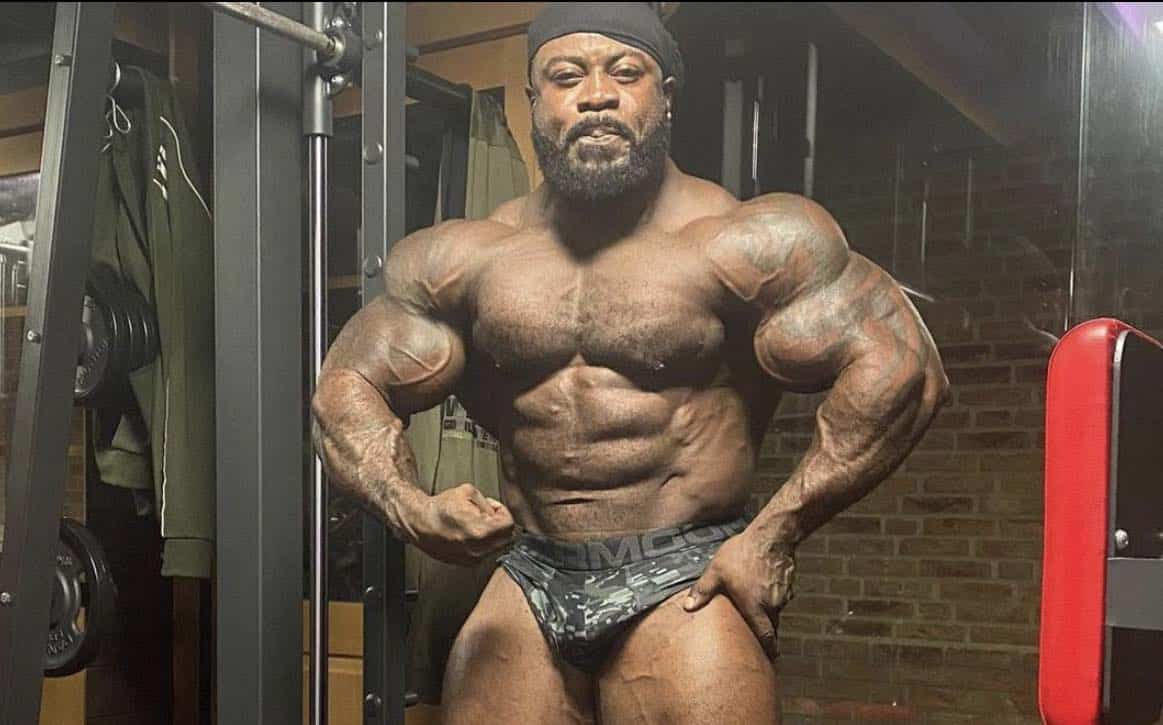
William “The Conqueror” Bonac has been a regular fixture in the competitive bodybuilding scene for over a decade. After finishing in the top five in five of the last six Mr. Olympia contests (2016-2021), the Men’s Open athlete’s latest mass-building update might say he’s finally ready to climb the Olympia summit this December.
On Sept. 18, 2022, Bonac’s nutritionist Chad Nichols shared a picture on Instagram where he said the bodybuilder weighed 120.3 kilograms (265.2 pounds) at the end of his training off-season. (Note: Nichols appeared to make a typo with the precise numbers of Bonac’s weight details.) According to Nichols’ caption, Bonac’s initial off-season body weight goal was 120 kilograms (264.5 pounds).
Bonac plans to take his newly-bulked physique to the 2022 Mr. Olympia this late fall. The contest will take place on Dec. 16-18, 2022, in Las Vegas, NV. According to NPC News Online, like some of his peers in other competitions, Bonac earned automatic qualification for this year’s Olympia by winning the 2022 International Federation of Bodybuilding and Fitness (IFBB) Pro League Boston Pro. In other notable results from this year, the Ghanaian competitor finished second at the 2022 Arnold Sports Festival to former Olympia winner (2019), Brandon Curry.
As a bodybuilder, Bonac has been on the doorstep of greatness at the Olympia for a little while now. It wasn’t always this way, which might speak to his commitment and growth as an overall professional.
In 2014, Bonac finished in 15th place at the 2014 Mr. Olympia — his debut at the competition. Just a year later, in 2015, Bonac cracked the top 10 with an eighth-place result. By 2016, Bonac had a top-five Mr. Olympia placing to his name. That figure is more or less where Bonac has hovered around since sans the arguable peak of his career when he took home second place at the 2019 Mr. Olympia. Curry won that edition of the prestigious contest.
Here’s a rundown of some of Bonac’s more noteworthy career results to date:
William Bonac | Notable Career Results
2014 Golden State Pro (Men’s Open) — First place | First career victory
2014 Mr. Olympia (Men’s Open) — First place | Competition debut
2015 Dayana Cadeau Pro (Men’s Open) — First place
2015 Mr. Olympia (Men’s Open) — Eighth place
2016 Mr. Olympia (Men’s Open) — Fifth place
2018, 2020 Arnold Sports Festival (Men’s Open) — First place
2019 Arnold Classic Australia (Men’s Open) — First place
2019 Mr. Olympia (Men’s Open) — Second place | Best Olympia result to date
2021 Mr. Olympia (Men’s Open) — Sixth place
2022 Boston Pro (Men’s Open) — First place | Earned 2022 Olympia qualification with victory
For Bonac to finally stand on top of the Olympia podium, he’ll have to overcome a cadre of elite competitors. With two-time reigning Olympia champion Mamdouh “Big Ramy” Ellsbiay leading a list of names that also features Curry, Nick Walker, Hunter Labrada, and Hadi Choopan — the Men’s Open division isn’t lacking for top-notch talent this year.
Such a field of athletes might make it tough sledding for Bonac in Las Vegas. Then again, with Bonac’s past consistency in the account, this could only be the culminating cap to a long and winding journey.
TUESDAY, Sept. 20, 2022 (HealthDay News) — As opioid overdose deaths continue to soar, a Canadian program points to one way to save lives: providing “safer” opioids to people at high risk of overdose.
That’s the conclusion of a study evaluating Canada’s first formal “safer opioid supply,” or SOS, program. Such programs aim to prevent overdoses by giving vulnerable people an alternative to the increasingly dangerous street supply of opioids.
In this case, the London, Ontario-based program provided clients with a daily dose of prescription opioid tablets, as well as basic health care, counseling and social services.
The result was a rapid drop in emergency department trips and hospitalizations among the 82 clients studied, the researchers found. And over six years, there was not a single overdose death.
“I think this is a landmark study,” said Thomas Kerr, director of research at the British Columbia Centre on Substance Use, in Vancouver, Canada.
Kerr, who was not involved in the study, acknowledged that SOS programs are controversial and have their critics. Concerns have included the possibility of opioid pills being sold, or people crushing the tablets and injecting them, which carries the risk of overdose or infection.
But criticisms of safer supply have been made in the absence of data, Kerr said.
“The whole conversation has been clouded by misinformation,” he said. “When we’re talking about matters of life and death, we can’t rely on people’s opinions.”
Kerr said he hoped the new findings “will mute some of the misinformation.”
The study was published Sept. 19 in the CMAJ (Canadian Medical Association Journal). Itcomes amid an ever-worsening opioid epidemic.
In the United States, opioid overdose deaths have been on the rise for years, and the situation worsened after the pandemic hit. In 2020, nearly 92,000 Americans died of a drug overdose — largely involving opioids, according to the U.S. Centers for Disease Control and Prevention.
The crisis has mainly been driven by illegally made versions of the painkiller fentanyl, a synthetic opioid that is 50 times more potent than heroin, health officials say. Illicit fentanyl is sold in various forms, including pills made to look like other prescription opioids. It’s also commonly mixed into other illegal drugs, like cocaine and heroin, to boost their potency. The result is that users are often unaware they’re taking fentanyl.
Safer supply programs are based on the principle of harm reduction — that overdoses, infections and other consequences of opioid addiction can be prevented, without requiring people who misuse drugs to be completely abstinent.
The new findings come from a program begun in 2016 at London InterCommunity Health Centre. It provides clients with hydromorphone (Dilaudid) tablets, dispensed daily, as well as many other services — including primary health care, treatment for infections like HIV and hepatitis C, counseling, and help with housing and other social services.
The researchers, led by Tara Gomes, of Unity Health Toronto, looked at data on all 94 clients who entered the program between 2016 and March 2019. They compared 82 of those people against 303 individuals diagnosed with opioid addiction who did not take part in the program.
Over one year, the study found, emergency department visits and hospitalizations fell among program clients, while remaining unchanged in the comparison group. And while clients had medication costs — covered by Ontario’s prescription drug plan — their yearly health care costs outside of primary care plunged: from about $15,600, on average, to $7,300.
Again, there was no substantial change in the comparison group.
Dr. Sandra Springer is an associate professor at Yale School of Medicine, in New Haven, Conn., who has helped craft practice guidelines for the American Society of Addiction Medicine.
“This study is further evidence that programs that meet patients where they are and provide easy access to clinical care for treatment of opioid use disorder can save more lives and reduce health care costs,” said Springer, who was not involved in the research.
Opioid dependency itself can be treated with medication-assisted therapy, which involves counseling and medications like buprenorphine, methadone and naltrexone.
“While this SOS program did not provide traditional medications for the treatment of opioid use disorder to all participants, those medications were available to patients through the program,” Springer noted.
And, she said, other research has shown that when people who use drugs are offered “compassionate care,” they are more likely to accept “evidence-based treatment.”
The extent to which SOS programs will spread remains to be seen. In 2020, Health Canada announced funding for several additional pilot programs. And last year, New York City opened two overdose prevention sites — where people with opioid addiction can use the drugs in a clean, supervised setting, and be connected with health care and social services.
The sites are the first publicly recognized overdose prevention centers in the United States.
Kerr said that in the face of an opioid crisis that is only worsening, “the status quo response is not sufficient.”
“We have to try new approaches,” he said, “and scientifically evaluate them.”
More information
The U.S. National Institute on Drug Abuse has more on opioid use disorder.
SOURCES: Thomas Kerr, PhD, director, research, British Columbia Centre on Substance Use, professor, social medicine, University of British Columbia, Vancouver, Canada; Sandra Springer, MD, associate professor, medicine, Yale School of Medicine, New Haven, Conn.; CMAJ, Sept. 19, 2022, online
At nine years old, most kids are probably riding their bikes or playing video games with their friends in their free time. The prolific nine-year-old weightlifter Rory van Ulft (30KG) spends much of her downtime showing off incredible strength for her age by lifting heavy weights.
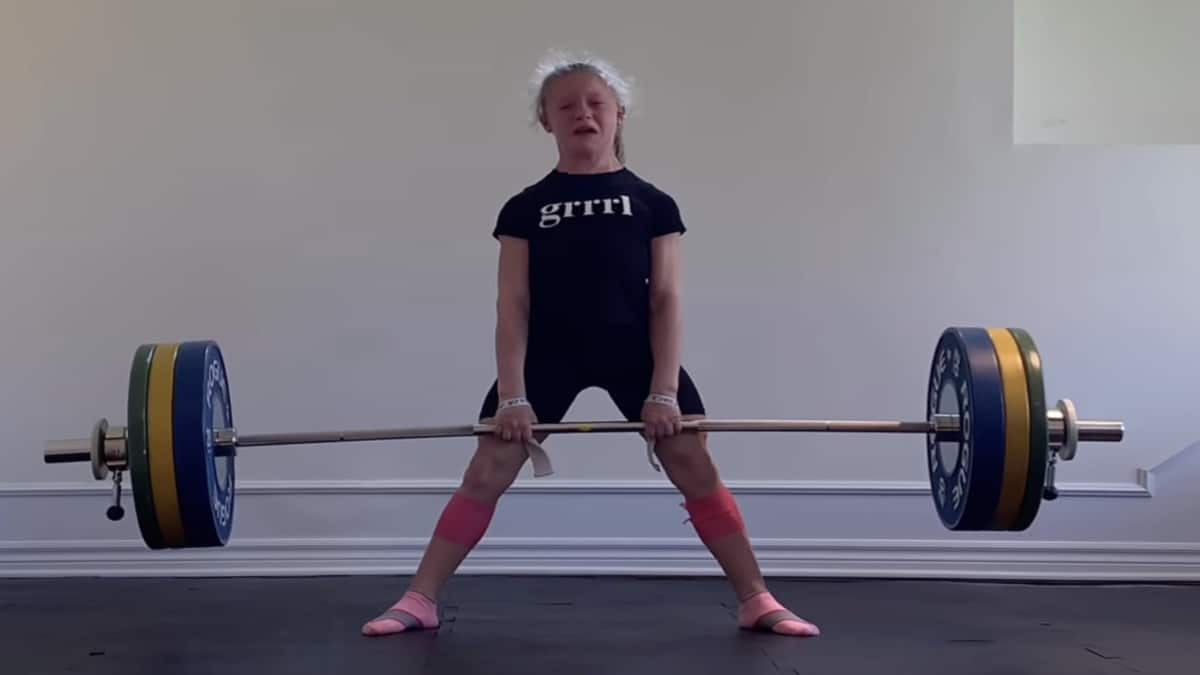
On Sept. 12, 2022, van Ulft posted an Instagram clip where the young athlete locks out a 111-kilogram (244.7-pound) raw deadlift from a sumo stance while wearing lifting straps during a training session. It is unclear whether van Ulft is wearing a lifting belt in the footage. According to the reigning three-time United States National Champion’s caption, the pull is 3.43 times her body weight of 32.3 kilograms (71.1 pounds) at the time of the filmed lift.
Notably, van Ulft’s loaded barbell does shift a bit as she initially tries to lock out her rep. Still, she manages to complete a lockout on a lift that would likely count in an official powerlifting competition.
The strongest kid ever is a girl!?
For more context, van Ulft’s deadlift is one kilogram (2.2 pounds) above the USA Powerlifting (USAPL) Youth Boys’ division record in the 67.5KG weight class — a category over twice her size. Jackson Bo Jensen holds that official mark of 110 kilograms (242.5 pounds) from the 2021 USAPL Youth Nationals.
On an international powerlifting scale, van Ulft’s achievement holds up to an impressive par, too. Her new massive deadlift from training is similarly one kilogram (2.2 pounds) higher than the second-heaviest all-time raw deadlift in the Men’s Youth division 53-kilogram weight class. Elbrus Dzhatiev owns that figure with a pull of 110 kilograms (242.5 pounds) at the 2019 Global Powerlifting Alliance (GPA) European Cup.
Based on her rapid training progress in recent years, a deadlift like this might have been inevitable for van Ulft.
In September 2021, when she was eight, the weightlifter deadlifted 80 kilograms (176.4 pounds). Earlier this year, in April 2022, the athlete scored a beltless deadlift of 90 kilograms (198.4 pounds). For someone whose social media is rife with clips of snatches and clean & jerks to prepare for her primary niche as a weightlifter, van Ulft showing versatile strength on a lift outside of that competitive sphere is plenty commendable.
At the time of this writing, van Ulft has not revealed any upcoming plans for formal competition. Though, it might not be long before she defends her title again. The athlete might parlay her training milestones into a fourth National Championship whenever she is seen on a sanctioned weightlifting platform once more.
The average person spends thousands of dollars a year on skincare products—lotions, creams, serums, tonics, and ointments designed to moisturize, heal, and fend off the outward signs of aging. For most people, the foremost consideration when choosing skincare products is, “Does it work?” However, the growing popularity of so-called clean beauty products indicates that more people are also caring about the quality of the ingredients they slather so liberally over their faces and bodies.
Why does it matter? Skin is the largest organ of the human body. It is also permeable. Anything we put on our skin makes its way inside, so we certainly don’t want to be applying harmful substances to our skin. We also rely on our skin to provide a barrier with the outside world, keeping harmful organisms where they belong. When it’s healthy, skin plays an important role in the immune system. In part, it does this by housing its own microbiome. The skin microbiome is distinct from the one you might be more familiar with in the gut, but just like the gut, the skin microbiome can be disrupted. When that happens, a host of health issues can follow Thus, we want to protect the skin microbiome, and one way we do that is by not applying harsh, even toxic, substances.
And of course, we want our skin to feel good. Dry, itchy, painful skin will make a person miserable. Even when it doesn’t cause physical discomfort, skin conditions can cause embarrassment. After all, it’s the outer shell that we present to people. Granted, other people don’t judge us as much as we think they do (they’re too busy worrying about how other people are judging them), but it’s natural to want to put your best foot—or best face—forward.
All this is to say, we want safe, effective, and affordable ways to care for our skin. Here’s where I’d start.
Choosing the Best Skincare Products
If you walk into your local drugstore and pick up any skincare product or cosmetic off the shelf, you’ll see a mile-long list of unpronounceable ingredients. Unpronounceable doesn’t automatically mean bad or harmful, but it can be hard to distinguish between ones you feel good about putting on your body and those you’d be better off avoiding.
More and more companies are making an effort to produce safer skincare products to meet consumers’ increasing demands. Labels proudly display buzzwords like natural, green, clean, non-toxic, and earth-friendly. The problem is, none of these terms are regulated by the FDA, so ultimately, they could mean anything… or nothing. The FDA does have a short list of banned or regulated ingredients, and “it’s against the law to use any ingredient that makes a cosmetic harmful when used as intended.” Beyond that, each manufacturer or retailer gets to decide for themselves what constitutes “clean” skincare.
Therefore, it’s up to the consumer to find trustworthy brands and to scope out the ingredients in the products they buy. You can really go down a rabbit hole here; some skincare companies list literally thousands of suspect ingredients they’ve banned. If that’s too overwhelming—and I wouldn’t blame you if it is—here are the top four I’d recommend avoiding.
Common skincare ingredients to avoid:
1. Parabens
Parabens are ubiquitous in personal care products including shampoos, conditioners, makeup, toothpaste, lubricant, shaving gel, moisturizers, and sunscreens. They are controversial due to their potential estrogenic effects and the possibility that they could be linked to various health problems. Although the evidence for their harm is inconclusive, public anti-paraben sentiment is strong enough that many companies have removed parabens from their products.
What to look for: Any word with “paraben” as the suffix in the ingredient list. Look for “paraben-free” on labels.
2. Phthalates
Being plasticizers, phthalates are abundant in plastics, but they also show up in most cosmetics, especially nail polish (to keep the polish from becoming brittle on the nail) and synthetic fragrance (as a preservative). Like most other plastic compounds, phthalates are endocrine disruptors. In humans, epidemiological studies have linked phthalate exposure to an alarming array of issues including insulin resistance and diabetes, obesity, allergies, asthma, and poor sperm function. Kids and adults are both at risk.
Now, correlation does not necessarily imply causation, but the observational studies coupled with potential physiological mechanisms (endocrine disruption) make me pretty suspicious of phthalates. Of course, much of our exposure comes from plastics and the ambient environment, but that doesn’t mean we shouldn’t limit exposure through cosmetics, too.
What to look for: Fragrance almost always contains phthalates. Sometimes, ingredient names will have the suffix “phthalate,” but you can’t always rely on that. You know what? Just be wary of that “phth” (how the heck do you even pronounce that?) because it shows up in the middle of words, too. As with parabens, many manufacturers are now letting you know when phthalates are absent in their products.
3. Fragrances
Fragrances are exactly what they sound like: synthetic compounds added to products to make them “smell good” (subjectively—I often despise them). And they’re everywhere.
The real problem with fragrance is that fragrance recipes are considered trade secrets. Companies don’t have to disclose the chemicals contained in a particular fragrance. Unfortunately, most synthetic fragrances contain phthalates, which I’ve already covered, and synthetic musks, which have been shown to impair endogenous cellular defense mechanisms. Basically, synthetic musks may hamper our cells’ ability to detoxify. Many fragrance ingredients are also allergens.
What to look for: Fragrance, parfum, aroma.
4. UV-filtering chemicals
Many sunscreens use UV filters like benzophenone and oxybenzone for their UV-blocking properties, but they also come with a cost: endocrine disruption. Certain forms of benzophenone, for example, inhibit the action of thyroid peroxidase, an enzyme necessary for the production of thyroid hormone. Chemical sunscreens frequently contain parabens and other problematic ingredients, as well.
If you’re looking for safer sun protection, opt for a hat and a lightweight cover-up, or go for a mineral sunscreen instead.
What to look for: Benzophenone, oxybenzone (benzophenone-3), octyl-methoxycinnamate, para-aminobenzoic acid (PABA), 3-benzylidene camphor (3-BC), 3-(4-methyl-benzylidene) camphor (4-MBC), 2-ethylhexyl 4-methoxycinnamate (OMC), homosalate (HMS), 2-ethylhexyl 4-dimethylaminobenzoate (OD-PABA). These are different chemicals with similar effects.
How to Promote Healthy Skin
Healthy skin is more than what you rub on it. Your lifestyle is reflected in your healthy glow—or lack thereof.
Sleep
When you don’t sleep enough, your skin suffers. Insufficient sleep leads to impaired skin barrier function and accelerated skin aging. Sleep deprivation has a direct impact on the integrity of the skin, including the production of collagen. The result is saggier, more wrinkle-prone skin, a sallow complex, and under-eye circles to boot.
If you’re dehydrated, so is your skin. To maintain skin elasticity, make sure you’re drinking enough water.
And avoid drinking too much alcohol. Alcohol abuse has long been associated with various conditions of the skin, including jaundice, hyperpigmentation, flushing, and psoriasis. While I doubt most readers take their alcohol consumption to abusive proportions, these extreme cases indicate that alcohol isn’t particularly skin-enhancing.
Build a Healthy Gut
The state of your gut biome is central to basically every aspect of your health, so why not your skin? Scientists acknowledge that the state of your gut affects you skin via the “gut-skin axis.” Rosacea, for example, can be a sign of underlying H. pylori infection. Gut dysbiosis—too many undesirable microbes and/or too few of the good guys—leads to leaky gut and systemic inflammation that in turn contributes to skin afflictions like atopic dermatitis, psoriasis, hidradenitis suppurativa, and alopecia. Folks with these skin conditions also tend to have higher rates of ulcerative colitis, Crohn’s disease, and irritable bowel disease. It’s all connected.
If the idea of researching and choosing safe skincare products has your head spinning, here are some ways you can use simple items you probably already have in your home to nourish your epidermis.
Scrub with sugar or sea salt: Finally, a good use for sugar. Be careful using abrasives on the face, but these are great for the neck down.
Moisturize with avocado oil: Avocado oil is packed with good-for-your-skin nutrients, like carotenoids, healthy fat, and vitamins A, D and E. Together, they can boost collagen production, fade age spots, calm inflammation, and treat sunburns. Pour a few drops in your hand and work it into clean, damp or dry skin.
Dab on apple cider vinegar: The acidity of apple cider vinegar can potentially help with acne, atopic dermatitis, and psoriasis. Just make sure you dilute it first.
Moisturize with shea butter: Shea butter—packed with stearic, palmitic, linoleic, and oleic acids, as well as vitamins E and A—smooths dry skin like no other. It’s best when used in its purest, rawest form, so seek out unrefined shea butter.
Make your own deodorant spray: I’ve had many readers tell me they no longer need deodorant after going Primal, but if you want something for your pits, mix equal parts vodka and distilled water in a small spray bottle. Add a few drops of your favorite essential oil (lavender and tea tree are nice), and voila.
To Shower or Not to Shower?
Water, the most basic element of hygiene. How could we possibly go wrong there? Grok, for his part, had access to mineral-rich, relatively pristine lakes, rivers, and springs. To really emulate Grok, we’d have to wash ourselves with pure, unchlorinated water (sorry to all those readers who have city water) and abandon all soaps, shampoos, toners, cleansers, and lotions.
Now I know some hardcore individuals who have given up showering and all personal care products. I’m not saying you have to, I’m saying it’s possible. But I also don’t blame you if that’s a bridge too far. That said, if your water is chlorinated to the point where you can smell it, or if you have chronic skin conditions of any kind, consider fitting a water filter to your shower head. And ease up on the soap lathering. Your skin was designed to produce its own oils to provide natural protection against the elements, and a good lather is going to reverse all that hard work. Wash off the dirt, sure. Subject your skin microbiome to an aggressive sand-blasting, no.
Thanks for stopping by, folks. What changes have you seen to your skin since going Primal? What kinds of practices and products do you use for good skin health? Also, what have you stopped doing or buying that made a positive difference?
About the Author
Mark Sisson is the founder of Mark’s Daily Apple, godfather to the Primal food and lifestyle movement, and the New York Times bestselling author of The Keto Reset Diet. His latest book is Keto for Life, where he discusses how he combines the keto diet with a Primal lifestyle for optimal health and longevity. Mark is the author of numerous other books as well, including The Primal Blueprint, which was credited with turbocharging the growth of the primal/paleo movement back in 2009. After spending three decades researching and educating folks on why food is the key component to achieving and maintaining optimal wellness, Mark launched Primal Kitchen, a real-food company that creates Primal/paleo, keto, and Whole30-friendly kitchen staples.
“My husband teases me that I’m terrified of looking ‘schlumpy,’” my friend Alison Piepmeyer told me, which is funny because she always looks so polished and bright. Here, the marketing exec and mother of two shares her secrets, including the best balloon pants, thrifting hacks and her beautiful advice on grieving…
“I work at Color Factory, and I feel like part of my job as CMO is to look the part. For that reason, a section of my wardrobe is very bright and happy. I love a maxi dress, and I love stripes, so when I saw this dress, it was a fit. I’ll wear when I’m giving a tour at work or meeting with investors, and I’ll wear it on date nights with my husband.”
“Honestly, I’m a very phase-y person with my wardrobe. When we lived in San Francisco, I called my style ‘French Fisherman’ and wore beanies and canvas pants. Then there was a season when I traveled to Tokyo, got into Japanese style and bought all my clothes from Muji. Nowadays, I’m inspired by Sienna Miller‘s minimal style and Meg Ryan’s ’90s looks.”
“When I was pregnant with my daughter, who’s now eight months old, I wore overalls all the time. If you’re running errands but want to feel interesting, here’s your outfit. And I always wear ruffled shirts underneath; I like that contrast between delicate things and workhorse denim.”
“With my hair, I’ve experimented with every color and length — when I got married, it was down to my waist; right after our wedding, I got a pixie. But five years ago, I finally found a cut that feels like me. When I go to a new stylist, I’ll show them a Pinterest board with a bunch of photos of the same haircut. When I showed my new Brooklyn stylist, he was like, yeah, I got it, you crazy nutso lady!”
“Seventy-five percent of my clothes are from stores, and 25% are thrifted. At thrift stores, I’ll look only for denim or cotton or linen, versus synthetic fibers. Otherwise you can get stuck in the store forever. I also like the men’s sections because they’re less picked over — I found this oversized men’s chambray shirt for like $4.”
“For regular stores, Alex Mill makes cute classics. I turn to COS for sculptural shapes, like the balloon-y pants I’m wearing here. And all my basics are from Uniqlo because their stuff lasts forever.”
“My dad died suddenly this past June. That night is seared into my memory because I was excited — my brother had just come over, and we were going to celebrate his birthday with burgers and a big bottle of Champagne. The sky was a vivid blue. My husband had the stereo outside playing this French radio station he’s obsessed with called FIP. Our kids were sitting on a playmat. Then I got a call from my mom, and she said, it’s not looking good. In that moment, so many weird things go through your mind. I was supposed to leave on a business trip the next day, and I immediately was like, who is going to run that business trip?”
“I became the defacto person who was connecting all the family members. I was very calm. Nothing felt real, it felt like I was in a movie. The first time I cried was a few hours later when my mom went to the hospital and they pronounced him dead. Then I was like, wait, what? Since then, it’s been this surreal summer. Small things will set me off and I’ll cry. And other times life feels totally normal. And then I hate that it’s normal. His death still doesn’t make sense to me. I’ve talked to other people who’ve lost their parents and they said they felt numb. I have two little kids who need my attention all the time and a demanding job, so I compartmentalize. And now that it’s fall, my son is going back to school, and work is calming down, and in some ways I’m worried — what will that mean when I can come up for air? Will I lose it?”
“My four-year-old son Linus tells EVERYONE. His conversation starter at the playground is, ‘My grandpa died!’ But I get it. When someone asks me how my summer was, I can’t help saying, ‘Well, my dad died in June.’ It makes me feel better getting it out there. It’s like a mosquito bite that you want to scratch — it hurts but it feels good. It’s a pain that I want. It hurts so good, is that the phrase?”
“Things that make me feel better: Abbott Elementary is so cute and well done. My son loves Harry Styles, so we listen to his songs mixed with spooky Halloween music. And you just have to wake up and get dressed and go outside. Then I like when people give me a big hug and say, ‘I’m so sorry, this sucks, I love you, and I’m here.’”
Note: If you buy something through our links, we may earn an affiliate commission, at no cost to you. We recommend only products we genuinely like. Thank you so much.


















 The average person spends thousands of dollars a year on skincare products—lotions, creams, serums, tonics, and ointments designed to moisturize, heal, and fend off the outward signs of aging. For most people, the foremost consideration when choosing skincare products is, “Does it work?” However, the growing popularity of so-called clean beauty products indicates that more people are also caring about the quality of the ingredients they slather so liberally over their faces and bodies.