Virtual clinical supervision platform Motivo Health raised $14 million in a Series A funding round led by long-term investor Cox Enterprises, with participation from SteelSky Ventures and Great Oaks Venture Capital.
Motivo enables virtual supervision and coordination of licensure requirements for mental health at the state level, connecting them with clinical supervisors to help reduce the cost and time to achieve and maintain licensure for therapists.
The company’s founder, therapist Rachel McCrickard, started Motivo in 2017 to help remove the barriers she faced when getting her own license, when she was forced to travel two hours to the closest supervisor.
Users can browse Motivo’s directory of nearly 1,000 vetted supervisors, with the ability to filter by state, license type and specialty area, then schedule a free introductory call.
Once they have matched with a supervisor, the supervision sessions can begin immediately through a tiered pay-as-you-go model that can be customized according to a group’s size, or as a one-on-one option.
Motivo’s platform includes a back-end practice-management component for supervisors, along with other features for hours tracking, secure documentation and payment.
The Atlanta-based startup has also formed partnerships with the American Counseling Association and the American Association for Marriage and Family Therapy (AAMFT), and recorded a $2.2 million seed funding round in December 2019, also led by Cox Enterprises.
THE LARGER TREND
Startups in the mental health space continue to receive funding, including mental health chatbot Wysa, which in July scored $20 million in a Series B financing round led by HealthQuad.
That same month, teletherapy startup Sensible Care raised $13 million in a Series A funding round and plans to use the funds to expand to states with large TRICARE populations, like Texas, Florida and Virginia.
Earlier this year, mental health benefits startup Spring Health expanded into family care through a partnership with Weldon that offers chats with therapists, social workers and parenting coaches, as well as group support and educational content.
It’s not just startups. Amazon plans to add behavioral health services to its Amazon Care offering, and via a partnership with digital mental health company Ginger.
ON THE RECORD
“At a time when our society needs quality mental health providers, it’s critical we leverage technology to remove unnecessary barriers in the licensure process,” McCrickard said in a statement.
“We are thrilled to deepen our partnership with Cox Enterprises, SteelSky Ventures and others. Our investors align with our mission and will help accelerate our growth, while also keeping a keen eye on the overall quality and impact we are having on the mental health profession.”
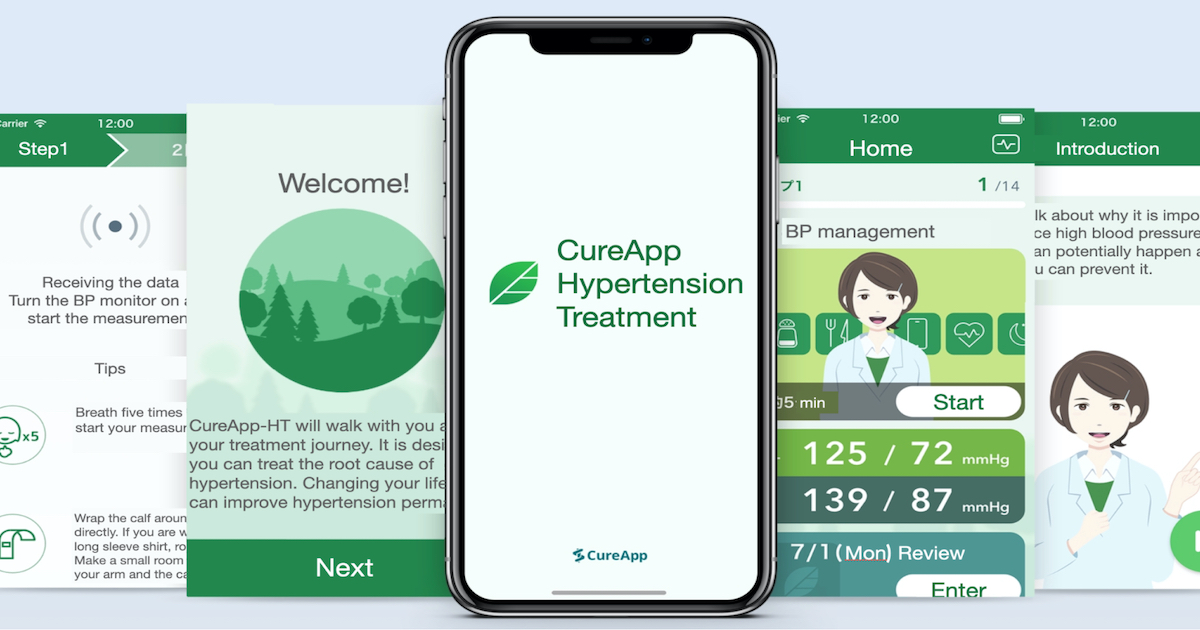
Japanese medical technology firm CureApp is getting 7 billion yen ($51.4 million) in investment from global investment firm Carlyle as part of their strategic partnership.
Carlyle is taking a minority stake in the company, which has so far raised 13.4 billion yen ($98 million) in capital funding.
Founded in 2014, CureApp is involved in the research and development of prescription and non-prescription digital therapeutics applications.
WHAT IT’S FOR
The latest funds, which form part of the company’s Series G funding round, will support the rollout of CureApp’s prescription DTx app for the treatment of hypertension. It will also help advance the development of its pipeline DTx apps.
THE LARGER TREND
In April, CureApp obtained approval from Japan’s Ministry of Health, Labour and Welfare for its hypertension DTx app, which was found to have decreased the risk of developing cardiovascular and cerebrovascular diseases by 10.7% in a clinical trial last year. The company also received the same approval for its smoking cessation treatment app in 2020.
Presently, CureApp is developing DTx apps to treat non-alcoholic steatohepatitis, alcohol addiction, breast cancer, and chronic heart failure.
The global DTx market is projected to reach $13.8 billion in value by 2027, growing at a 20.5% CAGR from 2019.
Indonesian digital pharmacy Lifepack scores $7M in Series A funding
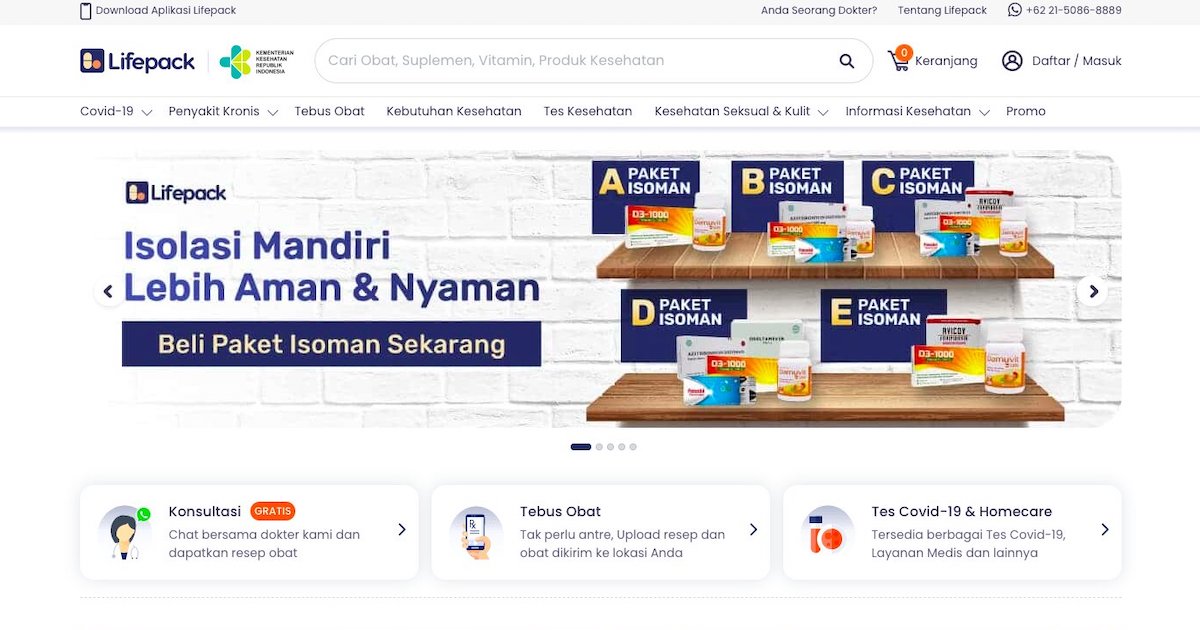
Lifepack, a digital pharmacy in Indonesia, has raised $7 million in a Series A funding round led by Golden Gate Ventures.
Launched in 2020, the mobile health platform offers quality and cheap medicines, including over-the-counter drugs, general supplements, and medication for chronic illnesses. Available on Android and iOS devices, Lifepack also provides on-demand online consultation from registered doctors and a team of certified pharmacists.
According to a news report, its fresh funds will go to building seven more pharmacy warehouses across Indonesia, adding to its existing two warehouses in Jakarta and Surabaya.
CureApp signs license deal with Sawai Group for upcoming NASH DTx app
Japanese medical technology company CureApp is getting an investment worth up to 10.5 billion yen ($77 million) as part of a newly signed deal with the pharmaceutical firm Sawai Group.
The license agreement will provide the Sawai Group exclusive rights for the development and marketing of a new digital therapeutics app for the treatment of non-alcoholic steatohepatitis (NASH), an advanced form of non-alcoholic fatty liver disease.
CureApp notes that there are some two million patients with NASH in Japan today with 10 million more who are at risk of developing the disease.
Its upcoming DTx app will provide users with a personalised daily behaviour therapy regimen and a visual guide of their treatment status.
The company plans to roll out the app in medical institutions via its proprietary app prescription service. Presently, CureApp is preparing to enter the third phase of clinical trials of the NASH DTx app.
Wipro GE Healthcare ties up with Boston Scientific for combined heart care offerings in India
Medical technology company Wipro GE Healthcare and Boston Scientific, a US-based medical device manufacturer, have entered into a collaboration to deliver end-to-end interventional cardiac care solutions in India.
Boston Scientific will combine its medical devices with GE Healthcare’s medical imaging systems, particularly its cardiac catheterisation lab and related software, to support diagnostics through treatment and monitoring of the cardiac patient-care pathway.
The organisations will also support the training and education of healthcare professionals and will raise consumer awareness about the innovations in cardiac catheterisation procedures.
A similar collaboration that offers their combined cardiology solutions has also kicked off in Southeast Asia.
Mental health app Intellect supports Banyan Tree’s wellness programme
Digital mental health platform Intellect has partnered with multinational hospitality group Banyan Tree to support the latter’s wellbeing programme.
Guests who have booked the Wellbeing Sanctuary service at Banyan Tree Bintan in Indonesia will have access to the Intellect mobile app as part of an end-to-end wellbeing support package.
From August, guided content and habit-building programs from the Intellect app will be made available for guests to access throughout and after their stay.
AstraZeneca to deliver Alveofit’s IoT-powered spirometers across Indian care settings
AstraZeneca India has teamed up with digital respiratory care platform Alveofit to deliver IoT-enabled spirometers across its network of care settings in India.
According to a press statement, the Alveofit devices will be used to remotely monitor the conditions of patients with lung disorders and associated non-communicable diseases like asthma, pulmonary fibrosis and chronic obstructive pulmonary disease.
It will be distributed in select hospitals under AstraZeneca’s A.Catalyst network, which includes Employee’s State Insurance Corp. hospitals, command and military hospitals, general hospitals and last mile clinics in cities such as Lucknow, Chennai, Nagpur, Delhi, Ahmedabad and Kolkata.
Fred launches third-party apps marketplace for pharmacies
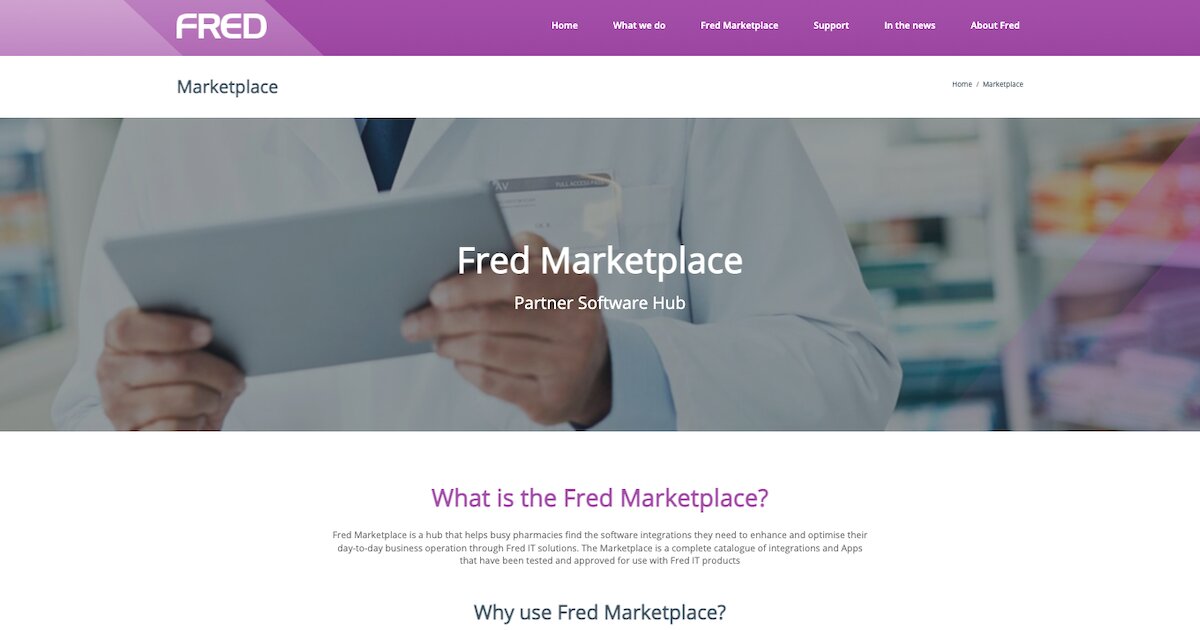
Australian pharmacy IT solutions provider Fred IT Group has launched an online marketplace of third-party applications for pharmacies.
Called Fred Marketplace, the web-based hub has solutions that have been approved and tested for use with Fred’s software, including apps and integrations for robots, eCommerce, business intelligence, clinical services, drug information and medication management, loyalty and payment.
Third-party solutions come from Fred’s trusted vendor partners, namely BD, Dataology, GuildLink, LifeSmart, MIMs, Modeus, Storbie, StrongRoom, Tyro, and Willach Pharmacy Solutions.
The marketplace will continue to bring on new software partners and approved applications as it expands.
University of South Australia researchers develop fibre sensors to remotely monitor patients
Scientists from the University of South Australia have developed tiny optical fibre sensors to remotely track the positions of patients dealing with painful pressure sores in their beds.
“Each year, thousands of older Australians in hospitals and nursing homes experience pressure injuries, or ulcers, which take a long time to heal and can be fatal. At the very least, these injuries can cause severe pain, disrupt sleep, affect their mood, as well as their rehabilitation, mobility and quality of life,” said Dr Stephen Warren-Smith, the lead researcher behind the new technology.
The fibre sensors are attached to the upper surface of a mattress to monitor movement and record heart and respiratory rates.
By picking up their breathing, the unobtrusive sensors can detect when a patient turns over, leaves a bed, or remains motionless. Nurses can be prompted if a patient has not moved for hours so they could adjust their position.
Current methods to monitor patients dealing with pressure sores use weight-based sensors, which cannot predict when a patient leaves the bed until their feet touch the floor. Camera-based technologies are also being used, although privacy is a major concern.
EpiAxis Therapeutics, Peptilogics partner for AI drug discovery
Australian drug developer EpiAxis Therapeutics and Peptilogics, a US-based biotechnology company, will harness AI in drug discovery to inhibit epigenetic oncology targets.
Their project will make use of Peptilogics’ AI platform Nautilus, together with EpiAxis’s expertise in epigenetics, to advance drug discovery for cancers that escape existing therapies through epigenetic change, including metastatic breast cancer.
“We will focus on lead optimisation using Peptilogics’ Nautilus platform, which combines proprietary deep generative models, predictive models, and biophysical simulation to design multiparameter-optimised peptides with [the] potential to address historically challenging and novel drug targets,” said Peptilogics CTO Nicholas Nystrom.
This partnership follows EpiAxis’s recently concluded clinical trial which for the first time has used an epigenetic inhibitor alongside chemotherapy to treat metastatic cancer.
This article was previously published April 20, 2019, and has been updated with new information.
Antioxidants play an important role in promoting health by protecting your body from free radicals, which are molecules that interfere with the function of your organs, resulting in damage.1 In this regard, many people do their best to increase their intake of well-known antioxidants such as vitamin C and E, as well as flavonoids from plants. But sometimes, this is simply not enough.2
What if there is a certain antioxidant that trumps everything else? The answer you’re looking for isn’t found in a vegetable or a fruit, but from deep within the ocean: astaxanthin.
Astaxanthin, commonly called “King of the Carotenoids,” is a naturally occurring substance found in a specific type of microalgae, as well as certain seafood. In addition, its red color is responsible for turning the flesh of salmon, crab, lobster and shrimp pink.3 The research regarding this antioxidant is promising, as it has shown that astaxanthin possesses a variety of health benefits.
The Best Astaxanthin Comes From Microalgae
You may have seen some astaxanthin supplements sold in your local health store. Be vigilant in reading the product labels because some of them are made using synthetic ingredients. Of course, you want to avoid these products because they’re made using petrochemicals obtained from petroleum and natural gas.
If you want real astaxanthin, it must be straight from the source, which is the Haematococcus pluvialis microalgae. This type of algae produces the antioxidant once its water supply dries up, and goes into survival mode to protect itself from sunlight, ultraviolet radiation and low nutrition. Astaxanthin is a result of this process. In addition, there are several foods that contain generous amounts of astaxanthin, mainly seafood that consume the microalgae, such as:4
Astaxanthin is also available in various dosages. If you choose to go the supplement route, I strongly recommend getting the ones made from the Haematococcus pluvialis microalgae, not the ones made from petrochemicals. This ensures that you’re getting the legitimate benefits the antioxidant is known for, as well as safeguarding your health.
Studies Regarding the Benefits of Astaxanthin
Astaxanthin is quite possibly one of the most valuable antioxidants you can ever take advantage of. Research about this substance is continually growing, and the results are very promising, such as:5
Improved antioxidant profile — One standout feature of astaxanthin is that it is 550 times stronger than vitamin E and 6,000 times more potent than vitamin C. In addition, it is 10 times more effective than zeaxanthin, lutein, canthaxanthin and beta-carotene.6
Research has shown that this antioxidant may benefit your health in important ways. In one example, astaxanthin exhibited digestive-protective properties in rats affected with gastric ulcers.7
Hearing protection — Astaxanthin may benefit your hearing by raising your neurotrophin-3 (NT3) levels, a protein that plays a role in the communication between your ears and your brain. A study was able to support this hypothesis when researchers discovered that astaxanthin helped reverse hearing loss in mice.8
Management of diabetes — Researchers suggest that astaxanthin may benefit diabetics by reducing oxidative stress in their pancreatic cells caused by high blood sugar levels, as well as improve glucose and serum insulin levels.9
Reduced risk of cardiovascular disease — Taking astaxanthin regularly may reduce the risk of inflammation in your cardiovascular system.
In one study, participants who took 12 milligrams of astaxanthin per day were able to decrease the presence of C-reactive protein in their body, which is an indicator of inflammation. In another study, Sprague Dawley rats affected with myocardia had a reduced infarct size once astaxanthin was administered.10
Anticancer properties — Astaxanthin has been shown to have potential in fighting cancer. Experts believe that the antioxidant works by decreasing mutagenesis and carcinogenesis by inhibiting oxidative damage to cells.
Furthermore, it restores cell-to-cell communication to help decrease tumor proliferation. In one example, astaxanthin exhibited growth-inhibitory effects in human colon cancer cells.11
Immune system boost — Your immune system is constantly attacked by free radicals, and astaxanthin can help turn the situation around.
Reports strongly suggest that astaxanthin showed higher immunomodulating effects compared to beta-carotene, as well as enhanced antibody production and decreased humoral immune response.12,13
Better eye health — A few studies suggest that astaxanthin may help protect your eye from various conditions, such as:
Cataracts
Age-related macular degeneration
Glaucoma
Inflammatory eye diseases
Diabetic retinopathy
Neuroprotective effects — Several studies suggest that astaxanthin may be a powerful tool in maintaining brain health, thanks to its anti-inflammatory and antioxidant properties. In one example, 10 elderly participants who took 12 milligrams of astaxanthin daily for 12 weeks displayed improved cognitive and psychomotor function.14
Side Effects of Astaxanthin Are Practically Nonexistent
One of the most interesting things about astaxanthin is that it is completely safe to consume, even at doses as high as 500 milligrams per day. The only documented side effect is a slight reddening of the skin, which can only occur if you increase your dosage. In any case, I still recommend that you visit a doctor to help assuage any concerns you might have before taking the supplement.
Supplements Are Beneficial, but Natural Sources May Be Better
Based on published data, it’s clear that astaxanthin has strong potential for helping optimize your health in a convenient manner when taken as a supplement. However, it may be more beneficial to consume astaxanthin using a natural approach via the foods where it is commonly found.
For example, wild-caught Alaskan salmon is one of the most nutritious foods you can add to your diet. Aside from astaxanthin, it is rich in omega-3 fatty acids that can provide a wealth of benefits to your overall well-being, such as decreased risk of coronary heart disease and arrhythmia. Almost anyone can benefit from omega-3 fatty acids, as it is an essential nutrient that must be obtained through your diet. Going with a natural approach is essentially hitting two birds with one stone.
Frequently Asked Questions About Astaxanthin
Q: Should I take astaxanthin?
A: There’s plenty of research that supports the potential health benefits of astaxanthin to your health. In other words, chances are high that taking astaxanthin will help optimize your health.
Q: What is astaxanthin used for?
A: Astaxanthin is generally taken to help improve the antioxidant profile in your system as well as helping lower your risk of cardiovascular disease, among other things.15
Q: What does astaxanthin do for the body?
A: Research has shown that astaxanthin may help manage diabetes, lower your risk of heart disease and cancer, and boost your immune system and antioxidant profile.16
Q: Is astaxanthin safe to take?
A: Yes, but this only applies to natural astaxanthin that comes from microalgae. Synthetic astaxanthin must be avoided.
Q: How do I take astaxanthin properly?
A: Astaxanthin supplements should be taken alongside foods rich in healthy fats to help improve absorption. This antioxidant may also be obtained naturally through seafood, such as wild-caught Alaskan salmon.
Aug. 18, 2022 – Here’s another vote for less screen time. Tracking blood pressure with a smartphone app won’t lead to any greater drop in blood pressure than simply self-monitoring with the kind of device that doctors typically suggest be used at home.
That’s according to a new study involving patients with high blood pressure, also known as hypertension, who were randomly placed into one of two groups. Half of the people in the study self-measured their blood pressure with a standard monitor alone. These devices consist of a measuring unit attached to a cuff made of a piece of rubber or similar material that is wrapped around your arm and then inflated to measure your blood pressure. The other half, or the second group, self-measured their blood pressure using the standard device paired with a connected smartphone app.
Both groups achieved nearly identical reductions in blood pressure (about 11 points in systolic blood pressure – the top number) over 6 months, reported satisfaction with the monitoring process, and shared their readings with their doctors with similar frequency.
The study involved 2,101 adults, generally middle-aged or older, who said they would try to reduce their blood pressure by at least 10 points.
“By itself, standard self-measured blood pressure has minimal effect on BP control,” wrote lead author Mark J. Pletcher, MD, of the University of California, San Francisco, and colleagues in JAMA Internal Medicine. To actually improve blood pressure control, there also needs to be patient feedback, counseling, or other opportunities for intervention.
The researchers also saw other similar results between the two groups in the study. For example, 70% of those who used the app said they would recommend following the process they used to track their blood pressure to a friend, compared with 69% of participants who followed the standard approach.
New devices that link with smartphone apps, like the one used in this trial, send blood pressure measurements to the patient’s smartphone. The apps allow for tracking measurements, interpret the results, and can send reminders to measure blood pressure and take medications. They also offer recommendations for a healthier lifestyle and provide nudges to discuss your blood pressure with your doctor, among other things, the researchers explained.
Pletcher noted that it’s hard to get people to actively use health-related apps for long periods of time.
“There is so much competition for people’s attention on their phone,” he said.
But he hasn’t given up on these apps, saying that “with the right technology and connectivity and user experience, they still could be game-changing for managing” high blood pressure and other long-term health issues.
Matthew Jung, MD, of the University of Southern California, says the study is noteworthy for several reasons, including its large size, the similar level of comfort with technology reported by both groups, and representation of Black and Hispanic people.
But he also pointed out several study limits, including that one-third of the people studied never confirmed they received a device, less than half of the group assigned to using the app said they used it, and the study only lasted 10 weeks.
Aug. 18, 2022 – Researchers are chasing a range of potential culprits in the race to find the causes of long COVID. Some things they agree on: There will be a number of different causes, and the symptoms will vary wildly from case to case.
The two leading theories: The persistence of the coronavirus that causes COVID-19, and an overactive immune response.
There’s evidence the SARS-CoV-2 virus – or at least pieces of it – can hide out and linger in the body, and it’s possible this is feeding an ongoing, over-the-top immune reaction.
Other viruses are known to do this. Epstein-Barr virus is seen as the cause of most cases of multiple sclerosis. Chronic fatigue syndrome, long a medical mystery, has also been linked to viral infections.
With a fired-up immune system meeting up with a lingering virus, the causes of long COVID promise to be as numerous as the range of symptoms it produces – 62, according to a recent U.K. study.
Long COVID is a syndrome – a cluster of symptoms that can be driven by different things in different people – says Michael VanElzakker, PhD, of the Division of Neurotherapeutics at Massachusetts General Brigham Hospital in Boston.
“So, it doesn’t have to be one cause, one symptom, one diagnosis, one treatment,” he says. “It’s a convergence of mechanisms that can drive subjective symptoms in different ways in different people.”
VanElzakker teamed up with microbiologist Amy Proal, PhD, to create the PolyBio Research Foundation in Washington state. It focuses on complex chronic inflammatory diseases like myalgic encephalomyelitis/chronic fatigue syndrome (ME/CFS). They have been looking at long COVID, also.
Writing in June in the journal Frontiers in Microbiology, they say long COVID is often described as unusual or mysterious, but it shouldn’t be. It can take months or years for a person to clear the Ebola virus, for example. Other syndromes that may be sparked by viruses, like ME/CFS, have been connected to long-term health effects and produce symptoms matching long COVID.
VanElzakker thinks persistent virus plays a key role, but he says skeptics argue that tests that find pieces of genetic material known as RNA are just finding harmless remnants. Researchers are going to have to use multiple methods to show that actual leftover virus can be a cause, he says.
“Which is fair,” he says. “Bold claims require lots of evidence.”
While a patient may test negative for COVID, those bits of virus may be lurking in other organs or systems. At the same time, they may also cause your immune system to signal a false alarm response. Data suggests the immune system may be overresponding to residual virus.
Akiko Iwasaki, PhD, of the Department of Immunobiology at the Yale School of Medicine, and colleagues found evidence the immune systems of long COVID patients are reacting to something.
In a preprint study that has not yet been peer-reviewed, they reported they found evidence that COVID-19 infection had reactivated herpes viruses – Epstein-Barr virus and varicella-zoster virus, which causes chickenpox and shingles. These herpes viruses never leave the body, and Iwasaki’s team found evidence the immune systems of long COVID patients might be responding to these reactivated viruses.
They also found evidence of exhausted immune cells known as T cells, and found that the single most obvious difference in the blood of long COVID patients versus people who didn’t have long COVID was the level of the stress hormone cortisol.
Cortisol levels “alone were the most significant predictor for long COVID classification,” they wrote.
Attacking Lung Cells
At the University of North Carolina School of Medicine in Chapel Hill, researchers have been looking at the lungs of mice after they clear the virus to find out what is driving the disease.
A team including Richard Boucher, MD, director of UNC’s Marsico Lung Institute, looked at mice between 15 and 120 days after the virus had cleared and found it had infected cells deep in the lung. These cells have two key roles: they lubricate lungs and exchange oxygen for carbon dioxide.
“So, you get a double hit early on,” he says. “You don’t have enough of these cells, so they don’t produce the lubricant that you need. Your lungs can get stiff, and it gets very difficult to breathe.”
The immune system is then triggered to help clean up the viral infection. In the mice, it stayed activated for up to 4 months, their research found. “That’s probably the majority of what goes on in the lung with people post-COVID, and that will show up as shadows on a CT scan,” Boucher says.
But he and others suspect the immune response to COVID-19 can trigger processes similar to those seen in the early stages of pulmonary fibrosis, a progressive scarring of the lung.
“You have a lot of extra immune cells in the lung that shouldn’t have been there, and the immune cells began to put down fibrous tissue, or scar, because they couldn’t repair things,” Boucher says.
His team treated the mice with nintedanib, a relatively new drug for idiopathic pulmonary fibrosis, and it appears to help, Boucher says. The FDA approved the drug in 2020 to treat chronic fibrosing (scarring), one of the first treatments for the condition.
In earlier work, Iwasaki and colleagues, including epidemiologist Mady Hornig, MD, of Columbia University, also looked at unexplained post-infection syndromes.
“Certain acute infections have long been associated with an unexplained chronic disability in a minority of patients,” they write in Nature Medicine. “These post-acute infection syndromes represent a substantial health care burden, but there is a lack of understanding of the underlying mechanisms, representing a significant blind spot in the field of medicine.”
That may be changing with research into long COVID, Hornig says. “The pandemic is one of those turning points,” she says.
The sheer number of patients and the chance to monitor them will offer answers about these syndromes, she says. “We have at least some acknowledgment that there is the possibility of a range of disabling features that can affect a wide range of organ systems,” she says.
What remains unknown, Hornig says, is the degree to which specific pathogens create critical differences in the individual’s persistent symptoms.
For example, she believes that ME/CFS has multiple causes, and she has been investigating the things that may be at play. While about 75% of patients with ME/CFS report a triggering infection, the rest do not.
Another theory is that small blood clots – blood clots are a hallmark of severe COVID-19 infection – might be the root of some of the symptoms of long COVID.
VanElzakker from Mass General Brigham says research into that theory still needs to be repeated, but he would be surprised if the blood clots were not involved.
For now, at long COVID clinics nationwide, health care professionals are treating the symptoms without waiting for proof of a cause. Research into exactly what triggers the cascade of events offers the hope of new treatments. Studies are underway worldwide. The Biden administration pledged support for expanded research in April.
Today, we’re answering both of them (and much more).
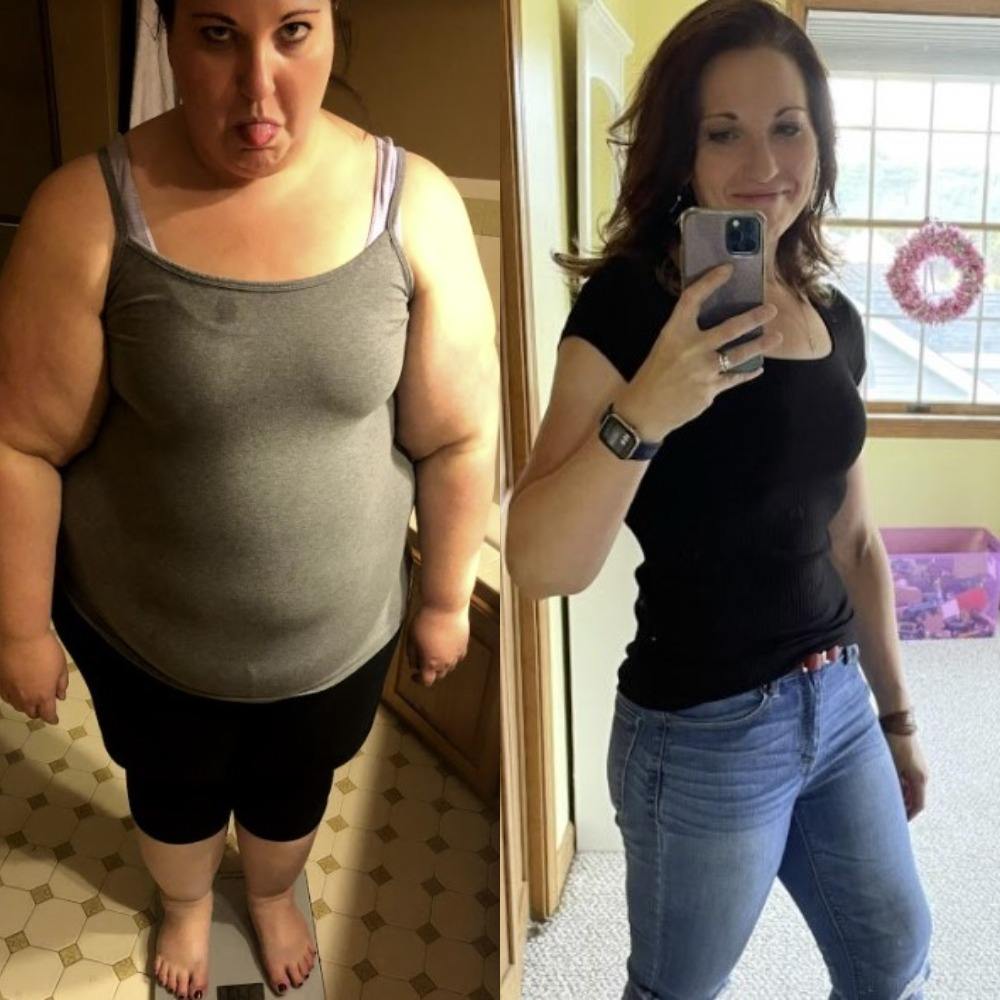
Walking is a great form of exercise and something we often recommend to folks starting our coaching program. Some have had great success walking, including Megan, who has a daily practice to maintain her weight loss journey.
Here’s what we’ll cover:
Without further ado, let’s step right in.
How Many Calories Does Walking Burn? (Calorie Calculator)
In true Nerd Fitness fashion, we scienced the crap out of this, and even created a handy calculator for you – simply put your stats in the calculator here:
A few things to remember about the above equation:
There’s a difference between gross calories (total calories) expended and net calories (additional calories) expended! Your body burns most of its calories every day JUST by existing.
Gross calories: calories burned while walking PLUS the calories burned just existing
Net calories: ADDITIONAL calories you burned thanks to exercise.
Also, our calculation is an ESTIMATE. You’re a unique snowflake, and no box or formula can capture your awesomeness/uniqueness. This equation below is JUST a starting point!
Also, if you don’t feel like playing with our calculator (boo), here’s how many calories you burn walking:
On average, a mile burns about 100 calories when walking.
Another point: ANY exercise pales in comparison to a much more important part of the weight loss equation: nutrition.
If you’ve come this far, and you want to learn more about why walking is so amazing, continue reading.
And you’re damn right, I’ll show you exactly how to walk to Mordor too.
What Are The Benefits of Walking?
We are designed to walk. It’s in our DNA, and it’s a huge part of our emergence as the dominant species on this planet (along with opposable thumbs, big brains, and Nintendo).
Let’s get the basic stuff out of the way:
Every day, it’s recommended by the CDC that we walk around five miles, or 10,000 steps.[1]
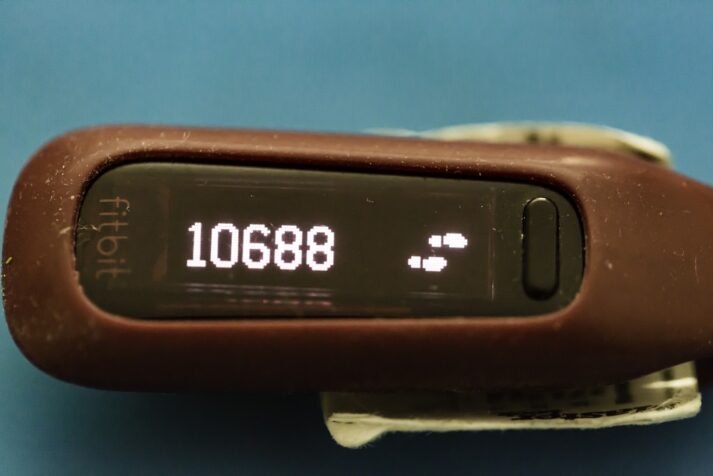
Hence the reason why your Fitbit – which I’ll get to shortly – has that 10k step goal as its default number.
Unfortunately, we Americans tend to average HALF that: 2.5 miles or 5,000 steps.
And I’d imagine that people who work outdoors or have more physically active jobs drag that average wayyyy up.
Which leaves us desk jockeys, who don’t walk nearly enough.
We use our feet to get us from the front door, to our car, to our desk, to our car, to our front door, to our couch… where we put them up while watching four hours of TV before going to bed.
Not walking enough can be a big factor in the creep-up of weight gain over the years.
You might have questions like:
Can I walk more to lose weight?
Is walking REALLY good for me?
Do I need to do more intense exercise?
Long story short:
You should walk more and it can help you lose weight and be healthier.
Short story long…
Here’s why walking is important:
#1) Walking burns calories without exhausting you.If you walk the recommended mileage each day (5 miles instead of just 2.5), it can lead to a tremendous amount of weight loss over time.You’ll burn an extra 100 calories walking just ONE more mile each day than normal: When that’s multiplied out, it’s an extra 700 calories burned per week, which results in approximately a pound of fat lost every five weeks, or 10 pounds in a year. You can scale up your distances to get your desired results!
#2) Walking doesn’t add to training stress. If you are strength training regularly, adding in more weight training or running can lead to burnout, breakdowns, and injuries. If you are trying to look like a super-hero, extra cardio sessions (or long-distance cardio sessions) might kill your gains. But you can just walk. You can walk great distances, provided you’ve built up your body’s physical ability, and not get tired or sore – walking (especially outside while soaking in some sunlight) can make you feel better, not worse.
#3) Walking is low impact. Unlike running, which can wreak havoc on people’s joints if they run improperly or are severely overweight, walking doesn’t have those impact issues. If you go for a walk and your feet or joints hurt, you’re doing it wrong – read the next section!
#4) Walking can burn fat. Because walking is low impact and low intensity, your body doesn’t need to pull much glycogen and glucose stores to fuel itself, which happens when you strength train or push yourself into “aerobic training” with higher intensity cardio. Proponents of intermittent fasting suggest walking in a fasted state in the morning before eating anything in order to help burn extra fat. It’s a little controversial, so this will have to be something you attempt and measure for yourself.
#5) Walking relieves stress. Seriously! Put on your favorite playlist, and go for a pleasant walk around your neighborhood or through the woods as the sun is going down. It’s a recipe to forget the worries of your day.
Bonus points if you can get someone to follow you with a boombox:
#6) Walking improves mental health (especially in older hobbits). Walking can improve mental health, increase brain size, improve memory, and is correlated with improved, longer lifespans.[2]
How Walking Can Change Your Life
If you are severely overweight and can’t run or strength train, walk on.
If you are building muscle and bulking up, walk on.
If you are trying to lose weight, walk on.
If you struggle with following a routine, or have failed in the past with weight loss, walk on.
Why? I’m a HUGE fan of small habit change and tiny victories – walking is the PERFECT habit builder. If you’re brand new and starting out, go for a walk TODAY and begin your journey to Mordor.
This afternoon, go for a five-minute walk. Tomorrow morning before work, before breakfast, as SOON as you wake up, put on your shoes, and go outside for a five-minute walk. No snoozing, no lying in bed, no checking email or Twitter. Put on your headphones, pick your favorite song, go outside, and start walking.
Here’s why:
Walking for just five minutes a day is the start of a new habit.Every morning for a few weeks, you’ll have to force yourself to walk. Initially, it will take effort and willpower to walk instead of snoozing. However, with each passing day of success, you’ll need to use less effort and willpower to get out the door. After all, it’s only five minutes, right? Once it’s something you do automatically without thinking, you can add on to it by increasing your walk time.
Walking briskly outdoors in the fresh morning air can be a great caffeine-free wake up call! If you make walking the FIRST thing you do in the morning, especially if you’re doing it before anybody else is awake, there will be zero distractions and no reason to say “sorry, I didn’t have time.” Of course, we like caffeine too (in moderation).
Walking will give you a chance to gather your thoughts and clear your head before the day begins. We’re constantly distracted at home: TV, iPads, smartphones, etc. Walking is so primal – no gadgets, just walking. Many people cite walking as the impetus for their creative or intelligent breakthroughs.
Walking and successfully building a habit will give you a habit blueprint to follow for anything else you’d like to accomplish: “Hey, I was able to make walking a habit, what else can I tackle in the same way?” Slow and steady wins. One foot in front of the other, my friend.
How to Walk Properly
“Uhhh, Steve, I know how to walk. I do it every day!”
Welp, if you’re starting from only walking from your car to the office, we need to make sure you’re walking the right way for when you push that mileage up.
Let’s start with your feet, provided you’re not gonna glue hair to your feet and go barefoot to become a hobbit.
I recommend walking in shoes that have a wide toe box and minimal drop (height at the heel vs height at the toes), as we discuss in our monster post on healthy feet and footwear:
You might not be used to walking with minimal cushioning under your heels, so walk slowly and land softly. Walking on softer surfaces to start isn’t a bad idea either.
We were designed before the invention of big clunky shoes… thus, we should be able to walk without big clunky shoes.[3] If you are interested in going barefoot as a runner, get started by walking short distances first. Your feet will toughen up (though they probably won’t grow hair quite like Frodo and Sam), your joints and muscles around your feet and ankles will strengthen, and your knees will deal with less stress.
When going for a lazy stroll, focus on landing softly, which is much easier when you don’t have thick-soled shoes to cushion your stride: land softly with your heel barely touching before rolling onto the middle (ball) of your foot, and then push off. You might need to take shorter strides than you’re used to if you were a big heel striker with a long stride.
If you’re aiming to walk quickly and up the intensity, shorten your stride and aim to land in the middle of your foot while pumping your arms. This is more easily done when walking uphill (which is also a great way to burn extra calories).
Is Walking Enough for Weight Loss?
Can walking help you lose weight?
You’re darn right it can!
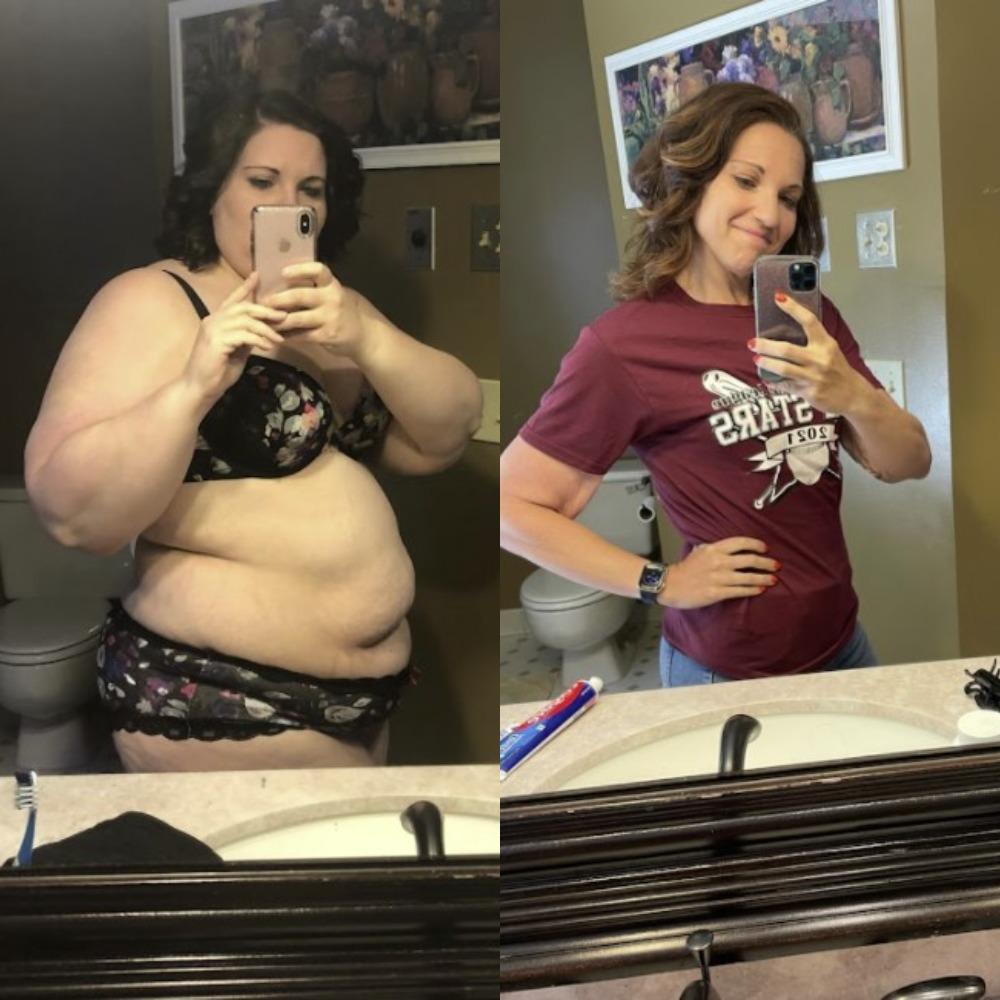
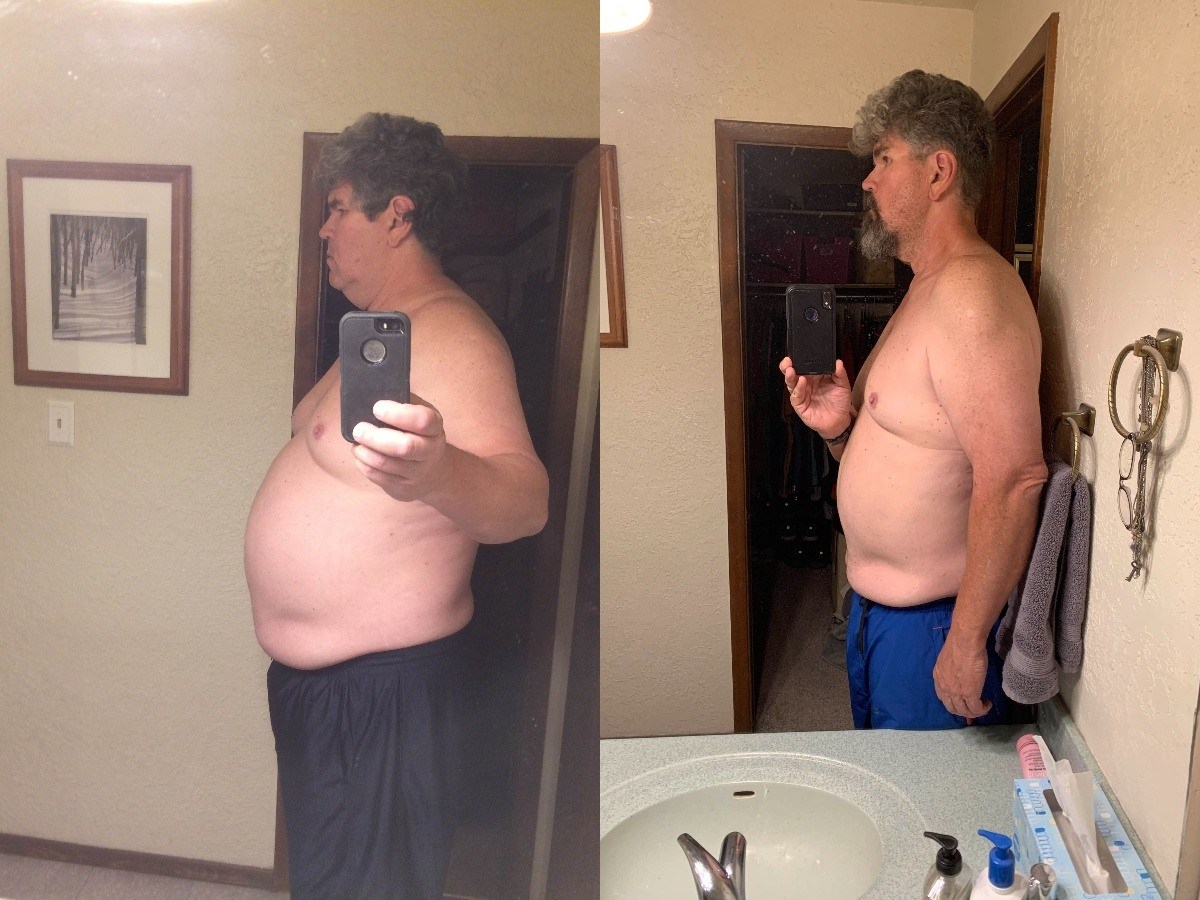
The above photos are from Don, one of our coaching clients. Don credits his daily walking practice with helping him lose 85 pounds!
He’s not our only example of walking for weight loss:
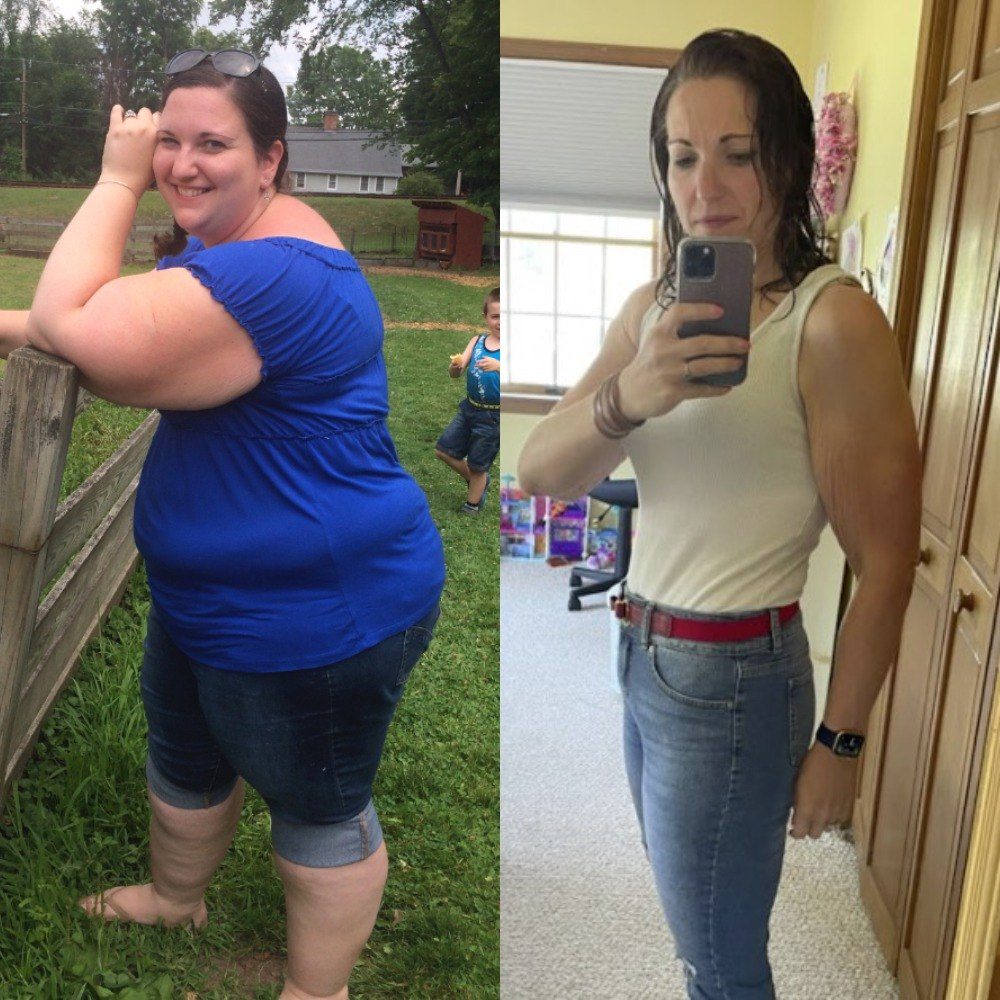
Megan, who I mentioned earlier, is another client who walks daily to maintain her weight loss.
Case closed?
Of course not!
Both Don and Megan also made adjustments to their nutrition to reach their amazing results.
One of the Rules of the Nerd Fitness Rebellion is that we know “you can’t outrun your fork.” No amount of exercise can counter a bad diet, as your nutrition will be responsible for 90% (not an exaggeration) of your success or failure.
Here’s an example:
Let’s say you go for a 5-mile walk, which takes you 90+ minutes.
If you then consume a 20 oz Gatorade and a small bag of Fritos (a typical snack for many here in America), you will have already undone all of the calories burned while walking.
Depending on your nutrition and love/hatred for exercise, this is either great news or bad news!
The BAD news: you can’t eat very badly in mass quantities and then expect to lose weight with a bit of exercise every week, even if it’s strenuous.
The GOOD news: Even if you dislike exercise, you can avoid exercise and still lose weight! Instead, put ALL of your focus instead on fixing your nutrition, and then go for a walk every once in awhile.
I’d also consider reading the following:
Oh, and if you want to see if a Nerd Fitness Coach can build you a program to lose weight while doing movements you enjoy (like walking), click on the button below:
The Best Practices for Walking (Tips and Tricks)
Here’s how to improve your walking technique:
#1) Focus on posture! Head up! Shoulders back! Walk with a confident stroll – practice this one in the morning if you’re not used to walking like this. It’s also a great way to appear instantly more confident; we nerds and hobbits need all the confidence we can get! Look around at your surroundings with your head up, arms swinging in rhythm.
You can also do some well-placed neck swings and jacket removals:
#2) Walk uphill to burn more fat. If you are walking on a treadmill, set it to an incline to increase the intensity and thus increase the amount of fat burned. Just don’t be that person who sets the incline way up, then holds onto both sides and leans their body back to be perpendicular with the incline. Keep good posture, lean forward into the incline, shorten your stride, and pump your legs.
#3) Hiking is a great way to practice walking, enjoy the scenery, and play Lord of the Rings in the woods with plastic swords and capes. Not that you should do that (you totally should). Here’s a beginner’s guide to hiking!
#4) When walking downhill, especially while barefoot (or wearing minimalist shoes), keep that stride short and be careful on how you are walking. Make sure your knee is bent when you land and absorb the impact rather than jamming the impact through your heel, knee, leg, hips, and lower back.
#5) Consider going for fasted walks in the morning. When you wake up first thing in the morning, your body has burned through most of the carb-fueled energy stores during the night. Which means when you go for a walk first thing in the morning, your body is more likely to have to pull from the only fuel source available to it: fat! This is the entire philosophy behind things like Intermittent Fasting or really low-carb diets like the Ketogenic diet.
#6) Get yourself a sturdy walking stick, if only so you can use it to battle imaginary ogres, goblins, cavetrolls, etc. It can also make you feel far more adventurous than if you’re just walking, and help you get up hills and land softly when going back down.
#7)Try Temptation Bundling. Load up an audiobook or your favorite podcast, and tell yourself that you can ONLY listen to the book or podcast while walking.
Is a Fitbit Helpful for Walking? (Which Fitness Tracker Is Best for Me?)
If you’re somebody who has been interested – or is getting interested – in walking, you’re probably familiar with step-tracking devices:
Personally, I’m a huge fan of fitness wearables, but not for the reasons you’d think.
For starters, you’re wearing a constant reminder that you are prioritizing movement, which can only be positive. You can even trigger it to remind you to get up and move every hour.
It can also allow you to see how many steps you normally take, and thus allow you to prioritize moving MORE.
Although Fitbit has a history of being sued for the inaccurate heart-monitor portion of its devices, I’m less concerned about heart rates and 100% accuracy of step distance, and instead think in terms of personal improvement.
Just like with tracking your bodyfat percentage or your weight, “that which gets measured gets improved,” and that carries over to your total steps. The fact that you’re tracking it means you’re going to be more aware of it, which means you’re going to be more likely to be able to improve it.
And that’s why, in a weird way, I’m not very concerned about the total accuracy of these devices. Even if your scale is off by 5 pounds, or your body fat caliper is inaccurate by 1%, as long as you use the same device and measure in the same way under the same conditions, you can track trends and paint the picture of your health and whether or not it’s improving!
And that’s what these fitness trackers should be used for: a reminder and a trend tracker!
What you SHOULDN’T do: take your fitness tracker as gospel, and use that to calculate down to the calorie and macro how much food exactly you can consume.
What you SHOULD do: track your trend over time, and see if you can improve your average. Use the technology to aid your fitness quest. Use the community portion of the band to compare your stats against friends and get some positive friendly peer pressure to get you off your ass.
Okay, if nerdy fitness technology isn’t nerdy enough for you, let’s go full-nerd.
How to Actually Walk to Mordor
Did you know it’s 1779 miles between Hobbiton to Mount Doom? [4]. We can actually determine how far Sam and Frodo walked, and then set out on the journey ourselves! It’s one thing to go for a stroll around your neighborhood. It’s another to know that, “If I take one more step, it’ll be the farthest away from home I’ve ever been.”
So let’s take a look at how far we need to walk first:
458 miles: Go from Hobbiton to Rivendell.
462 miles: Set out with the Fellowship from Rivendell, through Moria, to Lothlorien.
389 miles: From Lothlorien, down the Anduin, to Rauros Falls.
470 miles: Follow Frodo and Sam on the quest from Rauros to Mt. Doom.
535 miles: From Minas Tirith to Isengard
693 miles: From Isengard to Rivendell.
397 miles: From Rivendell to Bag End.
467 miles: (bonus!) Follow Frodo to the Grey Havens and return home with Sam.
Following this path, you need to walk a total of 1779 miles to get from Hobbiton to Mt. Doom. Then it’s time to destroy the ring and get carried to Minas Tirith by the Great Eagles.
Then you’ll walk 1625 miles back to Bag End (and an additional 467 miles if you’re interested in doing a round trip to the Grey Havens).
Obviously, you don’t need to move at the same speed as the hobbits (18 miles on the first day is no joke! Damn, those hobbits covered some ground!), but it’s still fun to track your walks and your total miles to see where you’d be on your journey.
However, like Frodo and Sam, it starts with the first step.
I’ve created a Google Doc that you can copy for yourself to track your distances to follow Frodo and Sam on your journey to destroy the One Ring.
Here’s how to do it:
Open the document, and then click on “file,” “save a copy,” and then you can edit your own copy of the document.
Track your distances with a pedometer, Fitbit, your iPhone or Android phone.
Input your distances and work towards completing each section of the journey over months. As you input your distances, it will automatically let you know when you reach each destination so you can get you started on the next one. 5 miles a day on average will have you destroying the Ring within one year.
Oh, and if you’re curious, according to my rough gorilla math, Frodo burned at least an additional 61,0000+ calories (100,000+ gross calories) by walking “there and back again” – you’re welcome[5].
What’s that?
You want some help getting out the door?
You got it – but only cause you asked nicely.
Here are three ways to level up alongside Nerd Fitness.
#1) Our Online Coaching Program: a coaching program for busy people to help them make better food choices, stay accountable, and get healthier, permanently.
You can schedule a free call with our team so we can get to know you and see if our coaching program is right for you. Just click on the image below for more details:
#2) If you want an exact roadmap on how to get in shape, check out NF Journey. Our fun habit-building app helps you exercise more frequently, eat healthier, and level up your life (literally).
We even have fun missions that will help you walk more, all while you earn XP! Righteous.
Try your free trial right here:
#3) Join the Rebellion! We need good people like you in our community, the Nerd Fitness Rebellion.
Sign up in the box below to enlist and get our Rebel Starter Kit, which includes all of our “work out at home” guides, the Nerd Fitness Diet Cheat Sheet, and much more!
Get your Nerd Fitness Starter Kit
The 15 mistakes you don’t want to make.
Full guide to the most effective diet and why it works.
Complete and track your first workout today, no gym required.
Alright, your turn:
What questions do you have about walking?
How have you incorporated it into your daily routine?