JAKARTA, Indonesia — A man in Indonesia has tested positive for monkeypox, making him the country’s first confirmed case of the disease, authorities said late Saturday.
The 27-year-old who lives in the capital, Jakarta, had returned from an overseas trip on Aug. 8, Health Ministry spokesperson Mohammad Syahril said in a news conference. The man began experiencing symptoms five days later and went to see a doctor. He tested positive for monkeypox on Friday night and is now isolating at home, Syahril said.
“This is a self-limiting disease that will disappear after 20 days if the patient does not have any preexisting conditions,” Syahril said, adding that the government for now did not see the need to implement any community-level restrictions to contain monkeypox.
Indonesia, a vast archipelago nation with more than 270 million people, has been on alert for a monkeypox spread since the World Health Organization asked countries to increase their vigilance after the United Kingdom experienced an outbreak in May. Before then, the monkeypox virus was only endemic in several African countries.
Monkeypox spreads when people have close, physical contact with an infected person’s lesions, their clothing or bedsheets. Sexual contact may amplify transmission.
Most people recover from monkeypox without needing treatment, but the lesions can be extremely painful. More severe cases can result in complications including brain inflammation and death.
Globally, there have been more than 31,000 cases of monkeypox reported in nearly 90 countries. Last month, the World Health Organization declared the outbreak to be a global emergency.
Joseph Osmundson, a microbiologist at NYU, was walking home recently in New York City when a stranger abruptly shouted “Monkeypox!” at him. He wasn’t infected with the virus, which has been spreading largely through intimate contact between men, nor did he have the characteristic skin lesions. So he must have been targeted for this catcall, he told me, on account of his being “visibly gay.” From his perspective, the name of the disease has made a painful outbreak worse. “Not only is this virus horrible, and people are suffering,” he said, “but it’s also fucking called monkeypox. Are you kidding?”
Since the global crisis started in the spring, efforts to contain the spread of monkeypox have developed in parallel with efforts to change its formal identity. In June, more than two dozen virologists and public-health experts put out a call for a “neutral, non-discriminatory and non-stigmitizing” nomenclature for the virus and its subtypes; World Health Organization Director-General Tedros Adhanom Ghebreyesus responded by announcing a formal process to create one. A month later, with monkeypox still mired in linguistic purgatory, the health commissioner of New York City issued an open letter to Ghebreyesus warning that a “public health failure of words with potentially catastrophic consequences” was imminent. “Words can save lives or put them at further risk,” the letter said. “The WHO must act in this moment before it is too late.”
As a practicing physician—and a gay one at that—I’ve felt devastated by the clumsy public-health response to monkeypox. The delays in rolling out tests, treatments, vaccines, and contact tracing have been a months-long source of frustration. But the name of the disease has never bothered me, let alone engendered premonitions of catastrophe. Sure, monkeypox sounded odd when I first started hearing it in conversation. But that feeling quickly went away as doctors had to deal with the scourge itself, and with a public-health failure of actions. After seeing lives literally put at risk by our government, I have a hard time believing that the word monkeypox can really do the same.
I’ve been told I’m wrong about this point, many times and by many different people. Osmundson, who wants the name to be changed, is appalled by my point of view. Some say the term is silly, and that it makes a dreadful ailment seem unimportant. Others claim that it’s too scary, and causes panic we don’t need. I’ve also heard that monkeypox is racist, that it’s homophobic, and that, actually, it’s causing harm to monkeys. A single name for a disease is said to be, somehow, the source of all this evil. But medicine is full of terms that sound funny or disgusting or obscene. One can find “hairy cell leukemia” and “fish scale disease” and “cat cry syndrome” on the books. A common viral illness related to monkeypox is termed “molluscum contagiosum,” which seems like a Harry Potter curse; and then there’s “maple syrup urine disease”—much too sweet of a label for a debilitating condition. All these names are weird, but they hardly seem offensive. Why should monkeypox be different?
The name for the current outbreak is, at the very least, inapt. It “genuinely bothers me every time I use it,” Neil Stone, an infectious-disease physician in the United Kingdom, told me. In addition to finding the name unserious and possibly racist, he’s hung up on the fact that monkeypox doesn’t actually have much to do with monkeys. Although the disease was first identified in primates, in 1958, small mammals like squirrels and rats are now thought to be more important viral reservoirs.
The subtypes of the monkeypox virus, called clades, could be even more misleading. These were originally named after the regions in Africa where they’d first been identified, but the present crisis did not emerge from any of those places, Christian Happi, the director of the African Center of Excellence for Genomics of Infectious Diseases in Nigeria, told me. If we were being less hypocritical, he suggested, the 2022 epidemic would be attributed not to the West African clade of monkeypox but to the “European” clade—in reference to the continent where cases were first identified this year. Happi, who was the lead author on the demand for a less stigmatizing nomenclature, also takes issue with some media outlets’ use of archival photos of Africans to illustrate a disease that now is occurring in white men.
Since I spoke with Happi, a group of virologists and public-health experts convened by the WHO reached an agreement to rename the clades. A statement issued Friday said the monkeypox subvariant behind this year’s global outbreak would henceforth fall within “Clade IIb.” That shift will be most significant within the scientific community, but the more pressing question, of what to do about the term on all of our lips, is unresolved. What will monkeypox become?
Surely any change would have to be in line with the “Best Practices for the Naming of New Human Infectious Diseases,” put out by the WHO in 2015. Those guidelines are designed to minimize word-based harm to “trade, travel, tourism or animal welfare,” as well as to “cultural, social, national, regional, professional or ethnic groups.” To that end, they say, names should exclude all stigmatizing references to specific people (e.g., “Creutzfeld-Jakob disease”), occupations (“Legionnaires’ disease”), or places (“Lyme disease”). Animal-based names, such as “swine flu” and “paralytic shellfish poisoning,” are also verboten.
When I talked with Stone, he tossed out “human orthopoxvirus syndrome,” or “HOPS” for short, as a possible alternative for monkeypox. Happi said that “mundopox,” from the Spanish for world, was another. But if the WHO is to follow its own rules to the letter, it should stay away from any implication that the virus is a product of the Hispanophonic world (or, I guess, that hopping rabbits are to blame). Surely global-health officials will be more inclined to fumigate the discourse with another odorless, colorless gas of pseudowords and digits—something in the lifeless spirit of COVID-19. Along these lines, the emergency-medicine physician Jeremy Faust has suggested “OPOXID-22,” short for “orthopoxvirus disease 2022.” Even a bland name, however, might not immunize the WHO against blowback. Boghuma Kabisen Titanji, an infectious-disease doctor, has already criticized Faust’s proposal as incorrectly implying that monkeypox is new to 2022. Call it “IgnoredPox (IPOX)” instead, she suggested, in light of the fact that outbreaks have been neglected for decades.
Granted, monkeypox is not a great name for a disease that spreads between humans, and nothing good can come of potentially racist associations or implications of bestiality. But the WHO’s “Best Practices,” if deployed across the board, would exclude many—maybe most—of the medical terms in use today. Taken in broader perspective, monkeypox isn’t even unusually off-base. Chickenpox has little to do with chickens, for instance, and, unlike monkeypox, it’s not a poxvirus but a herpesvirus. Maybe in a more perfect world, we’d refer to chickenpox as “chicken herpes”; but then again, the herpesviruses—named for the creeping spread of lesions they may produce—are already stigmatizing given their association with sexually transmitted infections. Nearly all of us contract a herpesvirus during our lives, via nonsexual spread. Just the same, I remember telling one patient that he had a disseminated herpesvirus infection only to watch him jump to the erroneous conclusion that his wife must have committed adultery.
Even though monkeypox is being used to harass people right now, bad actors who truly wish to deepen victims’ shame will always find a way to do so. Earlier this month, two gay men in Washington, D.C., are alleged to have been berated, then beaten, by teenagers who included monkeypox among a string of homophobic slurs. If that particular word had been unavailable, I’ll bet the others would have sufficed. Tone of voice and body language can, by themselves, turn a good word bad; and there’s little reason to think that any term for a disease, no matter how generic it might seem, cannot be wielded for ill purposes. “The name per se is not a major issue,” Mike Ryan, the executive director of the WHO Health Emergencies Programme, said last month. “It’s the weaponization of these names. It’s the use of these names in the pejorative.” Indeed, HIV is no longer called “gay-related immune deficiency,” but gay men are still frequently ostracized over the condition. Connotation outlives denotation. Even COVID-19—a disease name that was designed from the very start to be as inoffensive as possible—can easily be turned into a slur. “Covidians” and “Covidiots” abound.
Perhaps episodes of hate would occur less often if the WHO naming guidelines were universally adopted. Maybe the name monkeypox, which already sounds something like an insult, has a way of loosening the bigot’s tongue. Social scientists have struggled to assess the size of this effect. A numberofpreliminarystudies suggested that the initial, China-centric framing of the new coronavirus in 2020 worsened bias against Asians and Asian Americans. But other research found no effect on anti-Asian sentiment; and one study concluded that the Trump administration’s effort to “scapegoat outgroups” actually backfired. Meanwhile, an increased level of anti–Asian American discrimination seems to have persisted for years. Any incremental consequences of the name monkeypox for anti-gay and anti-Black sentiment seem equally hard to predict.
In any case, cruelty is nothing if not creative. Last month, the Fox News host Tucker Carlson ran a segment on the monkeypox-naming controversy in which he proposed a slew of other offensive names, including “Schlong COVID”—a term that manages to insult the victims of two diseases at once. The problem, as always, is people. The illness is new and mysterious to most of us, visibly apparent, and comes on the heels of the divisive coronavirus pandemic. It’s not the name; it’s the vibes. And the vibes are bad. Strangers are publicly accusing one another of having monkeypox. Medical influencers are playing up the possibility that monkeypox easily spreads through the air or will become common in children. Old political arguments over COVID have been rehashed.
Bad vibes don’t wash off easily in medicine. In 2011, a rare form of blood-vessel inflammation called “Wegener’s granulomatosis” was renamed because it turned out that the condition’s namesake was a Nazi. Unfortunately, the disorder’s new name (“granulomatosis with polyangiitis”) is a mouthful. Doctors still prefer the shorter Wegener’s more than a decade later. Medical textbooks must awkwardly refer—Prince style—to the disease “formerly known as Wegener’s.” Will monkeypox also hang around?
Consider the illness with the worst vibes of all: cancer. The name for these cellular growths brings to mind suffering and inevitable death. Yet many cancers diagnosed today are so small as to be practically harmless. Some doctors have been campaigning to remove the “cancer” label from such tumors, hoping to reduce fear and unnecessary treatment. But studies find that calling some mild breast and prostate tumors “lesions” or “abnormal cells” instead of “cancer” seems to have only a small impact on patient anxiety and overtreatment. A monkeypox rebrand may not do much more.
Of course proponents of the name-change argue that getting rid of monkeypox wouldn’t have to save the world to be worth doing. “Nobody thinks changing the name is going to instantly end all stigma of people with the disease,” Gavin Yamey, a global-health professor at Duke, told me. It might still lower the social temperature, he said, and represent a proactive and important step to protect marginalized communities. For Osmundson, to assume that nothing whatsoever can be done to combat prejudice is giving in to nihilism.
But a campaign to change the language of disease, based on the urge to do something, could be counterproductive. At worst, it could make semantics seem like the most important tool for addressing social wrongs. The American Medical Association, for example, recently declared that “a consideration of our language” is central to the work of improving health equity. “Pursuing equity requires disavowing words that are rooted in systems of power that reinforce discrimination and exclusion.” I don’t think that I’ve ever avowed allegiance to a word. Regardless, disavowing a particular word does nothing by itself to uproot injustice.
Whatever we decide to call this Clade IIb virus, society has made plain which lives it values less: In the U.S., monkeypox is already spreading along the same racial, sexual, and economic fault lines as other sexually transmitted infections. An August 8 presentation from the Georgia Department of Public Health noted that most monkeypox patients in the state were young gay men; 82 percent were Black; and 67 percent were also HIV positive. Our actions, not our nouns, determine who will get sick.
In 1993, Harvard scientists discovered a crucial gene for the growth of embryos. They decided that it would be fun to name it after the video-game character Sonic the Hedgehog. Other researchers at the time derided this choice as unserious. But today, the scientific literature is full of dry sentences like “Sonic Hedgehog plays a role in cell growth, cell specialization, and the normal shaping (patterning) of the body.” Words, like viruses, evolve as they move from host to host; and words, like viruses, may become more or less noxious over time. If the name monkeypox strikes listeners as funny or offensive right now, that could change in the future—irrespective of any committee.
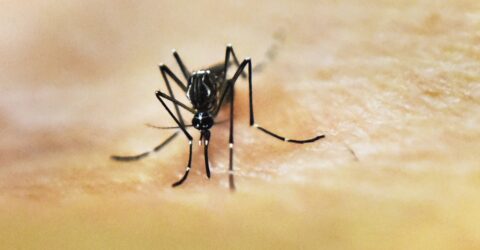
Nothing gets a female mosquito going quite like the stench of human BO. The chase can begin from more than 100 feet away, with a plume of breath that wafts carbon dioxide onto the nubby sensory organ atop the insect’s mouth. Her senses snared, she flies person-ward, until her antennae start to buzz with the pungent perfume of skin. Lured closer still, she homes in on her host’s body heat, then touches down on a landing pad of flesh that she can taste with her legs. She punctures her victim with her spear-like stylet and slurps the iron-rich blood within.
The entire ritual is intricate and obsessive—and nearly impossible to disrupt. Of more than 3,500 mosquito species that skulk about the planet, fewer than 10 percent (and only the females, at that) enjoy nibbling on humans. But once they’re on the prowl for people, neither rain nor zappers nor citronella candles will deter them. From the tips of their antennae to the bottoms of their little insect feet, these human-loving mosquitoes bristle with human-sensing accouterment, says Leslie Vosshall, a neurobiologist at Rockefeller University. “They really are in the business of finding us.”
Even aggressive genetic interventions aren’t enough to deflect a mosquito’s bite. The genome of a species called Aedes aegypti—a striped skeeter that prefers to feed on humans and can ferry viruses such as dengue, Zika, yellow fever, and chikungunya into our blood—encodes more than 300 distinct types of chemical sensors that help the insects navigate their world. Researchers have managed to introduce tweaks that futz with more than 100 of those genes at once, and yet those mutant mosquitoes “still find and bite humans, which just blows my mind,” says Meg Younger, a neurobiologist at Boston University. The most progress scientists have made through these techniques is cutting the insects’ attraction to usroughly in half, says Joshua Raji, a sensory biologist at Johns Hopkins University.
The reason is, frankly, depressing, as Vosshall, Younger, and their colleagues have found. Their recent work shows that mosquitoes’ odor-detecting systems are, unlike many other animals’, patchwork, chaotic, and riddled with fail-safes that make the insects’ sense of smell extraordinarily difficult to stump. It’s an essential adaptation for a creature that is hyper-focused on us: “They are finding a way to survive,” Raji told me. The insects are literally coded with backup plan after backup plan for stalking us.
For years, scientists were sure that mosquitoes’ odor detection didn’t work in such complicated ways. In the 1990s, researchers performed a set of experiments that suggested that animals across the tree of life, including us humans, subscribed to a pretty standard smelling MO: To deduce distinct scents, creatures manufacture many, many types of olfactory nerve cells, each of them sensitive to exactly one specific type of odor. When complex fragrances filter in, their individual components nestle into receptors atop distinct neurons, like plugs fitting into sockets. The revved-up neurons then shuttle signals to the brain on parallel, independent tracks—keeping their intel separate until a central hub in the animal’s noggin collapses it all together, says Margo Herre, a neurobiologist who trained with Vosshall. It’s an additive system of switches that, coded correctly, yields precision in spades: Tripping Neuron A might mean there’s something hazelnutty nearby. But add Neuron B and Neuron C to the mix, and that could suggest it’s actually Nutella. Scientists called this the “one receptor, one neuron” rule, and for decades, Raji told me, it’s what everyone figured they would find in just about any creature that possessed a sense of smell.
But mosquitoes, scourges that they are, were delighted to take this nice, neat dogma and totally screw it up. Their olfactory neurons, Vosshall’s team discovered, don’t respond to just a single odor; many of them instead recognize several scents. Their surfaces are studded with multiple types of receptors, all configured slightly differently, like a universal outlet adapter. No longer do neuron subtypes A + B + C all need to activate in order to tell the brain, Thar be a snack; each could potentially pass that info on alone. That comes in handy when human blood is on the menu: Thanks to the vagaries of genetics, diet, lifestyle, environment, and more, “we all smell very different,” says Andrea Gloria-Soria, an entomologist at the Connecticut Agricultural Experiment Station. An olfactory system that’s loosey-goosey with its wiring can substantially raise the chances that the average mosquito smell cell will react when something delectable saunters by.
Mosquitoes probably do lose some acuity by stacking their cells like multitools, Herre told me. Although a neuron that’s provoked by a ton of different things is more likely to detect prey, it’ll also have a lot of trouble distinguishing which of its many triggers is turning its gears. But for hungry mosquitoes, maybe that’s not such a terrible tax: As long as the insects can locate a viable host, they hardly care which of us it is. (Is it human, or is it dancer? Doesn’t matter—as long as there’s blood.)
The system is “really redundant,” Younger told me, so much so that it’s quite challenging to break. Humans, who do smell according to the Traditional Rules of Sniff, are easy to dupe: A mutation that affects just one type of receptor can take out of commission every neuron that bears. With mosquitoes, though, such sabotage would require an impractical number of genetic tweaks, Vosshall told me—which means there’s little hope for, say, engineering mosquitoes that can’t or won’t sniff our bodies out. “They’re really the ultimate predator,” says Omar Akbari, a biologist at UC San Diego. “You can’t find a single person on Earth that hasn’t been bitten at least once.”
People-piercing mosquitoes might have good reason to be this clingy. Humans are super social and super hairless, a clean and convenient smorgasbord. Our blood helps nourish developing eggs, and our objects and architecture collect standing water, giving the insects a perfect spot in which to breed their young. Each of us is a mosquito “Walmart,” as Vosshall put it—a one-stop shop for all the creatures’ baby-rearing needs.
The insects’ infatuation with us is costly: By way of the many, many deadly pathogens they carry, mosquitoes kill more people than any other animal on Earth does (except, well, us). Stopping certain species from biting us, by messing with their smell systems or by any other means, remains a key goal of global health. One path forward involves population control. Akbari’s team, for instance, is one of many that are engineering sterile male mosquitoes that, once released, will compete with unaltered males for mates but sire only unviable eggs. Other researchers are breeding strains that will introduce modified genes into disease-carrying species, rendering their offspring less able to chauffeur pathogens from person to person, or making them far less likely to survive.
Even if turning off mosquitoes’ smell cells is a dead end, cluing into how their olfaction works can still help with the design of new repellents that could target tons of their chemical sensors at once, Gloria-Soria told me. DEET, for instance, is thought to work at least partly in this way—although, after decades of research, scientists are still sussing outexactly how, and some species are now acquiring resistance to the stuff. Investigating skeeter smell could lead us to better-understood alternatives that aren’t quite so greasy and gross.
Or perhaps the best solution lies not in repelling mosquitoes, but in baiting them better. Instead of slathering ourselves with gunk that turns our tasty skin toxic, maybe we could cook up traps that distract mosquitoes with something that smells even more alluring than a hot, sweaty, mouth-breathing human. Raji told me that some scientists are tinkering withrecipes of lactic acid, ammonia, and carbon dioxide to entice female skeeters into parfum de people snares. If that’s the way of the future, it’ll be quite the olfactory flex: a way of leveraging how much mosquitoes love us to ensure that they never get too close.
This article was previously published November 15, 2020, and has been updated with new information.
Dr. Peter Breggin, a psychiatrist, has written more than a dozen best-selling books on psychiatry and the drug industry. He’s frequently referred to as “the conscience of psychiatry” because he was able to successfully reform the psychiatric profession, abolishing lobotomies and other harmful experimental psychosurgeries.
During the pandemic, he homed in on COVID-19 and the fears around it, which is the topic of this interview. He also started researching the history of Dr. Anthony Fauci, who has been the face of the White House Coronavirus Task Force, and learned more than he bargained for in the process.
“He just looked like this kindly gentleman, until I started to listen to what he was saying and to look into what he was doing,” Breggin says. “In early April, [my wife] Ginger brought this scientific article to me and said, ‘Honey, this looks like it’s impossible, it’s fake or something.’
It was a 2015 article by a big team from North Carolina [led by] Ralph Baric,1 He’s the final author on it and the power behind it, although the lead author is Vineet D. Menachery.2 This article is talking about making a coronavirus that’s going to be a new epidemic agent. They’re talking about it. They’ve actually accomplished it — and it’s a SARS coronavirus.
It’s a virus that will infect the lungs that comes from bats … And they’re checking it out and they find that it will infect human lung epithelium. They give it to mice and the older mice are getting very sick and ones that are compromised die.
It sounds … [like] the precursor of SARS-CoV-2. They even tried, by the way, to make a vaccine for it and they couldn’t. And I’m thinking, ‘My God, what’s going on here?’ And then I look down the line of all these authors. There are [two] Chinese names there … and they list themselves as being from the Wuhan Institute of Virology.
And then I look who’s funding it. Well, China is funding it. And Fauci is funding it from the National Institute of Allergy and Infectious Diseases. I’m thinking to myself, ‘My God, we’re giving the Chinese a biomedical weapon’ … [The two Chinese authors] turn out to be two of the very, very top Chinese people in this, what is essentially a military lab. The Wuhan Institute, nothing like that is anything but military in China.”
What Is Fauci’s Role in the Bio-Assault on the World?
Breggin claims he was able to share the information with someone close to President Trump, and three days after sharing this finding, the president canceled the U.S.-Chinese research collaboration that was working on coronavirus gain-of-function research.
However, Fauci quickly took hold of the American research efforts and in October 2020 injected additional funding. Some of that funding will surely still end up in China, Breggin says, by way of the EcoHealth Alliance, which for years has subcontracted research work to the Wuhan Institute. Fauci also gave additional money to the University of Texas. Breggin explains:
“In Galveston, there is a Level 4 biosafety lab that can work with the most dangerous viruses. So, I decided to look into this. It’s not great magic to it, you have to use some search engines like DuckDuckGo. I [searched for] ‘China’ and ‘the Galveston Institute,’ and I got … a press release … bragging about their relationships with the Wuhan Institute, working on viruses.
So, no wonder he’s sending them money. I start digging deeper and I come across a letter from the education department to the University of Texas, saying they’ve not been forthcoming about their connections to China and the Communist Party (CCP), and in particular from the institute in Galveston.
So, I’m looking at this network of connections with China. They list them all. We have a blog out about that too now. And I realized there’s nothing stopping Fauci. Absolutely nothing is stopping him. He is going to carry on his assault on the world. And Fauci knew that the Wuhan Institute was unsafe.”
Breggin delves into some of the backstory that helps explain what’s been happening. In 2014, then-President Obama called for a moratorium on gain-of-function research [making harmless viruses virulent] in the U.S. He did not, however, mention collaborations with the CCP. To get around Obama’s moratorium, Fauci outsourced the gain-of-function research to the Wuhan Institute.
Indeed, a series of email exchanges between Jinping Chen of Guangdong Entomological Institute — who was working in collaboration with EcoHealth Alliance — surfaced after Judicial Watch successfully sued for records under the Freedom of Information Act (FOIA) in July 2021.3 In those emails, Dr. James LeDuc, head of the NIH-funded biosecurity lab at the University of Texas in Galveston, was outed:
“Leduc told Chen that he had been working on an initiative to ‘form long-term scientific and technical collaborations with the new BSL4 laboratory’ in Wuhan, under the direction of Dr. Yuan Zhiming, with whom Leduc had met “repeatedly,” Judicial Watch reports. And, Leduc adds, ‘we are already attempting to build the kind of partnership [with the Wuhan Institute of Virology] that I think is envisioned under the GHSA [Global Health Security Agenda].'”
Seeing that the same Judicial Watch report shows that Fauci’s National Institute for Allergies and Infectious Diseases funded 490 out of 2,221 grants awarded to Chinese Collaborators between 2010 and 2018, based on the evidence, Fauci appears to play an important role in the global takeover by technocrats.
Technocracy is an economic system in which the world is ruled not by democratically elected politicians but by technocrats — a conglomerate of ultra-wealthy elites, scientists and technicians whose aim is to rule the global population and the allocation of resources through the use of technology.
Fear Is the Tool of Tyrants
Breggin was asked to be the medical legal expert in a lawsuit to put a stop to the never-ending emergency edict by the governor of Ohio. In his medical legal brief,4 Breggin detailed why shutdowns aren’t working, and the harm they inflict on the population.
This lawsuit has also stirred up other anti-lockdown projects around the U.S. You can find more information about all of this on Breggin.com. It’s important to recognize that the primary tool that enables local and state leaders to implement unconstitutional mandates such as universal mask wearing, business shut-downs and draconian stay-at-home orders is fear.
Unless people are terrified, they won’t agree to such freedom-robbing edicts. This is a well-known fact, and as noted by Breggin, there’s an entire school of research within public health on how to frighten people, known as “fear appeal.”
“What an odd name: Fear appeal. It’s a euphemism for scaring people to death. That’s how you ‘appeal’ to them. And it’s a very long standing [field of research].
The particular article [Ginger and I] studied together made several points. It said, first, you have to not only create something or have something that people are afraid of in order to get your public health measures imposed, but you have to make it personal to them, you have to make them afraid personally.
Then you have to give them something immediate to do to begin cooperating with the plans that you have. We have many examples of that. Things to immediately do [are]: Don’t leave the house; wear a mask; stay 6 feet apart; start closing down businesses and so on. Don’t let your kids go to school and on and on …
That got me into looking more deeply at the whole question of public health. And public health, sad to say, is essentially a totalitarian model. It does not raise issues of collateral damage, it doesn’t raise issues of the Bill of Rights, the constitution, of liberty, the right to people to die with their boots on, the American tradition of individuals and their own communities making decisions.
There is no such concept. It starts with the assumption that what public health officials think is true and must be applied regardless of the context. And we see this with this globalism.
It doesn’t matter whether you’re working in Africa or in Communist China, North Vietnam or America, these are the principles, they’re about politics above everything. It’s quite astounding. So, [public health] became something that was perfectly usable by the most extreme totalitarianism …
At the top is extraordinarily wealthy and powerful people and organizations. I see it as a kind of a cooperative but competing group that welcomed Communist China, which shows how little these people — like Fauci and the World Bank and our governments in the Western world — worry about anything except wealth and power.
Once they invited Communist China into this circle, China became a big, big player along these world predators and let each other be. Until Trump came along, no major figure stood up and said, ‘No, no, we’re going to go back to the [way things were].'”
The Psychology of Learned Helplessness
Fear is undoubtedly one of the most powerful motivating emotions for individuals, and the single most powerful intervention capable of controlling an entire population. It’s certainly hard to miss that fear has been used to control the masses during the COVID-19 pandemic.
Governments now have access to incredibly sophisticated technologies, including artificial intelligence and machine learning, which is being used for all it’s worth to push this fear propaganda. The end goal is to push us into a state of helplessness, so that they can come in and “rescue” us. For decades, Breggin has studied learned helplessness and its remedies.
“When we’re born, we’re fundamentally helpless. All we can do to be taken care of is to express pain, we can cry, we can wiggle, we can express suffering. But we have no ability to take control of the environment other than by hopefully attracting our caregivers that cuddle us or look for a thorn in the side or whatever.
And that remains an aspect of humanity. That never leaves us. All of us can at some point be made to feel helpless again. And when we feel helpless, we become like the infant. We feel we have to be saved, basically. We look to other people, we look to drugs, alcohol, we look to authoritarian religions, we look to leaders of all kinds.”
From Fear to Anxiety to Desperation
As explained by Breggin, by adding confusion to the mix, you can bring an individual from fear to anxiety, a state of confusion in which you cannot think straight anymore. One of the characteristics of a panic attack or an anxiety attack is the loss of the ability to think. You become helpless and confused. Eventually, desperation sets in, at which point people are willing to do just about anything to get relief.
“So this, folks, is a web of fear,” Breggin says. “It’s all about scaring us, confusing us, making us helpless. I recently wrote a chapter that I may or may not put it in the book about my 85 years of looking at fear, because I was alive during World War II. I went down to the beach when I was 4 or 5 years old and would find remnants of our sailors’ life rafts where they sunk right off the water’s edge.
We were afraid of bombs called blockbusters, we hid under the tables and chairs and whatever we could find in school desks for fear of blockbusters. I went through the horrors of the polio [epidemic]. My closest friend died of polio two days after I was wrestling with him. I know fear, I know epidemics … the Vietnam War … 9/11.
And never until Fauci … have I seen leaders say ‘Be afraid.’ I couldn’t believe it when they found a comment made in private by Trump that he wanted to reassure and not scare the people. That was his supposed villainousness — not wanting to scare people.
That’s what Roosevelt did, that’s what every single person has done in great moments of crisis — they have said ‘Let us not be afraid,’ because we all know that a country that is unafraid and is doing as much of its normal activity as possible, is the strongest possible country.
That’s an actual public health principle — that we function best when we are living a normal life, unafraid, and we have ideals and goals like American liberty and freedom to strive for.”
The Biology of Fear
So, just what happens in your body when you experience fear? Importantly, it “quite literally scrambles our brains,” Breggin says. The good news is you have the power to control your mind and to calm down. The bad news is you don’t think you have any control over your mind.
“Anxiety overwhelms us, it makes us stupid, it makes us desperately want somebody to take over. But what we need is somebody who says you don’t have anything to fear, the anxiety won’t kill you; [someone who] will calm you down and tell you everything’s going to be fine, you don’t have to be helpless.
But we are getting the exact opposite message from Biden and Fauci … The pharmaceutical industry and the very wealthy need this fear because they’re making a fortune on this fear … getting all their drugs and vaccines ready.”
The Antidotes to Corruption Are Reason, Love and Liberty
Realizing the depth of the scientific corruption was part of why Breggin and his wife, Ginger, decided to take on this whole new field of investigation.
“We knew we had the research expertise and the scientific expertise. And I’ve got so many published books and scientific articles that I don’t think anybody can doubt I’m a researcher and a scientist,” he says.
“It was so mind-blowing to see the degree of corruption. I actually imagined standing in front of God, explaining why I didn’t do anything. That didn’t fly very well. I think the best antidote to looking at all this corruption is, first of all, to know this world has always been a corrupt place …
So, we need to learn to keep our own free will intact, and to love. We need reason and love. We can reason, we can love and respect the liberty of other people. Those are my three key words in life: Reason, love and liberty … You want to overcome your helplessness, [and you] do that with reason.”
What’s at Stake
Educating and supporting others are other strategies that can be helpful. Investigate things for yourself, and then share what you’ve learned with others. The way out of helplessness is to be of service to others, to contribute in some way. As noted by Breggin:
“We need to buckle up at this point and really see ourselves as an example of succeeding in the face of all this, and to spread it however far and wide we can … We weren’t promised an easy life.
There’s just no place that I know of that is a mammoth promise of an easy life. Life is difficult. Right now, I think the single most important thing is not the virus, it’s saving freedom in America.
One of the things I want to say to the progressive folks — and for a good chunk of my life, I was a very strong progressive — most of you are idealists, most of you would like to see the improvement of mankind. But that is not what’s going on in the world right now …
It is not about being a conservative, it is not about being a progressive. We are dealing with international predators that are just as happy to work with Iran, or North Korea, or North Vietnam or China. They are only interested in wealth and power. They have no real deep commitment to progressivism or capitalism. And … they haven’t got the slightest interest in free enterprise. Bill Gates is not a figure of free enterprise.
You got to get this straight. These people are not for liberty. This entire powerful international movement that I’m calling predatory globalists are motivated by wealth and power. They have reached the pinnacles of power, which are always corrupting.
Bill Gates has three people on his board of trustees: Himself, his wife and Warren Buffett — the No. 2 and No. 4 wealthiest people in the world. This is power beyond imagination. They are not wedded to anything except power and wealth. Wealth is a way to [power] and they’re using technocrats to do this.”
More Information
I agree with Breggin that the most important thing right now is to recognize that what we’re facing is an acute challenge to our society, our culture, that must be faced head-on. We need to aid our fellow human beings as best as we can with information, knowledge, that the conventional mainstream media is not telling them.
In fact, mainstream media are a significant part of the problem, because they’re being used as a tool to implement the technocrats’ agenda. For this reason, it has become imperative to seek out other channels of information, most of which are becoming progressively more censored and harder to find.
To stay on top of Breggin’s investigations, be sure to sign up for newsletter alerts on his website, breggin.com. He also has a radio and TV show that airs once a week. On his website, you’ll also find links to Breggin’s report5 on Fauci’s CCP connections, titled “Dr. Fauci’s COVID-19 Treachery,” and his legal report,6 “COVID-19 & Public Health Totalitarianism: Untoward Effects on Individuals, Institutions and Society.”
The last time I tried to wait out the pandemic, I drove south. My dog and I traveled nine hours from San Francisco to the Anza-Borrego Desert, which sprawls over more than half a million acres near the Mexican border. Most of that territory is untouched wilderness, rocky washes home to deer, pumas, and golden eagles.
The place felt solitary. That’s why I chose it. I work as a doctor in an emergency room, a hospital, and an HIV clinic. I also take powerful immunosuppressants for autoimmune disease, one of which rendered the coronavirus vaccines far less effective in my body. My co-workers had tried to see all of the COVID patients to protect me, but as Omicron exploded in January, that became impossible. The woman who’d broken her ankle tested positive. The grandfather who’d lacerated his scalp did too, just like the middle-aged man who wanted to detox. Treatments for COVID were in short supply, and I wanted to get through the surge alive. So for several weeks, I canceled work, a privilege most can’t afford. Forced into isolation, I decided to spend a week where solitude felt deliberate.
Back then I would have described my trip to the desert, and pandemic life broadly, as an intermission. The moment caseloads tumbled and hospitals stocked treatments, I would go hiking in Japan. I would brave the dating scene after a two-year hiatus. I would deploy with Doctors Without Borders. Meanwhile, I reassured myself that I just had to hold out a few months longer, even though the deadline kept retreating. Mine was an outlook equally comforting and wrong.
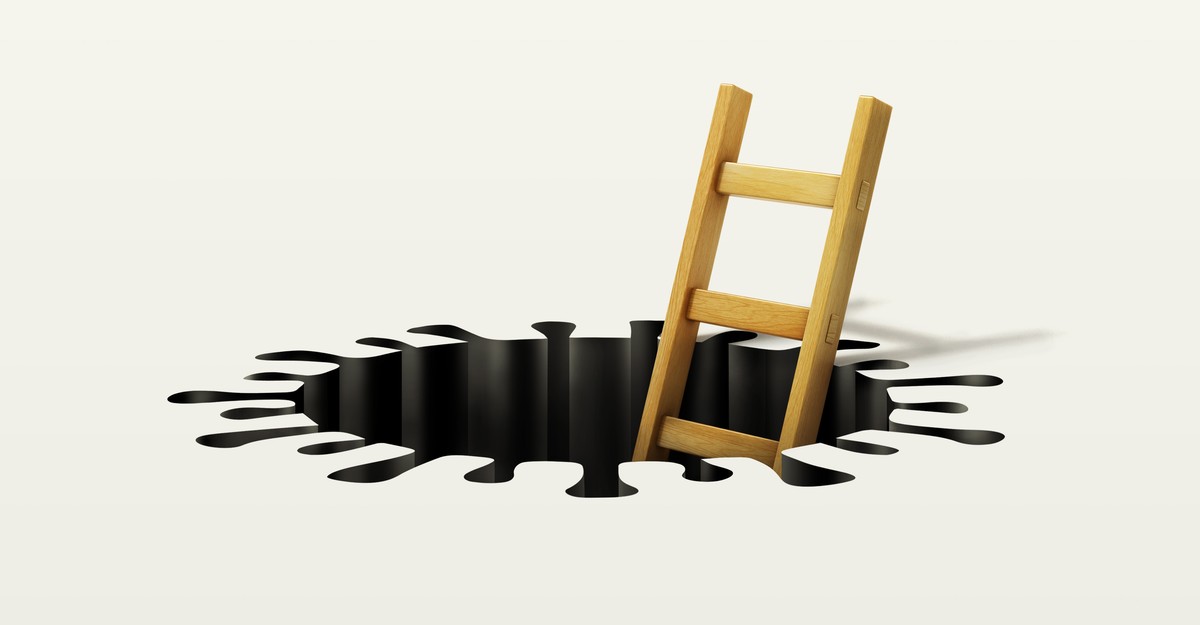
Kurt Vonnegut famously taught about six archetypes that underpin stories. In a video of one of his lectures, he draws on a chalkboard an x-axis for time and a y-axis for degree of good fortune, then traces a sine wave that plummets before rising again. “We call this story ‘Man in Hole,’ but it needn’t be about a man, and it needn’t be about somebody getting into a hole,” Vonnegut says. It’s a tale—of fall and salvation, of mettle forged through trials, of ultimate catharsis and victory—that humans tell naturally. And it needn’t be about a man and a hole. It could be about a world and a virus.
People in the U.S. have heard this story repeatedly over the past two and a half years, the media and government casting the downturn of each surge or advent of each therapeutic as the ladder that would soon carry us from the hole of the pandemic. Until that deliverance, we could cultivate rooftop gardens and sourdough starters to stave off our impatience. It’s less scary to rewrite reality into a reassuring plot arc—one with a familiar contour and clean resolution—than to envision a story that doesn’t end, or one whose ending permanently reconfigures our world.
But nearly eight months after my return from Anza-Borrego, the bridge of my nose is raw from my N95 mask. Yet another Omicron subvariant is spreading, as one strain supersedes another. Despite stunning progress in vaccines and drugs, COVID still threatens to hospitalize or disable me, and I don’t foresee that reality changing imminently. While the mirage of normalcy recedes, glittering and unattainable, I remain marooned in another desert, staring down the truth that a sense of closure won’t arrive anytime soon.
SARS-CoV-2 is only the latest pathogen to upend people’s lives. Working as a doctor who specializes in HIV—a virus that profoundly affects my patients yet is ignored by most Americans—has taught me some truths about pandemics. The first time someone asked me whether HIV was “still a problem,” at a Christmas party years ago, I almost choked on my drink. But the question made twisted sense in a country where the notion that a pandemic is over depends little on science and more on which communities are affected.
The people I treat who gasp from pneumonia or seize from meningitis because they can’t access or adhere to HIV medications are invariably poor, and many are Black or Latino. My acquaintance at the party was a straight, white, wealthy man in his 60s. He could exist in a story where the man had climbed out of the hole. Tale concluded, the credits rolled. That conversation is the reason why, whenever someone says the coronavirus pandemic is over, my first question is always, “Over for whom?”
Though I‘ve endured a sliver of the adversity my patients have, I’m learning what it’s like to embody a less comfortable story than the one others are telling. I walk by packed bars. I scroll through photos of maskless crowds at concerts. I hear people use the phrase “during the pandemic,” as if it’s ended. After multiple false starts, the man in the dominant version of the story escaped the hole after the Omicron surge once and for all.
That narrative has real consequences, including lax precautions, risky workplace policies, and woefully inadequate funds for global COVID efforts. It sidelines millions of Americans: not only people like me dealing with high-risk medical conditions, but also survivors confronting long COVID, frontline workers depleted by burnout, and loved ones grieving those who have died, disproportionately people of color. I don’t want my fellow San Franciscans to stop eating out or traveling; their lives will be freer than mine, a situation I accept as unavoidable even if it saddens me. I do wish, though, that the government would value my life by investing in preventing COVID transmission rather than issuing ever more anemic guidelines. And amid such policy failures, I wish people with less to fear from the virus would shift the burden off the shoulders of the more vulnerable, by wearing masks on public transit, staying home when they’re sick until a rapid test turns negative, and keeping up to date on boosters.
After far too long, I have stopped clutching the myth of Man in Hole, in which I must either pretend the pandemic is over—a self-deception that could land me in the hospital—or else wait indefinitely for a ladder, watching clouds scud over desert lowlands as I forfeit plans and dreams. I need a story to replace it, and for that, I’ve turned to my patients.
A few years ago, I treated a young man who had contracted HIV just out of college. A pandemic that had never touched him suddenly shaded his life, and for months, that paralyzed him. He didn’t look for work; he played video games all day and nearly lost his housing. Then, six months after his diagnosis, he started bringing a notebook to our visits. In it, he fashioned a plan. Nothing sweeping: Stop by two restaurants to ask about jobs. Get glasses. Post a dating profile. A year into our time together, he was working in a café, had an adoring boyfriend who knew his status, had undergone a long-overdue surgery, and had started graduate school.
I started carrying a notebook recently. The plans I scribble down differ from those I might have conceived before the pandemic but share one feature: They are possible despite my constraints. I rode my bike from Seattle to Vancouver for an outdoor vacation. I attended a wedding in an N95 mask. I made enchiladas with friends after we all took rapid tests. I spoke on the radio about the injustices of pandemic policy, because adapting to my new reality doesn’t mean abdicating the battle for a better one. That, too, I learned from people with HIV, who formed committees to pressure the FDA and the NIH, demanded inclusion in policy decisions, and were jailed for protesting for effective antiretrovirals, including one used in COVID treatment.
I still seethe whenever I show up to an event that’s too overcrowded and underventilated for me to stay, or board a plane where the overturned mask rule reminds me of the nation’s disregard for my health. But action is nonetheless a relief after spending so long stymied. If I were to chart my life on Vonnegut’s chalkboard now, I’d draw a steep plunge followed by a slow and bumpy incline that hasn’t yet neared the original precipice. It’s a tale less tantalizing than Man in Hole, and galling in its incrementalism, but it does have one advantage: It’s true.
Some people visit Anza-Borrego only after the rains, in perfect conditions, when a riot of wildflowers suffuses the land with color. I never have. People tend to assume that this is when the desert is most alive, but in truth, even in the most arid conditions, bobcats prowl, coyotes slink, and foxes rear their kits. When the wild sheep can’t find water, they ram barrel cacti and devour the wet pulp. These animals know well that the rains don’t always come. During the dry spells, life carries on.
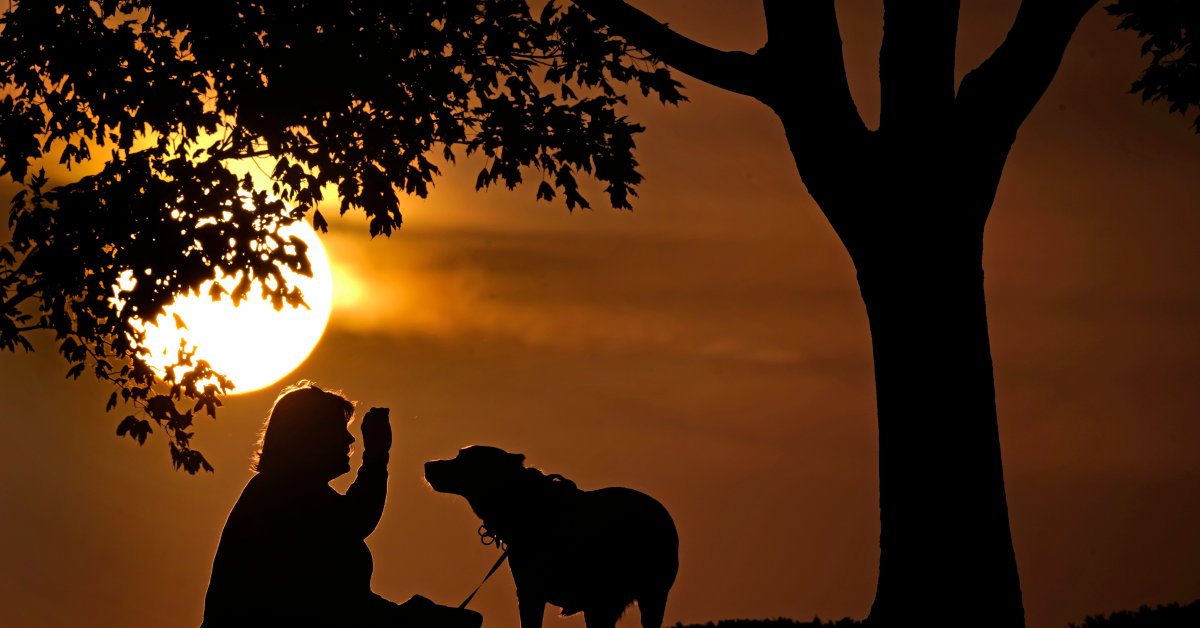
NEW YORK — Health officials are warning people who are infected with monkeypox to stay away from household pets, since the animals could be at risk of catching the virus.
The Centers for Disease Control and Prevention for months has had the advice in place as monkeypox spreads in the U.S. But it gained new attention after a report from France, published last week in the medical journal Lancet, about an Italian greyhound that caught the virus.
The dog belongs to a couple who said they sleep alongside the animal. The two men were infected with monkeypox after having sex with other partners and wound up with lesions and other symptoms. The greyhound later developed lesions and was diagnosed with the virus.
Monkeypox infections have been detected in rodents and other wild animals, which can spread the virus to humans. But the authors called it the first report of monkeypox infection in a domesticated animal like a dog or cat.
Pets that come in close contact with a symptomatic person should be kept at home and away from other animals and people for 21 days after the most recent contact, the CDC advises.
More than half of people—56%—who are infected with the Omicron variant are not aware of their infection.
That’s the conclusion of a small study published on Aug. 17 in JAMA Network Open. It’s good news, in some ways, since it underscores the fact that Omicron tends to cause relatively mild symptoms (or no symptoms at all) in vaccinated people. The downside is that many people are likely spreading the virus unintentionally.
Dr. Susan Cheng, director of the Institute for Research on Healthy Aging at the Cedars-Sinai Smidt Heart Institute, and her colleagues at the University of California, Los Angeles and Abbott Laboratories, studied 210 employees and patients at Cedars-Sinai who provided at least two blood samples for antibody testing—one before the Omicron surge and one after. The researchers analyzed them for levels of antibodies to the SARS-CoV-2 virus.
Most of the people in the study were vaccinated, and the researchers measured levels of two different types of antibodies: those that the immune system made in response to the vaccines, and those that the immune system made after infection with the virus. At the start of the study, all of the volunteers had to have infection-induced antibody levels below a certain threshold, indicating they had not recently been infected with the virus. That way, any rise in antibody levels served as a proxy for an infection. The participants also filled out health surveys describing their symptoms and any COVID-19 PCR testing to determine if they had an infection during the study period.
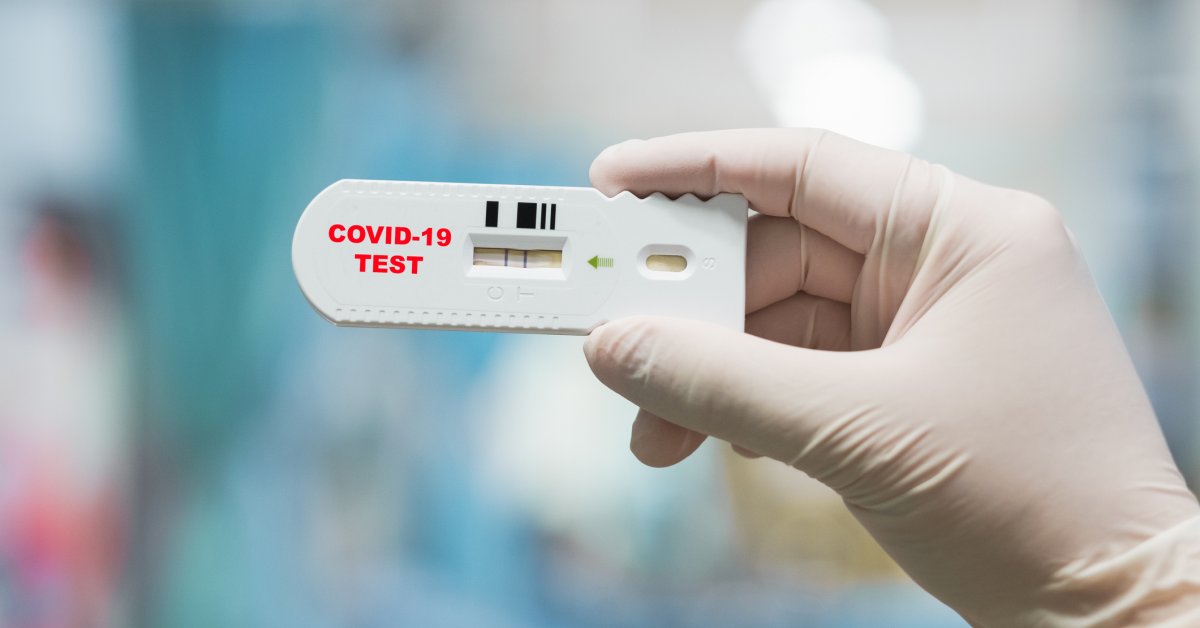
The researchers found that 56% of the people in the study who tested positive were not aware that they had been infected, either because they did not experience any symptoms of COVID-19 or felt only mild symptoms they attributed to a cold or allergies. The findings support early data from around the world suggesting that throughout the pandemic, anywhere from 25% to 40% of SARS-CoV-2 infections have been asymptomatic, which presents challenges for public-health officials trying to control the spread of the virus.
“If one message comes out of our study, I hope it’s that awareness of your infection status is going to be really key to get us through this pandemic faster,” says Cheng. “Lack of awareness and lack of knowing could lead to walking around with something transmissible, and unwittingly passing the virus to a household member, neighbor, co-worker, or someone at the grocery store.”
The data showed that people’s awareness of their infection status improved after at-home rapid test kits became widely available earlier in 2022. While about 75% of people were unaware of their infection in January and February, only about 56% were by May.
The fact that one out of two people infected with Omicron aren’t even aware that they have COVID-19 makes a strong case for more frequent testing. Regularly testing yourself with at-home rapid antigen kits is a good idea even if you don’t feel sick, since transportation, work, school, and crowded public venues—like for concerts or sports games—are all places where you can potentially get infected.
Knowing your infection status, says Cheng, could become increasingly important as studies show that people are getting infected not just once, but twice and even multiple times with Omicron subvariants. She is currently studying reinfection to better understand how many times people are getting multiple infections, and what risk factors make it more likely.
“Increasing people’s awareness of their status is our goal,” she says. “Unfortunately, we have to live with this virus for some time, and if we can be more aware, then we can potentially help ourselves, our families, and our communities to curb the spread of the virus.”
NEW YORK — The U.S. is setting aside an extra 50,000 doses of monkeypox vaccine for places with upcoming gay pride events, health officials said Thursday.
The number of doses sent to each will be based on factors like the size of the event, how many health workers will be available to give shots, and how many of the attendees are considered at highest risk for catching the virus.
“More shots in arms is how we get the outbreak under control,” Bob Fenton, the White House monkeypox response coordinator, told reporters Thursday. He said the effort is an attempt to “meet people where they are.”
At least a dozen U.S. pride events are scheduled over the next two months, including large gatherings in Atlanta and New Orleans in early September. U.S. officials said they will send up to 2,000 additional doses to North Carolina, where the Charlotte Pride Festival & Parade will be held this weekend.
“While we are offering the vaccine at these events to those at high risk, this is a two-dose vaccine series, and receiving the vaccine at the event will not provide protection at the event itself,” said Dr. Rochelle Walensky, director of the Centers for Disease Control and Prevention.
Monkeypox is endemic in parts of Africa, where people have been infected through bites from rodents or small animals, but it wasn’t considered a disease that spreads easily among people until May, when infections emerged in Europe and the U.S.
There have been more than 39,000 cases reported in countries that have not historically seen monkeypox. The vast majority have occurred in men who have sex with men, but health officials stress that anyone can get monkeypox.
The U.S. has the most infections of any country — more than 13,500. About 98% of U.S. cases are men and about 93% were men who reported recent sexual contact with other men.
Officials say the virus has been spreading mainly through skin-on-skin contact, but they warn it might also transmit in other ways, including through touching linens used by someone with monkeypox.
People with monkeypox may experience fever, body aches, chills and fatigue. Many in the outbreak have developed extremely painful zit-like bumps. No one in the U.S. has died, but deaths have been reported in other countries.
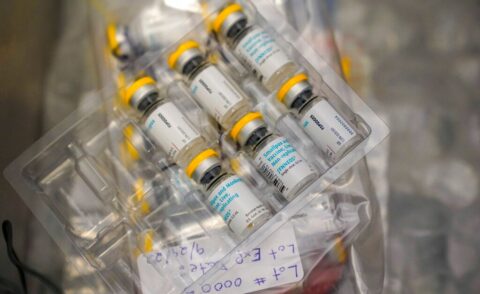
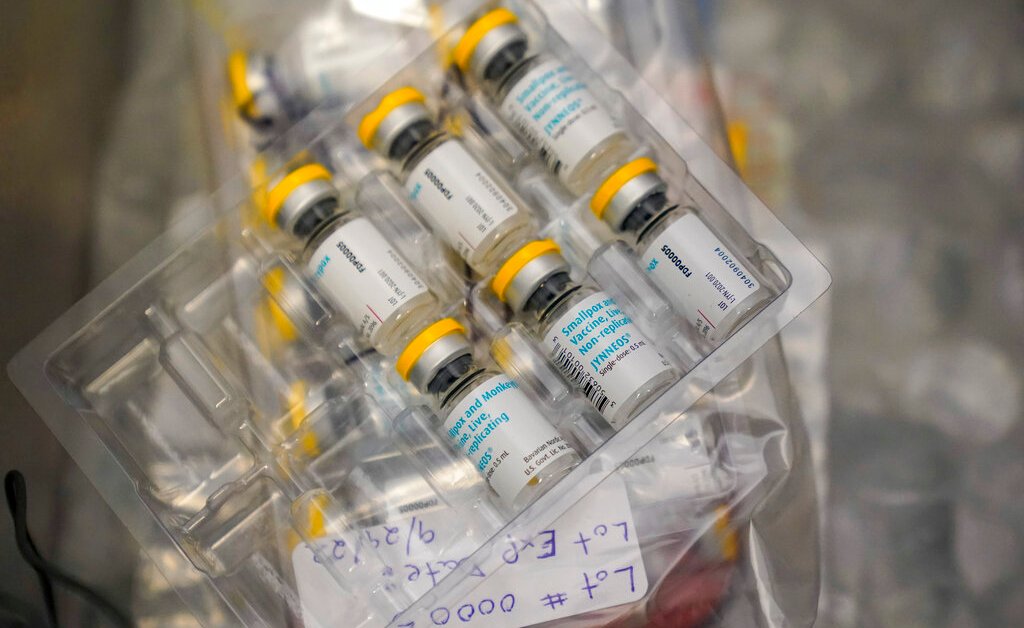
The U.S. has a limited supply of what is considered the main weapon against the virus — a vaccine called Jynneos. The doses are currently being given to people soon after they think they were exposed. Scientists are still trying to establish how well the shots are working.
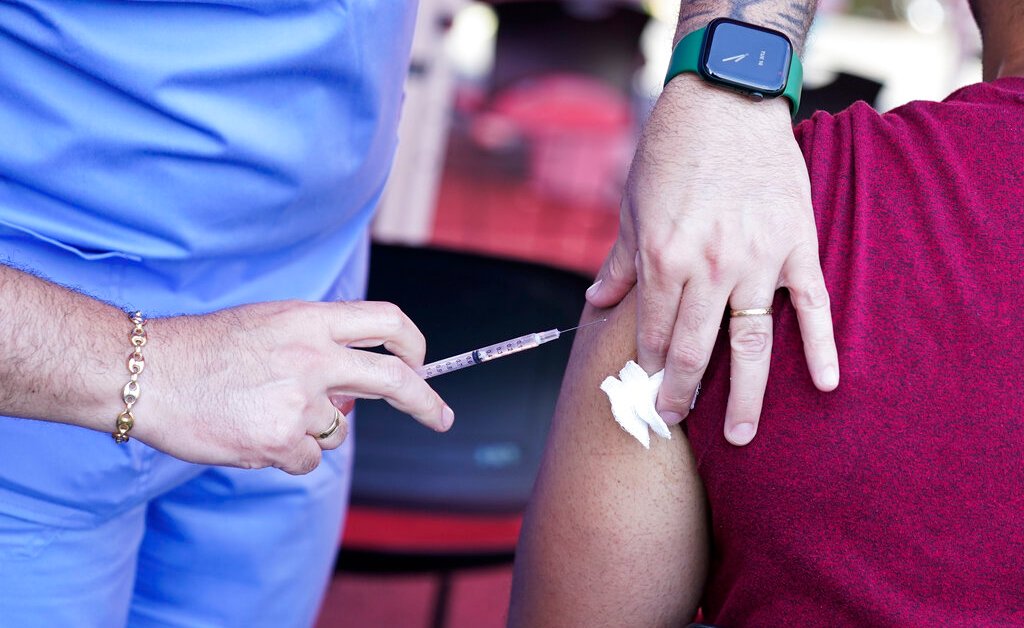
The government last week moved to stretch the supply by giving people one-fifth the usual dose, injected just under the skin, instead of a full vial injected into deeper tissue. Officials this week announced the release of 442,000 of the smaller doses for order by state, local and territorial health departments. On Thursday, they said more is coming next week — 1.8 million doses, or 360,000 vials.
Many health workers may have little experience giving shots using the just-under-the-skin method, which requires different needles and syringes. Some health departments and health centers, including in Atlanta and Los Angeles, have begun giving monkeypox shots in that manner, U.S. officials said. But some local officials have said they may need a week or more to make the change.
Also on Thursday, health officials said next week they will boost the supply of TPOXX, a drug for treating monkeypox infections, by 50,000 treatment courses.