If You’re ‘Diet-Resistant’, Exercise May Be Key to Weight Loss

If You’re ‘Diet-Resistant’, Exercise May Be Key to Weight Loss

[ad_1]

MONDAY, Aug. 22, 2022 (HealthDay News) — “You can’t run from the fork.”

It’s an old weight-loss saying, reminding folks that diet is more important than exercise when it comes to shedding excess pounds.

But is that true for everyone?

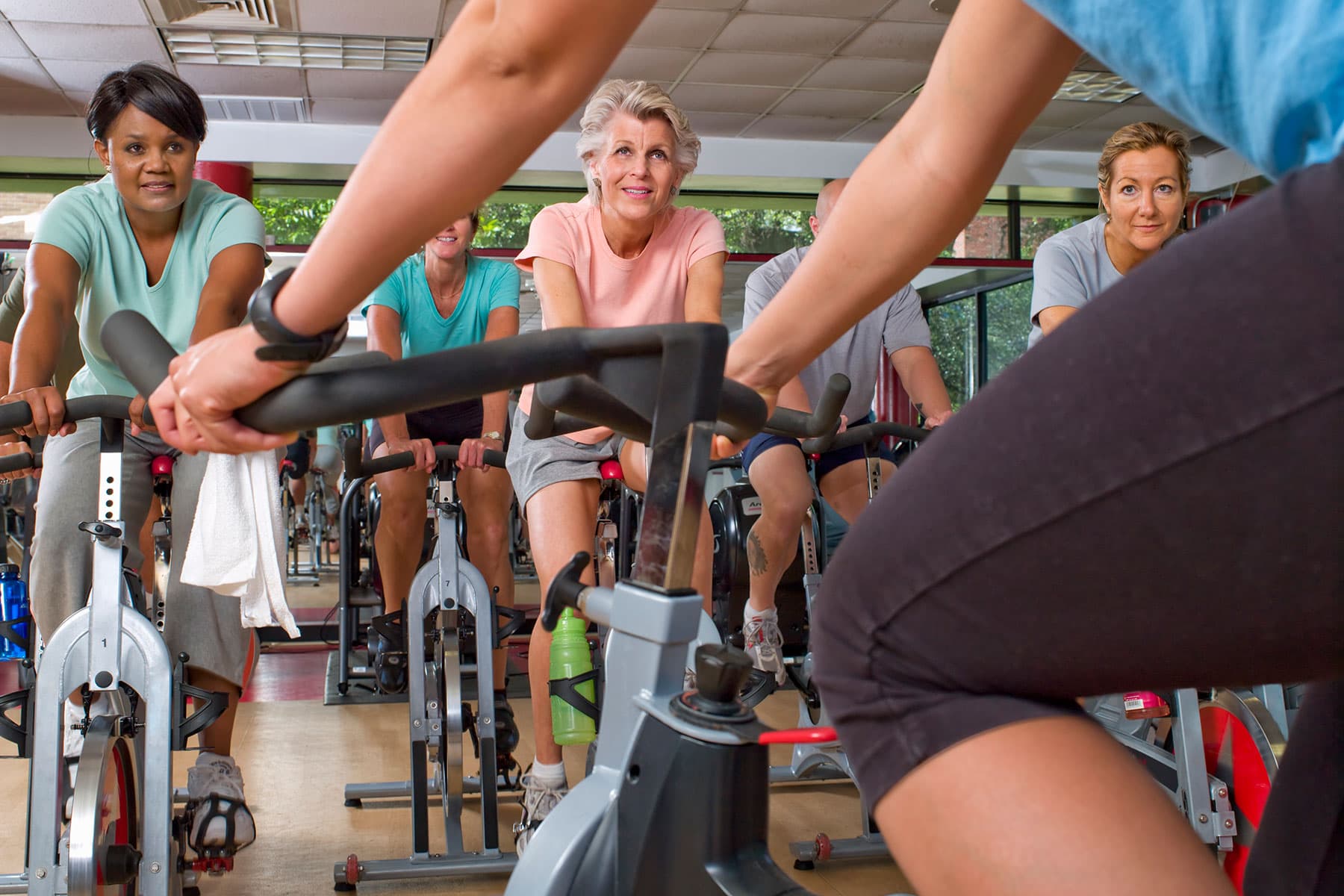
New research suggests there’s a category of “diet-resistant” people who need to work out and watch what they eat if they want to shed pounds.

In fact, these folks should prioritize exercise, because it decreases their fat mass and boosts their muscles’ ability to burn calories, the Canadian study concluded.

“We found that the slow losers responded much better to exercise than the fast losers did,” said senior study author Mary-Ellen Harper. She is research chair of mitochondrial bioenergetics at the University of Ottawa.

“We hope these findings will allow a better, more personalized approach for adults with obesity who are seeking to lose weight, and especially those individuals who have very great difficulties losing weight,” Harper said.

She noted that previous research has shown that the ability of muscle cells to burn energy varies widely between people.

People who struggle to lose weight tend to have very efficient muscle cells; these cells are very good at storing energy rather than burning it away, Harper said.

In fact, sometimes a diet will slow down a person’s metabolism even more, said David Creel, a psychologist and registered dietitian in the Bariatric and Metabolic Institute at the Cleveland Clinic.

“Their metabolism reacts to this lower calorie intake by becoming even more efficient,” Creel said. “They’re not going to respond as well because they’re just not burning as many calories.”

To see if exercise could change that up, Harper and her colleagues mined clinical data from more than 5,000 people who’d participated in a low-calorie weight-loss program at Ottawa Hospital.

The program restricted people to 900 calories a day, but there still was a group of people who lost weight at a much lower rate than others.

From those records, the researchers matched 10 “diet-resistant” people with 10 “diet-sensitive” women, and had them all take part in a six-week exercise program. The participants were matched based on their age, weight and BMI, and told to eat as usual.

function pixelForFacebook(){var e,t,i,n,r,c;e=window,t=document,i=”script”,e.fbq||(n=e.fbq=function(){n.callMethod?n.callMethod.apply(n,arguments):n.queue.push(arguments)},e._fbq||(e._fbq=n),(n.push=n).loaded=!0,n.version=”2.0″,n.queue=[],(r=t.createElement(i)).async=!0,r.src=”https://connect.facebook.net/en_US/fbevents.js”,(c=t.getElementsByTagName(i)[0]).parentNode.insertBefore(r,c)),fbq(“init”,”428750600651790″),fbq(“track”,”PageView”),fbq(“track”,”Topic_id”,{topicid:window.s_topic}),fbq(“track”,”Audience”,{audience:getAudience()})}function pixelForTwitter(){var e,t,i,n,r,c;e=window,t=document,i=”script”,e.twq||((n=e.twq=function(){n.exe?n.exe.apply(n,arguments):n.queue.push(arguments)}).version=”1.1″,n.queue=[],(r=t.createElement(i)).async=!0,r.src=”https://static.ads-twitter.com/uwt.js”,(c=t.getElementsByTagName(i)[0]).parentNode.insertBefore(r,c)),twq(“init”,”nxo3v”),twq(“track”,”PageView”)}function pixelForPinterest(){!function(e){if(!window.pintrk){window.pintrk=function(){window.pintrk.queue.push(Array.prototype.slice.call(arguments))};var t=window.pintrk;t.queue=[],t.version=”3.0″;var i=document.createElement(“script”);i.async=!0,i.src=”https://s.pinimg.com/ct/core.js”;var n=document.getElementsByTagName(“script”)[0];n.parentNode.insertBefore(i,n)}}(),pintrk(“load”,”2618142259440″),pintrk(“page”),pintrk(“track”,”pagevisit”)}function pixelForReddit(){!function(e,t){if(!e.rdt){var i=e.rdt=function(){i.sendEvent?i.sendEvent.apply(i,arguments):i.callQueue.push(arguments)};i.callQueue=[];var n=t.createElement(“script”);n.src=”https://www.redditstatic.com/ads/pixel.js”,n.async=!0;var r=t.getElementsByTagName(“script”)[0];r.parentNode.insertBefore(n,r)}}(window,document),rdt(“init”,”t2_109a14pl”),rdt(“track”,”PageVisit”)}function getAudience(){if(webmd.cookie.get(“cmt”))return[“campaigns”].reduce(function(e,t){return e[t]=JSON.parse(webmd.cookie.get(“cmt”))[t],e},{})}!function(){var e;window.s_topic&&(e=s_topic.match(/^7\d\d\d/gi)),window.s_topic&&!e&&-1===[“1634″,”1663″,”1664″,”1669″,”1695″,”1700″,”1703″,”1705″,”1707″,”1709″,”1711″,”1719″,”1756″,”1760″,”1761″,”1762″,”1783″,”1814″,”1818″,”1819″,”1835″,”1840″,”2730″,”2756″,”2857″,”2950″,”2952″,”2953″,”3079″,”3236″,”3539″,”3540″,”3541″,”3552″,”3571″,”3607″,”3608″,”3623″,”3631″,”3637″,”3644″,”3838″,”3927″,”3928″,”3930″,”3937″,”3939″,”3950″,”3951″,”3954″,”3958″,”3962″,”3963″,”3965″,”3966″,”3971″,”3989″,”4010″,”4048″,”4049″,”4050″,”4052″,”4058″,”4099″,”4119″,”4121″,”4140″,”4203″,”4222″,”4227″,”4228″,”4236″,”4242″,”4251″,”4254″,”4257″,”5555″,”6041″,”18091″,”18092″,”18093″,”18094”].indexOf(window.s_topic)&&(pixelForFacebook(),pixelForTwitter(),pixelForPinterest(),pixelForReddit())}()

[ad_2]

Source link

The Truth About Children’s Resilience

The Truth About Children’s Resilience

[ad_1]

To Teri DiCesare, grandmother of two and director of Philadelphia’s House at Pooh Corner daycare center for nearly a half-century, kids’ resilience looks a lot like her daily noontime scene: toddlers and preschoolers — masks off, lunches out — chattering. Slurping from juice boxes. Being silly.

“Resilience means adaptability,” says DiCesare. “It means that children adjust to change.”

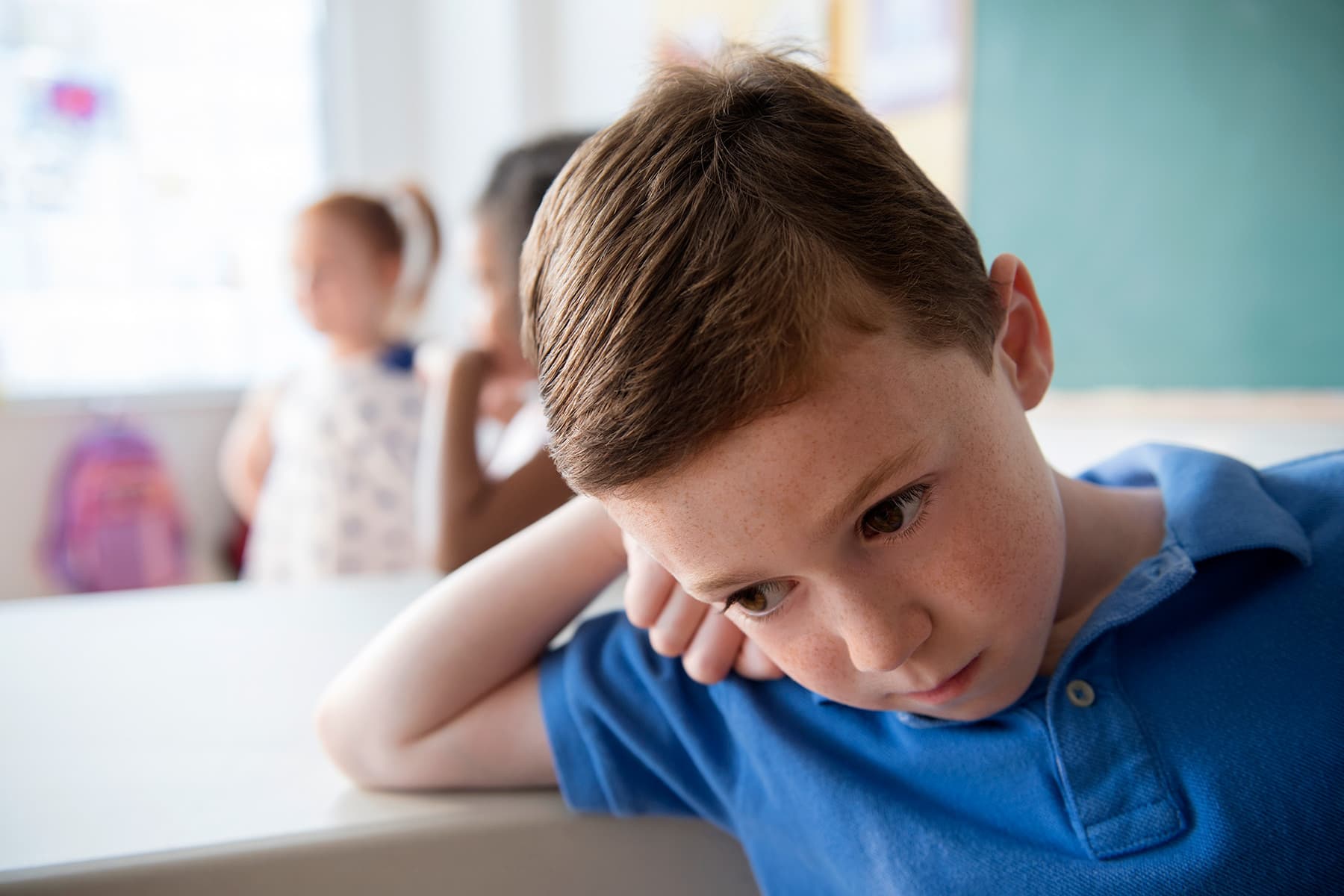
There’s been a lot of change and upheaval to contend with these past few years. Some grown-ups may shrug off the impact on children, especially on the youngest ones. They say things like, “Kids are resilient. They’ll be fine.”

But it’s more complicated than that.

Children’s resilience — their ability to thrive in the midst and aftermath of a crisis — depends on who they are, what their lives were like before, and how the adults around them (including parents, other relatives, and community caregivers) respond.

No doubt, recent events have taken a toll. In a 2020 survey of 1,000 U.S. parents, 71% said the pandemic had negatively affected their child’s mental health. And CDC data show that there were 24% more mental health-related emergency room visits for children ages 5-11 between March and October 2020, compared with the same period in 2019.

Other studies have traced the effects of climate change and violence — whether witnessing or experiencing it — on young children, noting problems like depression, anxiety, phobias, irritability, learning difficulties, and changes in sleep and appetite.

Yet as real as the effects have been, kids can move through it – with the right kind of help.

Bouncing Back With Support

“The bottom line is: After any kind of tragedy, most children – most people — will actually be OK,” says Robin H. Gurwitch, PhD, a psychologist and professor of psychiatry at Duke University Medical Center.

“But it’s not that people just bounce back,” Gurwitch says. “There used to be an idea that some people were resilient and some weren’t. That has fallen by the wayside. Resilience is something we can enhance.”

Gurwitch has seen this over and over, as she’s focused her work for more than 30 years on the impact of trauma and disasters on children and their families – and evidence-based ways to help children through it.

The most important ingredient in building and fostering a child’s resilience, Gurwitch says, is a secure, trusting relationship with an adult who can listen, nurture, and model healthy ways of dealing with things. 


Those adults don’t have to be the child’s parent. They might be another relative or a teacher, coach, faith leader, neighbor, or someone else in their life. They can help guide kids toward healthy ways of managing stress like taking a walk, talking about their feelings, drawing a picture, or playing with a pet.

Caregivers can also empower children by suggesting and modeling ways to take action. That could mean chalking rainbows on the sidewalk, inviting a new student to join a game, or volunteering at a food pantry or for another cause they care about. This is “finding ways to make meaning of what’s happening,” Gurwitch says.

Hardship Hits Kids Unequally

Tough things happen to everyone. But some kids face a heightened level of hardship because of their race, economic situation, gender identity, or nationality.

“Not every kid is going through structural racism, the biases, that pain and harm,” says Iheoma U. Iruka, PhD, founder of the Equity Research Action Coalition at the Frank Porter Graham Child Development Institute at the University of North Carolina at Chapel Hill.

These biases can also make us overlook the everyday resilience of children who have been through more than their share of trauma.


“Every child has strengths,” Iruka says. For instance, she points out that a child who may not be on track with reading “may be flexible, kind to friends, critical thinkers, and problem-solvers. We may not understand how resilient they are.”

Iruka’s advice to help bolster children’s resilience: “First and foremost, love your children,” she says. Talk with them, read stories together, include them in a variety of social settings and people, and give them space to explore.

How adults behave matters, too — perhaps more than their words. Ask yourself, “When I get upset, do I rant and rave, or do I take a deep breath and find a way to calm down?” Gurwitch says. “If kids see us cry, it’s really important that they see us dry our tears and move forward.”

Resilience isn’t something that you develop on your own. People are social. We’re affected by the people and systems around us. When a child has a caregiver who themselves feels cared for, they can offer kids their best, most nurturing selves.

“We need to create resilient families and resilient communities,” Iruka says. “Children can’t be resilient on their own.”

[ad_2]

Source link

What It’s Like to Parent in Taiwan

What It’s Like to Parent in Taiwan

[ad_1]

What It's Like to Parent in Taiwan

Writer and consultant Kathy Cheng lives with her four-year-old daughter in Taipei, Taiwan. Here, she talks about earthquakes, cram schools, and low-key evening massages with friends…
What It's Like to Parent in Taiwan

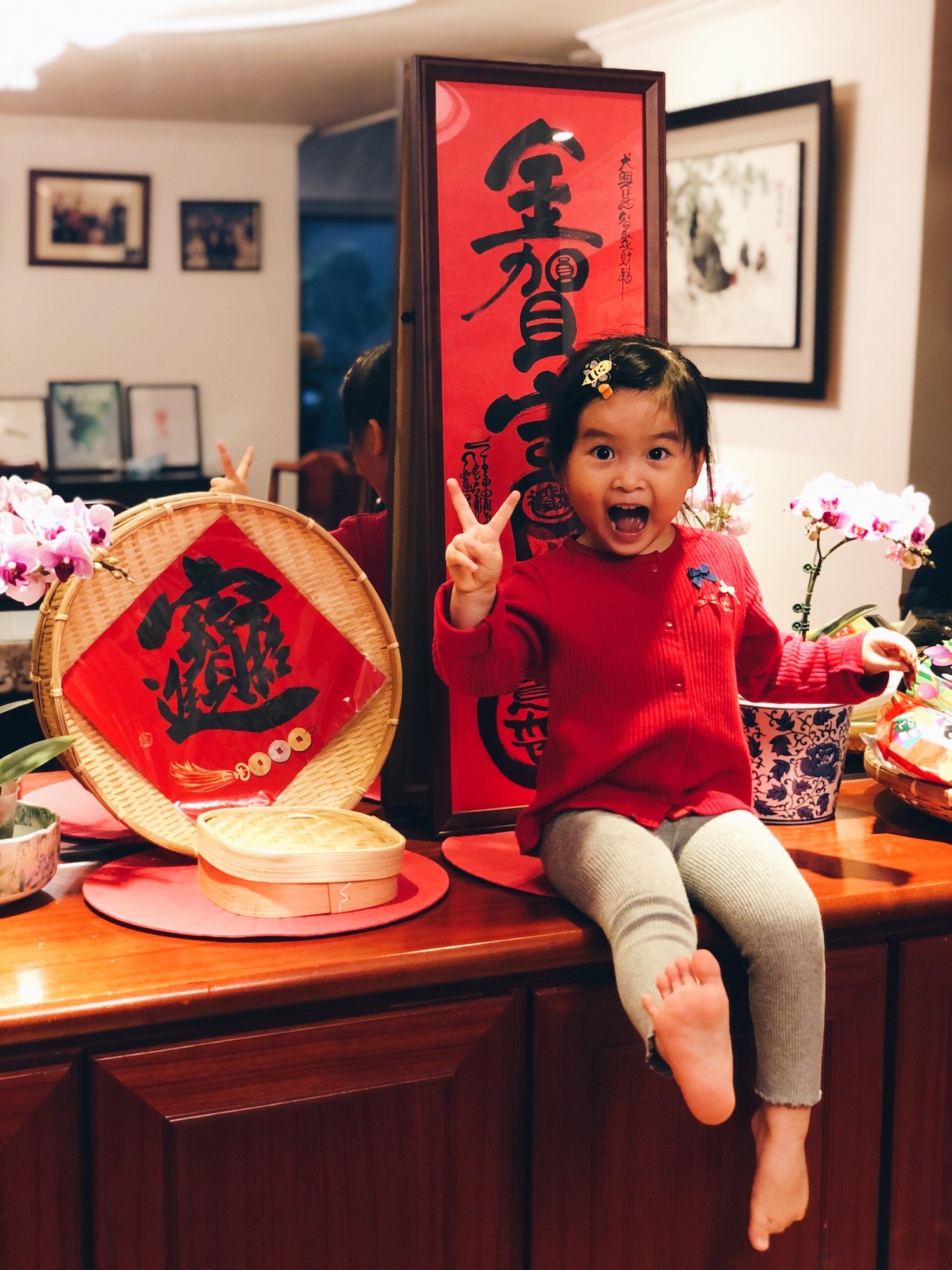
On Lunar New Year

Kathy’s background:

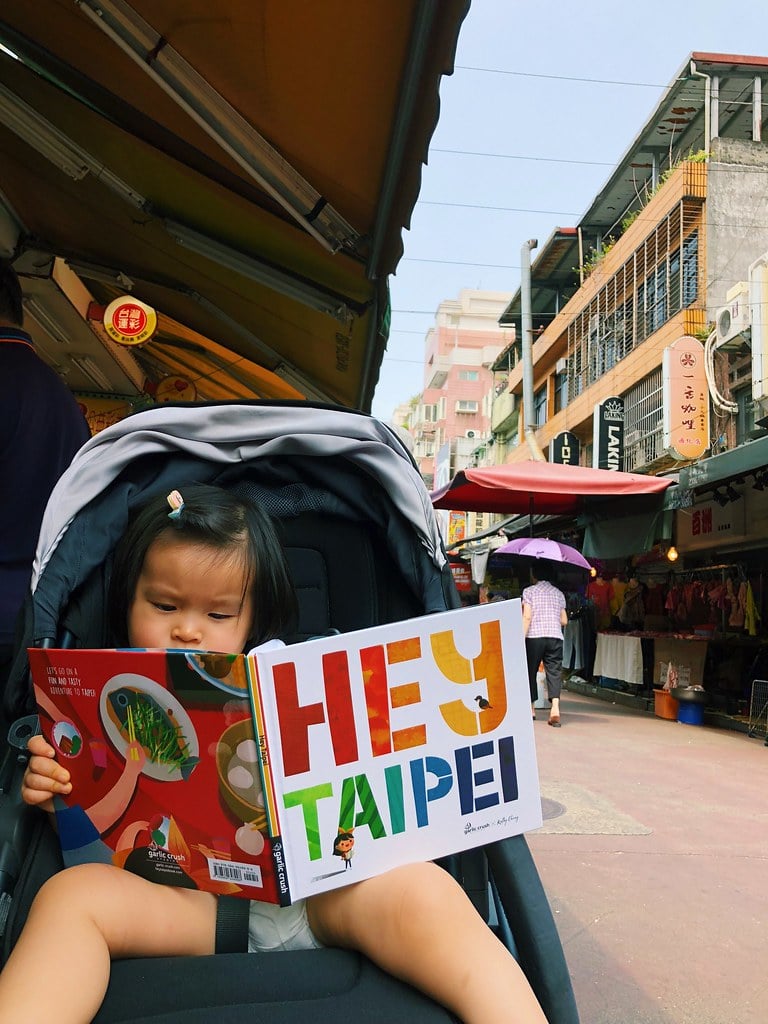
Kathy was born in Taipei, but mostly grew up in Sydney, Australia. In 2014, she moved back to Taiwan for a relationship. “We got married, had a baby, then divorced,” she says. “Now I’m a single mum.” Kathy and her daughter, Claudia, live in an apartment complex in Daan District, a bustling neighborhood in Taipei with offices, cafés, and restaurants. She runs Thankful, an open-platform wedding and baby registry site; she also wrote Hey Taipei, the first English-language book for kids about Taiwan. “I’m working on more picture books from a Taiwanese point of view,” she says.
What It's Like to Parent in Taiwan

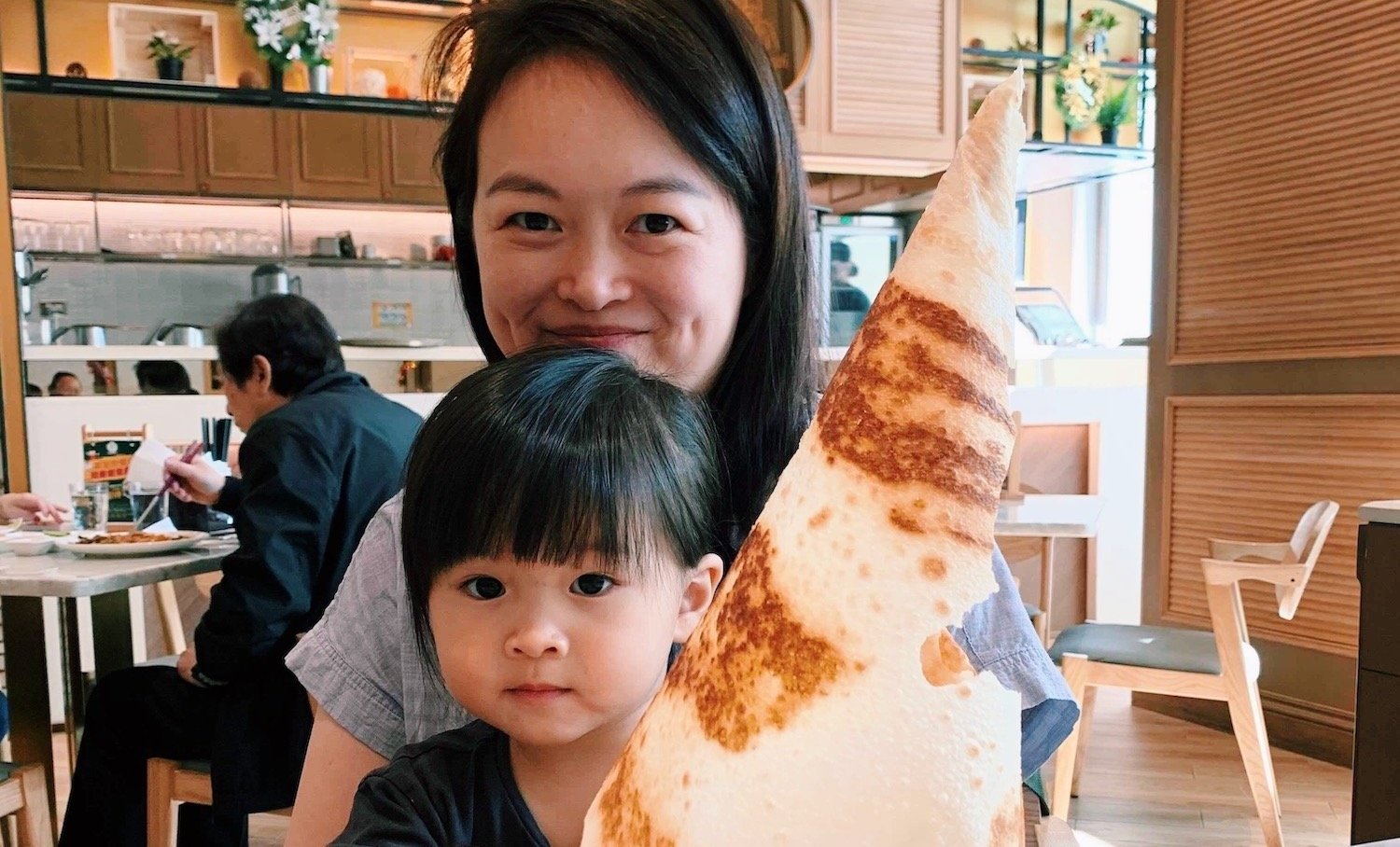
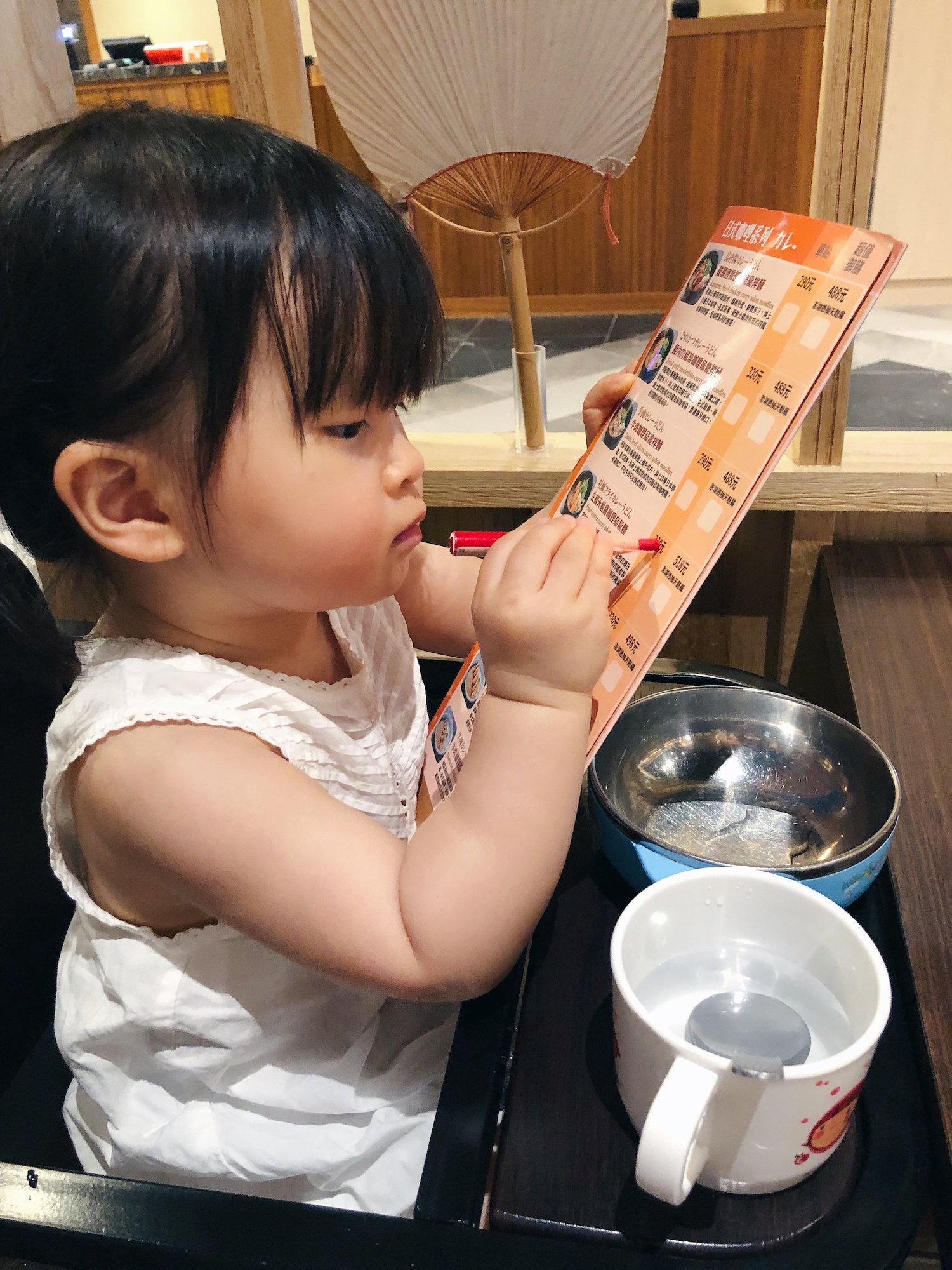
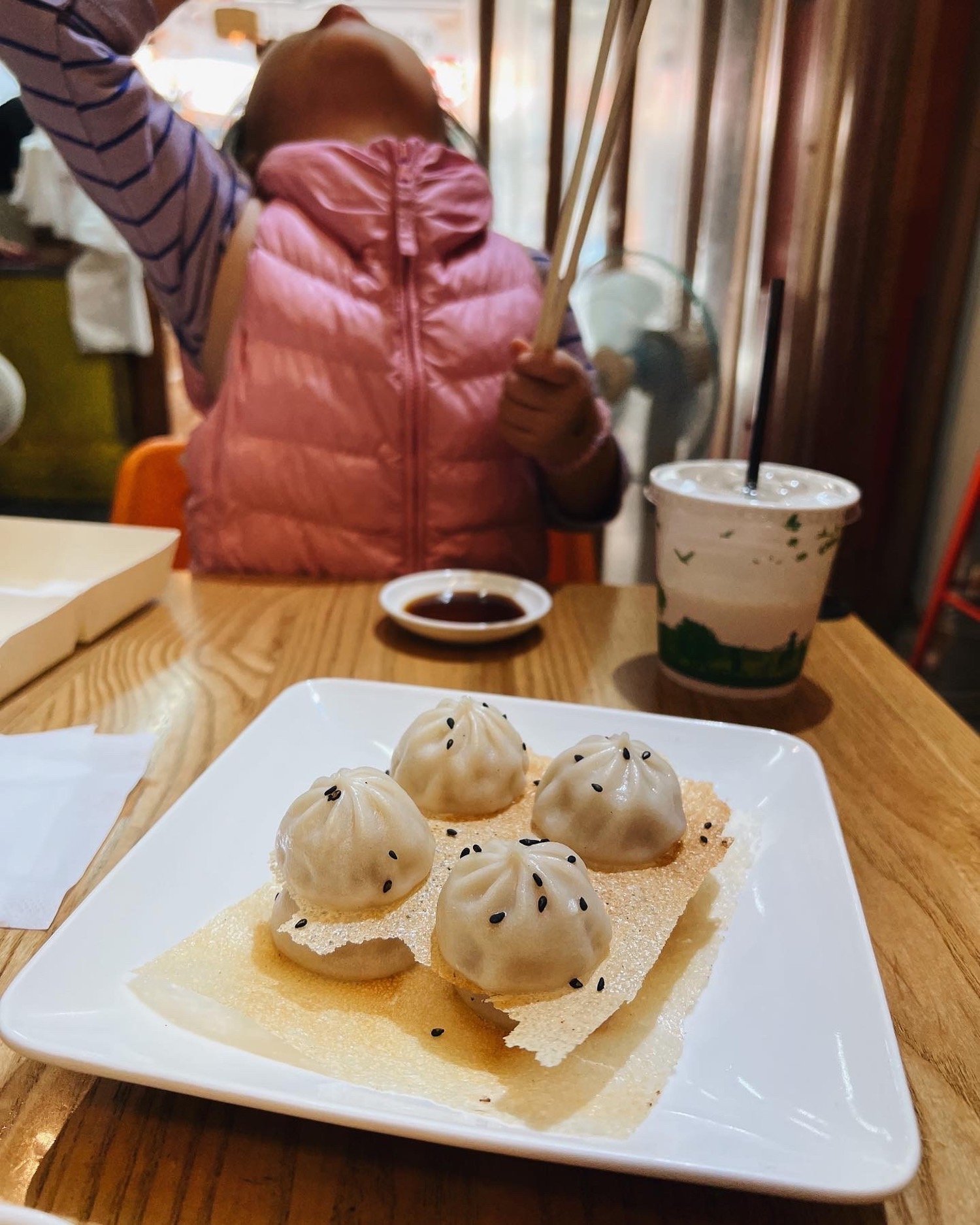
On family-friendly restaurants: Restaurants often have kids’ dining sets and high chairs. It’s rare to find a children’s menu; instead, kids just eat the same as the adults, family-style. We’ve been eating at Din Tai Fung since she was a toddler so she’s always known the right way to enjoy xiaolongbaos [soup dumplings] — you just take a small bite of the skin to make a hole, then suck out the soup inside. We also go to a hole-in-the-wall soup dumpling place near our house. She can down a plate of dumplings herself, along with a cup of cold soy milk.
What It's Like to Parent in Taiwan

On bubble tea habits: Bubble tea was invented in Taiwan, so there are bubble tea shops literally everywhere. When Claudia napped in her stroller, I developed a dangerous habit of finishing a jumbo-sized brown sugar bubble tea every day. But now that she’s old enough to share icy drinks with me, I stick to those made with fresh fruit, no tea. In case anyone’s wondering, the secret to the perfect black sugar bubble tea is asking for less ice, so the soft boba doesn’t freeze up.

What It's Like to Parent in Taiwan

On a first-birthday tradition: When Claudia turned one, we held a ceremony called ‘zhua zhou,’ which loosely translates to ‘the first grab.’ You put your baby on the floor with a bunch of stuff in front of them, and whatever they grab is a sign of the direction they’ll take in life. Claudia picked up the stethoscope, but my dad said, ‘Throw it back! That’s too tough!’ and we made her put it back. Some of the other objects were a sword and gold ingot, which feel so irrelevant. These days, people sometimes put in laptops or game consoles or credit cards.

What It's Like to Parent in Taiwan

On blunt relatives: If you go to a family meal, your relatives will comment on your appearance and flat out say, ‘Have you put on weight?’ — less as a question, more as an accusation. It’s brutal. When Claudia turned four, my dad told me, ‘I just told Claudia that her nostrils are big, and she said to me, Grandpa, I don’t like it when you say that.” He had a look of fear in his eyes. And I thought, Oh my god, can we SAY that? I grew up just taking it! You put on a half smile and stand there silently. But she didn’t, even from her own grandpa. She’s my hero.
What It's Like to Parent in Taiwan

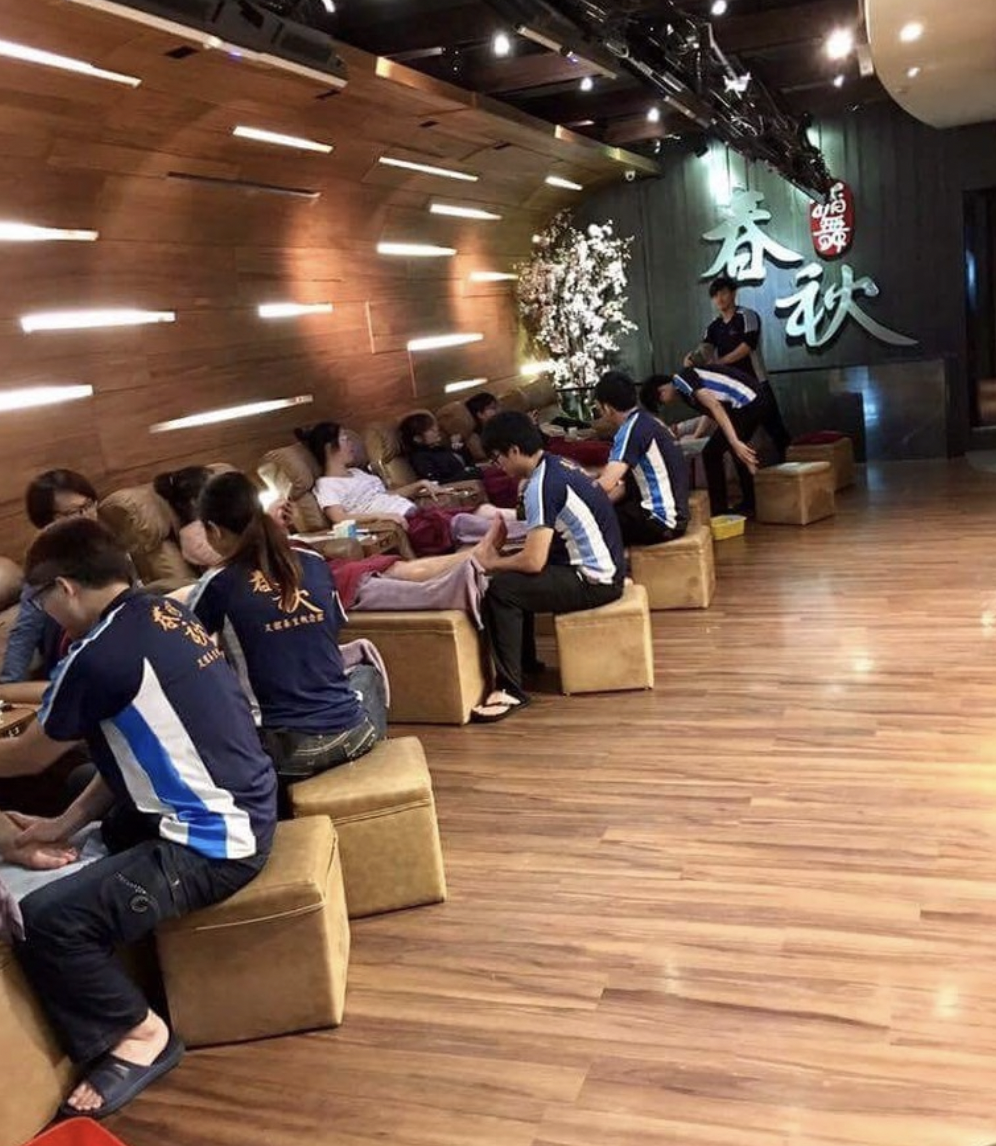
On evening massages: Getting late-night massages is very much a thing. Couples and friends go together after dinner; it’s a low-key way to hang out and not at all reserved for special occasions. You sit in a big room; TVs are hanging from the ceiling. Since massages here emphasize reflexology, they can be borderline painful rather than gentle and soothing. My local spot is called ‘Dancing Fingers,’ which is very misleading! They work their knuckles into your back; if you wince or groan, they think they’re doing a good job. I’m sore for days afterward, but then I feel so much better, especially after carrying a baby around. My friends are always telling me to go back, but right now I’m too chicken.

What It's Like to Parent in Taiwan

On earthquakes: Anytime I hear a creak in my house, my heart skips a beat. I explain to Claudia that the earth is a jigsaw puzzle, and when the pieces move, that’s an earthquake. The worst one was when we were on vacation in the southern city of Kaohsiung. We were on the 16th floor of a new hotel; and in the middle of the night, the building began creaking and swaying back and forth. I was in a full sweat, glaring at the ceiling, waiting for the aftershocks to end. I kept thinking, What if this hotel comes down? What would we do? Claudia slept through it all, but I was tense the entire night. When there’s an earthquake, it feels like someone randomly punched you in the face, unprovoked; it disrupts everything, you feel your mortality, you think you might die for 20 seconds. It’s a frustrating part of living here.

What It's Like to Parent in Taiwan

On marriage pressures: Since the rate of marriage is very low, city governments organize matchmaking services and singles outings. I love that someone in the government is responsible for planning group mixers! Tech companies hold dating events, too, since they often have a bunch of engineers and there’s a gender disparity. I’ve never been to one, I think it would be so awkward! Luckily, among friends, there’s no social pressure to date. I’m 40 and single, and I have many awesome single friends.

What It's Like to Parent in Taiwan

On a low birth rate: Taiwan has one of the lowest birth rates in the world. The government is trying to turn things around with baby bonuses for new parents, and they also now subsidize IVF treatments, which opens the door for couples who wouldn’t otherwise be able to afford it. But I think the problem is much broader. Salaries are too low for the vast majority of young Taiwanese to buy apartments. It’s hard to imagine settling down and starting a family if you can’t imagine affording your own home, you know?

On hotels for new moms: Since Taiwan’s amazing national health insurance covers almost everything, the biggest cost of childbirth is the confinement hotel. My biggest regret was not signing up for one! It’s like a ‘soft landing’ into parenthood. Mums and babies stay for 10 days to a full month. The babies sleep in a nursery with nurses who feed, change and supervise them around the clock. You and your partner sleep in a private room, and your baby is rolled in for feeding, fun and bonding, but then taken away. The best part is that visiting times are restricted. You don’t have to tell your family, ‘Don’t come,’ since the hotel’s policy does that for you! Many people here live in multi-generational households, so being in a confinement hotel gives the nuclear family that much-needed bonding time.

What It's Like to Parent in Taiwan

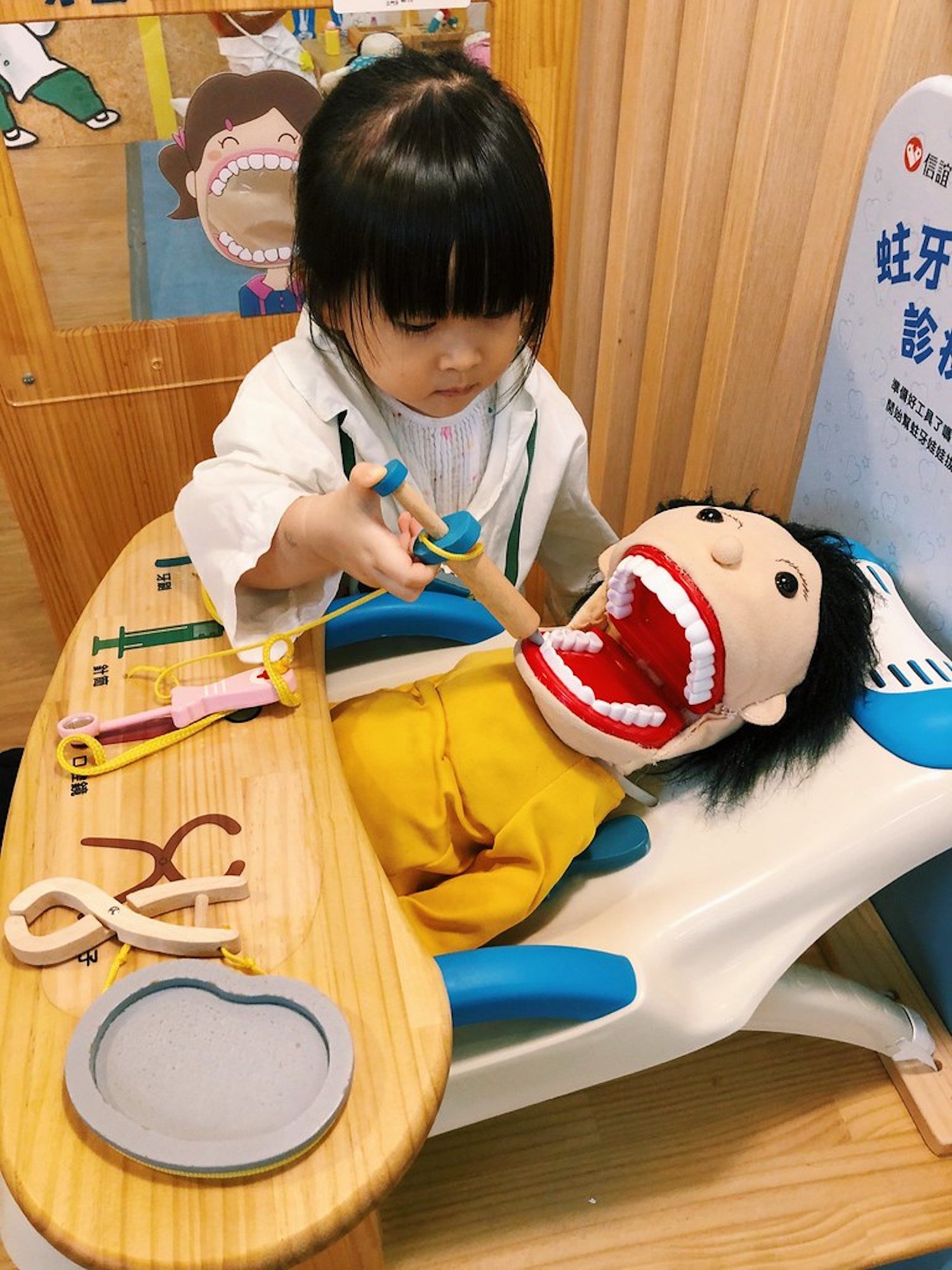
On daycares: Working parents typically send their kids to full-time daycares. When Claudia was almost four, she started at one near our house. The teachers made healthy lunches, from scratch, of rice, meat and vegetables. She only went for half days, though, because the kids all went down for two-hour naps after lunch! This is because many people in Taiwan work such long hours that if kids don’t stay up late, families rarely get to spend time together during the work week — so you’ll see strollers out and about at 10 p.m. on weeknights.
What It's Like to Parent in Taiwan

On academic pressure: Kids work long hours, too; all daylight hours are accounted for. Children go to school, then straight to a buxiban (cram school), then home. Cram schools are about getting an edge. Everyone wants their kid to rank at the top of their class, but the reality is not everyone can be first. I grew up in Australia without much stress, so I don’t want that intense pressure for Claudia. Sometimes I hear about kids with busier schedules than their parents, and that concerns me. My childhood in Sydney was all about randomly playing on the street with the neighbor kids. That’s going to be tough to replicate here.

What It's Like to Parent in Taiwan

Kid-level sinks you’ll find in malls and public spaces

On kids in public: Taiwan has a ‘seen but not heard’ mentality. Sometimes, on the metro, Claudia will be loudly chatting away, and I’ll realize that none of the other kids are making a sound. How is that even possible?! The sweet thing is, grandparents dote on their grandkids so much. After school, I often see grandparents carrying the kids’ backpacks. There’s a common belief that the weight of heavy backpacks can stunt kids’ growth. Locals also believe that playing basketball, with its constant jumping, will help kids gain height!

What It's Like to Parent in Taiwan

What It's Like to Parent in Taiwan

On destination playgrounds: The outdoor playground scene here is amazing. A coalition of young parents organized with the city government to replace old equipment with creative playgrounds, and they’ve done an incredible job. I have 50 new playgrounds saved to my Google Map. On nice weekends, families will make it a mission to check out a new playground in a different part of the city. People will say, ‘Oh my god, have you been to this one? I’ll send you the Google Map link.’ It’s like the hot new club!
What It's Like to Parent in Taiwan

What It's Like to Parent in Taiwan

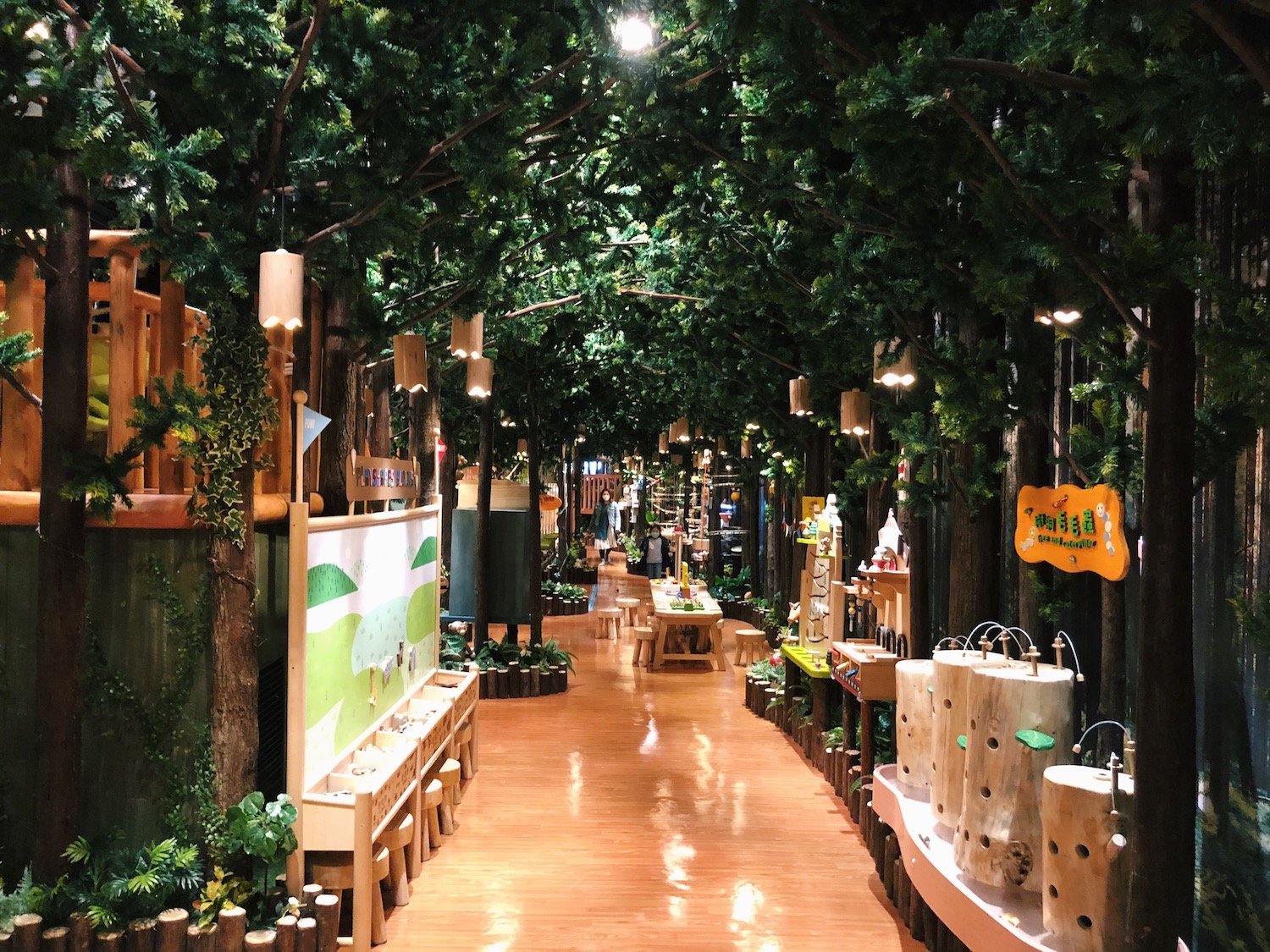
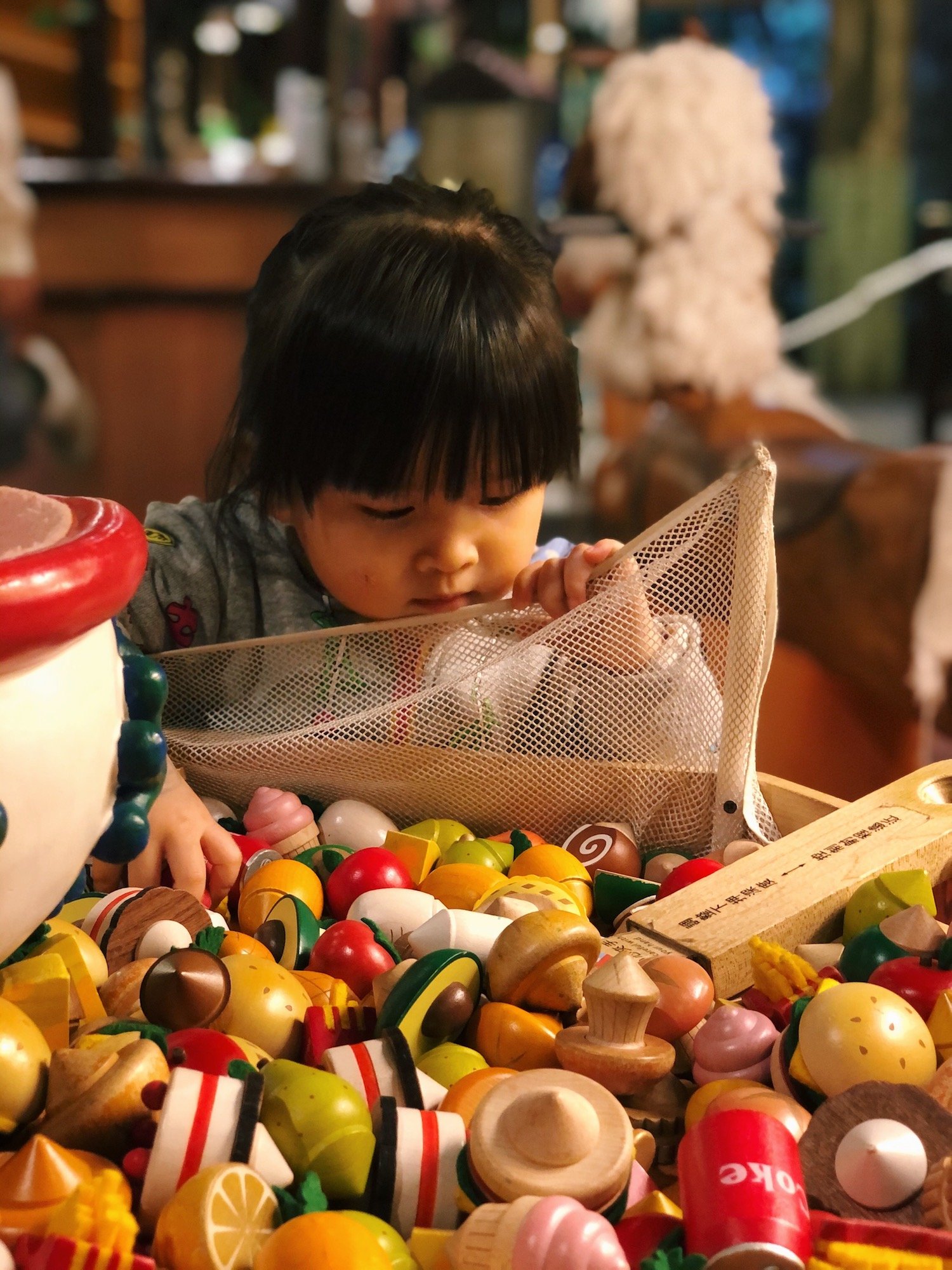
On playing inside: Indoor play centers are everywhere. They’re air conditioned, so you can escape there if it’s swelteringly hot or pouring rain. Our favorite is Wooderful Life. All the toys are wooden, and there aren’t any flashing lights or loud music. It feels like you’re in a man-made forest for a few hours.

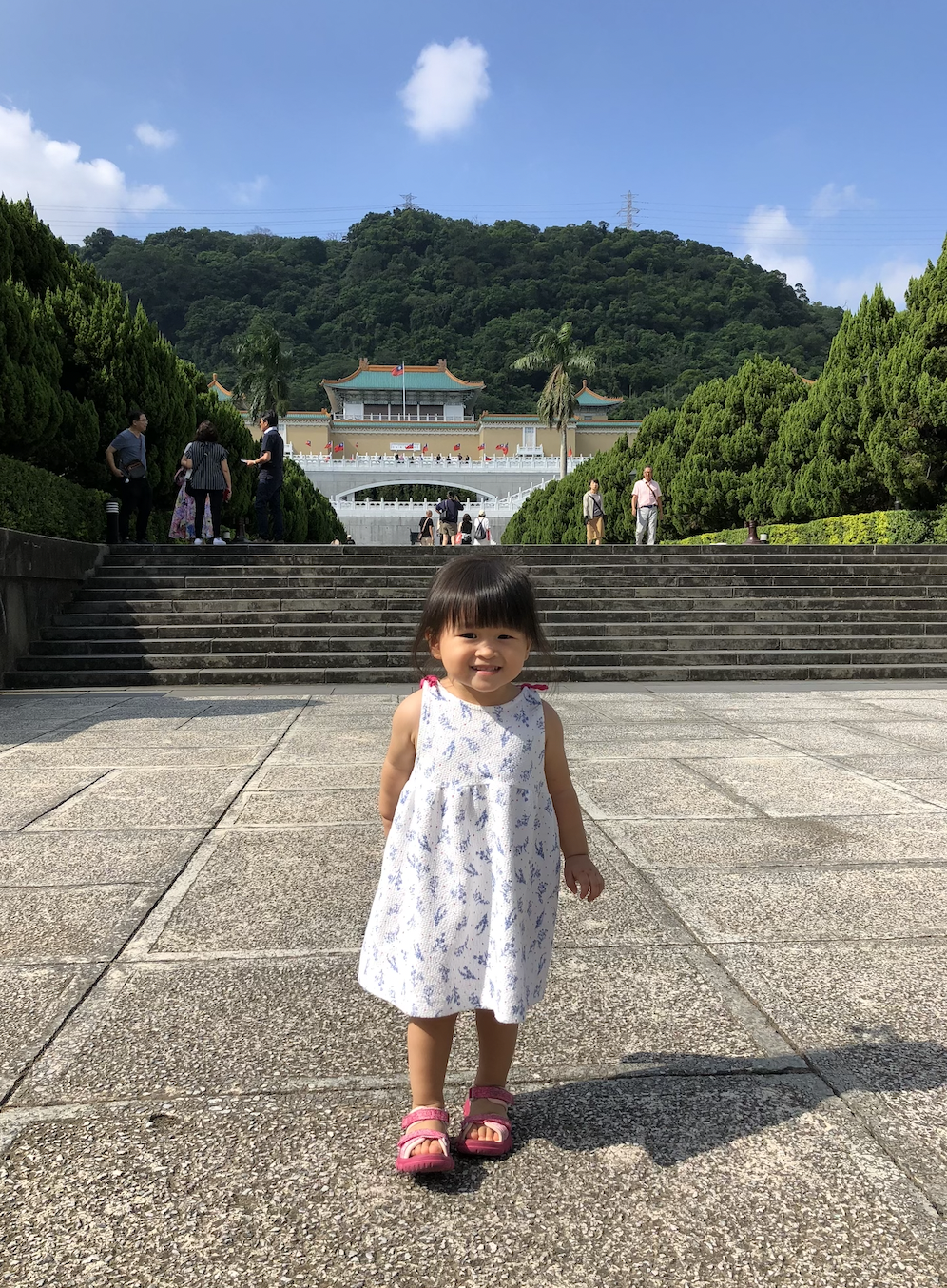
On religious diversity: The two biggest religions are Buddhism and Taosim, but Taiwanese society is very respectful of different beliefs. There’s a road near me where a Muslim mosque and Catholic church are a couple of doors apart; around the corner is a Presbyterian church and a Jewish synagogue. Christmas isn’t a public holiday here – more of a commercial one – but we go to see the decorations in big hotels and malls. For a few years, we’ve been going to the Regent Hotel to take photos with Santa. I used to find it hilarious that Santa was a young, 30-something Taiwanese guy with glasses doing silly poses. But now I think, ‘Well, we’re in Taiwan. It makes sense!’”
What It's Like to Parent in Taiwan

On feeling invisible: We often feel unheard in the media. During the recent Nancy Pelosi visit, our relatives living in America were like, ‘Come back right now, war will break out!’ But, for people living here, it feels like the parents are fighting, and we kids are just in our rooms, hanging out, wanting to chill with our friends. The news cycle always plays up the conflicts, rather than exploring any nuance. In articles, they’ll quote American and Chinese academics, instead of people from Taiwan.

We also feel invisible in the global sense. For example, our athletes have to compete in the Olympics under ‘Chinese Taipei,’ instead of ‘Taiwan.’ Taiwan isn’t a member of the United Nations or the World Health Organization. But there are 24 million people here. We’re working hard, raising families, and trying to live our best lives.
What It's Like to Parent in Taiwan

On developing pride: Growing up in Sydney, I didn’t feel Taiwanese. I would say, ‘I was born in Taipei and grew up in Australia.’ But as an adult, I realize that we should be proud and vocal about being Taiwanese. The Taiwanese diaspora should say, ‘I shouldn’t be okay with people assuming I’m from China or thinking I’m from Thailand! Taiwan a totally different place.’ That was why I wrote my children’s book: after Claudia was born, I wanted a children’s book about Taiwan in English. Being Taiwanese is special. I tell my daughter all the time: ‘We should invite everyone to come play with us here.’”

Thank you so much, Kathy!

P.S. Our Parenting around the World interviews, including Norway and Japan.

(Cityscape photo by Paul Ratje/Stocksy.)
[ad_2]

Source link

Hospitals Train to Curb Maternal Mortality

Hospitals Train to Curb Maternal Mortality

[ad_1]

Dying during pregnancy, delivery, or soon after having a baby is more common in the U.S. than in any industrialized nation. It’s called “maternal mortality,” and it’s nearly three times more likely for Black women than white women.

To help save lives, a growing number of U.S. hospitals are using obstetric simulation centers where medical teams can practice for life-threatening situations that can happen during labor and childbirth. One of the places doing this is NYC Health + Hospitals/Elmhurst in Queens, NY, which delivers 180 babies in a typical month.

Elmhurst’s Mother-Baby Simulation Center features a specially designed full-body mannequin of color, along with a mannequin infant. The center puts doctors, nurses, and other medical professionals through simulated – but realistic – obstetric emergencies such as maternal hemorrhage, dangerously high blood pressure, sudden cardiac arrest, and emergency C-section. They also train to handle cord prolapse, when the umbilical cord drops through the mom’s cervix into the vagina ahead of the baby, potentially cutting off the baby’s oxygen supply.

Elmhurst serves one of the most diverse communities in the country, with residents from over 100 countries speaking more than 100 different languages in its surrounding neighborhoods, says Frederick Friedman, MD, NYC Health + Hospitals/Elmhurst’s director of OB/GYN Services.

“Our simulation team is very happy that the new mannequin we have to simulate OB complications is a mannequin of color, which is more realistic for our patient population,” Friedman says. 

Related: How to Advocate for Yourself as a Pregnant Woman of Color

Practicing for a Crisis

At Elmhurst, some simulations are scheduled to prepare new resident physicians for the most common obstetric emergencies. Others come as a surprise, just as a real life crisis can unfold.

“We might come running down the hallway with a ‘patient’ who has a cord prolapse, requiring emergency delivery — that’s almost always a C-section,” Friedman says. “We’ll yell, ‘Cord prolapse, triage,’ and see how fast we can get the team assembled, how long it takes the anesthesiologist to prepare, how soon we have a scrub nurse ready for surgery,” as if the mannequin “patient” is a real person.

These simulations focus on high-risk situations that don’t happen often, such as severe postpartum bleeding (hemorrhage) or a mother who is having seizures from eclampsia (high blood pressure), Friedman explains. “It’s hard to develop skills in an emergency that might only occur in 1% of cases, where an individual doctor or nurse could go years without encountering it.”

The chance for doctors, nurses, and other medical professionals to gain experience with obstetric emergencies is even lower at hospitals that have fewer deliveries than the busy Elmhurst, says obstetric simulation expert Shad Deering, MD, an OB/GYN professor, specialist in maternal-fetal medicine, associate dean at Baylor College of Medicine, and medical director for simulation at CHRISTUS Healthcare System.

“If you’re doing only 10 deliveries a month, and the risk of postpartum hemorrhage is about 5%, you can go several months to a year without having one,” Deering says. “Obstetric emergencies happen with enough frequency that we really need to be prepared for them — but not enough, especially in lower-volume places, that the teams get the preparation they need.”

Getting Results

Can practicing with even the most realistic mannequin and simulated emergency situation really improve how a medical team performs when there’s a real person bleeding uncontrollably during delivery?

A number of studies say yes. Simulation training has been shown to:

  • Reduce injuries to babies that have shoulder dystocia, in which their shoulders are impacted by the mom’s pelvic bones during a vaginal delivery.
  • Shorten the time it takes to diagnose cord prolapse and improve its management.
  • Reduce the time from deciding that an emergency C-section is needed to delivering the baby.

“Obstetrics is one of the only places in medicine where we have two patients at the same time,” Deering says, referring to the mother and the baby. “This means that we have to very quickly and acutely balance the needs of both patients.”

“Since labor and delivery teams change often, nurses and doctors may not have worked together much before,” Deering says. “We have a constantly rotating team where everyone has to understand their roles and responsibilities and be able to execute them flawlessly at a moment’s notice, when everything is going great until suddenly everything is going wrong.”

Not every hospital can have a large, high-tech simulation lab with expensive, high-quality mannequins. But they don’t necessarily need that kind of a setup, Deering says.

“In a fancy simulation lab, you can ask for blood products and they just show up, which isn’t exactly realistic. But if you’re running a simulation in your regular L&D ward with a relatively inexpensive, mid-range mannequin, you have to run and get your supplies and come back just like you would in reality,” Deering says. “We’ve actually had a situation where we were running an emergency delivery simulation in one room and then were called in to manage the exact same real emergency next door!”

Besides giving labor and delivery teams the opportunity to hone their skills in responding to emergency situations, simulations can help identify specific problems within a hospital’s setup, like access to certain supplies. Understanding how unconscious bias may affect their care decisions is also part of the training.

“When we create simulations, we can build in situations that might help us identify where disparities in care may be, so that we can start to address them,” Deering says. “So it’s not just about ‘Did you give the right medication for hemorrhage?’ but also, ‘How well did you communicate with the patient and family, were there any potential cultural issues you did or didn’t address?’”

As with the new mannequin at Elmhurst Hospital, new obstetric simulators now have more color options, so that hospitals can choose from mannequins with a range of skin tones. “We need these simulators to look like our patients, and now we’re finally able to do that,” Deering says.

He says that every hospital where babies are delivered should have a simulator available to prepare the medical team for emergencies, noting that lower-cost mannequins are available for under $3,000, accompanied by free resources available from the American College of Obstetrics and Gynecology (ACOG) and its “Practicing for Patients” initiative to help make the most of simulation technology.

“To make a real difference in saving the lives of women and their babies, and reduce disparities in care, simulation has to be accessible to everyone and practiced on a regular basis,” Deering says. “We want any size labor and delivery unit in any hospital in the country to be able to do this.”

(For more on maternal mortality, listen to WebMD’s Health Discovered podcast episode with Tonya Lewis Lee on her new Hulu documentary, Aftershock.) 


[ad_2]

Source link

Watch Powerlifter Shahram Saki (120KG+) Squat Over 1,000 Pounds Raw

Watch Powerlifter Shahram Saki (120KG+) Squat Over 1,000 Pounds Raw

[ad_1]

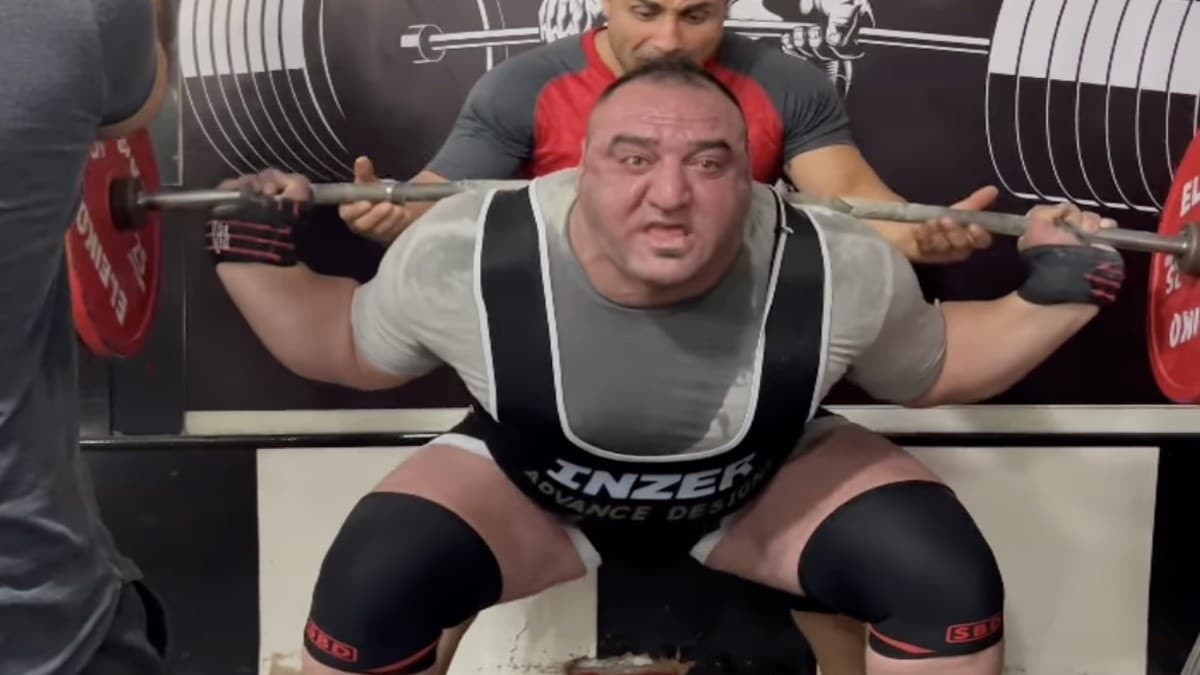
The powerlifting sphere would do well to pay attention to Shahram Saki any time he steps into a squat rack. His latest strength feat demonstrating his leg power is one of the athlete’s best yet. 

On August 21, 2022, the Iranian athlete shared Instagram footage of himself capturing a raw 460-kilogram (1,014.3-pound) back squat during a training session to notch a new personal record (PR). Saki utilized lifting straps, wore a lifting belt, and had knee sleeves on while capturing the squat figure. 

[Related: How to Do the Bulgarian Split Squat for Leg Size, Strength, and Mobility]

According to Open Powerlifting, if Saki were to transfer this raw squat to an official competition, it would be the third-heaviest all-time, surpassing Craig Foster (457.5 kilograms/1,008.6 pounds). Only Jezza Uepa (470 kilograms/1,036.1 pounds) and Ray Williams (489.9 kilograms/1,080.2 pounds) would have higher official raw squats.

460 kilograms raw, I was born to break equations.

Saki’s new raw squat figure is 20 kilograms (44 pounds) more than his raw all-time competition best. The competitor squatted an Asian powerlifting record 440 kilograms (970 pounds) at the 2022 Iran Bodybuilding Federation (IranBBF) National Classic Powerlifting & Bench Press Championships in mid-April. That same contest saw Saki eventually score a 1,025-kilogram (2,259.7-pound) total — the highest in Asian powerlifting history

[Related: How to Do the Goblet Squat for Lower Body Size and Mobility]

As impressive as Saki’s raw squat is, it doesn’t seem related to any upcoming competitions. At the time of this writing, Saki hasn’t given any indication of when he’ll appear on a sanctioned lifting platform next.

That said, the powerlifter usually makes a habit of showing off his progress and achievements with regular updates over his Instagram profile. Of late, Saki appears to have centered on improving his squat especially. Recent noteworthy sessions include a 430-kilogram (947.8-pound) raw squat double from mid-August and a 470-kilogram (1,036.1-pound) squat raw with wraps from earlier in the month. 

[Related: How to Do the Kettlebell Swing for Explosive Power, Strength, and Conditioning]

Among a litany of accomplishments, Saki captured a 510-kilogram (1,124.36-pound) squat raw with wraps in an early May 2022 workout. While some might have found the depth of Saki’s squat questionable because he didn’t necessarily reach the powerlifting competitive standard of below parallel — that achievement was five kilograms (11 pounds) more than Daniel Bell’s current all-time raw with wraps record

At the rapid pace Saki continues to make with his back squat and overall leg strength, he may make that record official whenever he competes again. 

Featured image: @shahram_power_lor on Instagram

[ad_2]

Source link

Abnormal Heart Chamber Linked to Higher Dementia Risk: Study

Abnormal Heart Chamber Linked to Higher Dementia Risk: Study

[ad_1]

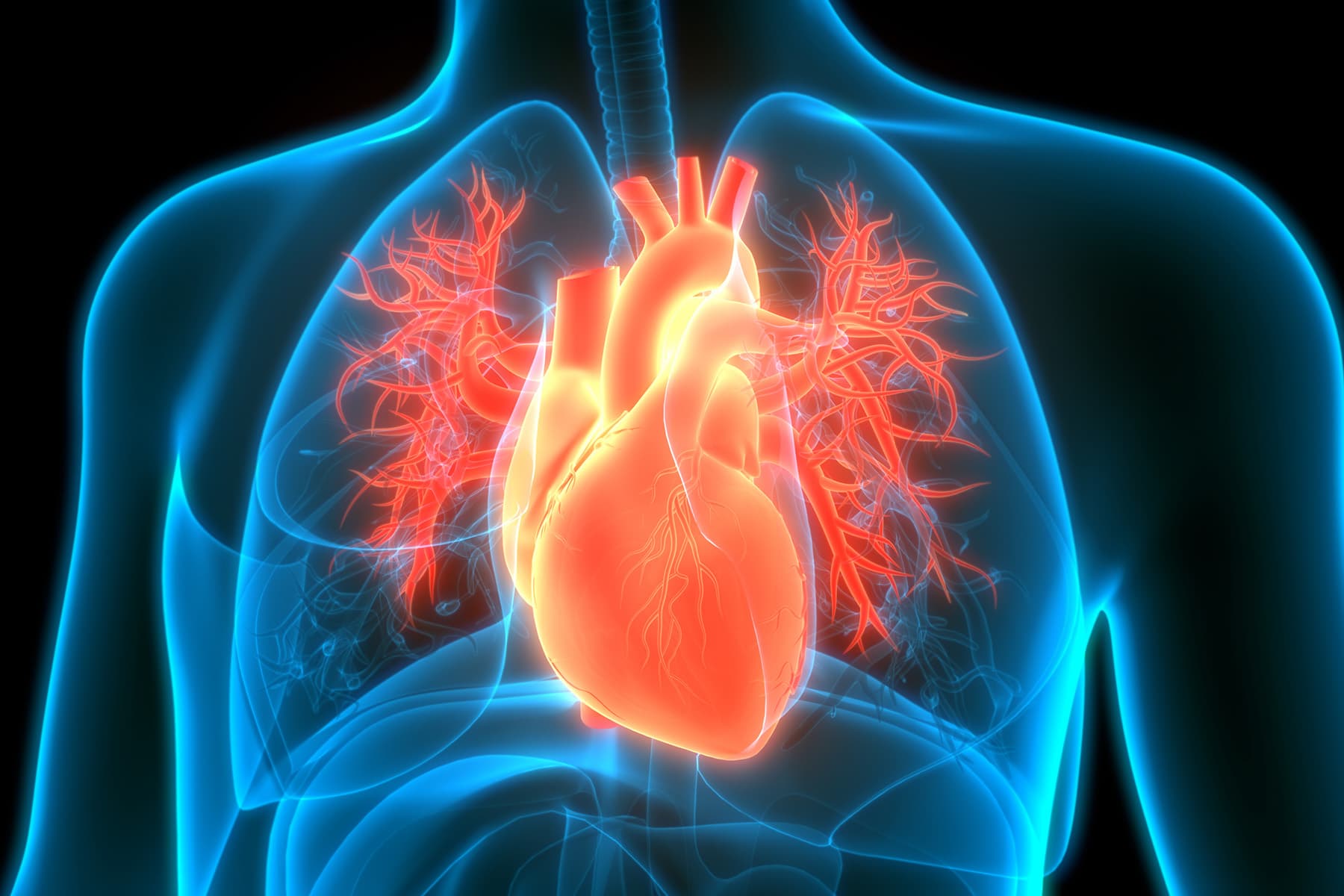
Aug. 22, 2022 – Older adults with an upper heart chamber that’s of abnormal size or doesn’t work well may have up to a 35% higher risk for dementia, according to new research.

The condition, called atrial cardiopathy, involves abnormalities in the left atrium, one of the two upper chambers of the heart. The link to dementia is present even if a person has not had heart symptoms, the study authors say.

The research, led by Michelle C. Johansen, MD, of the Department of Neurology at the Johns Hopkins University School of Medicine in Baltimore, was published online Aug. 10 in the Journal of the American Heart Association.

Atrial cardiopathy has been linked to a higher risk of stroke and atrial fibrillation (AFib), and because both stroke and AFib are linked to a higher dementia risk, it was important to investigate whether atrial cardiopathy is linked to dementia, the study authors said.

Then, the next question was whether that link is independent of AFib and stroke, and their research suggests that it is.

More Than 5,000 Adults Studied

For the study, the researchers looked at a diverse population of 5,078 older adults living in four U.S. communities: Washington County, MD; Forsyth County, NC; northwestern suburbs of Minneapolis; and Jackson, MS.

Just more than a third (34%) had atrial cardiopathy (average age 75 years, 59% female, 21% Black adults) and 763 of the people studied developed dementia.

Investigators found that atrial cardiopathy had a big link to dementia; people with the heart condition were 35% more likely to have dementia.

But the researchers noted that their findings show an association; in other words, this doesn’t necessarily mean this is evidence that the abnormal heart chamber is the cause of the dementia.

Clifford Kavinsky, MD, head of the Comprehensive Stroke and Cardiology Clinic at Rush University Medical Center in Chicago, says more research would need to be done to show convincing evidence that atrial cardiopathy causes dementia.

He calls the findings “provocative in trying to understand in a general sense how cardiac dysfunction leads to dementia.

“We all know heart failure leads to dementia, but now we see there may be a relationship with just dysfunction of the upper chambers,” he says.

Unresolved Questions

But still not clear is what is behind the connection, who is at risk, and how the increased risk can be prevented, he says.

Kavinsky also wonders whether the results eliminated all patients with atrial fibrillation, which is already known to be linked to dementia, a point the authors acknowledge as well.

Researchers list in the limitations that “asymptomatic AF or silent cerebral infarction may have been missed” in the process of recruiting people for the study.

Preventing heart disease is important for a wide variety of reasons, Kavinsky notes, and one of the reasons is heart disease’s connection to a decline in mental skills.

He says this study helps show that “even dysfunction of the upper chambers of the heart contributes to the evolution of dementia.”

The study underlines the need to shift to prevention with heart disease in general, and more specifically in atrial dysfunction, Kavinsky says, noting much of this dysfunction is brought about by high blood pressure or heart disease.

[ad_2]

Source link

Amanda Lawrence (84KG) Crushes a 551-Pound Paused Deadlift for a New PR

Amanda Lawrence (84KG) Crushes a 551-Pound Paused Deadlift for a New PR

[ad_1]

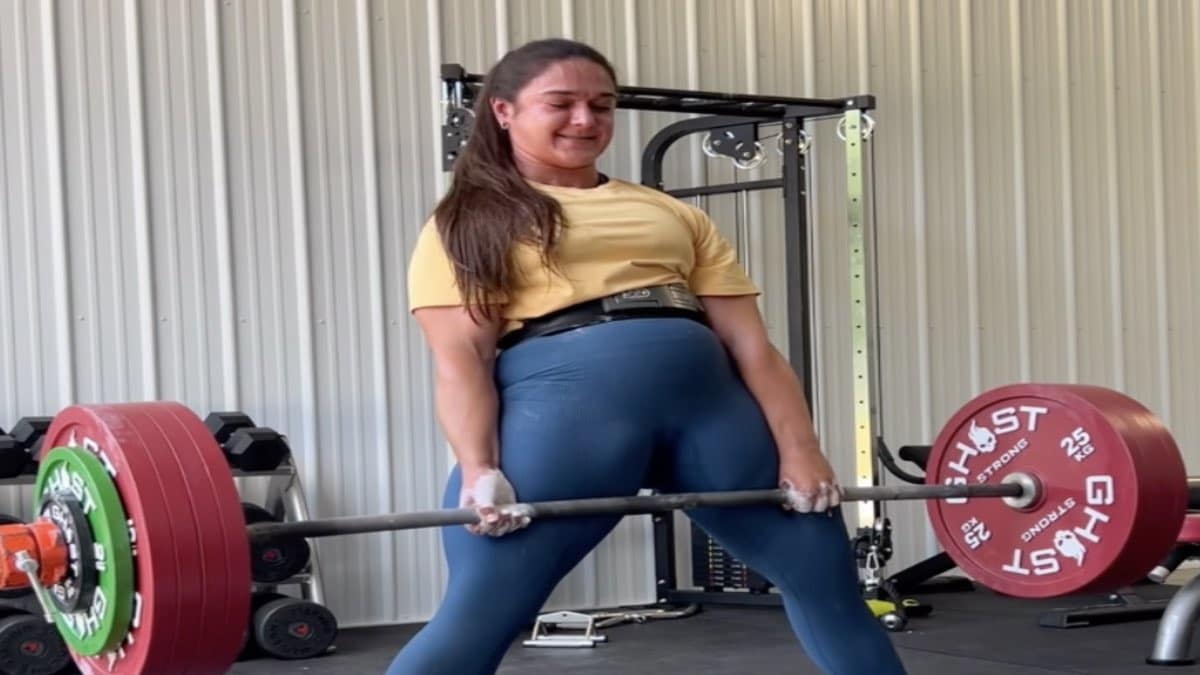
On August 21, 2022, over Instagram, powerlifter Amanda Lawrence shared footage of herself working through a raw paused deadlift training session. At the end of the routine, after completing pulls of 235, 240, and 245 kilograms (518, 529, and 540 pounds), the American athlete captured a 250-kilogram (551-pound) paused deadlift for a new personal record (PR).

Lawrence’s paused deadlift PR is just 10.5 kilograms (23.3 pounds) off her all-time best with a traditional raw deadlift. The competitor used a sumo stance with a mixed grip and donned a lifting belt for her paused deadlift strength workout. 

[Related: How to Do the Goblet Squat for Lower Body Size and Mobility]

Lawrence’s paused deadlift training and PR aren’t connected to any upcoming contest. Per the caption of her Instagram post, the powerlifter is smack dab in the middle of her off-season as she prepares for her next slate of competitions.

In that respect, 2022 has been a productive year for the world-class powerlifter. Lawrence came in first place in the 84-kilogram division at the 2022 International Powerlifting Federation (IPF) World Classic Powerlifting Championships in early June. It is Lawrence’s fourth IPF World title in the last four years (2019, 2020-2021). A few months earlier, in April, she took home first in the same weight class in her debut at the 2022 AMP Classic Open Nationals

Dating back to June 2019, Lawrence has come in first place in eight straight competitions. Here’s a rundown of Lawrence’s latest running streak of excellence while the athlete prepares to tack on more accomplishments down the line. Note: In her six-plus-year career, Lawrence has only ever performed raw on a sanctioned lifting platform. 

Amanda Lawrence (84KG) | Recent Noteworthy Performances

  • IPF World Classic Powerlifting Championships — First place | 2019, 2021-2022
  • 2019 USA Powerlifting (USAPL) Raw Nationals — First place | Juniors and Open
  • 2020 USAPL Gainsgiving Open — First place 
  • 2021 USAPL Raw Nationals — First place 
  • 2022 AMP Classic Open Nationals — First place 

Note: Lawrence’s status as a Junior athlete and in the Open at the 2019 USAPL Raw Nationals are both factored into her winning streak. 

[Related: How to Do the Bulgarian Split Squat for Leg Size, Strength, and Mobility]

The Road to 600

While she’s not preparing for any pending competition, Lawrence’s Instagram post of the paused deadlift PR has a hashtag of #Roadto600. It would appear the athlete is trying to achieve a 272.1-kilogram (600-pound) deadlift in the near future.

Notably, Lawrence is the IPF deadlift World Record holder with a pull of 260.5 kilograms (574.3 pounds) from the 2021 IPF Worlds competition. In the event that Lawrence successfully deadlifts 272.1 kilograms (600 pounds), the figure would unofficially exceed her IPF World Record by 11.6 kilograms (25.7 pounds).

Judging by the ease of her paused deadlift training session, it seems Lawrence is well on track toward achieving her ambitious goal. 

Featured image: @miss.amanda.ann on Instagram

[ad_2]

Source link

Help! I’m Taking My First Trip Away From My Baby!

Help! I’m Taking My First Trip Away From My Baby!

[ad_1]

Jannelle Sanchez and baby

For the past 18 months, I’ve woken up every day ready to do what I always do — hug, smooch, and care for my daughter, Ella. But this weekend, our 547-day streak of togetherness is coming to an end. I’m flying to Anaheim to throw my best friend’s bachelorette party, and while I am crazy excited for all the friend time, there’s a big part of me that is….

FREAKING. THE. HECK. OUT. (!!!)

Before becoming a mom, I would have never pegged myself as someone who’d stress over leaving their kid. When I was five months pregnant, I was already googling, ‘When is it okay to spend the first night away from your baby?’ During middle-of-the-night feeds, I’d daydream of my husband Max and myself, stepping fresh off a plane in Germany or Thailand — no kid in tow.

But, here I am, looking at my computer screen with fat, hot tears in my eyes. Even thinking about spending three days without my daughter makes my chest tighten and palms sweat.

In my head, I know this time apart will be good for both Ella and me. Instead of 6 a.m. wakeup calls and poopy diapers, I’ll be taking a much-needed parenting break in Disneyland, spinning in pastel tea cups with friends and eating all the churros my heart desires. And Ella will get one-on-one time with her dad, cruising to the park in our 1965 Mustang, and spend time with her grandparents. I know we’ll both get through this weekend unfazed.

But despite this intellectual knowledge, can someone please tell me why all my maternal instincts are on high alert? And why, after a recent phone call with the bride-to-be, I was both buzzing with anticipation and feeling SO sad.

I’m the first in my friend group to have a kid. I don’t have anyone to turn to for advice, and I really need some. So, I’m hoping to ask…

What was your first trip away from your child like? Anything you wish you had — or hadn’t — done? This jittery momma is all ears!

P.S. Joanna’s first trip without Toby and a funny anxiety trick.

[ad_2]

Source link

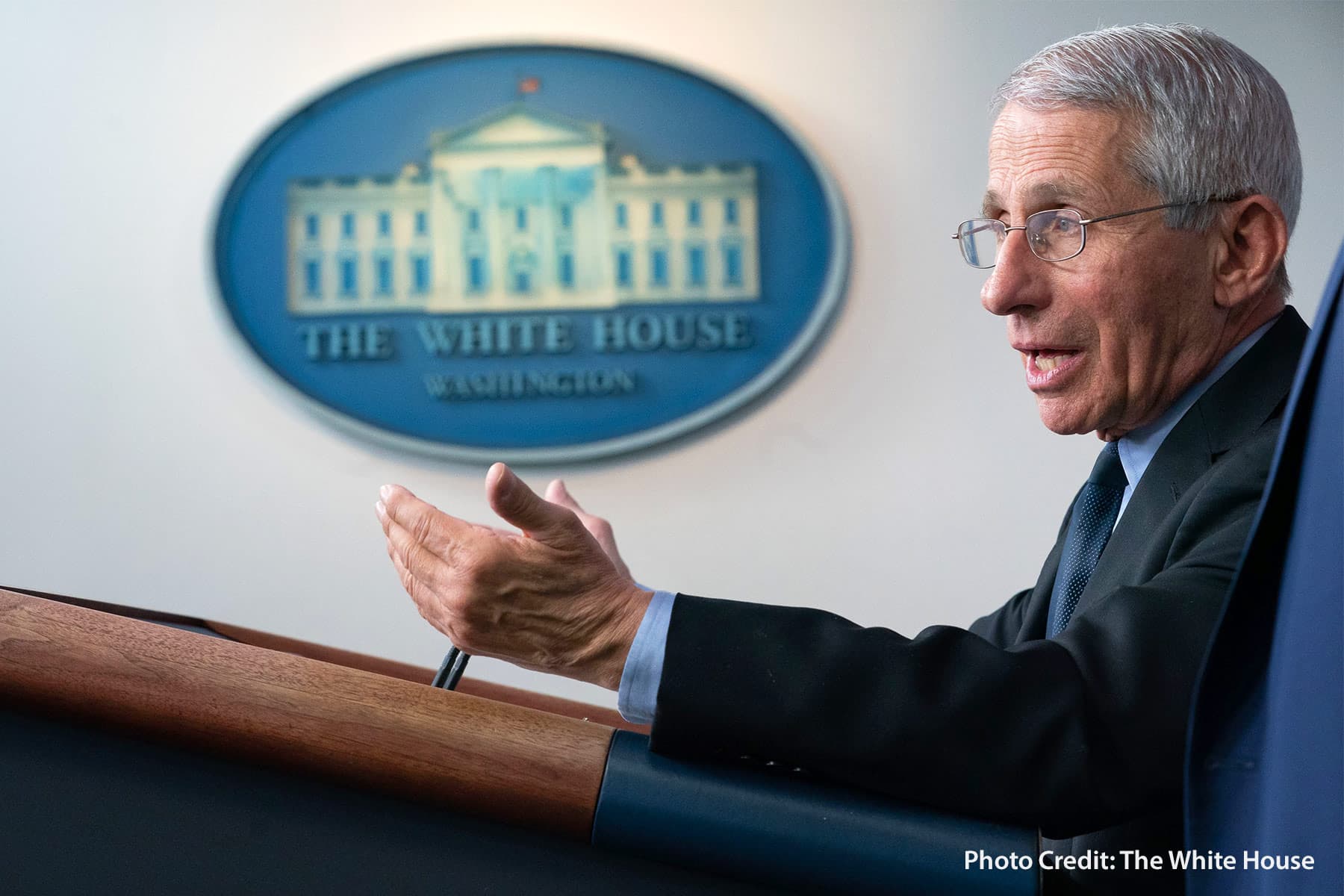
Anthony Fauci Stepping Down in December

Anthony Fauci Stepping Down in December

[ad_1]

Editor’s note: This is a developing story. Please return for updates.

Anthony Fauci, MD, advisor to seven presidents and a key figure in the U.S. fight against the coronavirus pandemic, announced Monday that he will step down in December.

“I am announcing today that I will be stepping down from the positions of Director of the National Institute of Allergy and Infectious Diseases and chief of the NIAID Laboratory of Immunoregulation, as well as the position of chief medical advisor to President Joe Biden,” Fauci said in a statement. “I will be leaving these positions in December of this year to pursue the next chapter of my career.”

But Fauci, who has led the National Institute of Allergy and Infectious Diseases for nearly four decades, says he will not be retiring. 

“After more than 50 years of government service, I plan to pursue the next phase of my career while I still have so much energy and passion for my field,” Fauci said. “I want to use what I have learned as NIAID director to continue to advance science and public health and to inspire and mentor the next generation of scientific leaders as they help prepare the world to face future infectious disease threats.”

For the first year of the pandemic, Fauci was perhaps the most public face of the federal response. He participated in near daily news conferences from the White House under then-President Donald Trump.

But Fauci’s insistence that science dictate the fight against the coronavirus and its disease, COVID-19, often put him at odds with Trump. That helped make Fauci a target of many conservatives and well as Republican office holders.

His public profile under President Joe Biden has been much lower, but his words continue to have the power to influence public behavior.

“Today marks the end of an era,” National Institutes of Health Director Lawrence Tabak, DDS, said in a statement. Fauci “has dedicated his life’s work to advancing knowledge about the causes of complex diseases ranging from HIV to asthma, rarely satisfied with anything less than a cure. For Tony, it’s personal. He works tirelessly on behalf of all patients, often at great personal expense, and always bringing his Brooklyn tenacity to the fight.”

[ad_2]

Source link

‘Digital people’ to help improve healthcare in New Zealand

‘Digital people’ to help improve healthcare in New Zealand

[ad_1]

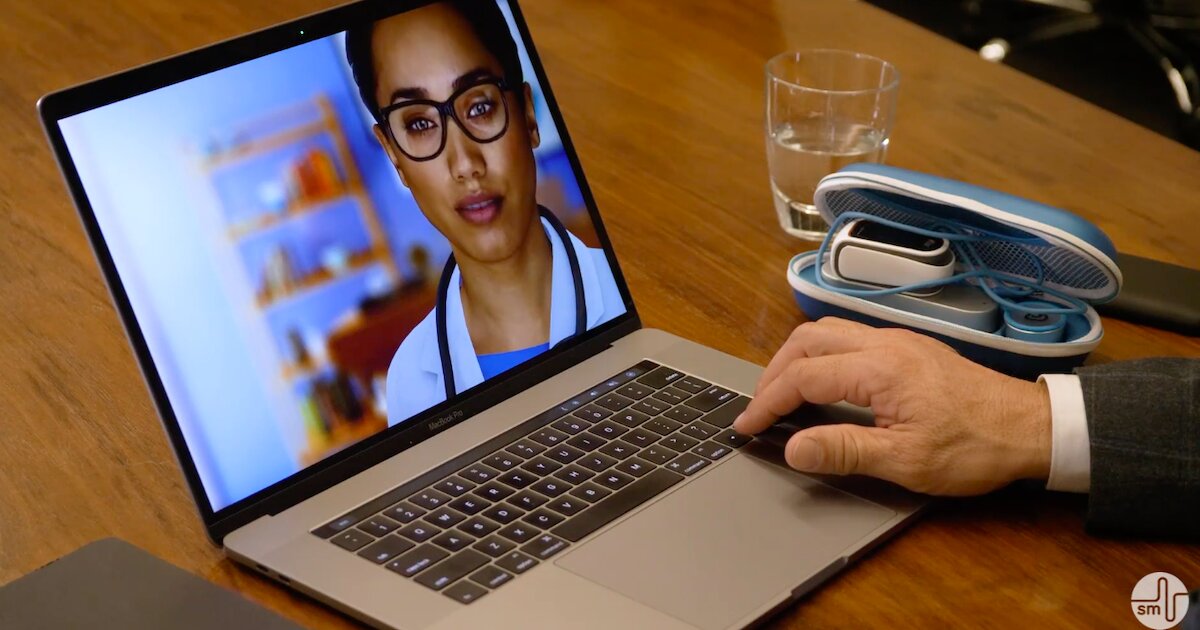
New Zealand’s Ministry of Business, Innovation & Employment is backing three local research projects that will explore the use of autonomously animated “digital people” by AI company Soul Machines in improving healthcare outcomes.

The ministry’s Catalyst Fund will be providing a combined NZ$5.1 million ($3.1 million) to the three projects, two of which will be led by researchers from the University of Auckland and the other led by researchers from the University of Canterbury. 

Using its Human OS platform and digital brain technology, Soul Machines creates life-like digital people that interact in real-time with humans.

WHAT IT’S ABOUT

One of the projects, led by professor Merryn Tawhai of the University of Auckland’s Auckland Bioengineering Institute (ABI), will develop a culturally appropriate digital health navigator for patients dealing with chronic conditions, such as type 2 diabetes and cardiovascular diseases. Linked with data from at-home and body-worn sensors, the navigator will be designed to read patient-specific information and talk to a patient in real-time to help them understand and manage their condition.

“Rather than the episodic and reactive doctor-patient relationship typical in the real world, this would allow for continuous interaction that encourages and supports the management of chronic disease,” explained Prof. Tawhai.

Another ABI-led project will develop software that harnesses physiological parameters collected from smartphones, watches, and other wearable sensors to monitor a person’s emotional wellbeing. A digital person will also be created to provide a user with personalised feedback on how they can manage their own depression. This project also looks to create a telehealth interface to enable remote live therapy sessions, mediated and supported by a user’s digital character who will have detailed knowledge of their mental health history.

The third project by University of Canterbury researchers will see the development of a hyper-realistic virtual therapy avatar to support high-functioning people with Autism Spectrum Disorder to better recognise emotions. The avatar will be created out of Soul Machines’ Digital DNA Studio and will be incorporated with accepted therapeutic methods and computer vision.

MARKET SNAPSHOT

Sensely is another company that has developed avatars to support healthcare delivery. Its platform has been adopted by health organisations worldwide for client support. Most recently, its technology has been incorporated into mySanitas, a mobile patient app by Sanitas USA.

[ad_2]

Source link