As you go through prostate cancer treatment, there are foods you can eat — and others to avoid — that can boost your health. Although there’s no magic diet cure for prostate cancer, your eating habits can make a difference in your outlook.
“Across all cancers, and especially prostate cancer, a heart-healthy, sensible, and modest sugar intake diet is absolutely helpful for cancer care,” says Mark Pomerantz, MD. He’s a medical oncologist at the Center for Genitourinary Oncology at the Dana-Farber Cancer Institute.
Treatments for prostate cancer can affect your metabolism (how food is turned into energy), strength, and stamina, he says. When you eat foods that support your heart and improve your overall health, your body can handle those treatments better.
“Along with exercise, a diet that helps you maintain as lean a body as possible is very valuable and assists in our ability to treat advanced prostate cancer as aggressively as we want,” Pomerantz says.
Eat Fruits and Vegetables
A plate filled with colorful fruits and vegetables raises your fiber and antioxidant levels. Both benefit your cancer care.
The high fiber content in fruits and vegetables may help lower your testosterone levels. That may be useful because testosterone helps stimulate tumor growth. Fiber may also bind to cancer-causing substances and move them out of your body.
Antioxidants help rid your body of free radicals — molecules that damage your cells. They can affect the growth of cancer. A diet full of antioxidant-rich fruits and vegetables helps keep free radicals at bay.
Pomerantz says researchers are checking to see if certain antioxidants in supplement form, like vitamin E and selenium, could actually raise the chances of getting prostate cancer for some people.
“There are hints that there are a subset of people with prostate cancer who benefit considerably from antioxidants, and there are others with a rare specific genetic variant who don’t,” Pomerantz says. “There are studies ongoing to see if we can figure out exactly who fits in each category.”
Always check with your doctor before taking supplements.
Choose Heart-Healthy Fats
The most common form of treatment for advanced prostate cancer is hormone therapy. It lowers the amount of testosterone in your body, which has a direct effect on the amount of fat you gain and keep on your body.
“Testosterone is what gives men their favorable muscle-to-fat ratio,” Pomerantz says. “And when we take that hormone away, we put men at risk for losing muscle mass and gaining fat tissue, particularly around the abdomen. It’s this fat tissue that’s associated with heart disease and diabetes.”
That’s why it’s especially important to move away from high-fat choices such as red meat and dairy and get your protein from heart-healthy sources such as fish, which is full of omega-3 fatty acids, and plants.
Choices include:
Fish such as salmon
Lean poultry
Nuts
Beans
Avoid processed lunch meats with nitrates and charred meats, which are linked to cancer.
Watch Your Sugar
Sugar may not cause or worsen cancer, but there is an indirect link between the two. So while you don’t need to skip sugar altogether, it’s still a good idea to keep your levels low.
“When you change sugar levels in a petri dish, it absolutely affects cancer cells,” Pomerantz says. “What I’m not so sure about is whether you can re-create those conditions in the same way inside your body and affect the course of a cancer.”
High sugar foods such as cakes, cookies, and sodas raise the amount of calories you take in without much nutritional benefit. Eating lots of sugar is a quick route to weight gain and extra body fat, which raises your risk of health problems and the chance that your cancer will come back.
Avoid Alcohol
Alcohol is full of carbohydrates. When you drink a lot of it, you’re adding sugar into your system. You might gain weight, which puts pressure on your heart and can raise the chances that your cancer comes back.
Too much alcohol can also limit your doctor’s choices to treat you.
“Alcohol affects your liver,” Pomerantz says. “And many of the cancer drugs that we use are metabolized by the liver. When you put undue pressure on your liver, it can affect our ability to deliver certain medicines.”
Alcohol can also keep your body from processing and absorbing certain essential vitamins and nutrients.
Our penchant for fear dates back millennia. But new research is testing the theory that indulging in morbid curiosity and scary play can help us build psychological resilience, overcome phobias, and deal with genuine scares. So far, the answer is yes.
“Good things come after failure. You just have to keep working.” In any other context, this statement reads as banal self-help advice. But relative to lifting, it’s sage wisdom gleaned from bodybuilders and the ever-growing science of muscle hypertrophy.
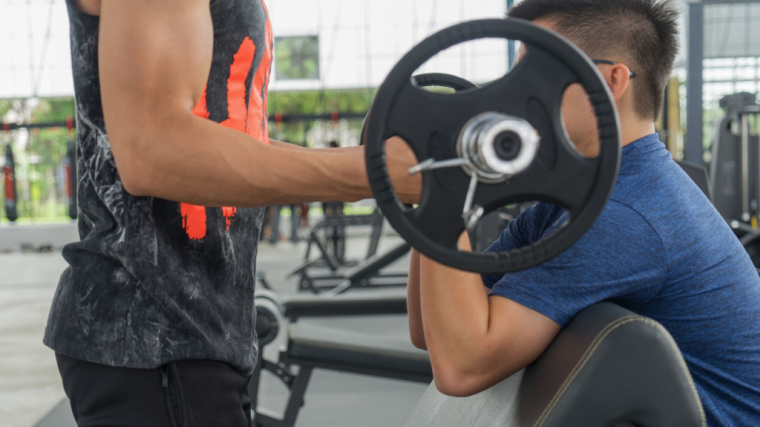
Forced reps, also known as “assisted reps,” are a popular intensification technique performed by lifters to extend an exercise set past muscular failure.(1)(2)
Credit: antoniodiaz / Shutterstock
By forcing you to work past your limit, forced reps have the potential to unlock new muscle growth. But as with any form of advanced training, this technique must be used appropriately. Here, you will find practical and evidence-based recommendations for integrating forced reps into your lifting routine.
Guide to Forced Reps
How Forced Reps Work
Forced reps enable a lifter to perform additional repetitions past the point of muscular failure. Anecdotally, they’re among the most challenging and motivating methods of training. Better yet, there’s developing mechanistic support for their effectiveness.
To perform forced reps, you lift to momentary muscle failure and then use external assistance to immediately continue performing more repetitions. Unlike drop sets, another common intensification technique, there’s no need to strip plates off the bar, move the pin on the weight stack, or exchange your dumbbell for lighter ones.
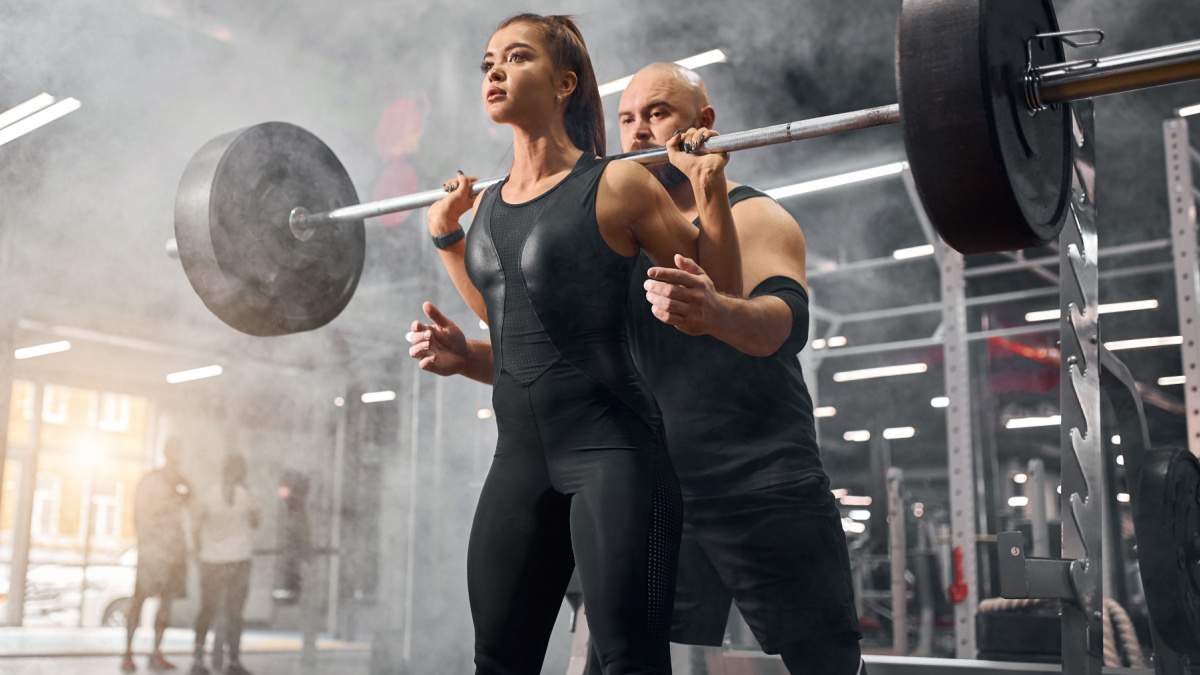
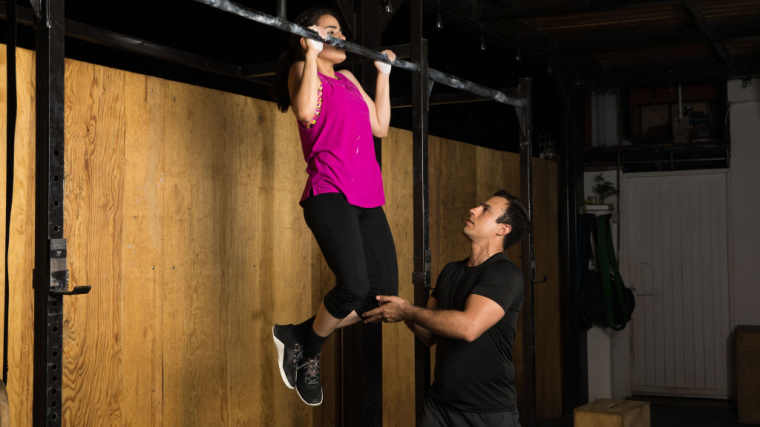
With forced reps, your training partner simply steps in to assist you to perform the additional repetitions. Specifically, your training partner provides just enough help to allow you to grind through the “sticking point,” or most challenging portion, of the repetition.
Credit: Hodoimg / Shutterstock
Forced reps are thought to accelerate muscle growth via increased metabolic stress.(2) Additionally, forced reps may allow you to reap benefits from greater repetition volume, more time under load, and an intensified lifting experience.
How to Perform Forced Reps
Forced reps require the assistance of a training partner to enable the set to continue past failure. An attentive, relatively strong, and highly motivating training partner is worth their weight in gold.
Once you’ve secured a quality training partner, you must communicate before the set of forced reps begins. Discuss the exercise to be performed, how you would like your partner to assist your forced reps, when your partner should begin assisting, and how many forced reps you plan to perform past failure. Here’s exactly what you need to cover with each topic.
Exercise Selection
Non-ballistic free weight and machine-based exercises work best for forced reps. The technique can be performed with single-joint or multi-joint exercises. Among the countless exercises that could be selected, common exercises used for forced reps include pull-ups, seated overhead press, Smith machine squats, bench press, leg press, leg extensions, biceps curls, and leg curls.(3)(4)
Some exercises, however, are difficult or downright ridiculous for use with forced reps. For example, it would be very awkward for your partner to assist you in performance of forced reps for deadlifts. Even many free weight rows can be awkward to assist. Machine-based rows, landmine rows, or chest-supported T-bar rows tend are better options because they allow your partner to maintain favorable body mechanics while assisting the forced reps.
Carefully consider the exercises you select for forced reps. Obviously, each exercise should target a muscle group or movement pattern you wish to overload, but if taking a specific exercise beyond failure seems sketchy, find an alternative movement or skip it.
How Forced Reps Are Assisted
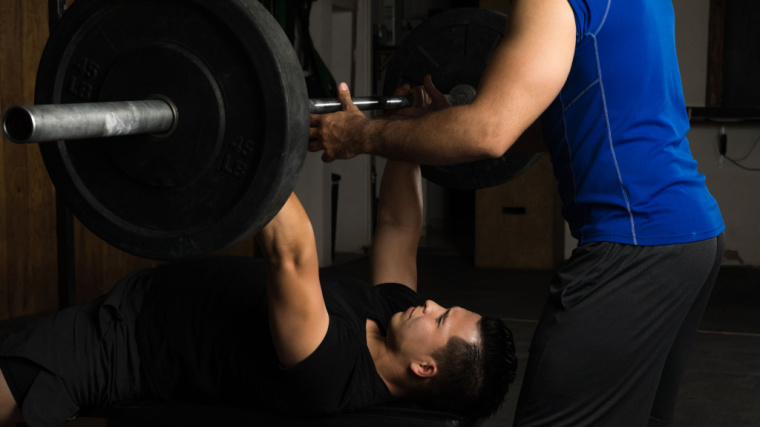
Instruct your partner to provide the minimum amount of assistance necessary to allow you to continue the set.(1)(4) The specific technique for applying assistance varies based on the lift. The technique for assisting forced reps is generally consistent with technique for spotting, though exercises not traditionally spotted will require some creativity.
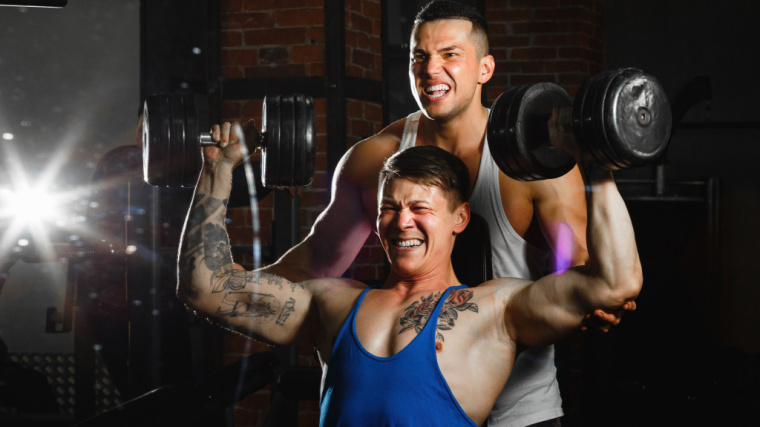
Your partner should assist from the barbell during upper body barbell exercises, from the wrists during dumbbell presses, and through the torso during pull-ups, dips, squats, lunges, and step-ups. Note: assisting (and spotting) the latter two exercises is technically demanding and requires practice to perform safely.
For machine-based forced reps, technique will vary based on the exercise and equipment design. Be sure that your partner is positioned out of harm’s way and does not get their limbs or digits caught in pinch points on the machine.
When Forced Reps Are Assisted
Experienced lifters can pin-point exactly where in the repetition they will tend to “fail” during common exercises. This part of the lift is called the “sticking point.” When your repetition grinds to a halt in the sticking point, your partner will help you through it.
Inevitably, the sticking point occurs during the concentric (positive or lifting) phase of the lift. This is because muscle contractions are 20-50% stronger during the negative (eccentric or lowering phase) than during the positive.(5) Assuming fatigue affects both phases of the exercise equally, you will require assistance during the concentric phase of the exercise and little to no assistance during the eccentric.
The sticking point varies by exercise, but in general it occurs near the bottom, stretched position of presses, dips, and squats, and toward the top, contracted portion of the repetition for rows and pull-ups.
Although your partner should remain attentive to your performance through the entire repetition, you should clue them in to the specific point of the repetition they are most likely to be needed, to create a smoother and safer forced rep experience.
Determining the Number of Forced Reps
Finally, before starting your set, inform your partner how many forced repetitions you have planned.
Although you may not be able to predict the exact number of straight, unassisted repetitions you will be able to complete before failure, you must decide how many forced reps your partner will facilitate once you’ve reached failure. A skilled training partner will then fine-tune the amount of help provided to ensure you are successful yet thoroughly challenged. An unskilled training partner will shout, “Now three more,” when, in fact, you only have one more.
A discussion on programming recommendations for forced reps is provided below. But first, let’s explore the physiological demands of forced reps and determine for whom they’re best suited.
Physiological Effects of Forced Reps
As you might expect, forced reps impose considerable demand on the body and increase the need for recovery.(6)(7) They also stimulate acute changes in testosterone, growth hormone, and cortisol levels.(7)(8) This section examines the effects of forced reps and their potential significance to hypertrophy (muscle-building) and performance.
Neuromuscular and Metabolic Effects of Forced Reps
Immediately after working sets, forced reps cause greater reductions in muscle activity compared to traditional sets to muscular failure.(7) These changes have been measured experimentally via surface electromyography (sEMG). Although sEMG is not necessarily a measure of recruitment, these reductions may hint to the presence of neural fatigue as the central nervous system becomes progressively less able to stimulate motor units.(6)(7)(9)(10)
Credit: KimSongsak / Shutterstock
Prolonged and repeated muscle contractions occur during forced reps. Therefore, they are thought to exhaust more pools of muscle cells than traditional sets.(8) After performing forced reps, substantial fatigue occurs to the working muscle.(6) Calcium is an ion essential to muscle contraction, and its release may be impaired during fatiguing muscle contractions. (10)
Metabolites such as hydrogen, lactate, and inorganic phosphate are produced during repeated muscle contractions with minimal rest.(7)(10)(11) Although these metabolites may hasten fatigue, the metabolic stress they induce may enhance hypertrophy.(10)(11)(12)
Mechanical Effects of Forced Reps
Three related studies reported greater short-term reductions in maximum strength following forced repetitions compared to traditional sets to failure.(6)(7)(8) The earliest study compared two “leg day” workouts of squats, leg presses, and leg extensions — one used forced reps for every set and the other ended sets at muscular failure. (7)
Both workouts resulted in reductions in strength for up to 72 hours for both types of training, but forced reps caused greater reductions in strength during, immediately after, and twenty-four hours after the workout.(7) A later study showed decreased force production for the first 500 milliseconds of muscle contraction following forced reps.(6)
Altogether, these findings illustrate the effectiveness of forced reps for training fast twitch muscle fibers, which tend to have great potential for growth but prolonged recovery demands. (6)(13)
Hormonal Effects of Forced Reps
Forced reps are associated with robust anabolic hormone responses including increased serum testosterone, free testosterone, and growth hormone.(7)(8) Increased cortisol, a catabolic hormone, has also been reported following forced reps.(7)(8)
Resist the temptation infer any long-term outcomes from these findings. The relationship between acute hormone responses and desirable training outcomes (e.g. hypertrophy) remains questionable.(12)(14) Spiking certain hormones, like testosterone, briefly during or after exercise is quite different than maintaining elevated hormone levels throughout the day or week.
Who Should Perform Forced Reps
For muscle growth, the superiority of training to failure relative to not-to-failure has been questioned, both by gym rats and proverbial lab rats. (3) Forced reps take sets to the point of failure and blow right through it. To be clear, no one “needs” to perform forced reps to make gains, but it can be a useful technique to spark new muscle growth after stagnating and it can reinvigorate a stale period of training.
Although there remains a lack of research supporting most “advanced training techniques” such as forced reps, there is plenty of anecdotal and physiological support for their use.(1)(12) However, forced reps may benefit some trainees more than others.
Consider Your Training Goal
You probably associate forced reps with bodybuilding. Spoiler alert: That’s probably the best use of this training technique. Individuals training for strength or power are best served focusing prioritizing not-to-failure training.(3)(15)(16)
Interestingly, some research showed small improvements in bench press three-repetition maximum (strength) and bench press throw (power) following six weeks of forced reps. (4) Unfortunately, the forced reps strength-boosting study did not measure muscle hypertrophy.
Credit: antoniodiaz / Shutterstock
For those looking for muscle gain, forced reps are more appealing, and there is a strong case for using forced reps for muscle gain based on volume. Resistance training volume is closely related to hypertrophy. More volume is associated with more muscle gain.(17)
While there is undoubtedly an upper limit on this relationship, a lifter will complete more total repetitions (and thereby, more total volume) using forced repetition sets than an equal number of traditional sets.
Additional volume also appears to explain the hypertrophy benefit of to-failure training compared to not-to-failure training.(18) Along the same lines, the additional volume completed past failure during forced reps may result in superior muscle gain for a lifter who would otherwise have stopped at or before failure.
Consider Your Training Status and Experience
Since beginners are extremely responsive to resistance training, it’s not necessary or prudent to program to-failure resistance training, let alone forced reps.(19)
On the other hand, intermediate and experienced trainees often require more variability in their training.(20) That is, more frequent changes in volume, intensity, and other resistance training parameters are indicated. Since forced repetitions are an intensification method that also promotes additional repetition volume, they may be appealing for more advanced lifters.
Lifters with longer training histories have been shown to experience greater androgen responses (testosterone and free testosterone) and growth hormone release than novice lifters when training with forced reps.(8) Although we must interpret these acute hormonal effects cautiously, as previously noted, it is suggested that well-trained and experienced lifters may preferentially benefit from forced reps.
Programming Recommendations for Forced Reps
Forced reps undoubtedly cause high levels of fatigue, but if you’re an advanced lifter, you’re probably thinking, “I’ve been training for umpteen years. Pfft, I can handle it.”
While advanced lifters may stand to benefit more from forced reps than beginners, research shows they also experience more profound neuromuscular fatigue following forced reps.(6) This is probably because advanced lifters are better able to tap into high threshold motor units and get more out of their sets. Basically, advanced lifters are better trained, but also better able to bury themselves under fatigue.
When fatigue outpaces recovery for too long, bad things happen. There’s the potential for non-functional overreaching, which results in non-productive training and, as a cantankerous soup vendor might say, “No gains for you.”
Even more haunting is the threat of true overtraining, which results in decreased performance even after recovery.(21) Informed programming and a well-designed approach helps to avoid these undesirable effects.
Number of Forced Repetitions
How many reps should you “force” per set? Even if you complete just one or two forced reps, you’re still doing more than a traditional set to failure. The published research protocols cited throughout this article included an average of three or four forced reps per set.(4)(6)(7)(8)
This seems like a reasonable recommendation. More forced reps result in a more intense set and, presumably, greater recovery demand. Diminishing returns can be expected as you add even more forced reps, because your training partner invariably does progressively more of the work for you. Don’t let your set of bench press forced reps become their set of barbell row forced reps.
So, for the sake of your next training session, gains, recovery, and your lifting partner, limit forced reps to five or fewer per set.
Number of Forced Rep Sets
To mitigate the risk of non-functional overreaching and overtraining, plan your forced reps sessions, and remember, there’s no need to get greedy. Previous research on forced reps compared three groups who performed short-duration training cycles of forced reps.
One group performed an average of one set of forced reps per session, another group hit an average three forced rep sets per session, and the final group completed an average of four forced rep sets per session. Remarkably, all groups improved similarly over the course of the training study.(4)
The take-home message? There does not seem to be an additive benefit to multiple sets of forced reps. An intelligent lifter might plan forced reps for only the final set of an exercise during a time-limited intensification block of training.
Frequency of Forced Rep Sets
While advanced trainees can thrive during short-term periods of high-intensity and high-frequency training, it certainly isn’t the rule.(22) Data from acute studies on forced reps suggest 48-72 hours of recovery should be allocated between workouts including forced reps.(4)(7)(8)
Don’t use the technique every day of the week. Even when targeting different body parts, the cumulative fatigue (both muscular and neuromuscular) will quickly get to be too much to recover from and your performance, and results, will suffer for it.
Training Load for Forced Rep Sets
An important consideration for forced reps is load, or training weight. How heavy should your forced rep sets be? Although they can certainly be effectively performed using very heavy loads, forced reps are best programmed using moderate loads. A general recommendation is to use your 6RM to 12RM load. That is, select a weight you’d normally lift between six and 12 times before failing.
As previously established, forced reps are best for those with hypertrophy goals. Considering that muscle growth occurs across a wide range of repetitions and loads, the use of very heavy loads unneeded.(16)(23)(24)
Moreover, assisting forced reps with very heavy loads is more technically demanding for your training partner. Extremely light loads, while easier for your training partner to handle, take more time and are likely to result in prolonged fatigue relative to heavier loads.(25)
Periodizing Forced Reps
Throwing an occasional set of forced reps into your normal routine is likely harmless and good fun. But forced reps, like other intensification techniques, are best programmed judiciously and for short, focused periods of time.
For example, you might add forced reps during the final week before a deload. Or program forced reps regularly across a four- to six-week hypertrophy training block intended to produce overreaching. In both cases, gains are made during recovery. If you’re going to train hard using forced reps, plan to recover harder with sufficient sleep, high-quality nutrition, and relative rest.
Force Gains with Forced Reps
Forced reps, or assisted reps, are a technique well-suited for intermediate and advanced lifters who want to gain muscle, have a trusted training partner, and are willing to take their recovery as seriously as their training.
References
Hackett, D. A., & Amirthalingam, T. (2015). A brief review of forced repetitions for the promotion of muscular hypertrophy. Strength & Conditioning Journal, 37(5), 14-20.
Schoenfeld, B. (2011). The use of specialized training techniques to maximize muscle hypertrophy. Strength & Conditioning Journal, 33(4), 60-65.
Willardson, J. M., Norton, L., & Wilson, G. (2010). Training to failure and beyond in mainstream resistance exercise programs. Strength & Conditioning Journal, 32(3), 21-29.
Drinkwater, E. J., et al. (2007). Increased number of forced repetitions does not enhance strength development with resistance training. The Journal of Strength & Conditioning Research, 21(3), 841-847.
Schoenfeld, B. J., et al. (2017). Hypertrophic effects of concentric vs. eccentric muscle actions: a systematic review and meta-analysis. The Journal of Strength & Conditioning Research, 31(9), 2599-2608.
Ahtiainen, J. P., & Häkkinen, K. (2009). Strength athletes are capable to produce greater muscle activation and neural fatigue during high-intensity resistance exercise than nonathletes. The Journal of Strength & Conditioning Research, 23(4), 1129-1134.
Ahtiainen, J. P., Pakarinen, A., Kraemer, W. J., & Häkkinen, K. (2003). Acute hormonal and neuromuscular responses and recovery to forced vs. maximum repetitions multiple resistance exercises. International Journal of Sports Medicine, 24(06), 410-418.
Ahtiainen, J. P., Pakarinen, A., Kraemer, W. J., & Hakkinen, K. (2004). Acute hormonal responses to heavy resistance exercise in strength athletes versus nonathletes. Canadian Journal of Applied Physiology, 29(5), 527-543.
Vigotsky, A. D., et al. (2018). Interpreting signal amplitudes in surface electromyography studies in sport and rehabilitation sciences. Frontiers in Physiology, 985.
Wan, J. J., Qin, Z., Wang, P. Y., Sun, Y., & Liu, X. (2017). Muscle fatigue: general understanding and treatment. Experimental & Molecular Medicine, 49(10), e384-e384.
Goto, K. et al. (2005). The impact of metabolic stress on hormonal responses and muscular adaptations. Medicine & Science in Sports & Exercise, 37(6), 955-963.
Schoenfeld, B., et al. (2021). Resistance training recommendations to maximize muscle hypertrophy in an athletic population: Position stand of the IUSCA. International Journal of Strength and Conditioning, 1(1), 1-30.
Lievens, E., et al. (2020). Muscle fiber typology substantially influences time to recover from high-intensity exercise. Journal of Applied Physiology, 128(3), 648-659.
Schoenfeld, B. J. (2013). Postexercise hypertrophic adaptations: a reexamination of the hormone hypothesis and its applicability to resistance training program design. The Journal of Strength & Conditioning Research, 27(6), 1720-1730.
Izquierdo, M., et al. (2006). Differential effects of strength training leading to failure versus not to failure on hormonal responses, strength, and muscle power gains. Journal of Applied Physiology, 100(5), 1647-1656.
Pareja‐Blanco, F., et al. (2017). Effects of velocity loss during resistance training on athletic performance, strength gains and muscle adaptations. Scandinavian Journal of Medicine & Science in Sports, 27(7), 724-735.
Schoenfeld, B. J., Ogborn, D., & Krieger, J. W. (2017). Dose-response relationship between weekly resistance training volume and increases in muscle mass: A systematic review and meta-analysis. Journal of Sports Sciences, 35(11), 1073-1082.
Vieira, A. F., et al. (2021). Effects of resistance training performed to failure or not to failure on muscle strength, hypertrophy, and power output: a systematic review with meta-analysis. The Journal of Strength & Conditioning Research, 35(4), 1165-1175.
Lasevicius, T., et al. (2022). Muscle failure promotes greater muscle hypertrophy in low-load but not in high-load resistance training. Journal of Strength and Conditioning Research, 36(2), 346-351.
DeWeese, B. H., Hornsby, G., Stone, M., & Stone, M. H. (2015). The training process: Planning for strength–power training in track and field. Part 1: Theoretical aspects. Journal of sport and health science, 4(4), 308-317.
Bell, L., et al. (2020). Overreaching and overtraining in strength sports and resistance training: A scoping review. Journal of Sports Sciences, 38(16), 1897-1912.
Zourdos, M. C., et al. (2016). Efficacy of daily one-repetition maximum training in well-trained powerlifters and weightlifters: a case series. Nutricion Hospitalaria, 33(2), 437-443.
Lasevicius, T., et al. (2018). Effects of different intensities of resistance training with equated volume load on muscle strength and hypertrophy. European Journal of Sport Science, 18(6), 772-780.
Schoenfeld, B. J., et al. (2021). Loading recommendations for muscle strength, hypertrophy, and local endurance: a re-examination of the repetition continuum. Sports, 9(2), 32.
Haun, C. T., et al. (2017). Molecular, neuromuscular, and recovery responses to light versus heavy resistance exercise in young men. Physiological Reports, 5(18), e13457.
When you were in high school, was there ever a time when you felt truly seen by an adult? Didn’t that moment feel incredible? Teenagers get a bad rap for being stinky, eye-roll-y strangers in the house, but, like reader Meghan said, “they’re desperate to connect and know they matter.” Here are 11 brilliant reader comments on parenting teens…
On enjoying the dynamics:
“I have three boys — 16, 14 and 6. Oh, my goodness. My baby is my heart, but my teenage boys are my soul. They are such genuinely lovely people to be around. Yes, they are messy. And sometimes moody. And I can barely hear them half the time. But they will linger and chat for half an hour after dinner. And they are usually down with a Target run. And we can finally watch decent movies together!” — Emily
“For me, ages 6-12 were what I imagined before having kids: sharing games and books, short bedtime routines, not many tantrums. But I wouldn’t trade a single day of my fascinating, emotional, smart teenagers. My theory is that teen-dom is the toddlerhood of being an adult (‘This is the feeling you’re feeling and the appropriate way to express it!’ ‘Is that what you’re wearing today?’ ‘Do not put that in your mouth!’) It takes the same parenting skills you built up during the first toddlerhood, with similar teeth-gritting frustrations and immense joys. It feels deep and real and important, and I love it.” — Midge
On navigating rough patches:
“When I was 17, I was talking to some girls on a school camping trip, and I realized everyone had equally miserable relationships with their moms when they were 14 and 15. Those years were awful! I remember so many car rides with my head turned sharply away from my mom, looking out the window because we just could not talk pleasantly to each other. But you will come out of it at the other end. Just know that everyone is going through a version of it.” — Mina
“There will come a day when you are dropping your teenager off at school and he/she is in a huff about something that you think is ridiculous. They are thinking, ‘How could you do this to me?’ and you are thinking, ‘Are you serious right now?’ Before you call them an ungrateful [insert name], stop and take a breath. This has nothing to do with you. They’re in the process of developing their own lives/world/universe. It will be so much easier for them if your love remains steady. So, just smile and tell them you love them and to have a good day. Followed by ‘ungrateful (insert name)’ silently to yourself.” — Andrea
On bonding opportunities:
“Go thrifting with teens! I have boys who are 14 and 16, and it’s our favorite activity to do together. Their love of ‘90s fashion is mind-boggling, but it’s a place we can easily connect. It’s such fun watching them become truly themselves.” — Emily
“Every holiday, my teen makes me a Spotify playlist of her recent favorite songs. And it is amazing how much more conversation you can have with your kid once you understand and enjoy their musical preferences! Next time they ask what gift you’d like, ask them to design a playlist for you. They will love the creative aspect and the fact that you are interested in their ‘culture.’ Also, the music is great.” — Irene
“My teen is definitely at that argumentative stage. But when I get home late from work, I always ask if he wants to watch a show together and he always says yes. Then I make dumb jokes while he rolls his eyes, and I realize that I have become my father. Your teen is like the popular kid at school who rarely acknowledges your existence. So, when they do, you try too hard!” — Vicki
On words that change everything:
“As an aunty, I would offer the advice: deliberately choose them. ‘There’s MY guy, how have you been?’ ‘WE both have a sweet tooth.’ ‘I love it when WE cook together.’ The teenage years are full of anxiety about belonging with their peers, so make it clear they have that with you. They’ll sometimes roll their eyes, but if you stick with it, you’ll be golden. Everyone wants to be chosen.” — Tracey
“When I was a teen, I remember hearing so much negativity about my age group. I mentioned this to my mom and her response was, ‘I love teenagers, I think they’re great. I think you’re great, and I think your friends are great.’ Knowing I had acceptance and was still lovable made a big difference during those angsty years.” — Bethany
On growing up:
“Last year, I realized I was running out of kitchen door against which to measure my teenage son’s height. It stands at six feet three inches, and now so does he. We have come full circle: I think back to those small starfish palms flung out above his head when he slept in his crib — they are now large enough to completely encompass my own. I remember the laughter as his toddler feet flapped around in my shoes — I can now slip my entire foot, complete with shoe, inside his trainers, and it’s me who looks like the clown. But if we got this far, I know that it’s a job well done.” — MW
“Don’t fret about them growing up. As they do more on their own, celebrate it! You’re raising a human! They are wonderful, beautiful balls of magic! There they are walking! Playing soccer! Graduating from high school! Now you can train for your hike of the El Camino and have a cold beer while lying in the grass while you talk to your child on the phone about the luscious full life they are living.” — Jo
If you’ve just been diagnosed with psoriasis, you may have a few questions about it. Here are answers to some of the more common ones people ask.
What’s the difference between psoriasis and eczema?
To an untrained eye, these conditions may seem alike. But while they’re both skin diseases, they’re not the same. In fact, “They’re 100 percent different,” says Whitney High, MD, an associate professor of dermatology and the director of the Dermatopathology Laboratory at the University of Colorado Anschutz Medical Campus.
Psoriasis doesn’t usually affect children, High says. But eczema, or atopic dermatitis, is a childhood disease. Eczema also tends to be itchier than psoriasis. Only about a third of people who have psoriasis say they have itchiness.
And the conditions are likely to appear in different places. Eczema often shows up on kids’ faces and buttocks and the inside of their knees and elbows. Psoriasis isn’t typically found in those places.
Plus, “The same person that has childhood eczema doesn’t get psoriasis. And the person who has psoriasis as a young adult usually didn’t have childhood eczema,” High says.
What causes psoriasis?
Doctors aren’t exactly sure. “I get that a lot of times; ‘Why do I have it?’” says Melvin Chiu, a doctor of dermatology at the David Geffen Medical Center at the University of California, Los Angeles. “I don’t really … have a good answer for that. It’s a big mystery, I think, right now.”
Chiu says researchers believe the two main culprits behind psoriasis are your genes and your environment. Scientists are still tracking down which genes are to blame, but they think that about 1 out of every 10 people got at least one of the genes that can lead to psoriasis from their parents. But only about 3% of people who have those genes get psoriasis. That’s where the environment comes into play.
Researchers think things like infection (especially strep throat), an injury to the skin, certain medications, smoking, and other things may trigger the condition.
What’s the cure?
“There is no cure at this point,” Chiu says. “It’s a chronic condition. … You may have times when it’ll be worse, and there may be times when it’ll get better.” He also says there may be some lucky people in whom it’s very minimal. Or it gets better and doesn’t get worse again. But, he says, most people “can expect it will be persistent.” Treating it can make it better. But when treatments stop, it often comes back.
“There are some really excellent treatments,” he says. “There are newer treatments in the pipeline, and many treatments [that] are available currently … work very well.” Those treatments don’t cure the disease, he says. “But they significantly improve the disease and make [people] feel better.”
What are the treatments?
The most common ones are medicines prescribed by your doctor. They include foams, solutions, ointments, or creams, called topicals, that you put on your skin, along with drugs you take that affect your whole body. Your doctor also may recommend light therapy.
“Consult with a board-certified dermatologist, and they’ll be happy to discuss any and all of these options, including over-the-counter options when they’re appropriate,” High says.
What works for one person may not work for another. That’s why you and your doctor need to talk about what your treatment plan should be.
Chiu says that with the treatments available now, “we can get skin a lot better.” He says that 20 to 30 years ago, psoriasis patients had much worse options and many fewer ones than people do now. “I tell people, it’s kind of an exciting time in psoriasis.”
Can the sun help?
Some research says a little every day can help with your symptoms. But, as always, you have to be careful not to overdo it. A sunburn may lead to a flare-up.
Is psoriasis contagious?
You can’t “give” it to anyone, and no one can “catch” it from you.
“You can touch psoriasis all day long,” High says. “As a dermatologist … I see at least one person if not a few people with psoriasis [every work day], and I don’t have it.” High adds, “My wife doesn’t have it. I didn’t bring it home. I don’t do special laundry. I don’t undress in the garage or anything like that.”
What is psoriatic arthritis?
Up to 30% of people who have psoriasis get this condition as well. It causes inflammation and swelling in your joints that can lead to pain and stiffness.
If you have psoriasis and feel any discomfort in your joints, tell your doctor. It’s important to treat it quickly so your joints don’t get damaged.
Are any other conditions linked to psoriasis?
Research is still under way, but scientists think people with psoriasis and psoriatic arthritis may be more likely to have other serious diseases.
“There’s an increasing appreciation that psoriasis can manifest in other ways: increased risk of cardiovascular disease, increased risk for obesity … a natural risk for diabetes,” High says. “It might impact your life in ways that you can’t even really fully predict now.”
Besides cardiovascular diseases and obesity, psoriasis also has been linked to cancer, Crohn’s disease, depression, and liver disease, among others.
That’s even more reason to stay in touch with your doctor and make sure you have a plan.
Max Shethar is no typical 20-year-old. Whereas many young people his age might focus on fitting general exercise into their otherwise packed schedules, the powerlifter spends much of his time training and refining his strength craft. That commitment is starting to pay off more and more.
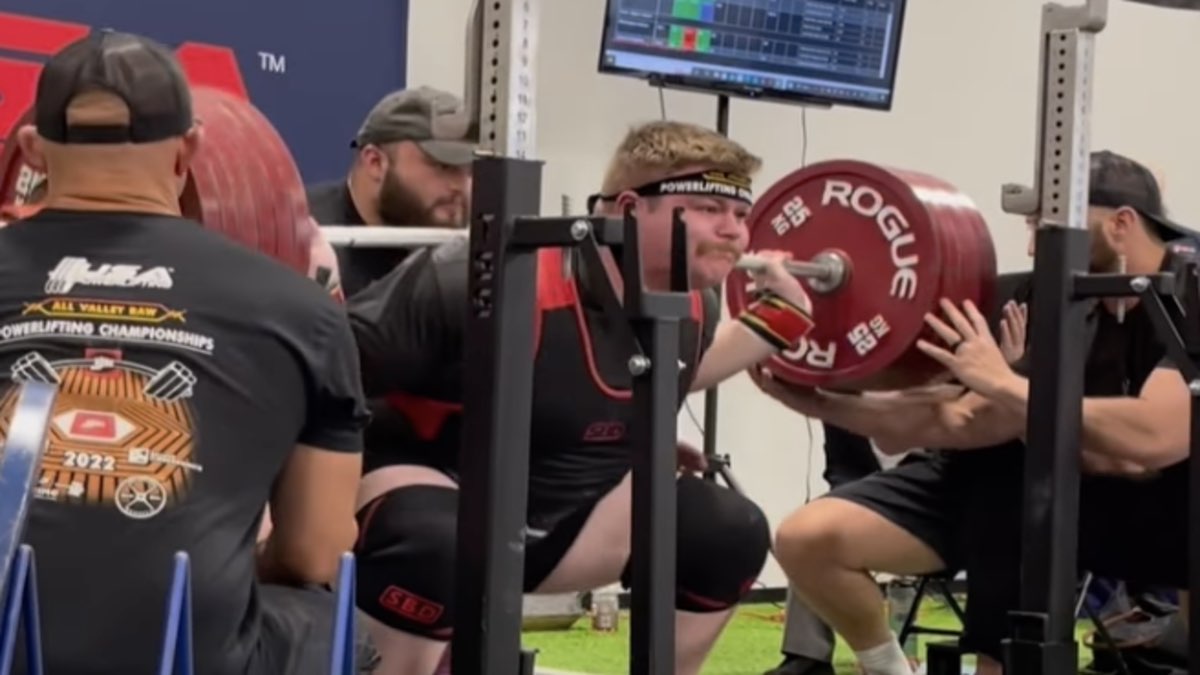
On Oct. 23, 2022, Shethar (+140KG) shared a video of himself capturing a 342.3-kilogram (755-pound) raw back squat during the 2022 USA Powerlifting (USAPL) All-Valley Raw Championships. The contest took place in Bozeman, MT, on Oct. 22, 2022. According to Open Powerlifting, Shethar’s top squat is a new competition personal record (PR). The athlete wore a lifting belt, knee sleeves, and wrist wraps to help with the accomplishment.
In addition to a new competition PR squat, a couple of other Instagram posts detailed that Shethar logged a 210-kilogram (463-pound) raw bench press PR. It wasn’t a PR try, but Shethar also made an unsuccessful attempt at deadlifting 355.1 kilograms (783 pounds) but could not lock out the rep. He would have to settle for a final pull of 330 kilograms (727.5 pounds). The athlete wore just wrist wraps for his bench press and just a lifting belt while deadlifting.
Here’s a complete overview of Shethar’s performance at the 2022 USAPL All-Valley Raw Championships:
Max Shethar (+140KG) | 2022 USAPL All-Valley Raw Championships Top Stats
This isn’t the first instance Shethar has shined on a sanctioned lifting platform this year.
In mid-June 2022, during a first-place performance at the 2022 United States Powerlifting Association (USPA) Drug Tested Matt Hurley Memorial Meet, the powerlifter broke two Juniors 18-19 World Records in the +140-kilogram division. The record marks were a 365-kilogram (804.7-pound) deadlift and a 907.2-kilogram (2,000-pound) total.
It was much of the same excellence for Shethar, sans any new records, during a first-place result at the 2022 USAPL Big Iron Classic State Championships. To this stage, since March 2017, he has never lost a powerlifting competition.
Here’s a rundown of some of the official results from Shethar’s career to date:
Max Shethar | Career Results*
2017 USA Powerlifting (USAPL) Washington State Championships (93KG) — First place | Teen 1 division
2018 USAPL Washington State Championships (125KG) — First place | Teen 1 division
2018 USAPL Raw Nationals (125KG)— First place | Teen 2 division
2019 USPA Drug Tested Washington State Open (+140KG) — First place | Juniors 16-17 division
2021 USPA Ragnarok Invite II (140KG) — First place | Open/Juniors 18-19 division
2022 USAPL Big Iron Classic State Championships (140KG) — First place | Open/Teen 3 division
2022 USPA Drug Tested Matt Hurley Memorial Meet (+140KG) — First place | Open/Juniors 18-19 division
(*Note: At the time of this writing, the full results for the 2022 USAPL All-Valley Raw Championships contest have not been published, making it unclear precisely where Shethar finished.)
After scoring his new PRs, Shethar might already have his next ambition in place. After joining the 800-plus-pound deadlift club in the summer of 2022, the athlete could be on a rapid path to an 800-plus-pound squat in the coming months. Whenever he does compete next; it’s apparent that Shethar may put on a show either way.
Employees may not realize they can ask for accommodations, experts say, while inexperienced employers may not know how to help, or what to do with an employee who suddenly may only be able to function at 50% capacity.
In Easy Beauty: A Memoir, Chloé Cooper Jones writes about what happened a few months into her relationship with Andrew, who is now her husband. One day, she threw up in his car — and then proceeded to throw up every morning for the next three months. She missed her period, and she gained weight, which she “blamed on Andrew, who kept bringing over Neapolitan ice cream bars, my favorite, and leaving them in my freezer.” She was sick and constantly tired.
But these hallmarks of pregnancy went unnoticed, as Chloé was born with sacral agenesis, a rare congenital condition that impacts her gait and stature, causing chronic pain. She’d never had a regular period and she was often tired; plus, she’d been told from a very young age that she wouldn’t be able to get pregnant. But the pregnancy test she eventually took was positive.
I felt so lucky to have the chance to talk to Chloé, a Pulitzer Prize finalist, writer, and philosophy professor, about her stunning new book, disability, and how motherhood changed her…
What was it like to find out you were pregnant? I’d been told my whole life, from a very young age, that I couldn’t get pregnant. Because my mother and I didn’t know better, we didn’t question it. I’ve since learned that it’s very common for disabled women to be told it’s unlikely they’ll be able to get pregnant, without much medical reasoning to back up that statement. My first feeling upon finding out I was pregnant was a certainty that my future was over. I had a moment where I saw this path lined with lights and all the lights were going out. That turned out to not be true at all, but the fear of it was real.
How did the responses to your pregnancy impact you? My OB questioned the ethics of my pregnancy. He thought that it was highly likely that I would never walk again and that my hips would separate. He thought that my son might be permanently disabled because my body wouldn’t provide the right growing environment. What’s so interesting is that those fears were always so vague. I wasn’t told my womb has this many centimeters. There was none of that. It was just like, the worst is going to happen because your body is not normal enough to do this. So, there was constant anxiety.
The stares of strangers intensified; people’s disgust was amplified. The thought of the disabled body procreating has historically been horrifying to people. That’s the basis of eugenics. Being pregnant, I was tapping into this long-standing fear that led to the medical community (and also politicians) making it so that women who looked like me could not be mothers. One of the hardest things for me was that I couldn’t find any narratives that were positive. There were no books about the beauty and glory of being a disabled mother. There was no narrative that said, ‘You might be okay. You might be really happy and your kid might be great.’
One of my favorite moments in the book is about how you handled your son’s worst accident. He fell when he was three and got cut by a piece of metal sticking out of a fence. He was bleeding and inconsolable. It turns out the cut wasn’t too bad, but it was a real gusher. Then you write, ‘I got an idea… I walked him over to the closet… I said, OK, Wolfgang, take a look, and he opened his eyes and he was standing in front of our full-length mirror and I said, This is what happened to you, this is what it looks like, and he leaned in and touched his face, which was smeared pink with blood and snot and tears, and he looked at the blood dripping from his wound, and he touched his bloody shirt, and then he said, This is so cooooool.’ There’s an understandable instinct to hide hard things from kids, but here it turned out the opposite was true. How has becoming a parent changed how you interact? He has a scar from that, so I think about it every day when I look at him. It was this moment of figuring out what it means to just look at the truth of the situation and the pain that we’re in. I went into parenthood much like I would a dissertation project — thinking that I could just put my best foot forward when it mattered and then I could be my real self when no one was looking. But kids are so smart. They absorb behavior and mimic us.
There were things my son was doing that I knew he was getting from me. He had an innate distrust of strangers. In preschool, his teachers said he was always kind of in the margins. I didn’t want him to see strangers as opportunities for cruelty; I wanted him to feel united with his peers. But I couldn’t just tell him that, I had to model it. That shift in me — so that I modeled the kind of life that I thought was worthy of him — was the impetus of this book.
Wolfgang is now 10. What do you think he’s picked up from having a parent with a disability who deals with chronic pain? Such a huge part of his personality is shaped by that. He’s a deeply empathetic person, and he has an instinct for caretaking. He’s a full member of our family, so he has to do a lot of things to help me. He also sees his father, who is very attuned to how I’m feeling or what physical support I might need. It’s tricky because I can’t hide my pain from Wolfgang. He is tremendously good at reading people, but I don’t want him to carry all this concern about me or others. Empathy, of course, is the greatest, most powerful tool, but taken too far, it involves carrying the weight of other people’s emotions with you in a way that can be detrimental. We’re always trying to help him find the right side of that threshold.
You document your personal journey and travel in Easy Beauty. Later on, you tell your husband Andrew that he could have asked you to come home, and he says, ‘No, I can only try to be the person you want to come home to.’ That response stood out to me. I was like, Where’s Andrew’s relationship podcast? We need more Andrew! Yeah, he’s just a genius. I mean, it has been the greatest thing of my life to be partnered with somebody like that. It doesn’t make sense to him that anybody would love someone and want to control them. That just doesn’t compute.
There were two short sentences in the book about walking up a steep driveway and feeling relief that no one else was there to watch. You write, ‘I’m not helpless, I’m struggling. People don’t always recognize the difference.’ That feels like a real distinction. People have negative associations with hardship and difficulty. People want to protect themselves or others from that. And I do, too; as a parent, I want to protect my son. But I often find that when I’m having the hardest time is also when I’m doing the most important work. I’m putting myself into a situation that’s a little above my ability, and I’m feeling my agency and strength grow. So, when people try to protect me from that, I’m like, please don’t.
I also liked the mix of reading about you as a parent and as a child to your own parents. When it comes to your dad, you write about your similarities, but then you add, ‘I have one tool he didn’t have: his example. His choices, and where they led him. I know my father’s fate.’ It’s powerful that even though he couldn’t be the greatest parent, his flawed example was a tool. How has he shaped the parent you are? My father’s dad died a month before he was born. There were almost no men in his life and so he looked to these great men in literature. Typically in those narratives, men are leaving home and the family behind; they’re standing alone on a mountain top or in the desert. I want a lot of the same things: I want art and adventure. I want to speak every language and eat every food. But having his example of wanting it with no eye toward responsibility to other people had an impact. For me, the question has been whether it’s possible to have that ambition and adventure, but also be present and loyal to whomever you consider your family. Nothing demands you answer that question more than a child.
My son loves to tease me about how miserable I was when I found out I was pregnant. It seems like a weird thing for a parent and a child to talk about. But one thing he always points out is that he has as much of a travel bug as I do. He’ll say, ‘You didn’t know, but you were giving birth to your best travel buddy.’ It’s true. He’s gone on half this book tour with me. He loves airports; he loves hotels. It’s kind of a bummer, because I look at my dad and I think I could have been that to him. He didn’t have a model for that, but my son will.
I find parenthood is often framed in a language of sacrifice. For women, especially, it’s like, ‘Give up on your dreams because you’re going to have to sacrifice all the things you want in order to be a parent!’ There is a lot of sacrifice in any kind of love, but there’s also this unbelievable possibility.
Pastured eggs are an excellent source of nutrition — one that’s been enjoyed for about 6 million years.1 Long ago, people would simply find eggs in nests in the wild and eat them raw. Later, those in ancient Egypt and China became the first to keep hens, providing the people with a steady source of this near-perfect food.
By the 1900s, U.S. farmers were accustomed to raising laying hens and selling extra eggs at farmers markets. However, as demand grew, egg-laying became commercialized, leading to large-scale operations in the 1960s that have continued through today.
The average American now eats about 245 eggs each year, which is down from a high of 404 eggs per person in 1945.2 Unfortunately, eggs that come from concentrated animal feeding operations (CAFOs) are not as nutritious as those from hens left to roam freely, not to mention the ethical issues raised by the industry’s inhumane treatment.
One option is to seek out chicken eggs from local farmers who are still raising hens the “old-fashioned” way. Another is to seek out eggs from other species that have not yet become commercialized the way chickens have. Ducks are among them. It must be noted that ducks, too, are sometimes raised in CAFOs in deplorable conditions, but not to the same extent as chickens.
Which Are Healthier — Duck Eggs or Chicken Eggs?
The healthiest eggs are those that come from a healthy animal — one that is allowed to live its life according to nature, eating its natural diet and spending time outdoors with room to roam daily. So in order to compare apples to apples — or in this case eggs to eggs — we’ll be comparing pastured duck eggs to pastured chicken eggs.
Assuming both the duck or chicken laying the egg is raised on pasture, duck eggs have a slight upper hand, nutritionally speaking. Duck eggs are about 50% larger than chicken eggs, but their yolk is much larger — close to double that of the yolk in chicken eggs.3 They contain about 30% more protein than chicken eggs, along with more fat, including more beneficial omega-3.4
Compared to chicken eggs, duck eggs are also a richer source, ounce per ounce, of vitamins A and D, iron, folate and choline.5 Choline helps keep your cell membranes functioning properly, plays a role in nerve communications, prevents the buildup of homocysteine in your blood (elevated levels are linked to heart disease) and reduces chronic inflammation.
According to a study published in the journal Nutrients, only 8% of U.S. adults are getting enough choline.6 Among egg consumers, however, more than 57% met the adequate intake levels for choline, compared to just 2.4% of people who consumed no eggs.
In fact, the researchers concluded that it’s “extremely difficult” to get enough choline unless you eat eggs or take a dietary supplement. Consuming duck eggs, with their larger yolks and greater choline content, would make it even easier to get enough choline each day.
Other reasons why those in the know prefer duck eggs to chicken eggs include their richer, creamier texture, courtesy of their lower water content, larger yolk and higher fat content. Duck eggs also have a thicker shell and inner membrane, which keeps them fresher longer than chicken eggs.7 And should you happen to drop one, the thick shell means there’s a chance it won’t break, which is unlikely with a chicken egg.
Ducks may even be the preferable species for egg-laying, as they need to eat less than a chicken does in order to lay one egg. Plus, they tend to lay eggs year-round, unlike chickens. From the perspective of fifth generation chicken keeper Lisa Steele, ducks are also the hardier of the two species, and far lower maintenance:8
“Ducks are great foragers if you can allow them some time on grass and will rival your chickens in how many insects, worms, slugs and bugs they will eat … Ducklings have a far lower mortality rate, not being susceptible to Mareks, Avian flu, or Coccidiosis like baby chicks. Ducks are also … cold-hardy, more heat-tolerant, healthier overall, not as susceptible to parasites, and don’t destroy your lawn or landscaping nearly as much.”
How Does Their Taste Compare?
Duck eggs have a similar taste and texture to chicken eggs, but with a richer, more earthy flavor.9 Some might describe them as “gamey” or even fishy. An analysis published in Poultry Science went so far as to state, “The fishy taint restricts the development of the duck egg industry to some extent.”10
The fishy odor in duck eggs is result of the accumulation of trimethylamine (TMA) in the yolk, which, according to researchers with the University of Saskatchewan in Canada “is produced by the bacterial fermentation of choline in the lower gut.”11 Many people enjoy cooking with duck eggs nonetheless. Steele states that duck eggs are better for baking, producing fluffier results. Further, she adds:12
“Duck eggs are just as versatile as chicken eggs for cooking and can be cooked and eaten any way you would cook chicken eggs. Just be sure not to overcook them. Their low water content can make them rubbery if they’re fried or scrambled too long. Cook them just until the whites are no longer watery and you should be fine.”
Duck eggs do tend to be pricier than chicken eggs, coming in around $6 to $12 a dozen compared to $2 to $3 a dozen for chicken eggs, but remember they’re considerably larger as well.13
Billions of Male Chicks Killed Annually for Egg Industry
One of the many reasons to avoid eggs that come from CAFOs is the egg industry’s routine killing of male chicks. Each year, more than 6 billion male chicks are killed worldwide, up to 300 million of them in the U.S.14 The reasoning behind this abhorrent practice is at the root of what is wrong with corporate agriculture — egg-laying hens are bred to lay eggs, and nothing more.
Because males cannot produce eggs, and don’t grow enough meat to make them useful for human consumption (as opposed to broiler chickens, bred to grow unnaturally large), they would cost more to raise than they would be “worth.” With complete disregard for life, egg producers therefore “cull” the males, or kill them off, shortly after birth, sending them to be used as pet feed, livestock feed or simply filler for landfills.
A team of Israeli scientists have filed a concept patent that involves genetically engineering hens to pass on a lethality, or killer, gene to male embryos, which would eliminate them before they hatch.15 The genetically engineered (GE) hen would pass the lethality gene — which is supposed to only be activated by blue light — onto all male embryos.
Once the eggs are laid, blue light would then be used to activate the lethality gene and kill all of the male embryos in-ovo, or in the egg. This will likely be presented as a more “humane” approach, but it comes with significant risks, including to the hen, because the lethality gene is likely to produce highly toxic protein.16
So, while it’s clear that the practice of killing male chicks must end, this biotech “solution” could end up creating far more problems than it solves. Meanwhile, regenerative farmers have figured out that integrating hens and ducks into their ecosystems is the solution to raising eggs humanely, with superior nutrition, and in a way that restores the environment.
As mentioned, the healthiest eggs are those that come from healthy animals. It doesn’t matter whether it’s a chicken or a duck; what matters is that the animal was allowed to forage for its natural diet and spend time outdoors — not live its short life in an overcrowded cage, fed an unnatural diet of GE corn or soy.
Labels on egg cartons are not a reliable indicator of how the eggs were raised, however. Overall, cage-free and free-range labels say little to nothing about the conditions in which the chickens are raised. The “free-range” definition established by the U.S. Department of Agriculture applies to chickens only,17 not their eggs.
As a result, the commercial egg industry is able to run industrial farm egg laying operations while still calling them “free-range” eggs, despite the fact that the birds’ foraging conditions are far from natural. For the best quality eggs, from the most humanely-raised hens, the label you’re looking for is “organic” and “pastured.”
Another element to keep in mind, though, is that organic certification is cost-prohibitive for many small farmers who may actually be raising their animals according to organic, free-range standards anyway. This is why your local farmers market is often the best source for fresh organic pasture-raised eggs, and is a great way to meet the people who produce your food. If you live in a rural area, you’ll likely see signs for eggs for sale from small farmers around you.
If you live in an urban area, local health food stores can often provide you with information on high-quality local egg sources, whether they be chicken eggs or duck eggs. Ideally, visit the farm personally to see that the animals are getting proper nutrition and room to roam. To get an idea of what you’re looking for in a superior egg producer, take a look at Joel Salatin’s Polyface farm operation above. He’s one of the pioneers in sustainable agriculture, raising eggs the right way.
About 90% of eggs raised in the U.S. come from CAFOs.18 So if you’ll be purchasing eggs from a grocery store, consult the Cornucopia Institute’s organic egg scorecard first.19 It ranks egg producers according to 28 organic criteria and can help you to make a more educated choice.
Raise Your Own Backyard Birds
For the freshest, healthiest eggs around, you might consider raising your own backyard chickens or ducks, though requirements vary widely depending on your locale. Many limit the number of birds you can raise or require quarterly inspections (at a cost) and permits, so check with your city before taking the plunge.
If you are so inclined, raising your own flock is by far your best egg sourcing option, and it’s the route I’ve chosen to take. I had a chicken coop built for 20 chickens and I now have 17 hens. The key is what you feed them. I give them 1.5 pounds of two-day sprouted field peas and 1 cup of white rice that is cooked with the peas in an Instapot with 4 ounces of tallow.
To that I add 1 ounce of our organic beef organ complex and 1.5 ounces of calcium carbonate and a mineral complex. I also feed them 8 ounces of barley. This produces eggs that are very low in linoleic acid (about 75% less). If you have the time and space to raise a few chickens and/or ducks, you’ll be rewarded with fresh, healthy eggs right in your own backyard.
Research shows your body’s microbiome has nearly 39 trillion bacteria.1 During early years, your family, dietary intake and environmental exposure contribute to the variety in your microbiome, influencing your lifelong health. Everyday activities such as brushing your teeth, eating, kissing someone or handling a family pet also affect your microbiome.
This composition may be as distinct to you as a fingerprint and plays an enormous role in disease prevention, and influences the function of your skin, lungs, breast and liver.2 Harmful bacteria can trigger illness and disease, which is frequently treated with antibiotics. Of the 10 most commonly prescribed, two are from the antibiotic class of fluoroquinolones.3
The Food and Drug Administration (FDA) first added a boxed warning to fluoroquinolones in 2008, due to the increased risk for tendinitis and tendon rupture.4 Boxed warnings, also referred to as black box warnings, appear on prescription drug labels designed to call attention to serious or life-threatening risks.5
An additional warning was added in 2011 for those suffering from myasthenia gravis, and updates were included in 2013 describing irreversible peripheral neuropathy.6 In 2018, the FDA warned fluoroquinolone antibiotics may increase the occurrence of ruptures or tears in the aorta.7 And, in January 2022, the FDA decided:8
“We have determined that fluoroquinolones should be reserved for use in patients with no other treatment options for acute bacterial sinusitis, or ABS, acute bacterial exacerbation of chronic bronchitis (ABECB), and uncomplicated UTI because the risks generally outweighs the benefits.
For some serious bacterial infections the benefits of fluoroquinolones outweigh the risks, and it is appropriate for them to remain available as a therapeutic option.”
Yet, despite these warnings, researchers found in April 2022 that fluoroquinolones are still among the most-prescribed antibiotics around the world.9 They concluded that some health care workers may have an “unsatisfactory knowledge” of the safety profiles and risks of these drugs, and that more education on adverse reactions to fluoroquinolones may be needed.
FDA Warning Links Fluoroquinolones With Aortic Damage
The aorta is the main artery in your body supplying oxygenated blood to your circulatory system. The artery comes from the left side of your heart and runs down the front of your backbone. The review by the FDA found fluoroquinolone antibiotics increase the risk of tears in the aorta, also called aortic dissections, or ruptures of an aortic aneurysm, leading to excessive bleeding and death.
The findings occurred when antibiotics were given by mouth or through an injection. This led the FDA to caution against the use of fluoroquinolone antibiotics in those at risk, unless there are no other treatment options available.
Specifically, the antibiotic should not be used in those who are at risk for, or have a current, aortic aneurysm, such as those suffering peripheral atherosclerotic vascular disease, hypertension and specific genetic conditions such as Ehlers-Danlos syndrome or Marfan syndrome.10
Findings were pulled from four published observational studies, which taken together demonstrated a consistent association between aortic dissection or rupture and fluoroquinolone use. The underlying mechanism could not be determined from those studies.
Some of the commonly used fluoroquinolones include ciprofloxacin (Cipro), levofloxacin (Levaquin), gemifloxacin (Factive) and moxifloxacin (Avelox). These are prescribed to treat upper respiratory and urinary tract infections. In a statement, the FDA warns:11
“Fluoroquinolones should not be used in patients at increased risk unless there are no other treatment options available.
Health care professionals should avoid prescribing fluoroquinolone antibiotics to patients who have an aortic aneurysm or are at risk for an aortic aneurysm, such as patients with peripheral atherosclerotic vascular diseases, hypertension, certain genetic conditions such as Marfan syndrome and Ehlers-Danlos syndrome, and elderly patients.”
Upper Respiratory Infections Are Often Viral
Viruses commonly trigger upper respiratory infections (URIs) with symptoms of runny nose, cough, low grade fever, sore throat and difficulty sleeping. URIs represent the most common acute illness in the outpatient setting, often related to the common cold, which is typically a mild, self-limited inflammation of the mucous membranes in the airways.12
Bacterial illness may follow a viral illness as a secondary infection, and commonly includes symptoms persisting longer than 14 days with a fever higher than one might typically expect from a virus. Oftentimes, the fever gets worse a few days into the illness rather than improving.13
Unfortunately, one of the more common reasons fluoroquinolones are prescribed is for upper respiratory infections, ordinarily triggered by a virus. According to the U.S. Centers for Disease Control and Prevention (CDC),14 the highest number of community antibiotic prescriptions are written in the southeastern states.
Fluoroquinolones ranked No. 4 in the highest number of prescriptions written per 1,000 people in the CDC’s outpatient antibiotic prescription index in 2016. Because providers were still opting for fluoroquinolones more than they should for respiratory infections such as pneumonia, the CDC reported in 2021 that an expert panel had recommended the use of these drugs for this purpose be lowered by 90%.15
Bacterial and viral infections are dissimilar in important respects related to the organism’s structure and the way they respond to medications. Although both are too small to be seen with the naked eye, the largest virus is actually smaller than the smallest bacteria.16 Unlike the more complex bacteria, viruses cannot survive without a host and only reproduce by attaching themselves to other cells. Also, unlike bacteria, most viruses are specific in the cells they attack.
The differences in the structure and complexity of the organism have an impact on the type of medication that may be effective against it. Viral infections are not affected by antibiotics such as fluoroquinolones. In fact, using antibiotics for viral infections only contributes to the rising number of antibiotic-resistant infections.
Fluoroquinolones Linked to Multiple Health Concerns
Fluoroquinolone antibiotics have been associated with Achilles tendon ruptures and damage for over a decade. Other severe adverse events, such as retinal detachments as well as aortic aneurysms, may also be associated with other systems requiring collagen formation.17 This may also explain, at least in part, how the drug increases your risk of aortic rupture or dissection, as collagen18 lines your arteries and veins to allow for stretch as the heart pumps blood.19
Subsequently, in July 2022 the FDA mandated another warning, “alerting physicians to the increased risk of tendonitis and tendon rupture associated with their use.”20 According to Dr. Renata Albrecht, who heads the FDA’s Division of Special Pathogen and Transplant Products, ‘Achilles’ ruptures associated with fluoroquinolones are three to four times more frequent than ruptures among people not taking these drugs.21
So, if you are taking these antibiotics, you should seek immediate medical care if you experience soreness or inflammation in muscles or tendons. You should also not exercise while your joints are affected.
The drugs are also powerful iron chelating agents that may trigger epigenetic changes through the loss of agents requiring iron as a cofactor. As noted in one study, this may also explain the classic renal toxicity associated with the antibiotics:22
“At sub-millimolar concentrations, these antibiotics inhibited jumonji domain histone demethylases, TET DNA demethylases and collagen prolyl 4-hydroxylases, leading to accumulation of methylated histones and DNA and inhibition of proline hydroxylation in collagen, respectively. These effects may explain fluoroquinolone-induced nephrotoxicity and tendinopathy.”
A recent study23 has linked the use of fluoroquinolones to the rising number of children and adults affected by kidney stones. The odds of stones increased 1.5 times with the use of fluoroquinolones and exposure within 3 to 12 months was associated with greater risk. It appeared children and adolescents were particularly susceptible.
Reactions can be bodywide, impacting your central nervous system and musculoskeletal, visual and renal systems, sometimes simultaneously. Among the serious reactions reported are:24
Memory impairment
Delirium
Agitation
Disorientation
Retinal detachment25
Hearing loss and/or tinnitus26
Disturbance in attention
Kidney stones
Kidney failure27
Hypoglycemia leading to coma
Aortic rupture or dissection
Tendon rupture or dissection
More Psychiatric Side Effects Than You Might Imagine
Researchers recommend further study to understand the pathogenesis caused by antibiotics in order to treat antibiotic-associated diseases through the mitigation of the intestinal environment — restoring it to its original state.28
Further research has demonstrated an imbalance in gut microbiome caused by antibiotics can negatively affect health in a number of ways and for long periods of time.29 If your physician prescribes one of these dangerous antibiotics, ask to use another one. It would be unusual a fluoroquinolone would be the only antibiotic that could be used to treat your infection.
Remember, these dangerous antibiotics should be used as a last resort only. If it is necessary, be sure to carefully read the package insert and all the warnings, and seek medical attention the moment you notice a side effect.
The late Dr. David Flockhart, who served as professor of medicine and chief of clinical pharmacology at Indiana University School of Medicine, and who before his death was considered one of the leading experts in fluoroquinolone side effects, said in 2012 that “as many as one-third of patients taking a fluoroquinolone will experience some sort of psychiatric side effect.”30
But the thing is, Flockhart had tried to call attention to these drugs over 10 years earlier, in 2001, when he decried Ciprio specifically, as he tried to stress just how dangerous fluoroquinolones are:31
“Cipro is basically a big gun whose benefits outweigh its risks in certain circumstances. But the bigger the gun you use, the more damage you can expect as collateral.”
Antibiotics Trigger Permanent Changes to Your Gut Microbiome
The health of your gut microbiome is a game changer. It has become increasingly apparent in recent years that the composition of your gut microbiome plays an enormous role in your health and disease prevention. Cancer and many other health conditions have been traced back to the influence of gut microbes, including obesity, depression, Parkinson’s and allergies, just to name a few.
Since your gut is the main residence of your immune system,32 disrupting your gut microbiome automatically disrupt your immune function, which can have far-reaching consequences. One way antibiotics can promote disease is by creating an oxygen-rich environment in your intestines, favoring the growth of pathogenic bacteria.
Beneficial microbes grow in an anaerobic (no oxygen) environment, while pathogenic bacteria need oxygen to survive.33 Data suggest even one course of antibiotics can negatively alter your microbiome for up to one year, which is why it’s crucial to use antibiotics only when it is absolutely necessary.34
However, Dr. Martin Blaser with the Langone Medical Center at New York University argues the impact of antibiotics on gut bacteria may be permanent. In an editorial in Nature he writes:35
“Early evidence from my lab and others hint that, sometimes, our friendly flora never fully recover. These long-term changes to the beneficial bacteria within people’s bodies may even increase our susceptibility to infections and disease.
Overuse of antibiotics could be fueling the dramatic increase in conditions such as obesity, Type 1 diabetes, inflammatory bowel disease, allergies and asthma, which have more than doubled in many populations.”
Support Your Health and Your Gut
The stronger your immune system, the less chance any microbe will have of gaining a foothold in your body. Below are some basic strategies for supporting your immune system and preventing illness.
Optimize your diet — Avoid foods that tax your immune system, such as trans fats, fried foods, processed foods, sugars and grains. Seek to reduce your net carbohydrate (sugar, grains, fructose) and protein intake, replacing them with high-quality healthy fats.
Balance your gut flora — One of the best ways to support your gut is by incorporating naturally fermented foods into your diet, working up to 4 to 6 ounces per day. You may take a high-quality probiotic supplement, but fermented foods tend to offer the greatest benefit.
Exercise regularly — Exercise improves the circulation of immune cells in your blood, creating a more efficient system at locating and eliminating pathogens in your body. Make sure your fitness plan incorporates weight training, high-intensity exercises, stretching and core work.
Get plenty of restorative sleep — Research shows sleep deprivation has the same effect on your immune system as physical stress or disease, which is why you may feel ill after a sleepless night.
Reduce stress — High levels of stress hormones can diminish your immunity, so be sure you’re implementing some sort of stress management. Meditation, prayer, yoga and Emotional Freedom Techniques (EFT) are all excellent strategies for managing stress, but you’ll have to find what works best for you.
Optimize vitamin D levels — Studies show inadequate vitamin D can increase your risk for MRSA and other infections. Your best source of vitamin D is through sensible sun exposure. Monitor your vitamin D level to confirm they’re in a therapeutic range of 60 to 80 ng/mL. If you can’t get UV exposure, consider taking an oral vitamin D3 supplement, in conjunction with magnesium and vitamin K2 (MK-7).
In addition to the lifestyle measures listed above, there are natural agents that are naturally antibacterial, including the following:
Vitamin C — Vitamin C’s role in preventing and treating infectious disease is well established. Intravenous vitamin C is an option, but if you don’t have access to a practitioner who can administer it, liposomal vitamin C is the most potent oral form.
Garlic — Garlic is a powerful antibacterial, antiviral and antifungal. It can stimulate your immune system, help wounds heal and kill antibiotic-resistant bacteria. For highest potency, the garlic should be eaten fresh and raw (chopped or smashed).
Olive leaf extract — In vitro studies show olive leaf extract is effective against Klebsiella, a gram-negative bacteria, inhibiting its replication, in addition to being toxic to other pathogenic microbes.
Manuka honey — Manuka honey, made from the flowers and pollen of the Manuka bush, has been shown to be more effective than antibiotics in the treatment of serious, hard-to-heal skin infections. Clinical trials have found Manuka honey can effectively eradicate more than 250 clinical strains of bacteria, including resistant varieties such as MRSA.
Tea tree oil — Tea tree oil is a natural antiseptic proven to kill many bacterial strains.36
Colloidal silver — Colloidal silver has been regarded as an effective natural antibiotic for centuries, and recent research shows it can even help eradicate antibiotic-resistant pathogens. If you are interested in this treatment, make sure you read the latest guidelines for safe usage of colloidal silver as there are risks with using it improperly.