Text-based virtual care company 98point6 announced Thursday it had raised more than $20 million to scale its new licensing offering.
The company also announced a strategic partnership with Washington-based MultiCare Health System, which will be the first to license the virtual care technology for its hybrid urgent and primary care service dubbed Indigo Health.
Existing investors participating in the raise include the Growth Fund of L Catterton and Activant Capital.
WHAT IT DOES
98point6 uses a text-based interface to deliver on-demand virtual primary care services. Patients can input information about their symptoms and an automated assistant will match them to a physician who can use photo, audio and video capabilities if necessary. Users can also receive prescriptions and lab orders.
“Healthcare is in a period of radical transformation – the previous growth and cost reduction strategies of healthcare organizations, particularly health systems, will no longer serve them,” Jay Burrell, president at 98point6, said in a statement.
“Our team has learned a tremendous amount in the past seven years as a standalone virtual clinic. I’m tremendously excited about this next stage of our business, as health systems leverage the 98point6 platform to deliver value to their patients and their organizations in new ways.”
There are a number of established companies as well as startups offering virtual care services, including TytoCare, eVisit and Zoom.
Meanwhile, major player Teladoc Health posted nearly $10 billion in losses through the first half of the year. The virtual care giant has also been expanding its primary care program, Primary360, with same-day medication delivery and at-home lab collection.
Amazon, which has lately been making big news in health tech, last week announced it would shut down its Amazon Care telehealth program for employers at the end of the year. The news came on the heels of the company’s agreement to acquire hybrid primary care provider One Medical for approximately $3.9 billion.
Sept. 1, 2022 — A panel of advisors to the CDC today supported use of vaccines designed to target both Omicron and the older variants of the coronavirus, a step that may aid a goal of a widespread immunization campaign before winter arrives in the U.S.
The CDC’s Advisory Committee on Immunization Practices voted 13-1 Thursday on two separate questions. One sought the panel’s backing for the use of a single dose of a new version of the Pfizer COVID-19 vaccines for people age 12 and older. The second question dealt with a single dose of the reworked Moderna vaccine for people age 18 and older.
The federal government wants to speed use of revamped COVID-19 shots, which the FDA on Thursday cleared for use in the U.S..
Once CDC Director Rochelle Walensky, MD, signs off on the panel’s recommendation – which come as soon as tonight – the new boosters will be available.
The FDA vote expands the emergency use authorization EUA for both Moderna and Pfizer’s original COVID-19 vaccines. The new products are also called “updated boosters.” Both contain two mRNA components of SARS-CoV-2 virus, one of the original strain and another that is found in the BA.4 and BA.5 strains of the Omicron variant, the FDA said.
Basically, the FDA cleared the way for these new boosters after it relied heavily on results of certain blood tests that suggested an immune response boost from the new formulas, plus 18 months of mostly safe use of the original versions of the shots.
What neither the FDA nor the CDC has, however, is evidence from studies in humans on how well these new vaccines work or whether they are as safe as the originals. But the FDA did consider clinical evidence for the older shots and results from studies on the new boosters that were done in mice.
Committee member Pablo Sanchez, MD, of Ohio State University was the sole “no” vote on each question.
“It’s a new vaccine, it’s a new platform. There’s a lot of hesitancy already. We need the human data,” Sanchez said.
Sanchez did not doubt that the newer versions of the vaccine would prove safe.
“I personally am in the age group where I’m at high risk and I’m almost sure that I will receive it,” Sanchez said. “I just feel that this was a bit premature, and I wish that we had seen that data. Having said that, I am comfortable that the vaccine will likely be safe like the others.”
Sanchez was not alone in raising concerns about backing new COVID-19 shots for which there is not direct clinical evidence from human studies.
Committee member Sarah Long, MD, of Drexel University in Philadelphia, said during the discussion she would “reluctantly” vote in favor of the updated vaccines. She said she believes they will have the potential to reduce hospitalizations and even deaths, even with questions remaining about the data.
Long joined other committee members in pointing to the approach to updating flu vaccines as a model. In an attempt to keep ahead of influenza, companies seek to defeat new strains through tweaks to their FDA-approved vaccines. There is not much clinical information available about these revised products, Long said. She compared it to remodeling an existing home.
“It is the same scaffolding, part of the same roof, we’re just putting in some dormers and windows,” with the revisions to the flu vaccine, she said.
Earlier in the day, committee member Jamie Loehr, MD, of Cayuga Family Medicine in Ithaca, NY, also used changes to the annual flu shots as the model for advancing COVID-19 shots.
“So after thinking about it, I am comfortable even though we don’t have human data,” he said.
There were several questions during the meeting about why the FDA had not convened a meeting of its Vaccines and Related Biological Products Advisory Committee (regarding these specific bivalent vaccines. Typically, the FDA committee of advisors considers new vaccines before the agency authorizes their use. In this case, however, the agency acted on its own.
FDA said the committee considered the new, bivalent COVID-19 boosters in earlier meetings and that was enough outside feedback.
But holding a meeting of advisors on these specific products could have helped build public confidence in these medicines, Dorit Reiss, PhD, of the University of California Hastings College of Law, said during the public comment session of the CDC advisors’ meeting.
“We could wish the vaccines were more effective against infection, but they’re safe and they prevent hospitalization and death,” she said.
ACIP support anticipated
The Department of Health and Human Services anticipated the backing of ACIP and expects Walensky’s endorsement will follow. The Administration for Strategic Preparedness and Response on Wednesday began distributing “millions of doses of the updated booster to tens of thousands of sites nationwide,” wrote Jason Roos, PhD, chief operating officer for HHS Coordination Operations and Response Element, in a blog.
“Pending the CDC’s recommendation, people will soon be able to receive – at no charge – their updated COVID-19 booster shot containing an Omicron component,” Roos wrote. “These boosters will be available at tens of thousands of vaccination sites they’ve used previously, including local pharmacies, their physicians’ offices, and vaccine centers operated by state and local health officials.”
Sources:
Hearing, CDC Advisory Committee on Immunization Practices, Sept. 1, 2022.
FDA: “FDA’s Critical Role in Ensuring Supply of Influenza Vaccine.”
Administration for Strategic Preparedness and Response: “ASPR Begins Distributing Updated COVID-19 Boosters.”
Many patients with neurological injuries or conditions suffer from neurogenic bladder, or bladder-control, problems that stem from brain, spinal cord or nerve issues.
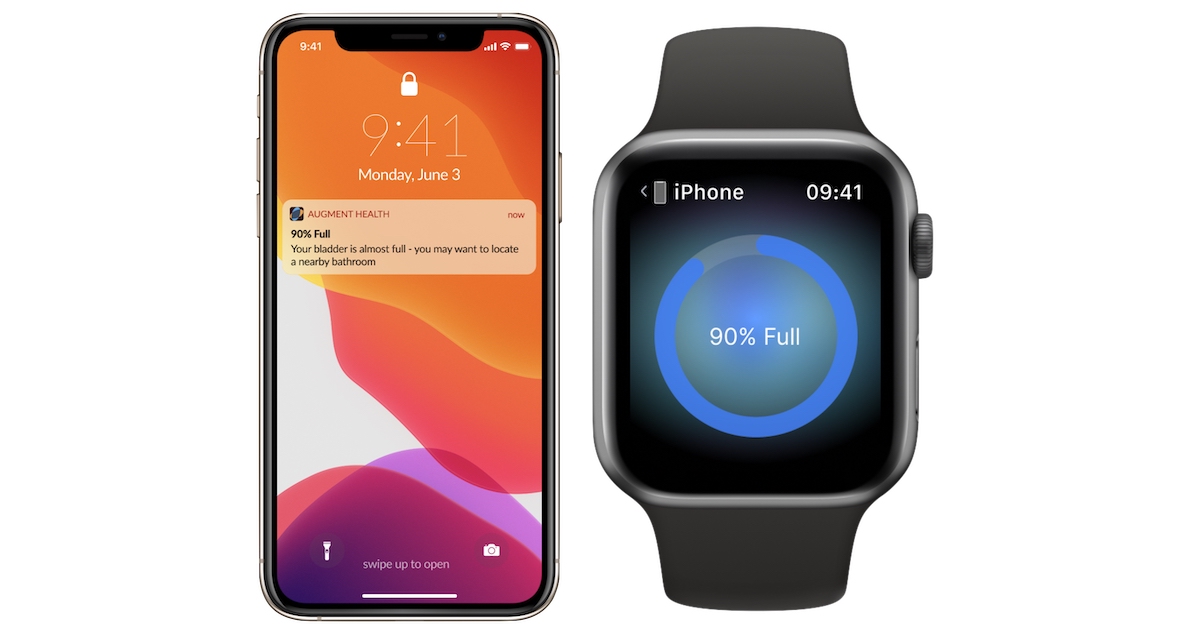
Some patients may need to continuously use a catheter and urine collection bag, but that can be time consuming or hard to use in public spaces. Augment Health cofounders Jared Meyers and Stephen Kalinsky aim to add another option for patients with their device that monitors bladder filling and alerts users on a smartphone app.
CEO Meyers and CTO Kalinsky sat down with MobiHealthNews to discuss how their system works, what they learned when talking to patients and providers, and what’s next for their startup.
MobiHealthNews: Can you give me some background on how the device and the app work?
Stephen Kalinsky: We’re helping people with neurological conditions to know when their bladder is full.
At the end of the catheter, where usually they’d have a bag, instead our device connects and monitors their filling. It notifies them on their phone when their bladder is full, and then they can open this valve when they have to go to the bathroom, and it will void their bladder. And so it makes it more of a natural process where someone’s storing urine in their body again, instead of offloading that to a bag.
There are physiological benefits that come with that, and then there’s also a peace of mind where you don’t necessarily have to worry about people seeing the bag and staring or potentially having leaks.
MHN: What was the impetus behind designing this kind of system?
Jared Meyers: The project started while Stephen and I were at Georgia Tech going through their biomedical engineering program. We were each working a couple of different roles with startups the previous summer; we were coming back looking for where we could really make an impact and start something of our own.
It was honestly a conversation I had on a plane with a urologist. From there, we started talking to more and more people. As we made this transition from talking with predominantly urologists to also hearing stories from people with spinal cord injuries, people with multiple sclerosis who deal with these problems every day. That was when it really transitioned from an interesting space to a problem that we knew we had to solve right away. It was really this research, this understanding of the patient journey and the patient experience.
MHN: What did you hear from patients and providers when you were kind of discussing that patient journey and experience?
Meyers:Initially, we were hearing a lot about infections from the clinician side. Catheter-associated urinary tract infections are a major and very notable issue within the space, and there’s been a lot of work done on those. But then, as we continued talking to patients, what we started hearing was that, in a lot of cases, it can take someone a really long time to be able to use the bathroom. Some people were hesitant to go outside for a week or more after starting to use these urine collection bags because they were embarrassed.
In other cases, someone had their pet cat jump on their bag, causing the bag to burst. From other people who maybe had the condition for a little bit longer or had done a little more research, they were really voicing these concerns around, “Wait, if I’m using a bag instead of my bladder, what’s happening to my bladder health?”
For a clinician, they might see this patient once a month, but for his patients and people dealing with the conditions, this is an everyday – potentially even every four hours – kind of thing.
MHN: How did you develop the app to work with the device?
Kalinsky:It came from those user interviews, where they were identifying the needs and how someone would interact with it. Before we knew we needed an app, one way we were looking at things was if there was a modality where the device could notify someone. But if you think about if you ever have something in your pocket, you might not necessarily hear it. And if you don’t have sensation below the waist, you’re not going to feel any haptic signals there. Obviously, if it’s covered up by clothing, you’re not going to see a light.
So sending information to the phone was actually one of the easiest ways to access patients. You have a lot more computing power on your phone than we could fit in a device that we wanted to scale down.
There’s this synergistic effect where we were able to get the device smaller and reduce how much weight would have to go into a battery and other processing, and then also do more sophisticated processing and generate reports if the patient needs to show this to their doctor.
MHN:What are your next steps for the business?
Meyers: What we’re looking toward next is hyper-focusing on the two core elements of the business, the tech development and then the commercialization pathway. At a slightly more detailed level, we have that prototype complete, but just making sure we can make it as usable as possible for people who maybe have limited dexterity because of some of these injuries and diseases.
Once we’ve done that and gone through the regulatory process, we’re ready to get this in people’s hands as quickly as possible. So in that regard, it’s identifying who those initial adopter clinics will be, really interfacing with the neurologists and other stakeholders within the industry.
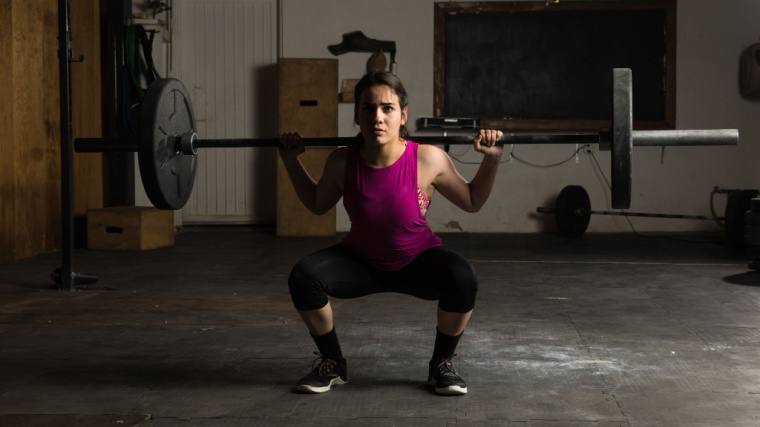
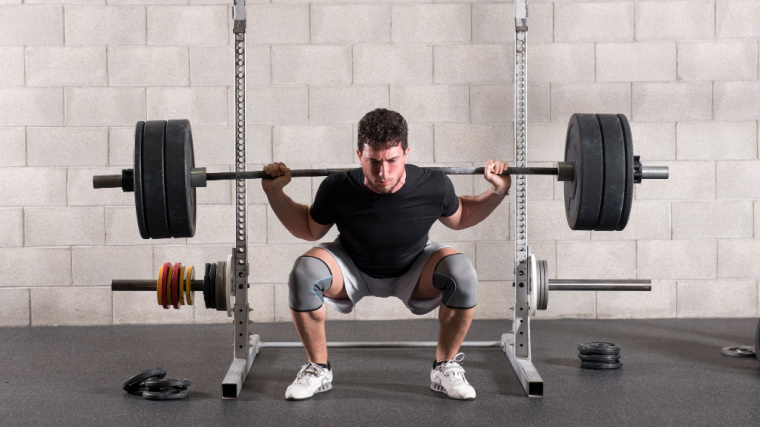
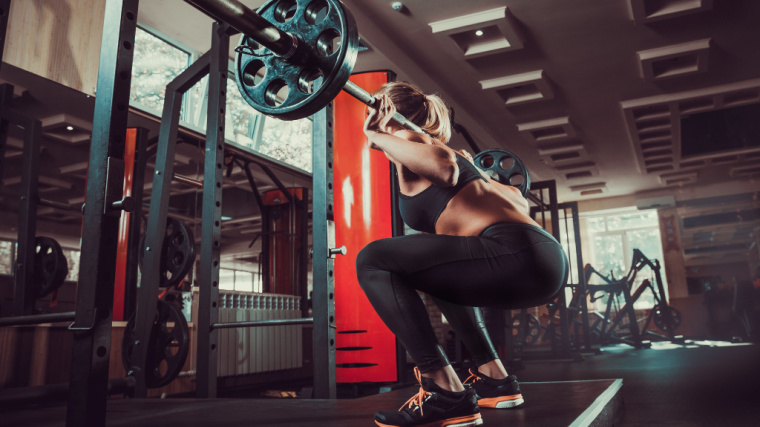
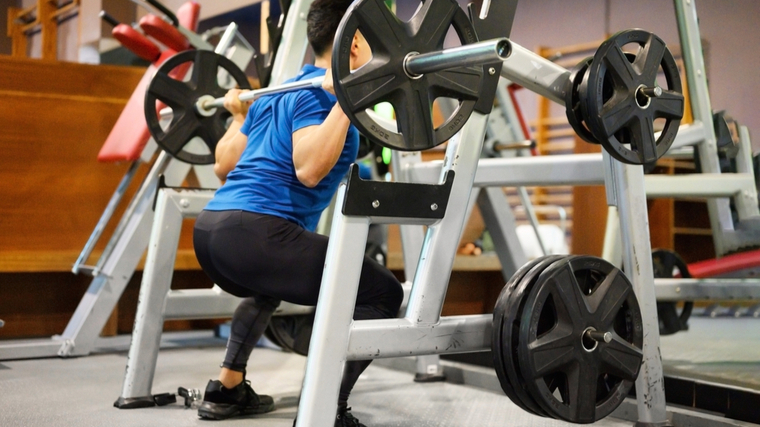
Can you squat every day? To smug middle school English teachers, the only answer is, “I don’t know. Can you?” We’re not looking for detention, so let’s rephrase rather than retort.
Should you squat every day? To literalists, this is still preposterous. You need to squat every day to sit at your desk or upon your porcelain throne. But to lifters and strength professionals who recognize we’re talking about squatting with weights in the gym, it’s a thought-provoking question.
Credit: Mongkolchon Akesin / Shutterstock
Like a proper squat, the best way to approach the question is to go deep. Here, you will find a history of “squat every day” protocols and an evidence-based evaluation of daily squatting for a variety of training goals. We will also consider the likelihood of harm, discuss the nuts and bolts of programming, and, inevitably, answer the question: Should you squat every day?
What Are Daily Squat Protocols?
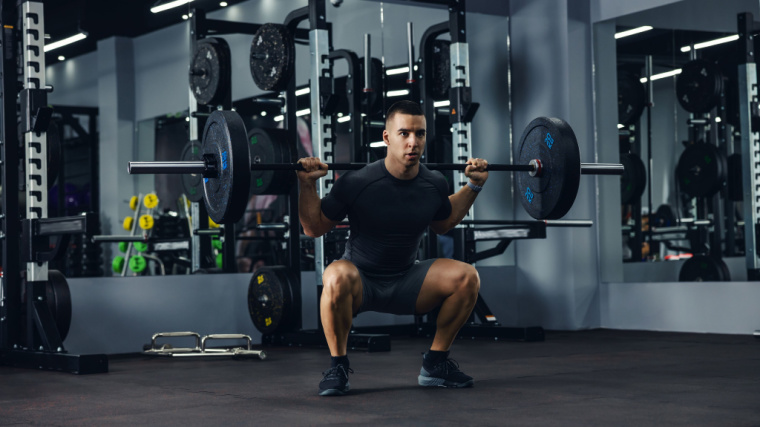
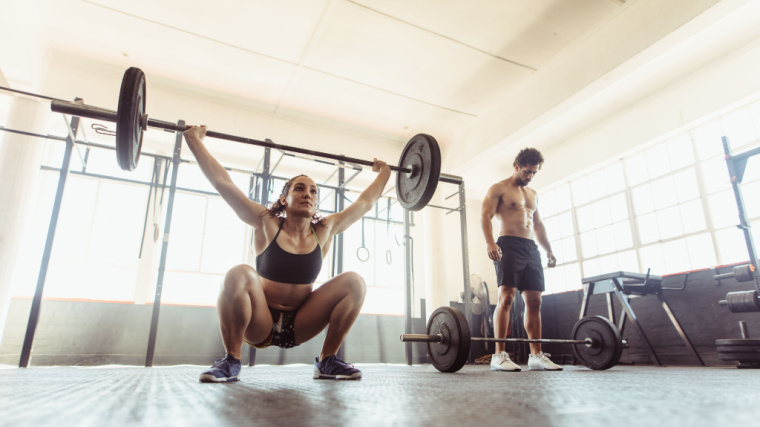
Broadly, daily squat protocols contain just that — squats every damn day. Past this commonality, different daily squat protocols contain variables. Some require the same type of squat be used (e.g. always barbell back squats). Others incorporate squat variations throughout the week (e.g. front squat, overhead squat, etc.).
Many of these programs are periodized, including planned variation of volume (daily sets and reps) and intensity (weight or percentage of maximum). In the most extreme plans, lifters may be asked to max-out every day with a single or multiple repetition sets.
Credit: antoniondiaz / Shutterstock
The defining feature of all daily squat protocols is ultra-high frequency squat training. Traditionally, a muscle group is trained and then given 48 hours (or longer) to recover. (1)
Brazen “squat daily” protocols provide only about 24-hours recovery between bouts. To the traditional strength coach or athlete, this may sound like blasphemy, but high-level athletes are successfully squatting daily and have been for decades. (2)
History of Squatting Every Day
In the age of commercialism, one might think the “big squat rack” industry developed the idea of daily squatting just to sell their wares. But the history of squatting every day runs deeper than pushing powder-coated steel and graphic T-shirts. It even predates social media hashtags like #squatober.
Like many draconian activities in the gym, the origin of modern daily squatting can be traced to Eastern European origins. Starting in the 1960s, Bulgarian coach Ivan Abadjiev successfully trained Olympic weightlifters using a high-volume system that included the competition lifts and squats every day. (3)
This so-called “Bulgarian method” was not without controversy, but it helped to produce gold medalists in Olympic weightlifting. And yes, one could assume the success of the Bulgarian method was largely pharmacological, but does high-frequency training provide an edge when training for certain attributes?
Daily Squatting for Strength
Daily squat programs may have originated in Olympic weightlifting, but they’ve now taken a foothold in powerlifting. Does high-frequency training make sense for the strength-focused lifter?
Research seem to find an advantage to higher frequency training among certain types of lifters, including young adults and intermediate and advanced trainees. The finding most notable for daily squatting was reported by a pair of meta-analyses — improved strength gain for multi-joint exercises when training at higher frequencies. (4)(5)
In both meta-analyses, this effect was tiered, with significant benefit for each additional training session per week up to four or greater. In other words: the more frequency, the better (to an extent).
Credit: Photology1971 / Shutterstock
However, the findings were based on a limited number of available studies on frequencies at or above four training sessions per week, and studies that allowed more sets and reps for the higher frequency training groups were included in the analysis. (4)(5) More recent studies with intensity- and volume-matched protocols show no difference in strength outcomes. (6)(7)(8)(9)
But the take-home message stands: there does not appear to be any downside to high-frequency training when it comes to strength outcomes. And, if high-frequency training allows you to train harder or do more, there might be a benefit.
Daily Squatting for Hypertrophy
For building muscle, there is an argument for high-frequency training. Protein, as you probably know, is kind of a big deal for muscle growth.
A lifting session stimulates construction of new muscle by increasing rates of protein synthesis. But the increased protein synthesis rate is short-lived, peaking at about 24 hours post-training before rapidly declining. (11) Frequent training, therefore, may help to keep the muscle in a building, or “anabolic,” state by repeatedly stimulating muscle protein synthesis. (12)
Theory aside, a meta-analysis of training studies failed to show significant benefit of increased frequency when volume (total sets and reps) is kept constant. (13) Keep in mind, most of the “high-frequency training” studies in the meta-analysis were looking at three or four sessions per week for a given muscle group. Squatting every day will train the quads, glutes, and calves, well, every day.
Credit: SOK Studio / Shutterstock
While research on ultra-high frequency training (five or more sessions per week) remains sparse, more studies are taking on ultra-high frequency training protocols and comparing muscle gains to lower frequency.
Don’t get too excited yet. The findings of recent, volume-matched studies are unlikely to change the conclusion provided by the previous meta-analysis —“No difference” in muscle growth between ultra-high-frequency training and low-frequency training when overall volume is the same. (6)(8)(9)(10)
Here’s where things get interesting. When total weekly training volumes were not equal, research has reported moderate benefits to three or more sessions per week. (13) This makes sense, as lifting volume is a driver of hypertrophy. (14)(15) This point is key when considering daily squatting because, if squatting every day helps you achieve more quality sets and reps, there’s a good chance it will help you to grow bigger muscles.
Daily Squatting for Power
Bulgarian Olympic weightlifters were early-adopters of ultra-high frequency training. They were training for a power- and technique-driven sport. Although direct research is lacking, squatting every day to develop lower body power appears anecdotally promising.
Power training is most effective when failed reps and general fatigue are avoided. (16) Therefore, power training programs tend to use sub-maximal loads with set, rep, and rest schemes designed to avoid failure.
Squatting every day may be an appealing option because it is likely that power-focused lifters will recover within 24 hours and be ready to perform again. (17) High-level Olympic lifters train as often as 18 times per week.
Distributing training across frequent, shorter sessions not only reduces overall fatigue, but it provides more opportunities to practice exercise technique and skill. Remember the wisdom of legendary American wrestling coach Dan Gable: If something is important, do it every day.
Should I Max Out Every Day?
The most extreme daily squatting protocols ask the lifter to “max out” or test their maximum strength every day. Daily max protocols fly in the face of conventional strength and conditioning practices.
To dissuade lifters from maxing out every chance they get, a coach might say, “training and testing are two different things.” Strength tests are low volume with maximum loads. For example, working up to a one-repetition maximum (1RM) squat and then calling it a day. Training for strength typically consists of multiple sets of multiple repetition sets. For example, four sets of five or three sets of eight.
Maxing out in every session can be physically taxing and might result in rapid accumulation of fatigue. Also, since most lifters are in no condition to train efficiently after maxing out, testing strength comes at the expense of traditional training.
Interestingly, training that consists exclusively of 1RM testing twice per week has been linked to strength improvements similar to higher volume training (i.e. four sets of eight to 12 reps, twice per week). (18) There is something to be said for practicing the test and getting more comfortable under heavy loads.
Credit: Jacob Lund / Shutterstock
Research was performed on three very experienced powerlifters who spent 37 days hitting daily 1RMs. (2) Each of the participants improved their 1RM over the course of training, ranging from five to 10%, which is serious progress for an experienced lifter.
However, the lifters didn’t only perform a 1RM. Their daily squat workouts also included five sets of doubles or triples at 90% 1RM and 85% 1RM, respectively, for the first 30 days of the trial. Daily maximum squatting for roughly six weeks appears to be a viable strength-building method in well-trained lifters.
Just be cautious extrapolating this data to your own training. Are you a healthy powerlifter with a lengthy training history? Do you have trained spotters to keep you safe every day? Could you handle the mental and physical grind of maxing out every day?
If you answered “No” to any of the above questions, daily max squatting is probably not for you. Keep in mind, even a middle-of-the-road (non-max) daily squatting routine gives you plenty of opportunities to both train and test your squat.
Is it Overtraining?
Overtraining is defined as a persistent decrease in performance lasting months. (19) It’s the fastest way to derail your train to Gainsville. Overtraining is associated with performing too much exercise volume and/or too much exercise intensity. So, will daily squatting cause you to overtrain? Not likely, but let’s take a step back and discuss the nuances.
Genuine over-training appears to be rare among lifters. (19) But you’re not out of the water yet. Two related and more common phenomena are non-functional over-reaching and functional over-reaching.
Non-functional over-reaching is overtraining’s little brother — not nearly as dangerous, but still a persona non grata in any decent muscle-focused community. It’s a performance loss lasting weeks to months, which rebounds back to baseline after a period of recovery. (19) You end up with no net loss, but nothing gained.
Functional over-reaching, or simply “over-reaching,” is a short-term performance loss followed by super-compensation (rebounded improvement). After days-to-weeks of lagging, you recover and overall performance increases. (19)(20) When used strategically, functional over-reaching is a powerful tool for making new gains.
Over-training vs. Over-reaching
Overtraining, non-functional over-reaching, and functional over-reaching — where will squatting every day put you on this spectrum?
Credit: Dusan Petkovic / Shutterstock
One daily-squatting study sought out to cause overtraining. After performing 10 one-rep max lifts per day, every day for two weeks straight, researchers saw lifters’ 1RM strength drop an average of more than 10% and blood levels of creatine kinase (a marker of muscle damage) nearly double. (20) However, the researchers failed to conduct a follow-up test after a period of recovery.
Instead, the final 1RM test was conducted the day after the final training session. To determine whether the study truly induced overtraining based on our established definitions, a longer period of recovery should have been provided before performance testing. We can only theorize whether the high-intensity squat every day protocol led to long-term losses in performance.
Another study by the same lead researcher clearly showed non-functional over-reaching among intermediate trainees with a high-intensity squat protocol. The training consisted of two singles at 95% 1RM, three singles at 90% 1RM, and three sets of 10 leg curls performed three times weekly for three weeks. (21)
The trainees’ squat strength failed to improve during the rigorous training and failed to improve following three weeks of baseline training for recovery. These findings should be eye-opening. The study shows how quickly high-intensity training, even at moderate frequency, can push lifters away from results.
Non-functional over-reaching can be surprisingly sneaky. The participants didn’t report increased muscle, knee, or low back soreness or pain throughout the high-intensity protocol. (21)
The only published study on daily squatting is the previously discussed research on the three powerlifters who hit 1RMs daily for six weeks. These powerlifters didn’t actually overtrain, but their 1RM fell below baseline at multiple points during the study.
The lifters undoubtedly experienced functional over-reaching at the beginning of the intense protocol, because their strength ultimately rebounded and improved. (2)
While true over-training is unlikely, non-functional over-reaching (unproductive training) is a real risk when squatting frequently. Avoid this pitfall using well-designed programming.
The Right Way to Squat Every Day
If you are going to squat every day, you need to pay attention to more than just volume and intensity. A number of variables are important when selecting a program or developing your own.
Variation
Daily squat programs should include some degree of variation. This can include changes in programming variables: intensity (weight), volume (sets and reps), rep speed, rest intervals, frequency, and exercise selection. (22) Squatting every day precludes variation in frequency, but should not limit manipulation of the other variables.
If you are not a competitive powerlifter, you should not feel limited to programming only the back squat. A wide variety of “squats” can be used in daily squatting programs, each with unique qualities and benefits.
Squat variations that promote a more upright torso are more knee-dominant and will hit your quads harder. Options include, but are not limited to: Zercher squats, goblet squats, heels-elevated squats, and safety squat bar squats.
Squat variations that encourage the lifter to sit back into the hips are going to be hip-dominant and bias the glutes. Low-bar back squats and box squats are great options. Single leg-biased squats, such as the rear-foot elevated split squat, challenge balance and train your stabilizing muscles.
Machine variations like hack squats can offer reprieve to some of the stabilizing muscles. Belt squats are great for offloading the spine. By alternating or intermixing multiple squat variations throughout the week, you’re adding variability to the program.
Variability should assist with fatigue management by promoting a more equitable distribution of training stress across various body tissues.
There are many ways to vary the remaining programming variables. For ultra-high frequency training, adaily undulating periodization (DUP) structure works very well because it promotes extreme variation by adjusting the intensity and total volume in each session.
One day might have you program one or two working sets of squats in the eight to 12-repetition range. The next day might be a single set in the two to six-rep range. The third day could be one or two sets of 12 to 16 repetitions. Rinse and repeat.
Big Picture Planning
Daily squat programs should be part of your periodized training plan. The program should be conceptualized as a “block” of training being performed for the specific goal of maximizing one aspect of fitness related to the squat (e.g. power, strength, hypertrophy, technique, etc.). (22)
It should fit into your “bigger picture” plan for performance or competition. For example, a powerlifter or Olympic weightlifter might be interested in improving squat strength and technique leading up to a competitive season.
A bodybuilder might program daily squatting to beef up their lower body in the off-season. A CrossFit athlete might squat daily to improve work capacity and lower body strength-endurance.
Credit: Jacob Lund / Shutterstock
The daily squatting “block” can be used as a planned over-reaching strategy to accelerate progress toward your goal. To realize the benefits, daily squatting should be terminated early enough to allow for recovery and super-compensation to occur.
For strength-related pursuits, consider ending daily squatting two to four weeks prior to competition. (23) Performing a deload immediately after daily squatting will allow you to get the most out of this training block.
Use Appropriate Volume
“Squat every day” programs should include appropriate volume, relative to your training goal and training status. Massive training volumes are not needed to increase strength. Most individuals can increase their squat strength with two or three weekly hard sets in the six to 12 repetition range. (24)
To optimize strength gain, there will be incremental benefits for adding additional working sets. (5)(25) However, the dose-response relationship has an upper limit. For advanced lifters, this threshold may be approximately 10 to 12 weekly sets. (5)(26) This threshold is almost certainly lower for beginners and intermediate lifters, possibly as low as five to nine sets per week. (5)
Volume is directly tied to hypertrophy. The general recommendation for hypertrophy training is to hit a minimum of 10 weekly working sets per muscle group. (15)(27)
In summary, strength-focused trainees on a “squat daily” program will likely target seven to 12 weekly sets of squats, while lifters focusing on hypertrophy will target a minimum of 10 sets per week. The ultimate number of sets a trainee should use should be individualized based on training experience.
Credit: Lucky Business / Shutterstock
Keep in mind that these are total working sets and does not include warm-up sets. If you are a strong squatter working up to big numbers seven days per week, these recommendations will result in a lot of time at the squat rack. Bear in mind, weekly volume should not be a static target. Your daily squat program ought to be progressive just like any other training.
Considering the close relationship between hypertrophy and volume, it is most prudent to for lifters interested in gaining muscle to add sets throughout their training “block.” (15) Increasing set volume by 20% throughout a month-long squat program is a reasonable target. (27)
Finally, those squatting for substantially less than seven sets per week (i.e. the minimum number required to “squat every day”) should to gradually build their squat volume prior to beginning daily squatting.
Regulate Intensity
Squat every day programs should be intensity-controlled. You are (probably) not an elite athlete, so you probably shouldn’t max out every day like elite athletes can handle. Even if you don’t plan max out often or at all during your squat protocol, be cautious of combining high-intensity with high-frequency.
Just three weeks of 15 weekly singles at 90% and 95% 1RM was enough to stall the progress of intermediate trainees. (21) Ultimately, you can decrease the likelihood of unproductive training by limiting the number of sets performed above 90% 1RM. These sets are taxing and may not be as important for strength gain as you might assume.
For example, competitive weightlifters who completed over 91% of their repetitions at loads below 90% 1RM demonstrated greater increases in strength than weightlifters on a higher intensity, volume-matched protocol. (26)
Make no mistake, building strength is dependent on lifting heavier loads, at least occasionally. On the other hand, building muscle is more dependent on volume. (14)(15) (28) A wide variety of intensities stimulate hypertrophy training provided sets are taken close to failure. (27)(28)(29)
Any load greater than the very light 30RM can be effective for building muscle. (27)(28) Anyone who has taken a light weight, high-rep set close to failure knows how taxing and miserable it can be.
Credit: Jacob Lund / Shutterstock
Therefore, a middle-of-road approach to loading your squats may still be most appealing. For most lifters with strength or hypertrophy goals, most sets should be performed in the 70-90% 1RM range with heavier sets programmed judiciously. You don’t need to “max out” often, but when you do, use it as an opportunity to re-calibrate your loads or percentages.
The ultimate number of heavy sets per week appropriate for your program is highly individual. It’s related to your training history (“how long have you been squatting heavy?”), other training stress (“are you also doing other strenuous workouts?”), and how much you’re able to recovery (“are you eating a diet with ample calories and nutrients while getting more than seven hours of quality sleep per night?”).
Start conservatively and plan to progress. Progress intensity by ensuring that you are putting more weight on the bar during your high intensity workouts. For ambitious lifters, the potential consequences of doing too much will always outweigh the potential cost of doing too little. If you under-load one session, you can always do more. If you over-load one session, your recovery and performance will take time to adjust.
Cut the Fluff
When squatting often, dial back elsewhere. Cutting back or eliminating other lower body training during the daily squat protocol is also advisable, especially leg exercises that are loaded axially (through the trunk and spine, such as deadlifts, lunges, and weighted step-ups).
Isolation work is fine for muscle groups sub-optimally stimulated by the squat, such as machine calf raises and hamstring curls.
Set an End Date
Daily squat programs should be time-limited. It was shown that well-trained powerlifters can thrive under a daily squat protocol for nearly six weeks, but it is not known how long even well-trained lifters can tolerate squatting every day.
Researchers explicitly warned against using their study as a model for novice and intermediate lifters. (2) Conservatively, intermediate and novice lifters should experiment daily squatting for just a few weeks and assess their individual tolerance and responses to the program before committing to relatively longer protocols.
Abandon or Modify the Plan if Necessary
Responses to this style of training are highly individual. Studies have shown large individual variation among responses to high-frequency training. (8)(9)(10) The take-home message? You might thrive on a high-frequency squat program, but there is a chance you might bomb.
Credit: David Herraez Calzada / Shutterstock
Monitor progress during daily squatting with objective and subjective data. Objective data could be as simple as tracking your maximum effort or highest intensity sets (e.g. repetition maximum attempts) or the number of repetitions you perform with a typical weight.
Subjectively, you could track Session Rate of Perceived Exertion (Session RPE), which is a number from zero to ten used to rate your workout effort, “zero” means you were resting and “ten” is maximum exertion. (30)
Track trends in your performance and exertion. During the first week of daily squatting, your body is adapting to the new stimulus. You might see some significant drops in performance here. Outside of the first week or so, you should not be losing strength or unintentionally cutting reps for multiple days in a row.
Every session should not be a 10 of 10 Session RPE. If you notice these features, they could be a sign that high-frequency squatting, or the way you are programming high-frequency squatting, is not working for you. Course correct accordingly.
Final Thoughts
If you’ve made it this far, hopefully you have an idea of whether or not you should squat every day. Or, maybe you’ve just skipped to the last section looking for a verdict.
So, should you squat every day? Like any nuanced question, the answer is…it depends. You could boil it down to three key factors — individual preferences, appropriate program design, and individual responses.
There is typically no harm associated with high-frequency training. (4)(5)(6)(7)(8)(9)(10)(20)(21) Meaning, if you like the idea of squatting every day, you should feel empowered to try it. Once you’ve committed to squatting every day, the next challenge is to determine the program specifics (e.g. volume, intensity, duration of training block, squat variations, etc.). Misjudge these variables, and you’re charting a course toward non-functional over-reaching.
Finally, your daily squatting program can simply be your own “experiment.” No randomized controlled training study will provide you with as much value as your own experiences.
All of these recommendations may provide guidance but, ultimately, it’s the help of a good coach, the latest research, and the lessons you learn from the iron that can help you keep squatting day in, day out.
References
Tan, B. (1999). Manipulating resistance training program variables to optimize maximum strength in men: a review. The Journal of Strength & Conditioning Research, 13(3), 289-304.
Zourdos, M. C., Dolan, C., Quiles, J. M., et al. (2016). Efficacy of daily one-repetition maximum training in well-trained powerlifters and weightlifters: a case series. Nutricion hospitalaria, 33(2), 437-443.
Perryman, M. (2013). Squat Every Day: Thoughts on Overtraining and Recovery in Strength Training. Myosynthesis Books.
Grgic, J., Schoenfeld, B. J., Davies, T. B., et al. (2018). Effect of resistance training frequency on gains in muscular strength: a systematic review and meta-analysis. Sports Medicine, 48(5), 1207-1220.
Ralston, G. W., Kilgore, L., Wyatt, F. B., & Baker, J. S. (2017). The effect of weekly set volume on strength gain: a meta-analysis. Sports Medicine, 47(12), 2585-2601.
Colquhoun, R. J., Gai, C. M., Aguilar, D., et al. (2018). Training volume, not frequency, indicative of maximal strength adaptations to resistance training. The Journal of Strength & Conditioning Research, 32(5), 1207-1213.
Hamarsland, H., Moen, H., Skaar, O. J., Jorang, P. W., et al. (2022). Equal-Volume Strength Training With Different Training Frequencies Induces Similar Muscle Hypertrophy and Strength Improvement in Trained Participants. Frontiers in Physiology, 2374.
Franco, C. M., Carneiro, M. A., de Sousa, J. F., et al. (2021). Influence of high-and low-frequency resistance training on lean body mass and muscle strength gains in untrained men. The Journal of Strength & Conditioning Research, 35(8), 2089-2094.
Gomes, G. K., Franco, C. M., Nunes, P. R. P., & Orsatti, F. L. (2019). High-frequency resistance training is not more effective than low-frequency resistance training in increasing muscle mass and strength in well-trained men. The Journal of Strength & Conditioning Research, 33, S130-S139.
Damas, F., Barcelos, C., Nóbrega, S. R., et al. (2019). Individual muscle hypertrophy and strength responses to high vs. low resistance training frequencies. The Journal of Strength & Conditioning Research, 33(4), 897-901.
MacDougall, J. D., Gibala, M. J., Tarnopolsky, M. A., et al. (1995). The time course for elevated muscle protein synthesis following heavy resistance exercise. Canadian Journal of applied physiology, 20(4), 480-486.
Dankel, S. J., Mattocks, K. T., Jessee, M. B., et al. (2017). Frequency: the overlooked resistance training variable for inducing muscle hypertrophy?. Sports Medicine, 47(5), 799-805.
Schoenfeld, B. J., Grgic, J., & Krieger, J. (2019). How many times per week should a muscle be trained to maximize muscle hypertrophy? A systematic review and meta-analysis of studies examining the effects of resistance training frequency. Journal of Sports Sciences, 37(11), 1286-1295.
Schoenfeld, B. J., Contreras, B., Krieger, J., et al. (2019). Resistance training volume enhances muscle hypertrophy but not strength in trained men. Medicine and Science in Sports and Exercise, 51(1), 94.
Schoenfeld, B. J., Ogborn, D., & Krieger, J. W. (2017). Dose-response relationship between weekly resistance training volume and increases in muscle mass: A systematic review and meta-analysis. Journal of Sports Sciences, 35(11), 1073-1082.
Izquierdo, M., Ibañez, J., González-Badillo, J. J., et al. (2006). Differential effects of strength training leading to failure versus not to failure on hormonal responses, strength, and muscle power gains. Journal of Applied Physiology, 100(5), 1647-1656.
Helland, C., Midttun, M., Saeland, F., Haugvad, L., et al. (2020). A strength-oriented exercise session required more recovery time than a power-oriented exercise session with equal work. PeerJ, 8, e10044.
Mattocks, K. T., Buckner, S. L., Jessee, M. B., Dankel, S. J., et al. (2017). Practicing the test produces strength equivalent to higher volume training. Medicine and Science in Sports and Exercise, 49(9), 1945-1954.
Bell, L., Ruddock, A., Maden-Wilkinson, T., & Rogerson, D. (2020). Overreaching and overtraining in strength sports and resistance training: A scoping review. Journal of Sports Sciences, 38(16), 1897-1912.
Fry, A. C., Kraemer, W. J., van Borselen, F. E., et al. (1994). Performance decrements with high-intensity. Medicine and Science in Sports and Exercise, 26, 1165-1173.
Fry, A. C., Webber, J. M., Weiss, L. W., et al. (2000). Impaired performances with excessive high-intensity free-weight training. The Journal of Strength & Conditioning Research, 14(1), 54-61.
DeWeese, B. H., Hornsby, G., Stone, M., & Stone, M. H. (2015). The training process: Planning for strength–power training in track and field. Part 1: Theoretical aspects. Journal of Sport and Health Science, 4(4), 308-317.
Travis, S. K., Mujika, I., Gentles, J. A., et al. (2020). Tapering and peaking maximal strength for powerlifting performance: a review. Sports, 8(9), 125.
Androulakis-Korakakis, P., Fisher, J. P., & Steele, J. (2020). The minimum effective training dose required to increase 1RM strength in resistance-trained men: a systematic review and meta-analysis. Sports Medicine, 50(4), 751-765.
Marshall, P. W., McEwen, M., & Robbins, D. W. (2011). Strength and neuromuscular adaptation following one, four, and eight sets of high intensity resistance exercise in trained males. European Journal of Applied Physiology, 111(12), 3007-3016.
González-Badillo, J. J., Gorostiaga, E. M., Arellano, R., & Izquierdo, M. (2005). Moderate resistance training volume produces more favorable strength gains than high or low volumes during a short-term training cycle. The Journal of Strength & Conditioning Research, 19(3), 689-697.
Schoenfeld, B., Fisher, J., Grgic, J., et al. (2021). Resistance training recommendations to maximize muscle hypertrophy in an athletic population: Position stand of the IUSCA. International Journal of Strength and Conditioning, 1(1), 1-30
Schoenfeld, B. J., Grgic, J., Van Every, D. W., & Plotkin, D. L. (2021). Loading recommendations for muscle strength, hypertrophy, and local endurance: a re-examination of the repetition continuum. Sports, 9(2), 32.
Jenkins, N. D., Housh, T. J., Buckner, S. L., et al. (2016). Neuromuscular adaptations after 2 and 4 weeks of 80% versus 30% 1 repetition maximum resistance training to failure. Journal of strength and conditioning research, 30(8), 2174-2185.
Egan, A. D., Winchester, J. B., Foster, C., & McGuigan, M. R. (2006). Using session RPE to monitor different methods of resistance exercise. Journal of sports science & medicine, 5(2), 289.
Howatson, G., & Van Someren, K. A. (2008). The prevention and treatment of exercise-induced muscle damage. Sports Medicine, 38(6), 483-503.
Yoshida, R., Sato, S., Kasahara, K., et al. (2022). Greater effects by performing a small number of eccentric contractions daily than a larger number of them once a week. Scandinavian Journal of Medicine & Science in Sports. Published ahead of print. https://doi.org/10.1111/sms.14220.
Sept. 1, 2022 – Warning labels on alcoholic drinks need to be updated to spell out details of potential harm in order to make them more effective, two U.S. researchers say.
The current labelling has not changed for 30 years and focuses only on risks during pregnancy and with operating machinery, with a vague statement that alcohol “may cause health problems.”
This is “so understated that it borders on being misleading,” the researchers say.
The science has moved on, and there is now firm evidence of harm. Alcohol has been classified by the International Agency for Research on Cancer as a group 1 carcinogen and has been linked to an increased risk of many cancers. It has also been linked to a wide range of diseases, from liver disease to pancreatitis to some types of heart disease.
Yet the public is mostly unaware of the most serious health risks that are associated with drinking, they point out.
“We believe Americans deserve the opportunity to make well-informed decisions about their alcohol consumption,” said Anna H. Grummon, PhD, of the Harvard T.H. Chan School of Public Health in Boston, and Marissa G. Hall, PhD, of the University of North Carolina, Chapel Hill.
“Designing and adopting new alcohol warning labels should therefore be a research and policy priority,” they said.
“Alcohol consumption and its associated harms are reaching a crisis point in the United States,” they pointed out.
It now accounts for more than 140,000 deaths per year in the U.S., according to the latest data from the CDC. The COVID-19 pandemic has made the problem even worse, with a 25% increase in alcohol-related deaths reported in 2020.
New, well-designed warning labels on alcohol is a commonsense way to give consumers information and lessen alcohol-related harm, they suggest.
What Makes a Good Warning Label?
Warning labels are most effective when they are prominently displayed, when they include pictures of some type, and when the content is rotated to avoid any one message from becoming “stale,” the researchers say. This has worked well for cigarette packets, where this type of warning has increased smoking quit rates, as compared with smaller, side-of-pack, text-only warning labels.
There is also some evidence that this type of labeling can work for alcohol. When large warnings about cancer risk that included pictures were temporarily added to the front of alcohol containers in some stores in Yukon, Canada, alcohol sales declined from 6% to 10%, they point out.
But pressure from the alcohol industry led to changes in the Yukon project, and while a general health warning remains, the label about increased cancer risk was removed.
The researchers say the alcohol industry gets in the way of efforts to educate the public. The industry spends more than $1 billion each year to market its products in the U.S.
The authors caution that if the government doesn’t get involved, the alcohol industry has little reason to share the risks.
And some companies even link their products to health campaigns, such as selling pink ribbon-themed alcoholic drinks in October to promote efforts to raise funds for breast cancer research, despite compelling evidence linking alcohol to a higher risk of breast cancer.
Calling on Congress for New Labels
This is not the first call for a change in alcohol warning labels.
The petition was signed by the American Society of Clinical Oncology (ASCO), the American Institute for Cancer Research, and Breast Cancer Prevention Partners, along with the American Public Health Association, the Consumer Federation of America, the Center for Science in the Public Interest, Alcohol Justice, and the U.S. Alcohol Policy Alliance.
They are calling for a label that would say: “WARNING: According to the Surgeon General, consumption of alcoholic beverages can cause cancer, including breast and colon cancers.”
But that petition is still pending, said Melissa Maitin-Shepard, a policy expert at the American Institute for Cancer Research.
In addition, the institute is “working to advocate for the addition of a cancer warning label to alcoholic beverages through multiple channels,” she said. “Given the strong evidence linking alcohol use with at least six types of cancer – and low awareness of the alcohol and cancer connection – there is a tremendous need to educate the public about alcohol and cancer risk.”
Noelle LoConte, MD, an associate professor of medicine at the University of Wisconsin, Madison, and the lead author of the ASCO statement on alcohol and cancer risk, stressed that there is no doubt that alcohol is a carcinogen, causing about 5% of cancers globally, and also that its use has increased during the pandemic.
“Initiatives that raise awareness around this issue could help generate more public support for policies that limit alcohol access and thereby decrease the number of alcohol-associated cancers,” she said. “In ASCO’s statement on alcohol and cancer, we recommend several key strategies to reduce high-risk alcohol consumption, including limiting youth access to alcohol, giving municipalities more control over alcohol outlet density and points of sale, and increasing taxes on alcohol.”
But she also had a small criticism of one point in the New England Journal of Medicine article. It shows a sample diagram that lists gastric cancer as caused by alcohol.
“But as of today, gastric cancer is not on the IARC [International Agency for Research on Cancer] list of alcohol associated cancers,” she said. “I think this brings to mind one critical point, that these warning labels have to contain scientifically established facts.”
What are you up to? We are visiting my sister in California and jumping off sand dunes and eating fish tacos and having brotherly squabbles and all of the things! Hope you have a good one, and here are a few fun links from around the web…
Britain’s coastal grandmothers react to becoming TikTok style icons. “I’ve got a basic wardrobe of all my favorite bits that I just chuck on… I don’t want to look frumpy, but I don’t want to look like mutton dressed as lamb either.”
Why I decided not to marry my wife in a church: “All of my childhood fantasies about marriage involved a church. I was raised in a tongues-speaking, foot-stomping, choir-sanging, tambourine-playing Black church, where my grandparents — on both sides of my family — were pastors. I loved being a church girl… But my real wedding in 2021 was nothing like what I’d pictured.” (Elle)
Says JAK on a living room fakeover: “A deceptively simple ‘fakeover’ is switching out kitchen tablecloths. Right now, I have a cheerful ’70s flower print; this fall, I’ll switch to a subtle stripe. One thing I’ve learned is, don’t save your tablecloths for special occasions — use them all the time. They are not meant to be stuck in a linen closet!”
Says Alison on a living room fakeover: “My grandmother rotated the framed pictures she had of her grandchildren according to the season. Snow pictures for winter, Easter pictures for spring, beach pictures for summer, and school pictures for fall. I always thought that was so fun as a child.”
THURSDAY, Sept. 1, 2022 (HealthDay News) — Skin lightening products can be dangerous for consumers when they contain harmful ingredients that are illegal for over-the-counter sales, the U.S. Food and Drug Administration warned Wednesday.
The potentially harmful ingredients are hydroquinone or mercury, the agency said in a news release.
People who have used products with hydroquinone have suffered side effects that included rashes, facial swelling, and permanent skin discoloration, the FDA warned. Meanwhile, mercury is highly toxic and can damage the nervous, digestive and immune systems, as well as the lungs, kidneys, skin and eyes.
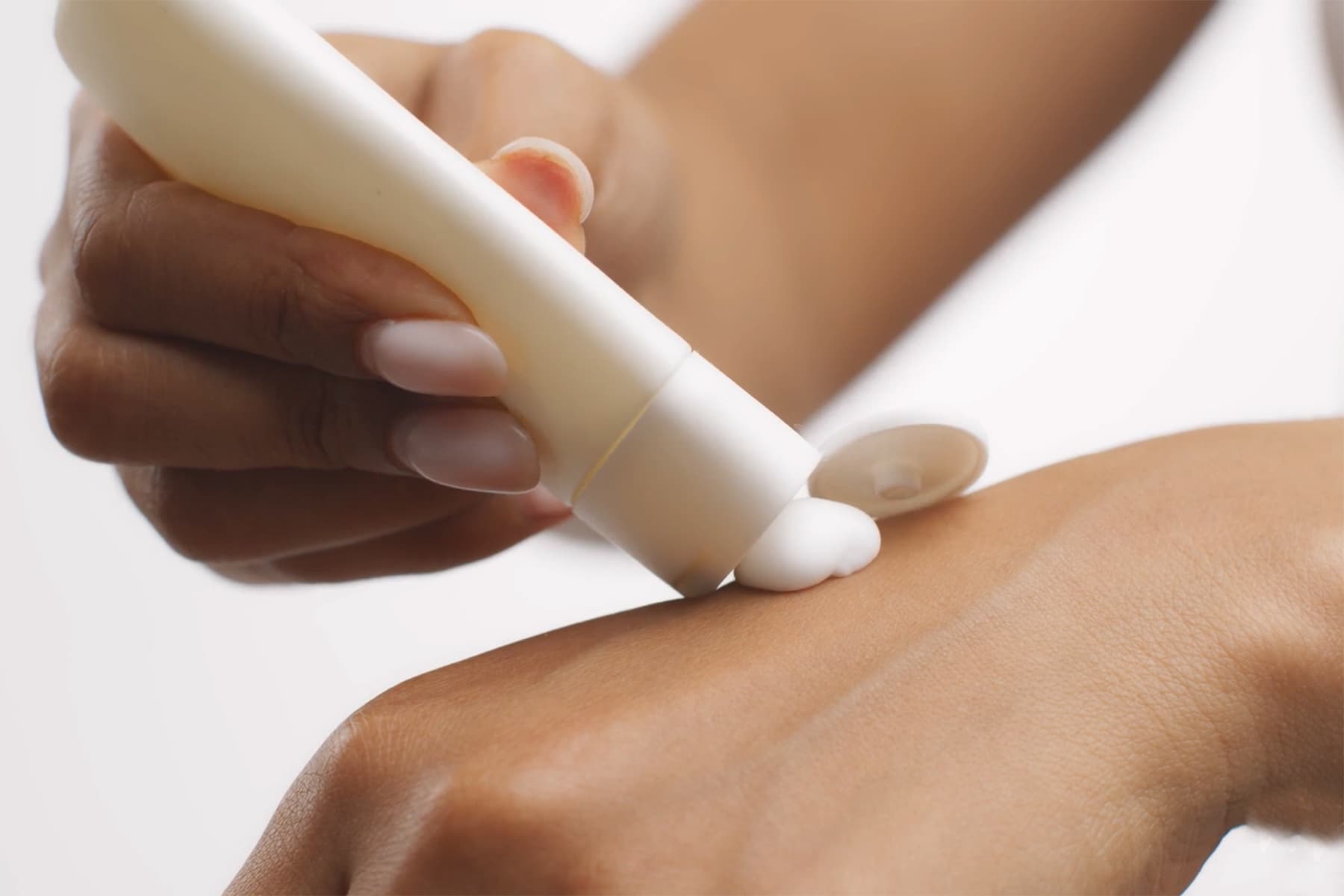
Skin lightening products are marketed as treatments for uneven skin tone, acne, age spots, freckles and wrinkles. Companies may describe skin lightening products as skin bleaching, fading, evening, brightening or whitening products. The products are often sold as creams, lotions, soaps or powders in shops that cater to Hispanic/Latino, Asian, African or Middle Eastern communities, the FDA said.
These products limit the skin’s production of melanin, responsible for skin, hair and eye color. But hydroquinone and mercury can build up in the body over time.
“Skin lightening products containing hydroquinone are not approved for over-the-counter sale,” the FDA said. “However, you can get a prescription skin product containing hydroquinone from your health care provider. The use of mercury in skin lightening products is banned.”
Consumers should check product labels and avoid those containing hydroquinone or mercury. Mercury may be listed as mercurous chloride, calomel, mercuric, mercurio or Hg. Illegal products may be inaccurately labeled. Avoid products with handmade labels, labels in languages other than English, or no label at all, the FDA said.
Report any bad reaction from a skin product to your health care provider and to the FDA at www.fda.gov/medwatch/report.htm or by calling 1-800-FDA-1088.
More information
The World Health Organization has more on mercury in skin products.
SOURCE: U.S. Food and Drug Administration, news release, Aug. 30, 2022
Lily Coulter, a 17-year-old high school senior from Charleston, SC, isn’t sure what finally set her off last March.
She was at volleyball practice when she suddenly broke down into uncontrollable sobs. It was quite out of character for Coulter, an academic high-achiever, an athlete, and now senior class president.
“It all came quickly, but it was built up from 2 weeks of prior anxiety,” she says.
“I was stressed about my school work and I felt like practice was taking away from my time to get things done,” Lily says.
At home that evening, Lily’s mom, Krysten, could hear that things were off as her daughter tried to talk it out. “I remember just listening because what she was saying was irrational and she just needed a chance to vent,” says her mom.
Afterward, Lily tucked herself away in her bedroom for some alone time. She sat down at her beloved piano and got lost in her music for a few hours. After some time, she was able to calm herself down.
“I’m lucky that both times I’ve had panic attacks, I was able to work through it on my own,” she says.
Still, Krysten Coulter was truly concerned for daughter that night. The pressure to perform at school had just become too much. She worried that it was starting to take a toll on Lily’s mental health. She wonders where it will stop.
Next year, Lily plans to leave home for her first year of college. Lily’s mom is already nervous about that. “She’s put pressure like this on herself since kindergarten. I worry how she’ll cope if we’re not there.”
The Pressure Is Real
The scenario is all too common, says psychologist Madeline Levine, PhD, author of Ready or Not: Preparing Our Kids to Thrive in an Uncertain and Rapidly Changing World. Kids like Lily feel the weight of academic pressure more than ever before, Levine says.
“Twenty-five years ago, when you asked a child about their biggest source of stress, they would say that there was a divorce or that they were fighting with their sibling.”
Continued
“Now it’s always the stress of school,” Levine says.
And the pandemic hasn’t helped. Rates of depression and anxiety have doubled in school-age kids during the pandemic, according to some studies. The source of the increase isn’t clear, but kids often internalize the expectations in the culture around them, Levine says.
That could be from their friends or from social media or from their parents. “Messages come from all over the place, but the most salient messages come from your parents,” Levine says.
Tools for Reducing Academic Pressure
Here are some things that parents can do to help their kids keep school in a healthy perspective, Levine says:
Avoid sole focus on grades. “If you’re only focused on grades, you end up having an 11-year-old who’s thinking they’re only as good as their last performance,” she says.
Ask questions and be curious – and not just about school performance. For example: What subjects do they like? What don’t they like? What clubs or teams or activities are they involved in? Do they have a healthy social group? Are they lonely? “You can never listen to your child too much,” Levine says.
Allow for unstructured time. Kids and teens need to have at least some time each day just to “mess around.” It doesn’t always have to be schoolwork or planned extracurricular activities. It’s even better if this downtime can happen outdoors in nature.
Have dinner with your kids whenever possible. It’s a good chance to listen for problems and get ahead of them so they’re easier to deal with. It’s also important for your child to know that the family unit is protective against stress. The family is there no matter how school is going.
Avoid too much conversation about material wealth in front of your kids. Instead of talking about a neighbor’s fancy new car or swimming pool, focus on what people do to help each other and their community. Try and teach kids to value the social worker, not just the Silicon Valley billionaire genius, Levine says.
Continued
The stress of academic pressure can show itself in different ways. Pay attention to big shifts in mood or behavior. While it’s normal for kids to be in a bad mood now and then, big shifts might be a sign of more serious problems.
Some teens make it obvious. They make threats, start fights, or disrupt school and social events. But these are the exceptions, Levine says. More often, school pressures lead a young person to become depressed, withdrawn, and anxious.
This can be harder to spot. You might notice excessive self-criticism, sleep problems, sudden changes in body weight, loss of interest in activities they used to like, or talk of self-harm (including suicide).
In these cases, it may be time for professional help. A doctor can recommend an appropriate mental health counselor or psychiatrist in your area.
Looking Ahead
Lily Coulter knows firsthand how hard it can be to balance academics, music, sports, friends, and family and mental health. So she took some time to think over the summer, and she decided to make a change.
To lift some of the pressure she felt last spring, she decided to pass on the volleyball team for her senior year. She says she already feels better about it and she’s excited for her final year of high school.
By Sydney Murphy HealthDay Reporter HealthDay Reporter
THURSDAY, Sept. 1, 2022 (HealthDay News) — The U.S. Drug Enforcement Administration (DEA) is warning the public that colorfully dyed fentanyl — dubbed “rainbow fentanyl” — is readily available across the United States.
“Rainbow fentanyl — fentanyl pills and powder that come in a variety of bright colors, shapes, and sizes — is a deliberate effort by drug traffickers to drive addiction amongst kids and young adults,” said DEA administrator Anne Milgram.
“The men and women of the DEA are relentlessly working to stop the trafficking of rainbow fentanyl and defeat the Mexican drug cartels that are responsible for the vast majority of the fentanyl that is being trafficked in the United States,” Milgram added in an agency news release.
The DEA and other law enforcement officials seized brightly colored fentanyl and fentanyl pills in 18 states in August. The confiscated drugs include pills, powders and blocks that resemble sidewalk chalk.
Despite assertions that some colors might be more potent than others, DEA laboratory testing has found no evidence to support these claims. Still, fentanyl is extremely dangerous, no matter the color, shape or size, the DEA said.
A synthetic opioid, fentanyl is 100 times more potent than morphine and 50 times more potent than heroin. A lethal dose of fentanyl is thought to be as little as 2 milligrams, or about 10 to 15 grains of table salt. It is impossible to determine how much fentanyl is concentrated in a pill or powder without conducting laboratory testing, according to the DEA.
Moreover, fentanyl remains the most lethal drug threat to the United States. The U.S. Centers for Disease Control and Prevention estimates that 107,622 Americans overdosed and died in 2021, with synthetic opioids like fentanyl the cause of 66% of those deaths. Drug poisoning is the leading cause of death for Americans between the ages of 18 and 45.
If you encounter any form of fentanyl, refrain from handling it and call 911 immediately, the DEA advised.
More information
The DEA’s Fentanyl Awareness page lists additional community and parental resources.
SOURCE: U.S. Drug Enforcement Administration, news release, Aug. 30, 2022